

Berlin, Europe's most popular tourist destination, offers far more than cheap nightclubs and Cold War nostalgia.
Some of Germany's most fascinating sights sit just a couple of hours from the capital, and thanks to the deregulation of the long-distance bus network, getting around is cheaper than ever.
Here's a quick rundown of three great day trips from Berlin:
Partner links: booking through them supports the blog at no extra cost to you.
Potsdam
Home to the famous "Potsdam Conference," where the end of World War II was hammered out, and to a string of lavish Hohenzollern palaces, Potsdam sits just an hour from central Berlin, and all the major sights are easy to reach by public transport.
It makes for a full day out not because of the travel time, but because there's simply so much to see.
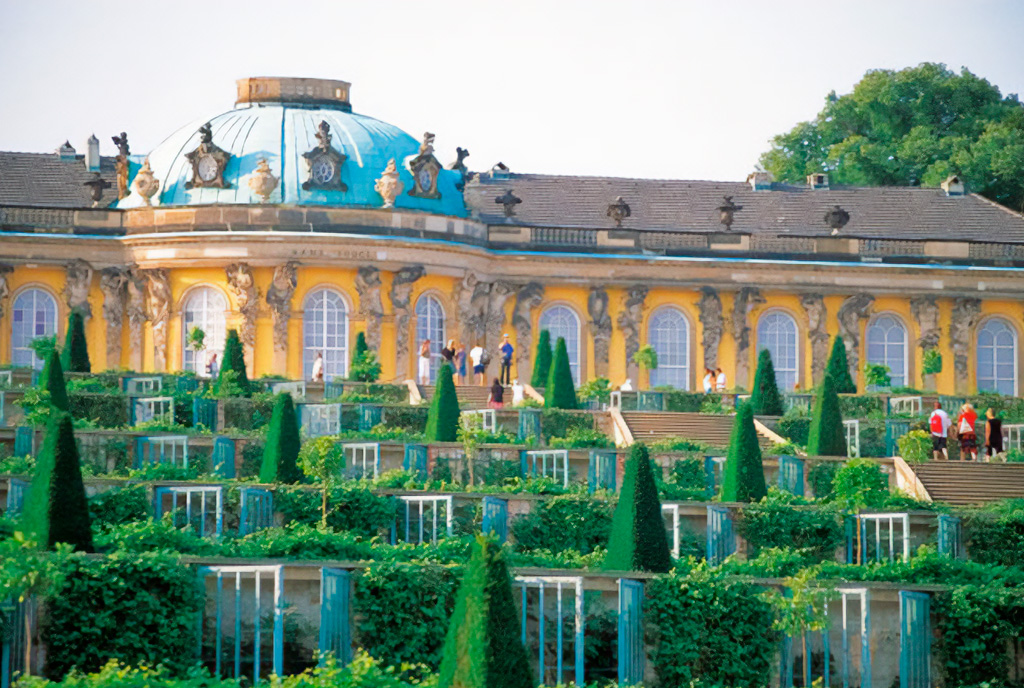
The main highlights include the breathtaking Sanssouci Palace (Maulbeerallee, Potsdam; +49 331 9694200), the former summer residence of Frederick the Great, who ruled the Prussian empire from 1740 to 1786.
A pale, elegant rococo villa, its name means "without a care" and captures the idyllic mood of quiet reflection that Frederick set out to create, complete with a grand terraced vineyard to the south and sweeping views over the surrounding countryside.
An audio tour covers the palace interior, where much of the original decor remains exactly as the Prussian king preferred it, and on a fine day the vast gardens are perfect for an impromptu picnic.
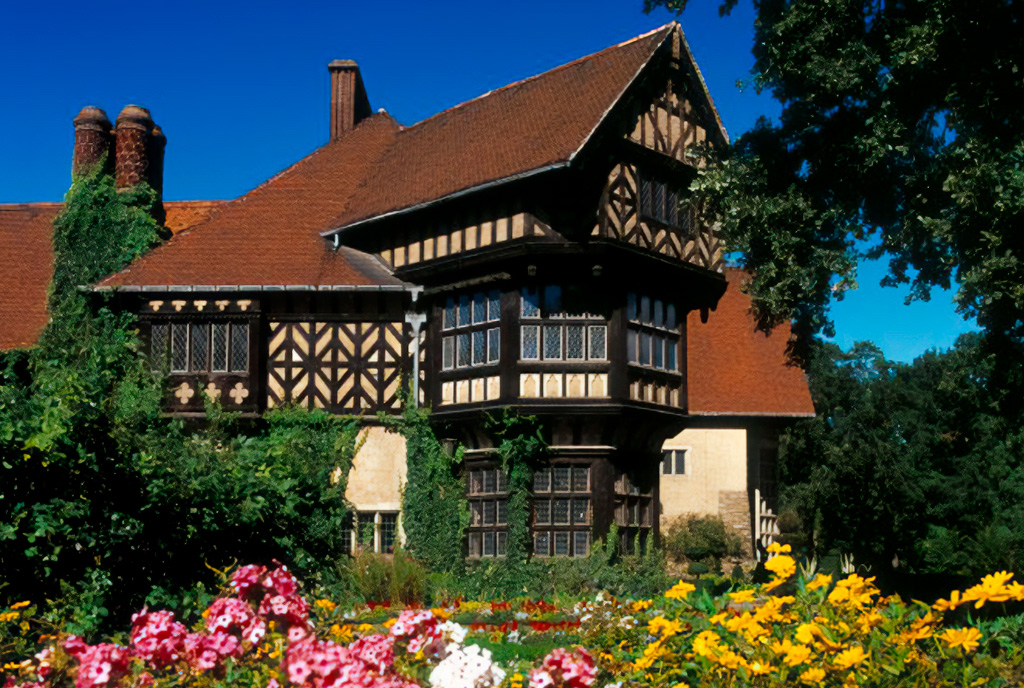
Die-hard palace fans may still have the energy to take in the Orangery and the Spielfestung, or "toy fortress," a miniature fort with a working cannon built for Frederick's son. But in our view, the better choice is the audio guide at Cecilienhof (Im Neuen Garten 11, Potsdam; +49 331 9694 200).
This sprawling Tudor-style mansion is where US President Harry Truman, British Prime Minister Winston Churchill and Soviet leader Joseph Stalin negotiated the division of postwar Germany in 1945. (As always in German museums, it's worth splashing out on the headphones unless you happen to be a history professor.)
Depending on where else you're headed, Potsdam's Old Town may not wow you on its own, cluttered as it is with ordinary shops.
Even so, the varied architecture of the Russian and Dutch Quarters, built as part of Germany's first, failed 18th-century attempt to attract "desirable" immigrants, is well worth a stroll.
Getting there:
Pay an extra 2 euros on top of the standard Berlin WelcomeCard and you'll get free travel plus discounts at various Potsdam attractions (though not the biggest ones).
Otherwise, day tickets for the Berlin transport system's A-B-C zones, which cover buses and trains within Potsdam as well as the so-called "regional train," are available for 7.20 euros.
Leipzig
With the recent 25th anniversary of the fall of the Berlin Wall, the nearby cultural capital of Leipzig, which was the true nerve center of East Germany's peaceful revolution and a longtime home of Baroque composer Johann Sebastian Bach, makes an especially appealing day trip. You can reach it in two hours by bus or 70 minutes by train from Berlin.
Although it was all but flattened by Allied bombs during World War II, the reconstruction of Leipzig's old town is so flawless that it's hard to believe the Renaissance churches and the old market square are copies.
Meanwhile, a growing community of artists and hipsters has fueled a sprawling scene of bars, dance clubs and art, prompting some to call the city the "new Berlin" (or, more dismissively, "Hypezig").
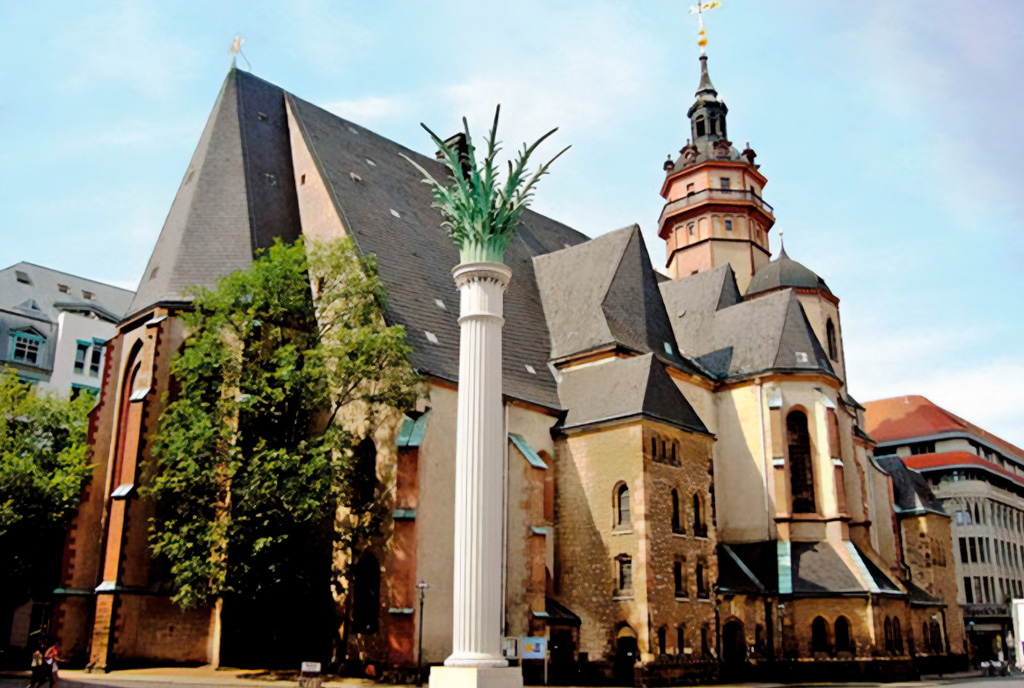
To pay tribute to the movement that brought down the Wall, visit the Nikolaikirche (Nikolaikirchhof 3, Leipzig; +49 341 1245380), the church where a small East German prayer group known as "Swords to Plowshares" grew into a protest of thousands.
Founded in 1165, the church blends Romanesque, Gothic and Baroque architectural styles, but it's its place in history that gives it an atmosphere nothing can match.
You can get a taste of Hypezig at the Spinnerei (Spinnereistrasse 7, Leipzig; +49 341 4980200; tours by appointment), a 19th-century cotton mill that was turned into an artists' collective in the 1990s.
Put on the map by the so-called "New Leipzig School," which includes the post-reunification work of Neo Rauch, Christoph Ruckhaeberle, Matthias Weischer and others, the complex now houses art studios, workshops and galleries.
For fans of classical music, the Leipziger Notenspur, or "Music Trail," links the city's musical landmarks along a 5-kilometer (3-mile) walking route. It takes in the homes of 19th-century composers Felix Mendelssohn and Robert Schumann, along with museums devoted to Bach and Ludwig van Beethoven.
Whatever your feelings about literature, or deals with the devil, it's worth enjoying a meal at Auerbachs Keller (Grimmaische Strasse 2-4, Leipzig; +49 341 216100).
It's one of Germany's oldest restaurants, where the 18th-century poet Johann Wolfgang von Goethe, a regular, imagined Mephistopheles knocking back a few glasses with his namesake hero, Faust.
Getting there:
High-speed train tickets to Leipzig can currently be picked up for as little as 29 euros (about 40 dollars) from Deutschebahn.
Plush buses with snacks, toilets and WiFi can get you there almost as fast, starting from just 7 euros. Try MeinFernbus (+49 180 5 15 99 15) or Berlin Linienbus (+49 30 338 448 0).
Goerlitz
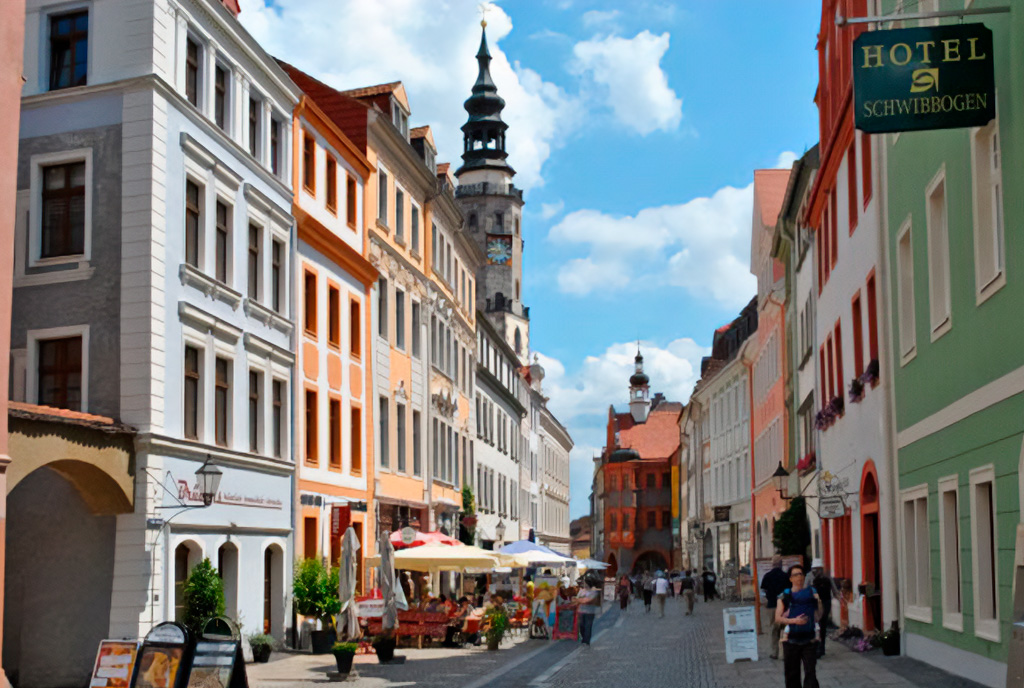
Tiny Goerlitz, roughly three hours from Berlin if you time your connections right, is a little off the beaten track.
But the sheer number of Hollywood productions shot here, "The Reader," "The Grand Budapest Hotel" and "The Book Thief" among them, is testament to its standing as perhaps the most picturesque prewar German town, even if it slips past a lot of guidebooks.
In many ways it's a place to see the dying East of Germany. Despite thriving big cities like Leipzig, plenty of areas are struggling to come back to life.
There isn't much tourist infrastructure here, so it's best to visit in good weather.
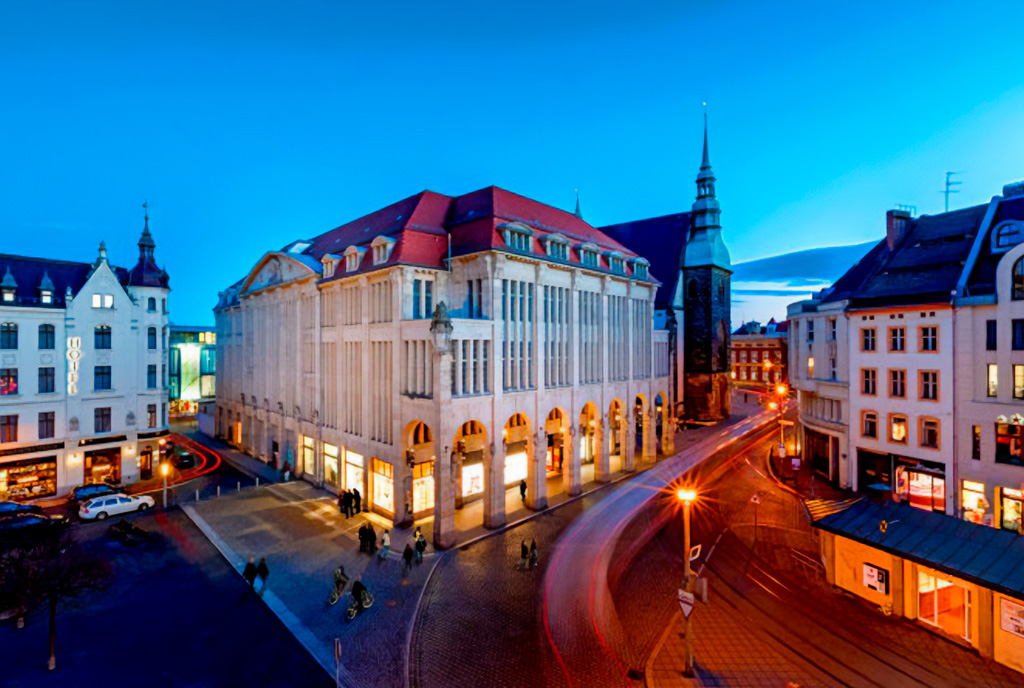
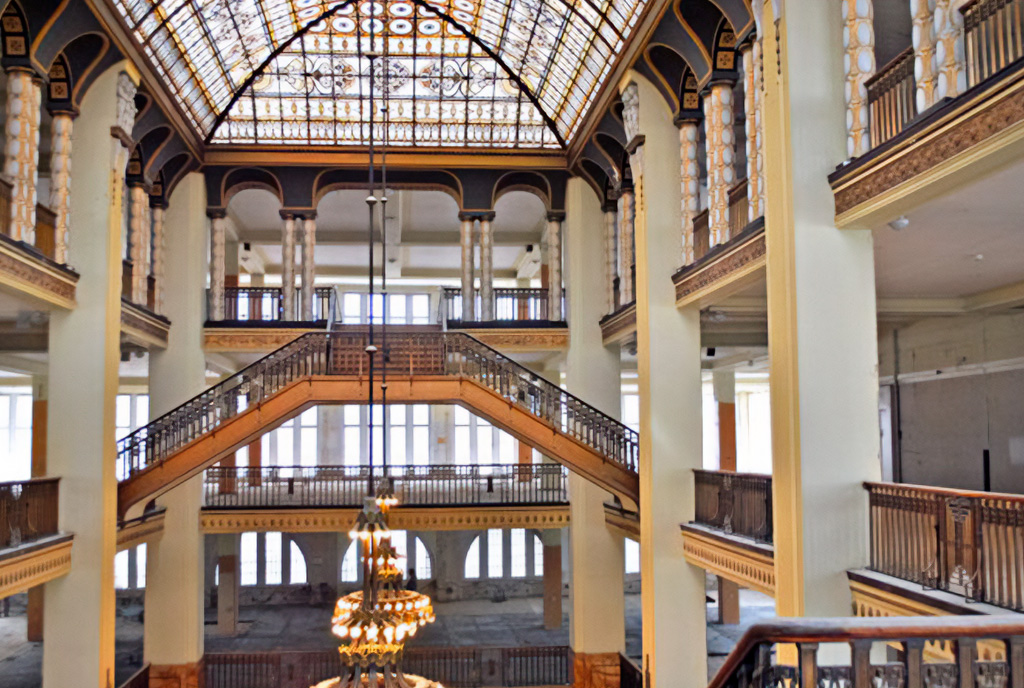
This is a place where the restoration team behind the famous Goerlitz Department Store (Bismarckstrasse 21, Goerlitz), once an icon in the vein of London's Selfridges or New York's Bloomingdales, and more recently the setting for Wes Anderson's "The Grand Budapest Hotel," will drop everything to give you a tour.
In fine weather you can stroll along the River Neisse and across the bridge into Poland, still a fun outing even though the days of passport stamps are long gone.
For traditional Silesian cuisine, such as pork cooked in a plum sauce, the town has several lovely restaurants with terraces.
Other highlights include a row of late-Gothic merchant houses, some of which still keep interior decor dating back to the 1500s, the stunning Schoenhof, or town hall, built in 1526, and a street where local glassblowers still ply their craft.
The real joy of the place, though, lies in the sense of discovery you get from exploring its streets, which really do look like, well, a film set.
Getting there:
From Berlin, regional trains leave Alexanderplatz roughly every hour, costing around 40 euros (about 60 dollars). But check the timetable to avoid a long wait when you change at Cottbus.