


Tourism in Japan got a huge boost after Tokyo won the right to host the 2020 Olympic Games. In 2015 the country welcomed a record number of visitors, 19.7 million, many of whom spent time in its enchanting capital.
Tokyo was voted the most satisfying city to travel in a 2013 TripAdvisor survey, and its popularity keeps on growing. Here are our top 50 reasons why Tokyo is the greatest city in the world:
The world's finest rail system
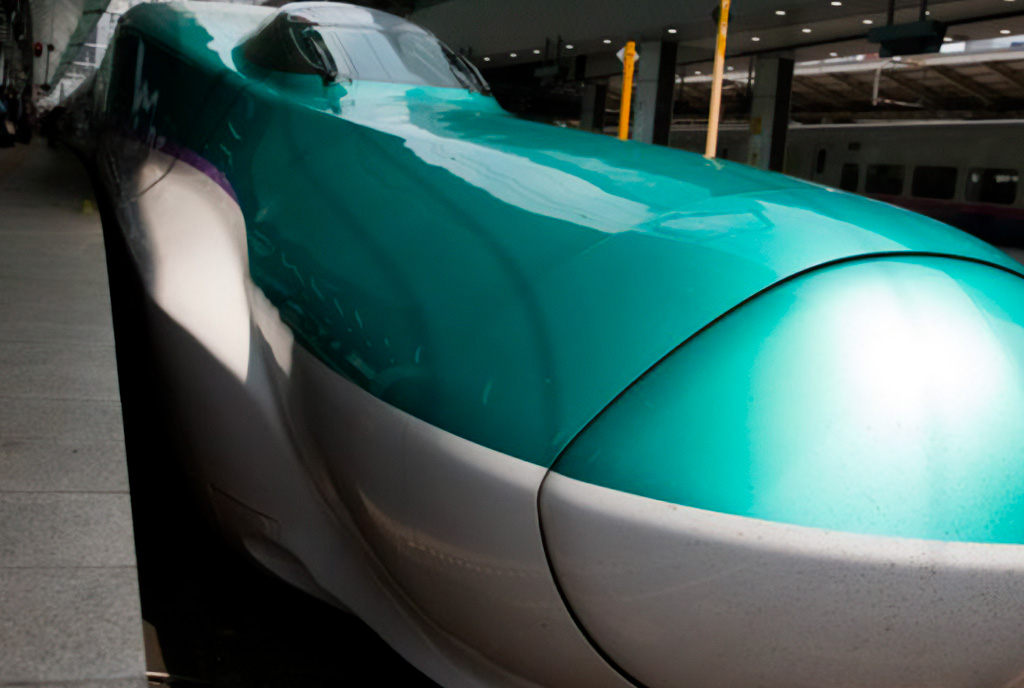
With 13 subway lines and more than 100 overground routes run by Japan Railways and other private operators, Tokyo's rail network seems built to set world records. You will rarely find a spot in the metropolitan area you can't reach by train and a short walk.
Partner links: booking through them supports the blog at no extra cost to you.
The Emperor will see you now
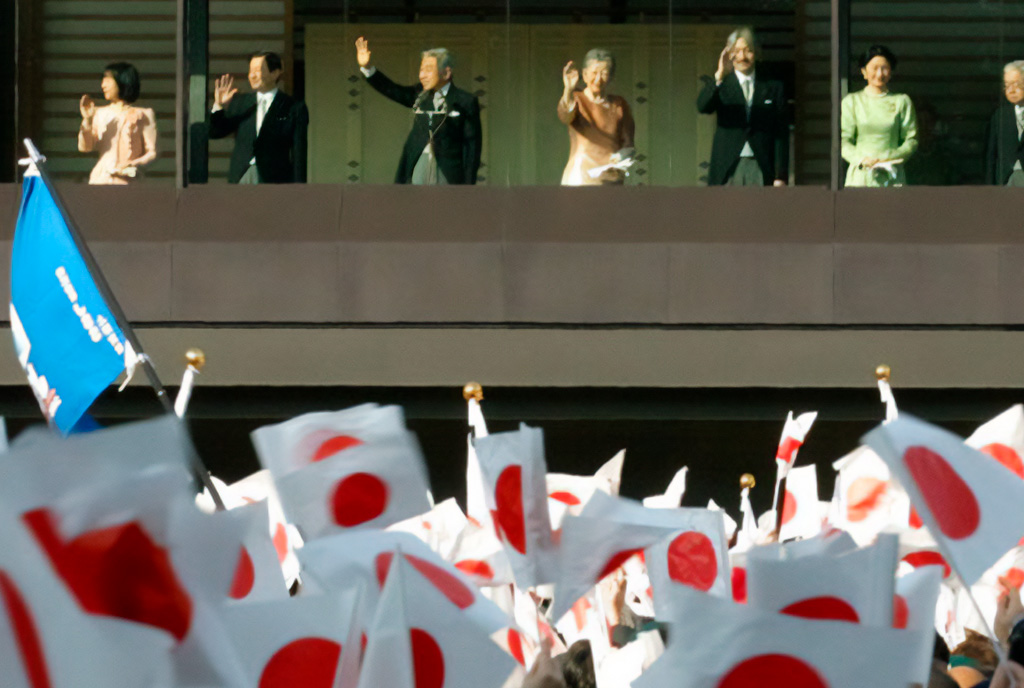
Visit the Imperial Palace on December 23 or January 2 and you might catch a glimpse of something remarkable: its owner. Emperor Akihito and his family make two public appearances a year on the grounds of the Inner Palace, marking the monarch's birthday and the New Year's greeting. If you're tall enough, you can spot the god-king himself amid a sea of people waving Rising Sun flags.
Gastronomic bliss
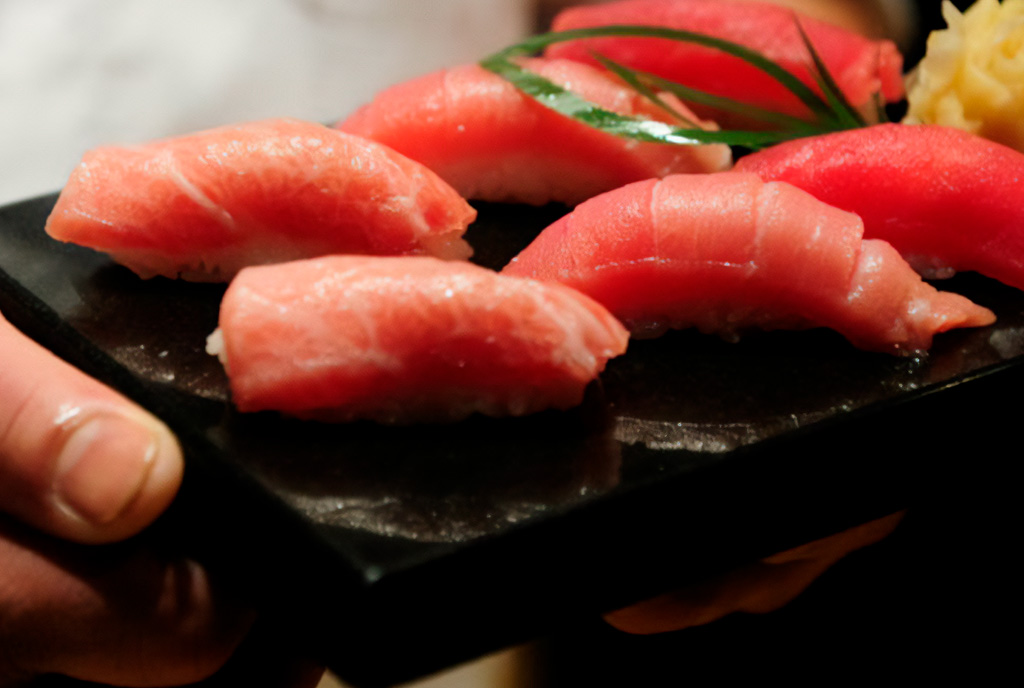
You could spend hours marveling at the exquisite pastries and picture-perfect sushi rolls in the super-stylish depachika of the Isetan department store, a vast basement food court. Square watermelons and matsutake mushrooms are displayed with all the reverence of gallery pieces.
Other highlights: lunch counters run by some of Tokyo's trendiest restaurants, plus free samples of food and alcohol on weekends.
Visit the depachika at Isetan, Mitsukoshi, Takashimaya and Matsuya.
Street crossings look like a battle scene from "Braveheart"
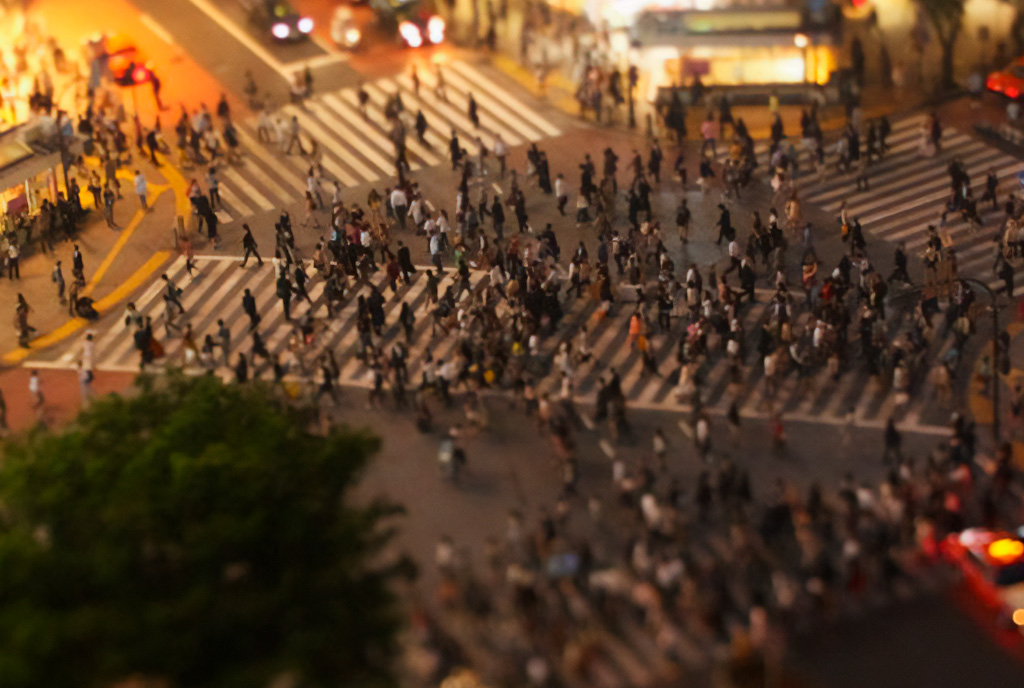
The scramble crossing outside Shibuya Station is, without question, the busiest in the world: thousands of people pour into the middle of the street, weaving together into one enormous organic mass.
It perfectly captures the essence of Tokyo's real tourist attractions: not ancient buildings, but throngs of people coming together to celebrate a shared culture. Watch the spectacle from the Hachiko exit of Shibuya Station.
Hundreds of youth-fashion boutiques
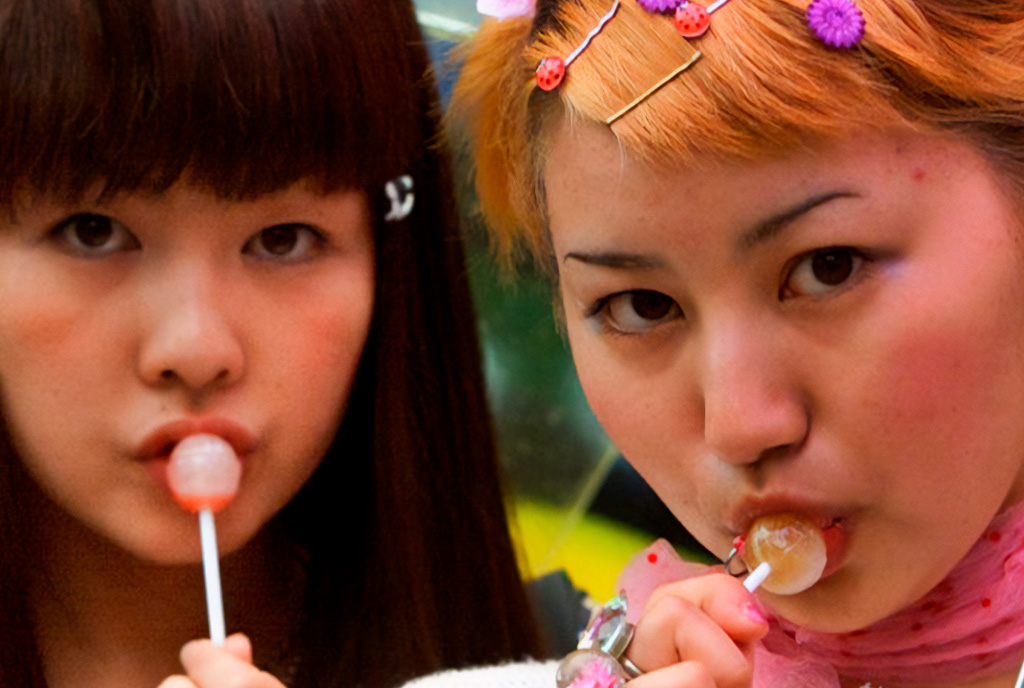
Harajuku is packed with countless independent fashion boutiques, most of them devoted to the wildest forms of youth style. Add the neighboring districts of Shibuya, Omotesando and Aoyama, and you get the largest fashion district in the world, home to nearly every major designer brand on the planet.
High-rise rivalry
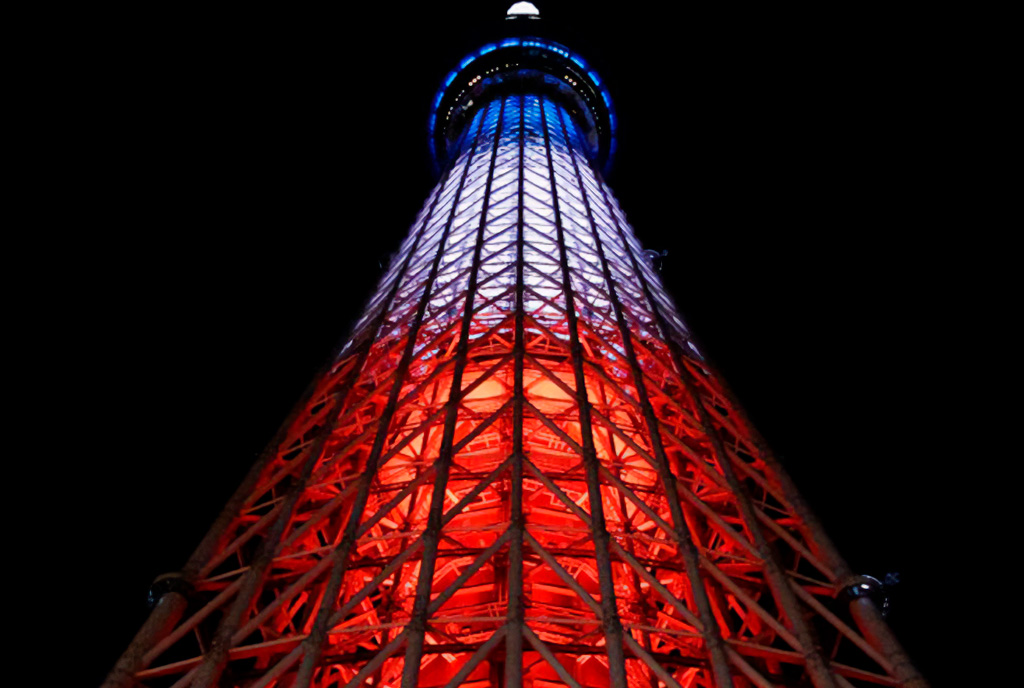
When officials in Tokyo learned that the new Guangzhou TV tower in China would stand 610 meters tall, exactly as planned for the Tokyo Skytree then under construction, they did what any sensible authority would: they added 24 meters to the top of the Skytree to keep its title as the tallest tower in the world.
Now complete and open for business, the Guinness-certified structure includes shops, restaurants and an observation deck that lets you see almost all the way to Guangzhou.
You can eat dirt
At the restaurant Ne Quittez Pas in Tokyo's Gotanda district, every dish is prepared with a generous helping of soil. Not ordinary, backyard dirt. This is special, nutrient-rich earth. The unique tasting menu is the creation of Toshio Tanabe, a former gymnast and boxer turned culinary inventor. Whether or not diners take an actual liking to the earth, it really does take the idea of organic food to a whole new level.
Ne Quittez Pas, 3-15-19 Higashigotanda, Shinagawa-ku, Tokyo
More Michelin stars than anywhere else
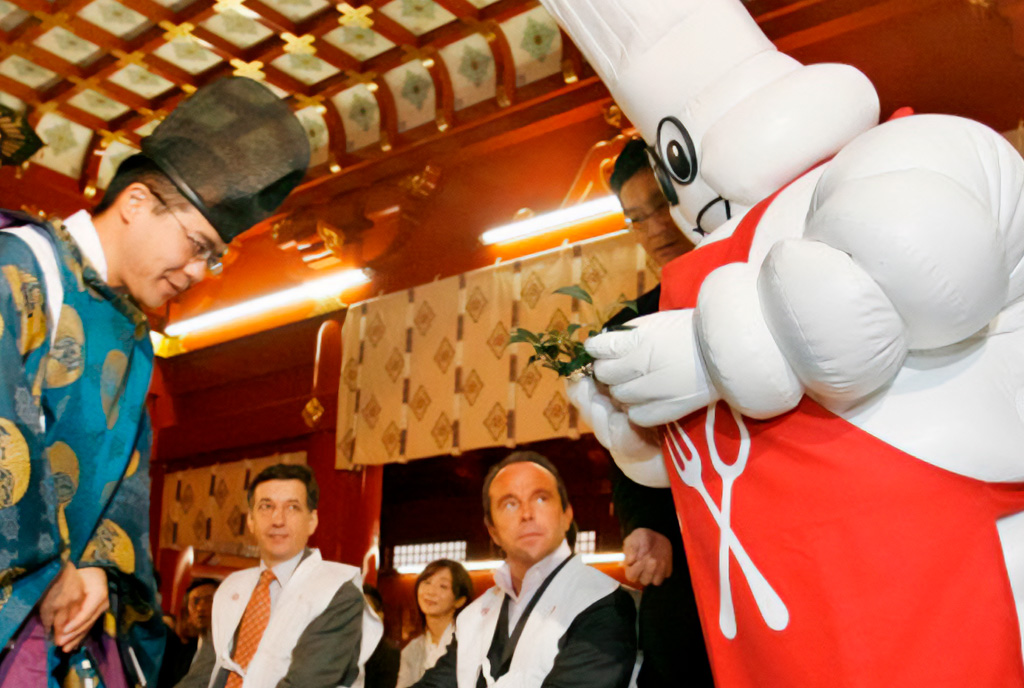
Tokyo has 160,000 recognized food-service establishments, 10 times as many as Paris. The Tokyo guide boasts several outstanding three-star restaurants: Kanda in Minato-ku, serving refined traditional Japanese cuisine; Joël Robuchon in Ebisu, the Tokyo stronghold of the celebrity chef; and Quintessence in Shirokanedai, whose young, French-trained chef earned recognition in the Japanese culinary hierarchy thanks to his place in the guide.
Above all, though, Michelin proved what most Tokyoites already know: this city is the gastronomic capital of the world.
Electronics stores are like theme parks
The Japanese have channeled their love of the latest electronic gadgets and cutting-edge home appliances into Yodobashi Akiba, the largest electronics store in the Tokyo district known as the city's hub of gadget culture, video games and anime.
Stepping into any electronics store in Akihabara feels like entering a wonderland of flashing lights and giant screens, but Yodobashi raises the stakes with six massive floors of televisions, stereos, appliances and gaming consoles, plus three more floors devoted to restaurants, juice bars, bookshops and music stores.
Yodobashi Akiba, 1-1 Kanda-hanaoka-cho, Chiyoda-ku, +81 (0)3 5209 1010
You can commute to work in the mountains
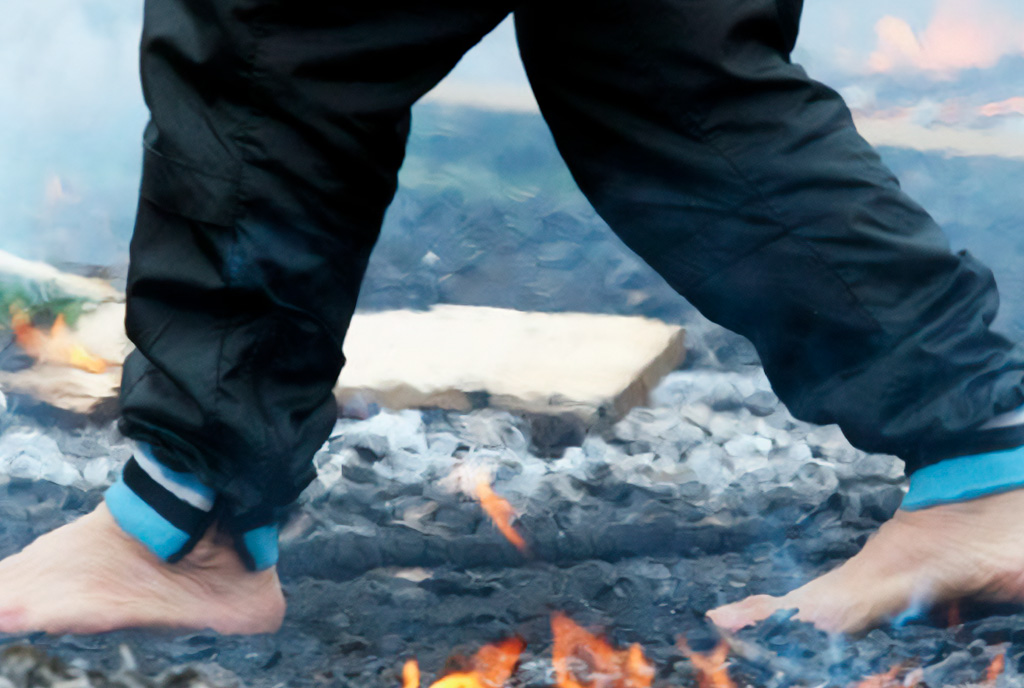
Every March, Mount Takao hosts a fire-walking festival. When concrete Tokyo gets too exhausting, you can escape to the beautiful Mount Takao in western Tokyo.
Reachable by a single train from Shinjuku, the mountain is especially known for its easy climb to the summit, its stunning autumn foliage and its distinctive buckwheat soba noodle culture. To get to Takao, take the Keio Line to Takaosanguchi Station. The trip takes just under an hour.
The largest fish market on Earth
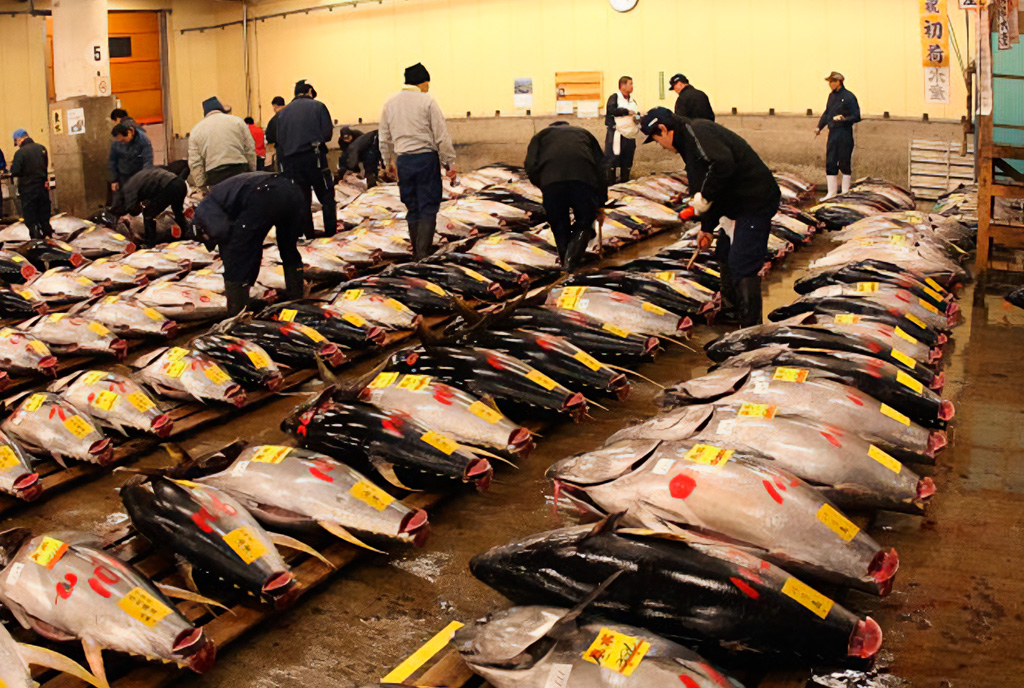
Given Japan's passion for seafood, it's no surprise that the world's largest fish market (and one of the biggest wholesale markets of any kind) sits in Tokyo. Handling more than 2,000 tons of seafood a day, Tsukiji-shijo ("the market") is a haven for fishermen, auctioneers and buyers from Tokyo's finest restaurants. As an added bonus, you can sample the freshest sushi and the most refined grilled-fish lunches at reasonable prices, if you can handle the frenzied crush of visitors.
Even the serious museums are strange
The Edo-Tokyo Museum is the best place to relive the old traditional way of life in Tokyo, back when it was called Edo in the 15th through 19th centuries. The building's exterior, however, resembles a giant space cruiser straight out of a "Buck Rogers" backlot, propped up on stilts. It may be an attempt to unite Tokyo's past, present and future in a single space.
Edo-Tokyo Museum, 1-4-1 Yokoami, Sumida-ku, +81 (0)3 3626 9974
Going to the baseball again and again
Just how obsessed is Tokyo with baseball?
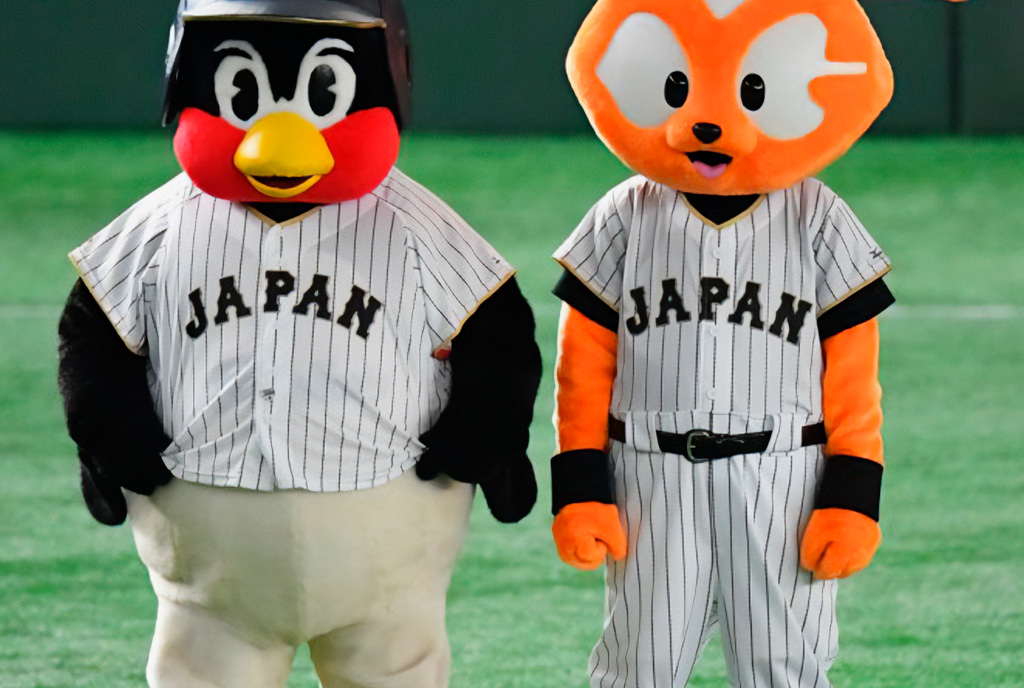
It's one of only three cities in the world (the others being Chicago and Seoul) with two major stadiums in its central area. The Yomiuri Giants, who play their home games at the Tokyo Dome, are loved and loathed in equal measure (think New York Yankees), while the more approachable Yakult Swallows do their thing farther down the road at the cozy Jingu Stadium.
You'll never have enough pricey vintage toy robots
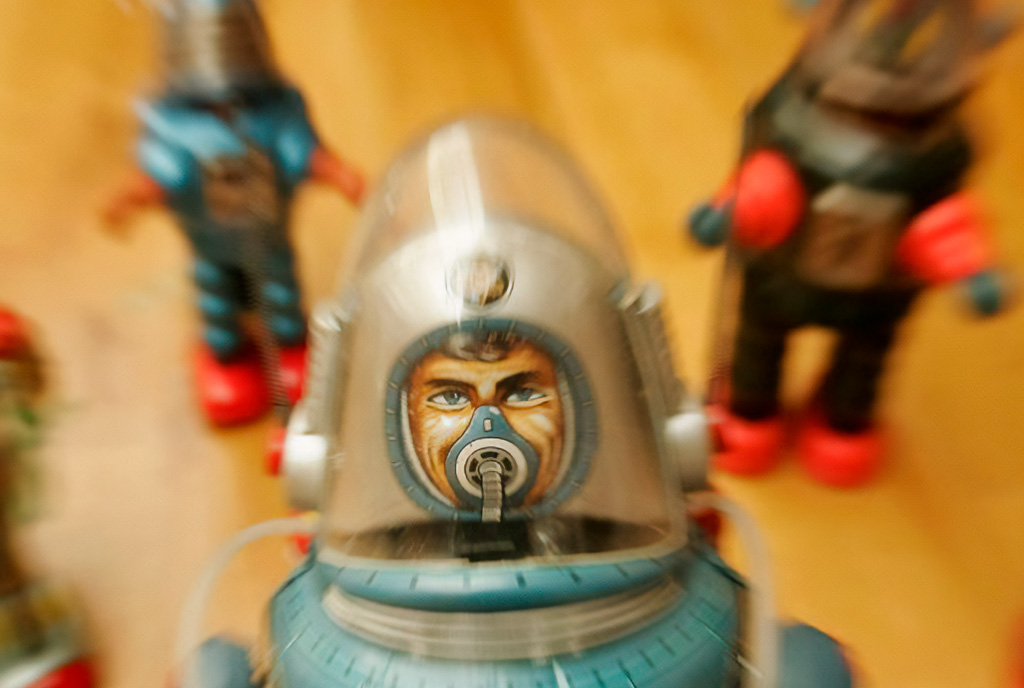
Eight floors of anime-fan heaven, the Mandarake Complex is the flagship of the Mandarake chain of vintage anime goods.
The seventh and eighth floors are like a museum of Japanese toy history, except everything here is for sale. Although prices run higher than you'll find elsewhere and haggling is off the table, you'll be hard pressed to beat the selection.
Mandarake Complex, Sotokanda 3-11-12, Chiyoda-ku, +81 (0)3 3252 7007
The K-Pop boom is old news
While the rest of the world is finally discovering the charms of Korean pop culture, Tokyoites are stifling a yawn. That's because everything worthwhile to come out of the K-Pop boom first turns up in Tokyo's Korean quarter. This enclave of souvenir shops, barbecue joints and bars stretches over several blocks next to the buzzing mini-city of Shinjuku.
Public parks are pretentious to the extreme
Carefully designed according to the secret personal tastes of the esteemed Dr. Enryo Inoue, Tetsugakudo Park is dotted with numerous small buildings, all dedicated to famous philosophers. Outdoor features include a supposedly enchanted tree and a "Space-Time Glade," which is, and we quote, "intended to represent the philosophical dimension." That's a lot of ground to cover.
Tetsugakudo Park, Matsugaoka 1-34-28, Nakano-ku,
It's the best place to shop if you're over 60
Variously nicknamed "Grandma's Ginza" and "Harajuku for old ladies," the Sugamo Jizo Dori Shotengai shopping street has aged right alongside the locals.
Looking for the latest fashion trends, circa 1962? You've found the right place. Black-and-white photos of long-forgotten movie stars? Check. It's also full of shops selling traditional sweets and knickknacks, most of them at bargain prices. Within walking distance of Sugamo Station.
You can blow an entire year's salary on a single round of drinks
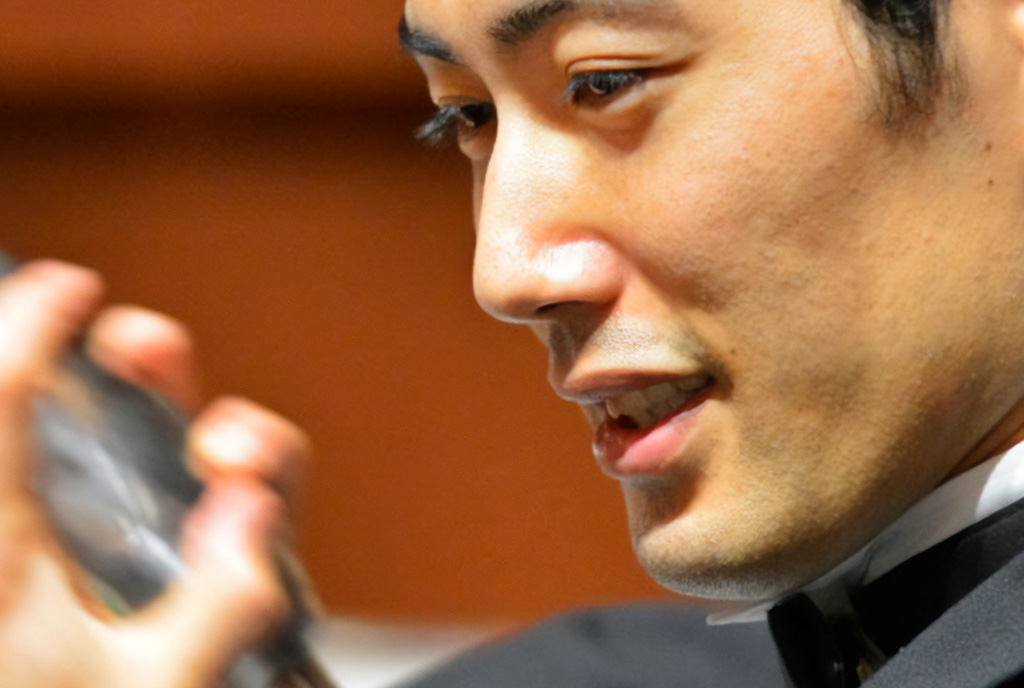
The bubble-era days of sushi wrapped in gold leaf may be long gone, but that extravagant spirit lives on in the "Diamonds are Forever" martini at the Ritz-Carlton: chilled Grey Goose vodka with a twist of lime, poured over a one-carat diamond. A good martini is hard to improve on, but everything gets better with a little sparkle.
Ritz-Carlton, 45/F, 9-7-1 Akasaka, Minato-ku, +81 (0)3 3423 8000
Roadside stops are destinations in themselves
Rest areas like Umihotaru almost make up for the absurd tolls and endless traffic jams on Japan's highways. Umihotaru ("sea firefly") is a giant island-like concrete structure floating right in the middle of Tokyo Bay, at the point where the Aqua-Line bridge meets its tunnel. It offers a range of restaurants and shops for anyone who needs to unwind before the rest of the drive.
Personal service borders on stalking
At Takazawa, the service is as good as the food. And that's saying a lot. From humble grocery stores to trendy boutiques, the standard of service in Tokyo is remarkably high.
It's no wonder the city's top-tier restaurants strive for perfection, and Aronia de Takazawa delivers service with a personal touch. Before your visit, you'll receive a few charming, chatty letters from Akiko Takazawa, the chef's wife. During dinner, Ms. Takazawa will walk you step by step through the chef's high-tech creations and make you feel every bit as clever and refined as the food.
Aronia de Takazawa, Sanyo Akasaka Building, 2/F, 3-5-2 Akasaka, Minato-ku, +81 (0)3 3505 5052
Noodles worth dreaming about
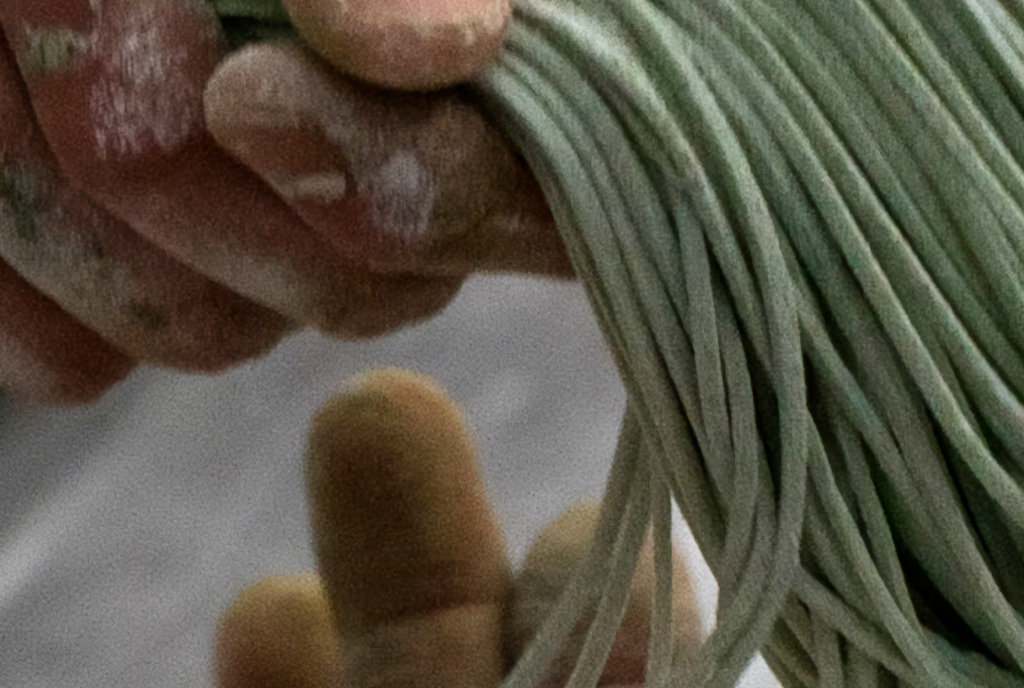
Tokyo has more noodle shops than any other city in the world. If we had to pick a favorite, it would be Menya Goto, a tiny counter serving delicious bowls of ramen to the hungry masses lined up at the door.
Menya Goto, 3-33-7 Nishi-Ikebukuro, Toshima-ku, +81 (0)3 3986 9115
You can be surrounded by comics
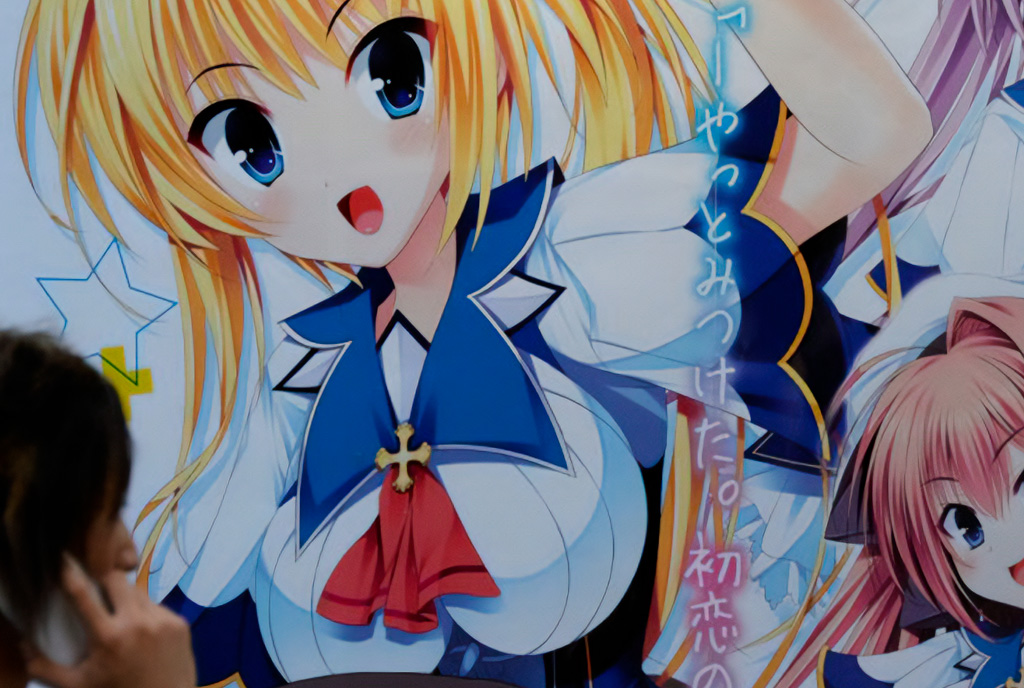
At a manga kissa, or "comic cafe," a few hundred yen an hour gets you a tiny booth with a reclining chair, an internet-connected PC, an endless supply of comics to read and bottomless refills of soft drinks.
Ostensibly created for manga fans, these tiny rooms with rented seats are fast becoming popular for another reason: they offer young couples and office workers alike a super-cheap place to kill time and catch a little sleep.
The sprawling Manboo! franchise (never mind the copyright-skirting name and logo) is the most recognizable manga kissa, and its flagship store in Kabukicho is perfect for club-hopping night owls who've missed the last train home.
Manboo! Comic Cafe, Shinjuku, +81 (0) 3-5368-6116
Bats you don't need to fear
Tokyo conjures up an image of a glittering city of the future, but along the Kanda River, which flows from Inokashira Park in Kichijoji to the Sumida River, we humans have to share Tokyo with another busy resident: bats. Lots of them.
Every evening you can watch them storm the sky during any pleasant riverside stroll, but since they don't attack people, they're considered part of the scenery.
You can ride the world's shortest escalator
Kawasaki isn't officially part of Tokyo, but we'd like to claim the world's shortest escalator, inside the Kawasaki More's department store, as part of our city experience. We can't explain why such a tiny escalator exists, but you won't hear any complaints from us or from Guinness. You can see it here.
Kawasaki More's, Kimaehoncho, Kawasaki-shi, Kanagawa, +81 (0)44 211 1131
The coziest cafes
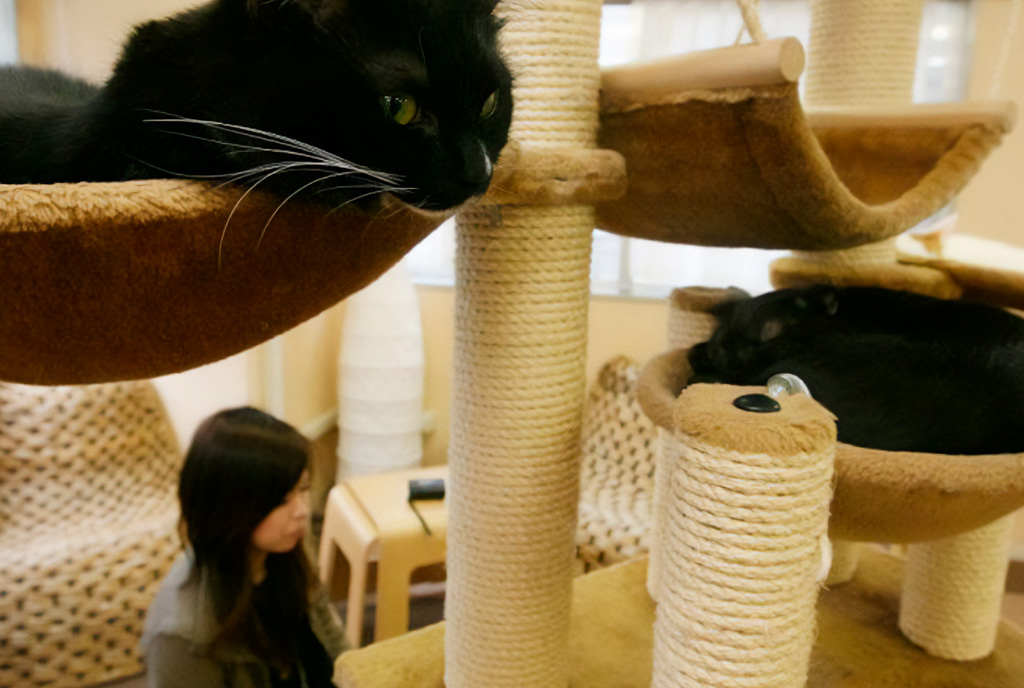
It's a tough job, but the cats seem to take it all in stride.
At the Nekorobi cat cafe in Takadanobaba, you can unwind after work with a cup of cocoa and a sleepy-eyed Siamese, or blow off steam playing with a toy and a lively tabby. And then feel your heart break a little when it's time to leave.
Nekorobi, Tact T-O Building 3, 1-28-1 Higashi-Ikebukuro, Toshima-ku; +81 (0)3 6228 0646
Cyberpunk infrastructure
Who but the Japanese would think to connect the main districts and neighborhoods of their capital with an expressway perched several stories above the ground, winding between office towers and national landmarks?
The Shuto Expressway (the Metropolitan Expressway) is not only an engineering marvel but also a logistical nightmare, with countless interconnecting routes, aboveground and underground entrances and exits, and high-speed curves that would make the Nürburgring blush.
The last bastion of stylish tailoring
London may boast the high-quality suits of Savile Row, while Bangkok is known for its dirt-cheap tailor shops.
Tokyo tailor Yofuku no Namiki may be the last great fashion tailor in the world, sewing slim-cut suits for cool young things. A favorite of rock bands, punks and rebels, Namiki tailors suits in every conceivable historical style (zoot suits, wide seventies lapels and so on), starting at a low price of ¥39,900 ($400).
Yofuku no Namiki, Umegaoka Aiwa Mansion 105, Matsubara 6-4-5, Setagaya-ku; +81 (0) 3 3325 9494
The most absurdly expensive shopping on a single block
Chanel, Louis Vuitton, Gucci, Coach, Harry Winston, and many more, as far as the eye can see, each individual store housed in a building of impeccable modern architectural design.
Ginza is the place to go to see and be seen, and to spend more money on fashion, handbags and jewelry than most office workers ever dream of. Ginza used to be aptly described as Tokyo's Fifth Avenue, but these days it's more accurate to call Fifth Avenue New York's Ginza.
A religious experience for cat lovers
The beautiful Buddhist temple of Gotokuji is believed to be the birthplace of Japan's ubiquitous beckoning-cat figurines. As you might expect, its collection of ceramic lucky cats, neatly tucked away behind a side building, is second to none.
Gotokuji Temple, Gotokuji 2-24-7, Setagaya-ku
No need to leave the airport
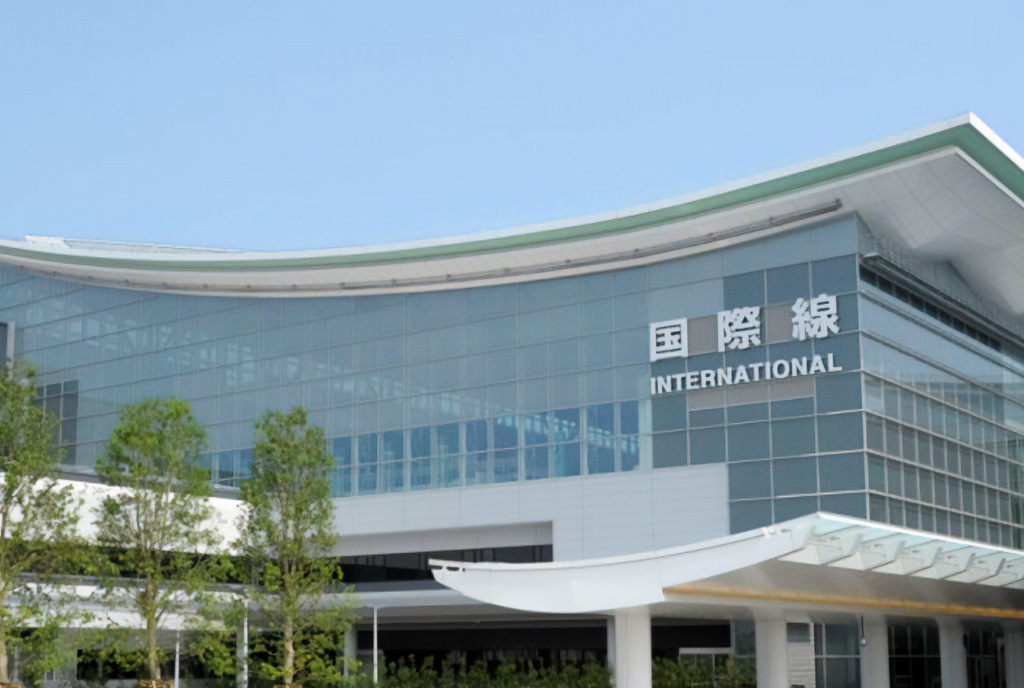
The opening in October 2010 of a dedicated international passenger terminal at Haneda Airport spares travelers the hour-plus journey from Narita into central Tokyo. But that's only half the story. Thanks to the terminal's Edo Koji marketplace, a maze of historically themed restaurants and souvenir shops, even passengers on a layover can immerse themselves in old-school Japanese culture.
Pornography shops with escalating levels of weirdness
Much like the entrance to the 36 Chambers of Shaolin, every floor up in the porn mini-skyscraper Ali Baba Akihabara represents a new level of strangeness.
As in many Japanese porn shops, the ground floor sells a tame selection of mainstream Hollywood and Japanese films for a thin veneer of respectability. Climb one flight of stairs and the real adventure begins, with fetishes organized floor by floor. Not for the prudish.
Ali Baba Akihabara, 3/F, 1-18 Kanda-Sakumacho, Chiyoda-ku; +81 (0)3 5289 0242
Water is just an excuse for bridges
Connecting the Shibaura district with the futuristic island of Odaiba, the Rainbow Bridge is one of the city's most recognizable landmarks. With its pale glowing towers and multicolored nighttime lighting, the bridge provides a stunning frame through which to admire the city skyline from a restaurant terrace in Odaiba.
Try the tiniest, most miniature haute cuisine
In a city famous for its miniature dining spots, the seven-seat Tapas Molecular Bar is one of the smallest. But its menu of whimsical creations, such as cucumber "caviar," lime-salt "foam" and chocolate "pumice," makes it well worth the tight squeeze. Reservations are available for either 6 p.m. or 8:30 p.m. (no exceptions). Latecomers are firmly frowned upon.
Tapas Molecular Bar, Mandarin Oriental Tokyo 38F, 2-1-1 Nihonbashi Muromachi, Chuo-ku; +81 (0)3 3270 8188
Behold the least impressive giant-monster statue
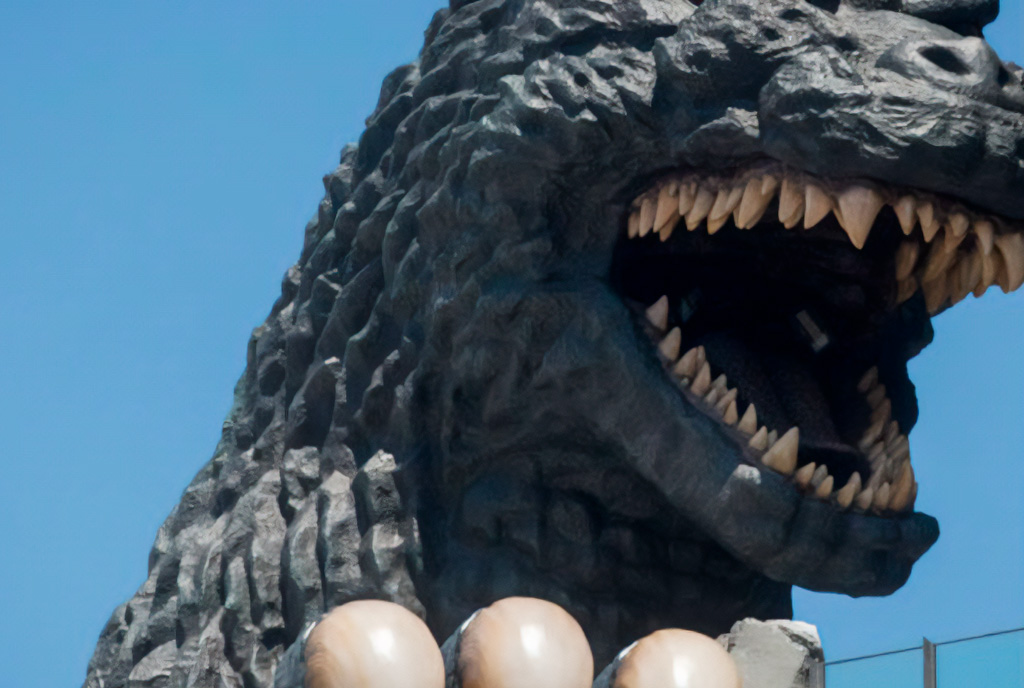
Standing in the shadow of the film studio that unleashed Godzilla on the world, this bronze statue of the giant creature in Hibiya Park towers at an impressive... half a meter. We suspect a realistic 70-meter version would have been prohibitively expensive, but half a meter? At least the pedestal lifts it above eye level.
Apartments look like MC Escher drawings
No city on Earth is quite so unconventional in its approach to housing.
Exhibit A: the multicolored, multiform Reversible Destiny Lofts. Located in an otherwise dull part of the Mitaka suburbs, the complex looks like an LSD vision of a giant McDonald's playground. Architects Arakawa and Gins deliberately built the lofts with uneven floors and other unconventional touches, meant to keep the minds of elderly Japanese residents constantly stimulated.
Reversible Destiny Lofts, 2-2-8 Osawa, Mitaka-Shi; +81 (0)422 26 4966
Its red-light district is the least dangerous
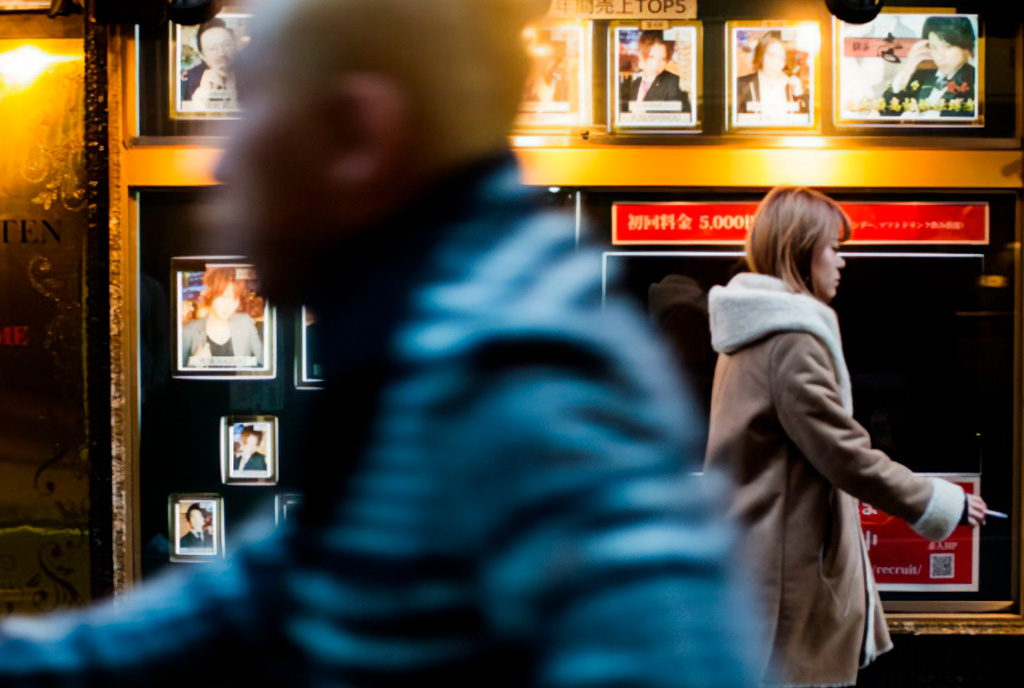
Kabukicho is full of shady hostess clubs, aviation-themed cabarets and "pink salons" (don't ask), but also... college students hanging out with acoustic guitars?
Yes, Shinjuku's red-light district isn't "upscale," but it's still Tokyo. So feel free to wander through it at any time of day, maybe grabbing a Haagen-Dazs cone along the way. Within walking distance of the east exit of Shinjuku Station.
You'll have to work for top-quality tempura
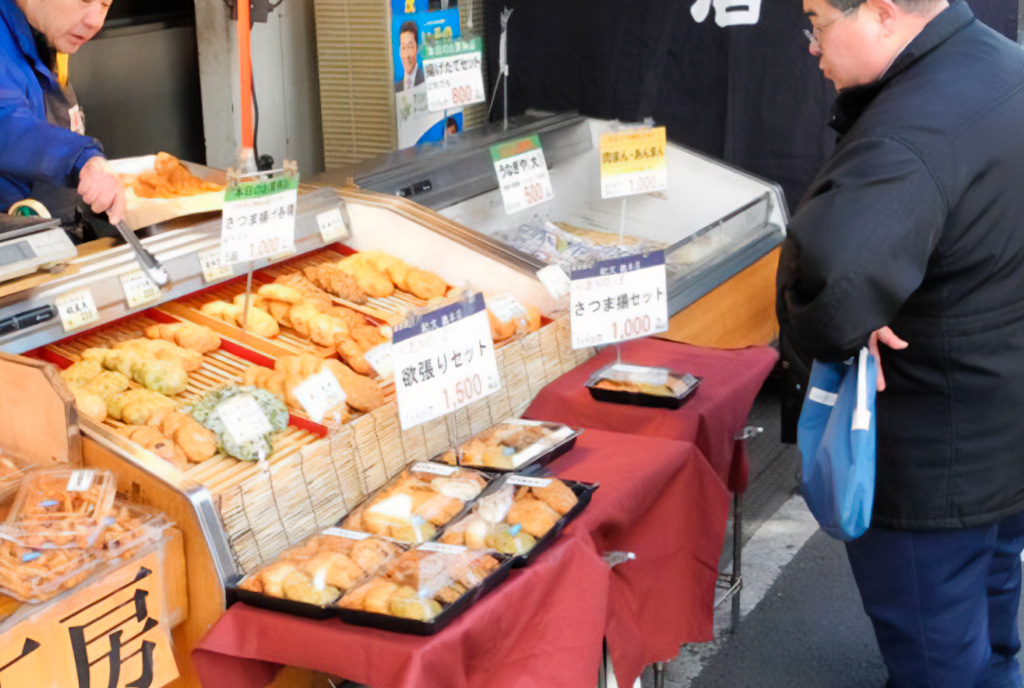
It may take a while to find Motoyoshi among the back streets of Minami-Aoyama, but its GPS-confounding location is part of the fun. The reward for actually arriving is perfectly crisp tempura.
The chef is just as particular about his ingredients (plump scallops and tender asparagus in summer, hearty red carrots from Kyoto in winter) as he is about his technique.
Motoyoshi, 3-2-4 Minami-Aoyama, Minato-ku; +81 (0)3 3401 0722
It's home to the world's best fashion chains
Japanese select shops such as Beams, United Arrows, Ships and Tomorrowland made their name through expert curation of the world's best independent fashion brands.
These days, though, their real draw is high-quality, Japanese-made clothing in the latest styles, at reasonable prices. Each company now also has a wide range of stores aimed at every age group and gender, so Beams F caters to the corporate man in a suit, while the neighboring Beams Boy is for refined hipsters and stylish "mountain girls."
The most bars per square meter
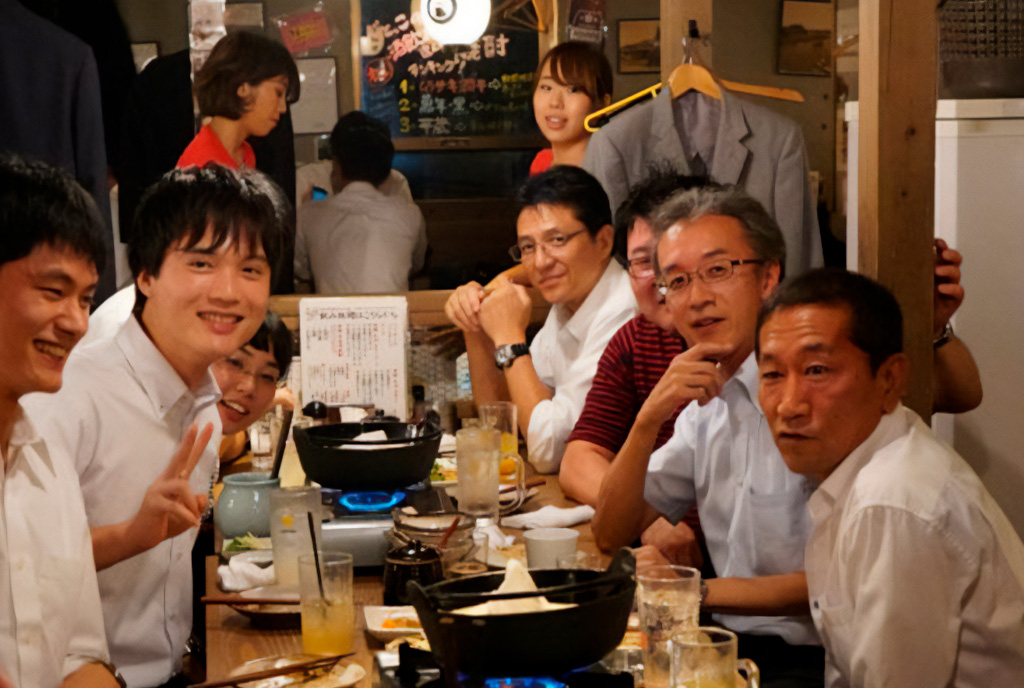
Bar-hopping takes on a whole new dimension in Golden Gai: all you have to do is step outside to stumble upon another bar.
Golden Gai packs in more than 200 tiny drinking spots, some so small they hold just five people, in an area half the size of a Costco.
Less dense but equally cramped bars can be found in Omoide Yokocho near Shinjuku Station and Nonbei Yokocho, the colorfully named "Drunkard's Alley" in Shibuya.
Cocktails are maniacally fresh
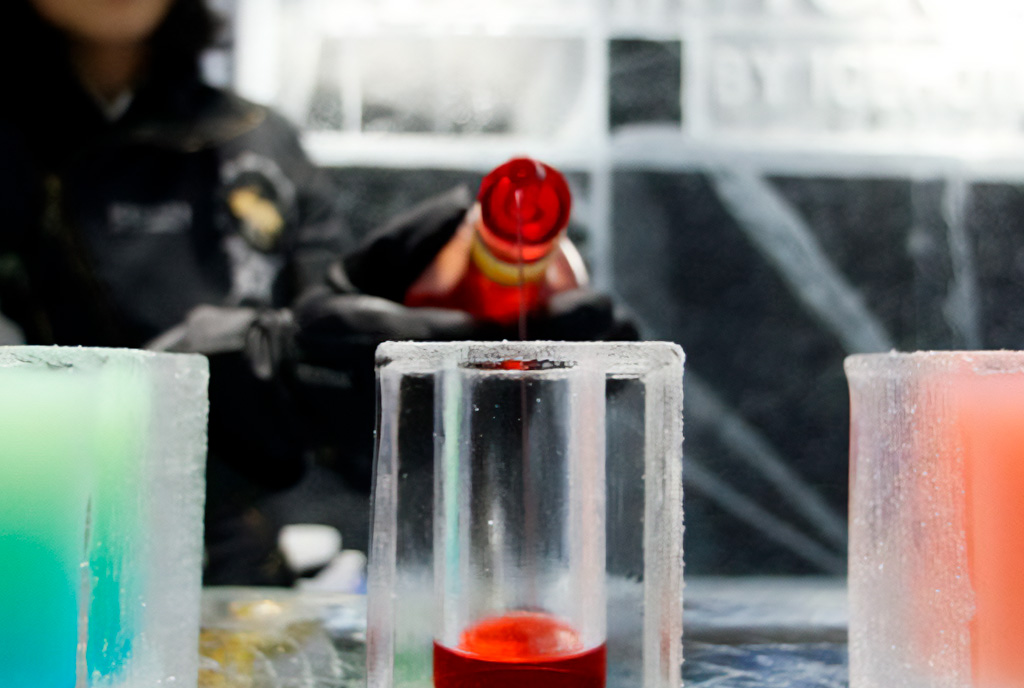
In cocktail-crazed Tokyo, bartenders approach their craft with the skill and focus of Michelin-starred chefs.
The mixologists at the chic Bar Rage in Aoyama source high-quality, fresh ingredients from all over the country for their seasonal drinks. They hunt down the most flavorful passion fruit from Okinawa or the sweetest kumquats from Miyazaki to give classic cocktails a Japanese twist.
Bar Rage, 3/F Aoyama Jin & IT Building, 7-13-13 Minami-Aoyama, Minato-ku; +81 (0)3 5467 3977
The world's best service
Sure, at some stores around the world the staff are experts in their field, eager to cater to your every wish and instruction.
At Japanese department stores like Mitsukoshi and Isetan, that's a given, but they add a few extra flourishes: an army of uniformed women operating automated elevators, and greeters bowing as they welcome you at the door. The multistep, time-consuming gift wrapping is also without equal, perhaps justifying the high prices.
You'll never see a more extensive sake list
In terms of sheer variety, Tokyo is the best place in the world to sample sake, and you can probably find most of it at Kuri in Ginza. The sake menu is a tome listing more than 100 varieties. After your third cup, you may be brave enough to try hoya no shiokara (fermented innards of the sea pineapple), which isn't as bad as it sounds.
Kuri, Tony Bldg., 2/F, 6-4-15 Ginza, Chuo-ku; +81 (0)3 3573 8033
The onsen with the best feng shui
Built strictly according to the principles of feng shui, Yumori is a beautifully appointed hot spring in Tokyo's western suburbs. The baths are marked with the cardinal directions for proper orientation while you soak.
Yumori no Sato; +81 (0)42 499 7777
Enormous super-kawaii mascots
Talk about hiding in plain sight.
When the Tokyo Waterworks Bureau decided to paint its official PR mascot, Mr. Earth, on the roof of its Shibaura facility, they didn't hold back. Although you can't see it from street level, it's actually visible from several kilometers above the Earth's surface.
Roof of the Shibaura Water Reclamation Center: Google Earth view
You can eat like a sumo wrestler
Sumo wrestlers are always going head to head in fast and furious slapping matches against 130-kilogram (285-pound) opponents, so they need a steady diet of chanko nabe stew to keep up their stamina and cushion their backsides. Yoshiba is set in a former sumo stable, and you can eat like a champion at a table right next to the clay ring.
2-14-5 Yokoami, Sumida-ku; +81 (0)3 3623 4480
The most numerous festivals
While festivals of all shapes and sizes are held throughout the year, any Japanese person will tell you there's no festival like a summer festival. The best known are the "Three Great Festivals of Edo": Kanda Matsuri in Kanda, Sanno Matsuri in Nagata-cho and Fukagawa Matsuri in Tomioka, Koto-ku.
These gatherings give neighbors a way to bond, celebrate and wish for lasting prosperity. Helping to grease the wheels is, surprise, plenty of alcohol.
The most visually striking fireworks
Every summer Tokyo hosts an enormous number of major hanabi taikai, or fireworks festivals, but the gathering in Asakusa and Mukojima along the Sumida River has to be the most spectacular. On average, more than 20,000 individual fireworks are launched each year.
Vegan food fit for meat lovers
When it comes to outstanding vegan cuisine, look no further than... a Buddhist temple. The monks of the Takao Yakuo-in monastery prepare elaborate vegan dishes for visitors by advance reservation only. The multi-course, multi-plate meals are a special treat for carnivores and non-carnivores alike.
Takao Yakuo-in Temple, Takao-cho 2177, Hachioji-shi, Tokyo; +81 (0)42 661 1118
The best art cafes
Located on the fifth floor of an unremarkable building in the back streets of Aoyama, the A to Z cafe brings the work of Yoshitomo Nara to life in an imagined recreation of the artist's studio.
A to Z cafe, Equbo Building 5/F, Minami Aoyama 5-8-3, Minato-ku, +81 (0)3 5464 0281, noon to 11:30 p.m.
The best river-boat entertainment
The Sumida River is the most beloved river of Tokyo's shitamachi district and also home to the Yakatabune, a traditional Japanese boat whose interior closely resembles a typical Japanese pub.
Package deals include the boat and unlimited food and alcohol for large groups, who fill up on beer and okonomiyaki while their vessel plies the river. There's even a great view of the ever-present Skytree.
Amisei, Kaminarimon 2-1-16, Taito-ku; +81 (0) 3 3844 1869