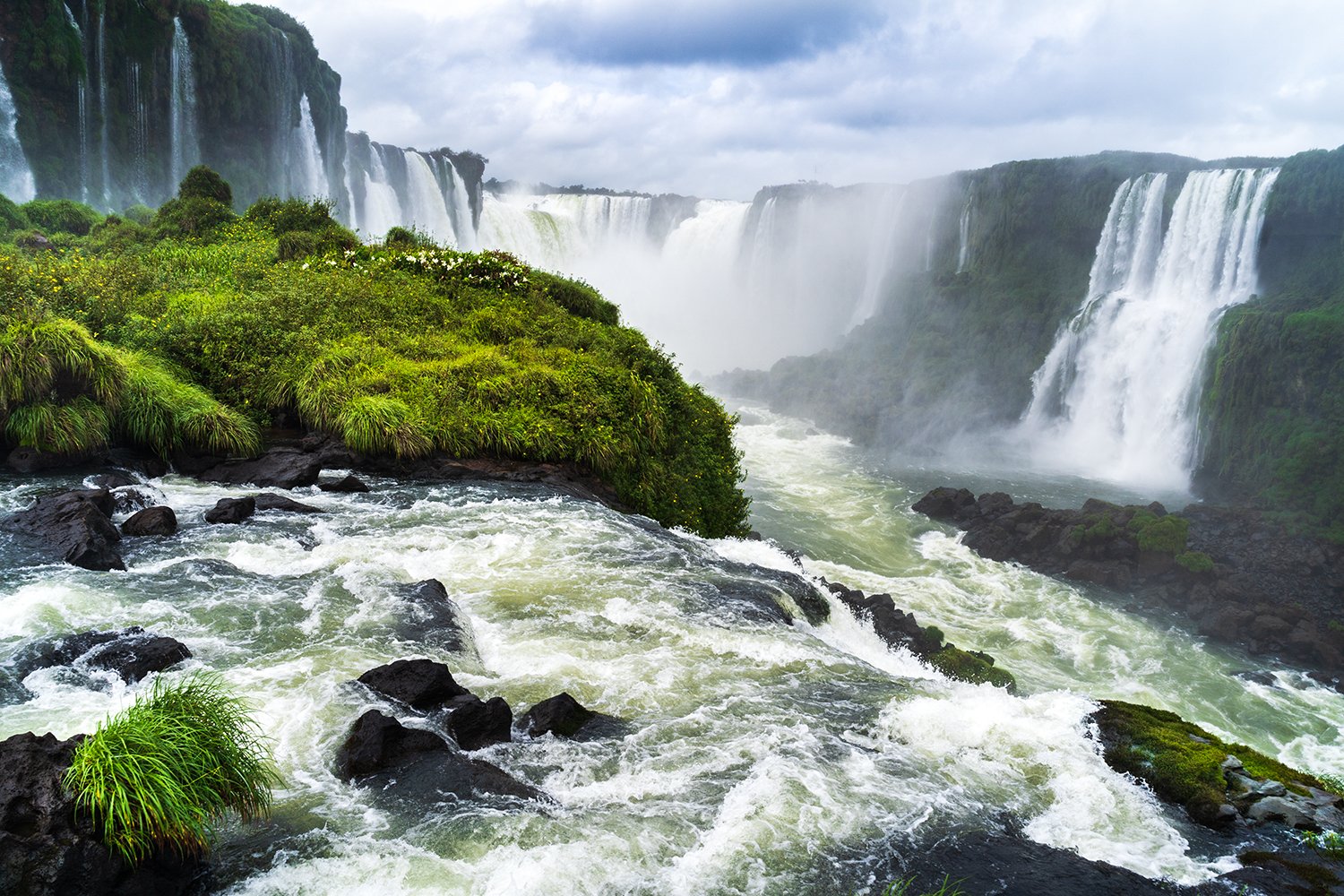


Brazil is famous for the thundering Iguazu Falls in the south of the country, the crescent-shaped Copacabana district with its dazzling white sandy beach in Rio de Janeiro, and Cristo Redentor (Christ the Redeemer) standing high above the city, his outstretched arms embracing this seaside metropolis.
But there is so much more to discover in this colossal American country, which is nearly the size of the United States and ranks as the fifth largest country in the world.
Brazil has six major continental biomes, ranging from the Amazon to the Atlantic Forest.
Partner links: booking through them supports the blog at no extra cost to you.
Combined with the diversity of Brazilian society (a large Indigenous population alongside people of European and African descent), the country is a blend of culture, customs, and beautiful landscapes.
These five lightly visited Brazilian routes will help you uncover more of the treasures this striking country has to offer.
Salvador, Bahia State
Founded in 1549 on a small peninsula that separates the Bay of All Saints (Todos os Santos) from the Atlantic Ocean, this modest colonial city became the first capital of Portuguese America. The historic town lies in the eastern part of the Brazilian state of Bahia.
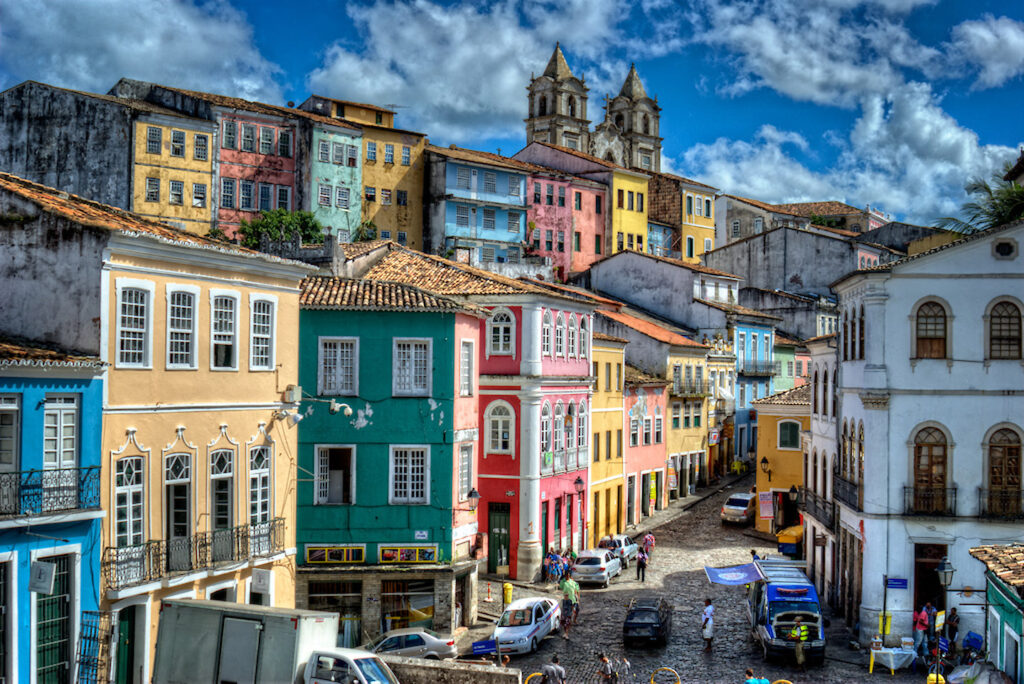
The pastel-toned houses, with facades adorned by ornate carved stucco and windows framed by shutters, have been exquisitely and carefully preserved. They date back to the 16th century, when European, African, and Indigenous cultures merged.
A large Afro-Brazilian community lives here, and colorful, vibrant festivals are a frequent sight, with the pulsing rhythms of drums echoing through the winding streets.
Travelers will find a good choice of accommodation here: the Fera Palace hotel caters to upscale guests, while the century-old Casa Versace offers boutique apartments with their own kitchen.
Salvador does have a dark past, however. It was the first slave market in the New World. Visitors can learn about this important history at many museums, such as the Museu Afro-Brasileiro.
Baia dos Porcos, Fernando de Noronha
Baia dos Porcos, or "Pig's Bay," is arguably one of the most beautiful beaches in the world, yet it has almost no sand.
It is one of the smallest beaches on the scenic Fernando de Noronha archipelago in the state of Pernambuco, located roughly 225 miles (360 km) off the northeastern coast of Brazil in the Atlantic Ocean.
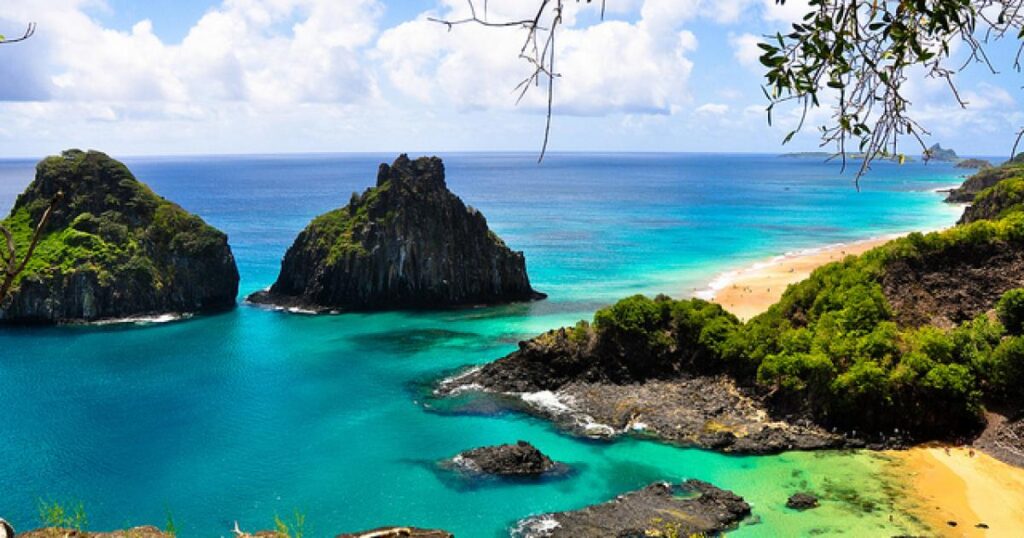
The bay stands out for its striking rock formations, particularly Dois Irmaos ("Two Brothers"). These are a pair of formations that rise from the dazzling blue, crystal-clear water.
The beach can only be reached at low tide, and getting there means either hiking through dense jungle or taking a boat. The beach is dotted with plenty of natural pools teeming with exotic fish, reef sharks, turtles, and much more, making it a paradise for snorkeling enthusiasts.
It is best to visit the beach with a guide, as reaching it is no easy feat. Local companies, such as Noronha Bookers, offer tailored tours.
Chapada dos Veadeiros National Park
Lush forests, majestic mountains, roaring waterfalls, and rocks 1.8 billion years old await the intrepid explorers who make it to this natural wonder.
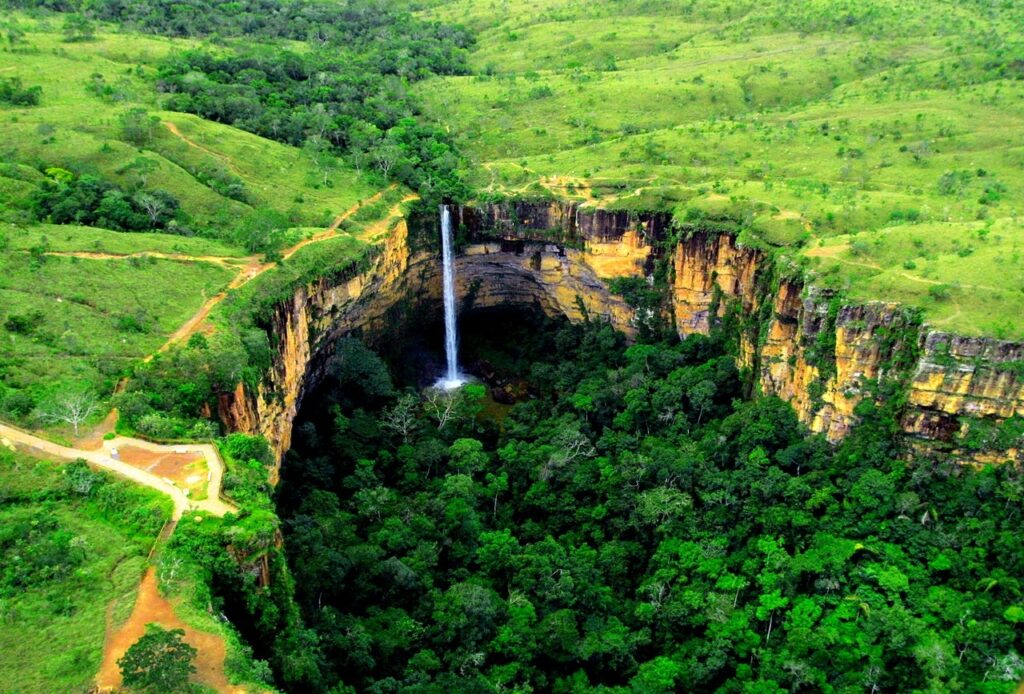
Located in the central Brazilian state of Goiás, the park has more than 30 waterfalls flowing within a 15-mile (24 km) radius. The rock formations of this ancient plateau are among the oldest on the planet, drawing a curious crowd in search of the energy of the scattered quartz crystals.
There are countless wild tales of UFOs and mystical phenomena, which don't seem quite so far-fetched once you immerse yourself in these enchanting surroundings.
There are no direct flights here, but adventurers can fly to Brasília, the capital and a major city. From there, they can travel overland by bus to Alto Paraíso (a small town 12 miles from the park entrance, with restaurants, guesthouses, and plenty of crystal shops and healers touting their talents) or São Jorge (an undeveloped village with very basic infrastructure).
Marajó Island
This remote outpost, roughly the size of Switzerland, is considered one of the largest river islands in the world, surrounded on all sides by the mighty Amazon River.
Dense forests dominate the western part of the island, while the east is covered by vast plains and wetlands. The island is known for its herds of water buffalo. There are about half a million of them, twice as many as there are people. The buffalo ranches are also open to visitors.
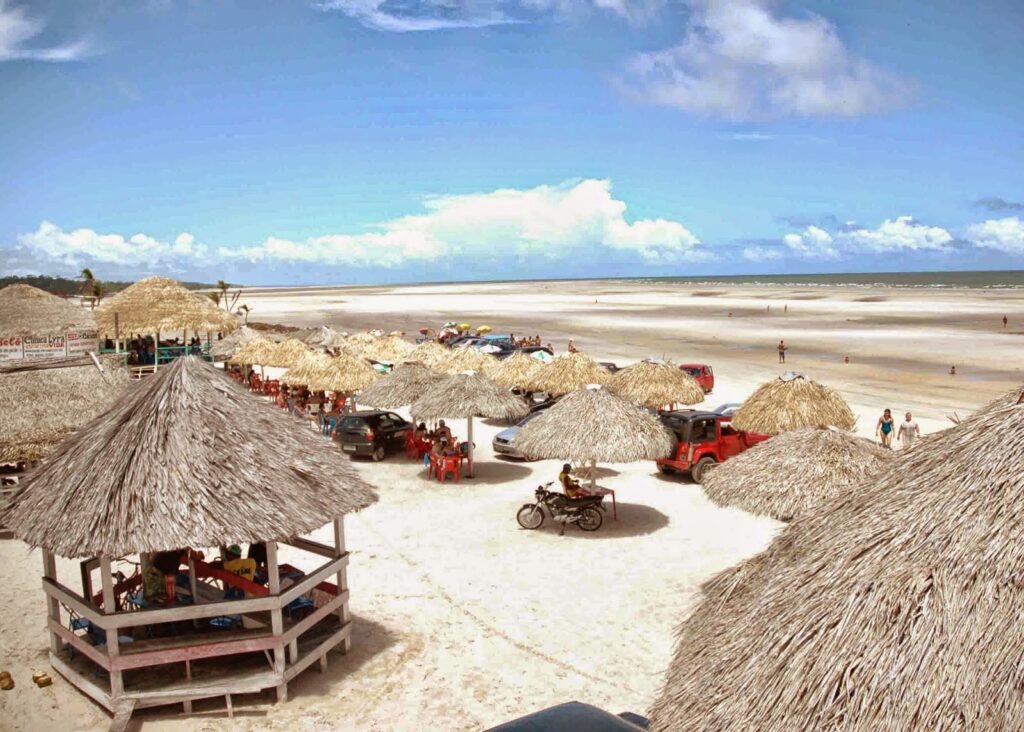
Tourists are drawn to this unique place by the wild nature of a deserted, isolated island, but in reality it is fairly easy to get here, and a sizable population lives here too.
From Belém, a Portuguese colonial city on the riverbank that is considered Brazil's gateway to the Amazon, the ferry company Araparí Navegação departs daily. The trip takes three hours, or there is a car ferry leaving from the nearby town of Icoaraci, operated by the company Henvil.
Once you arrive on the island, it is best to get around either by car, or by taxi and bicycle, which can be rented at one of the island's pousadas.
Stay in Soure, the larger of the two main towns, with its beautiful houses and streets lined with mango trees, or in Salvaterra, a more relaxed and quiet option with lovely beaches. Both towns are a 30-minute drive from the ferry terminal.
Emas National Park
Have you ever heard of the maned wolf? These rarely seen creatures can be spotted in Emas National Park, alongside giant anteaters, giant armadillos, pampas deer, thousands of bird species, and countless rare plants endemic to this protected region.
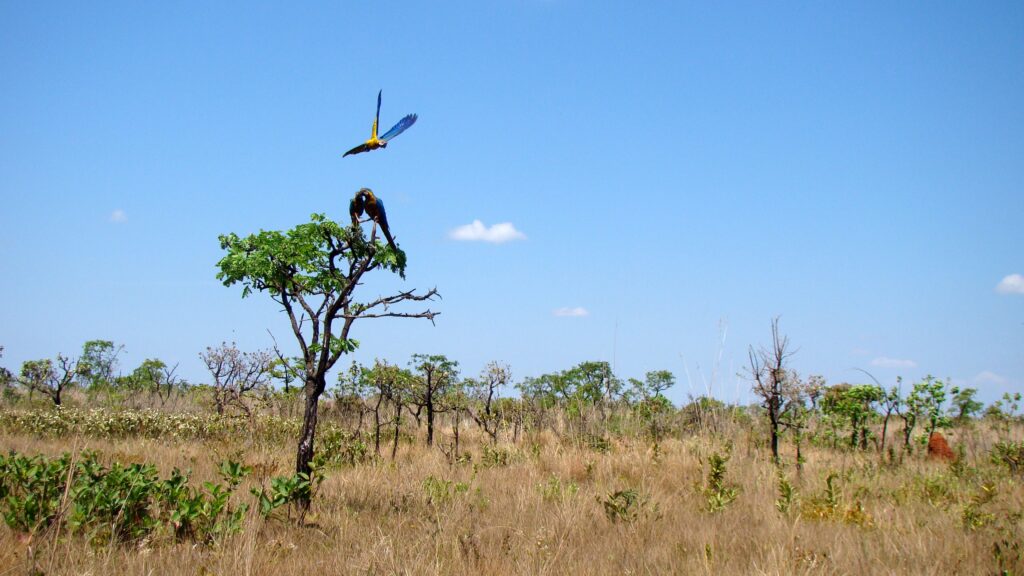
The central part of Brazil is home to the Cerrado biome, one of the oldest and most diverse ecosystems in the world. The variety of plants is staggering: every 2.5 acres (1 hectare) holds between 350 and 400 plant species.
Those who travel in September and October are in for an impressive (if slightly strange) natural phenomenon. The rainy season triggers the flight of millions of termites, which normally live in the thousands of termite mounds standing side by side for many miles.
These mounds, which can reach more than 20 feet (6 meters) in height, are home to thousands of glowing larvae of the Pyrophorus beetle, which feed on the termites lured to them by a captivating, bright green light.
The park authorities are battling various threats to the park, including fires, mining, uncontrolled tourism, and invasive species. So if you do visit the park, it is important to choose a responsible tour operator, such as Focus Tours or Pantanal Jaguar Safaris.
This is a remote and rarely visited part of Brazil, but those who dare to venture into Emas National Park will be richly rewarded.