


London has two wonderful things going for it: history and beer. Sure, it has plenty of other perks, but today we're focusing on exactly those two.
Many years ago, London's most famous pubs were where pirates and body snatchers went about their business. Bloody bare-knuckle fights broke out here. And literary geniuses, including Charles Dickens and Samuel Pepys, found their inspiration within these walls.
These days the faces flickering at the bar are lit less by oil lamps and more by the glow of iPad screens, but people still come for the same things: excellent ale, a warm atmosphere and good company. Here's where you can carry on the pub-going tradition that Londoners have always kept so faithfully:
Partner links: booking through them supports the blog at no extra cost to you.
Ye Olde Mitre, Holborn, established 1546
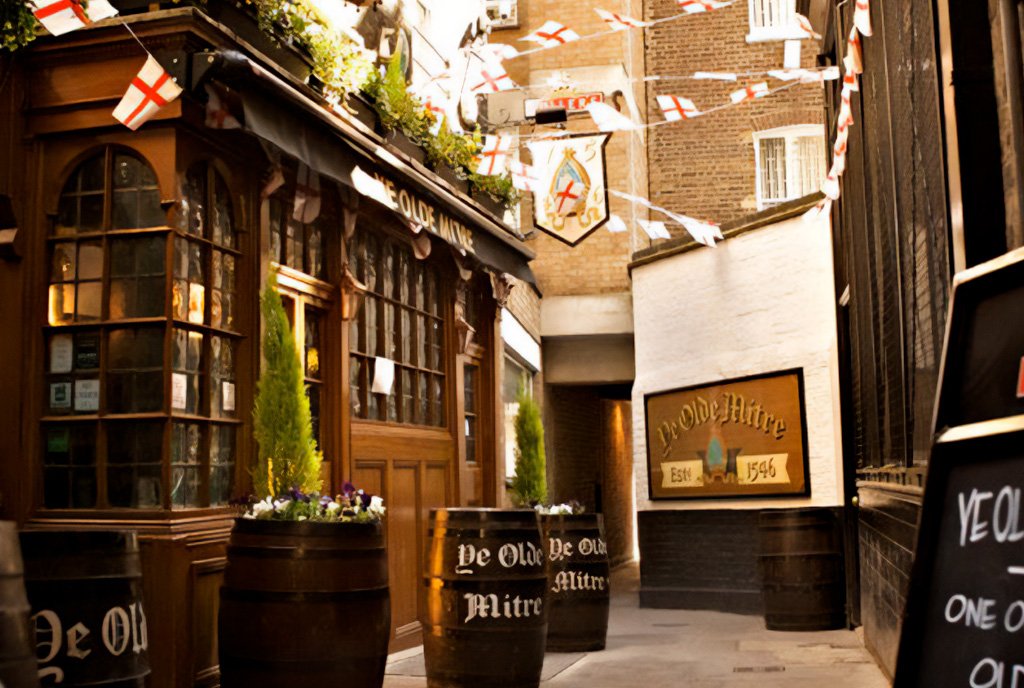
Tucked between two alleyways, Ye Olde Mitre is a cosy little pub. There are no blaring televisions or flashing fruit machines here. The first pub on this spot was built by Bishop Goodrich.
Instead, the interior tells the story of England: Tudor-era beams, coal fires, portraits of Henry VIII and dozens of whisky jugs dangling from the ceiling. There are small rooms to choose from, like the bishop's royal-red chamber or Ye Closet, a snug little nook that fits six people.
The place is full of character, but don't expect to see rowdy vagabonds banging their tankards and sloshing beer across the floor. It's a calm place for a drink these days, frequented by bankers, Fleet Street journalists and tourists tucking into homemade pork pies.
Where to find it: 1 Ely Court, Ely Place, London, EC1N 6SJ, +44 (0) 20 7405 4751
Old Bell Tavern, established 1670
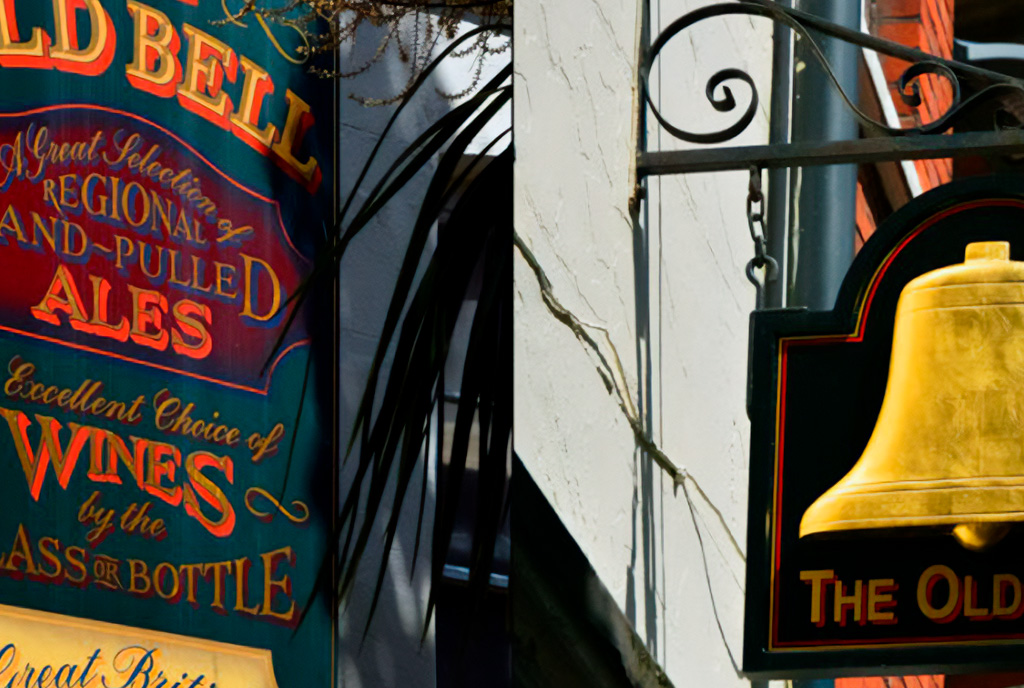
A tavern has stood on this very spot for more than 300 years; originally it was called "The Swan," and now it's the Old Bell Tavern.
The best seat in the house is by the window, beneath the multicoloured stained glass. The main bar area is simple and understated, with heavy tables ringing a central counter.
The building was destroyed in 1666 during the Great Fire of London, but the architect Sir Christopher Wren rebuilt it as lodgings for his stonemasons, who were working on St Bride's Church. It's also believed that the printer Wynkyn de Worde used this pub as a workshop and sold his books here hundreds of years ago. Much later, the London gin makers Nicholson's bought the building.
Where to find it: 95 Fleet St., London EC4Y 1DH, +44 (0) 207 583 0216
Lamb & Flag, Covent Garden, established 1772
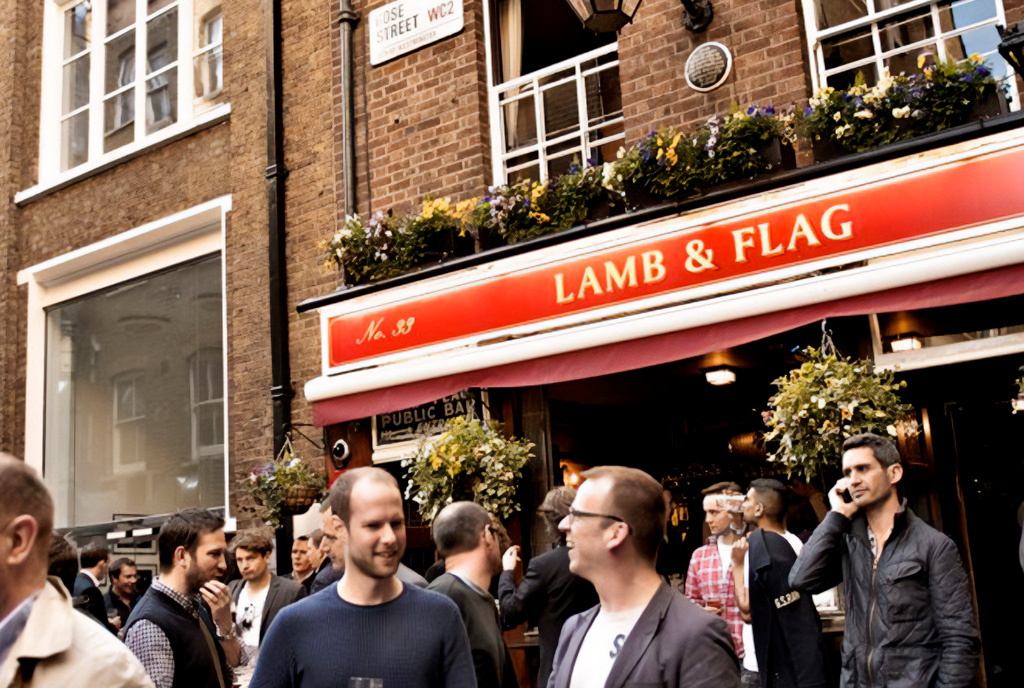
In the 1800s, locals nicknamed this pub "The Bucket of Blood" because of the regular, rowdy bare-knuckle fights held here.
Today there's not a trace of spilled blood or brawling; instead, the Lamb & Flag is a snug, family-run bar where tourists are served an excellent roast with gravy on Sundays. The first building on this site dates back to 1638, and the earliest pub traded under the name The Coopers Arms.
Today it's worth taking a look at the historic photographs of Charles Dickens (he's said to have been a regular), as well as the small staircase leading up to the toilets, which isn't easy to climb after a few cold ones.
Where to find it: 33 Rose Street, Covent Garden, London WC2E 9EB, +44 (0) 20 7497 9504
Ye Olde Cheshire Cheese, the City, established 1667
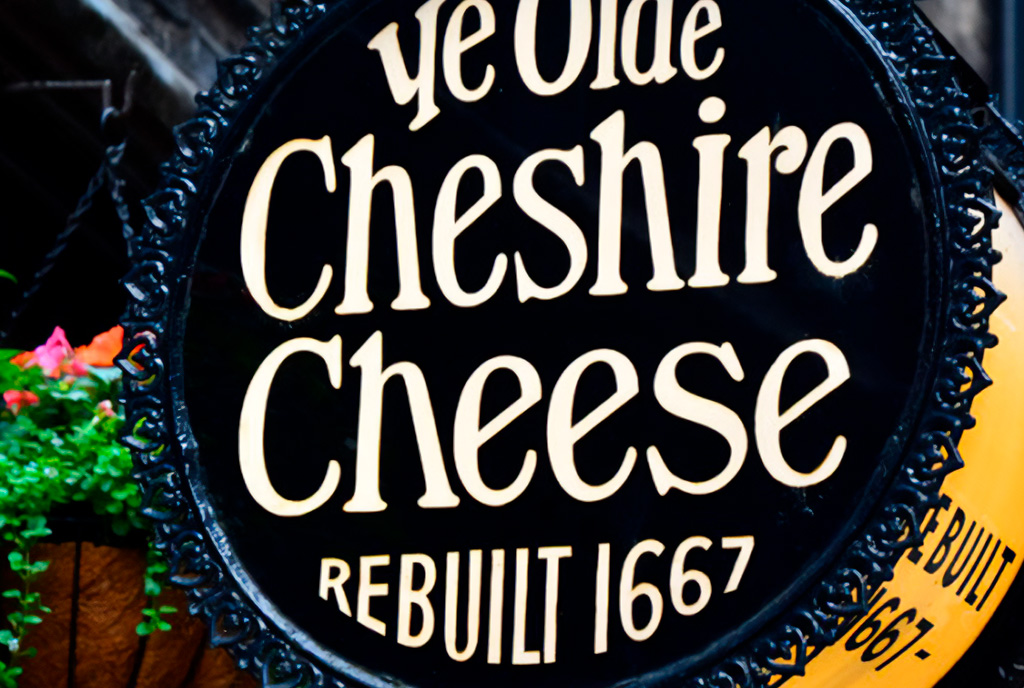
This six-storey, Tardis-like building feels more like a museum than a pub. American accents and the click of Japanese tourists' cameras echo through the tiny corridors. The reason they're here is its sheer, staggering age.
Renamed the Cheshire Cheese in 1667, the first pub on this spot was the Horn Tavern, built in 1538. Before that, there was a guest house here, owned in the 13th century by a Carmelite monastery.
Inside there's no natural light, and every room has its own character. The smallest, by the entrance, has a Victorian feel. A sign above the door reads "Gentlemen Only Served in This Bar," but that rule no longer applies.
Inside, you'll be struck by the original portraits, the roaring coal fire and the sawdust scattered across the floor, just as it was many years ago, to soak up the spilled beer, dirt and grime tracked in from the street. The converted cellar, decorated with beer barrels, has a rustic feel, while the upper floors are elegantly furnished, softer and more regal.
Where to find it: 145 Fleet Street, London EC4A 2BU, +44 (0) 20 7353 6170
Spaniards Inn, Hampstead, established 1585
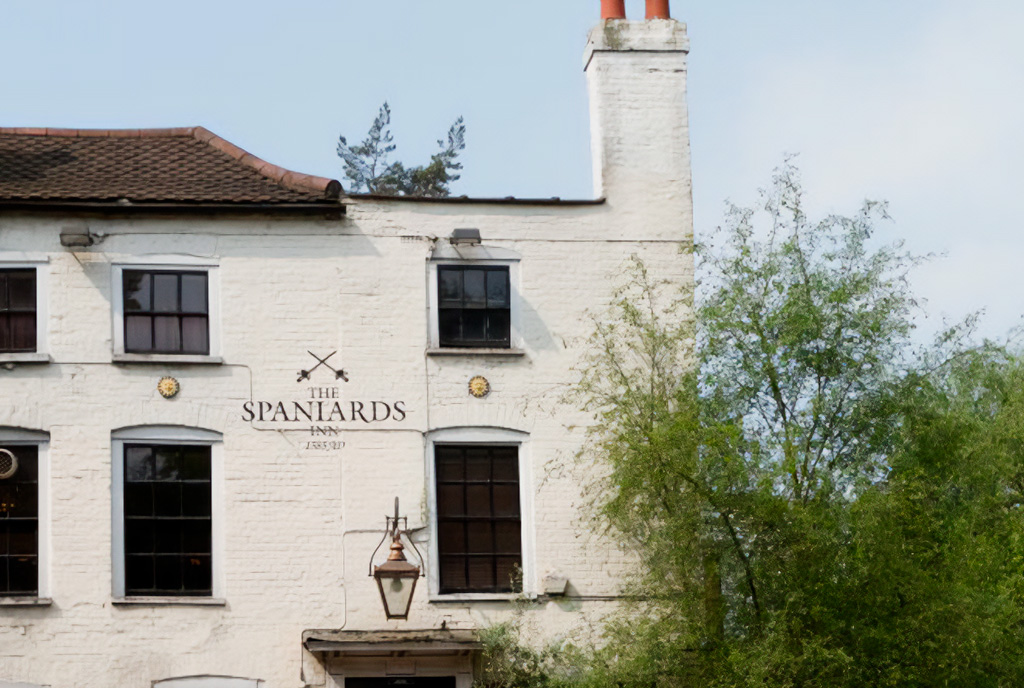
On the edge of the heath, along a dark, winding road lined with overhanging trees, the Spaniards Inn guards the boundary between Hampstead and Highgate. It exudes secret meetings and highwaymen in black cloaks robbing passers-by.
This secluded pub dates back to 1585 and was immortalised in Charles Dickens' "The Pickwick Papers." Legend has it that the notorious thief Dick Turpin was born here and learned his criminal trade. Rumour has it that John Keats wrote "Ode to a Nightingale" in this pub's garden.
Today the ceilings in the small rooms remain low, and the antique dark-wood furniture gives them an authentic look, while cabinets display objects reflecting the inn's heritage, complete with passages from the relevant Dickens literature and Turpin memorabilia.
Where to find it: Spaniards Road, Hampstead, London, Greater London, NW3 7JJ, +44 (0) 20 8731 8406
The Mayflower, Rotherhithe, established 1550
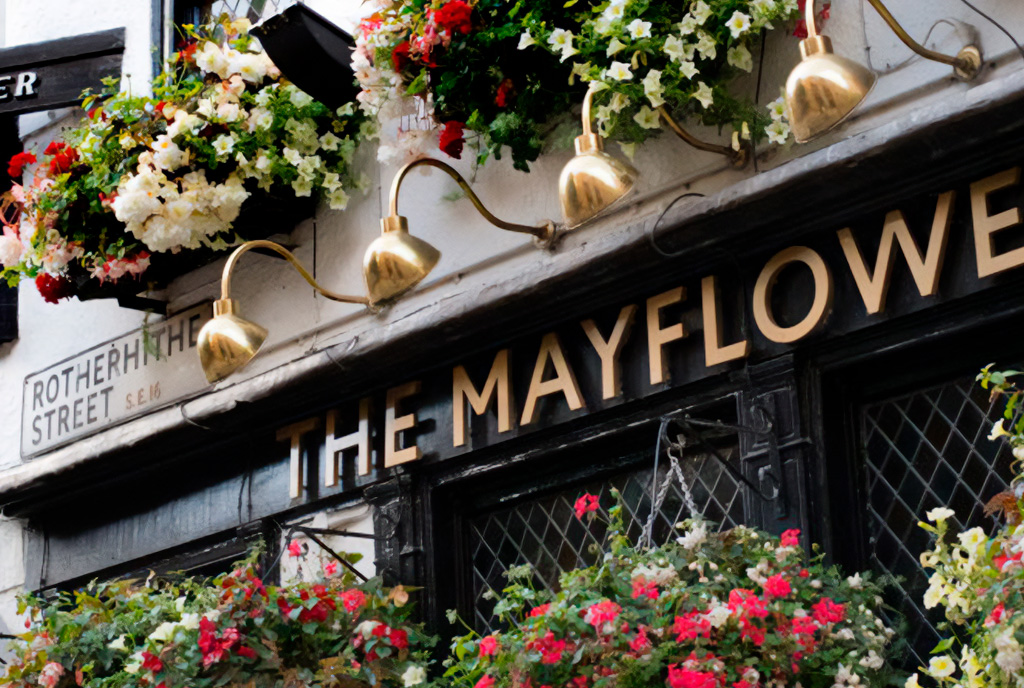
A perfect spot to catch scurvy. Muskets, ropes, model ships and pulley blocks clutter the ceilings and cupboards, conjuring images of explorers and drunken sailors.
Dickensian scrawls above the heavy black beams declare that "poverty and oysters always seem to go together."
This nautical-themed pub sits on the site of the former Shippe pub, built in 1550, which makes it the oldest pub on the River Thames (a few reconstructions aside). Over the years the building has changed names, from the Shippe to The Spread Eagle, The Crown and The Mayflower (named after the ship of the same name that set sail from here in 1620 to discover America).
Whatever the sign said, the place has stayed a cosy grotto and looks the part, from the beer tankards to the stuffed animals (deer heads and stuffed rats in cages). When the weather's warm, the pub throws open its beautiful French doors onto a terrace overlooking the Thames, with a stunning view of Tower Bridge.
Where to find it: 117 Rotherhithe Street, Rotherhithe, London, SE16 4NF, +44 (0) 20 7237 4088
The George Inn, Southwark, established 1677
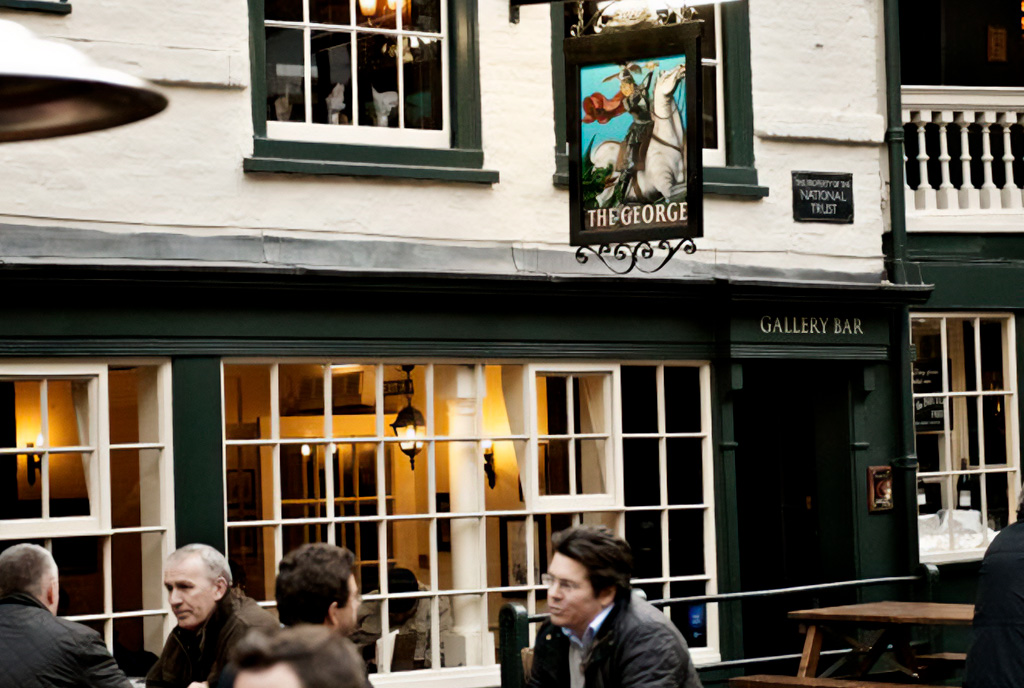
The outdoor terrace is the best place to admire this striking, crooked building. Now owned by the National Trust, The George Inn has been around since 1543, when it was a medieval coaching inn.
Those in need of a little liquid refreshment can relax in various parts of the building, including The Old Bar, once a waiting room for coach passengers; The Middle Room, where Charles Dickens loved to have a drink; and The Gallery, on the first floor, with its exposed beams, tapestries, antique maps and portraits of figures such as David Beaton (Archbishop of St Andrews from 1539 to 1546) and Shakespeare, both former guests.
Where to find it: 75-77 Borough High Street, Southwark, Greater London, SE1 1NH, +44 (0) 20 7407 2056
Angel, Rotherhithe, established 1850
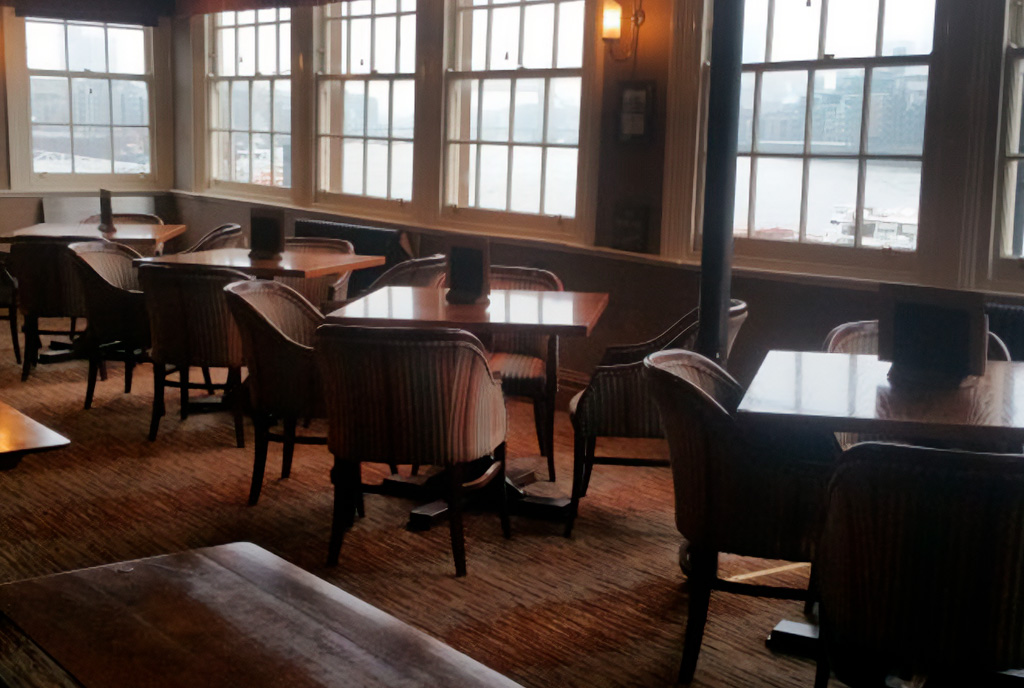
This historic pub looks out on both the ancient ruins of King Edward III's manor (built in 1353) and rows of council houses, which explains its curious mix of clientele.
Downstairs it's clearly a local's pub. Every head will probably turn when you walk in, and the barman is more than likely to be grumbling and moaning about the smoking ban. Meanwhile, tourists sit quietly upstairs in the dining area, gazing out the window at London's beautifully lit bridges.
There's been an inn here since the 15th century; the first was built by the monks of Bermondsey Priory.
Although the building's facade has been fully refurbished, its legends endure. They say Captain Cook drank here before setting off on his perilous voyage to Australia, and Samuel Pepys was a local in the 17th century.
Where to find it: 101 Bermondsey Wall East, Rotherhithe, London SE16 4NB, +44 (0) 20 7394 3214
The Prospect of Whitby, Wapping, established 1520
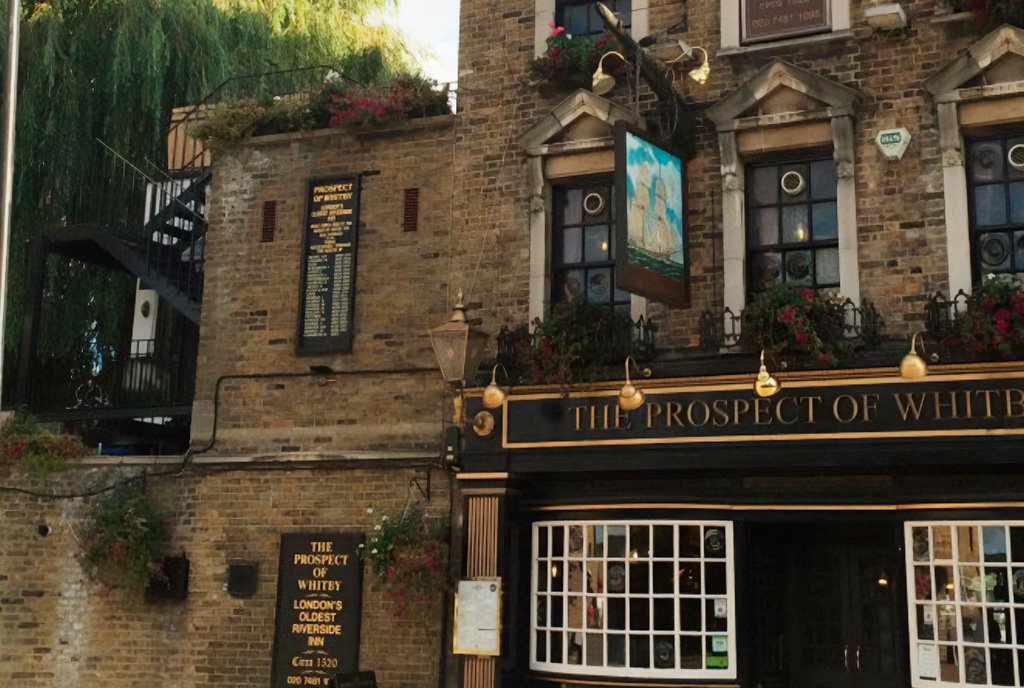
Formerly known as the Devil's Tavern, The Prospect of Whitby was a notorious gathering place for smugglers, thieves and pirates, the latter dealing in contraband and selling off bodies washed up by the river.
A pub has stood on this spot through the reigns of 22 monarchs, and over the years its patrons have included everyone from the pirate Captain Kidd and the writer Charles Dickens to the actor Richard Burton and Princess Margaret.
It certainly looks the part: real ships' masts are built into the structure, Union Jack flags are pinned to the ceiling, old barrels and ships' wheels are scattered about, and the bar counter is topped with pewter. On the balcony, an eerie noose sways as a reminder of George Jeffreys (the "Hanging Judge"), who drank here after a day's work at Execution Dock.
Where to find it: 57 Wapping Wall, Wapping, London, E1W 3SH, +44 (0) 20 7481 1095
The Grapes, Limehouse, established 1583
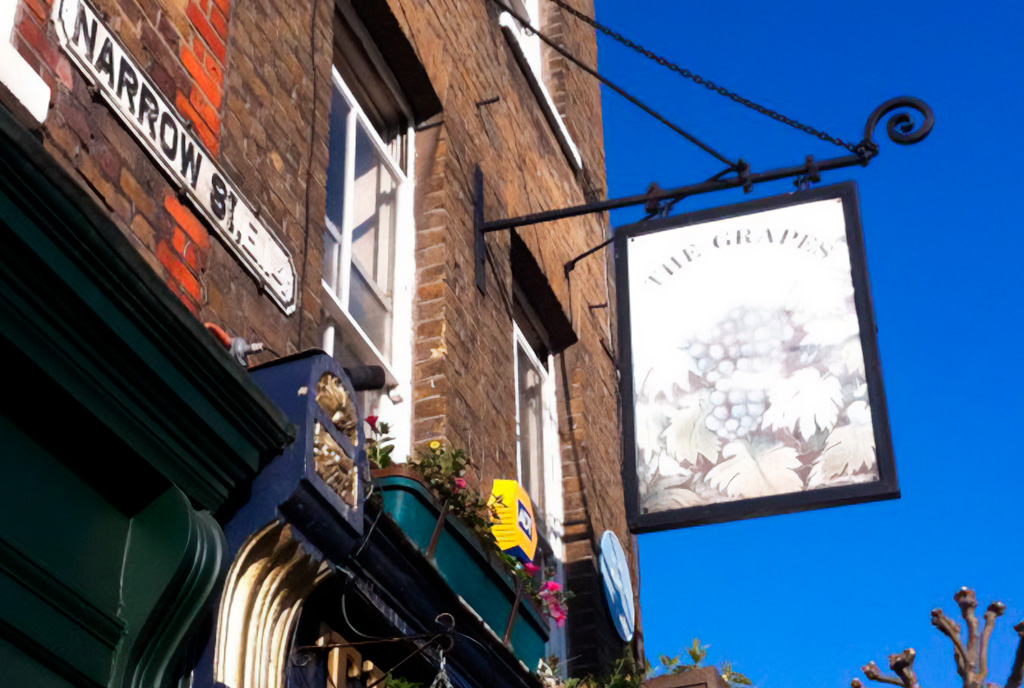
Only one thing at The Grapes hints at its famous owner: a statue of Gandalf from "The Lord of the Rings" standing in the corner. It looks wonderfully out of place next to volumes of Dickens, busts and tables made from Singer sewing machines. But it's a nod to the pub's most recent landlord, Sir Ian McKellen, who bought it in 2011.
McKellen isn't the only star to have set foot on its floorboards. Charles Dickens (he got around), the explorer Sir Walter Raleigh and Samuel Pepys have all passed through.
For the most part, though, it was a dubious dive for the workers from the nearby Limehouse Basin. Not the sort of place you'd want to walk home from: the grislier tales include boatmen murdering drunks from this pub by drowning them in the Thames. Legends aside, the antique details, the elegant frosted windows, the historic portraits and the rustic dark-wood panelling make this spot well worth a visit.
Where to find it: 76 Narrow Street, Limehouse, London, E14 8BP, +44 (0) 20 7987 4396