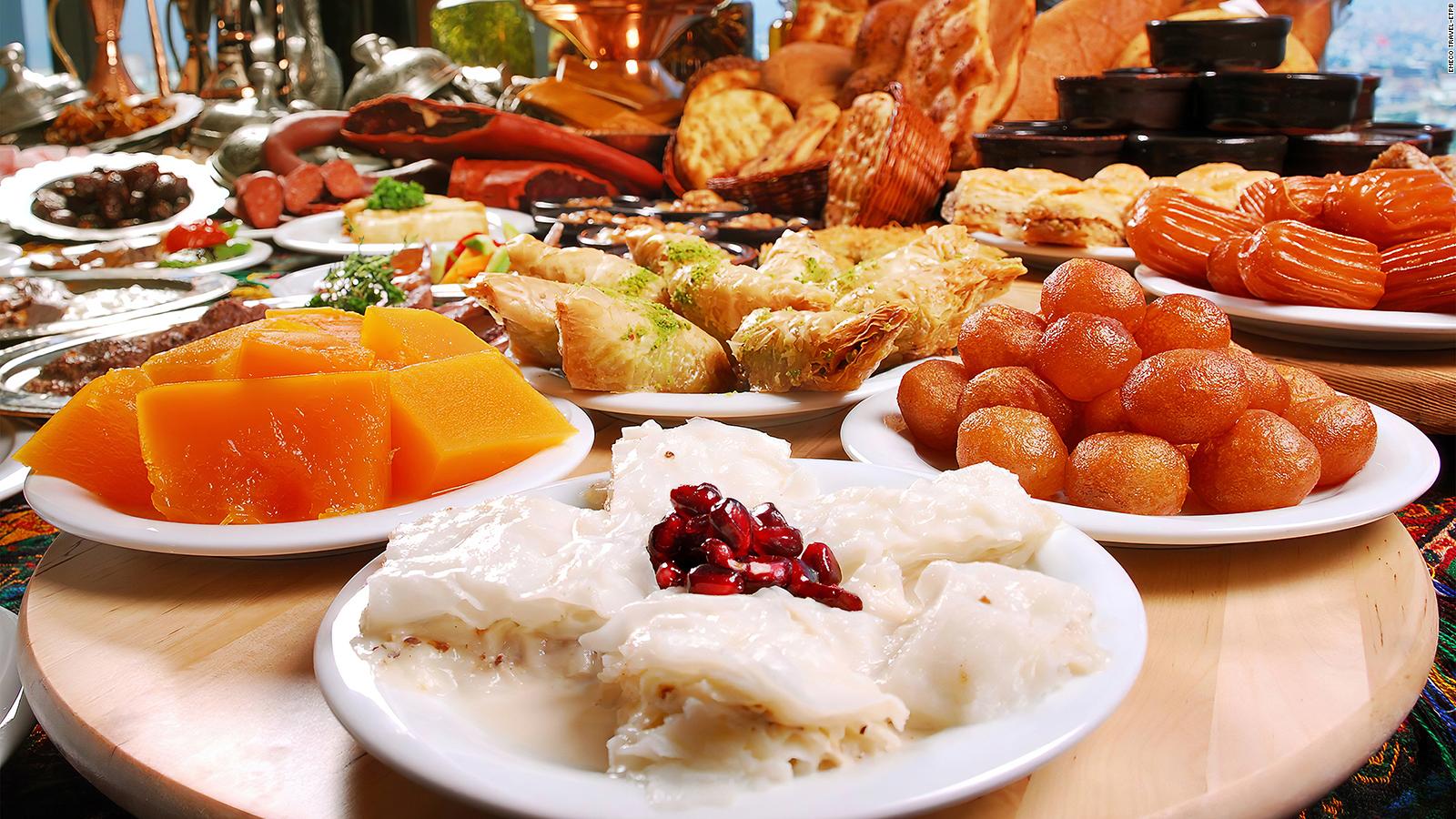


Egyptian cuisine has always been underrated.
Although it is rarely mentioned among the great culinary cultures of the Mediterranean or the Middle East, the flavor of the dishes cooked along the Nile is every bit as delicious, and often far more intriguing, than the traditional cooking of Lebanon, Turkey or Greece.
Just think about it: Egypt's culinary traditions go back more than 5,000 years, all the way to the days of the pharaohs.
Partner links: booking through them supports the blog at no extra cost to you.
Over the centuries that followed, the local cuisine borrowed ingredients and cooking methods from everyone who passed through Egypt: the Greeks and Romans, the Arabs and Ottomans, the French and the English.
"Much of Egypt's cuisine is similar to the food of other Middle Eastern countries," says Dina Eldaief, author of the cookbook "A Taste of Egypt: Home Cooking From the Middle East" and the forthcoming "Egyptian Flavors: 50 Recipes."
What sets Egyptian cooking apart is that these dishes are often made with a wide range of ingredients and flavors.
"A great example is falafel. It's eaten all over the Western world now, but it's usually made with chickpeas. In Egypt, you'll often find falafel made purely from dried fava beans. It's moister and has a richer green color thanks to the addition of fresh parsley, onion and leek."
And you can still taste dishes that were served in ancient times.
"One of Egypt's national dishes is molokhia soup," Eldaief says. "They say this dish was depicted in tomb paintings as food fit only for a pharaoh. Over the centuries it became popular all across Egypt and is common in both households and traditional Egyptian restaurants."
Egyptians have long felt that their food is underrated compared with other Middle Eastern cuisines.
Judging by the popularity of her books, cooking demonstrations and tastings aboard cruise ships, Eldaief believes the tide has turned.
"I agree that Egyptian cuisine hasn't been embraced the way other cuisines have. But I'm confident its time to shine is coming, as it slowly becomes more and more accessible."
Read on to discover more about some of Egypt's amazing flavors, and the restaurants that serve these dishes, for when you head there on a trip.
Shakshuka
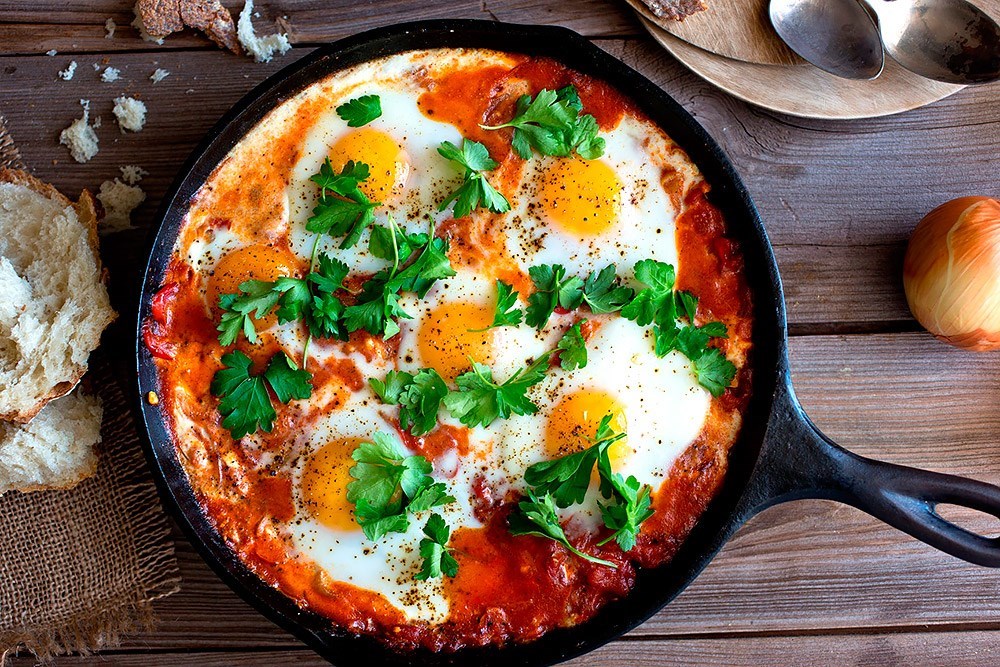
Alexandria is a hotbed for this mouthwatering breakfast dish, a medley of poached eggs, tomato sauce, peppers and garlic that is best enjoyed at a breezy seafront cafe or on a hotel balcony overlooking the Mediterranean.
Molokhia
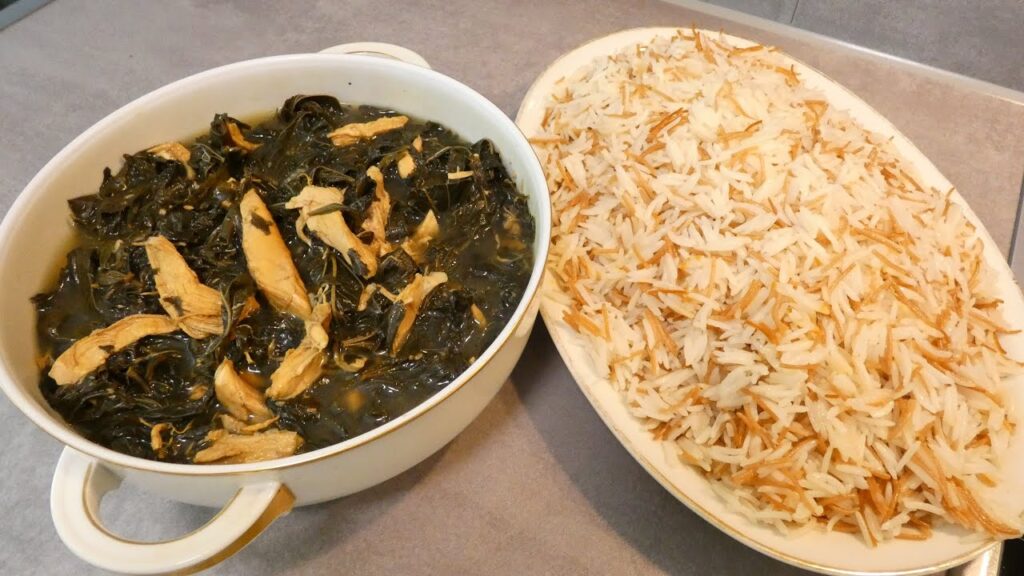
This green soup gets its distinctive color from finely chopped mallow leaves, simmered in a meat or seafood broth and seasoned with a mix of spices, including coriander and garlic. It is often served with rice.
Fattah
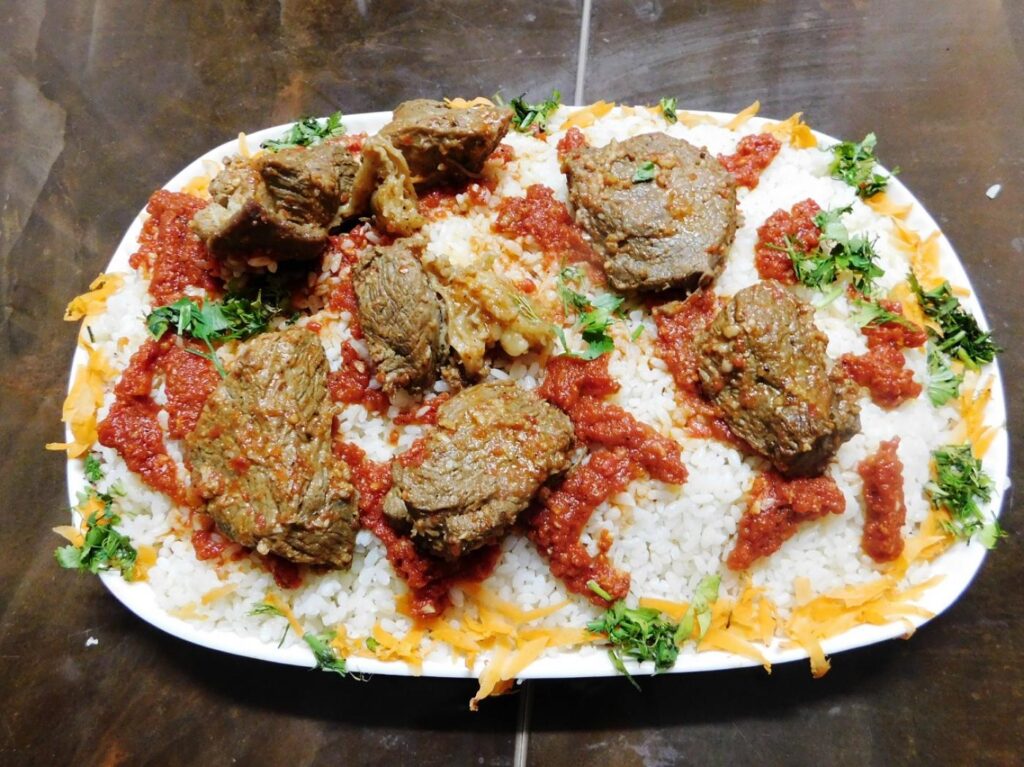
A beloved dish in Nubia, fattah is often served at special family celebrations as well as Muslim and Christian holidays, though these days you'll find it on restaurant menus all over Upper Egypt. Rice, beef, eggs and fried bread are the main ingredients of this stew-like dish.
Kebda
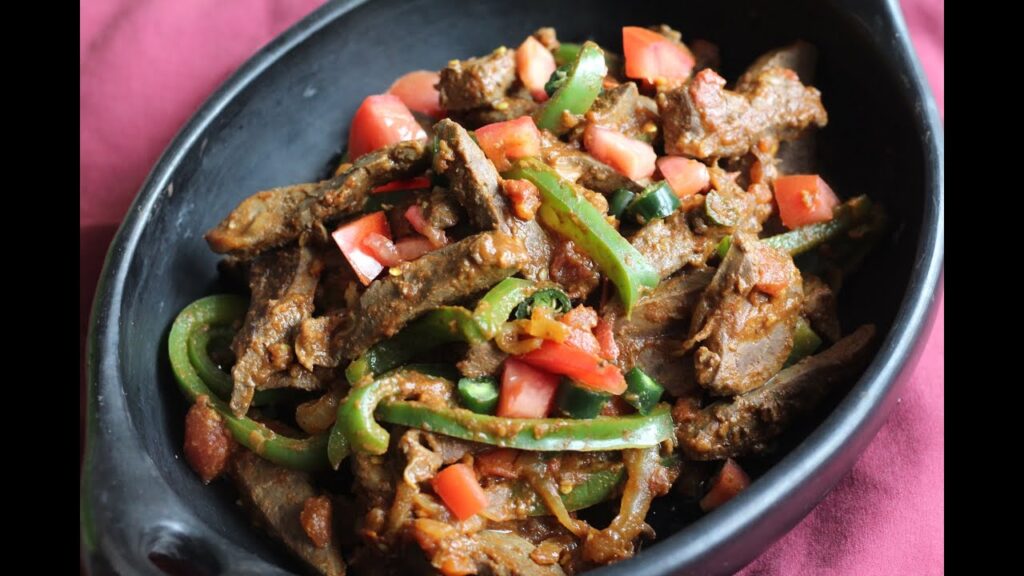
Grilled liver (chicken or beef) is served many different ways in Egypt, as the main filling in sandwiches or on its own as an appetizer or main course. The Alexandrian style (kebda eskandarani) can be seasoned with a host of spices and powders, and served with tahini or hummus, baladi bread, fried or baked cheese and pickles as possible sides.
Mahshi
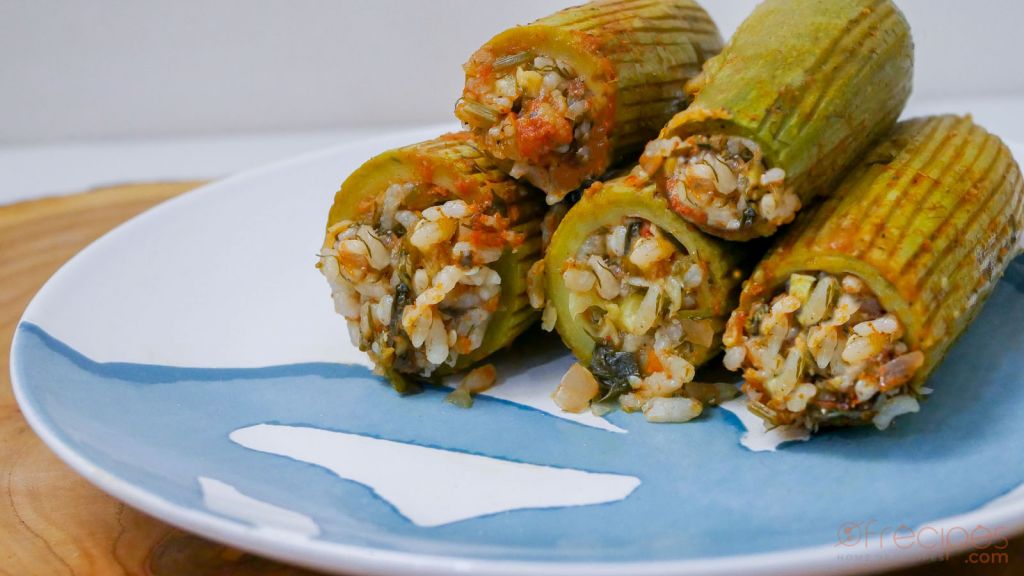
Eggplant, bell peppers, zucchini, cabbage, tomatoes or grape leaves are stuffed with minced meat and rice, seasoned with an assortment of spices and often cooked in lamb, beef or chicken broth with a splash of lemon juice. Dina Eldaief says stuffed grape leaves (mahshi wara enab) are one of her all-time favorite Egyptian dishes.
Taameya (Falafel)
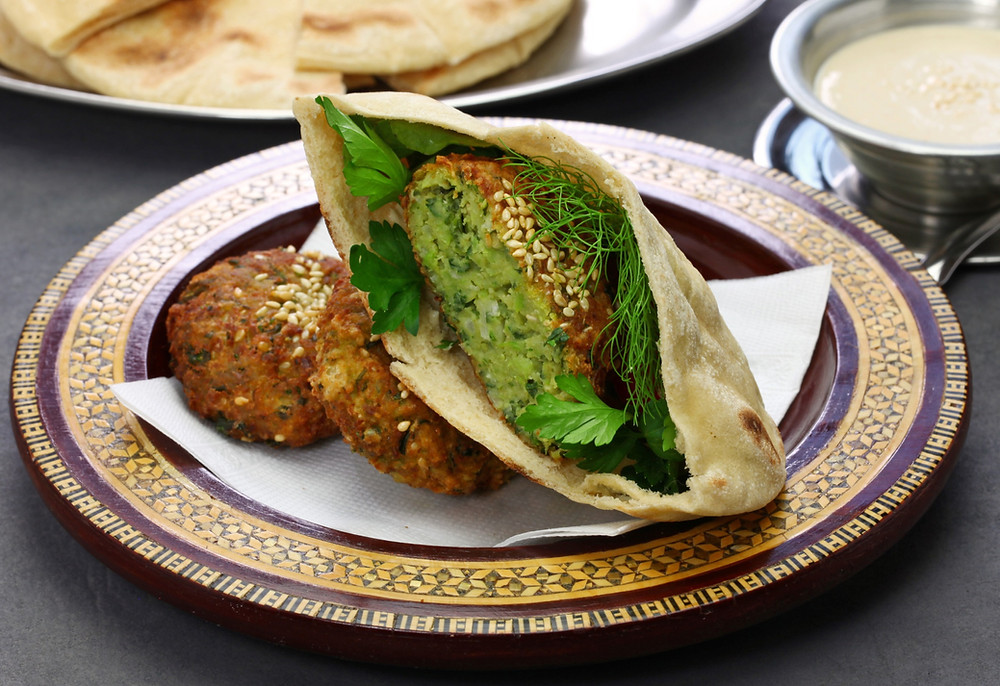
Although falafel is common throughout the eastern Mediterranean and the Middle East, many food lovers insist that the best falafel is found in Egypt, especially in the restaurants, cafes and street stalls of Cairo. These deep-fried patties are made with fava beans in Egypt, while other countries in the region use chickpeas. Taameya (to use its Egyptian name) most likely originated in ancient Egypt.
Koshari
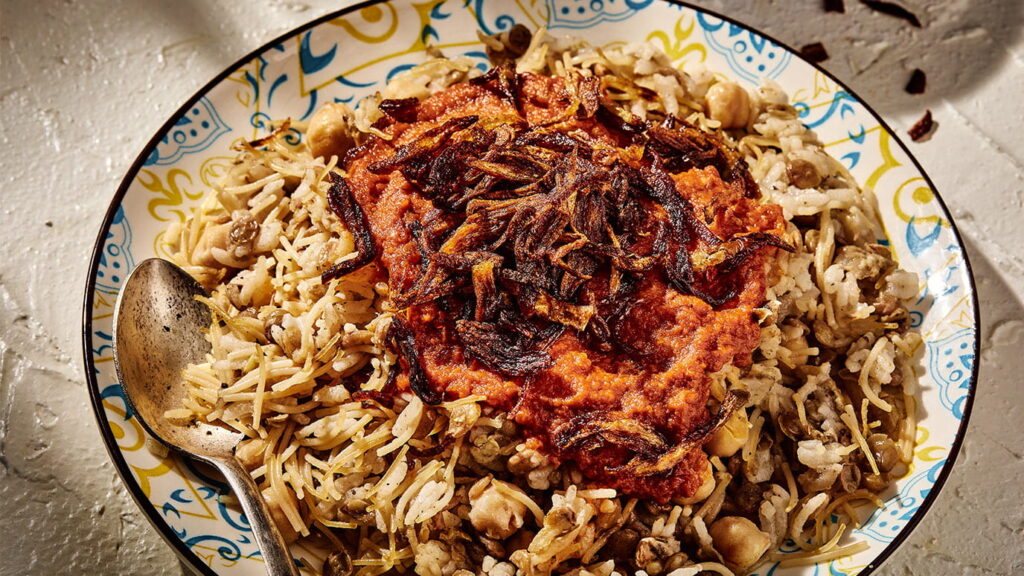
One of the most popular dishes in Egypt is a carb-loaded combination of pasta, rice and beans, seasoned with tomatoes, onion, garlic and whatever else the cook feels like adding. Koshari, topped with a spicy sauce, is considered a vegetarian and vegan dish when it's made with oil.
Baba Ghanoush
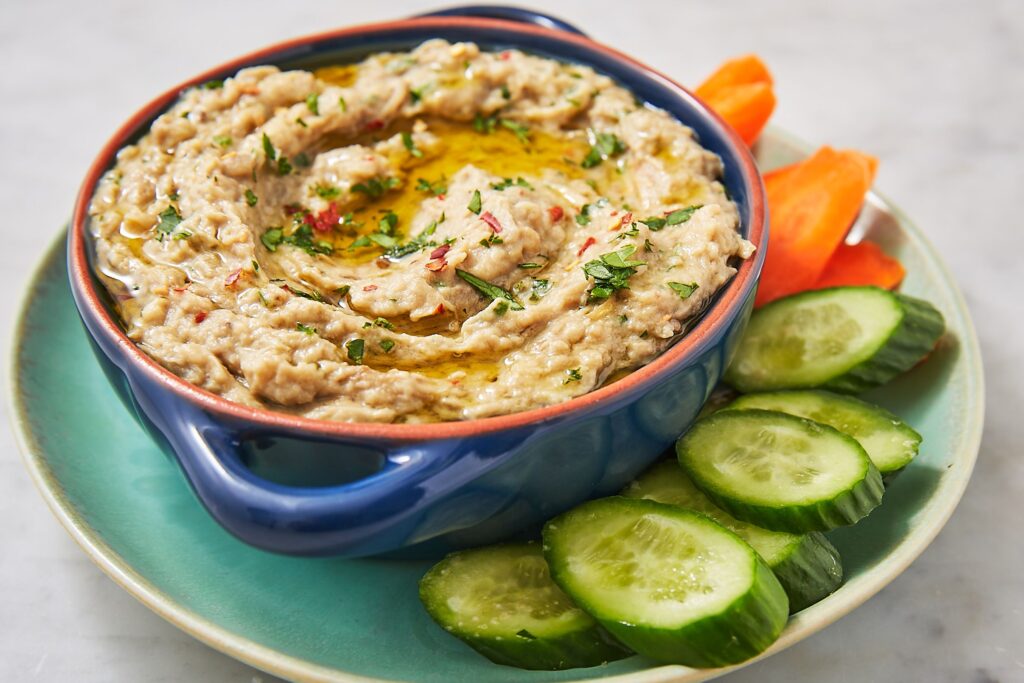
This traditional dip is made from pureed roasted eggplant seasoned with parsley, cumin and lemon juice, along with salt and pepper.
Samak
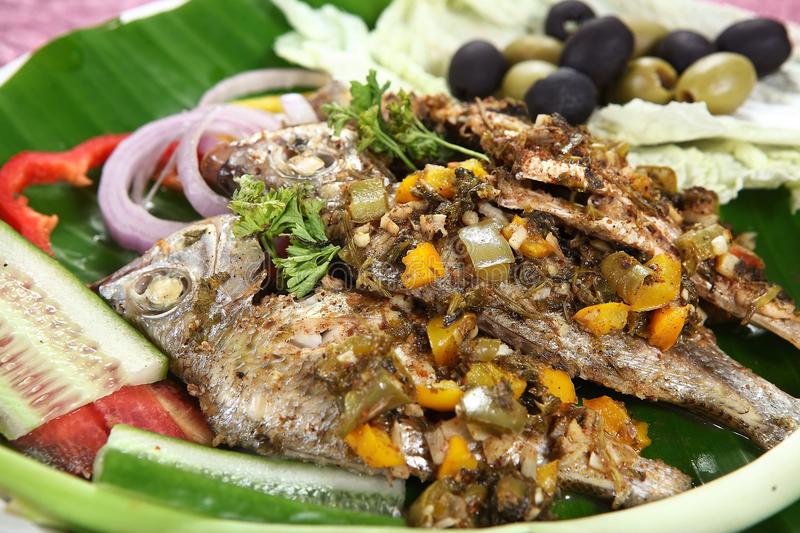
Samak is the Egyptian word for "fish." Because the country sits between the Mediterranean and the Red Sea, you can find seafood prepared in all kinds of ways in Egypt's many coastal towns. One of the most popular restaurant fish is denis (sea bream).
Gebna
One of the most amazing things about Egyptian cuisine is the variety of cheeses, a tradition that dates back to pharaonic times. One of Egyptians' favorite summer snacks is gebna we batekh, a cooling combination of white cheese and watermelon.
Konafa
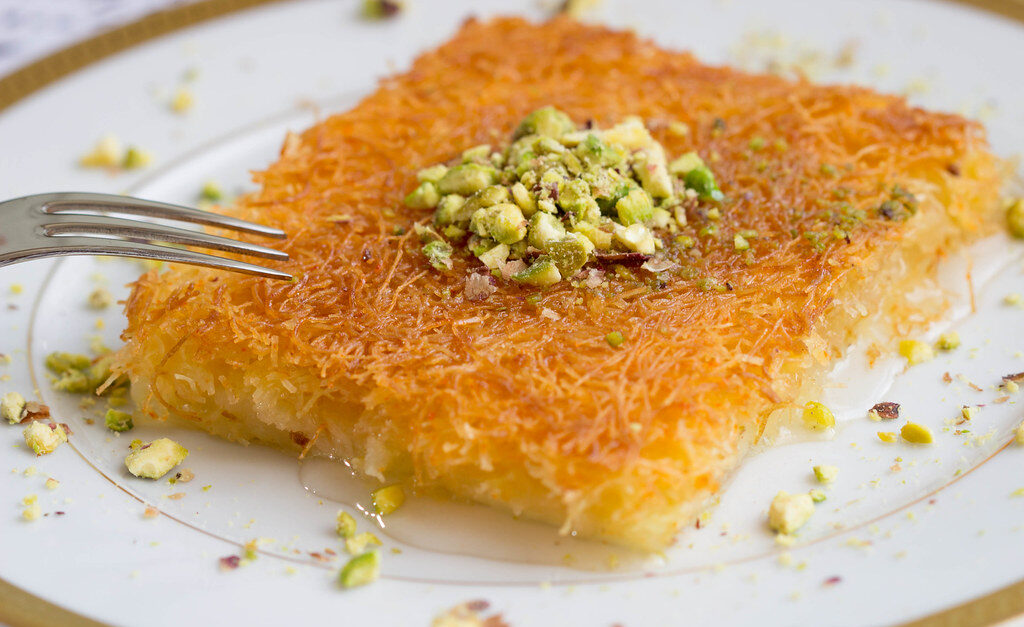
Egypt boasts an astonishing variety of desserts and sweet treats. But the most beloved of all is probably konafa. This dish is a thin, noodle-like pastry soaked in syrup, stuffed with cream cheese and often topped with nuts.
Shai (Tea)
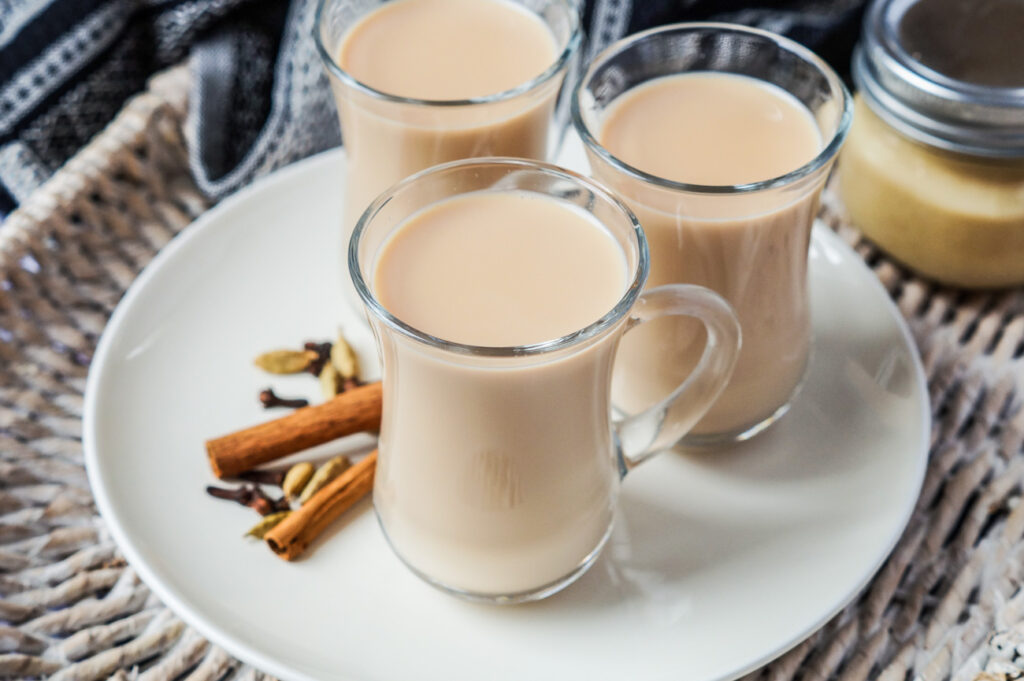
Egypt's national drink can be found just about everywhere, from cafeterias and truck stops to souvenir shops, felucca sailboats and corporate boardrooms. Served with plenty of sugar, it comes in two main varieties: the golden koshari tea in the north (often served with mint) and the dark saidi tea in the south, along with a wide selection of herbal teas.
Juices
In a country perched on the edge of the Sahara, plenty of thought has always gone into staying cool and hydrated. Over the millennia, Egypt has come up with a broad assortment of fruit, floral and bean-based drinks to meet that challenge. Among the many exotic beverages are juices made from tamarind, carob, doum palm, hibiscus and orchid.