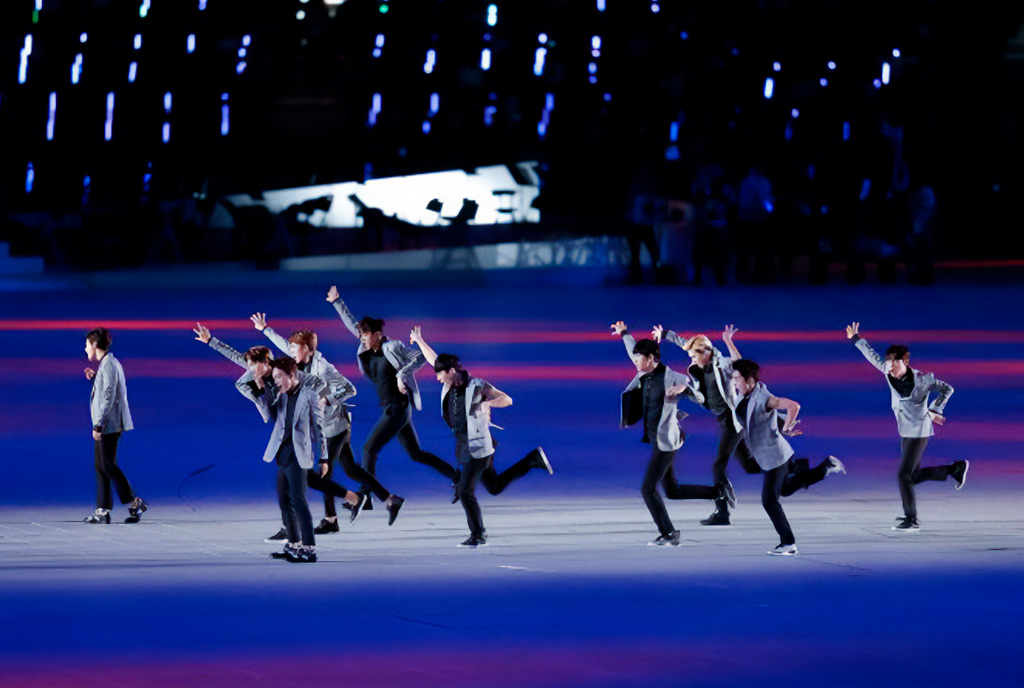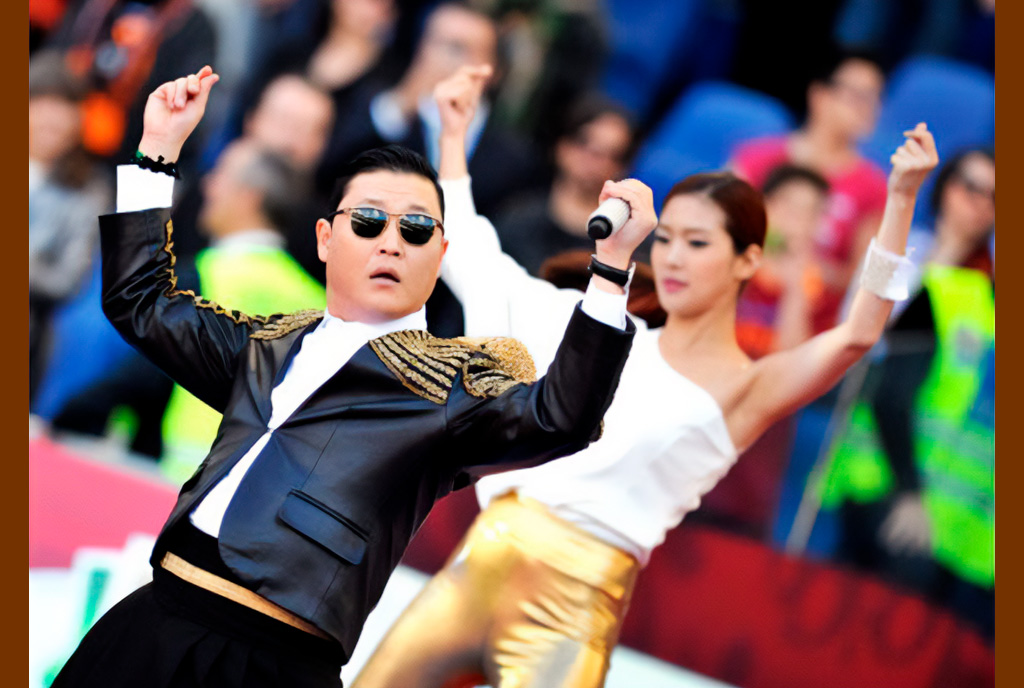


Forget Gangnam style. There is a new Seoul neighborhood that, if South Korea's government gets its way, will soon be synonymous with K-pop.
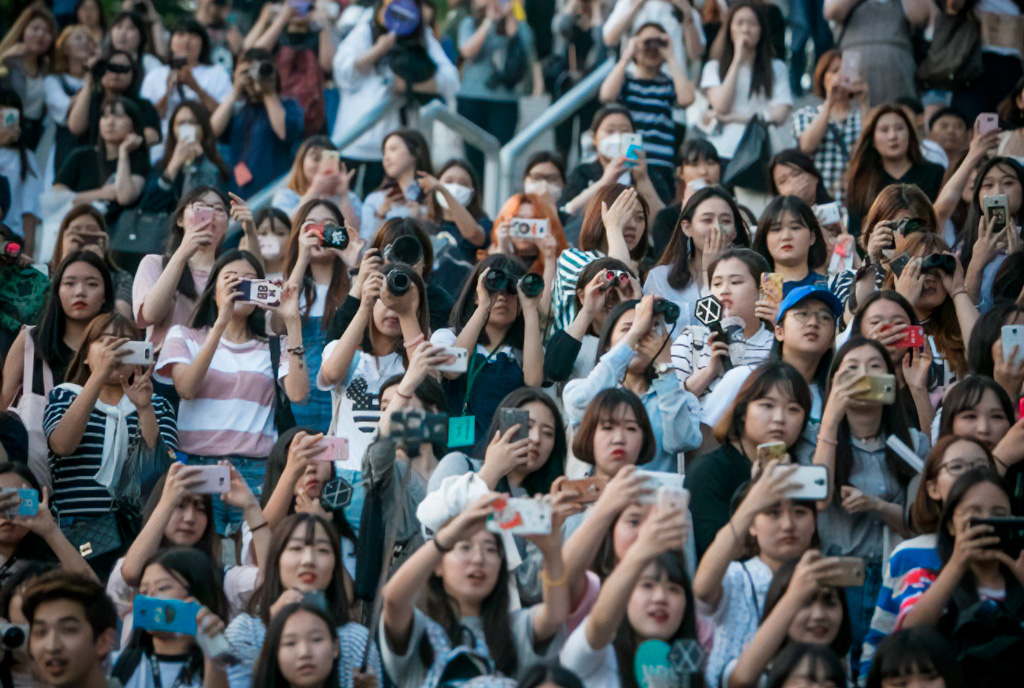
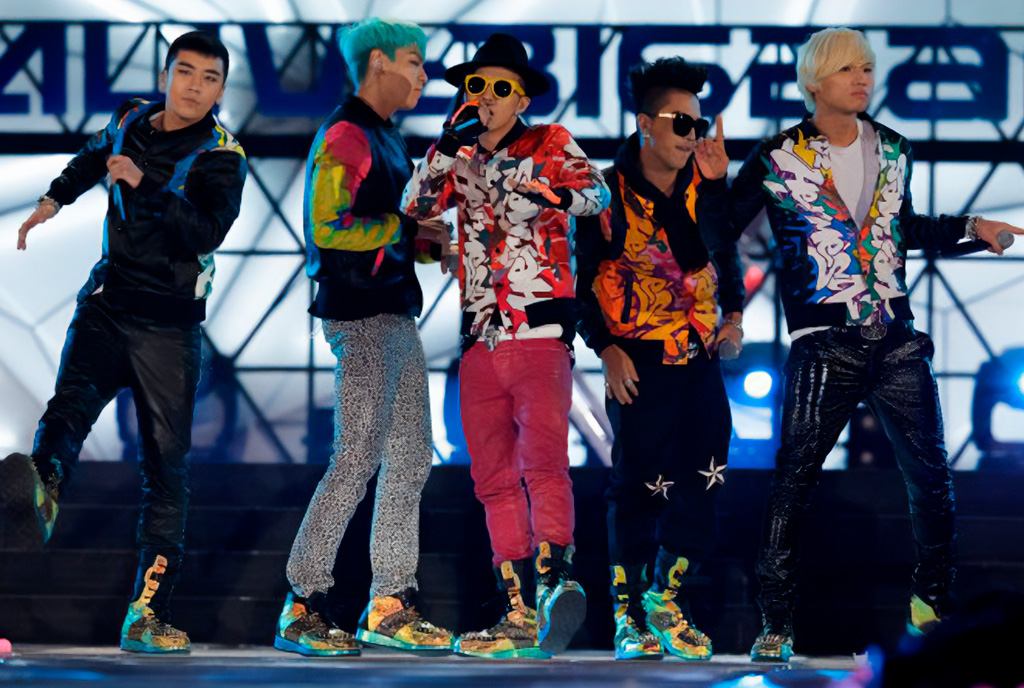
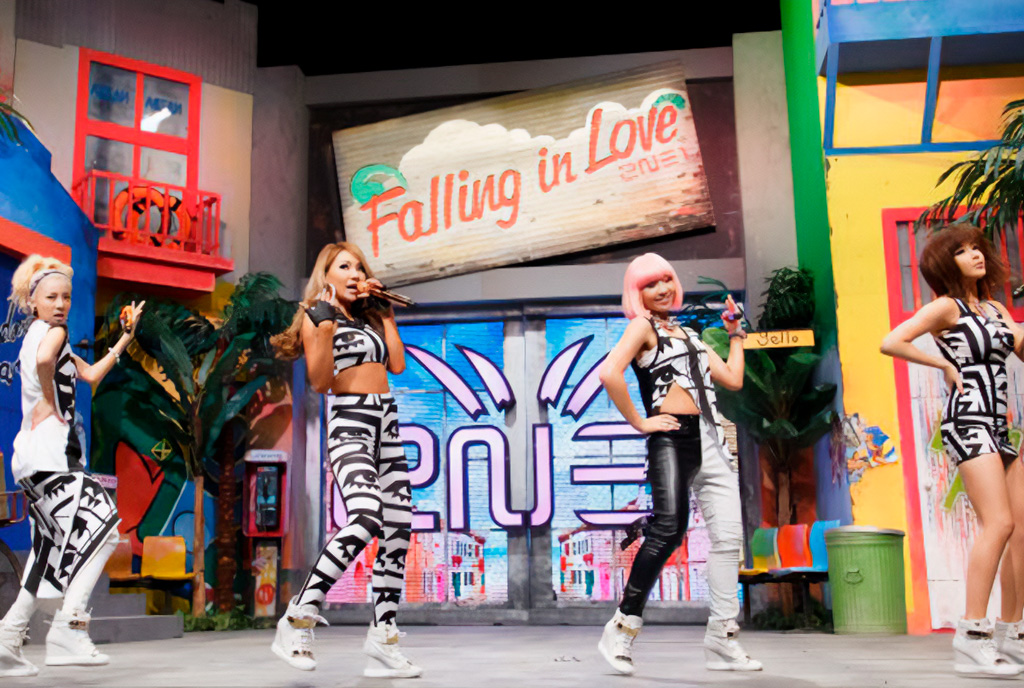
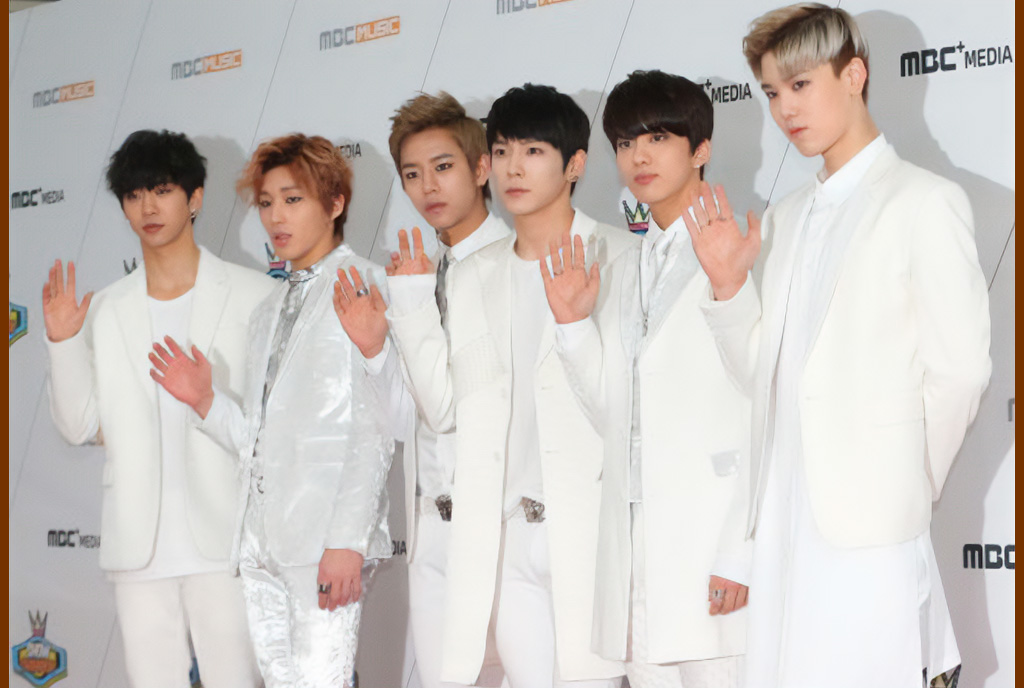
The once neglected district of Changdong is being reinvented as a Mecca for K-pop, the manufactured music genre that has taken Asia by storm.
Sales of Korean music, along with the TV shows, films, animation, games and other content tied to it, brought the country nearly $5 billion in 2015, according to a report by the Korea Trade-Investment Promotion Agency.
Partner links: booking through them supports the blog at no extra cost to you.
Now Seoul's government is drawing on the "hallyu wave," as this cultural phenomenon has been named, to breathe new life into Changdong.
"From a Korean perspective, the hallyu wave, the K-pop wave, isn't just music, isn't just dramas," says Kaz Potter, an associate professor of urban planning at the Graduate School of International Studies at Korea University in Seoul.
"It's the whole soft power of Korean goods."
The gentrification of Seoul
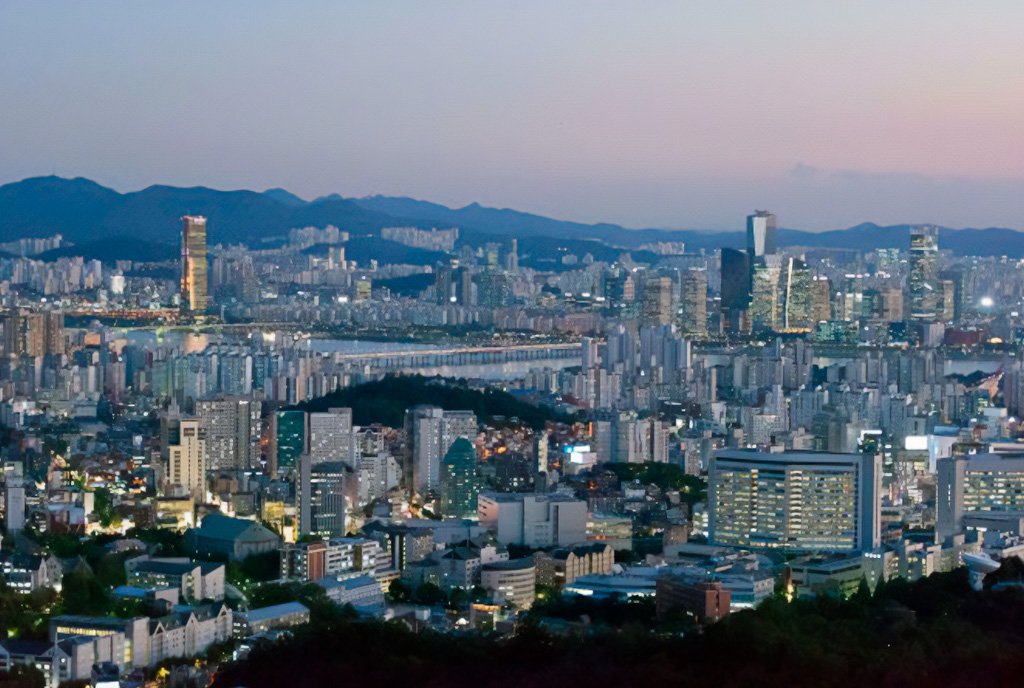
Changdong, a relatively small residential district for commuters, sits on the northern edge of Seoul. It is home to a few hundred thousand people and it is growing, yet it has few cultural facilities or industries.
Urban planners are hoping K-pop can do for Changdong what the Beatles did for Liverpool in the UK, and what PSY did for Gangnam in Seoul: draw in both local residents and tourists who could bring jobs and spending power with them.
Concert halls, a music school, recording studios, art galleries, a K-pop museum and policies designed to encourage "pop musicians to move into this area" are all part of the plan, according to the Seoul Metropolitan Government.
A multicultural entertainment arena seating 20,000 people is due to be completed by 2021, followed by a range of other supporting facilities.
"Since the 1980s, Changdong's population has grown rapidly. There was almost no cultural center, so it was decided to build the arena first... and turn it into a youth and arts complex," explains Kim Dong-cheol, head of the arena team at the Seoul Metropolitan Government.
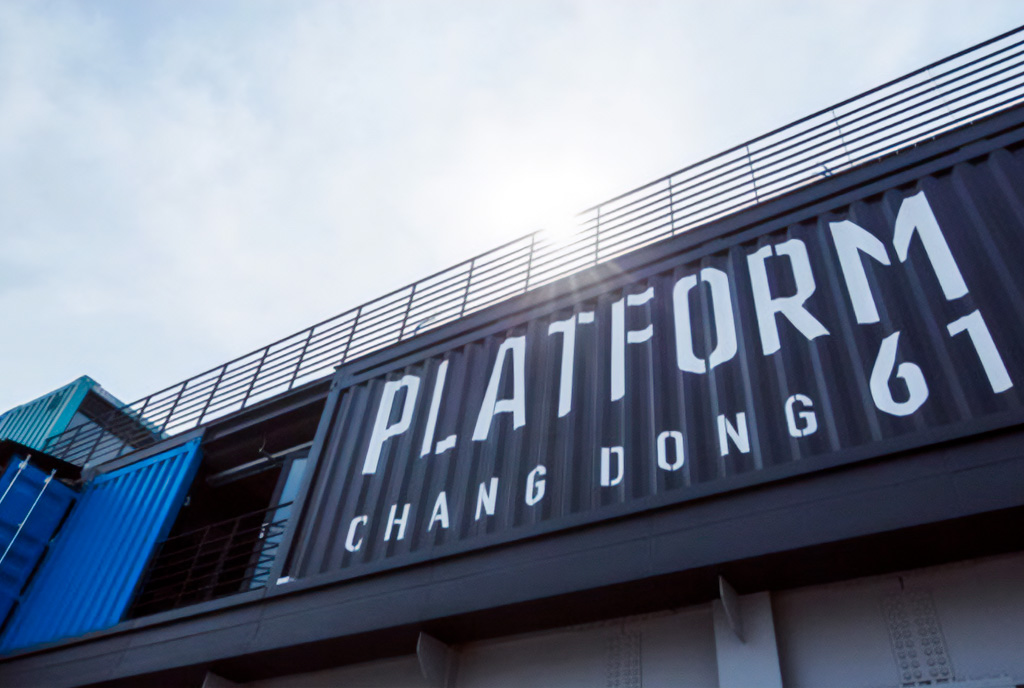
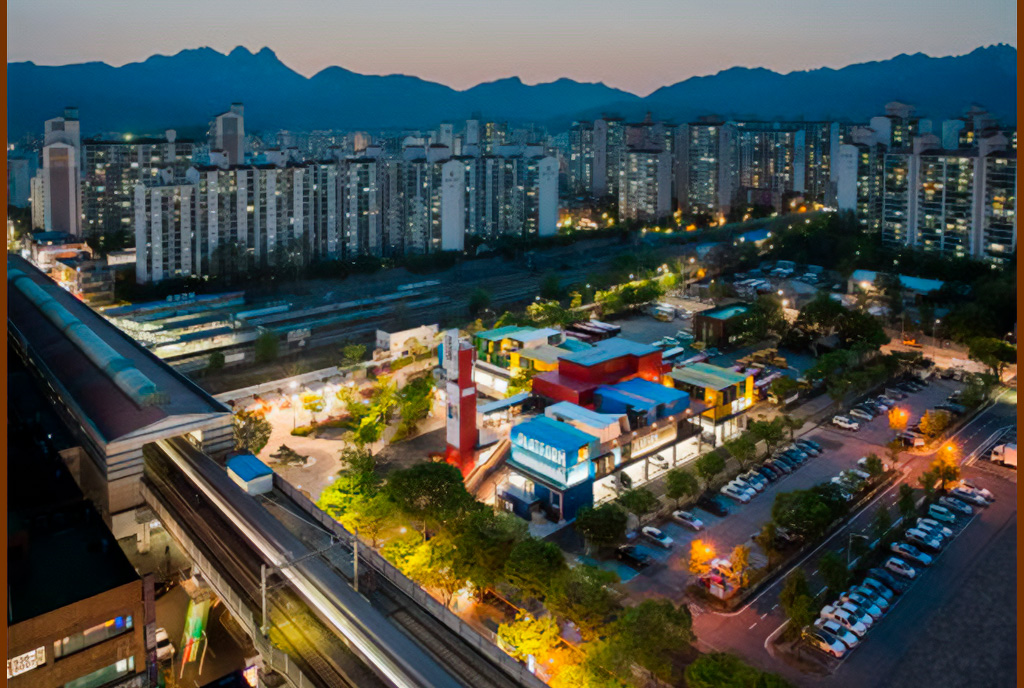
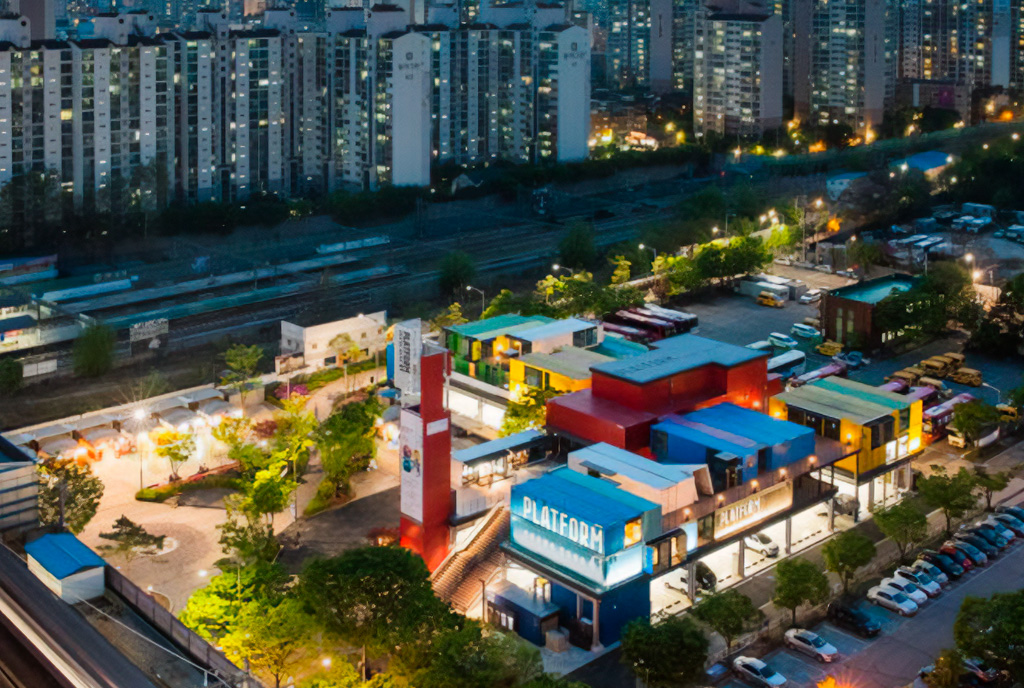
Work on the project has already begun, and in April, Platform Changdong 61 opened. It is a small cultural center built from brightly painted shipping containers, housing a concert hall, a recording studio, art galleries, cafes and retail shops.
The K-pop effect
Potter says this type of urban development is common in Seoul, a sprawling modern metropolis with 10 million people in the city center and 30 million across the wider region.
Many other parts of the city have been revived by turning them into cultural hubs, though none of them has yet used K-pop as its foundation.
"This idea that the government will step in and create a big center is a familiar strategy for the Korean government and the Seoul government," says Potter.
"Gangnam itself was created in a similar way in the '70s. They decided they would develop it intensively to get middle and upper class people to move in that direction, and they forcibly relocated all kinds of cultural institutions, including schools and universities, to support that strategy."
It eventually became the Beverly Hills of Seoul, inspiring PSY to write his worldwide hit "Gangnam Style."
The appeal of K-pop
It may sound far-fetched, even risky, to stake the revival of an entire district on the power of K-pop, but the industry's enormous economic clout gives urban planners confidence.
Beyond hallyu's export earnings, officials have carefully leveraged the recognition and respect that popular culture has built for South Korea to grow other sectors, such as sales of industrial goods, including semiconductors, and consumer products, such as electronics and cars.
"One of the other statistics that the Korean government uses is that for every dollar spent on the cultural industry, there are $5 in sales of Korean cars, home appliances or something similar," says Keith Howard, a professor of Korean music and culture at the University of London.
And while hallyu's main overseas markets are China, Japan, Taiwan and Hong Kong, K-pop has gained ground in the West over the past decade thanks to state policy aimed at expansion abroad. The United States was the third largest market for overseas K-pop concerts from January 2013 through March 2016, according to Billboard magazine.
"It's a strategic thing... there was a shift toward soft culture, and it was led by (former president) Kim Dae-jung," says Howard.
"It was a very deliberate policy to make Korea cool, to brand Korea through its popular culture, and the South Korean government has genuinely promoted this culture abroad and continues to do so."
The Changdong style
In terms of urban transformation, Potter and Howard both say the Changdong project "probably" makes good economic sense, if only for the pulling power it will have with tourists.
Potter points out that the district is perfectly located, at the end of a subway line that connects to the tourist shopping area of Myeongdong. On top of that, Howard says more people visit Korea for its popular culture than to see historic sites.
That may turn out to be the biggest challenge for K-pop.
Sol Han contributed to this report.