


Because the City by the Bay sits on a hilly peninsula, getting to wherever you need to be in San Francisco, California, takes a bit of strategic planning, unless, of course, you cashed out your startup options and now travel exclusively by private jet.
For those of us without a stake in a multibillion-dollar company, you can easily trim your travel time once you land by mapping out your route carefully.
San Francisco covers just 49 square (and hilly) miles, but the wider region known as the Bay Area spans eight sprawling counties, each packed with plenty of entertainment, sights, and day trips.
Partner links: booking through them supports the blog at no extra cost to you.
North of Silicon Valley's massive tech industry in San Jose, you'll find plenty of museums for anyone after a cultural break, untouched redwood forests in Marin County just across the Golden Gate Bridge for anyone craving time in nature, and, of course, roughly 400 wineries for when all that sightseeing (and hill climbing) starts to wear you out.
That's why we've singled out the best airports to fly into based on what you're planning to do in the area.
San Francisco International Airport (SFO)
Located in: Technically, it sits in San Mateo County, just 13 miles south of the city itself.
Pick it if: Your destination includes San Francisco; a trip to Alcatraz, Sonoma, or Napa Valley; or an important tech meeting in Menlo Park or Palo Alto.
Think twice if: You're after an easy route to Yosemite National Park. You'll have to cross the bay, which can add a significant amount of time. The same goes for anyone hoping to live out their "Big Little Lies" fantasies in Monterey.
The worst thing about the airport: Fog is so common in the Bay Area that it has a name, Karl, and a Twitter account to chronicle all of its foggy antics. Combine Karl's constant presence with the record 55 million passengers who flew into SFO in 2017, and you've got a recipe for a potentially cramped, aggravating terminal situation. In 2016 alone, Karl was responsible for a record 25,061 delays.
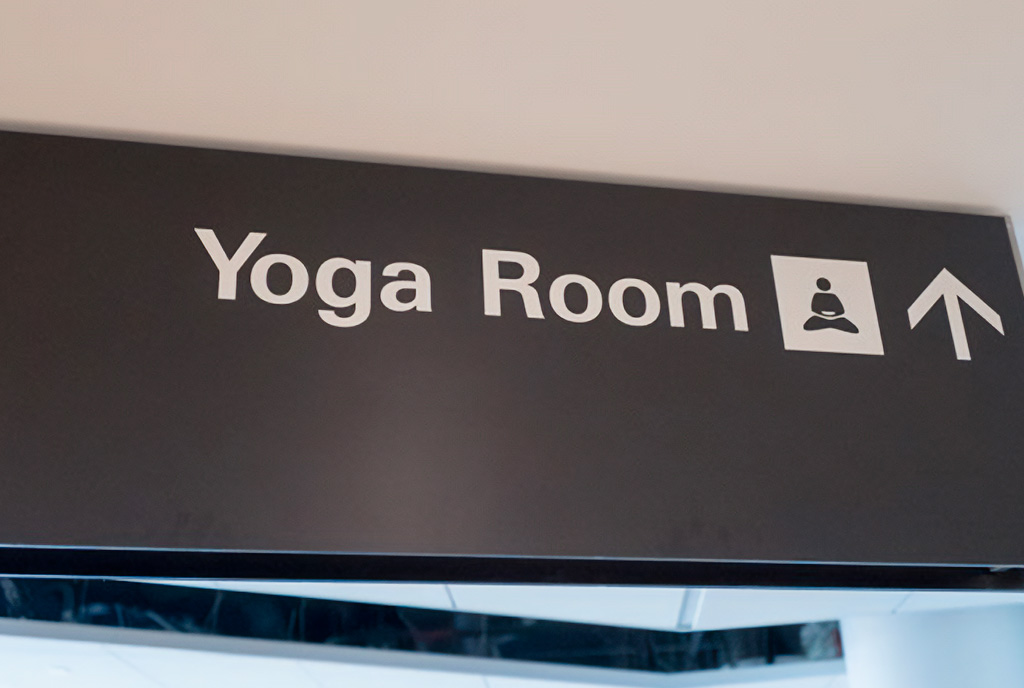
The best thing about the airport: SFO runs less like an airport and more like a startup. Wi-Fi is free throughout (naturally). Terminal 2 boasts the world's first in-airport yoga studio and a museum with rotating exhibits that celebrate the art and history of the Bay Area.
Grape expectations: Don't expect the usual airport fare; instead, head to Terminal 2, where you'll find chef Cat Cora's namesake restaurant serving small plates of local produce and inventive cocktails. If you'd rather sample a taste of Napa before actually heading to Napa, make your way to Vino Volo for local wines, cheeses, and snacks.
Distance to the Golden Gate Bridge: The 18-mile drive can take as little as 25 minutes by car, or up to an hour if you're battling the crowds of commuters. BART, the much-maligned public transit system, can get you to downtown San Francisco in 30 minutes for $9.65, but it takes a transfer and about another 30 minutes to reach your destination.
Oakland International Airport (OAK)
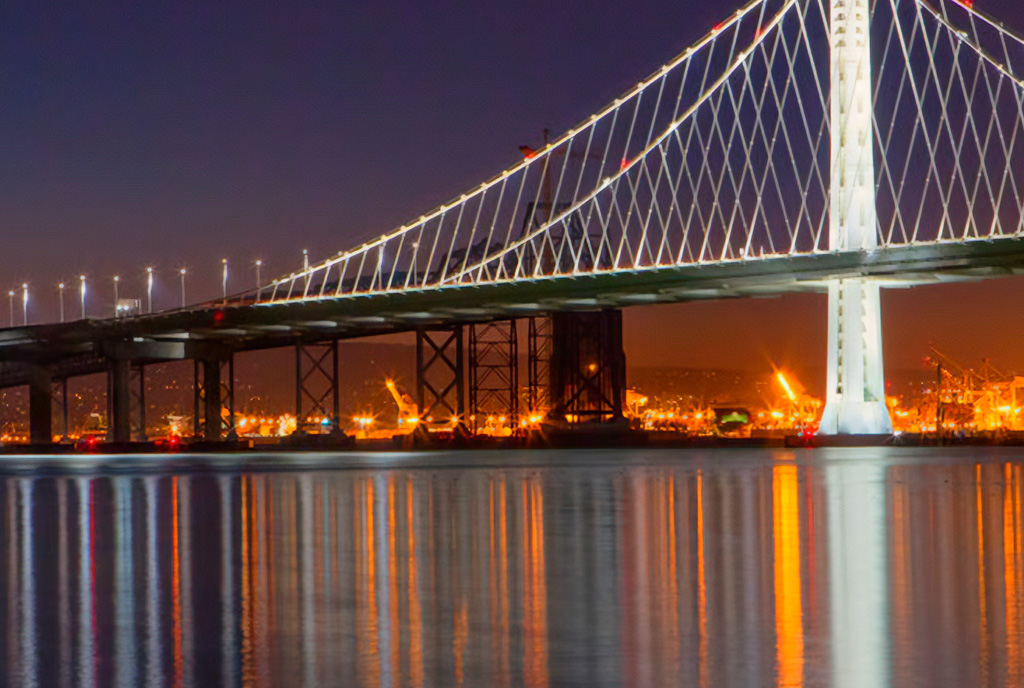
Located in: Oakland, about 10 miles from the city center.
Pick it if: You're headed to Yosemite National Park or Lake Tahoe, or if you want to save a few minutes getting to Napa or Sonoma. For anyone worried that Karl will tangle up air traffic, don't be: Oakland is nearly immune to San Francisco's famous fog. More good news: You can often find a cheaper flight here than at SFO (OAK has far fewer flights and airlines, but many of them are budget carriers).
Think twice if: You're planning to visit some of the scenic spots along Highway 1 down the southern part of the peninsula, like Half Moon Bay. The serenity of the coast isn't worth wrestling with city traffic.
The worst thing about the airport: Oakland has long been one of the most diverse cities in the U.S., but the same can't be said for its airport. Its two terminals are mostly filled with mediocre chain restaurants, and getting through customs can take a while.
Grape expectations: Vino Volo, located in Terminal 2 near Gate 26, offers wine tastings, small plates to nibble on before your flight, and bottles to go.
Distance to the Golden Gate Bridge: Depending on traffic (and the route you choose), all it takes is 25 miles on I-880 (which will take you across the Bay Bridge) or a scenic drive on I-580 that will lead you past the Golden Gate National Recreation Area and the breathtaking Muir Woods.
Norman Y. Mineta San Jose International Airport (SJC)
Located in: San Jose, the epicenter of Silicon Valley
Pick it if: You're headed to San Jose, want to drive through some of the southern redwood forests on the peninsula, or are heading south to Monterey and Carmel. It's also a good fit for travelers heading to San Francisco who want a smaller, less hectic airport.
Think twice if: You're hoping for a direct route to wine country, since you're pointed the wrong way.
The worst thing about the airport: While SJC was the first airport in the country to offer customer-service robots, it feels a bit unnecessary to have droids like Norma asking you for a cheeseburger while you're trying to find your gate
The best thing about the airport: SJC has a solid lineup of domestic and international airlines, including nonstop flights to thriving business capitals like Tokyo, London, and New York. There's also strong, and free!, Wi-Fi throughout.
Distance to the Golden Gate Bridge: Fifty miles and an hour or more in varying levels of traffic; by public transit, you're looking at 2+ hours.