

Turkey may be famous for its kebabs, but that popular dish is just the tip of the iceberg when it comes to Turkish cuisine.
Stretching across more than 300,000 square miles, this European destination owes its rich and varied cuisine in large part to its landscape.
Plateaus and plains of fertile soil formed by now-extinct volcanoes, snow-capped mountains and fast-flowing rivers all contribute to a rich and diverse table.
Partner links: booking through them supports the blog at no extra cost to you.
That includes olive-oil-based dishes from the Mediterranean coast, hearty pastries from central Anatolia, subtle spicy flavors from the east and southeast, and that is only the beginning.
Traditional Turkish dishes rely less on seasoning and more on flavorful fresh ingredients that are rolled, kneaded, shaped and cooked to perfection with care, dedication and passion.
In fact, Turks love their food so much that they even write songs about it: "Domates, biber, patlican" by Anatolian rock star Baris Manco translates to "Tomatoes, peppers, aubergine".
Here are the 23 best Turkish dishes beyond the basic kebab:
Piyaz
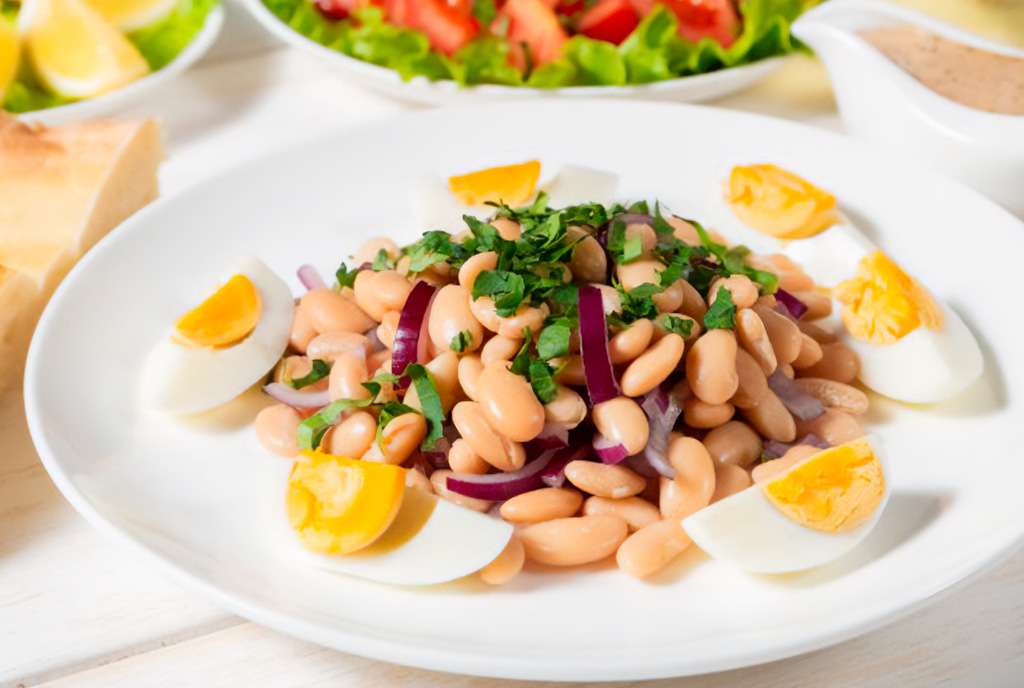
The piyaz salad from Antalya is one of the Turkish city's most famous dishes, and its secret ingredient is beans.
These are not just any butter beans, but a smaller variety known as candir, named after the inland province where they are grown.
The tender, fragrant candir beans are tossed with tahini thinned with a little water, lemon juice, vinegar, salt, garlic, flat-leaf parsley and olive oil.
In the most traditional version, a soft-boiled egg is roughly chopped and mixed in just before serving.
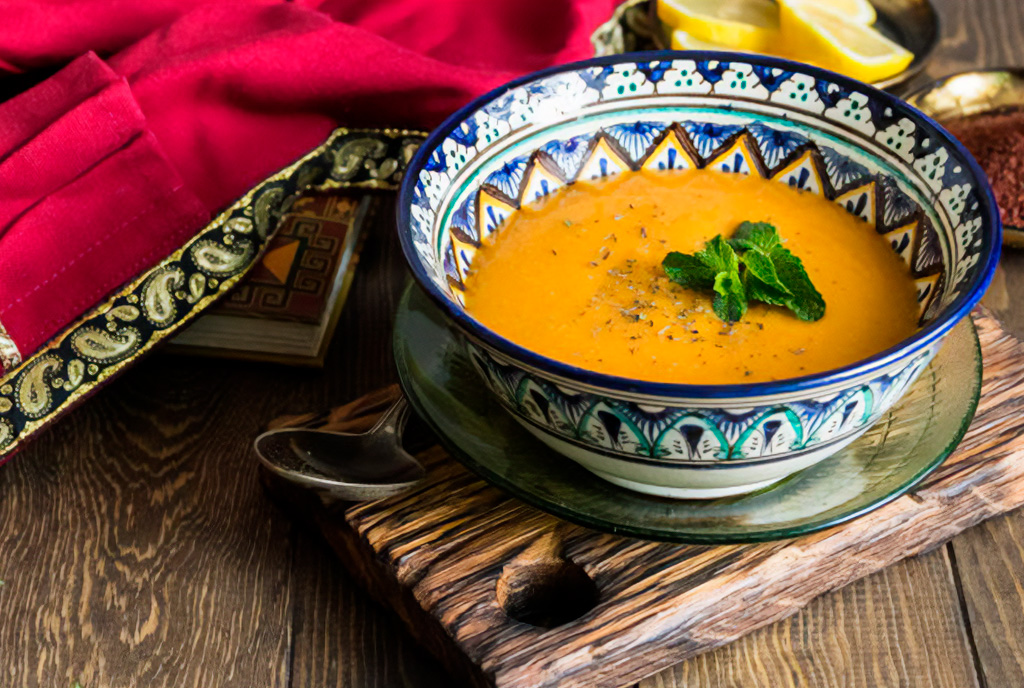
Ezogelin Corba
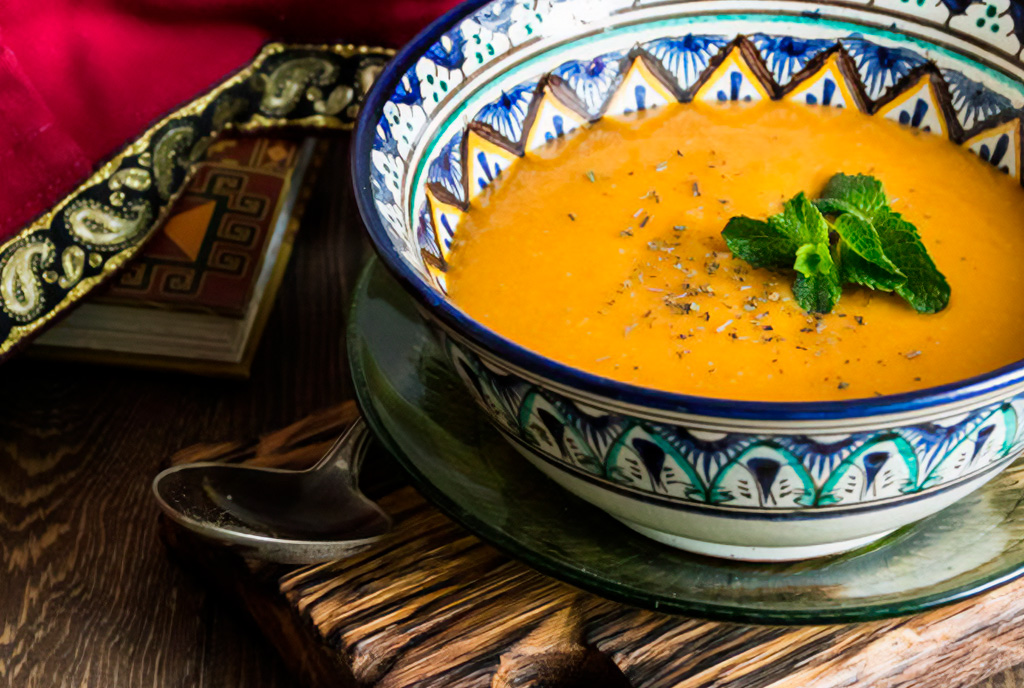
According to legend, this dish was invented by an unhappily married woman named Ezo, who tried to win over her mother-in-law through the stomach.
She created a savory soup made of red lentils, domates salca (tomato paste, sweet or hot), grated fresh tomatoes and onions, served with dried mint and pul biber (chili flakes) sprinkled on top.
There is no proof that it actually worked, but just in case, ezogelin (which literally translates to Ezo's bride), originally from a small village near Gaziantep, is still the dish of choice for brides-to-be.
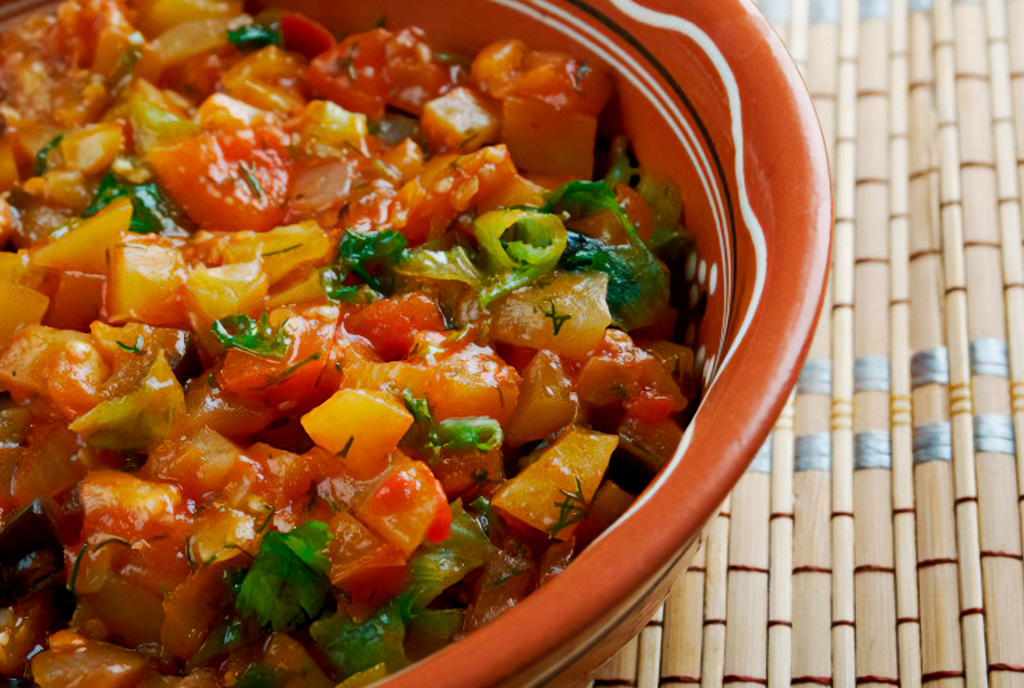
Sakshuka
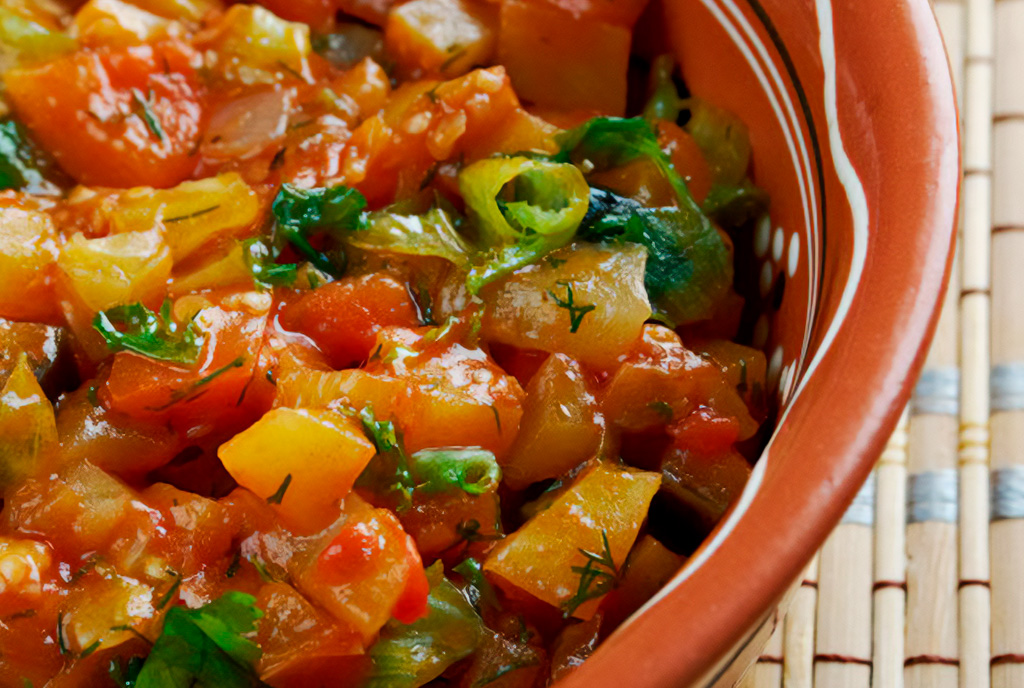
Turkish cuisine features an enormous range of vegetable dishes known as zeytinyagli yemegi, dishes cooked in olive oil. Most are vegetable-based and include green beans, artichokes and, of course, aubergines.
One of the tastiest aubergine dishes is sakshuka. Here, silky cubes of aubergine with purple skin and green flesh are cooked with courgettes, garlic, tomatoes and chili, the amount of the latter depending on which part of Turkey it is made in.
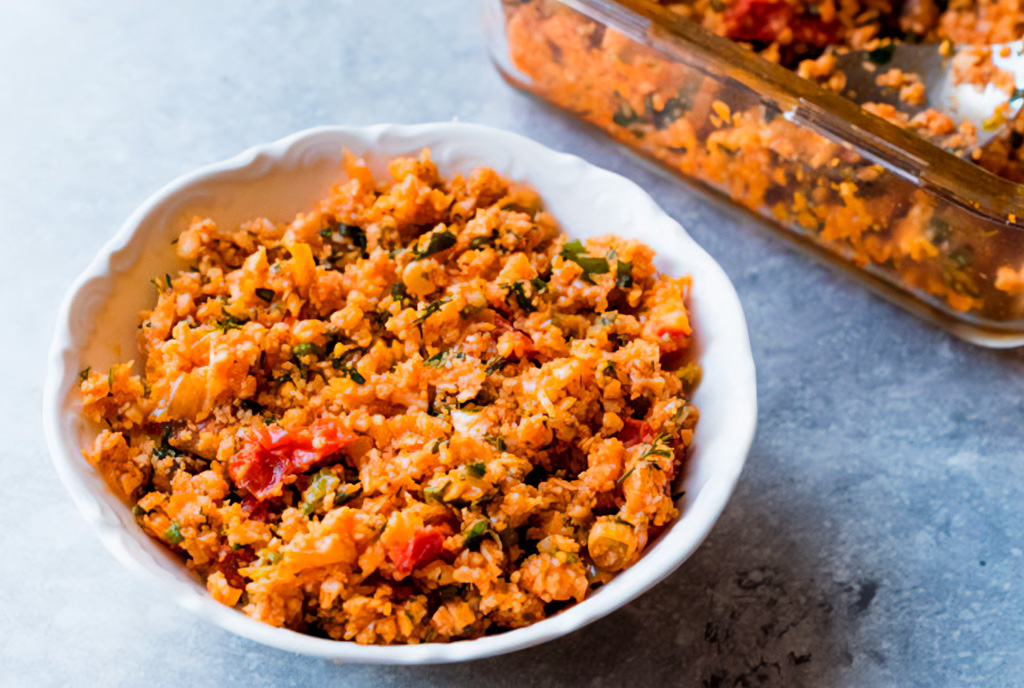
Kisir
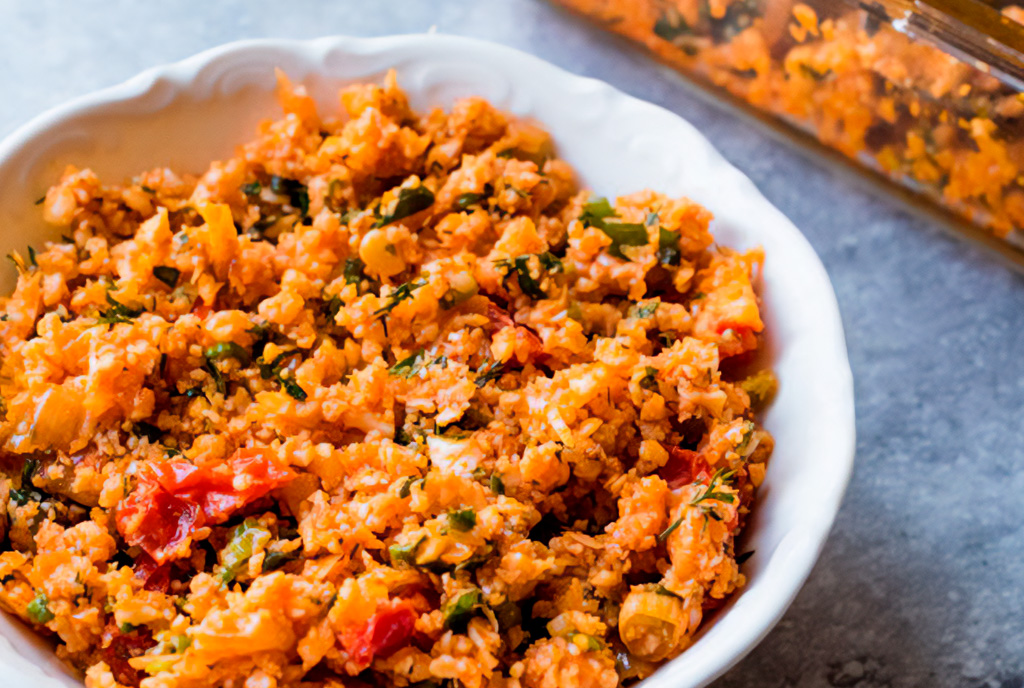
Kisir is a salad of fine bulgur, tomatoes, garlic, parsley and mint.
There are countless versions from different corners of Turkey, but the Antakya version includes nar eksisi (sour pomegranate molasses) and pul biber (hot red pepper flakes). In the south, they like it spicy.
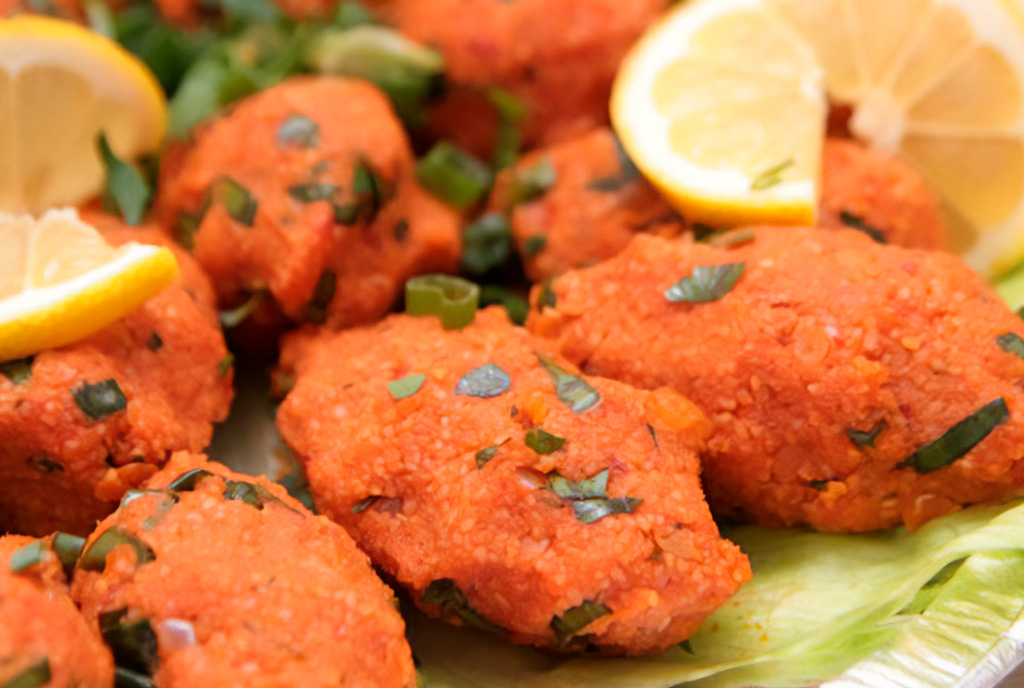
Mercimek Kofte
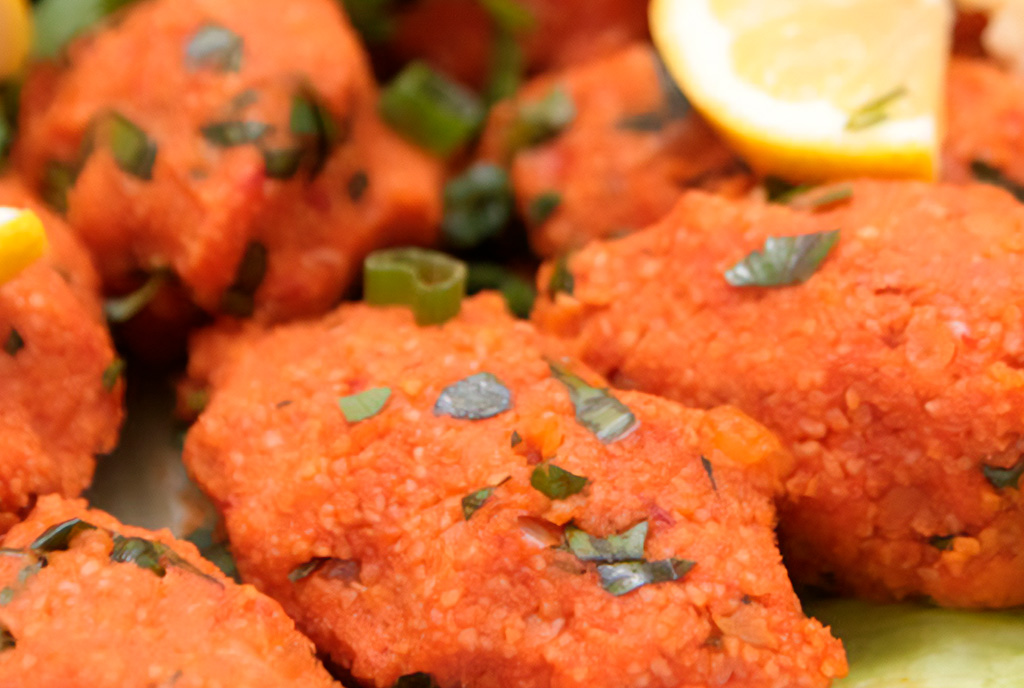
Known to the locals of Diyarbakir as belluh, mercimek kofte is a vegetarian delight.
Made from red lentils, fine bulgur, salt, finely chopped onion, spring onion, tomatoes, aci biber salca (hot red pepper paste) and chopped cilantro, they are served in convenient bite-sized portions.
Just place one of these fragrant morsels on a lettuce leaf, add a splash of lemon juice, roll it up and enjoy.
Yaprak Dolma
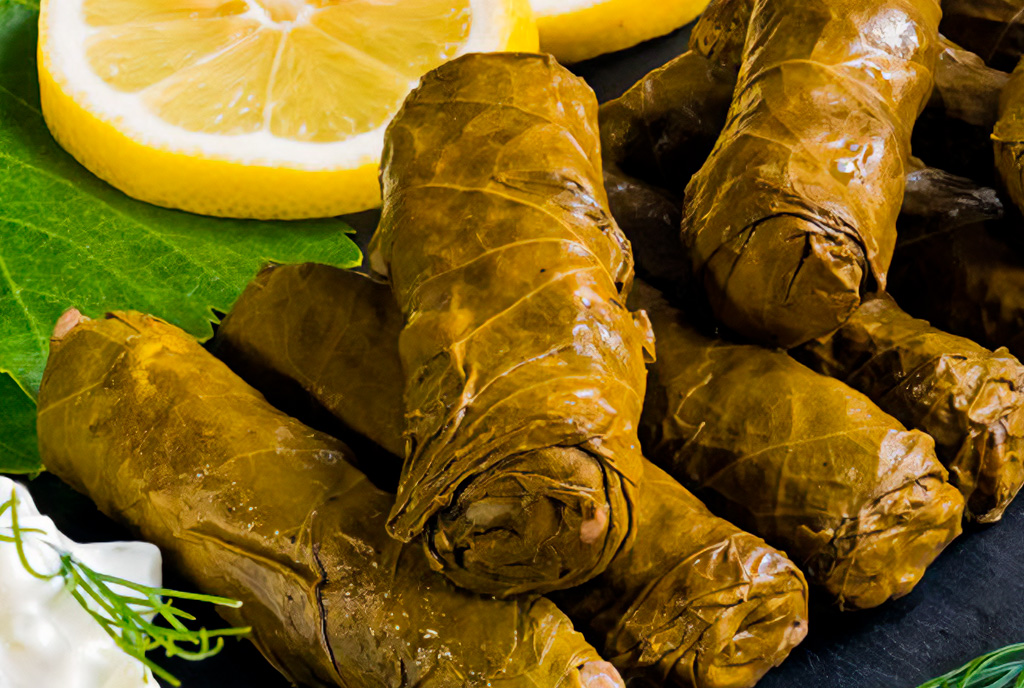
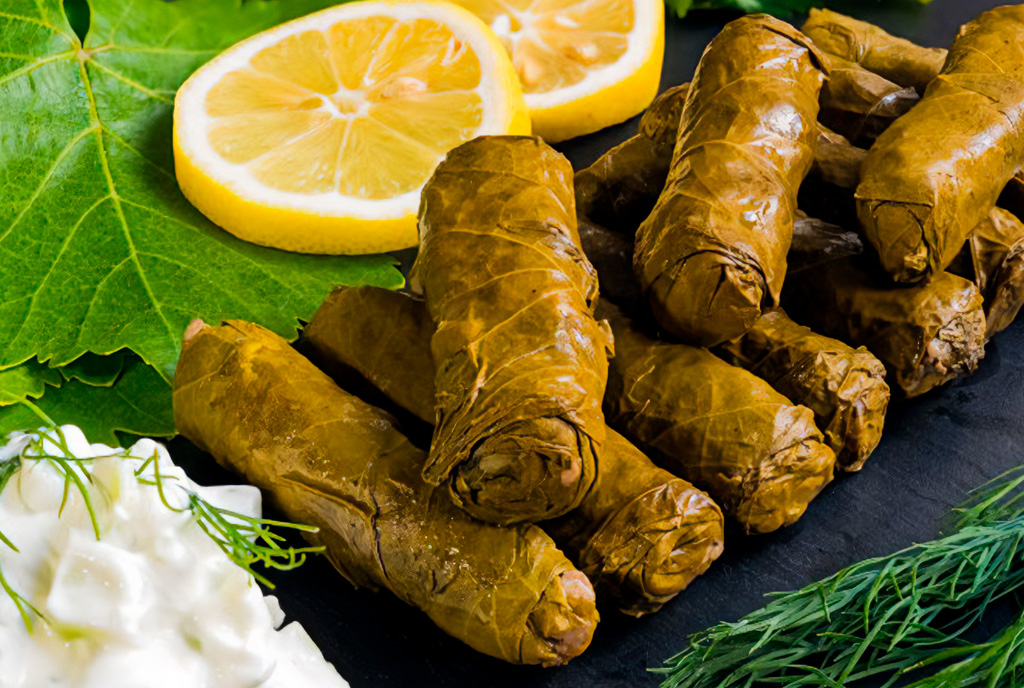
In the Isparta version of yaprak dolma, rice is cooked with tomatoes, a bunch of parsley, onion, garlic, tomato paste, olive oil, black pepper, salt and water.
A spoonful of this mixture is placed on a grape leaf, folded and carefully rolled by hand into neat little cylinders.
Although the leaves are sold at most street markets, the best ones come from the neighbor's tree, usually picked at midnight.
Yaprak dolma is part of Turkey's Aegean cuisine and sometimes includes a pinch of cinnamon in the mix, a nod to the Rums, Greeks born in Turkey.
Inegol Kofte
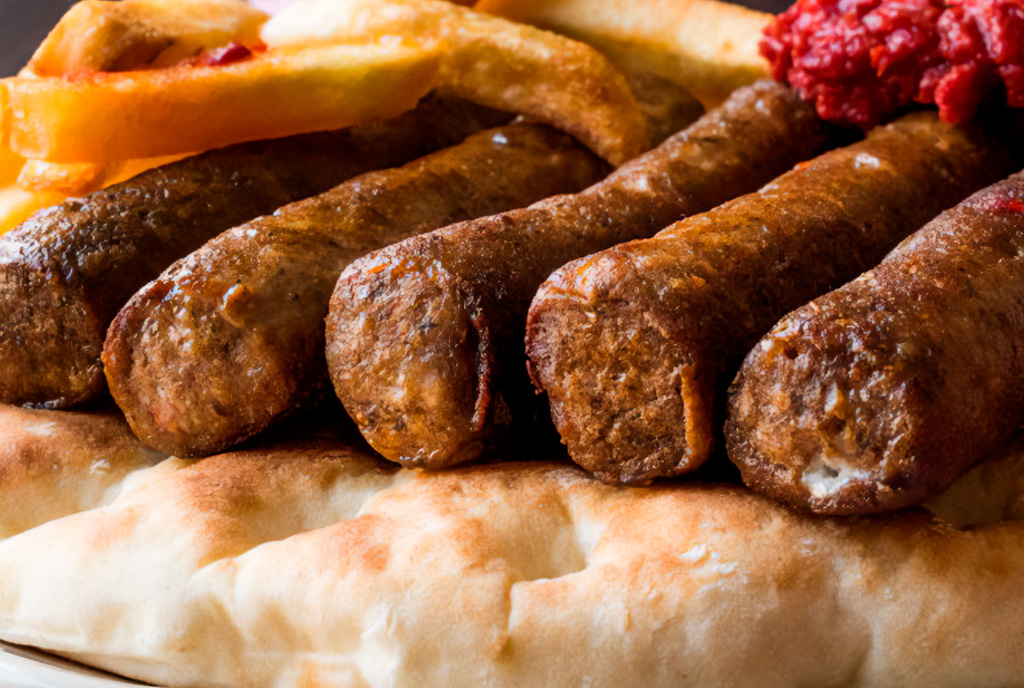
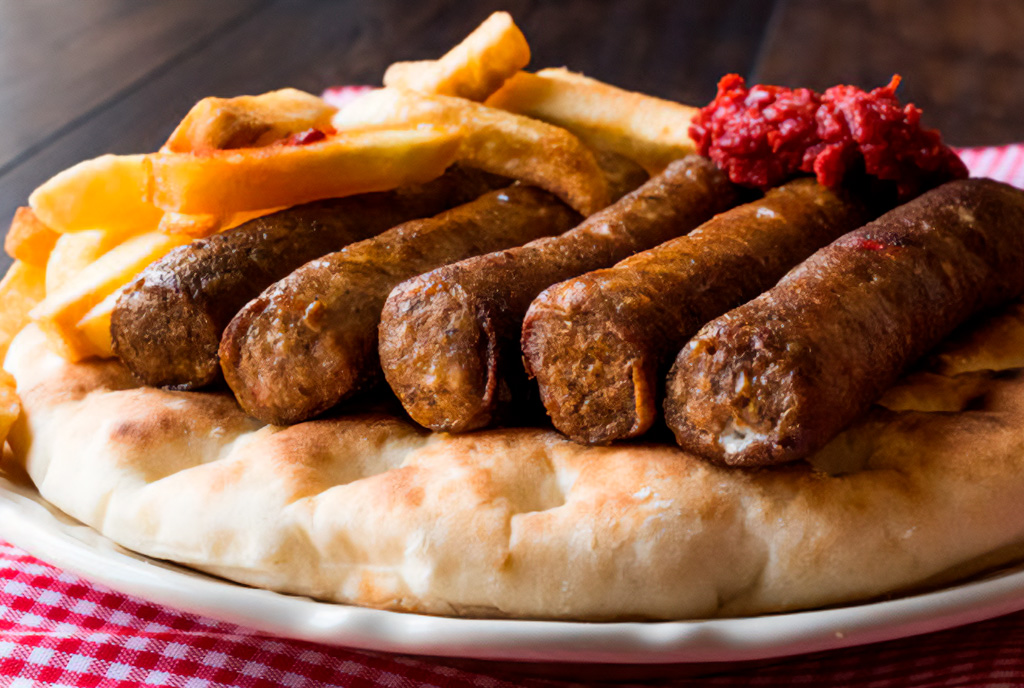
Meatballs are so much more than just balls of meat in Turkish cuisine. Each style brings its own unique slice of history.
One of the most famous is Inegol kofte, invented by a certain Mustafa Efendi. Originally from Bulgaria, he migrated to Inegol in northwestern Turkey in the 19th century.
Unlike other Turkish kofte, his recipe uses only ground beef or lamb and breadcrumbs seasoned with onion.
Iskender Kebab
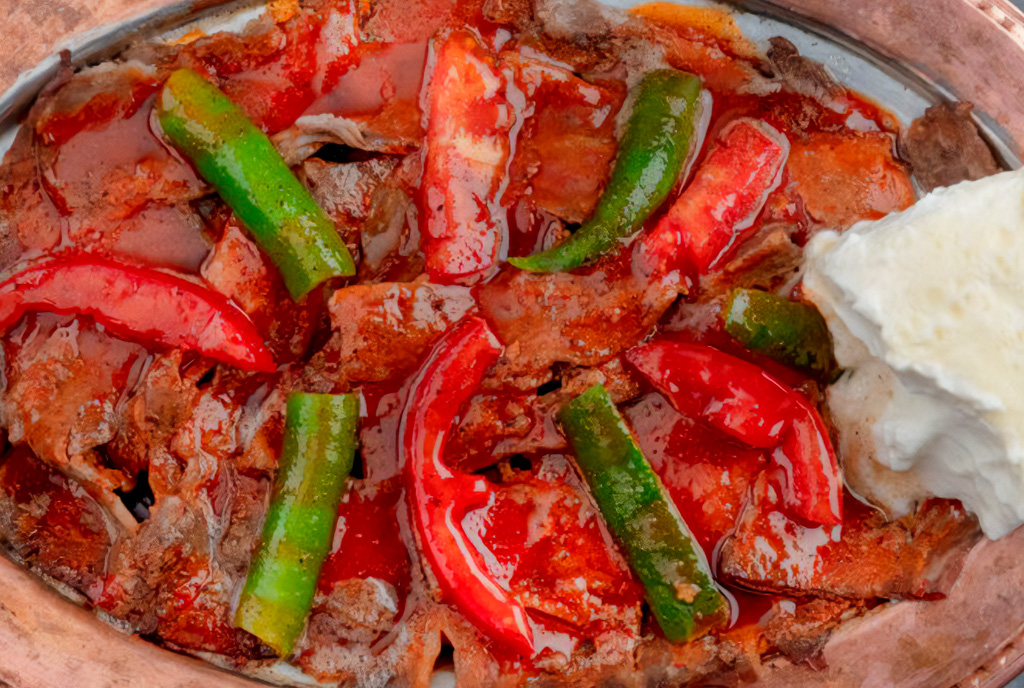
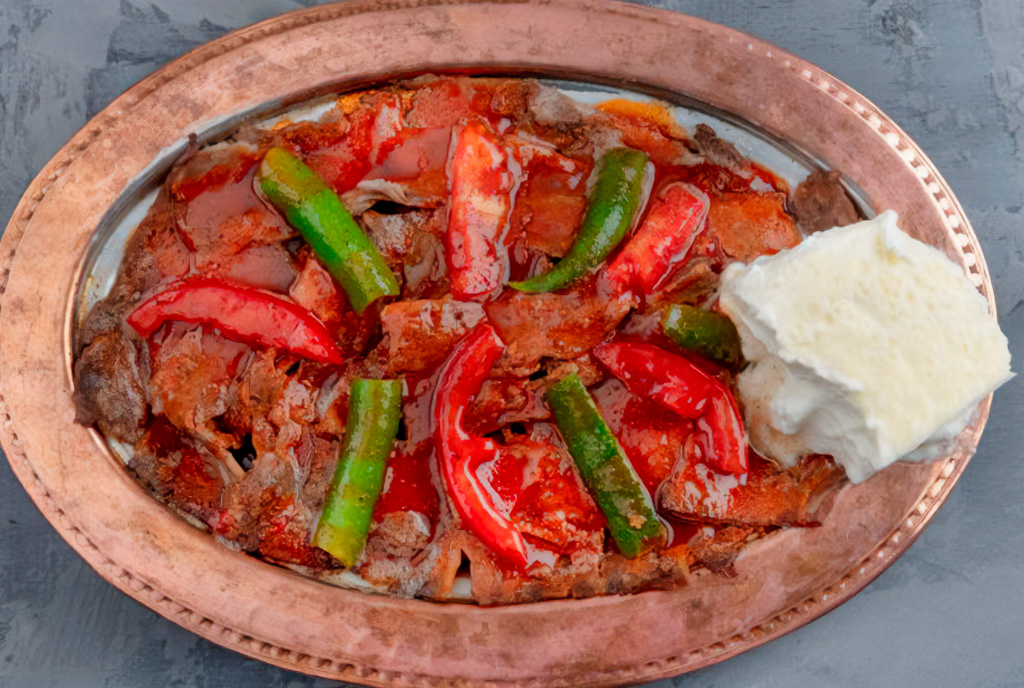
Located in northwestern Turkey, Bursa is famous for three things: silk, the ski slopes of Uludag and a type of kebab called Iskender.
Apparently, a gentleman of the same name first prepared this dish for workers at the city's Kayhan bazaar back in 1867.
Thin slices of doner meat are reverently laid over pieces of fluffy pide bread, generously drizzled with freshly made tomato sauce, splashed with sizzling melted butter and served with a portion of tangy yogurt, roasted tomatoes and green peppers.
Cag Kebab
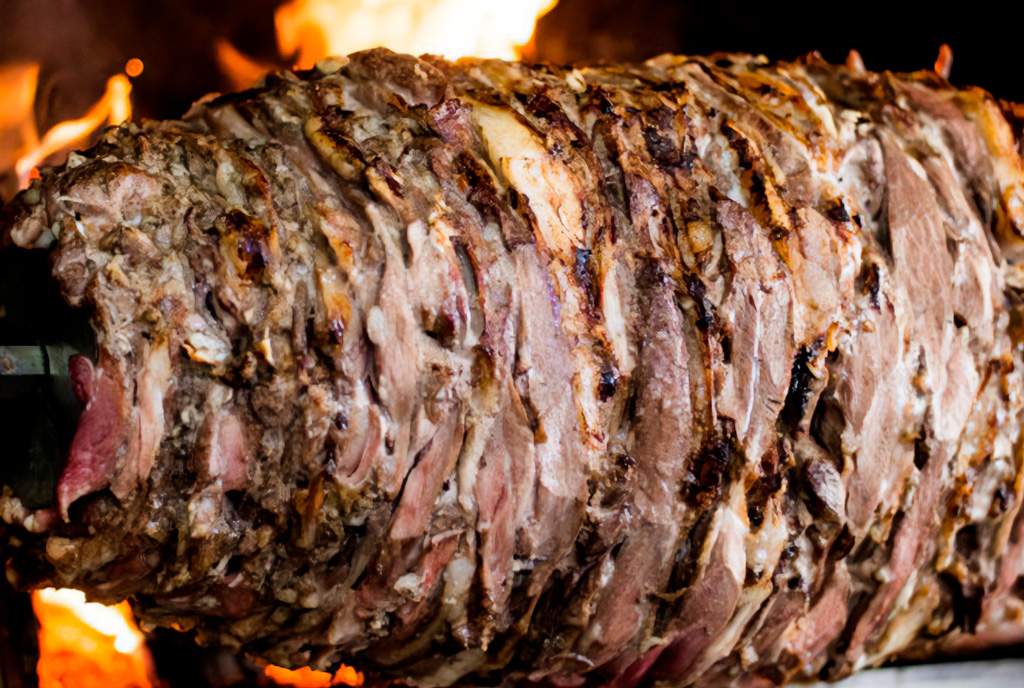
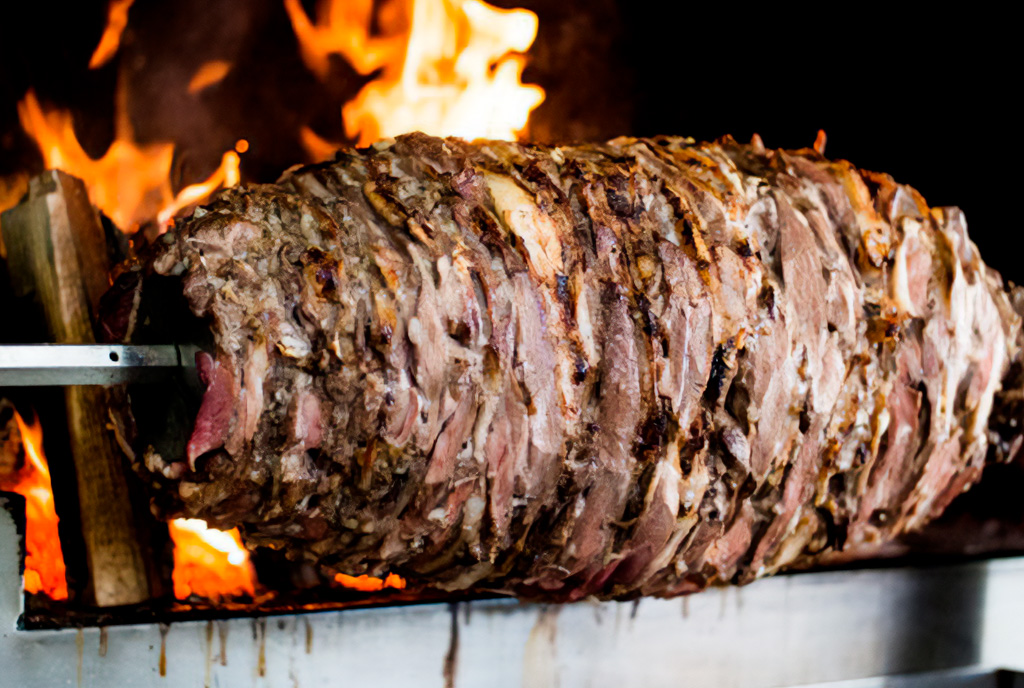
The people of Erzurum take their meat very seriously. So seriously that they are willing to wait more than 12 hours for a piece of hot, delicious cag kebab lamb.
First, the meat is rubbed with a mixture of onion, salt and black pepper and left to marinate for half a day. Then it is threaded onto a long skewer and cooked horizontally over an open fire.
Divine on its own, cag kebab is also served wrapped in flat lavash bread with slices of tomato, white onion and a long, thin green pepper called sivri.
Hamsili Pilav
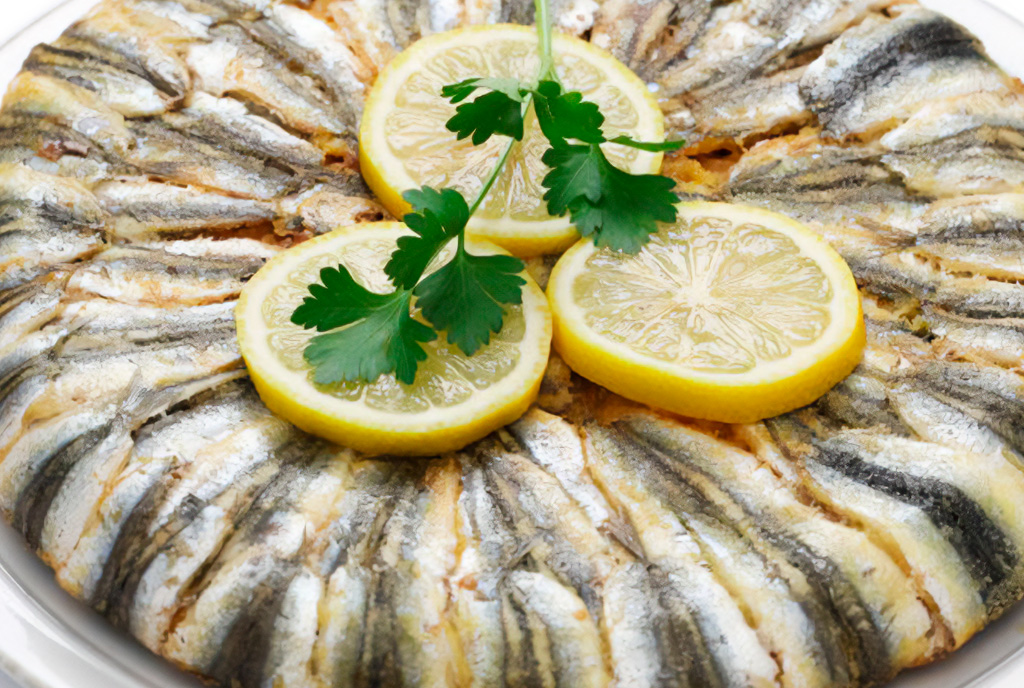
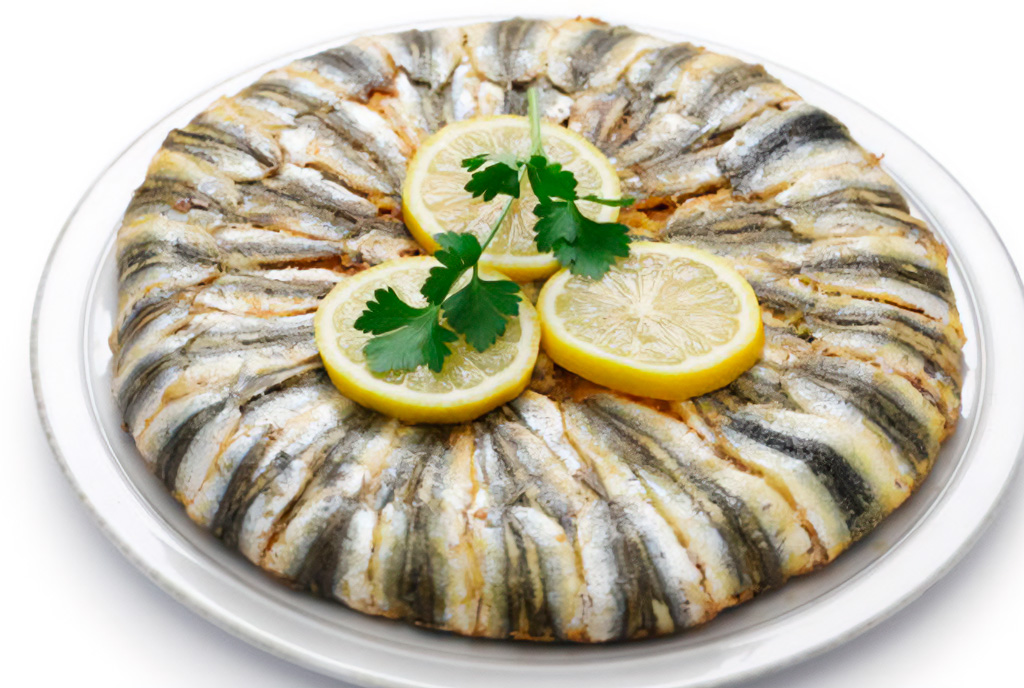
Hamsi, also known as the European anchovy, is a staple of Turkish Black Sea cuisine. In the city of Rize, these slender little fish are used to make Hamsili Pilav.
The dish is cooked in a broth of fried onions, butter, peanuts, Turkish allspice and raisins, which is mixed with fresh parsley and dill. The anchovy fillets are then arranged over the rice, and the whole thing is baked in the oven.
Perde Pilav
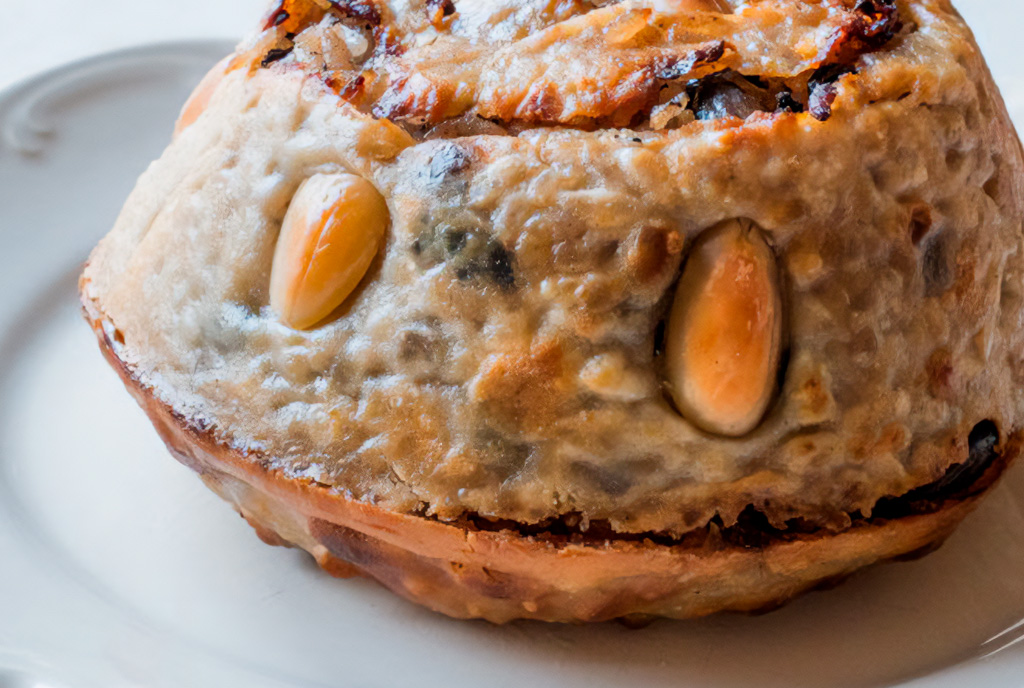
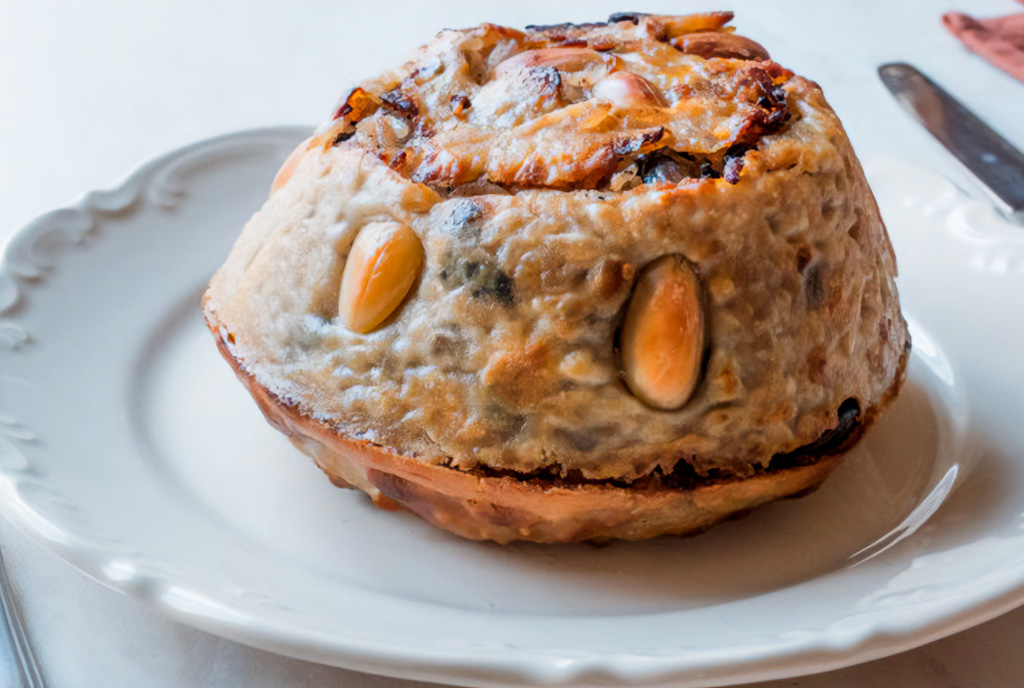
The city of Siirt is home to perde pilav, or curtain rice, a rice-based dish wrapped in rich buttery pastry, baked in the oven and served hot.
Usually served at weddings, perde pilav is made with chicken, raisins, almonds, pine nuts and butter, and seasoned with salt, oregano and pepper.
The shape of the dish is said to symbolize the making of a new home: the rice represents fertility, while the raisins stand for future children.
Manti
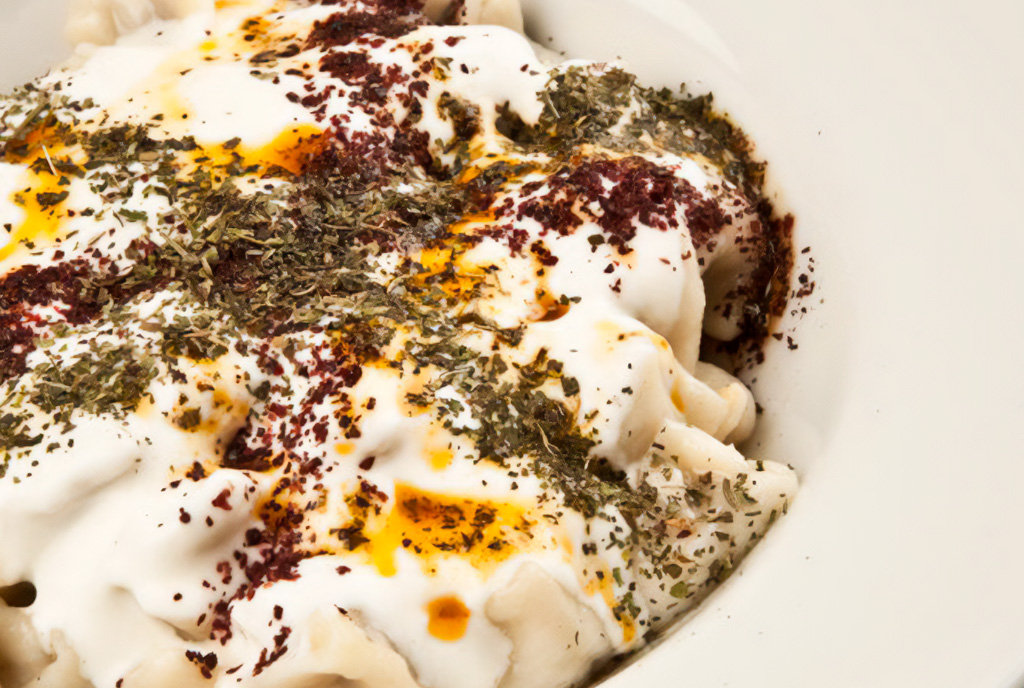
The most popular type of manti, small squares of dough with various fillings, are the ones made in Kayseri.
This central Anatolian version holds a spoonful of ground meat sealed in a small parcel, though elsewhere cheese is used. The manti are dropped into boiling water and served with yogurt and pul biber (chili flakes).
Legend has it that a good Turkish housewife can make them so small that 40 fit on a single spoon.
Testi Kebab
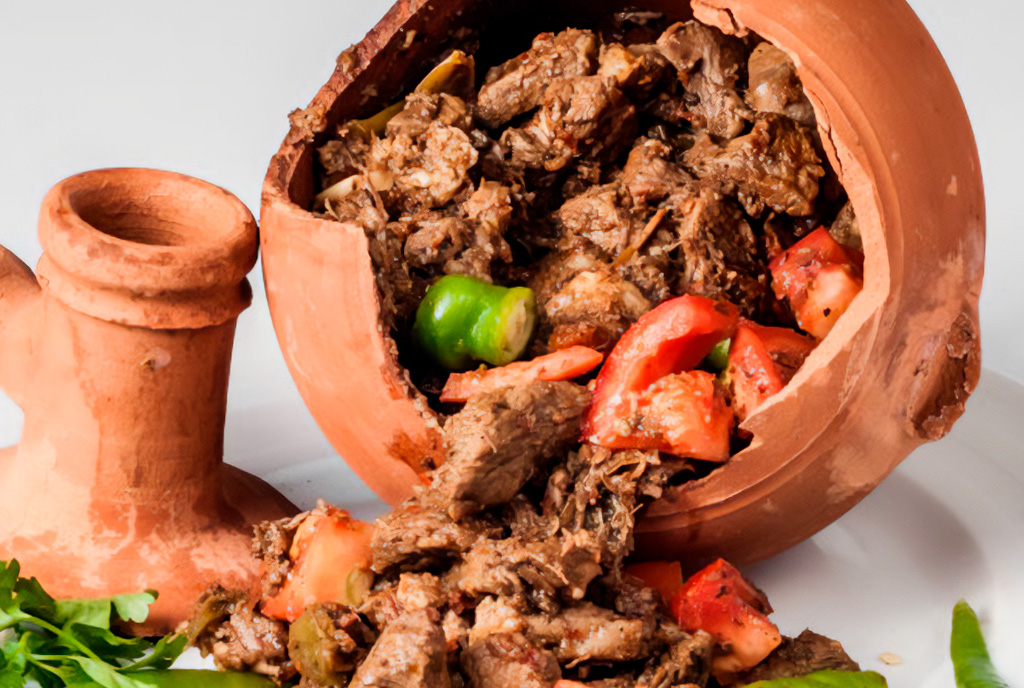
This specialty of the Nevsehir region involves pottery made in Avanos, using red clay from the famous Kizilirmak River.
First, the clay pot is filled with beef, tomatoes, bell peppers, garlic and a knob of butter. Then its opening is sealed with a peeled slice of potato and covered with foil, after which the pot is placed in a wood-fired oven.
When the contents are ready, the cook has to hold the foil-covered top in one hand and a small hammer in the other to open the dish.
The trick is to aim for the thin line that runs around the body of the vessel, three-quarters of the way up.
Gozleme
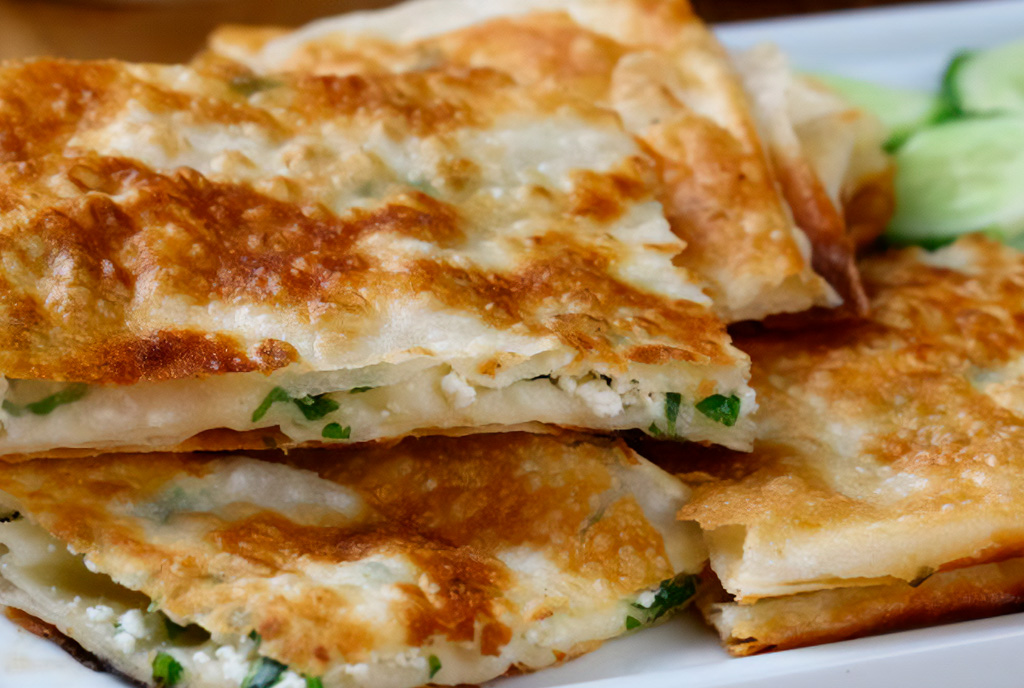
Also known as sac boregi, pastry cooked on a sac (a hot, convex metal plate), gozleme are flat, savory pockets typically filled with salty white cheese, spinach or ground meat.
Although often considered rustic food, it takes expert handling to roll out the paper-thin dough without tearing it.
The word goz means "eye", and the name gozleme is thought to come from the dark spots that form when the pastry cooks and absorbs oil on the sac, creating "eyes".
Pide
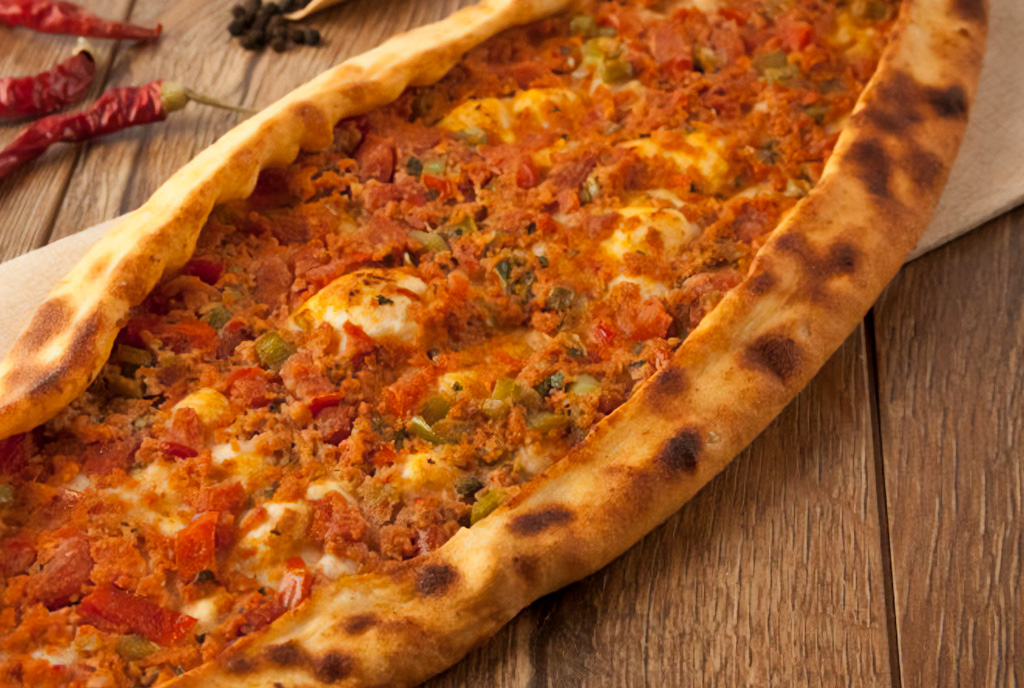
Pide is a firm favorite among Turks, with some of the tastiest coming from the Black Sea region. Here, balls of dough are stretched into an elongated base and loaded with a choice of toppings.
The most popular is sucuklu yumurta, spicy Turkish sausage and egg mixed with kasar (yellow sheep's cheese), but ispanakli kasar, spinach with cheese, is also good.
It is the crust that makes pide a winner. Cooked in a wood-fired oven, the high heat produces a crispy base perfect for all kinds of ingredients.
Su Boregi
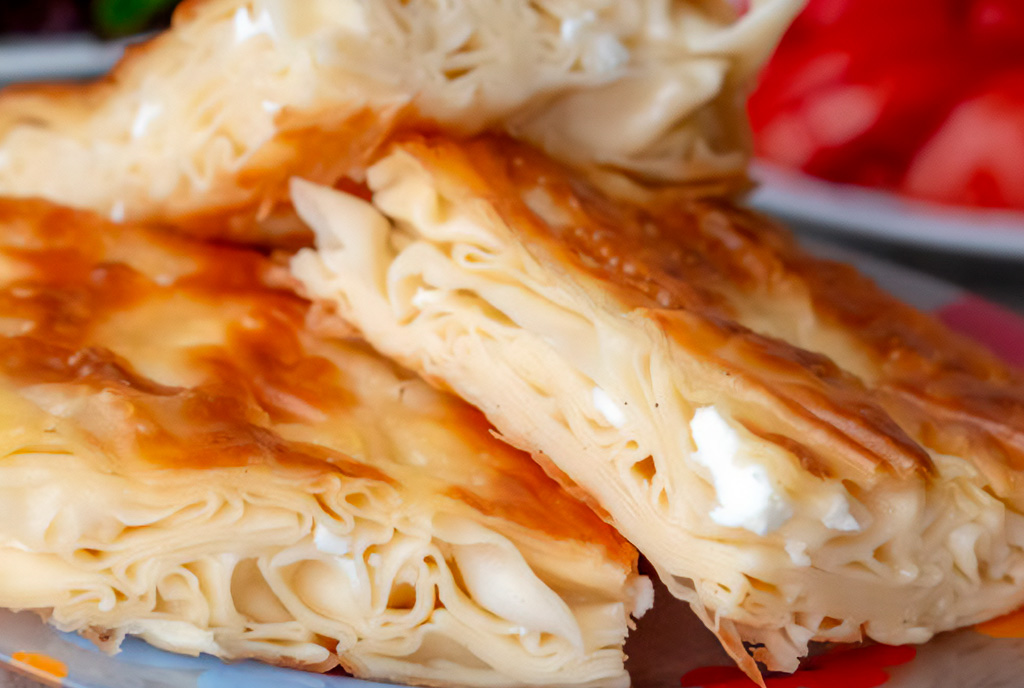
Borek, a savory pastry made from layers of thin, filo-like dough called yufka, is a staple of the high plateaus of central Anatolia.
It was brought to Turkey by nomadic shepherds hundreds of years ago, and different variations can be found all across the country and throughout Central and Eastern Europe.
Su boregi, which means "water borek", is the most widely available, relying on white cheese, butter, olive oil and salt for flavor.
Simit
If a country can be said to run on its stomach, then simit is the fuel that keeps Turkey going. They are sold everywhere: by street vendors carrying baskets or pushing carts; in bakeries and cafes; at tram, train and metro stations; and even on ferries.
Simit is believed to have been created in the palace kitchens of Suleiman the Magnificent in the 1500s, though no official records exist.
In October 2019, the word simit was officially recognized by the Oxford English Dictionary, and, as they say, the rest is history.
Lahmacun
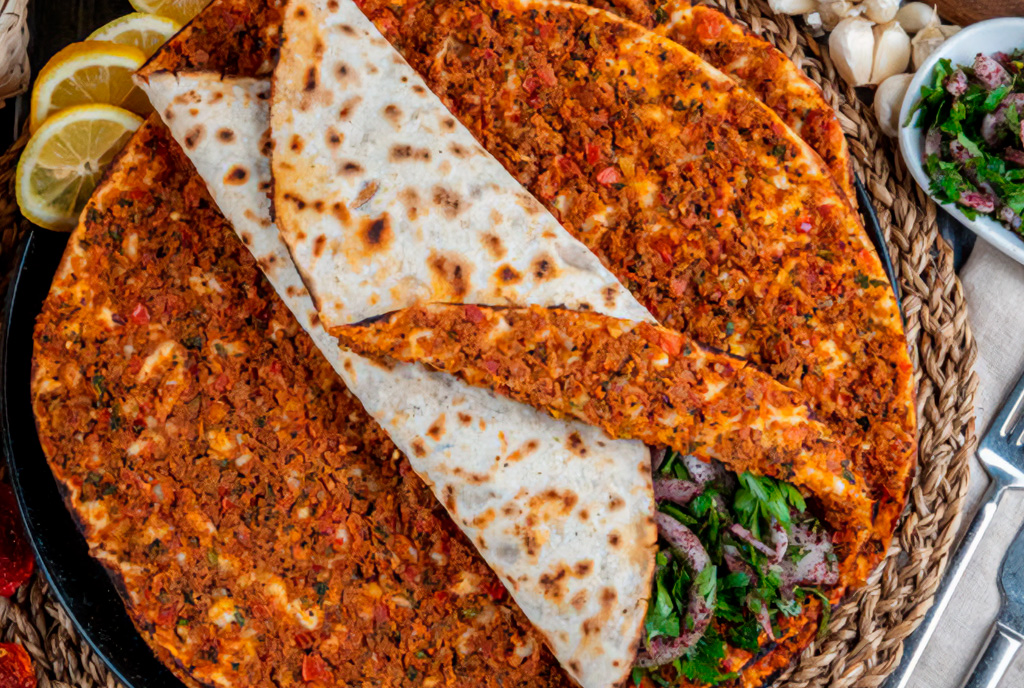
According to the Ottoman traveler Evliya Celebi, who wandered far and wide in the 17th century, lahmacun takes its name from the Arabic phrase lahm-i acinli.
It is a type of pastry made from lahm, meat in Arabic, and acin, paste. The paste consists of lean ground meat mixed with tomato paste, garlic and spices, spread over a thin round of pita dough, and can be made spicier on request.
Served with fresh parsley and a squeeze of lemon, Turks have been eating this dish for more than 300 years.
Cig Kofte
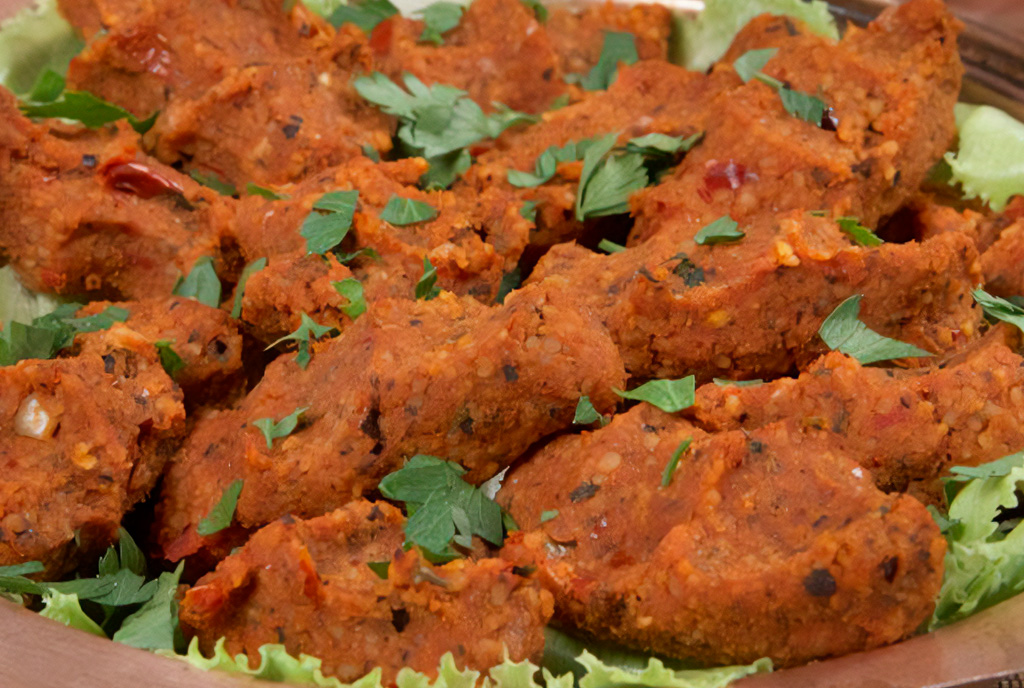
Cig kofte hails from Sanliurfa, taking its name from the original recipe that used raw (cig) ground meat mixed with bulgur, tomato paste, onion, garlic, pepper and Turkish spices.
The mixture was kneaded until it was declared ready, which was determined by throwing a piece at the ceiling. When it stuck there, it was done.
These days the meat is fully replaced with bulgur and sometimes ground walnuts, making it a healthier but no less delicious option.
Baklava
The people of Gaziantep, also known as Antep, in the southeastern Anatolian region of Turkey, know that the best baklava is made in a darkened, temperature-controlled room, ideal for layering the 40 sheets of tissue-thin dough that go into this Turkish culinary icon.
Each sheet is first brushed with butter, and ground pistachios are sprinkled in every few layers. Honey syrup is then poured over the contents, and the pastry is baked to a golden color.
Different versions have alluring names such as twisted turban, nightingale's nest, sarayi or palace baklava, and all are equally exquisite. Baklava can be enjoyed plain or with a spoonful of kaymak, the Turkish equivalent of thick cream.
Dondurma
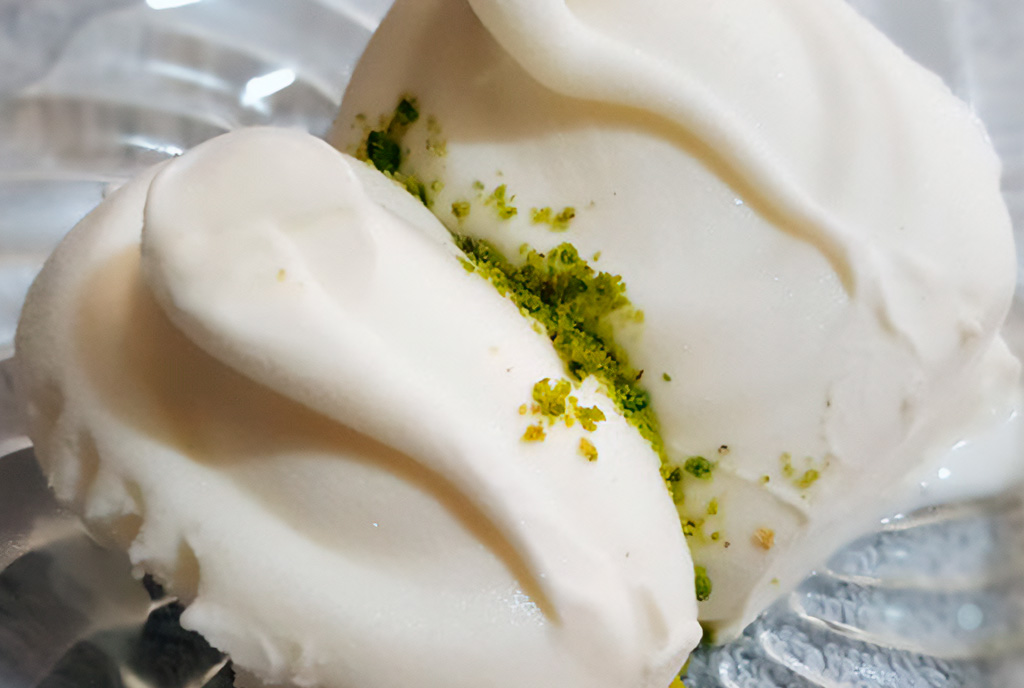
Where can you find ice cream that you eat with a knife and fork?
In Kahramanmaras, the home of traditional Turkish dondurma, of course. Traditional dondurma (which means freezing in Turkish) is made from milk and two special ingredients: salep and mastic.
Salep is a type of flour made from orchids that gives the ice cream a smooth, velvety finish, while mastic, a natural resin, adds chewiness.
Lokum
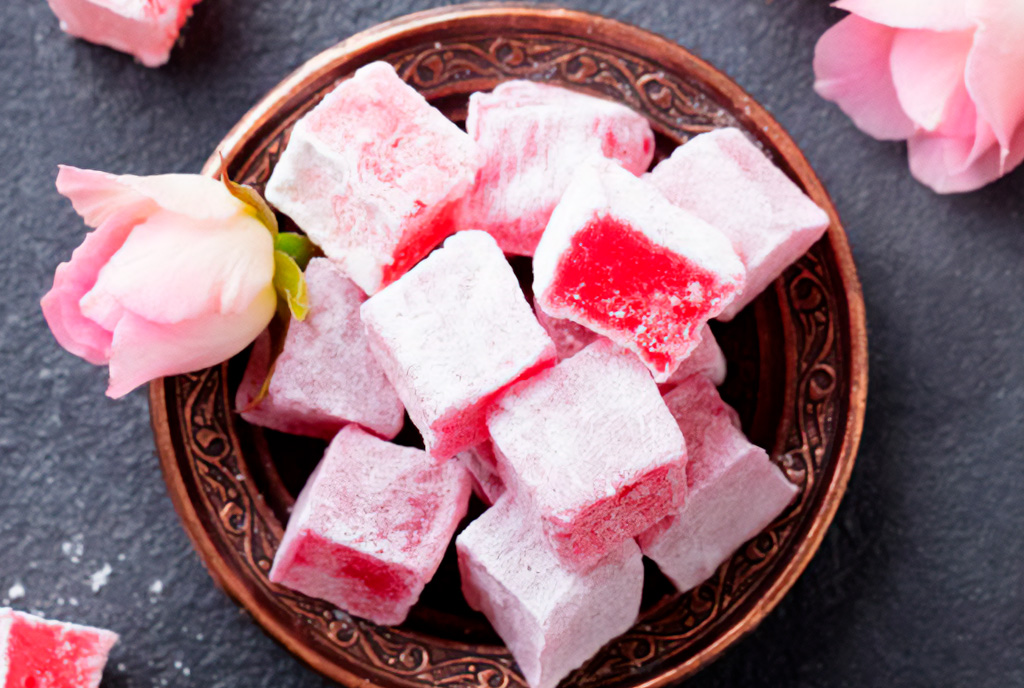
Lokum, known in English as Turkish delight, dates back centuries. However, it was not until the mid-19th century that it became a hit with the Ottoman sultans.
That is when cornstarch was invented, and Istanbul confectioner Haci Bekir added it to the list of ingredients.
This simple combination of water, starch and sugar, boiled together to produce delicate cubes flavored with rose water, pistachios and other flavors, continues to delight.
Ekmek Kadayifi
This dessert from Afyonkarahisar is made from a special type of dehydrated bread with a consistency similar to toast.
The bread is placed on a large tray and soaked in water so that it expands. It is then covered with a syrup of sugar, water and lemon and simmered on the stove.
The syrup is constantly spooned back over the bread to soak it in a sweet, sticky texture. When ready, it is flipped onto a serving dish and eaten with kaymak, thick Turkish cream.