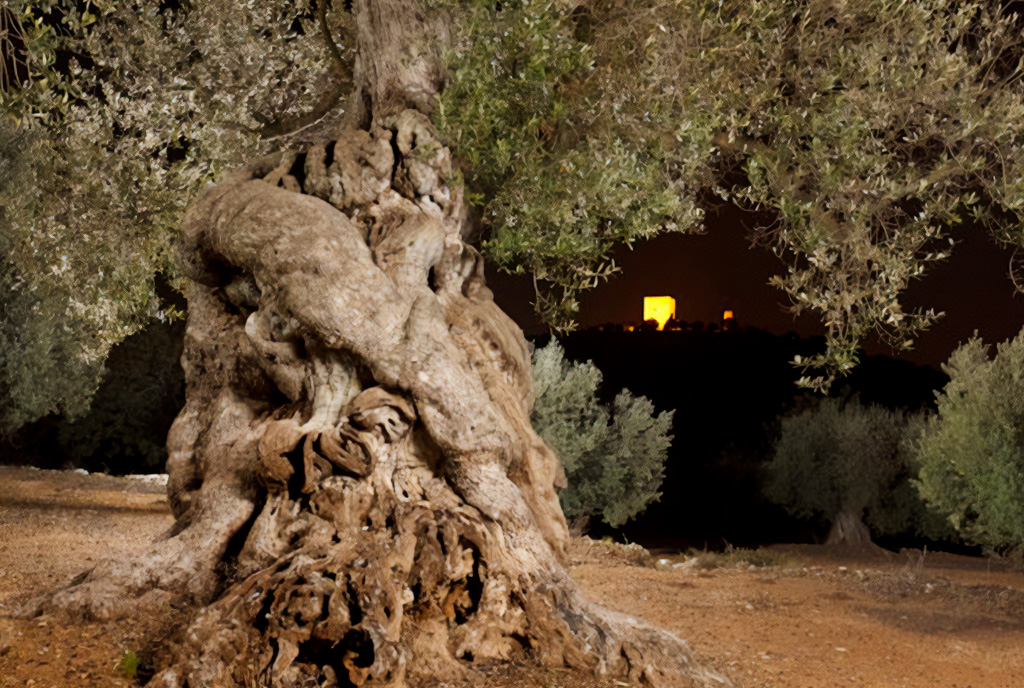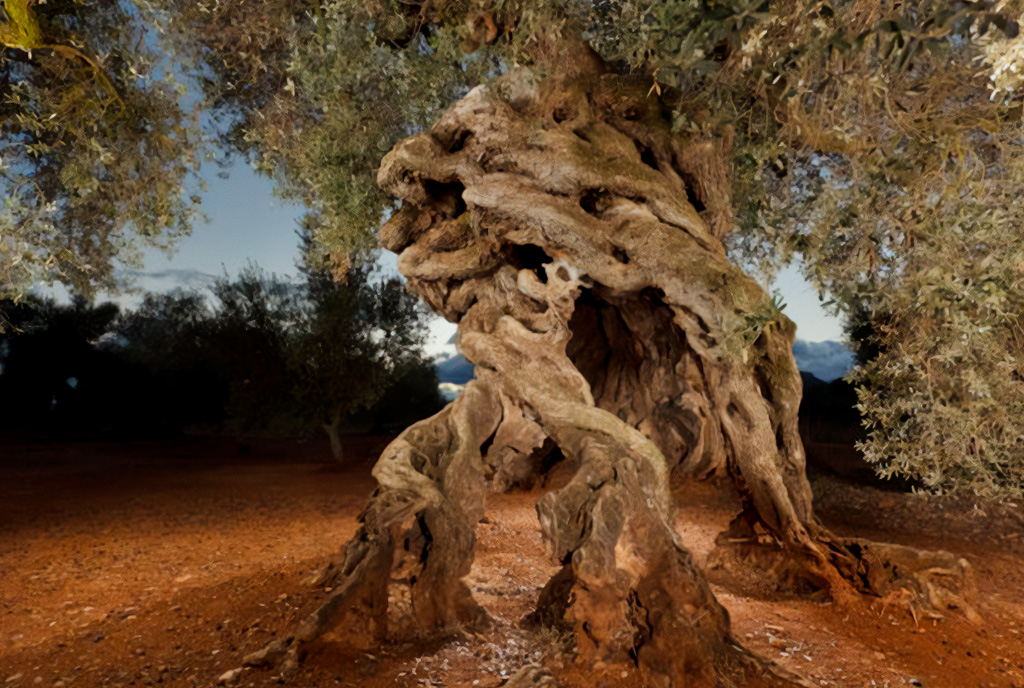


This sight has greeted travellers for thousands of years.
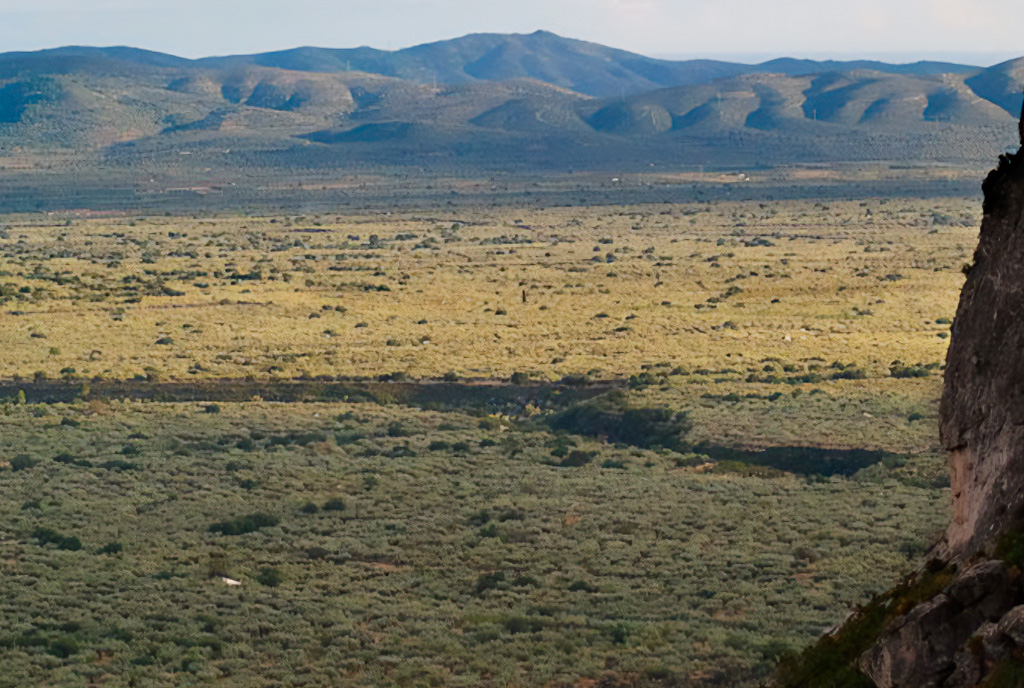
On the plains of Montsia in southern Catalonia, roughly a two-hour drive south of Barcelona, lies the Mar de Olivas, or Sea of Olives. Here, sheltered between two small mountain ranges in a wide, dry valley near the mouth of the Ebro River, olive groves stretch as far as the eye can see.
And these are no ordinary olive trees: this area holds the largest concentration of millennial olive trees not only in Spain, but anywhere in the world.
Partner links: booking through them supports the blog at no extra cost to you.
To count as one of these ancient olive trees, the trunk must measure more than 3.5 metres in diameter, taken at a height of 1.3 metres above the ground. More than 4,400 trees believed to be 1,000 years old or older have already been found and catalogued, while many more may still be waiting to be discovered.
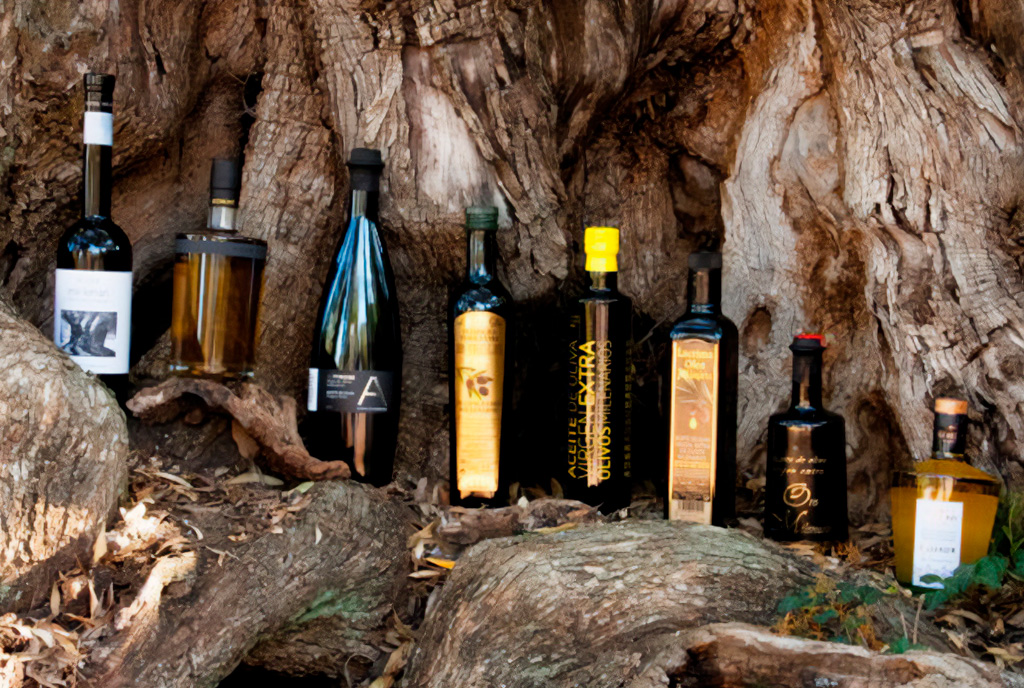
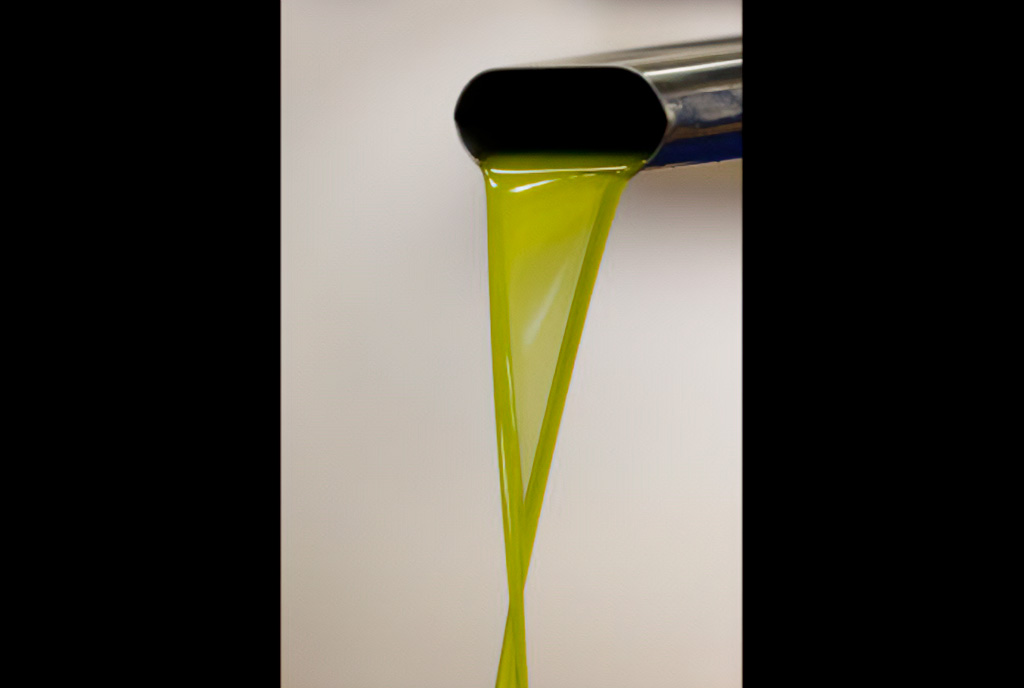
Because most of these trees are still producing oil, customers all over the world are developing a new taste for this ancient flavour.
The oldest olive tree in the world
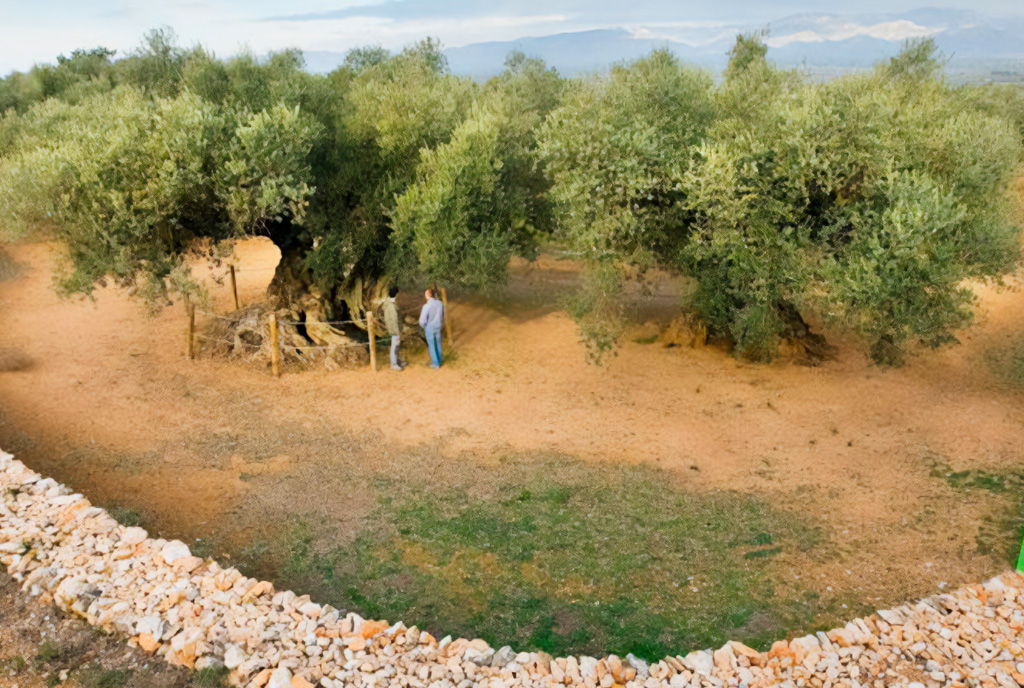
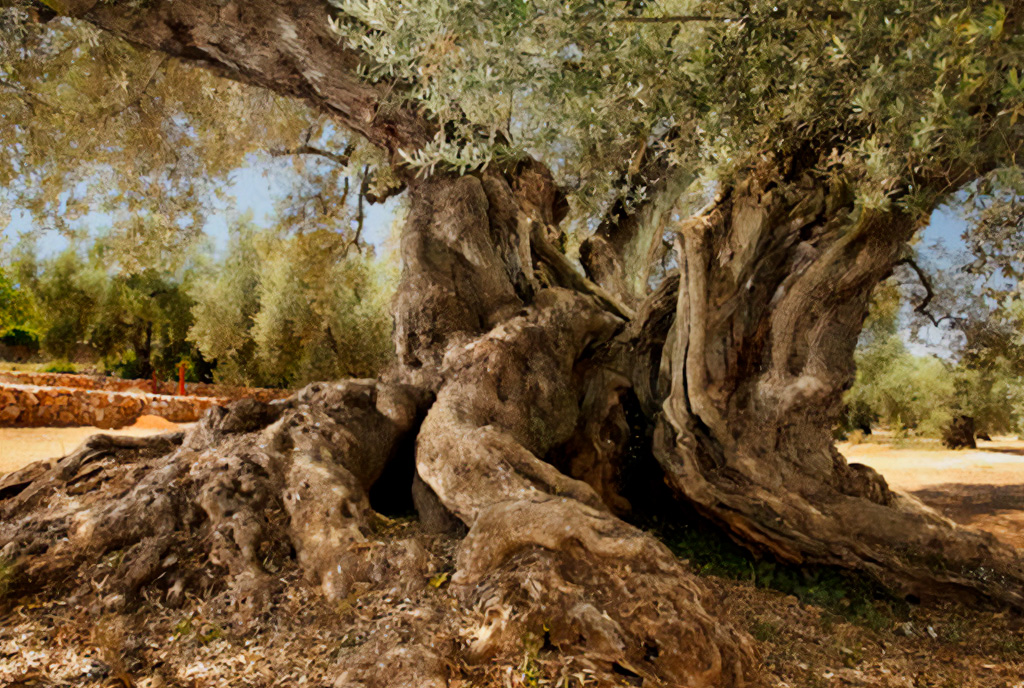
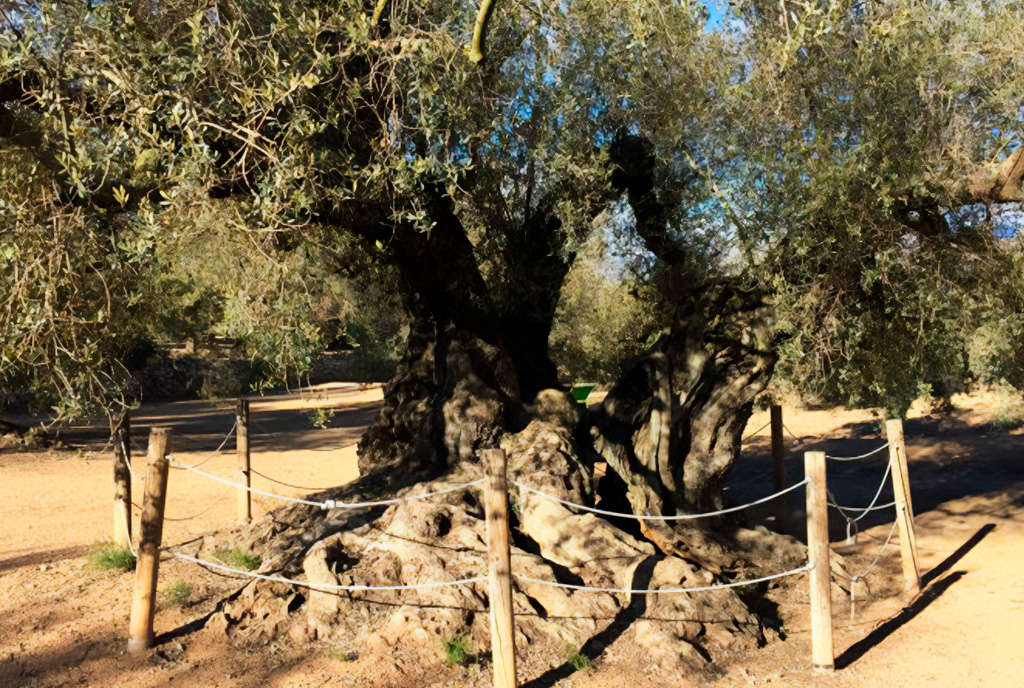
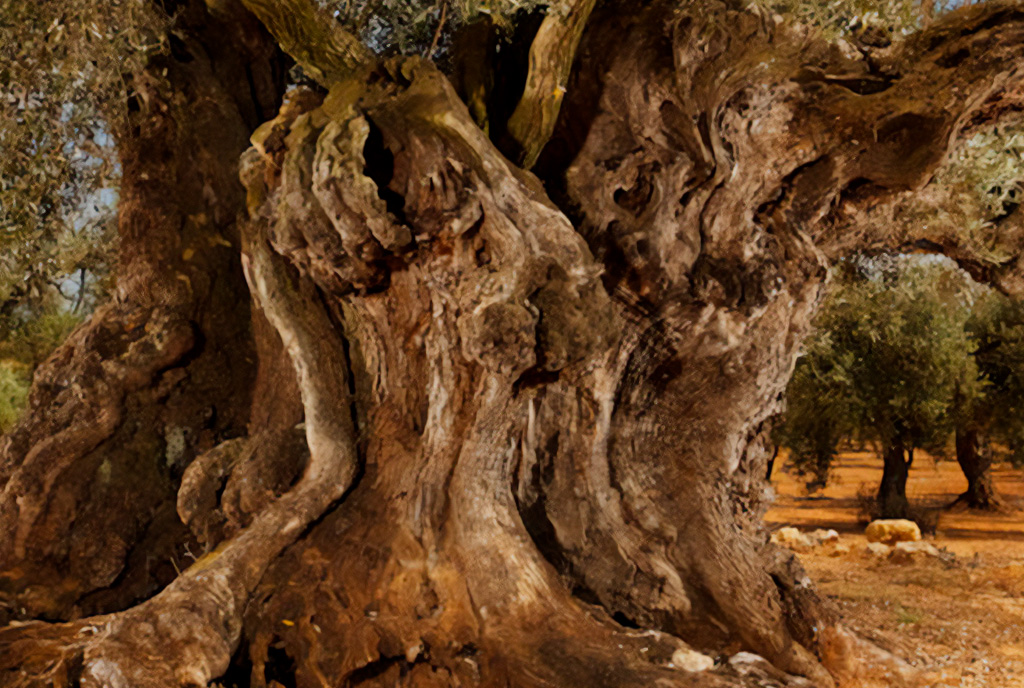
Not far from the small town of Ulldecona stands a singular piece of natural heritage: a 1,700-year-old tree that may be the oldest scientifically dated olive tree in the world.
Researchers from the Technical University of Madrid used advanced laser technology to date the Farga de l'Arion, as this monumental tree is known, precisely to the beginning of the fourth century.
That was during the reign of the Roman emperor Constantine the Great, who ruled Britain, Gaul and Spain. Most of the ancient trees here belong to the Farga variety, a local olive cultivar endemic to the area.
"It's hard to find a Farga olive tree younger than 200 years," explains Jaume Antich, a former mayor of Ulldecona and now an adviser at Taula del Senia, which works to preserve the trees' heritage and develop tourism.
"They tend to be less productive than other varieties, so for a long time they fell out of favour."
A valuable asset
Until recently, Antich explains, Farga olive trees were cut down and replaced with higher-yielding varieties, or simply dug up and resold elsewhere as garden decoration.
Yet most of the millennial trees are still productive. The growing popularity of the Mediterranean diet and rising consumer interest in where products come from have opened up new opportunities for olive oil entrepreneurs.
"It's only recently that we realised we have a valuable asset in these trees, that people are willing to pay for the chance to try an olive oil with such a unique origin," says Antich.
Amador Peset used to work as a carpenter, but when Spain's construction boom ended a few years ago, the 37-year-old switched to producing olive oil.
Recognising the potential of the ancient olive trees, he launched his own brand of millennial oil: Thiarjulia, named after the Roman name for his home town of Traiguera.
The tree hunter
Having started with his own small plot of millennial trees, Peset now travels around the region in search of other ancient trees that landowners are not using.
He then usually strikes a deal with the owners to harvest specific trees for his Thiarjulia brand.
"It's become something of an obsession," he says. "I love finding these trees and bringing them back into production."
His annual harvest of millennial olive oil comes to around 800 litres, gathered from more than a hundred scattered trees.
That is a tiny drop in the ocean of Spanish olive oil production, which reached 1.4 million metric tonnes in 2015/16, or nearly half of the world's olive oil output.
Even so, Peset has found a profitable market for his oil in China and other Asian countries. His 100-millilitre bottles of millennial oil infused with saffron are not only enjoyed at the table but also sold for cosmetic use.
Nine other local producers are also in the millennial olive oil business, each with its own brand. A certification scheme has been set up as well, to guarantee the origin of the millennial olive oils and support their image on consumer markets.
Tours of the olive groves
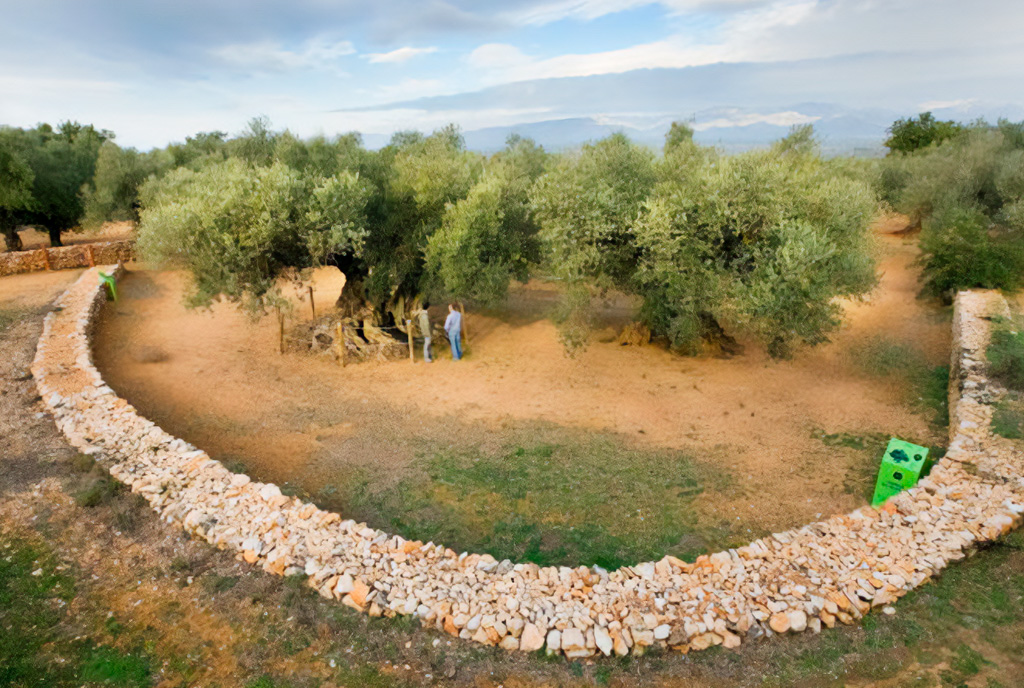
A walk through the open-air museum of the Arion estate, home to the presumed oldest olive tree in the world, offers a sense of why these groves attract a still small but growing crowd.
The centuries have left their mark on these monumental trees, turning their broad, sturdy and twisted trunks into genuine living sculptures.
Each one is unique in its own way, while still contributing to a harmonious whole.
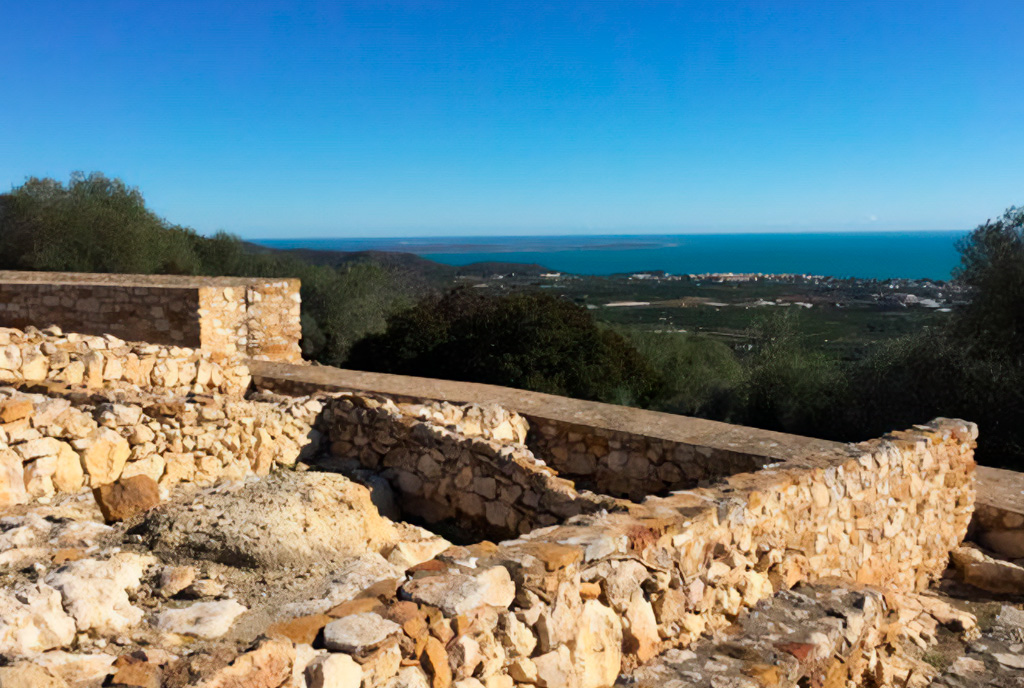
A tour of the olive groves can easily be combined with a visit to the remains of one of the nearby Iberian clifftop settlements, dating back to around 600 BC.
Moleta del Remei
At the best preserved of these, the archaeological site of Moleta del Remei, you can picture what life was like for the people of these lands 2,600 years ago.
This was long before the arrival of the Romans and Carthaginians turned the region into a battlefield in their struggle for supremacy in the Mediterranean.
The fleets of these two ancient superpowers clashed within sight of the village in the decisive Battle of the Ebro in 217 BC.
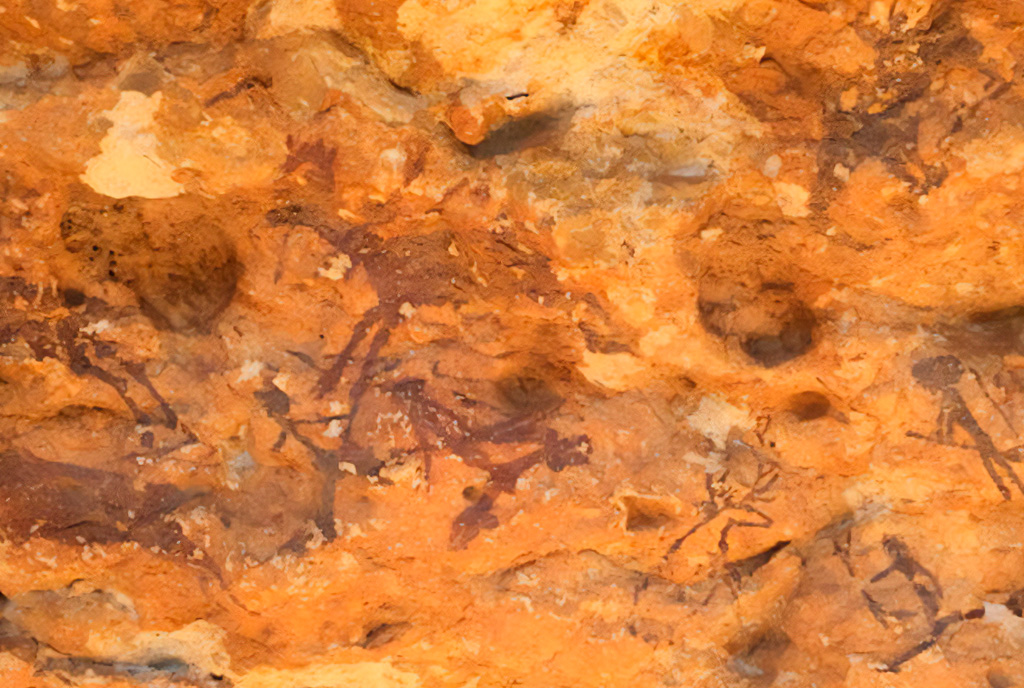
Those in search of even more ancient artefacts should not miss the rock paintings in the nearby Serra de Godall.
Here, some 8,000 years ago, groups of hunters left their pictorial mark in a series of open rock shelters. The striking hunting scenes, one of the few examples of Mediterranean cave art to depict women, are clearly visible to the naked eye and open to close inspection.
As you can see, even the oldest of the trees can look young compared with some of the heritage sites around them.
By reclaiming these ancient olive trees, the people of this little-visited corner of the Mediterranean are not only tapping into a sustainable economic resource, but also restoring a direct link to that distant past.
How to get there
Ulldecona
Although Ulldecona can be reached by train, we recommend travelling by car. The local rail service is infrequent, and the various sights are scattered within a radius of several kilometres from the town centre.
From the AP-7 motorway (Barcelona-Valencia), take exit 42, then follow the T-332 road for about five kilometres.
Tours of the millennial olive trees can be booked at the Ulldecona tourist information office.
The standard package costs 10 euros (about 11 dollars) per person and includes a guided tour of the open-air museum of millennial olives at the Arion estate (accessible only as part of a guided tour), the medieval castle of Ulldecona and the rock paintings of Serra de Godall.
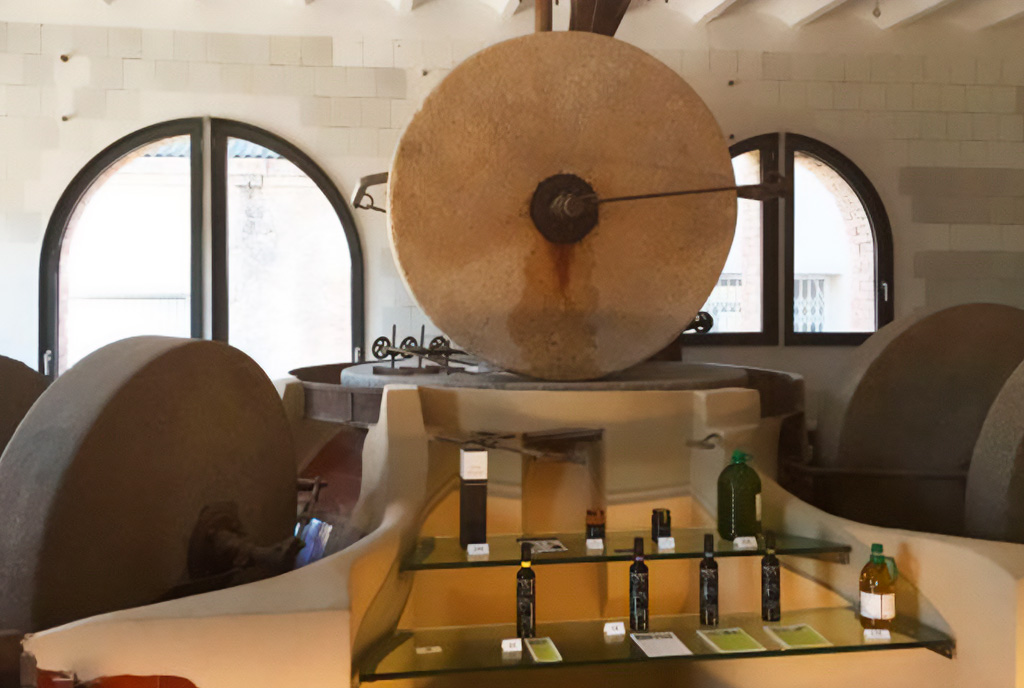
Local millennial oils are also sold at the tourist office.
The oils can also be sampled at the Michelin-starred restaurants Les Moles and L'Antic Moli in Ulldecona.
Serra de Godall and Moleta del Remei
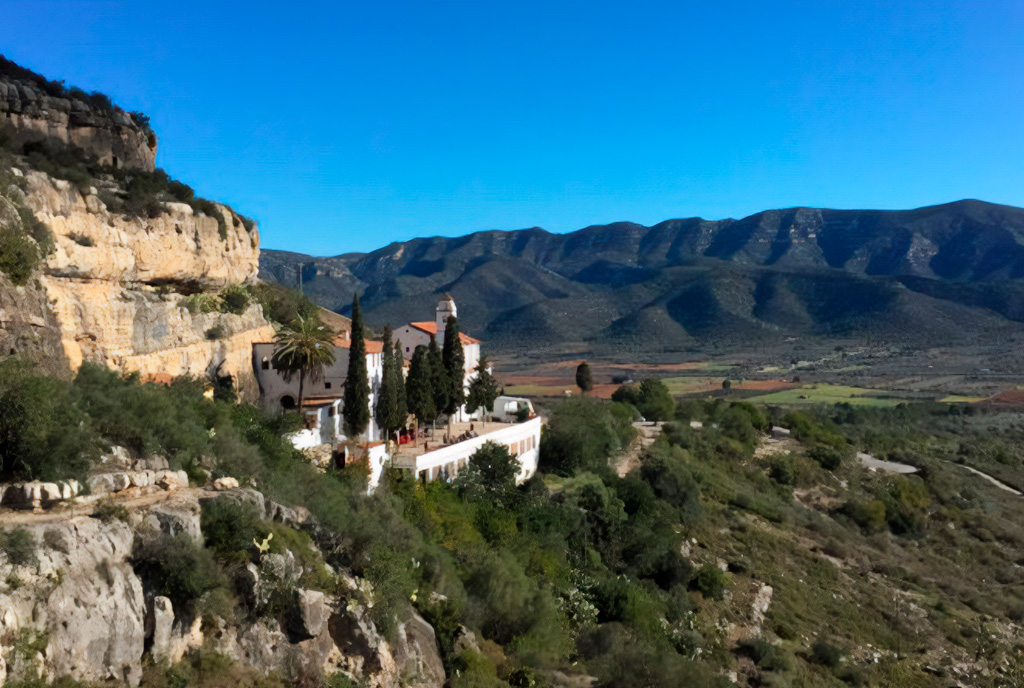
To visit the rock paintings, head to the Rock Art Interpretation Centre, next to the Ermita de la Pietat. Follow the road from Ulldecona to Tortosa for about four kilometres.
Booking ahead is recommended, either by calling +34653937204 or through the Ulldecona tourist office.
To reach the archaeological settlement of Moleta del Remei, follow the road from Ulldecona to Alcanar for about two kilometres. Guided tours can be booked through the Ulldecona tourist office.