


Planning to spend yet another weekend at a coffee shop? Anyone looking for a fun and enriching way to relax should try visiting Seoul's museums. With over 100 museums in the city, there really is no excuse not to stop by.
Here are six museums that consistently top the list of the best museums in Seoul.
National Museum of Korea (국립중앙박물관)
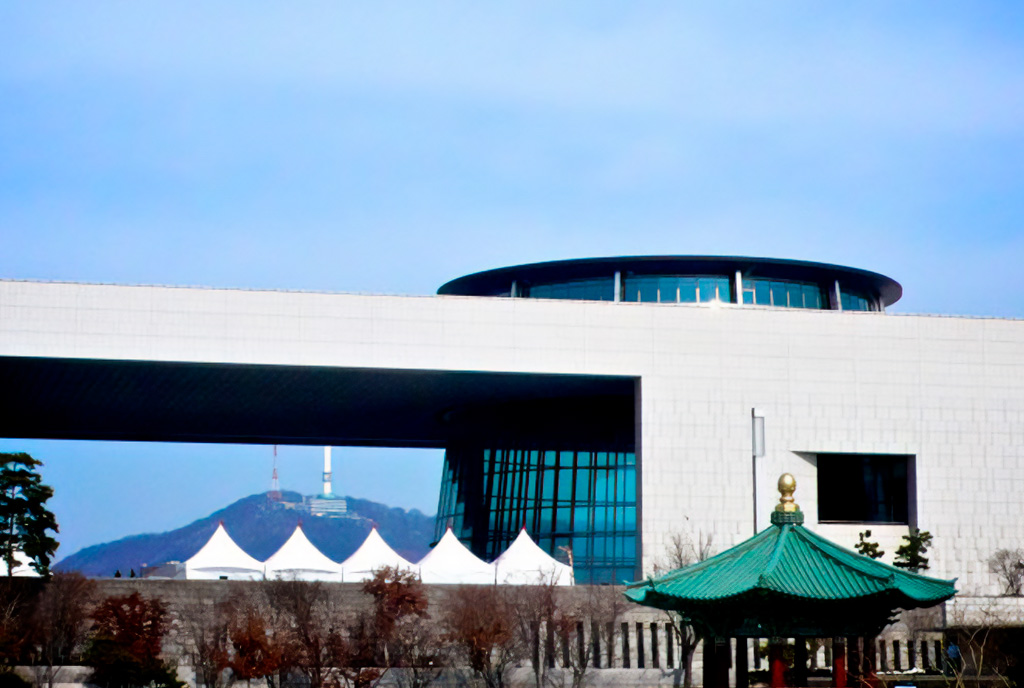
The historically significant National Museum of Korea first opened in 1945, the same year Korea gained its independence from Japan. It has moved around to various locations ever since, until finally settling into its permanent and current home in Yongsan Family Park in October 2005.
Partner links: booking through them supports the blog at no extra cost to you.
The museum holds more than 220,000 works of art and relics, of which roughly 13,000 pieces are on display at any given time. The best way to explore this behemoth? Break it into pieces.
Take the museum one floor at a time, starting with the first floor, home to the archaeological and historical gallery. Here you can browse artifacts dating all the way back to 1392, representing the earliest days of Korean civilization.
On the second floor, you'll find calligraphy and paintings, along with works donated by individual collectors.
On the third floor, you'll find yourself surrounded by beautiful Buddhist sculptures, ceramics, and art representing Asian culture.
Whether you visit on a weekday or a weekend, be prepared for large crowds. Every Saturday, the museum hosts special free events such as concerts and films tied to the permanent and special exhibitions on display at the time.
Yongsan-dong 6-ga 168-6 (Seobinggo-ro 137), Yongsan-gu
Leeum, Samsung Museum of Art (리움)
Leeum, the Samsung Museum of Art, run by the Samsung Foundation of Culture, is dedicated to preserving and showcasing two completely different types of art.
MUSEUM 1 houses a collection of traditional Korean art, 36 pieces of which have been designated national treasures. Travel back in time to the 14th century, where you'll encounter ancient daggers, crowns, earrings, and jewelry. Buddhist art, sculptures, paintings, and manuscripts are also on display here.
You'll also find traditional ceramics on display, such as celadon (a type of glaze and ware characteristic of the Asian region), buncheong (a traditional type of bluish-green Korean pottery), and porcelain.
From landscapes to folk paintings, the art featured in MUSEUM 1 is a rich and varied gateway into the culture of Korea's past.
MUSEUM 2 showcases contemporary art by both Korean and international artists. These displays of paintings, sculptures, photographs, and videos stand in sharp contrast to their traditional counterparts, presenting new means of expression for the present day and the ever-adapting, ambiguous styles that modern art is growing into.
In addition to the permanent displays, there are special exhibitions that rotate roughly every three months.
Mario Botta of Switzerland designed MUSEUM 1, Jean Nouvel of France designed MUSEUM 2, and Rem Koolhaas of the Netherlands designed the children's center, each drawing inspiration from Korean culture.
747-18, Hannam-dong, Yongsan-gu
National Folk Museum of Korea (한국민속박물관)
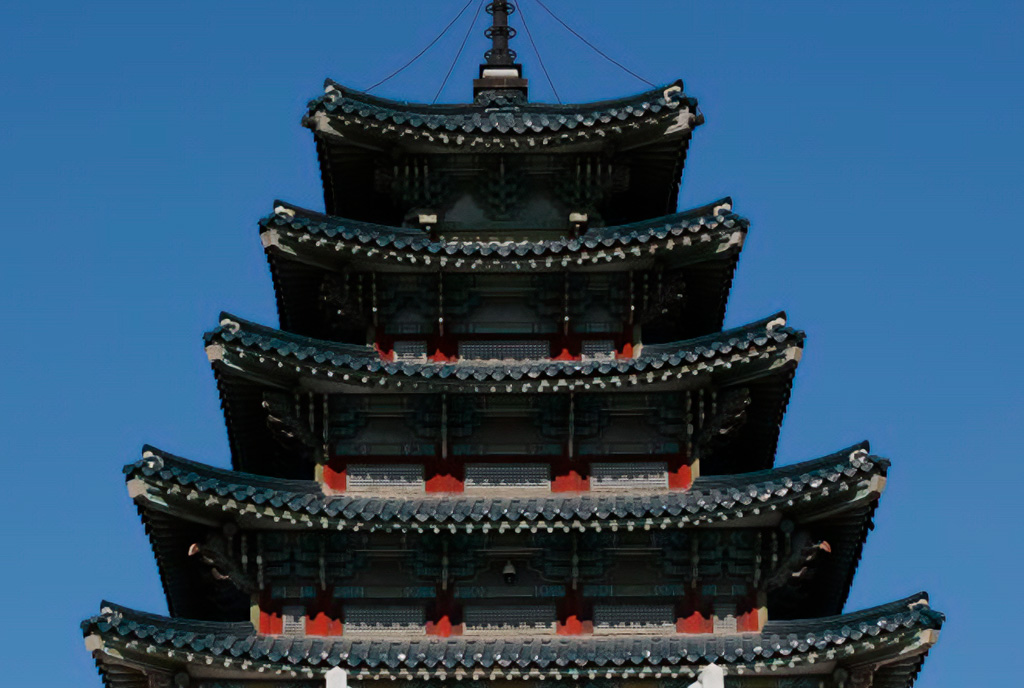
If you want to truly immerse yourself in Korea's past, there's only one place you need to go: the National Folk Museum of Korea.
Located on the grounds of Gyeongbokgung Palace, the museum holds a collection of more than 98,000 artifacts and considers itself "the only national museum dedicated to the history of traditional life."
The museum contains three main exhibition halls. The first is "History of the Korean People," which presents materials from everyday life in Korea from prehistoric times up to 1910.
The second exhibition hall is called "The Korean Way of Life." As you walk through this display, you can really get a sense of what it was like to be a Korean villager in ancient times.
The third exhibition hall is called "The Life Cycle of Koreans." This hall illustrates the deep roots of Confucianism in Korean culture and how this ideology gave rise to most of the culture's customs, many of which have been passed down through generations and still shape Korean society today.
The museum also has open-air displays, such as replicas of the spirit posts where villagers once prayed, stone mounds for worship, mills, rice storehouses, and pits for kimchi pots.
Samcheong-ro 37, Jongno-gu
The War Memorial of Korea (전쟁기념관)
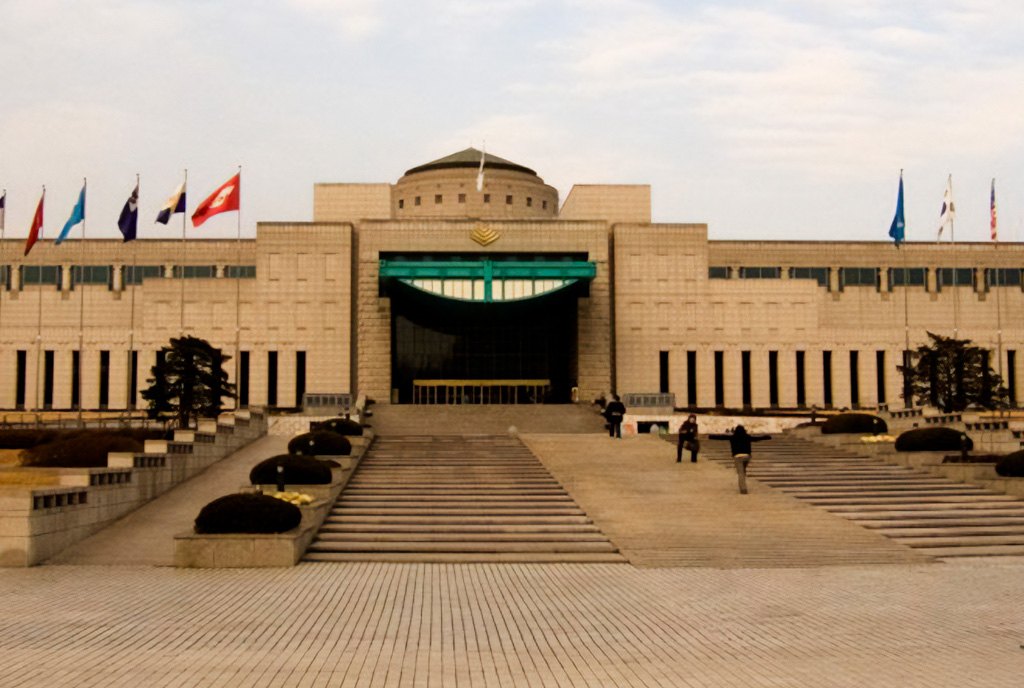
With 5,000 years of history, Korea has certainly seen its fair share of wars, which is exactly why the War Memorial of Korea holds such a wide range of stories and artifacts.
The museum, located on the former site of the army headquarters, has two main sections.
The indoor exhibition includes six halls. The first is the Memorial Hall, which pays tribute to all those who fought in Korea's wars and gave their lives.
The next room is the War History Hall, which showcases Korean weapons dating back to the Paleolithic era, armor and helmets used across different periods, and swords and other Korean weaponry used over the centuries.
There's also an entire exhibition devoted solely to the Korean War of the 1950s. Beginning with North Korea's surprise invasion of the South on June 25, 1950, this hall depicts every aspect of the war, such as the role played by the United Nations and what life was like in wartime for Koreans.
Here you can experience the eerily realistic Combat Experience Room, a recreation of a Korean night battle using special effects, video, sound, cannon smoke, and the smell of gunpowder. Even a recreation of these battles stirs a sense of dread, leaving you with a feel for what the real combat experience must have been like.
Other rooms include the Expeditionary Forces Hall, a testament to Korea's overseas deployments around the world, and the Republic of Korea Armed Forces Hall, which traces the history and evolution of the South Korean military through its weapons, uniforms, and tactics over the years.
In the Defense Industry Hall, you can get a detailed look at the equipment currently protecting South Korea, from gas masks to aircraft. But if you really want to see some amazing machines up close and personal, head out to the Outdoor Exhibition.
The outdoor exhibition features restored tanks, vehicles, submarines, aircraft, and artillery used in World War II, the Korean War, and the Vietnam War. But more than just standing next to these mega-machines, you can actually climb inside them.
Admission to the museum is free.
8 Yongsan-dong 1(il)-ga, Yongsan-gu
National Palace Museum of Korea (국립고궁박물관)
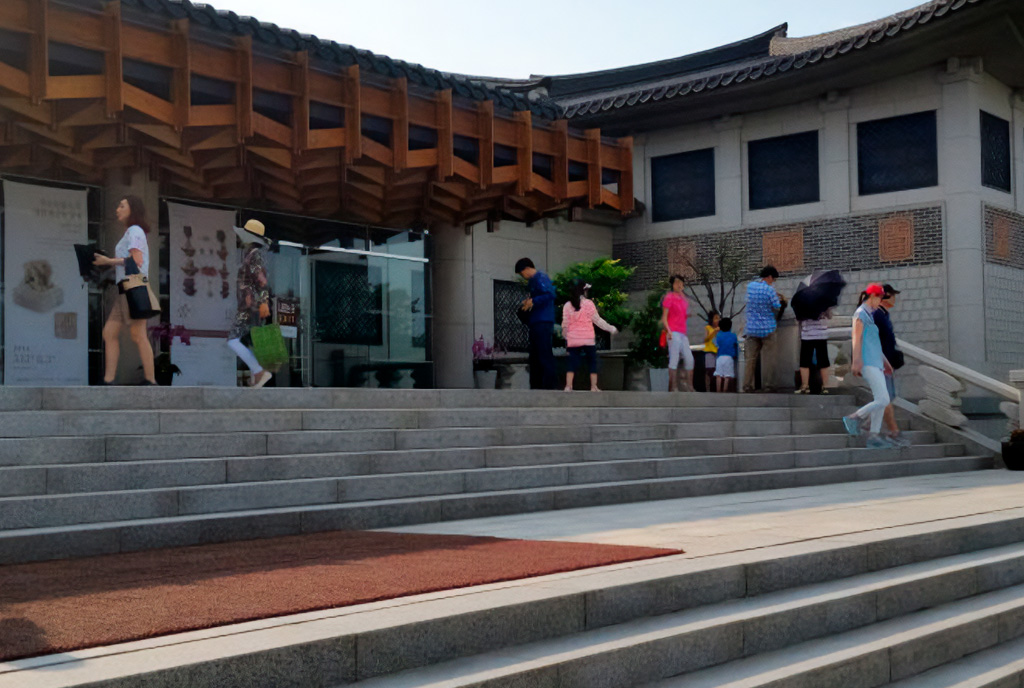
The Joseon Dynasty, which lasted five centuries, was Korea's last royal dynasty. It was also the longest-reigning Confucian dynasty. Needless to say, this era in Korean history had a profound impact on the country's traditions and culture.
The National Palace Museum showcases the records, state rites, architecture, clothing, royal life, education, culture, painting, and music of the dynasty's reign.
The museum holds more than 40,000 royal treasures and artifacts. Admission is free.
12, Hyoja-ro, Jongno-gu
Seoul Museum of History (서울역사박물관)
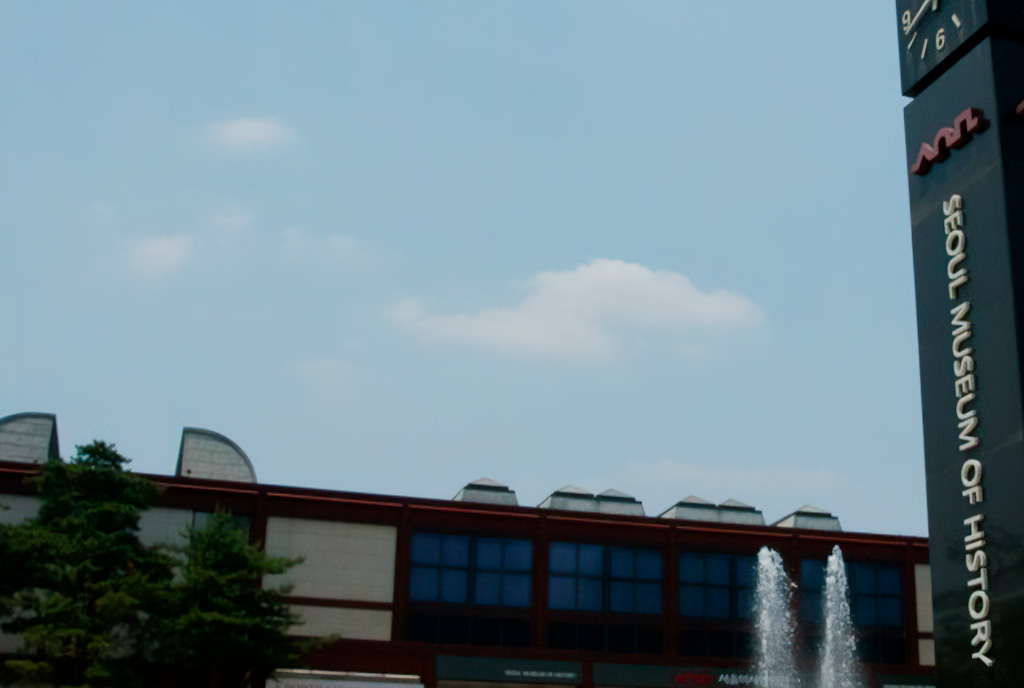
The Seoul Museum of History traces the evolution of Seoul from prehistoric times into the thriving city it is today.
Since Seoul was the capital of the Joseon Dynasty, there is also plenty of information and artifacts from the dynasty here. In fact, Seoul's success today is largely due to the fact that it was the epicenter of the dynasty.
Because of this, Seoul has always been more innovative and progressive than the cities around it, and that still holds true today.
The museum shows how Seoul progressed into the sophisticated city that now exists, and it also hosts special exhibitions.
2-1 Sinmunno 1-ga, Jongno-gu, Seoul