

A former Soviet republic, Georgia is a country wrapped in mystery.
Set between the Caucasus Mountains to the north, the Black Sea to the west and deserts to the south, Georgia borders Russia, Azerbaijan, Armenia and Turkey. This small country is not only a crossroads of cultures but also home to an astonishing range of landscapes.
Until recently, plenty of people struggled to pinpoint Georgia on a map (or, at the very least, mixed it up with the American state of the same name), but it is now becoming a popular travel destination.
Partner links: booking through them supports the blog at no extra cost to you.
Here are nine places worth visiting and savoring on a journey through Georgia:
Tbilisi: an eclectic melting pot
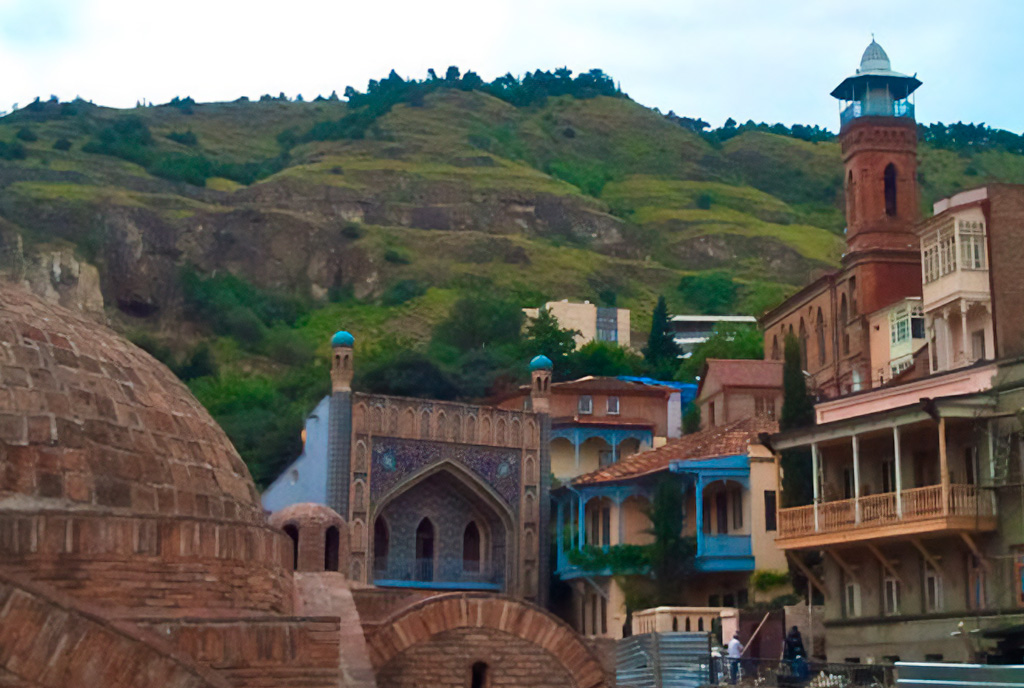
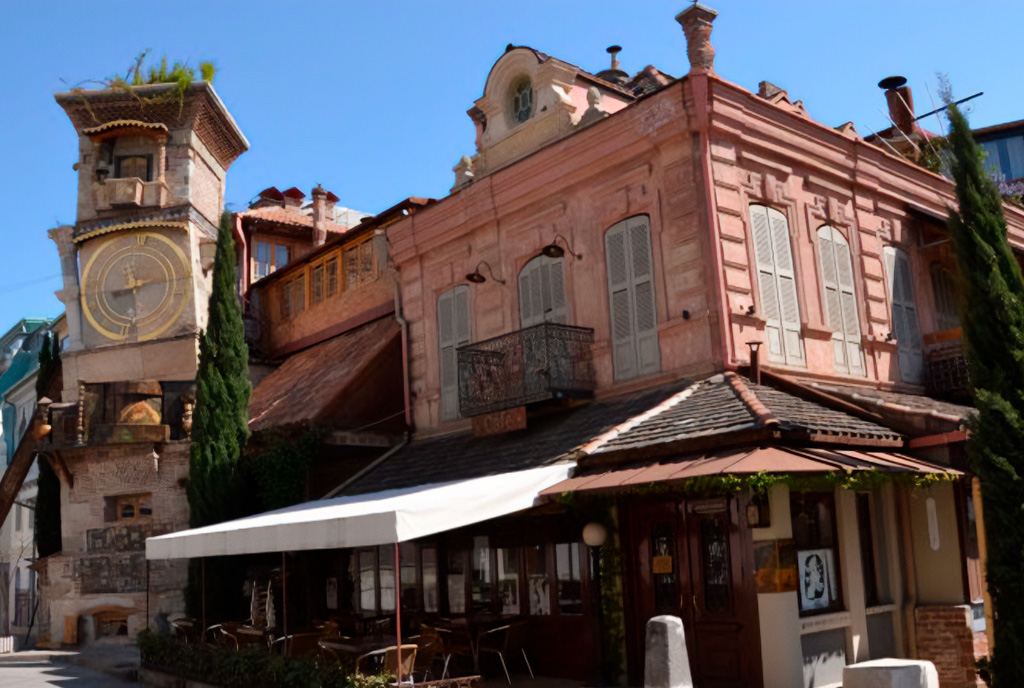
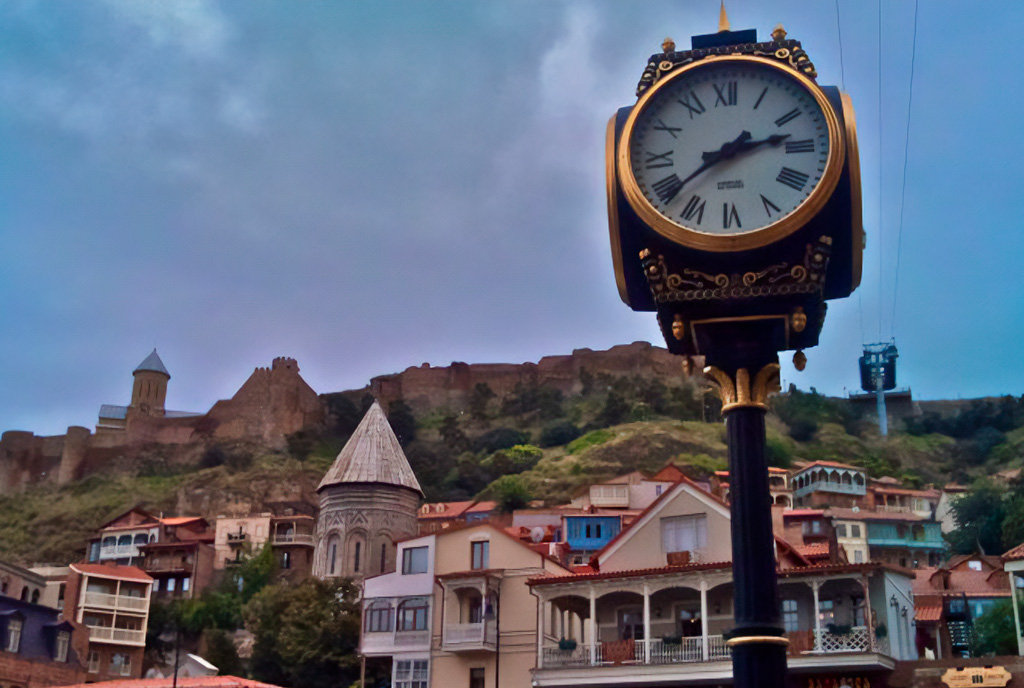
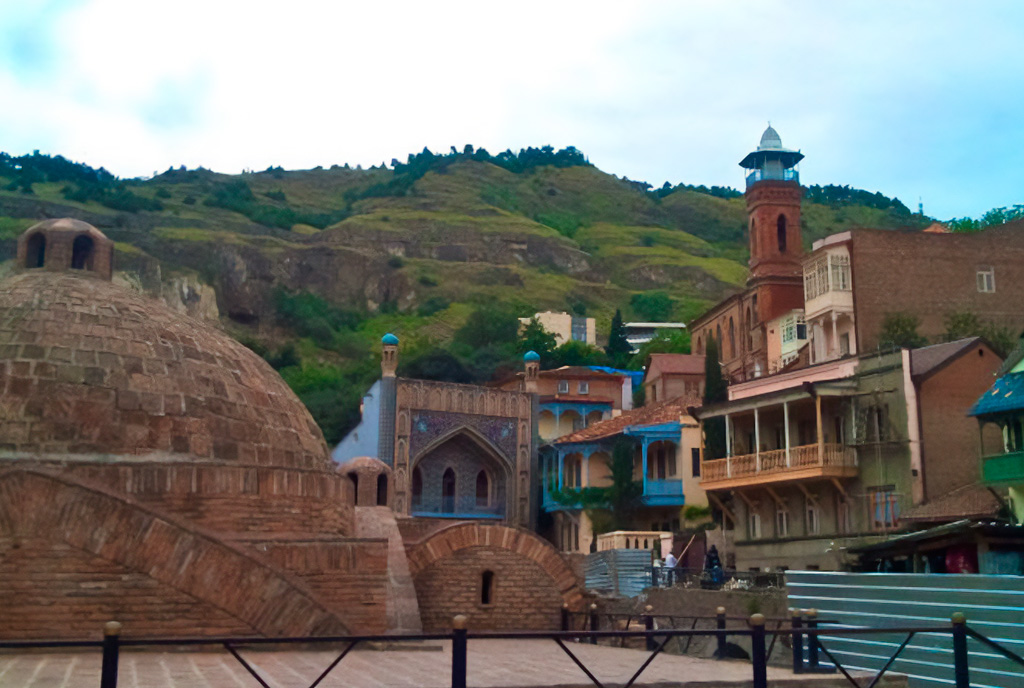
From the overhanging balconies of crumbling Old Tbilisi and the Persian sulphur baths dressed in turquoise mosaics, to fading art nouveau buildings standing shoulder to shoulder with futuristic glass structures, Tbilisi is endlessly inspiring.
The Georgian capital sits on the banks of the Mtkvari River and is surrounded by mountains on three sides.
Archaeologists trace the first settlement on the site of present-day Tbilisi back to the 4th millennium BC. Its position on the ancient Silk Road turned it into a multicultural hub, which is reflected today in the city's ethnic diversity and eclectic architecture.
The baths in Abanotubani follow the Persian tradition, except that the thermal water bubbles up naturally from underground.
Tbilisi takes its name from the old Georgian word "tbili," meaning warm, a nod to the hot sulphur water.
Wandering away from Abanotubani, a stroll through the Old Town reveals ancient Georgian and Armenian churches, mosques and synagogues, along with the ruins of the world's northernmost Zoroastrian fire temple.
Ushguli: Europe's highest mountain village
High in the Caucasus Mountains, at roughly 2,200 meters above sea level, this little village is the highest permanently inhabited settlement in Europe.
Sitting at the foot of Mount Shkhara, Georgia's highest peak, Ushguli is known for its medieval defensive towers, one attached to every house.
It lies deep in the region of Svaneti, famous for a distinctive culture that was once cut off from the rest of the country.
The main town of Mestia is on its way to becoming Georgia's answer to a Swiss ski resort, but Ushguli has been spared by poor transport links that helped preserve the village's timeless atmosphere.
Young riders gallop along the muddy trails on horseback between the crumbling towers, dodging livestock in the street.
Ushguli and the Upper Svaneti region are listed as UNESCO World Heritage Sites.
The birthplace of wine
When we think about the origins of wine, our minds usually go to France, Italy, Greece or Persia, but Georgia is in fact one of the oldest winemaking regions in the world.
In 2003, archaeologists found evidence that Stone Age people were producing wine here as far back as 8,000 years ago.
Ever since, wine has played a central role in Georgia's national identity.
The country's ancient tradition of fermenting grape juice in clay vessels known as qvevri has been added to UNESCO's list of Intangible Cultural Heritage. There are hundreds of local grape varieties, and Georgian wine is steadily gaining recognition around the world.
While some homemade varieties are not especially pleasant on the palate, Georgia has several excellent vineyards producing high-quality wines.
A good place to start is an oak-aged red made from Saperavi grapes from Mukuzani in the Kakheti wine region, such as the one from Teliani Valley, or a white Tsinandali blended from Rkatsiteli and Mtsvane varieties.
Mysterious cave cities
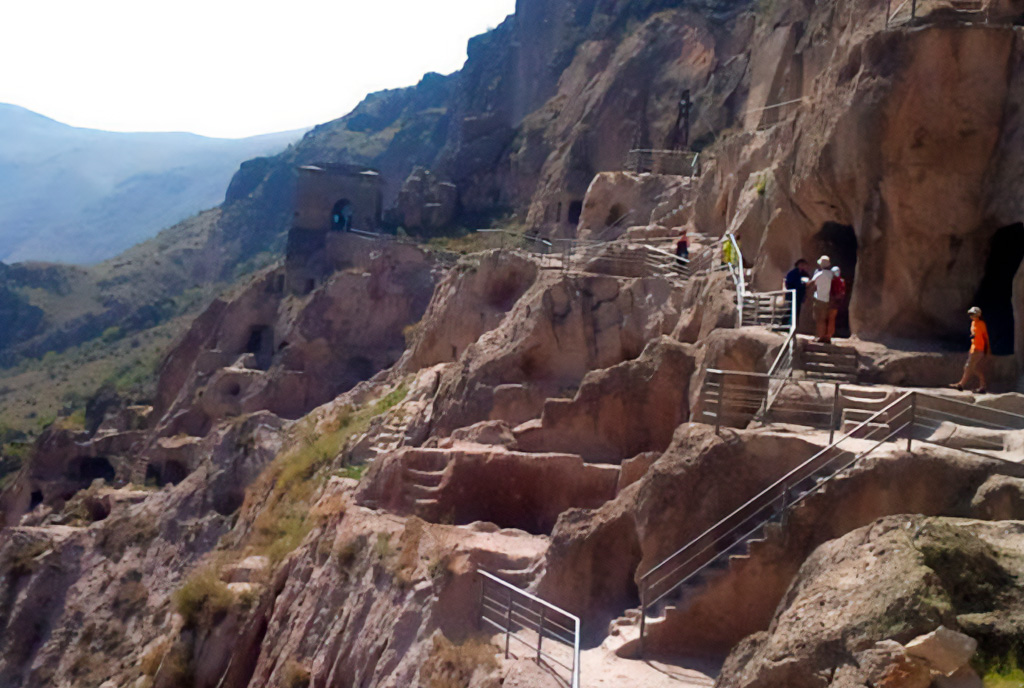
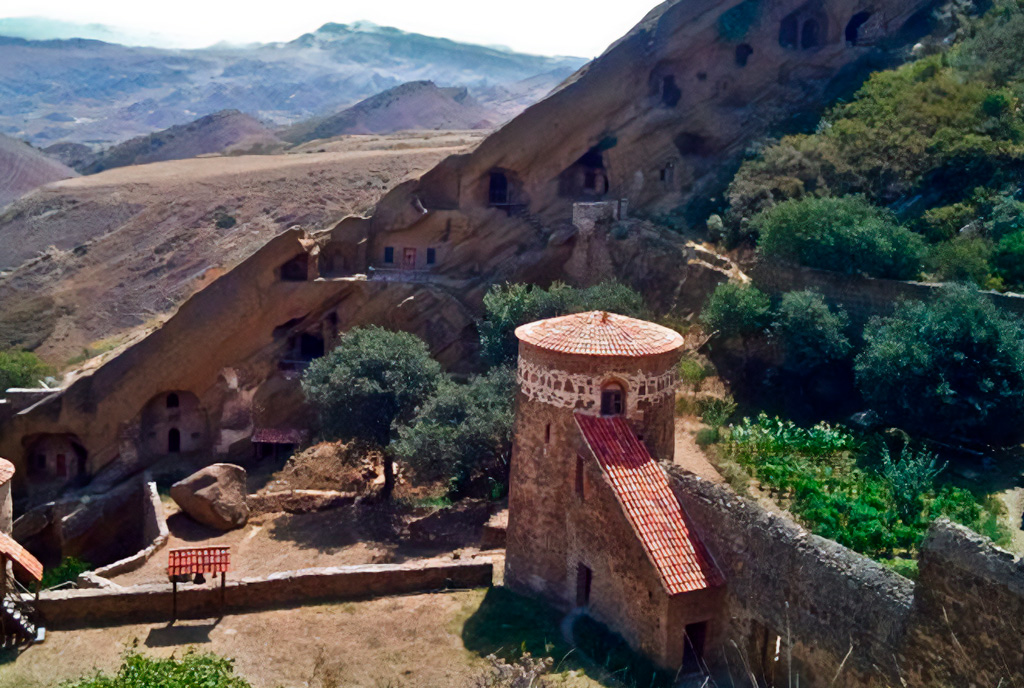
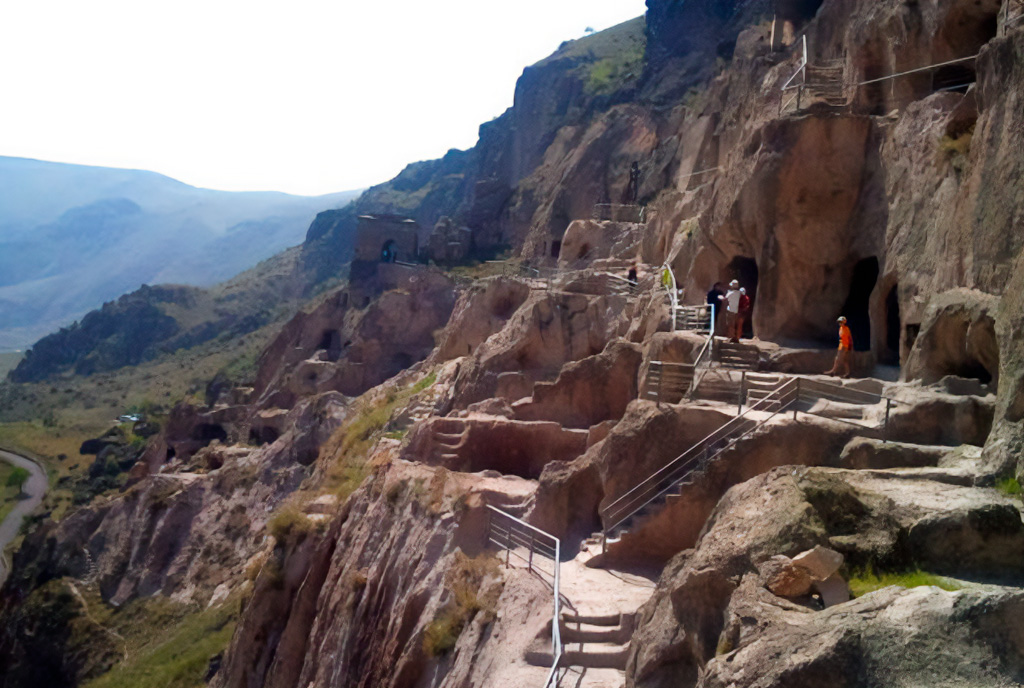
Georgia is home to some of the most extraordinary cave cities in Europe. On their own, they are reason enough to visit the country.
The oldest is Uplistsikhe, an ancient settlement that resembles a lunar landscape. Others include David Gareja, a vast monastery complex carved into the rock of Mount Gareja, and Vardzia, a striking underground city that once housed 2,000 monks.
Supra: the traditional Georgian feast
One of the best ways to get to know the country is through its food. In fact, if you have not tried a Georgian supra, or feast, you have not experienced everything Georgia has to offer.
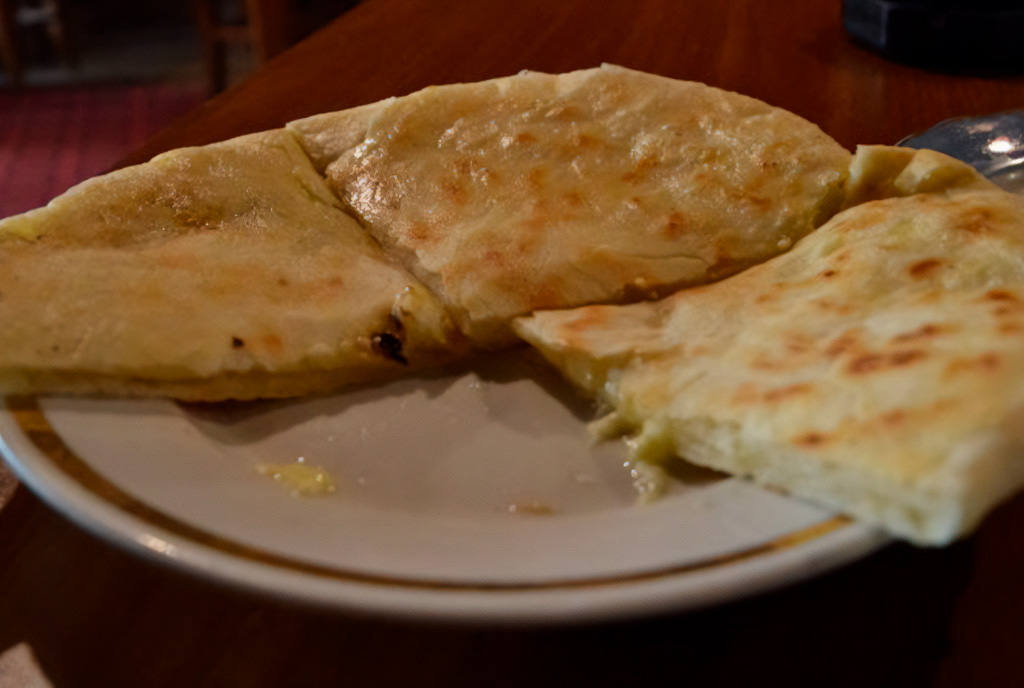
The local cheese bread is called khachapuri, and the most famous version is the Adjarian one. It is a baked boat of bread filled with stringy, melted, tangy sulguni cheese, a whole egg yolk and a few knobs of butter. Yes, it might stop your heart, but it is so delicious.
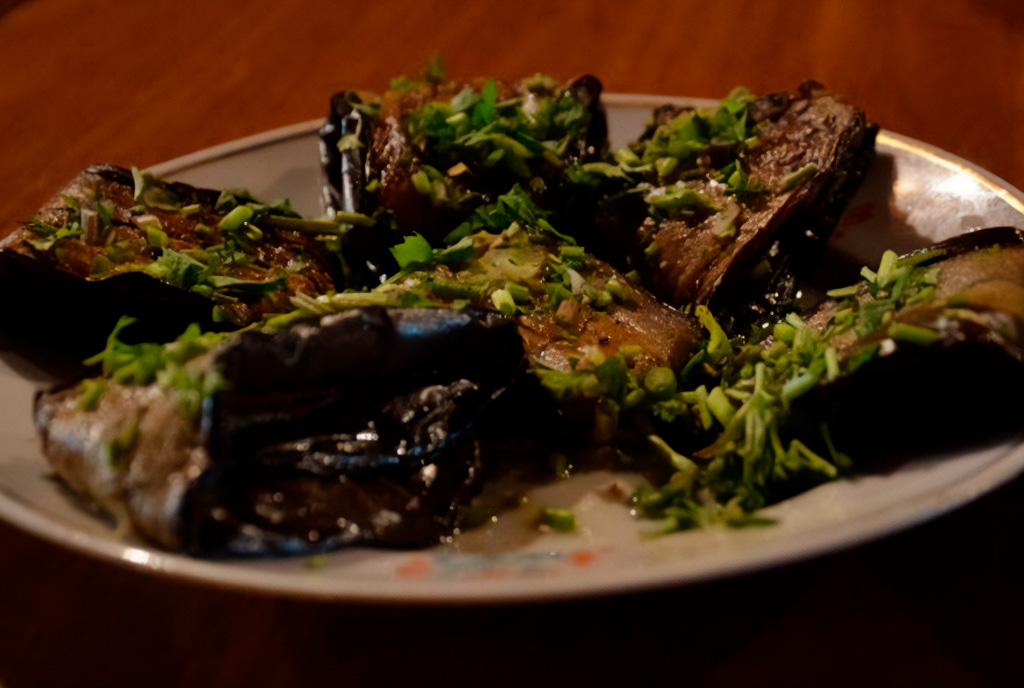
Khinkali dumplings come stuffed with spiced meat that releases its juices as it cooks, so you need to slurp out the broth before eating. Then there are wonderful salads with a walnut dressing, bean stews cooked with fragrant coriander, and mtsvadi, tender marinated meat grilled on a skewer.
They are best enjoyed, of course, with an excellent Georgian wine.
Remote mountain villages
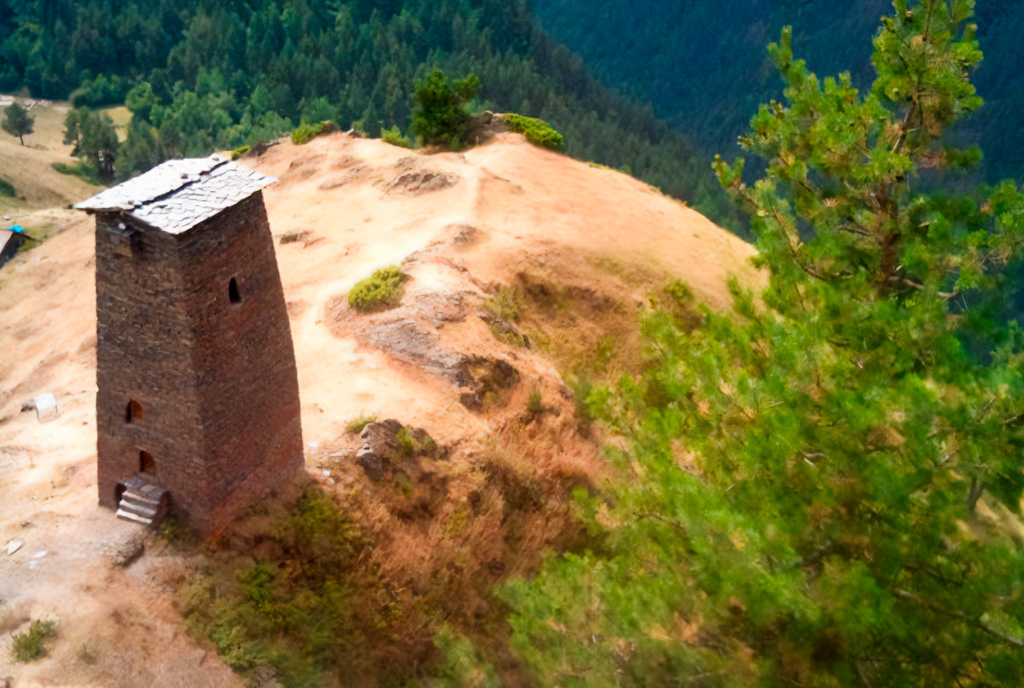
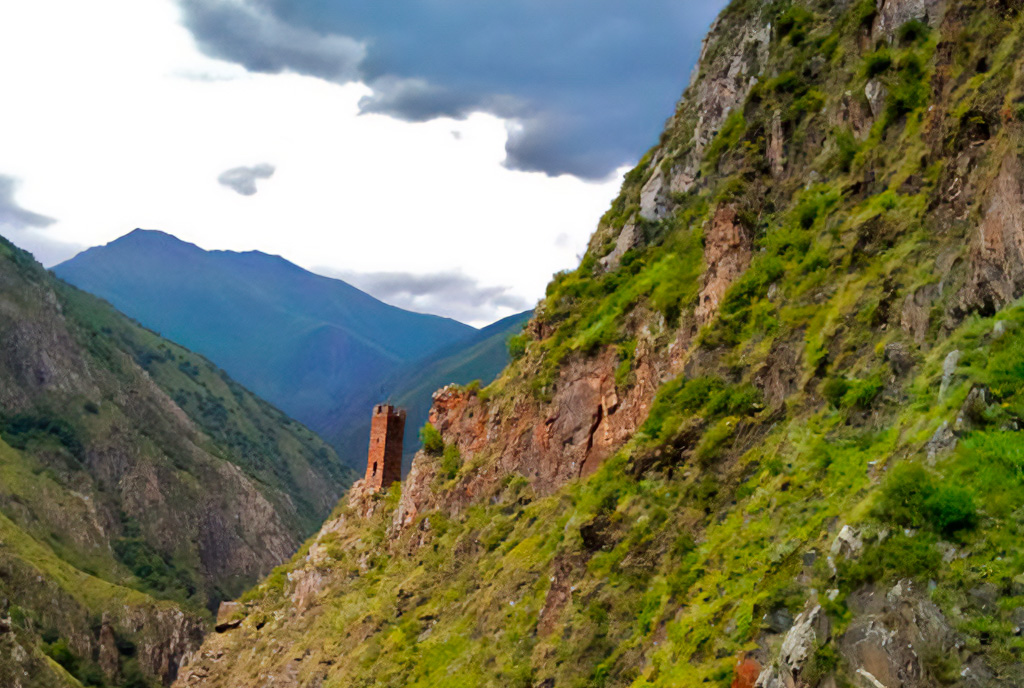
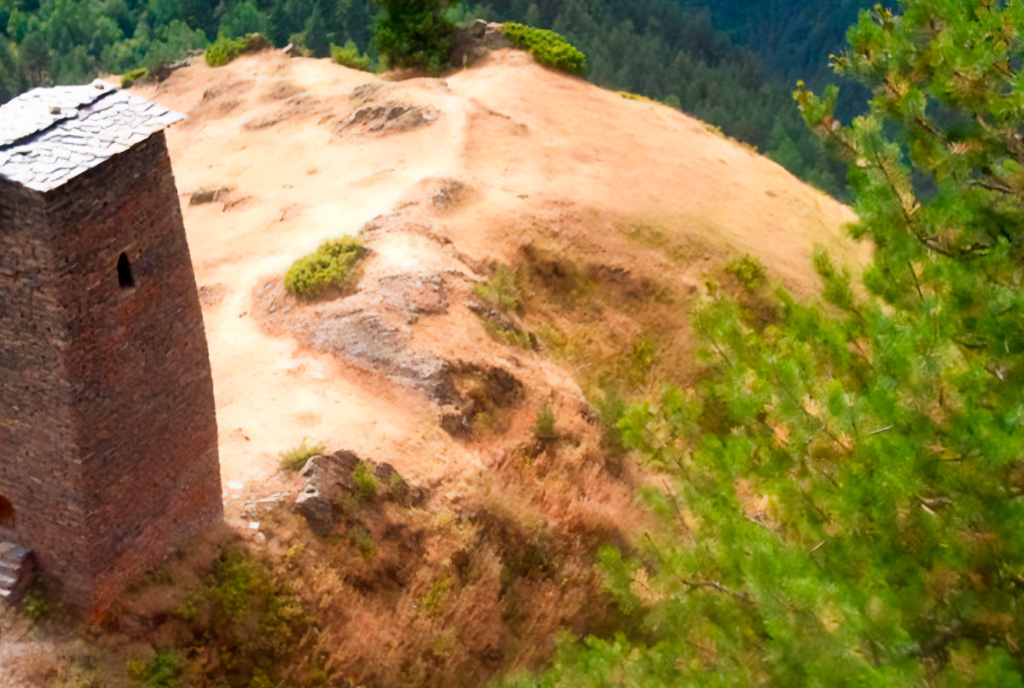
The remote regions of Khevsureti and Tusheti in the Caucasus Mountains are home to spectacular medieval villages with small communities that still hold on to their ancient pagan traditions. The roads leading here are an adrenaline rush in their own right.
The ruined fortress of Mutso and the settlement of Shatili in Khevsureti look like something out of J.R.R. Tolkien. Set dramatically against the mountains, they are so close to Chechnya that you can watch border guards climbing up and down the ridge.
Tusheti is a cluster of communities that feels like a Georgian Shangri-La, full of old towers, churches, villages and breathtaking mountain scenery with wildflowers and trees whose leaves look almost golden.
Tusheti has plenty of hiking trails, and the locals are known for their generous mountain hospitality.
Europe's most surreal museum
To learn about the life of Old Joe, visit his hometown of Gori and the bizarre Joseph Stalin Museum.
There is no mention here of the former Soviet leader's purges, apart from a small back room that is not part of the tour, but there are plenty of images of Stalin, including one of the leader voting for himself.
There are also various statues, his death mask, carpets and murals depicting the leader's face, his personal green railway carriage and, the main attraction, the perfectly preserved one-room house where he grew up.
The museum has been criticized for "falsifying history" and held up as an example of "Soviet propaganda." There were plans to turn it into a museum of Russian aggression, but for now that is limited to a small room tucked away beside the entrance.
It is worth a visit, since it captures the essence of Stalin, including his own self-glorification and propaganda, even if that was not its intended purpose.
Beautiful, ancient churches
Georgia adopted Christianity as far back as 324 AD, and the country is full of stunning churches and cathedrals in incredible settings.
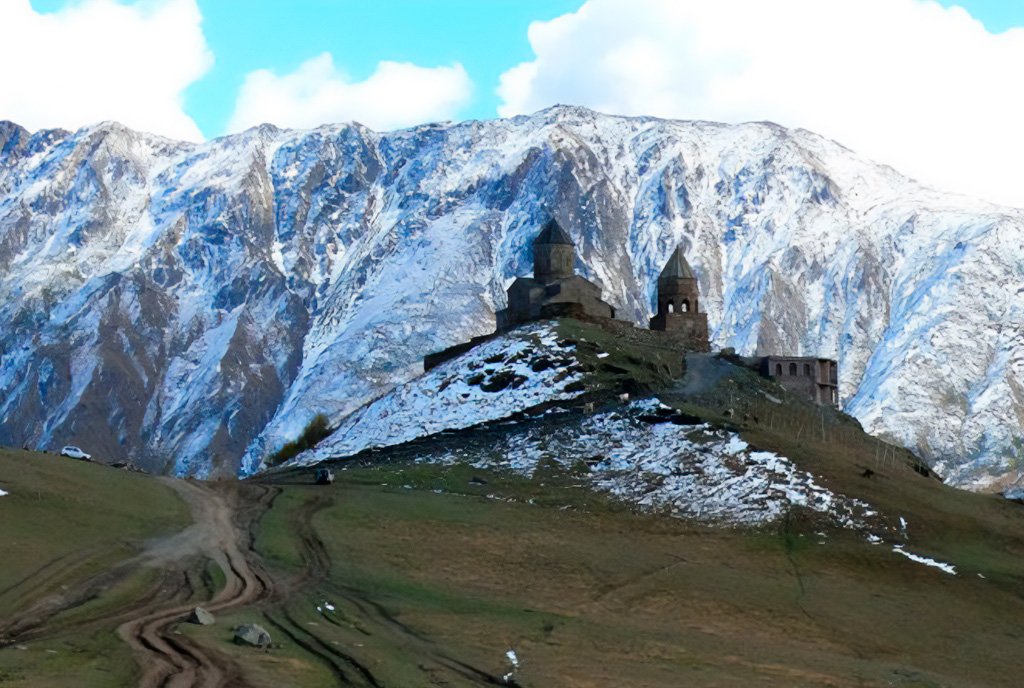
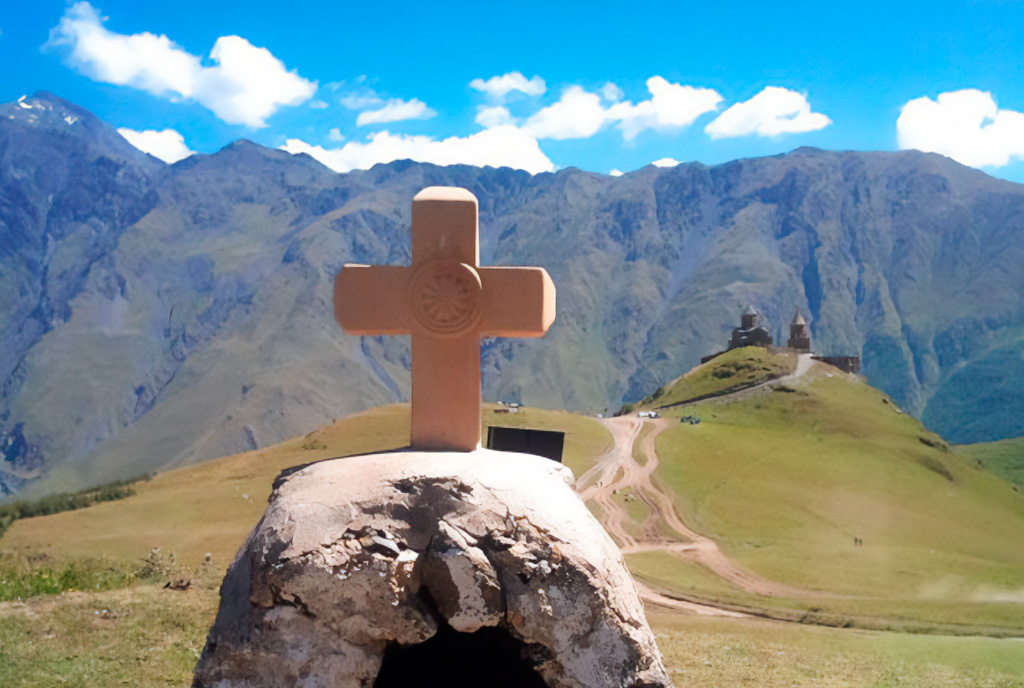
Whether it is the UNESCO World Heritage Sites of Svetitskhoveli Cathedral in Mtskheta and Bagrati Cathedral in Kutaisi, or the dramatic setting of the hilltop church in Kazbegi, Georgian churches never fail to paint a beautiful picture.
Kazbegi is also home to one of the most breathtaking marathon routes in the world.
The people and Georgian hospitality
Georgians may seem like a serious bunch at first, but most of them are kind and welcoming. To a Georgian, a guest is sacred, and they will often go out of their way to help you. Their generosity and hospitality frequently take the form of a great deal of food and even more to drink.
As they say in Georgia, "Gaumarjos!" (Cheers!)
Jennifer Walker is an Anglo-Hungarian former nuclear physicist turned writer, based in Budapest, Hungary. She is a keen traveler and has lived in the UK, Hungary, Spain, Germany and Georgia.