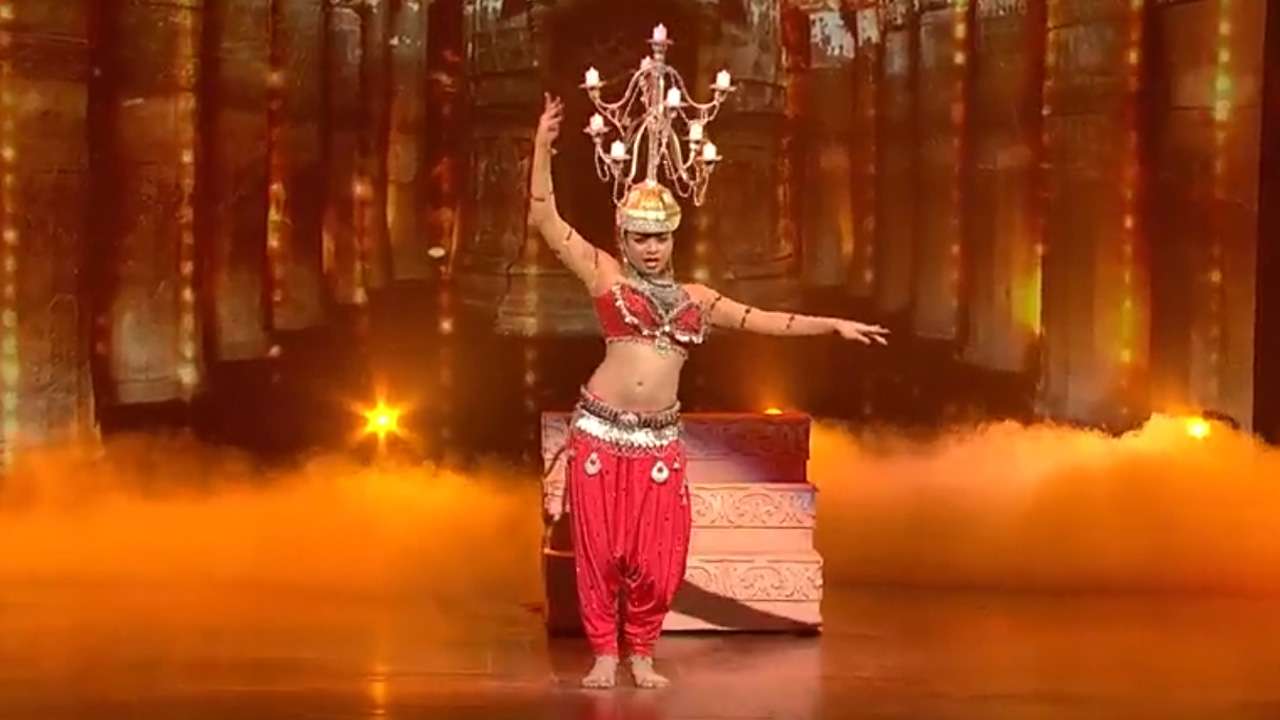


Whether it is a set of lyrical movements, a classical Indian style, or hip-hop woven into the wildly popular Bollywood genre, dance is without a doubt one of India's great visual icons.
"I think dance is what Indians are made of," says Shiamak Davar, one of Bollywood's most influential choreographers. "Religious festivals, weddings, out on the streets... we all dance, we celebrate, we live life through song and dance."
"Because for me, India is a celebration of who we are. We are song, we are dance, we are culture, we are unity, and we always embrace other dance forms in order to grow."
Partner links: booking through them supports the blog at no extra cost to you.
In the series of videos featured below, you can follow the pulse of India's dance scene, on the street, in the temple, and on the stage, from movements rooted deep in the Hindu faith to choreography that draws on outside influences.
Bharatanatyam
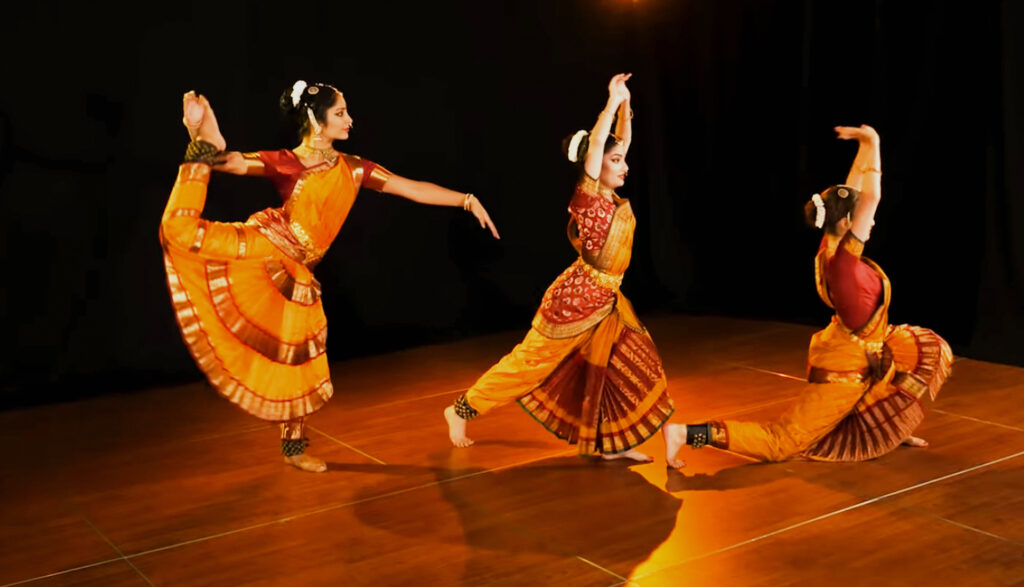
The ancient classical dance Bharatanatyam has its origins in the Hindu temples of Tamil Nadu, in the southeast of India.
Traditionally performed solo by women, this centuries-old dance places emphasis on expressive gestures and religious storytelling.
The theatrical style demands precision, expressiveness, and the engagement of every muscle.
"In all forms of Indian classical dance, abhinaya, or the art of expression, carries great importance," says Dakshina Vaidyanathan, a Bharatanatyam dancer. "When we try to express something, every part of your body plays a role in it. Your body has to speak."
Today, Bharatanatyam holds international standing as one of India's iconic performing arts.
Sufi Kathak
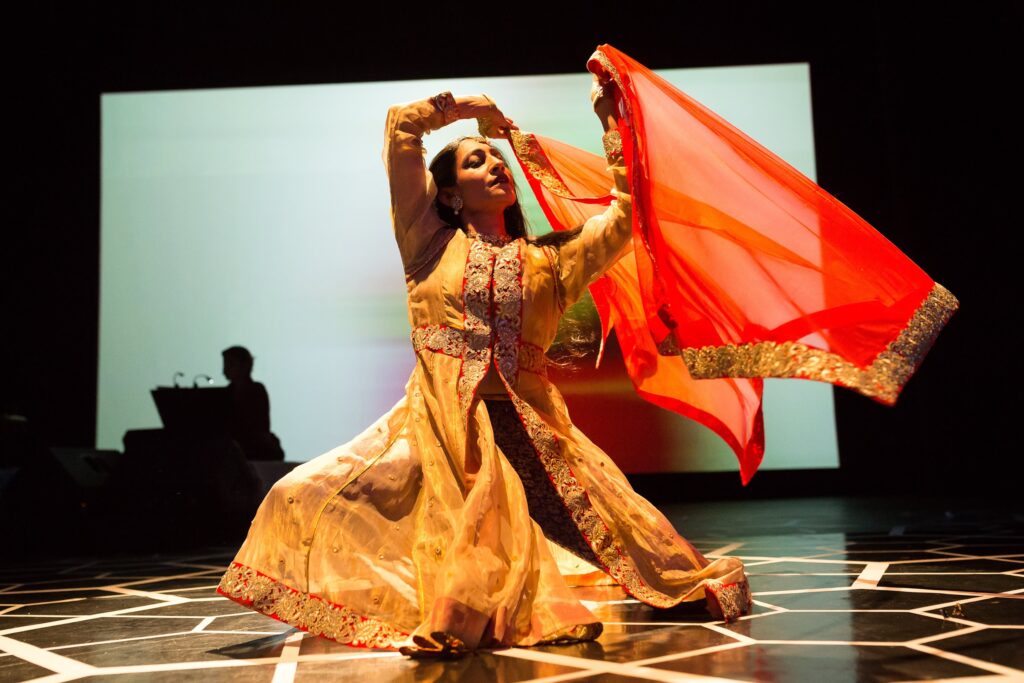
Kathak (Sanskrit for "story") is another of the major forms of Indian classical dance, believed to have emerged in Northern India around 400 BC.
Traditionally attributed to the traveling bards of Northern India, this dance form evolved to suit the tastes of the Mughal court.
Today it takes shape in Manjari Chaturvedi's new school of performance, Sufi Kathak, which blends the classical style with elements of Sufism, the mystical branch of Islam with a history in India stretching back more than a thousand years.
Bhangra
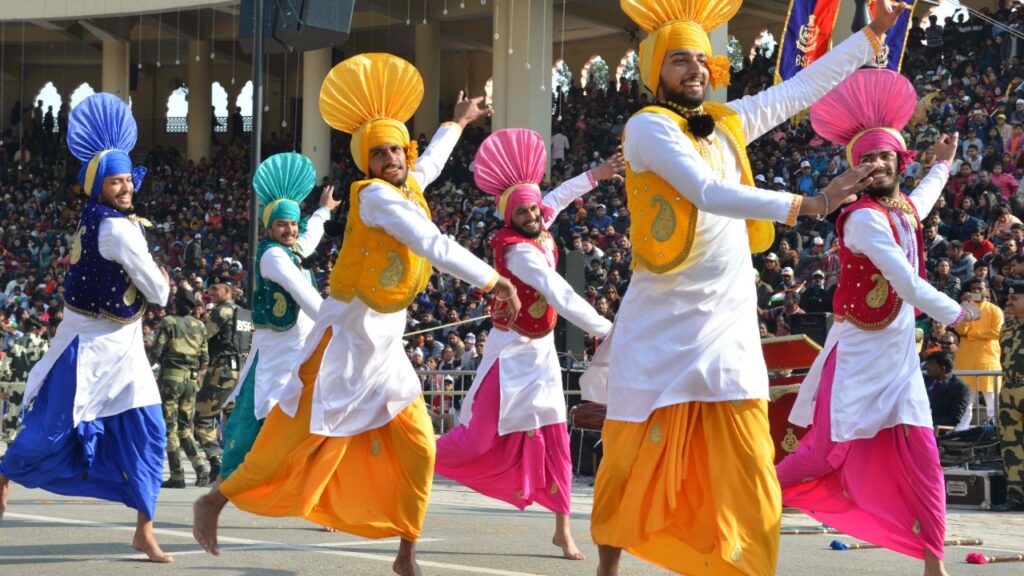
An energetic folk celebration dance from Punjab, Bhangra carries a rich history as one of India's most joyful art forms.
It originally began as a way to honor the harvest season, and today its variations can often be seen at weddings across India.
It is a high-energy spectacle, full of joyful, dramatic movement.
Hip-hop
Hip-hop street dance first appeared in the United States in the early 1970s, but has since become a widely popular genre all over the world.
India is no exception.
In the video above, we meet two dance crews, one in Delhi and the other in Mumbai, who fuse hip-hop aesthetics with Indian movement.
Bollywood
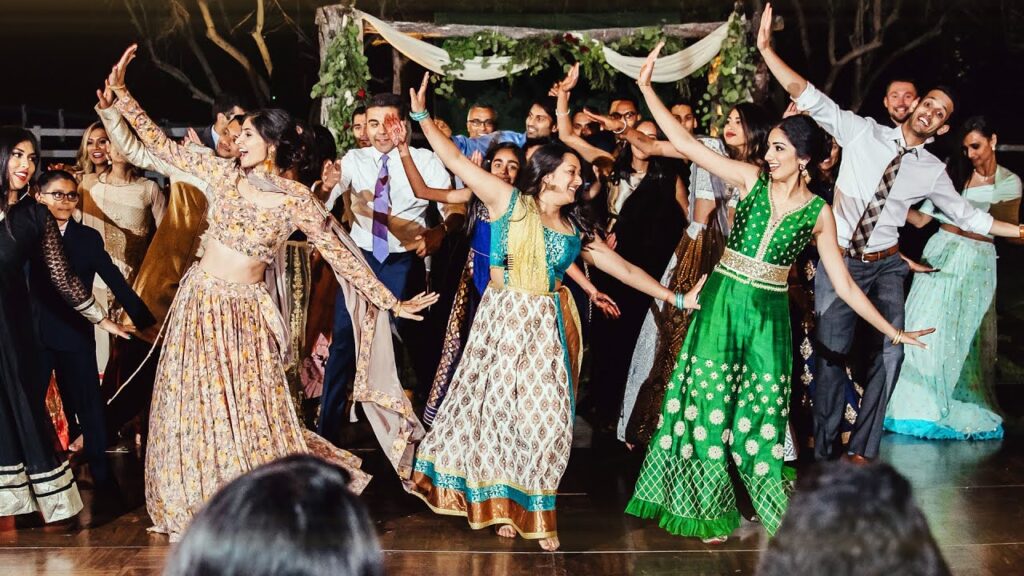
You cannot talk about modern dance in India without mentioning Bollywood's large-scale song-and-dance productions.
The choreography and dance numbers in Hindi films draw on classical Indian dance, but they also fold in global trends.
"Bollywood dance has actually become a whole mix of the international, the Indian, contemporary modern, folk, all kinds of forms blended together," says choreographer Davar.
"It has grown into a beautiful fusion of East and West."