

South Korea, the 109th largest country in the world by total area, just behind Iceland, has a habit of making headlines.
Sometimes the news is grim, usually something to do with its troublesome neighbor across the border.
Sometimes it is pure mainstream pop, a group of cute singers outshining Lady Gaga on the world stage.
Partner links: booking through them supports the blog at no extra cost to you.
Sometimes it is just plain awesome; nobody throws out a first pitch at a baseball game with quite as much flair as the South Koreans.
From the weird to the wonderful to the sci-fi straight out of the Samsung galaxy far, far away, here are the things South Korea does more impressively than anywhere else.
Connected culture
Want to see what the future looks like?
Buy a ticket to a country with an internet penetration rate of 82.7 percent, one of the highest in the world, where 78.5 percent of the entire population uses smartphones (as of 2013).
Among 18 to 24 year olds, smartphone penetration hits 97.7 percent.
While chatting away on emoji-packed messaging apps like Naver Line or Kakao Talk, South Koreans also use their smartphones to pay in stores, watch television (not YouTube, but live channels) on the subway and scan QR codes in the world's first virtual supermarket.
Hyundai plans to launch a car you can start with your smartphone in 2015.
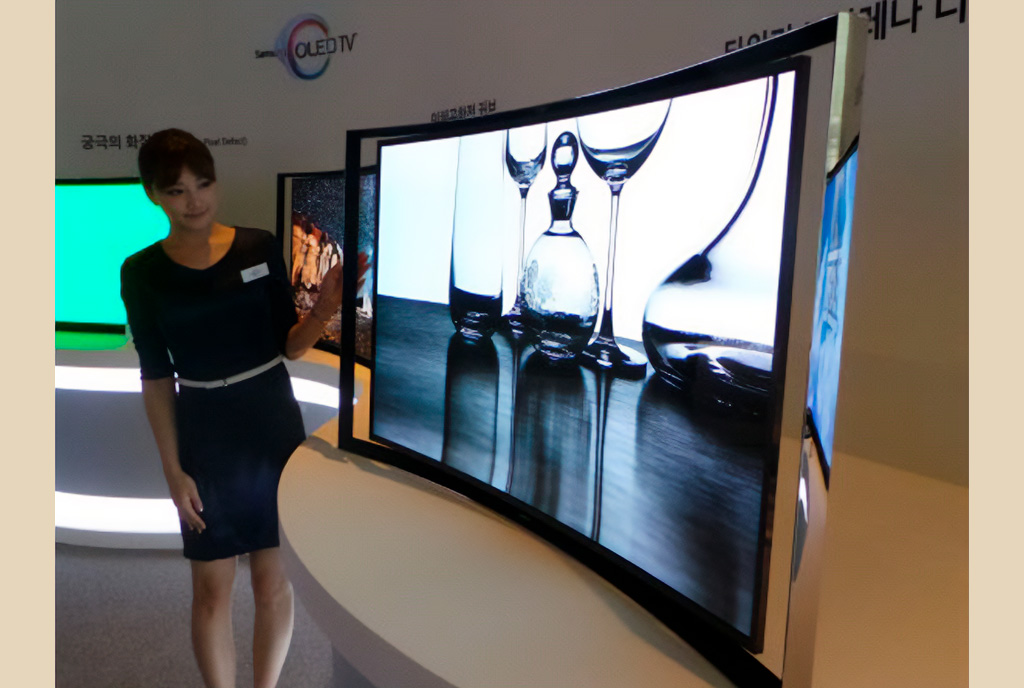
Samsung, meanwhile, is developing a curved phone.
Wild demonstrations of technology already built but not yet widely available can be seen (by appointment) at T.um, the museum of future technologies run by Korea's largest telecommunications company, SK Telecom.
T.um, Jung-gu, Euljiro 2-ga 11, Seoul; +82 2 6100 0601
Swiping plastic
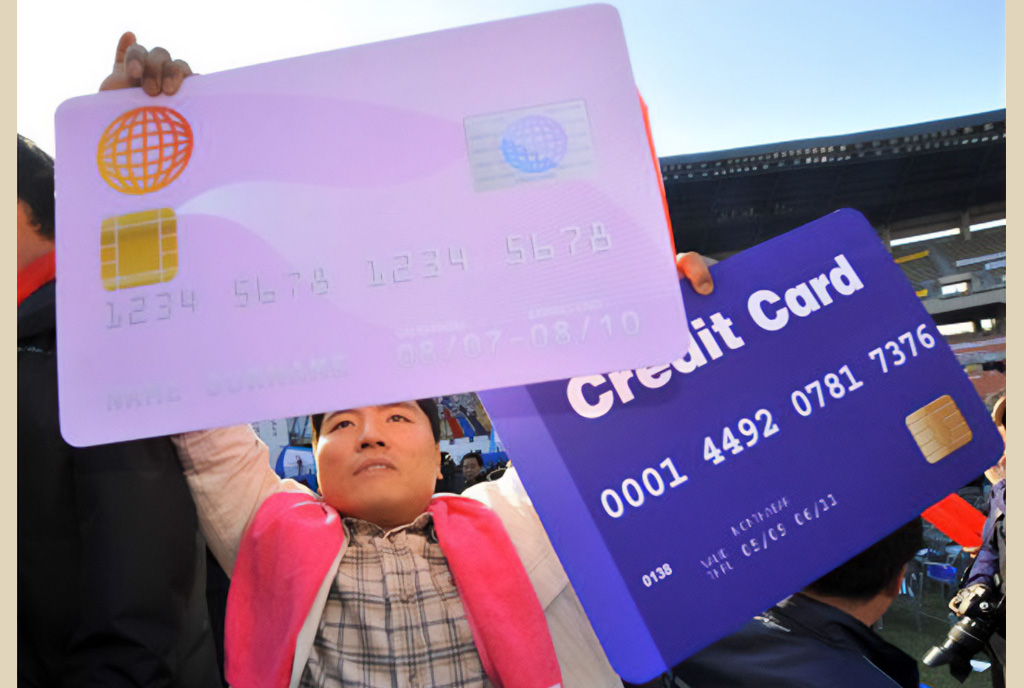
South Koreans became the world's leading credit card users two years ago, according to figures from the Bank of Korea.
While Americans made 77.9 credit card transactions per person in 2011 and Canadians made 89.6, South Koreans made 129.7.
It is technically illegal for any merchant in the country to refuse a credit card, no matter how small the amount, and every taxi comes fitted with a card terminal.
All that flying plastic makes Seoul one of the best shopping cities in the world.
Workaholics
South Koreans are so used to studying (the country has the highest education levels in the Organisation for Economic Co-operation and Development, with 98 percent of the population completing secondary school and 63 percent holding a university degree) that they simply cannot shake the habit once they hit the workforce.
According to this amusing map from thedoghousediaries, Brazil sets the standard for FIFA World Cup titles and North Korea leads in "censorship," but South Korea takes the crown for workaholics.
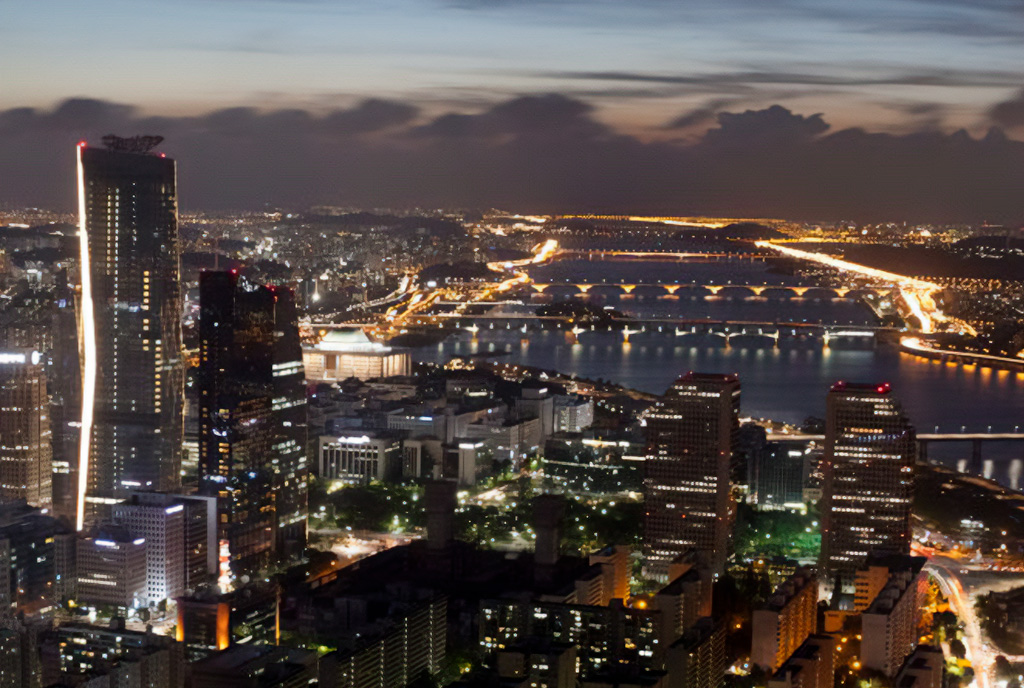
You can see it in any Korean city, where the lights in office buildings burn late into the night as employees keep working.
According to 2012 figures from South Korea's Ministry of Strategy and Finance, South Koreans work 44.6 hours a week compared with the OECD average of 32.8 hours.
And according to a study published in August 2014, alongside the residents of Tokyo, Seoul dwellers sleep the least of anyone in the world's major cities, just under six hours a night.
Business drinking
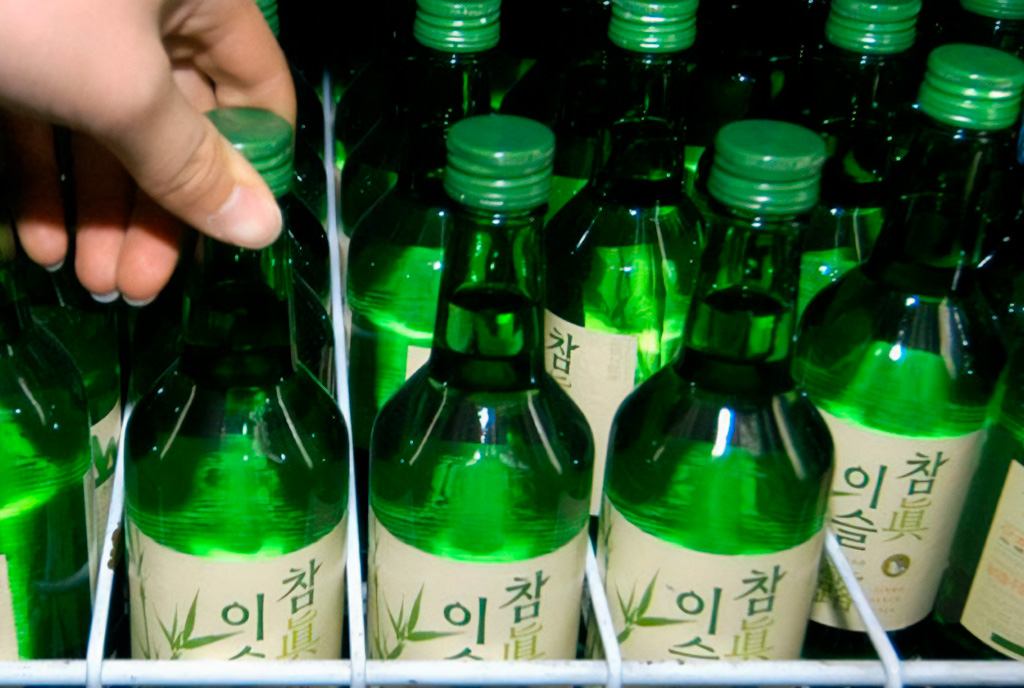
When they are not working, Koreans celebrate their latest deals or drown their sorrows in soju.
Although many leading companies are trying to rein in the work-and-drink culture, there are still plenty of bosses who drag their teams through far too many rounds of soju, beer and whiskey "bombs."
Anyone who declines is considered rude or hopelessly dull.
Yes, Japan and a few other countries might lay claim to this title, but South Korea has the statistics to back up the bragging at the bar.
Jinro soju was the best-selling liquor in the world last year, the eleventh year in a row, with its home country accounting for the lion's share of sales.
The South Korean maker of the distilled rice liquor overtook Smirnoff vodka, which came in second at 37.48 million cases.
Innovative cosmetics
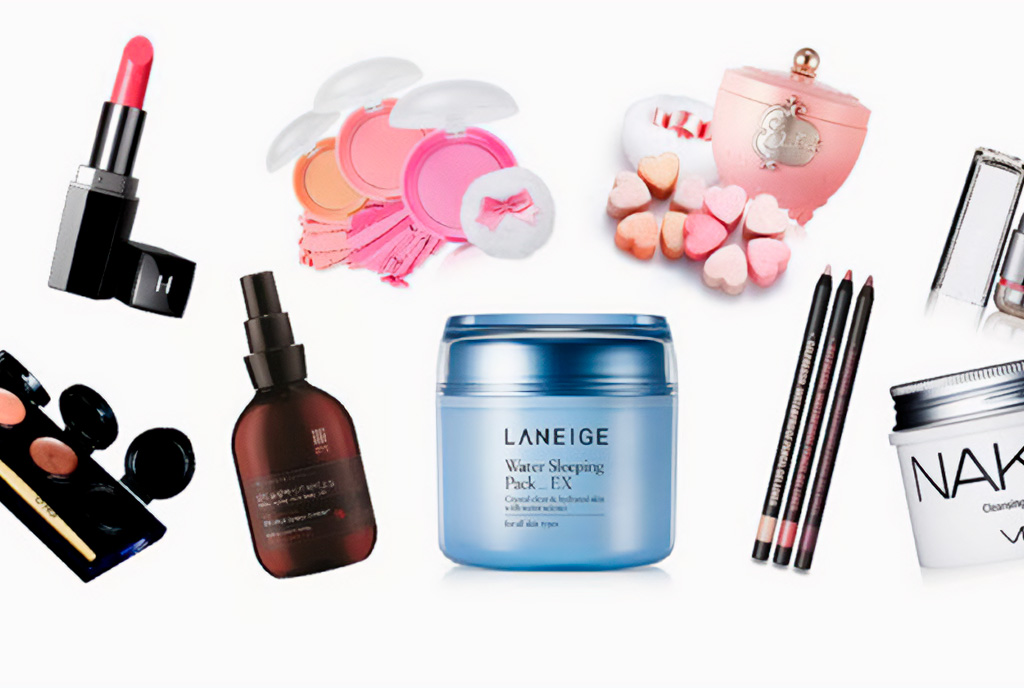
When it comes to makeup and cosmetics, South Koreans just cannot stop experimenting with ingredients or application methods.
Snail creams (moisturizers made from snail slime) are so 2011.
Now it is all about Korean ingredients, such as Innisfree's volcanic clay mask from Jeju Island and moisturizer made from fermented soybeans.
At VDL, Korea's newest trendy cosmetics line, the products change every month.
Right now they are pushing "hair shockers" (neon hair tints) and nail polish with real flowers inside.
Just as Korean men are less afraid of going under the plastic surgeon's knife (see number 10) than their foreign counterparts, they are also happy to buy skincare and even makeup, namely foundation in the form of BB cream.
South Korea is by far the largest market for men's cosmetics, with Korean men buying a quarter of the world's men's cosmetics, roughly $900 million a year, according to Euromonitor.
Women golfers
The Economist posed the million-dollar question in 2013.
"Why are South Korean women so good at golf?"
The rankings were staggering.
Of the world's top 100 women golfers, 38 were Korean.
Of the current top 25, nine are Korean (10 if you count Seoul-born Lydia Ko, who calls New Zealand home).
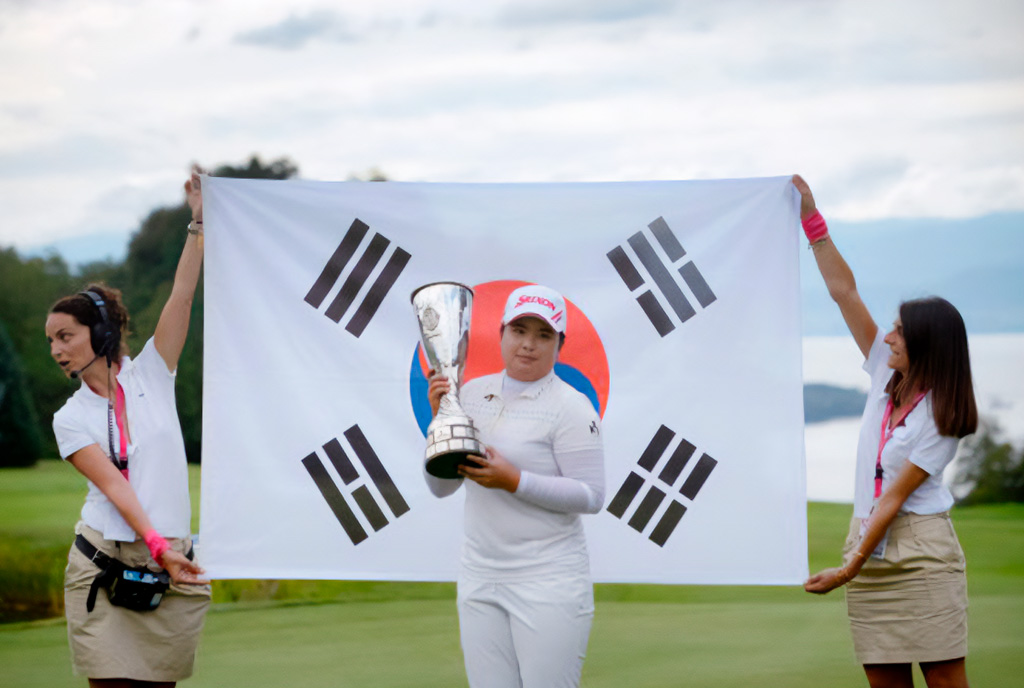
Twenty-five-year-old Inbee Park ranks second in women's golf and was the youngest ever winner of the U.S. Women's Open.
In January, 14-year-old Ko set a record as the youngest woman ever to win a professional golf tournament.
You could put it down to fierce Korean competitiveness or the "Tiger Mom/Dad" theory (golfer Se Ri Pak's father is notorious for making her sleep alone in a cemetery every night to toughen her nerves), but this phenomenon certainly deserves study.
It is widely believed that, in response to Korean dominance in the sport, the U.S.-based LPGA introduced a rule in 2008 requiring its members to learn English or face suspension.
StarCraft
One country's hopeless nerds are among another country's highest-paid celebrities.
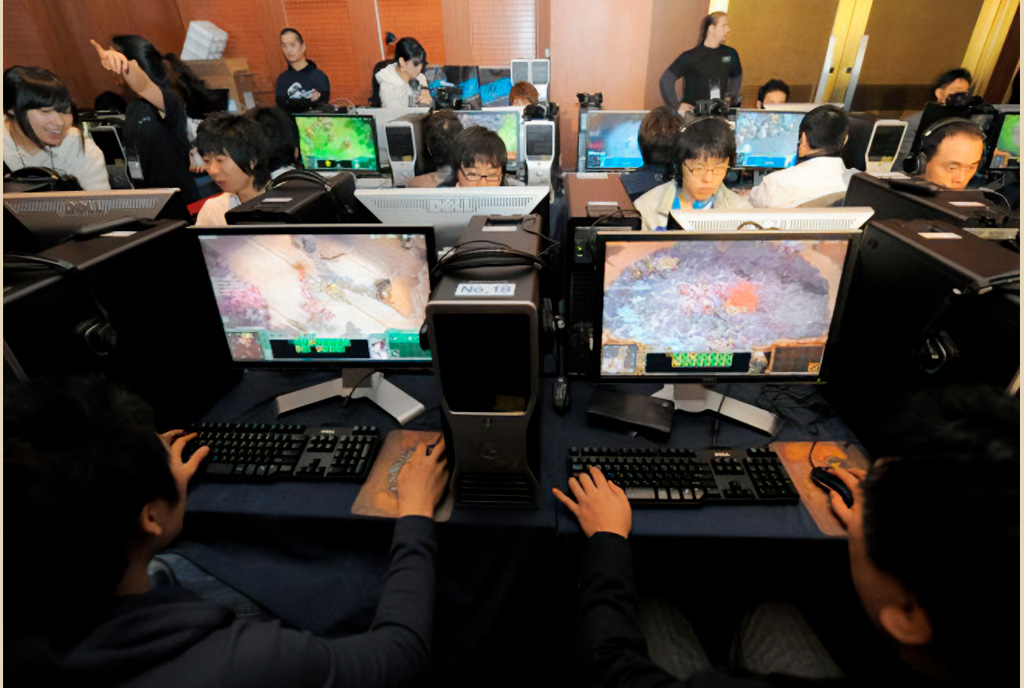
StarCraft is actually a legitimate career in South Korea, where professional gamers earn hundreds of thousands of dollars on top of advertising income.
Since the game launched in 1998, nearly half of all copies have been sold in South Korea, where boys, girls, men and women drop in for all-night gaming sessions at giant gaming halls.
There are cable channels dedicated solely to gaming, and this culture has led to roughly 14 percent of Koreans aged 9 to 12 suffering from internet addiction, according to the National Information Society Agency.
To try to combat this, the government passed a ban two years ago, dubbed the "shutdown law" or "Cinderella law," which barred anyone under 16 from accessing gaming sites. The ban was widely ignored.
Flight attendants
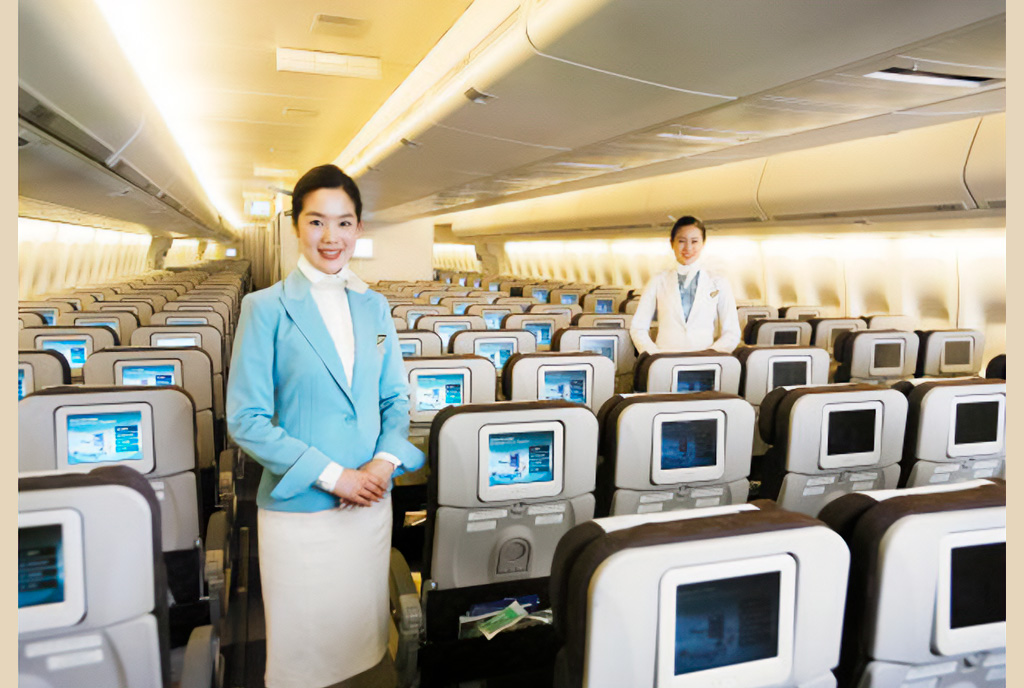
Cabin crew from airlines all over the world travel to the training centers of Korean airlines to learn the art of proper in-flight charm.
Ask anyone who has ever flown a Korean airline and see if they dare say it was not the best service they have ever had.
It is not just the sweet smiles that greet every little request, but the almost comical look of suicidal despair when they somehow run out of bibimbap in the row just ahead of yours.
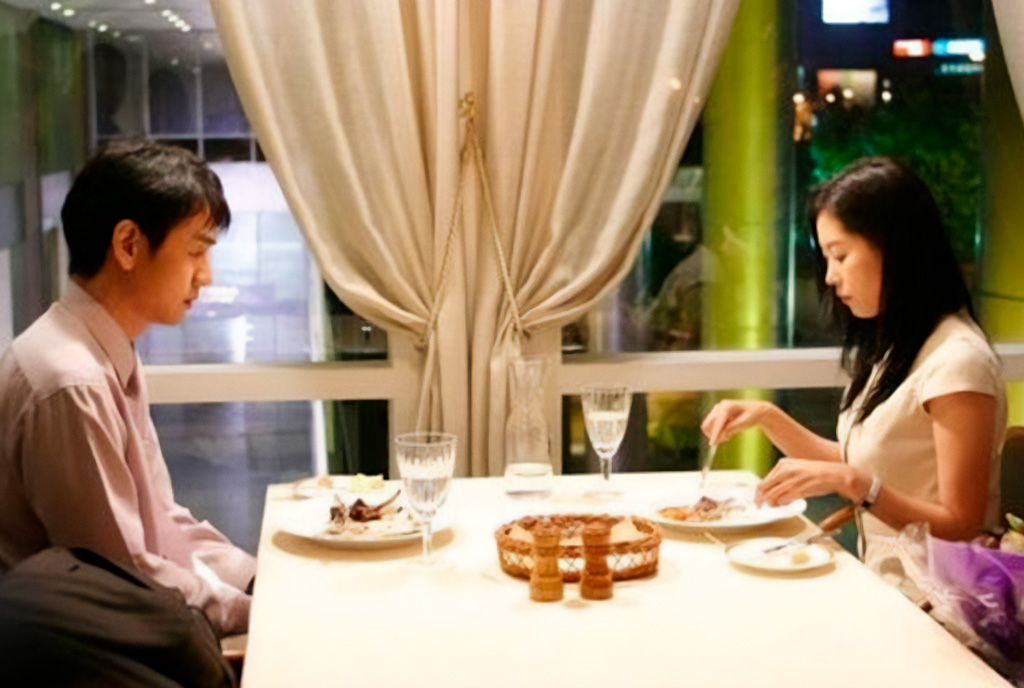
Blind dates
"When is your next sogaeting (blind date)?"
It is one of the questions most often asked of any single Korean.
The standard answer is an epic horror story about how the last blind date went, often involving a crippling Oedipus complex or an unbearable physical flaw.
Followed immediately by a cheerful, "So, do you know anyone you could set me up with?"
Thanks to the sheer number of blind dates, when Koreans make up their minds, they move fast.
According to data gathered by South Korea's largest matchmaking company, Duo, the average relationship lasts about 10.2 months from the first (blind) date to marriage for working people, averaging 62 dates per couple.
In a survey conducted by Duo, working singles interested in marriage say they typically go on two blind dates a week.
They should know. Of the four largest matchmaking companies in Korea (there are 2,500 in the country), Duo holds 63.2 percent of the market.
Plastic surgery
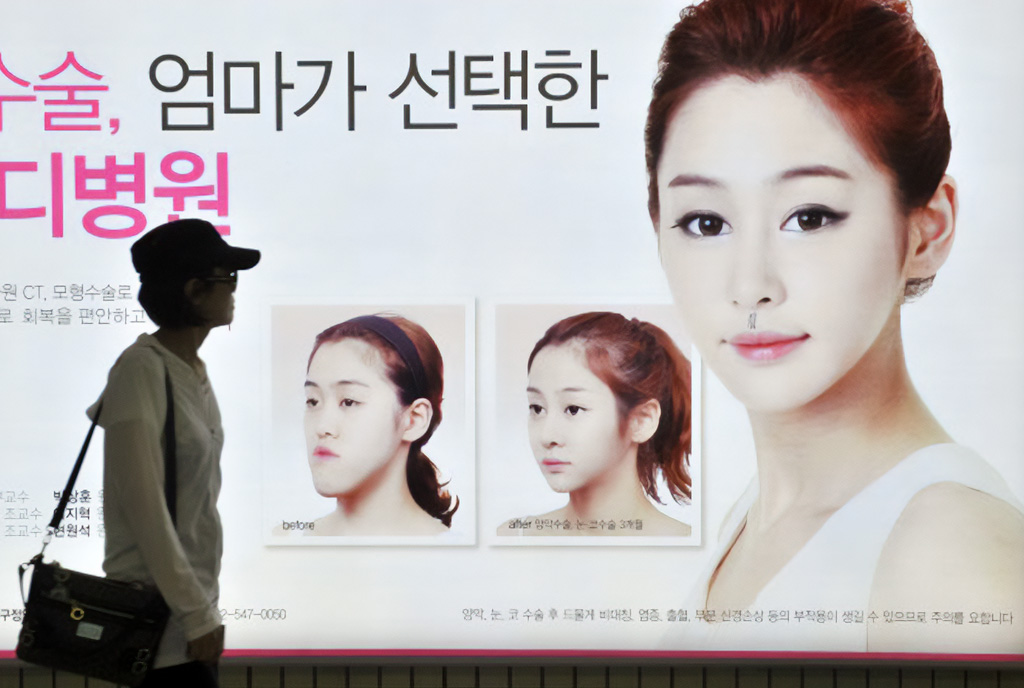
Whether it is a square jaw, a wide forehead or long teeth, there is no feature that doctors cannot refine in Asia's cosmetic surgery capital.
Russians, Chinese, Mongolians and Japanese flock to South Korea on "medical tours" for plastic surgery, drawn not only by the skill of the surgeons but by the bargain prices.
"An average, not an excellent, facelift in the United States will cost you about $10,000," said Seoul National University plastic surgeon Kwon Sung-tack. "But in Korea you can get the same service for $2,000 or $3,000."