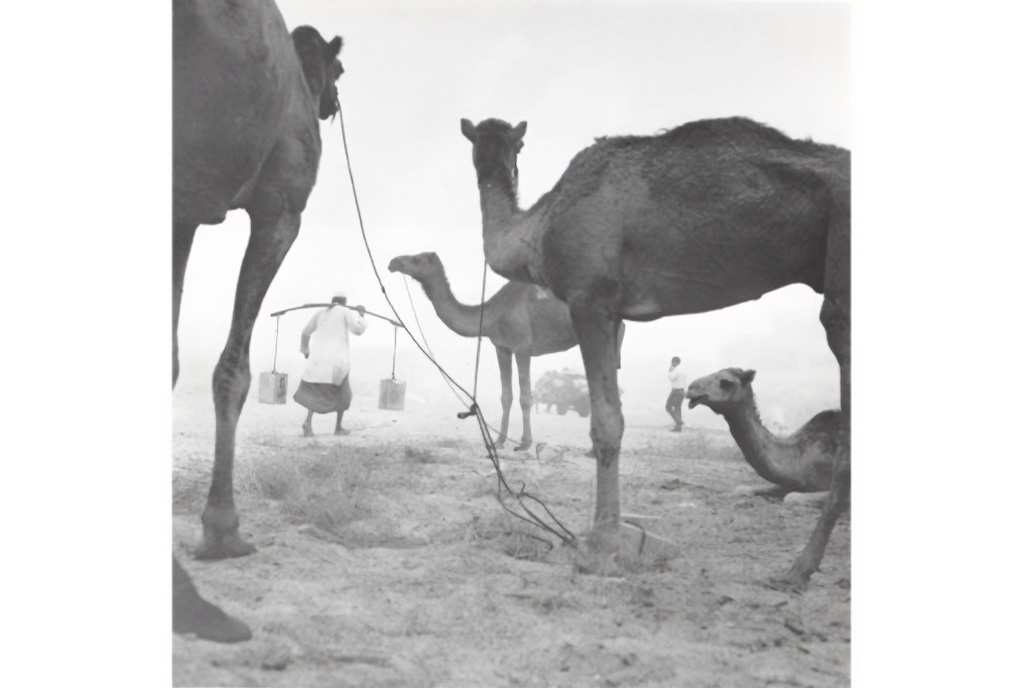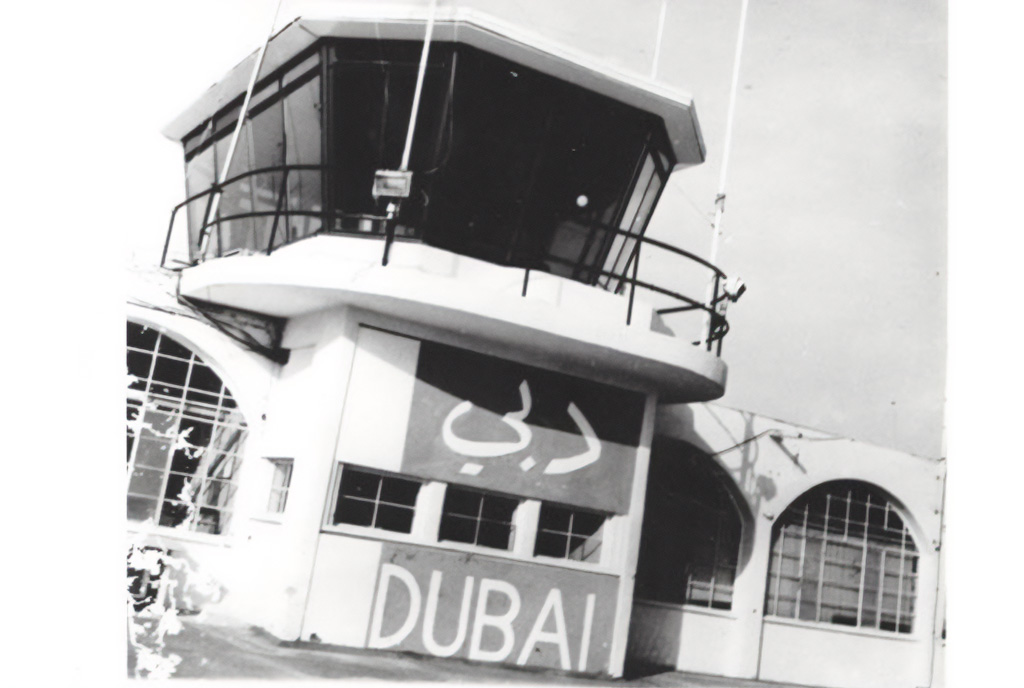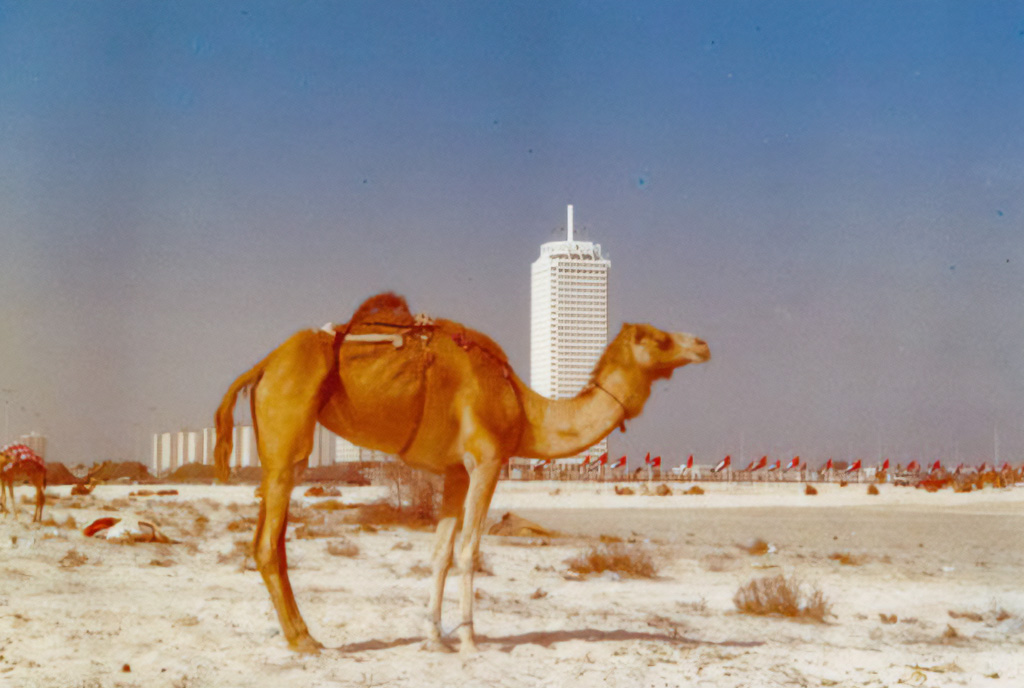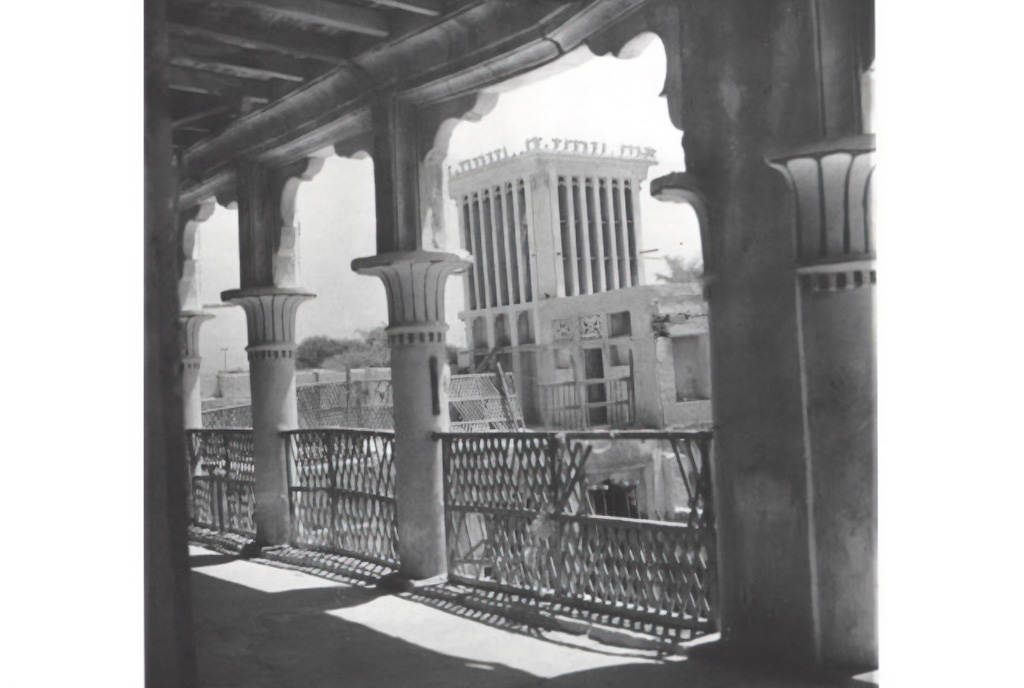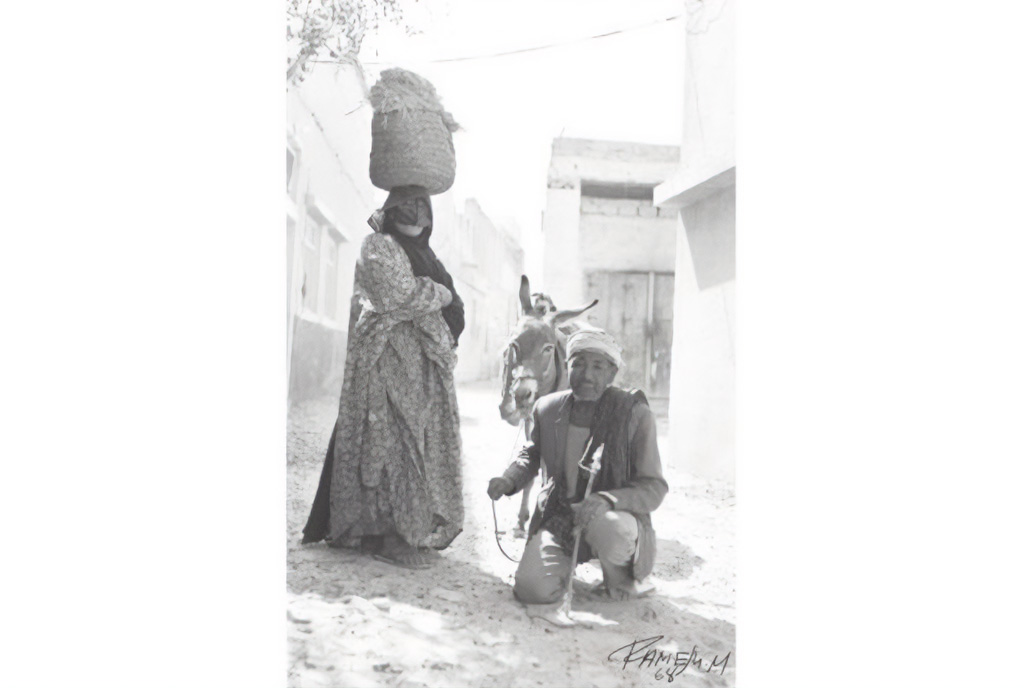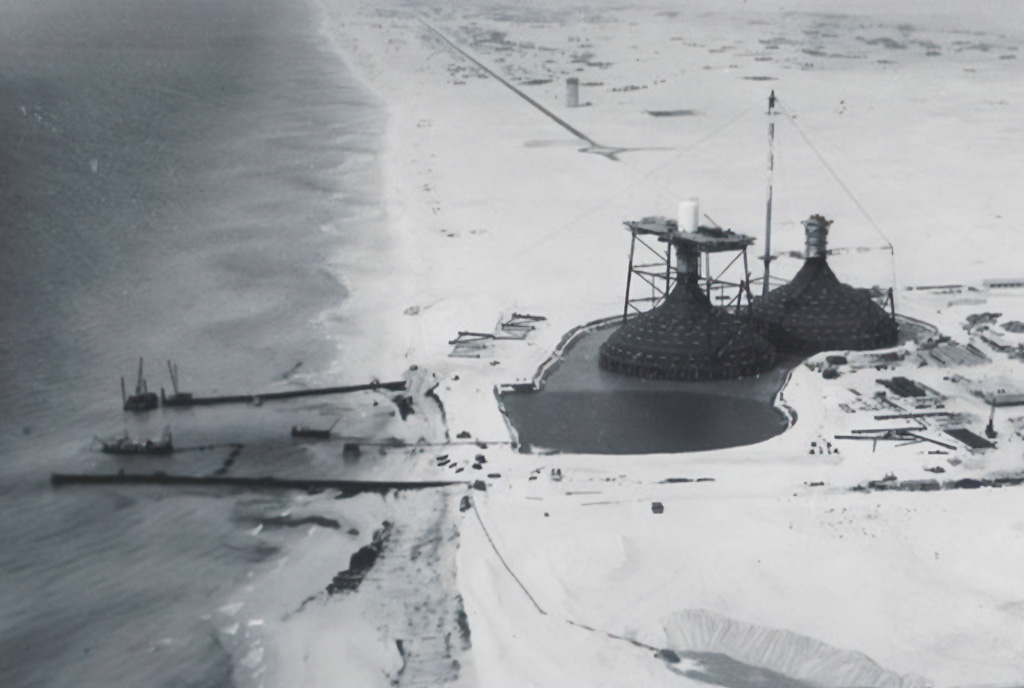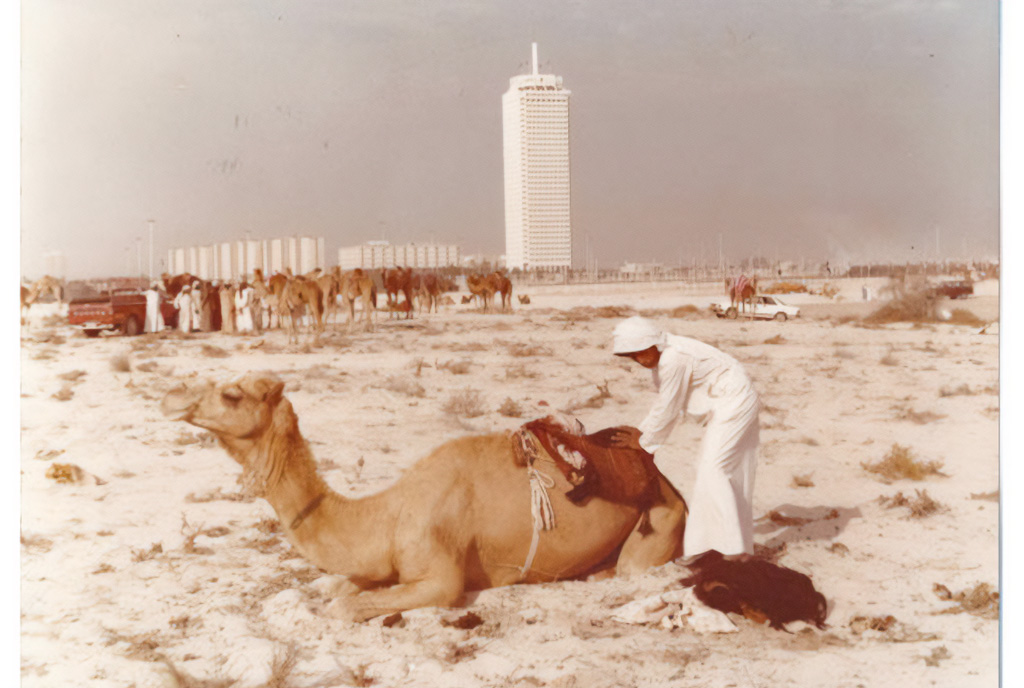


Dubai is a phenomenon of the desert. In just 50 years, it has grown from a modest trading outpost into one of the most iconic cities on the planet.
Epic skyscrapers like the Burj Khalifa and ambitious projects like The Palm speak to a city obsessed with the new, the fast and the seemingly impossible.
With a rich Bedouin heritage and a pull that draws newcomers from all over the world, there is nowhere else quite like it.
Partner links: booking through them supports the blog at no extra cost to you.
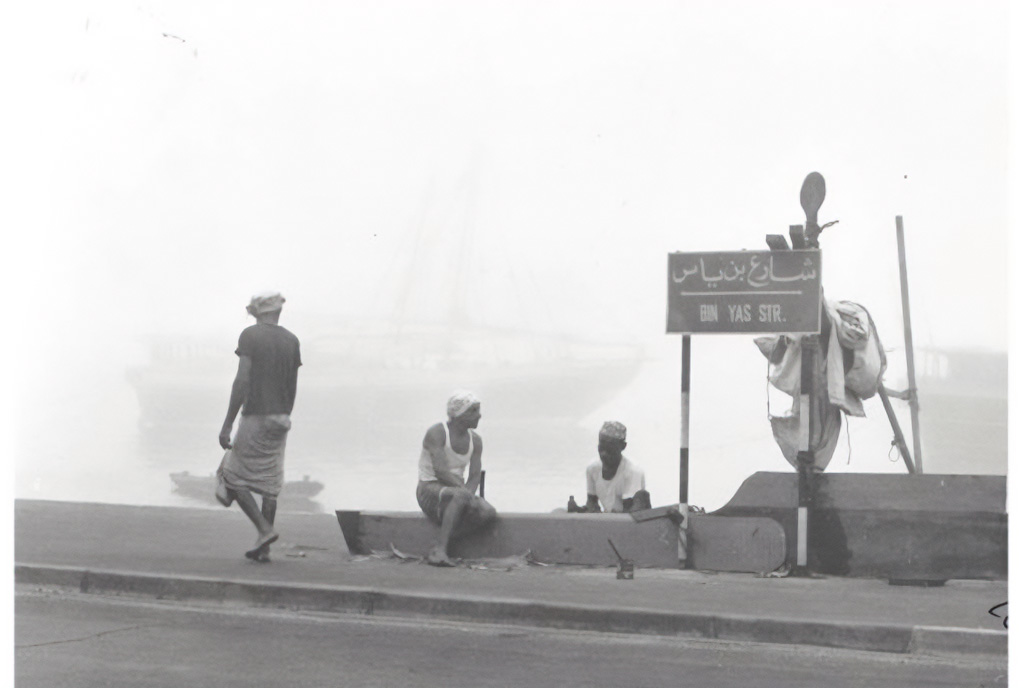
Dubai joined its neighbouring emirates to form the UAE in December 1971. At the time, no one could have predicted its rise. Yet the oil discovered beneath the region meant that extraordinary wealth was about to transform what had for centuries been a quiet corner of the Arab world, home to just 86,000 people, into something entirely modern: a science-fiction vision of what a city could be, now with almost three million residents.
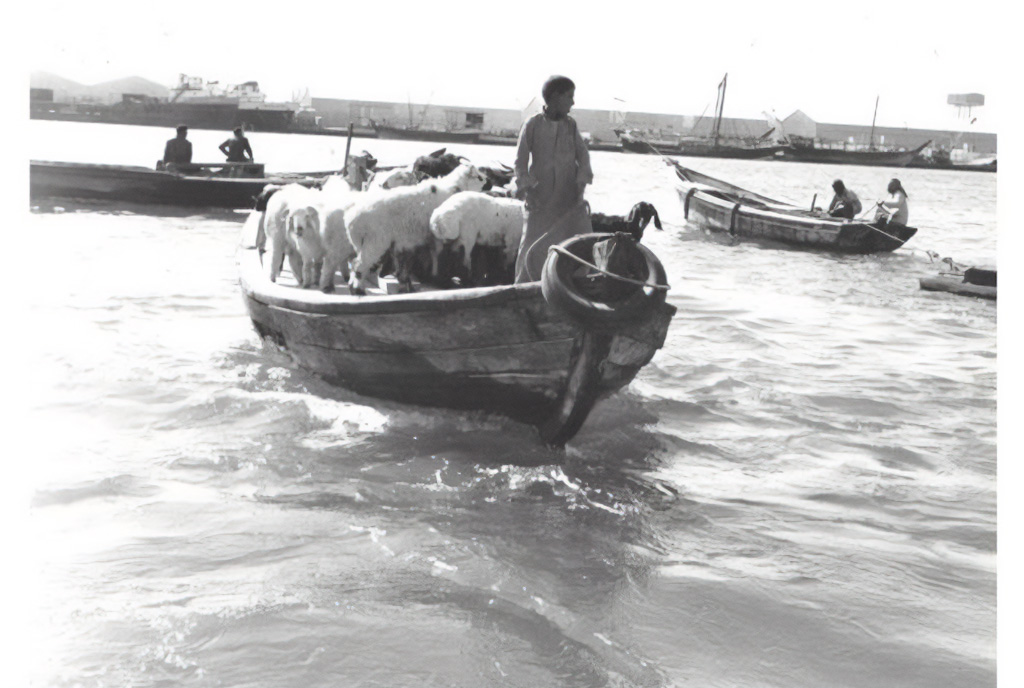
Still, to get to the heart of how Dubai grew out of the desert to become a global power, it pays to leave the tall towers and sandy beaches behind. Because its modern story does not begin with glass and steel, but with a humble wooden dhow.
Up the creek
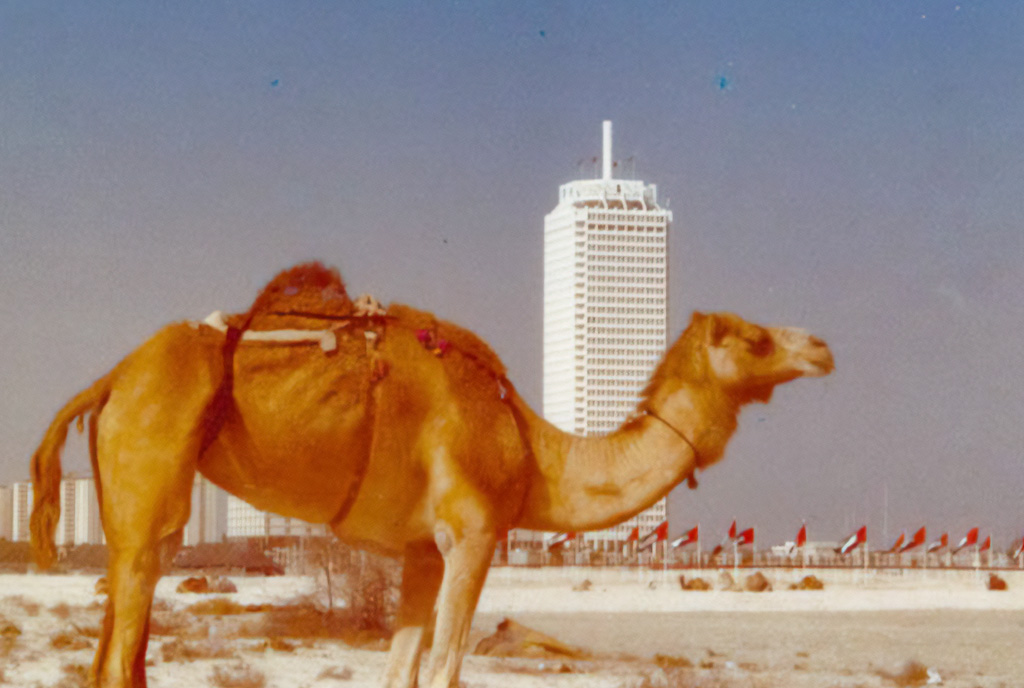
Sultan Ahmed bin Sulayem is today one of Dubai's elite. He started out as a customs inspector in what was then a sleepy port back in the 1970s, before becoming chief executive of DP World, one of the biggest port logistics companies in the world.
For him, Dubai's rise is inseparable from the trading mindset of the Bedouin tribes who have called this place home for centuries, and the dhows that still ply the waters around the city. Nowhere is that clearer than on the bustling creek where he first went to work all those years ago.
"I remember unloading cargo," he says. "Tyres, spare parts, plastic goods, food. You name it. Because this is the heart of Dubai. This is where the traders are. This is where the trade happens."
While oil played a key role in making Dubai rich, it was the trader's mindset that helped it thrive, bin Sulayem says.
"It is commerce and the merchant's mentality," he says. "Trade, commerce, ambition, faith."
He points to the massive traditional wooden dhows crowding the creek. "They carry between 500 and 1,000 tonnes of cargo. And you can see how many of them there are, side by side. They go to India, to Iran, to Africa." It is these dhows, and the goods they carry, that helped lay the foundations for the modern city rising on the horizon, just 15 minutes' drive from the creek.
Bin Sulayem's drive to create a free port in Dubai fuelled a trade boom in the 1980s and 1990s. Without it, it is unlikely that multinational companies, hotel groups and, of course, streams of tourists would have arrived to create something truly unique. But, he says, it is the stubbornness of the people and their traditional trading vessels that sit at the centre of the city's ongoing success.
"We are people of the desert, you see. Desert people are tough. I remember when I was young there was no water. We had to walk miles to fetch it. It was not as easy as it is today, but we survived. And how do you survive? Necessity is the mother of invention, and everything in Dubai is about innovation."
Innovation and persistence
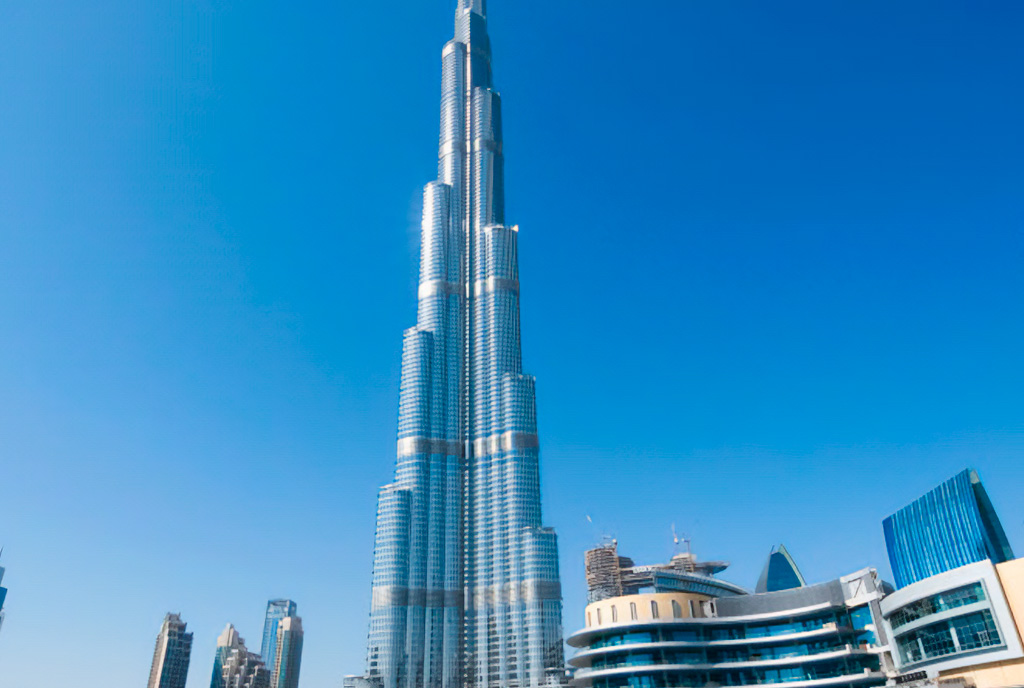
Indeed, innovation is visible everywhere in Dubai. Take the Burj Khalifa. Standing 828 metres tall, it has been the tallest building in the world since it was completed in 2008. It is the most striking building in a skyline that has sprung up since the start of the 21st century and now rivals New York and Singapore in both ambition and scale. Architecture experts may debate the seriousness of Dubai's design, but there is no denying how impressive it is.
Beyond the Khalifa, the Emirates Towers and the Al Yaqoub "Big Ben", the whole downtown skyline simply stands up and says, "We are here." Add to that the artificial Palm Islands, which have become a byword for luxury getaways, and the drive to change, innovate and try new things is undeniable.
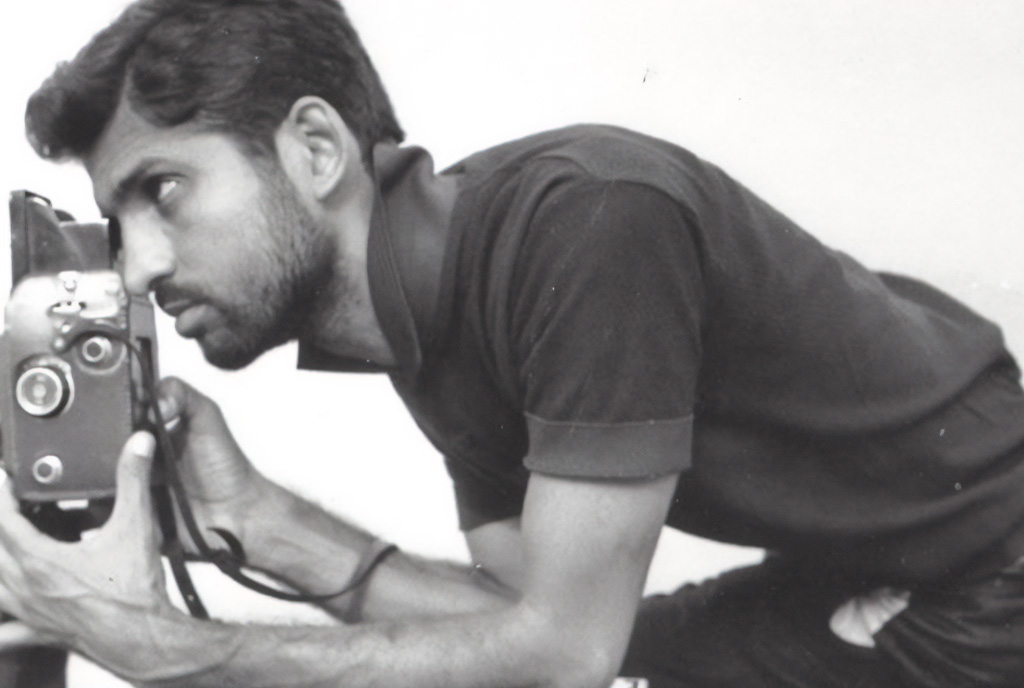
Ramesh Shukla has witnessed all of this dizzying change first-hand. A photographer, Shukla arrived in Dubai from Mumbai in 1965 with less than a dollar in his pocket.
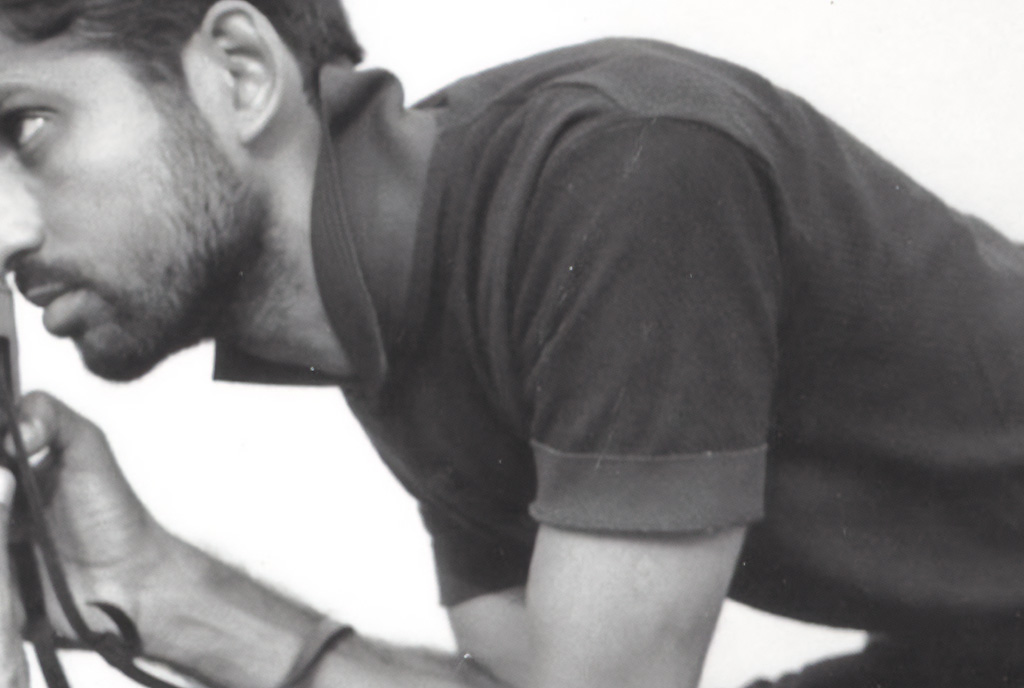
"I came with 50 rolls of film and my camera," he says. "When I first arrived, there was nothing here. There were no proper roads, just desert. It did not feel like a modern city to me. There was no running water or electricity where I lived. Nothing. It was real life. Very simple. I started capturing that life."
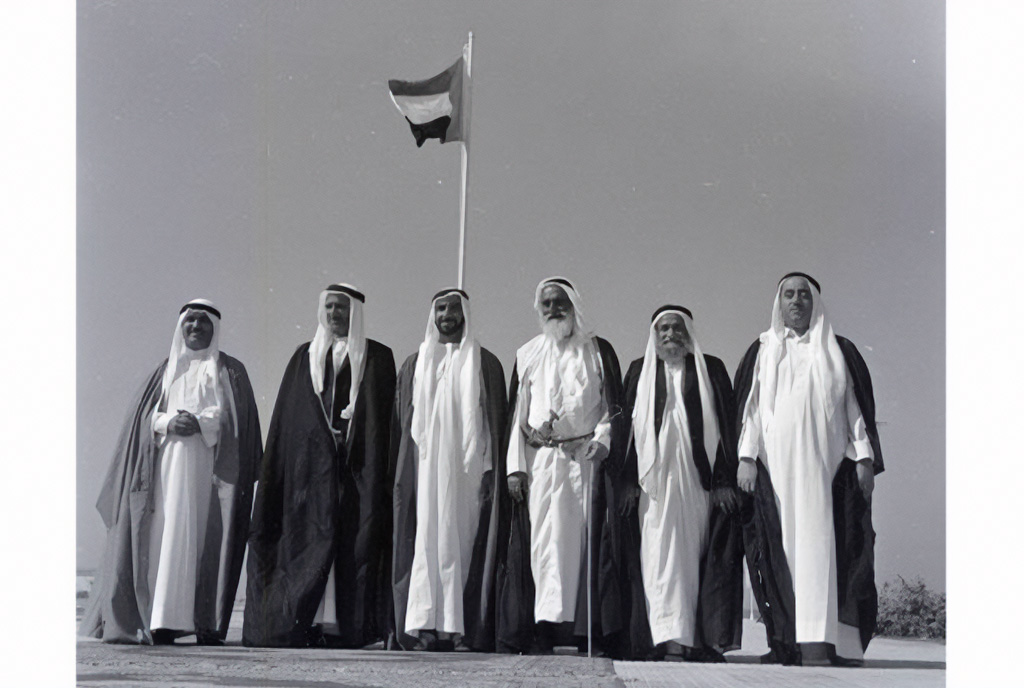
Shukla went on to document the birth of this desert megacity over the next five decades. But perhaps his most famous shot is the photograph of the sheikhs from the founding emirates of the UAE on the day the country was formed in December 1971. It is a picture that captures the beginning of Dubai's stratospheric rise and became the "Spirit of the Union" logo seen across the UAE.
Shukla is just one of millions who left their home country in search of fortune and a new life in Dubai. More than 200 nationalities call the city home, each drawn by the promise of success. As the past 50 years have shown, Dubai is as much a way of life as it is a city, one where the emphasis is on bigger, bolder and more daring.
Setting world records
This love of the big and the bold is perfectly illustrated beside the creek, where the traditions of the past are put to work in the service of the city's obsession with setting world records.
Danny Hickson, an official adjudicator from Guinness World Records, has arrived at the port to assess yet another record attempt in the Emirate, this time for the largest dhow. Never mind that it is a record no one else seems to care about; this urge to be number one is all part of Dubai's ambition to become a city of superlatives. The biggest. The fastest. The tallest. The newest.
"We have around 423 records set in the UAE as a whole. Sixty per cent of them are in Dubai. That is a huge number," Hickson explains, after confirming that the dhow, all 91.47 metres of it, really is a new world record holder. Longer than an American football field, the dhow, named Obaid, is just the latest in a long line of Dubai record breakers.
"Just this week alone we have confirmed three records," Hickson says. "This is a place that simply loves breaking records."
Beyond the massive Obaid, there is the Dubai Mall, at 12 million square feet the largest indoor shopping centre in the world.
And in the shadow of the Burj Khalifa, itself a record holder, sits the Dubai Fountain, the world's largest choreographed fountain system, spread across the 30-acre man-made Burj Khalifa Lake.
The Dubai Metro's Red Line is the longest driverless train line in the world, stretching 52.14 kilometres. It shows that records can be practical as well as entertaining.
The race for space
It is in this spirit of constantly striving to be better that Dubai is taking its next step. Straight into space. In 2020, it launched Hope, a space probe designed to orbit Mars.
The spacecraft was developed, designed and built at the Mohammed bin Rashid Space Centre, where Salem Al Marri leads the astronaut programme of the UAE's space initiative. Not content with sending an orbiter to the Red Planet, Dubai has also focused on sending its best and brightest into space.
"I mean, if you look at what we are doing here, we are giving our young people a fantastic opportunity," he says. "They are taking part in space exploration, they are part of a mission to Mars, sending people to the International Space Station. I mean, what could be more exciting than that?"
Hazza Al Mansouri became the first Emirati to travel to space, arriving at the International Space Station in September 2019. More than 4,000 Emiratis applied to take part in the mission.
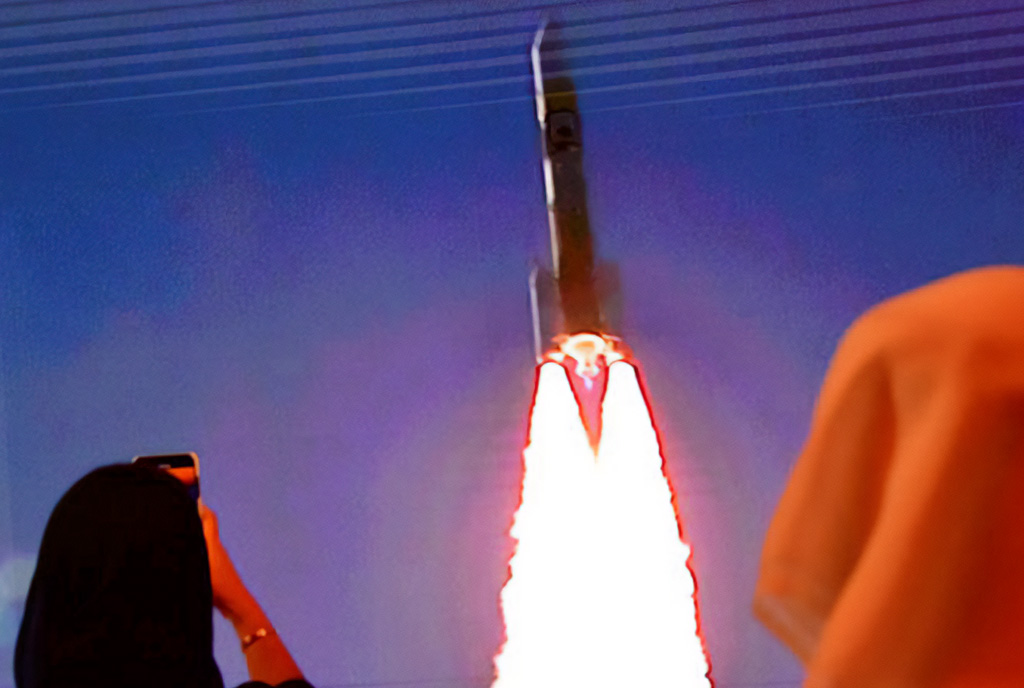
Al Marri says the astronaut programme and the launch of Hope are part of an ongoing story.
"Our ancestors are explorers at heart," he says. "Many stars have Arabic names. Arab and Muslim explorers have always looked up at the sky, at the stars. There is definitely a thread from what our ancestors did, whether a thousand or a hundred years ago, to where we are heading today. And I think that part of exploration is definitely in our DNA."
This search for the next big thing is visible everywhere in Dubai. It is what drives its people and those who come here to build a life in what was once a quiet stretch of desert. The space programme is a modern take on Dubai's mantra, "If we build it, they will come." Now it is, "If we build it, we will go."