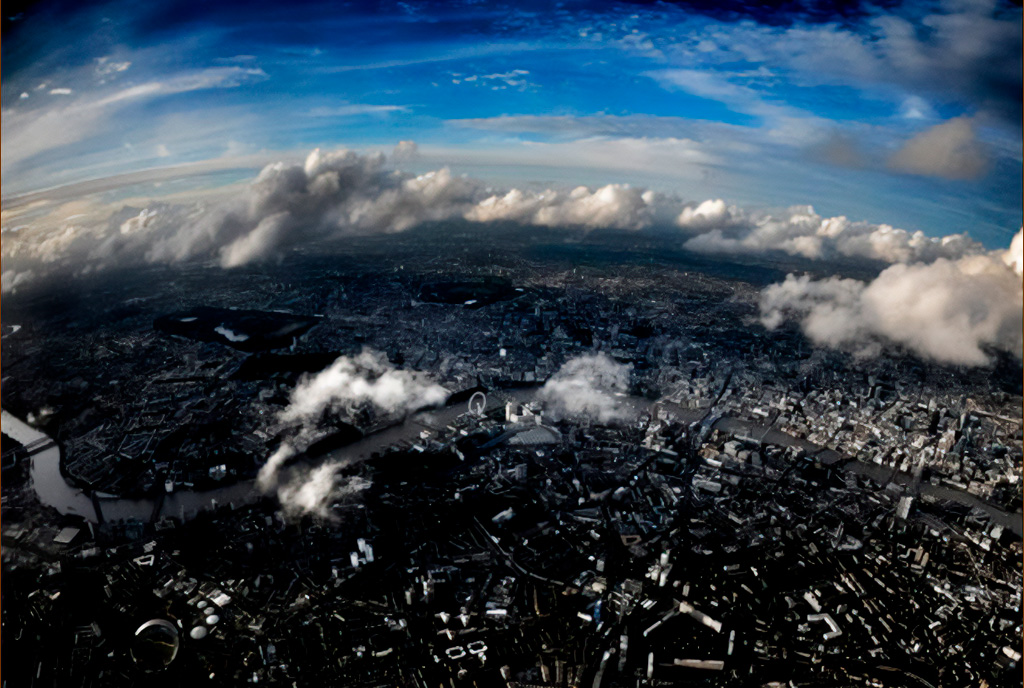


London's status as a global aviation hub stretches well beyond Heathrow. The British capital is served by six airports, some of which push the geographical definition of London to its very limits.
Whether you're arriving on a budget flight into Luton or setting off on a long-haul journey from Gatwick, our guide to London's airports will tell you how to get to and from the city, and what to expect at the terminal.
Heathrow (LHR)
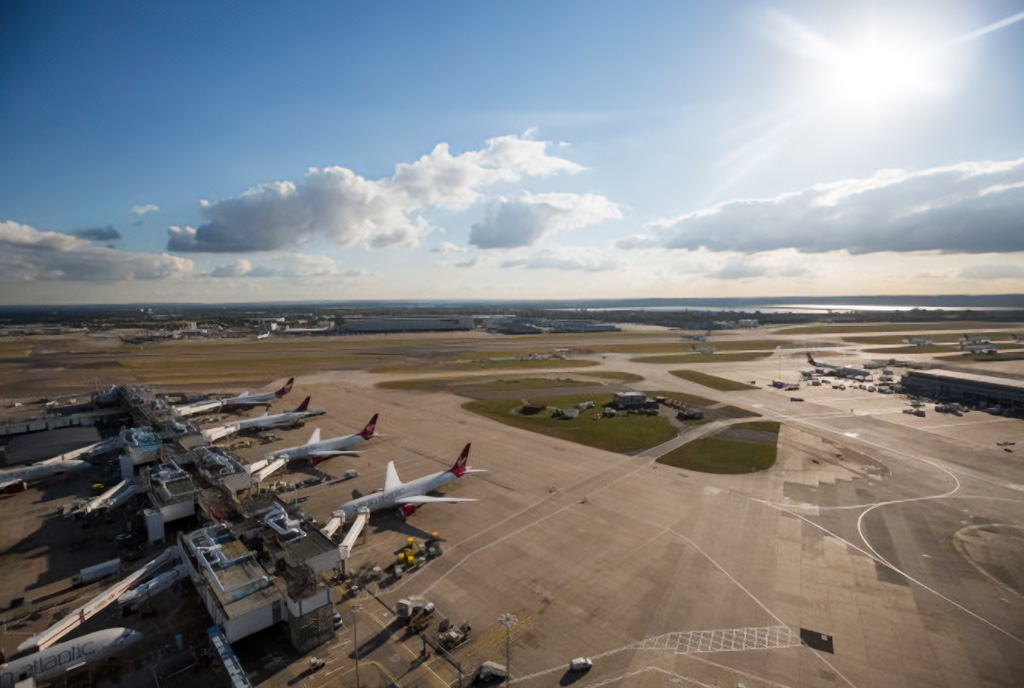
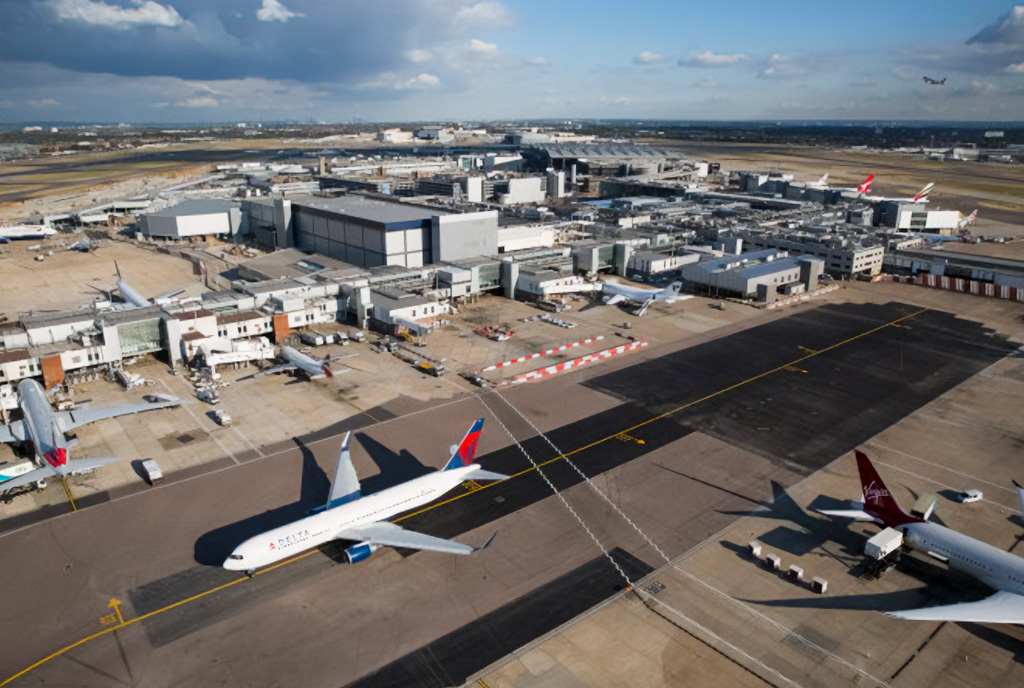
Heathrow, London's main hub, is also one of the busiest airports in the world: 80.1 million passengers passed through it in 2018.
Partner links: booking through them supports the blog at no extra cost to you.
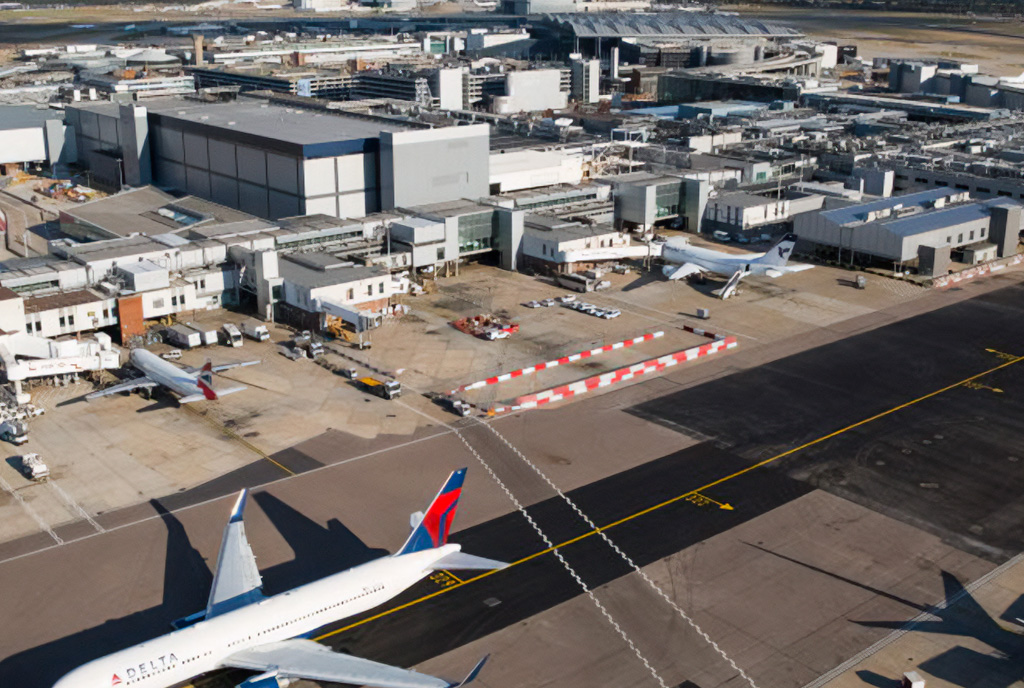
Spread across five terminals and just 14 miles west of central London, it's the most convenient airport for getting into the city.
The Piccadilly line on the Underground serves three tube stations (Heathrow Terminals 1, 2 and 3; Terminal 4; and Terminal 5, all in fare zone 6), with trains running every few minutes throughout the day and a journey time from zone 1 of around 45 minutes.
You can travel using an Oyster card, a contactless payment card, or a paper ticket. Of course, you'll be at the mercy of the Underground, which, while fairly reliable on the whole, isn't always pleasant for a long ride.

As an alternative, there's a train that runs directly to Paddington station in west London. The Heathrow Express takes 15 minutes to Terminals 1, 2 and 3, and another 5 minutes to Terminals 4 and 5, though on-the-spot tickets are notoriously pricey.
Long regarded as the most expensive rail route in the UK, sharp criticism led to the introduction of cheaper advance tickets; if you book a month or two ahead, you can usually land a good deal.
Holders of UK national railcards can also get a discount on advance tickets, and business class offers more legroom.
Another rail service, formerly known as Heathrow Connect, now runs under the TFL Rail brand, and it's set to become part of the soon-to-launch Crossrail service.
This train stops at intermediate stations between Paddington and Heathrow, sits somewhere between the Piccadilly line and the Heathrow Express on price, and you can pay for it with Oyster or contactless.
A word of warning: you won't be able to reach Terminal 5 on this route, as it stops at Terminal 4.
National Express runs coach services from Victoria Coach Station, a five-minute walk south of Victoria railway station. The journey time is optimistically advertised as 35 minutes, though London's notorious traffic often means it can take twice as long.
A traditional black cab can take you to and from Heathrow while sparing you public transport altogether. But depending on traffic, the journey can take anywhere from 30 minutes to an hour, and fares can run high.
Cabs can usually carry five passengers, some larger vehicles can fit six, and they also accommodate wheelchairs and pushchairs.
Ride-sharing services such as Uber and the business-focused Addison Lee, or minicabs (as pre-booked taxis are known in the UK), can be arranged for private journeys and will likely cost less than a cab hailed on the spot, but they'll still be fairly expensive.
Although Heathrow can sometimes feel like a shopping centre with an airport attached, it's without doubt the best airport in London.
Every major airline flies here, and the facilities are mostly excellent. That said, the fact that it operates at 99% capacity means it's often extremely busy. Arrivals from outside the European Union should brace themselves for long queues at immigration.
Gatwick (LGW)
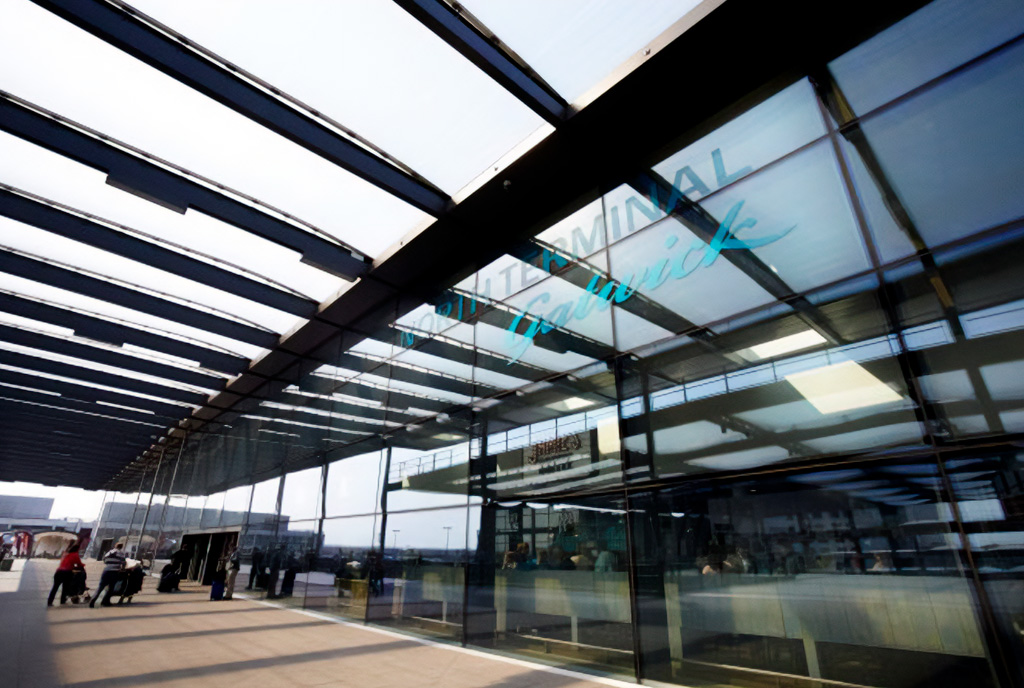
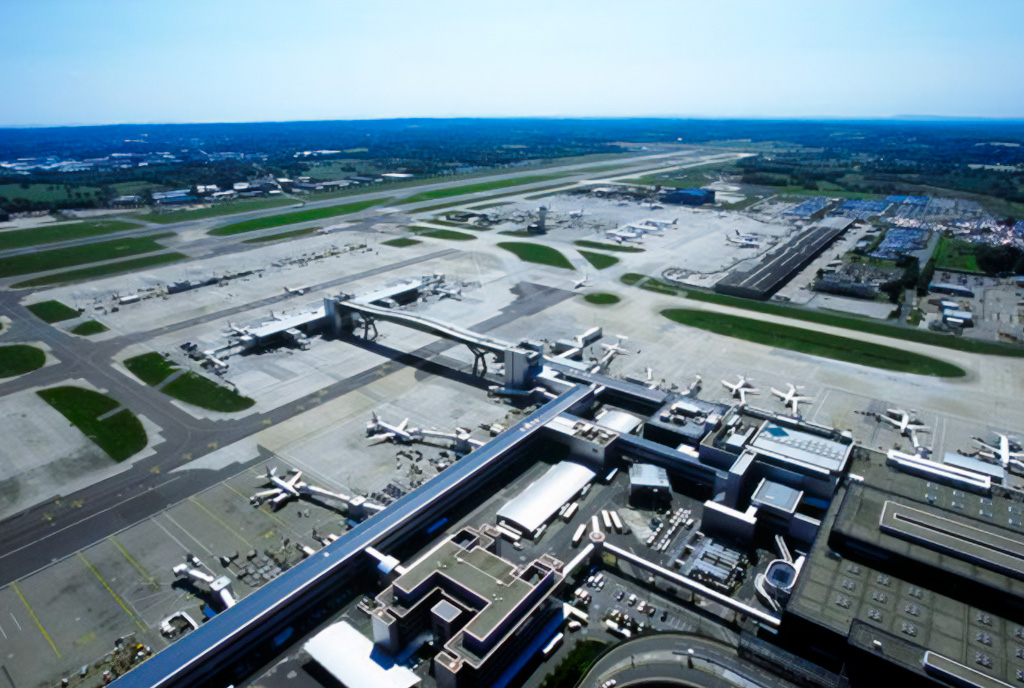
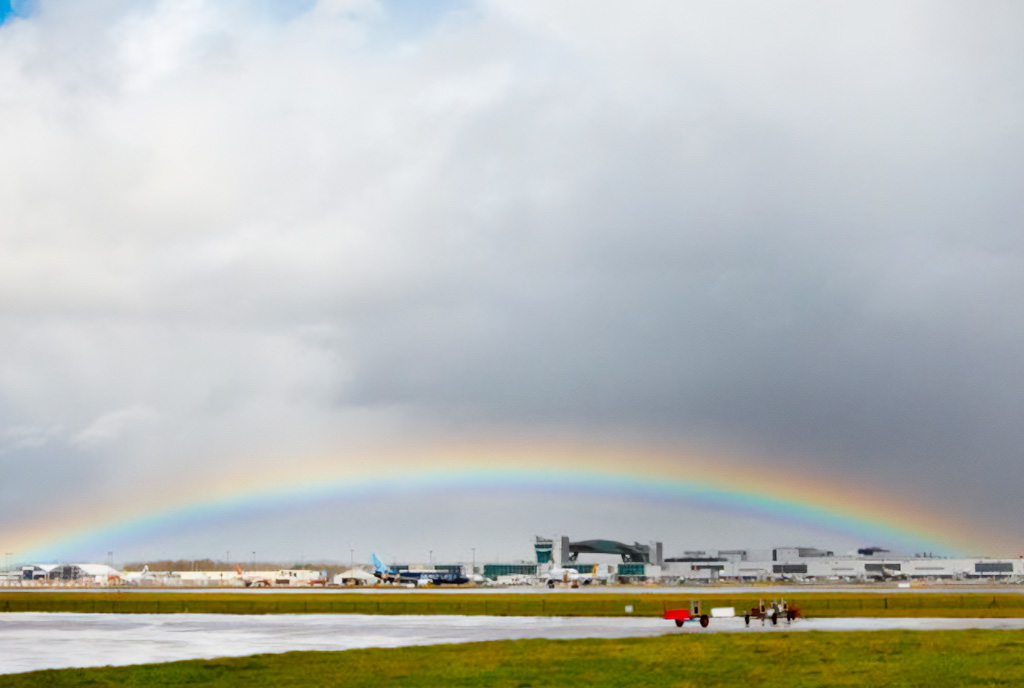
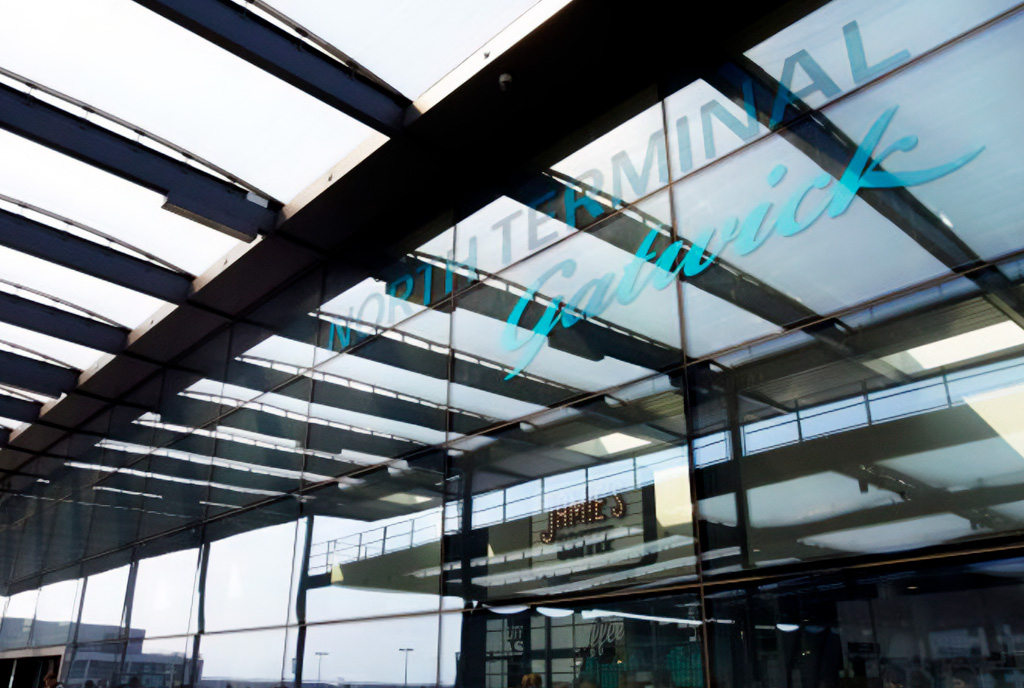
Sitting around 25 miles from the city centre, Gatwick feels more like the suburbs than central London. Split across two terminals (North and South), which have mercifully been refurbished in recent years, Gatwick handled a huge 46.1 million passengers in 2018.
That considerable distance from the centre means getting to and from Gatwick can be expensive and time-consuming unless you book your transport in advance.
Thanks to the UK's somewhat opaque rail ticketing system, it's all too easy for first-time visitors to end up with the wrong ticket on the wrong train.
Gatwick's railway station is served by Gatwick Express, Southern and Thameslink trains.
The Gatwick Express, like the Heathrow Express, is similarly rather expensive.
National railcard holders can get discounts on Southern, Thameslink and Gatwick Express.
Bear in mind that boarding a Gatwick Express train with a Southern or Thameslink ticket can land you a penalty fare.
This rail line is also regularly hit by disruption due to ageing tracks and signals, strikes, and generally poor service. Southern is statistically the worst rail operator in the UK.
Even so, if you're travelling to and from south London, or even the south of England, it's very convenient.
Gatwick Airport's railway station is cramped, and queues can be very long, so if you can, buy your tickets online and print them at home.
If all of this sounds stressful (and it genuinely is, even for Londoners), Gatwick offers its own taxi service to central London, with a journey time of up to 90 minutes.
Once again, a ride in a taxi or minicab, whatever the type, will naturally cost more than public transport.
Coaches run from Victoria Coach Station to Gatwick and are far cheaper than the train. easyBus offers very cheap advance tickets and also drops passengers at London Waterloo station. National Express is another option, with kiosks at both the North and South terminals.
For the brave (or simply reckless), Gatwick has impressive cyclist access. It sits on National Cycle Route 21, which runs from Greenwich in south London, and it has bike parking as well as cycle lifts for getting in and out of the South Terminal. Perfect if you're setting off on a journey on two wheels.
Gatwick's security usually moves faster than Heathrow's, and immigration queues generally flow quickly thanks to automatic gates. Its restaurants have also noticeably improved in recent years. However, the sheer number of shops, just as at Heathrow, means there's limited seating and space to relax before departure.
Stansted (STN)
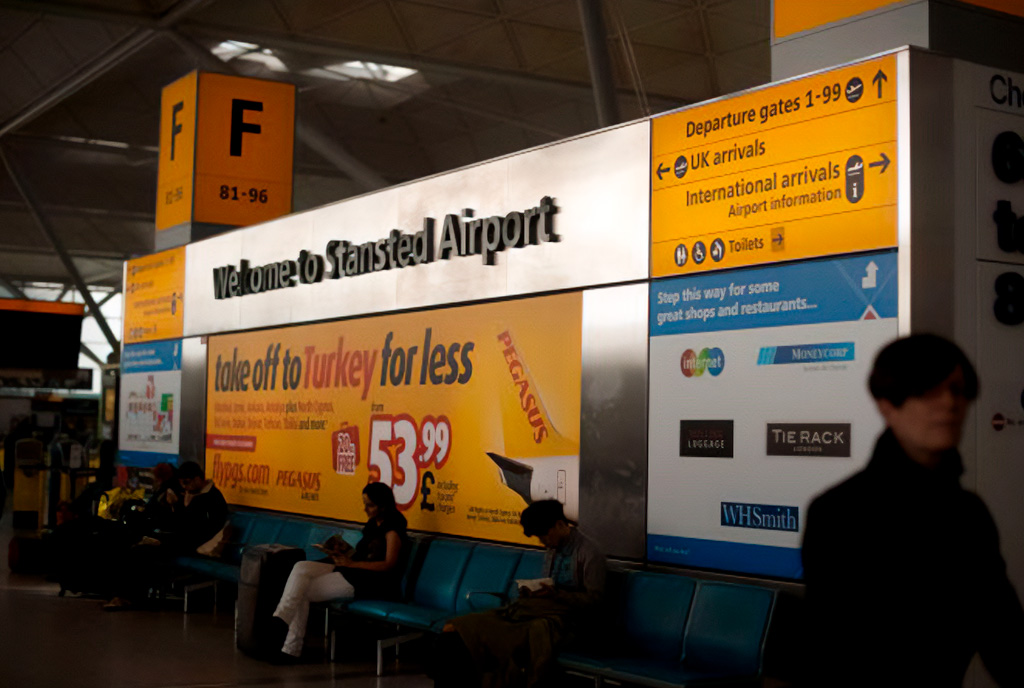
With more scheduled flights to Europe than any other UK airport, Stansted is hugely popular with those flying budget routes to and from continental Europe.
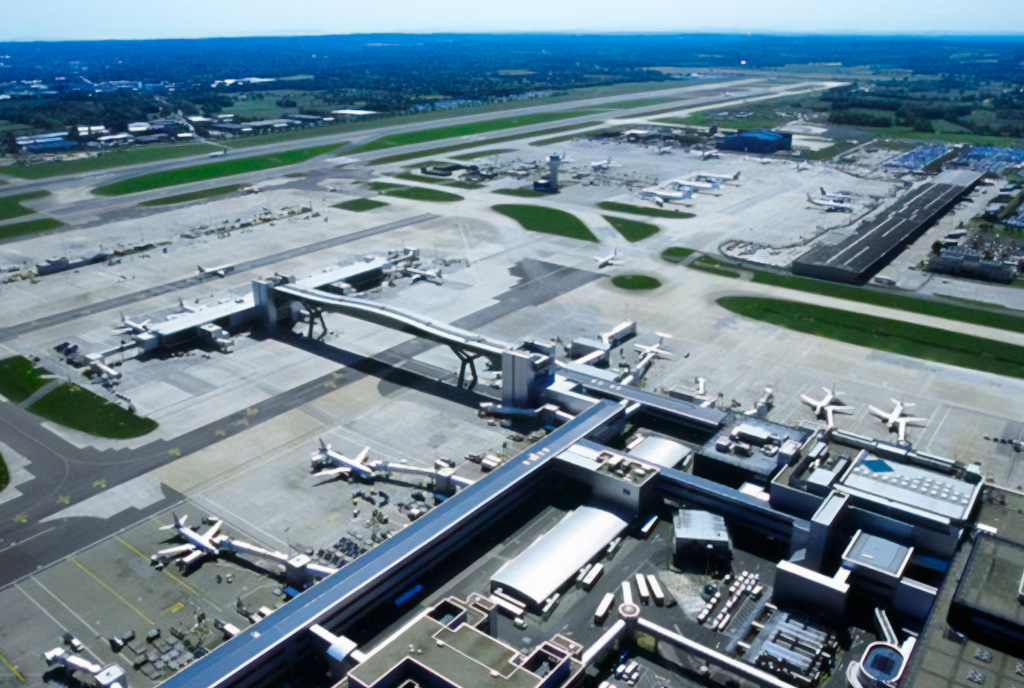
Originally a Second World War airfield, it has a two-mile runway built to accommodate US Air Force Flying Fortresses, though today's aircraft are far smaller and far less menacing (not counting Ryanair's molten in-flight sandwiches).
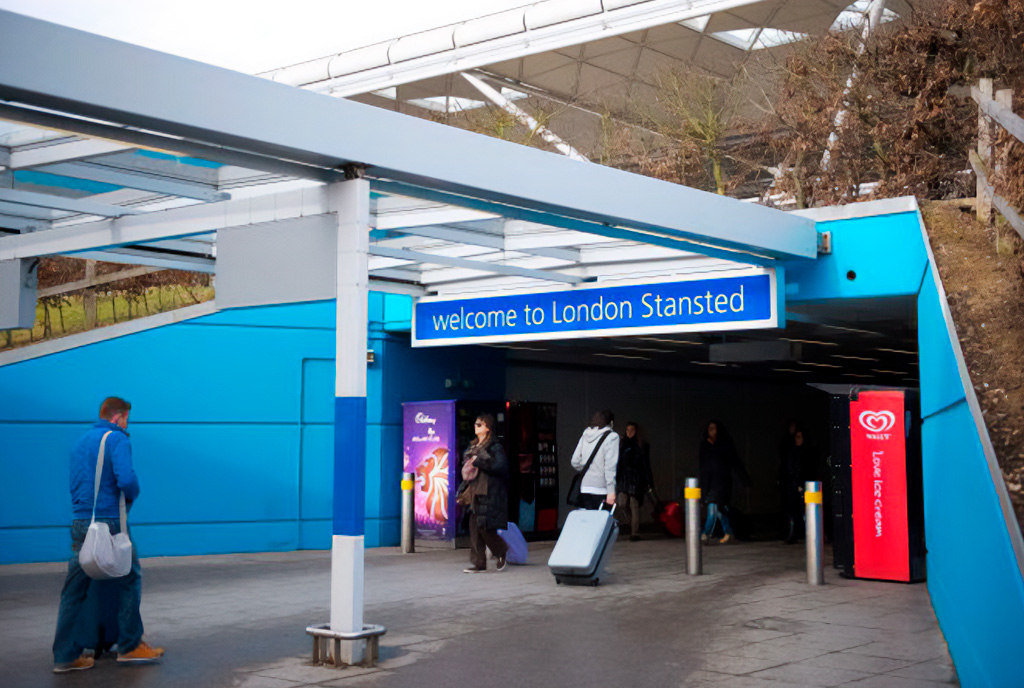
Located thirty miles out, roughly midway between Cambridge and London and surrounded by the green landscapes of Essex, Stansted is easiest to reach from the east of the city.
The Stansted Express rail service runs every quarter of an hour and takes 45 minutes to and from Liverpool Street station in London's financial district. It also stops at Tottenham Hale for a change onto the Victoria line of the London Underground and into the city centre.
National railcard discounts apply here too.
The Stansted Express also offers first-class tickets, which include a Fast Track pass that lets you skip the security queue. First-class seats are wider than standard, with more legroom. A catering trolley, where you pay for snacks and drinks, offers refreshments for all passengers.
National Express coaches run to Stansted Airport around the clock. The journey can take as little as 50 minutes, but congestion getting into and out of the city can easily stretch trips closer to the two-hour mark.
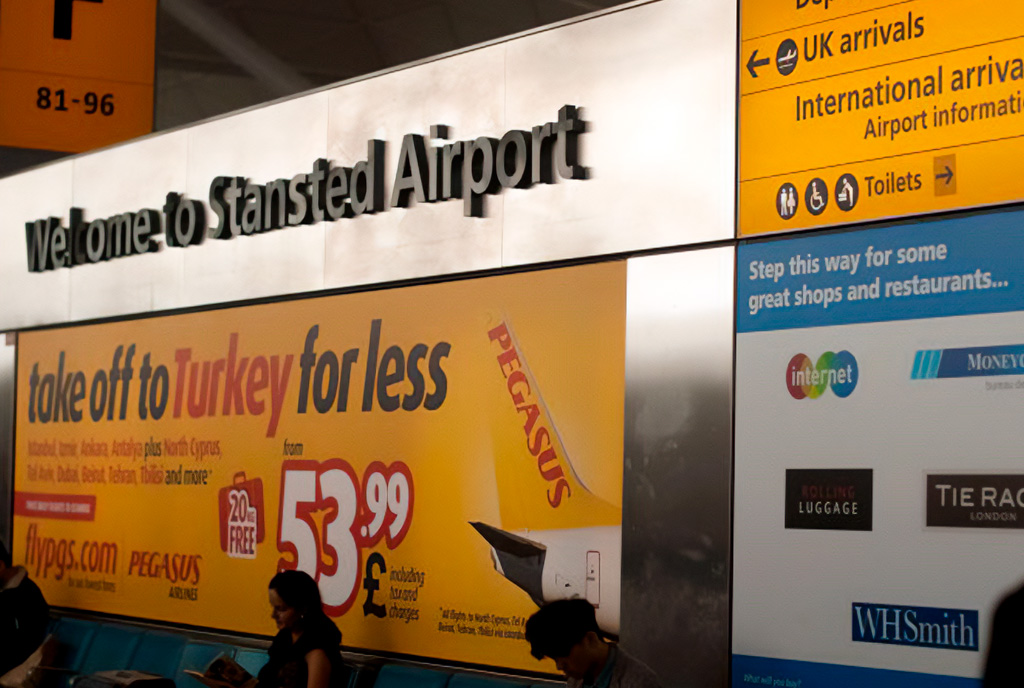
Pre-booked taxis or minicabs from central London to Stansted Airport can be good value, but hailing a black cab for the full 30-mile trip can be very expensive.
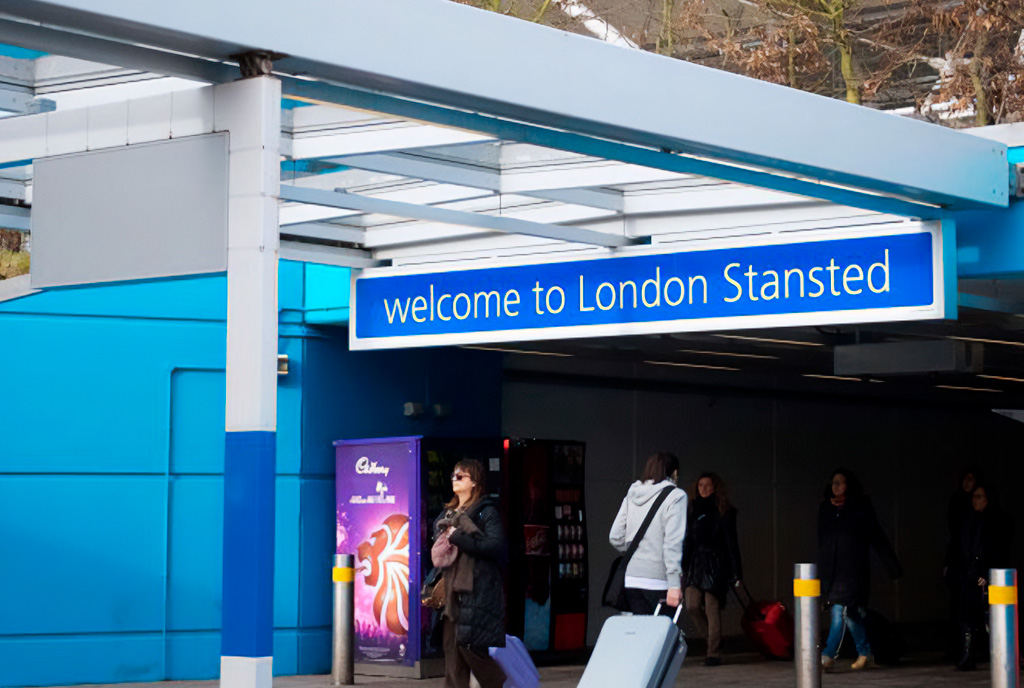
Stansted has just one terminal, an award-winning Norman Foster design that opened in 1991.
However, its original spacious, light-filled concept has been critically undermined in recent years by the unshakeable British obsession with turning every free space in an airport into a shop. As a result, the terminal can feel cramped.
Luton (LTN)
Like Gatwick and Stansted, London's fourth airport, in Luton, sits almost 30 miles from the city centre. Even so, despite being that same distance out, it's the quickest of the three to reach by train (not counting the shuttle to the terminal).
East Midlands trains run fast, hourly services from London St Pancras station to Luton Airport Parkway station, taking roughly 30 minutes. Thameslink provides a more frequent connection from St Pancras.
UK national railcard discounts apply.
Visitors should remember to buy a ticket to Luton Airport, not to Luton Airport Parkway station. The latter is the nearest station to the airport, and all passengers need to take a shuttle to the terminal. This adds 10 to 15 minutes to the overall journey time.
National Express coaches pick up and drop off passengers at 30 different locations across London from Luton Airport.
The journey time from Victoria Coach Station can take up to two hours at rush hour, though off-peak it drops to around an hour.
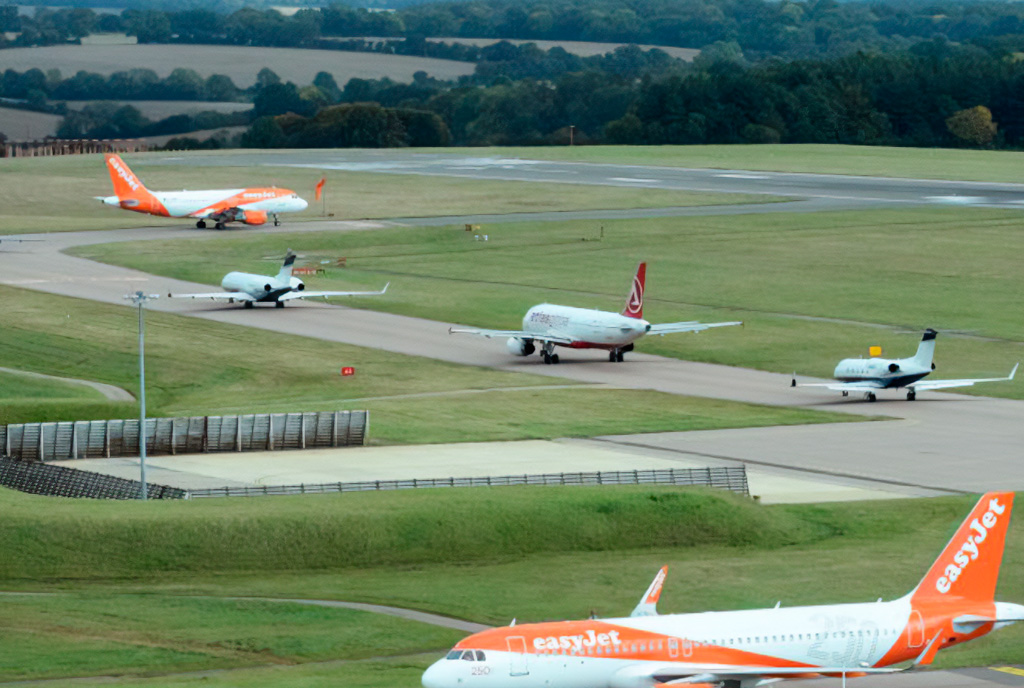
Once again, a pre-booked taxi is also an option. Luton Airport sits right by the M1 motorway, so traffic can be heavy, especially early in the morning and in the evening.
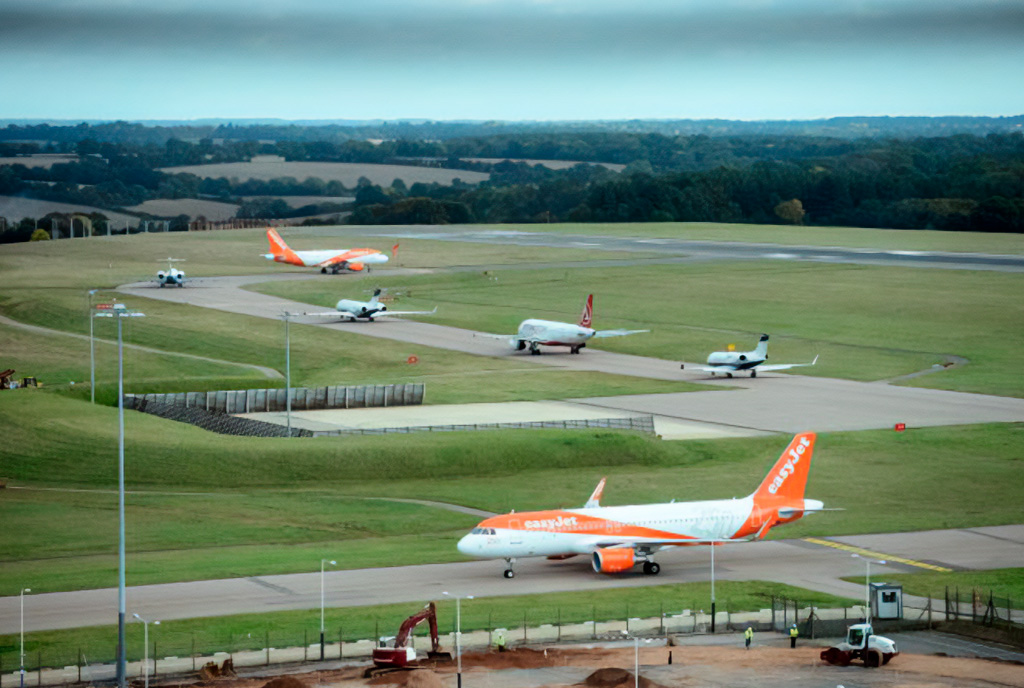
The airport itself is basic, with too little seating once you're through security. The dominance of budget airlines such as easyJet means many flights leave very early, and crowds start gathering from around 4am.
Passengers often have to queue in corridors to board rather than wait in a dedicated waiting area.
In 2018, the airport unveiled a 160 million pound transformation, boosting its capacity.
City (LCY)
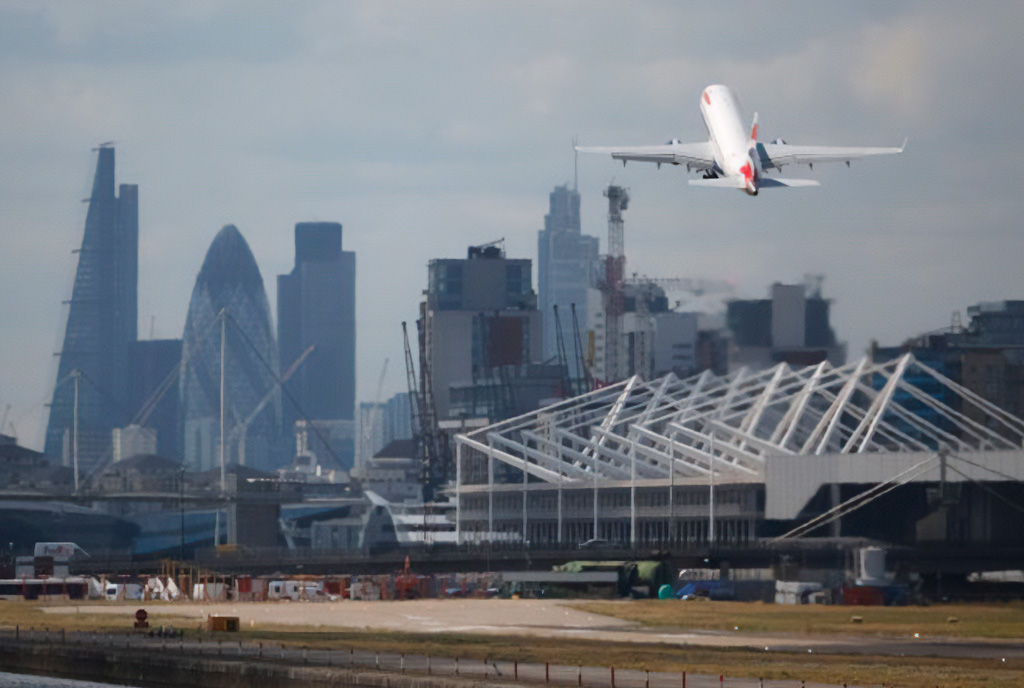
Arguably London's most convenient airport, City sits in the heart of the Docklands, six miles from the City financial district and a stone's throw from Canary Wharf.
Flights to and from City tend to be short hops to Europe for business travellers, though the BA1, a 32-seat business-class-only British Airways service to New York, gives it an edge with the bankers and suits working nearby.
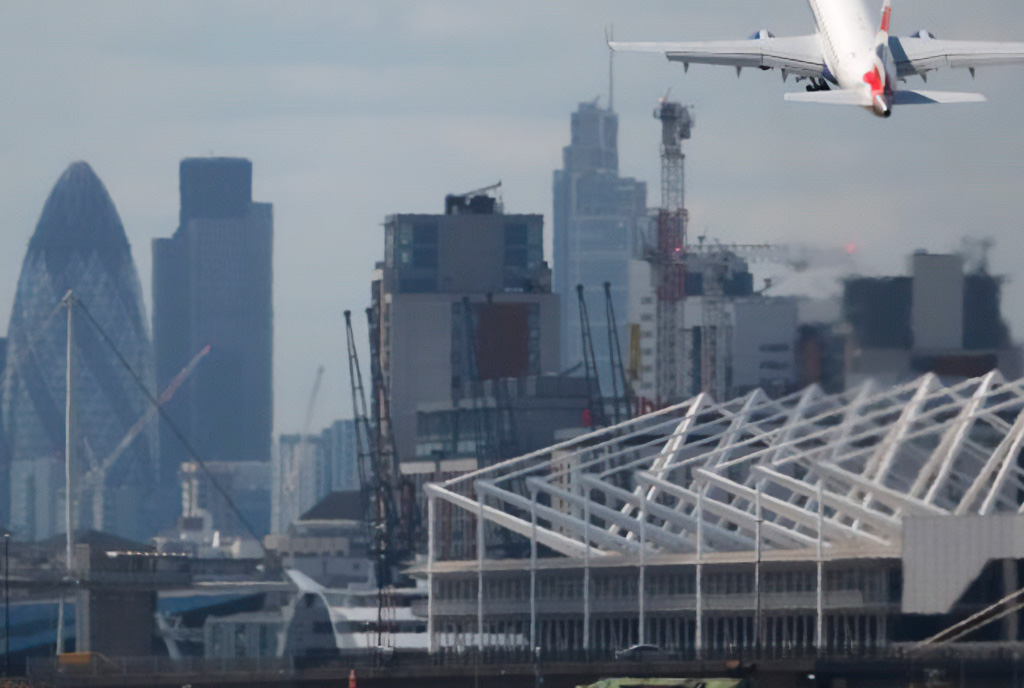
City has no mainline railway station, but you can reach it via the Docklands Light Railway (DLR). You can travel directly from Bank station in the very heart of the City of London in 20 minutes.
Alternatively, you can take the Jubilee line to Canning Town, from where it's just a seven-minute DLR ride to the airport. City Airport is in zone 3, and you can use an Oyster card or a contactless payment card.
Taxis or minicabs from the City take around 40 minutes and can be fairly expensive, though more reasonable than from the out-of-town airports. Local bus routes also serve the airport, though understandably they take a roundabout path through the surrounding areas, and they're best avoided if you're in a hurry.
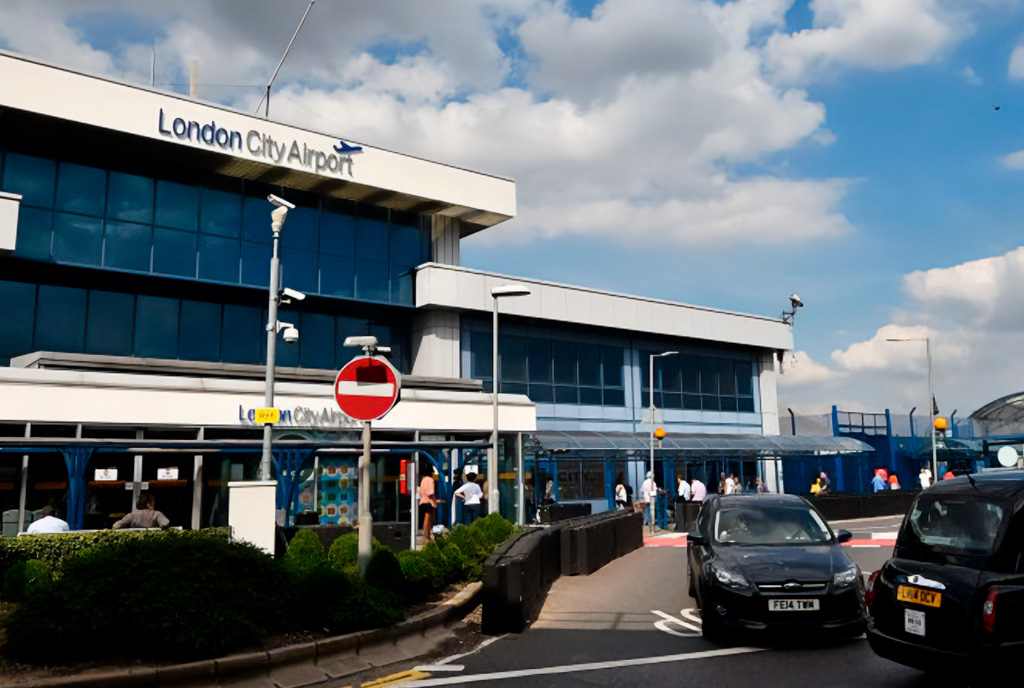
City Airport is small, with a handful of restaurants and lounges, and it has more of a "business traveller" feel than a "holidaymaker" one. The relatively small number of flights taking off and landing means it rarely feels crowded. Its compact size also means you can walk from the DLR station to the arrivals and departures areas in no time.
Southend (SEN)
History shows that city boundaries are fluid. But not so fluid as to include an airport that lies 42 miles from central London.
Southend is a town deep in Essex, where the Thames opens out into the North Sea. But its little airport has become an important hub for visitors using budget airlines to fly to short-haul destinations across Europe, mainly France and Spain.
Greater Anglia trains run directly from London Liverpool Street station to Southend Airport, with a journey time of just over 50 minutes. Cheaper advance tickets for certain services are available online. National railcard discounts apply and first class is available.
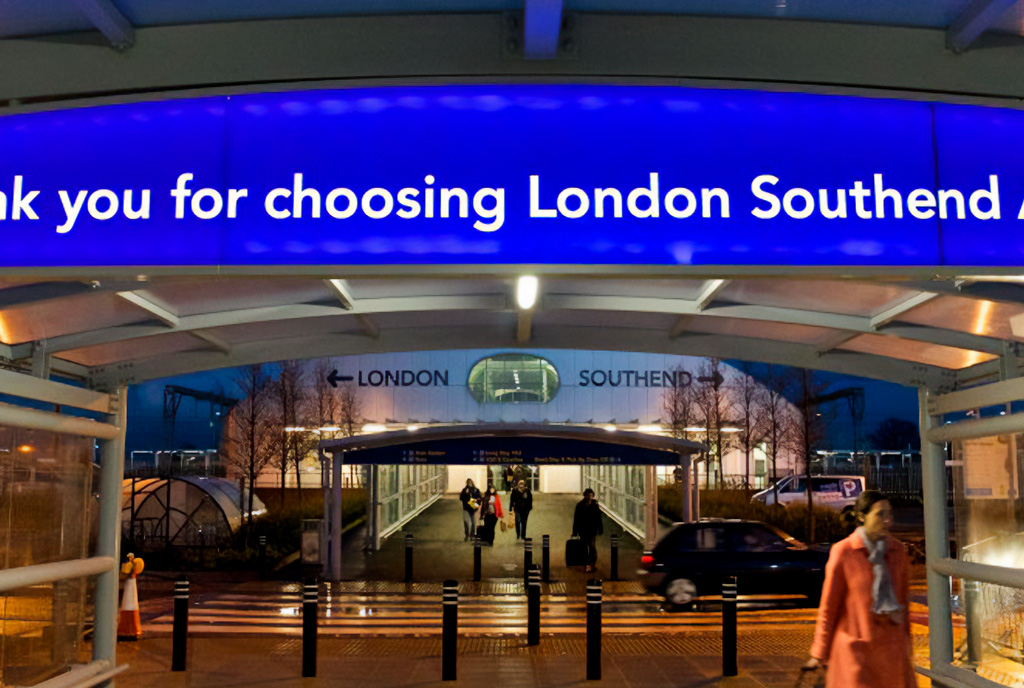
Southend's small size means it isn't so easy to reach by bus or coach. The X30 route runs between Southend Airport and Stansted Airport, which is handy for connections.
Pre-booked taxis are also available, factoring in the distance and the heavy traffic on the way out of London.
The airport itself is basic but modern, with a couple of restaurants and a newsagent. It may not be as stressful as Heathrow, but the amenities inevitably fall short by comparison.