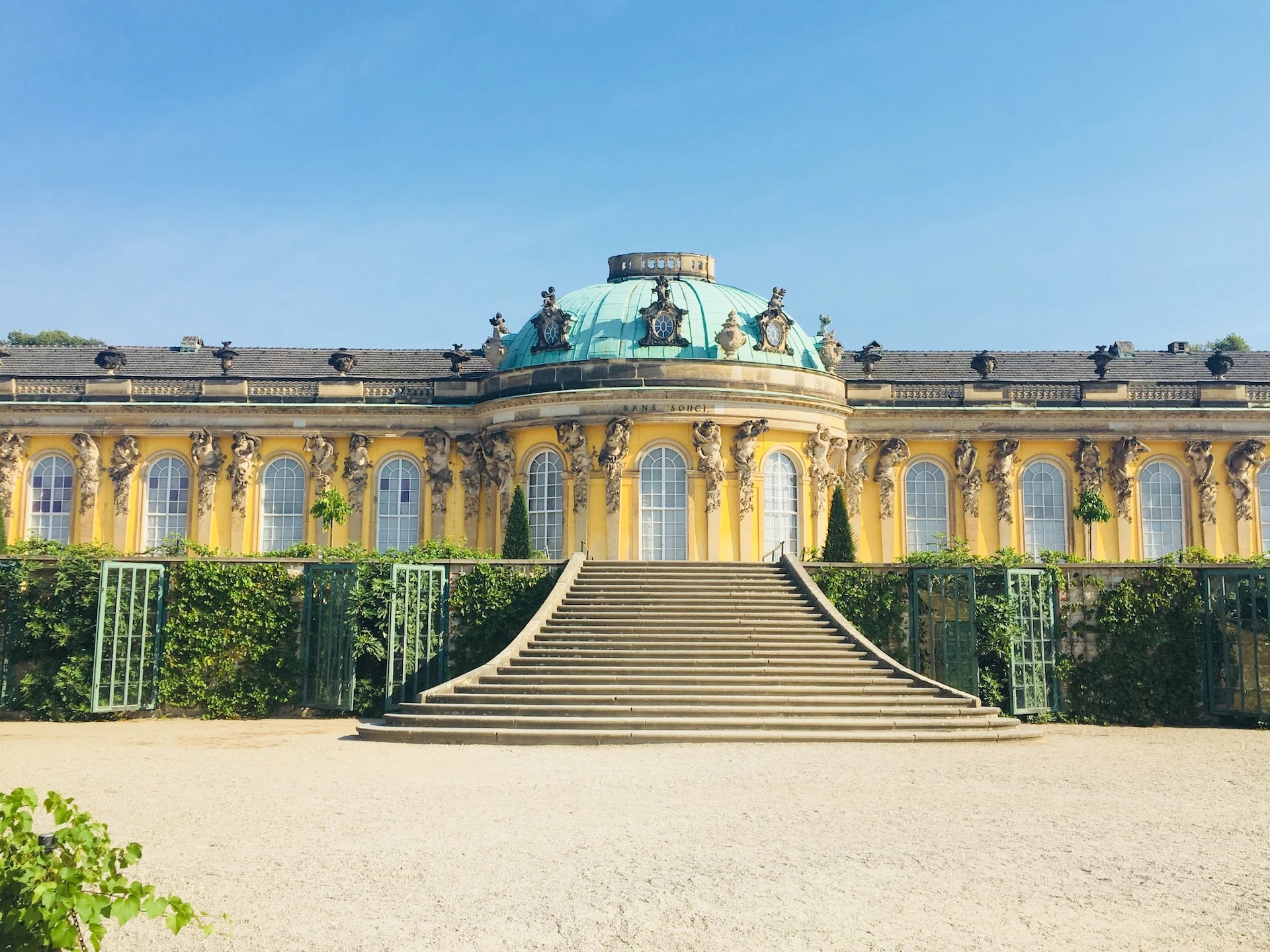


Set on the banks of the River Havel, Potsdam is Germany at its most regal.
Glittering with baroque palaces, manicured gardens and the spray of fountains left over from a proud Prussian past, the "German Versailles" is the most popular day trip from nearby Berlin and a fairytale escape from the capital's heavy history.
Most visitors step off the S-Bahn train and head straight for Sanssouci, the impeccably preserved summer estate of Frederick the Great.
Partner links: booking through them supports the blog at no extra cost to you.
While the 18th-century royal residence may be the city's crown jewel and one of Europe's greatest masterpieces, it is only one part of greater Potsdam's UNESCO World Heritage Site, which takes in 150 buildings across 1,200 acres, the largest such site in Germany.
Beyond the dazzling ensemble of Potsdam's royal residences, in the capital of the state of Brandenburg, cobbled streets are dotted with cafes, half-timbered eateries serve fresh takes on traditional German dishes, and one of Europe's most anticipated museums of modern art opened earlier this year.
Playing at Palaces
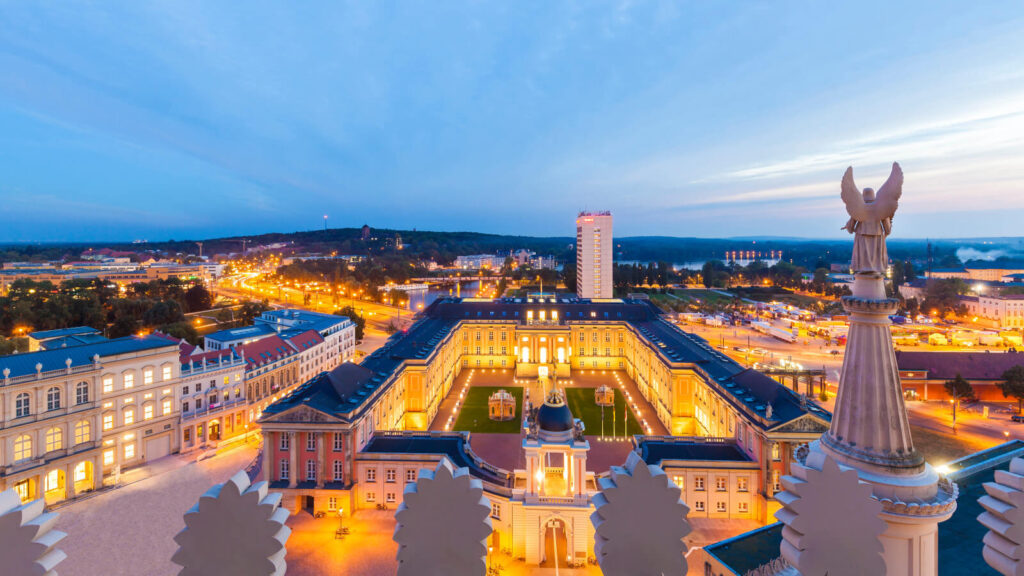
Chances are you have come to admire Potsdam's 17 palaces, and your first stop should be Sanssouci.
Built in the 1740s as a country retreat where Frederick the Great could escape the pressures of Berlin and live, as the French name suggests, "without a care," the lavish rococo estate, its vine-draped terraces and its maze of landscaped gardens still stand as testament to the king's whimsical good taste.
Grab an English-language audio tour and set aside at least half a day to admire the architectural treasures and stroll the sweeping parklands that connect many of Potsdam's other landmarks.
It is a lovely two-kilometre walk (or a 16-minute bus ride) from Sanssouci to the giant domed Neues Palais at the far end of the park, marked by marble statues, exuberant flower beds, clipped hedges and idyllic ponds.
Worth a visit are the Italian-style Orangery Palace, the baroque Bildergalerie (Germany's oldest museum) and the chinoiserie-style Chinese Tea House.
Want to take it all in at once? Climb 103 metres to the top of the Belvedere on the Pfingstberg for our favourite view in Potsdam, stretching from leafy grounds in the north all the way to Berlin.
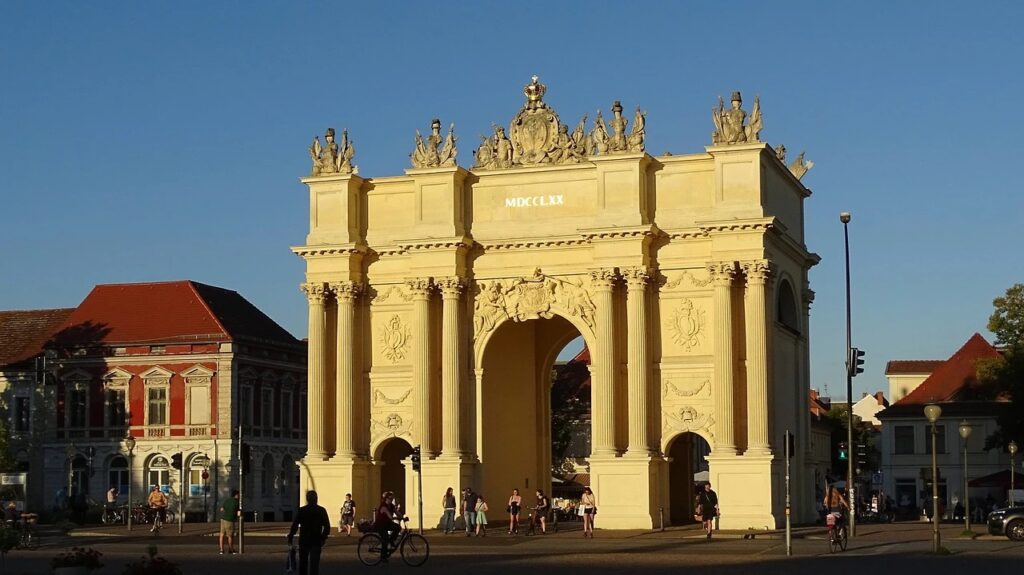
If you can tear yourself away from the Eden-like landscape of Sanssouci Park, the triumphal Brandenburg Gate will lead you back to Potsdam's historic centre, which was largely destroyed by air raids during World War II.
The pedestrian-friendly Brandenburger Strasse is packed with cosmopolitan boutiques and leads to the Dutch Quarter, whose steep brick facades feel like a quirky corner of Amsterdam.
Potsdam's picturesque (and recently restored) Old Market Square is home to the baroque St. Nicholas Church and the new Barberini Museum, which houses a large collection of impressionist and modern works by Monet, Renoir, Sisley and other masters.
Elsewhere, the English Tudor-style country villa Cecilienhof is where Stalin, Churchill and Truman famously decided Germany's fate after World War II. Film buffs should not miss Babelsberg, Germany's largest film studio, where "The Blue Angel," "Inglourious Basterds" and many other films were shot.
Eat Like a King
In the former East Germany, long isolated behind the "Iron Curtain," Potsdam's dining was once limited to working-class German fare such as pork knuckle and calf's liver, served in working-class pubs.
Since reunification, the city has seen an influx of international cuisine, along with a focus on modernising German staples with a local twist.
Schmiede 9 embodies this trend, serving modern regional dishes that change weekly, such as wild boar stew with mushrooms and local beer, in the half-timbered building of a former blacksmith's workshop.
Tucked between the Belvedere and the Orangery in Sanssouci Park, Drachenhaus (literally "Dragon House") has a four-storey Chinese-style pagoda tower, but in fact it serves seasonal German dishes (surprise!). Its three terraces make a wonderful stop between palace outings.
Maison Charlotte, set in the heart of the red-brick Dutch Quarter, radiates character with its original floor tiles from the south of France, handmade plates from Normandy and garden dining. You will not find fresher oysters, Breton fish soup or a longer wine list anywhere in town.
Raise a glass or three at Meierei Brauhaus, a resto-brewery housed in a castle-like building erected in 1790 on the shore of Lake Jungfernsee.
See that empty field nearby? The Berlin Wall once ran straight through it. Today the kitchen serves platters of smoked sausages and pints of beer from a menu that changes with the seasons. (We are partial to the Berliner Weisse.)
And Sleep Like a Queen
Hidden in a courtyard, Remise Blumberg (a "carriage house") is about as close as you can get to staying at Sanssouci Palace without an invitation from Frederick. Guests at this nine-room bed and breakfast enjoy complimentary public transport tickets, bike rentals and fresh breakfasts served by the host, Annett.
For those who want to live like royalty, book a room at the elegantly restored 19th-century Villa Monte Vino. Perched on a hill above the Sanssouci vineyard, the hotel is surrounded by romantic gardens, comes with a sauna and boasts a dreamy five-storey tower with a stunning view over the city.
The four-star Brandenburger Tor Potsdam sits a stone's throw from the Brandenburg Gate and is conveniently located next to the Potsdam information centre. If you can bear to leave your plush mattress or bathtub for a walk around the neighbourhood, the hotel will happily arrange sightseeing tours for you.
The Villa Fritz guesthouse feels like a country castle, surrounded by lakes and parkland. You can reach the Dutch Quarter by bike (rentals available at the inn) or on a 12-minute walk, but thanks to the canopy beds, chandeliers and blissful absence of tour groups, you may never want to leave.