

The short answer first: the largest natural lake in Ukraine is Yalpuh in Odesa Oblast (about 149 km²), the deepest natural one is Lake Svitiaz in Volyn (up to 58 metres), and the most famous mountain lake is Synevyr in the Carpathians. The whole intrigue is that the lakes of Ukraine are three different record holders in three different corners of the country, with almost a thousand kilometres of road between them. And even the title of «the largest» has a double bottom here, because even guidebooks mix it up.
The thing is, in terms of water surface area the leader is not Yalpuh but Sasyk-Kunduk near Tatarbunary (about 210 km²). But Sasyk is a former sea estuary, cut off from the sea by a sandbar and desalinated by a dam back in Soviet times, so it is usually not called «the largest natural lake». If you are interested in the record specifically among natural freshwater bodies, that is Yalpuh. If it is any standing water, then it is Sasyk. Below we will look at each category separately, so as not to reduce everything to a single number.
Which lake in Ukraine is the largest by area?
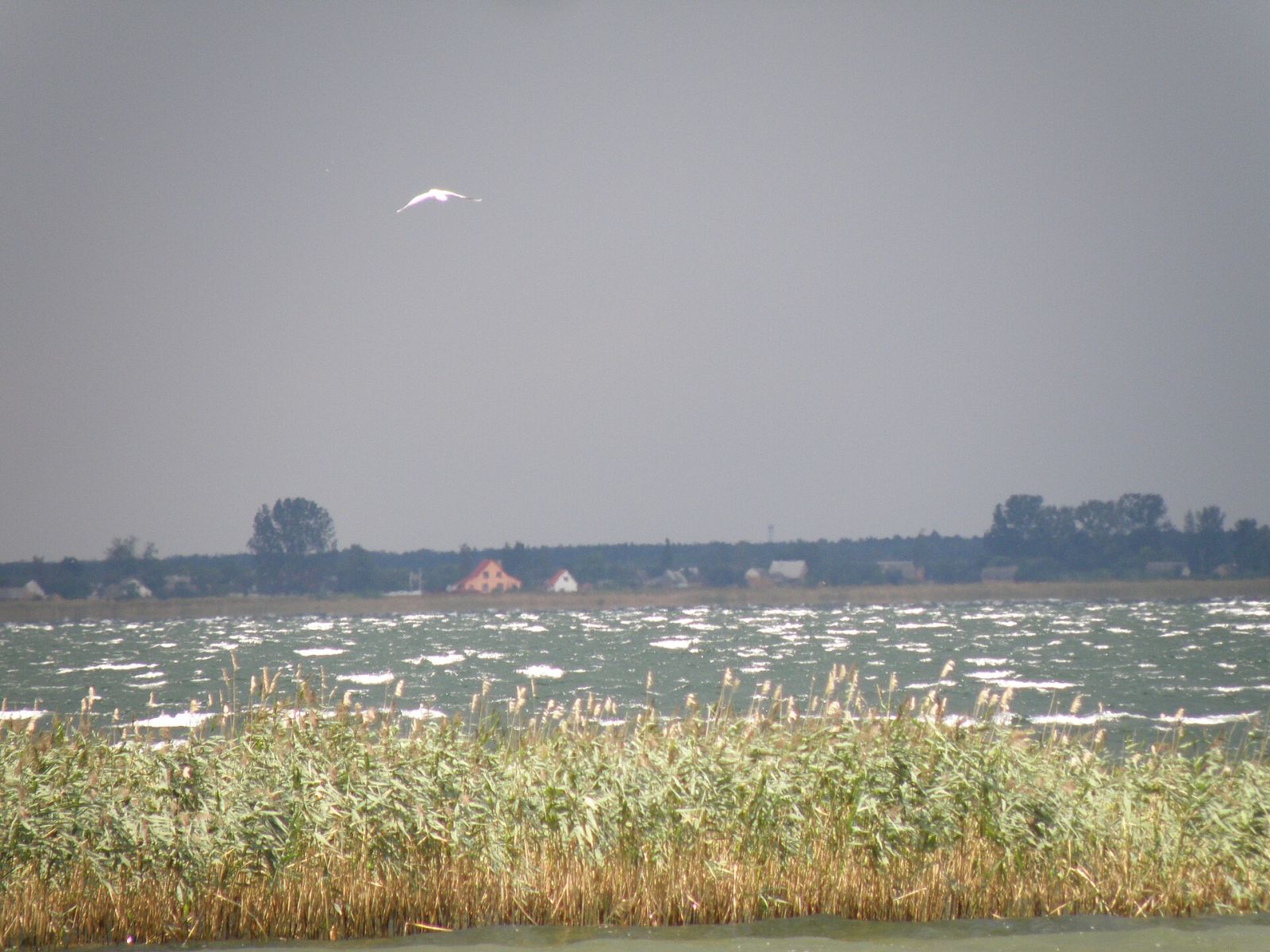
The Danube region in the south of Odesa Oblast is a true land of lakes. Here lies a chain of large freshwater lakes fed by the Danube: Yalpuh, Kuhurlui, Kahul, Katlabuh, Kytai. Yalpuh stretches almost 39 kilometres with a width of up to 6, so it is more of a large shallow water valley than a classic deep lake: the average depth is about 2.6 metres, the maximum is 6. You can swim there, but people come here more often for fish and quiet than for a beach holiday.
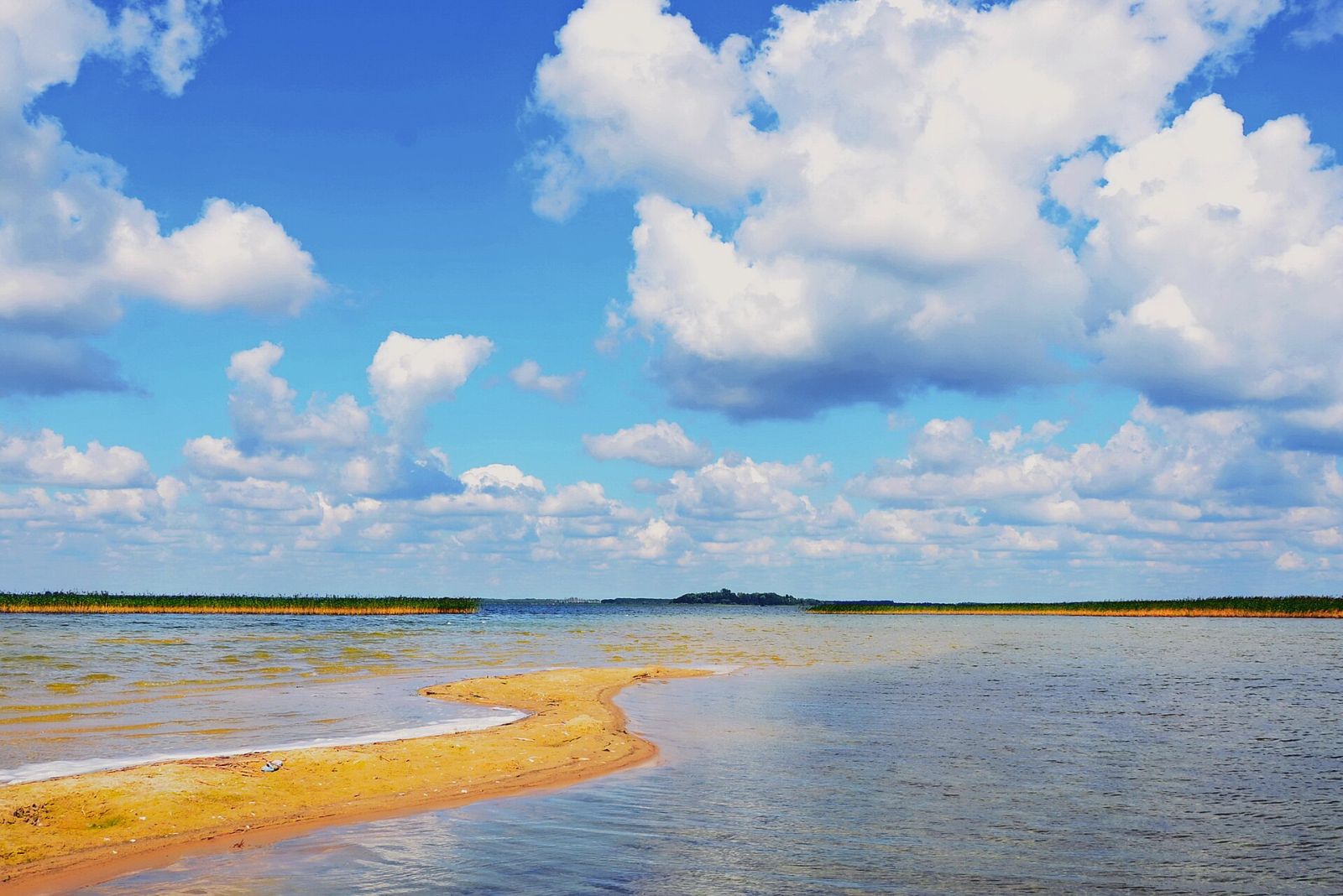
The closest town to Yalpuh is Bolhrad, and it is most convenient to reach the lake from there. The drive from Odesa takes about three and a half hours, and this is exactly the case where «close on the map» turns into half a day on the road across the Bessarabian steppe. On the plus side, the region is compact: on a single trip you can realistically see several Danube lakes and the Bolhrad vineyards at once.
Where is the deepest natural lake in Ukraine?
The lakes of Ukraine are rarely deep, because most of them are lowland bodies of water a few metres deep. The exception is Lake Svitiaz in the Shatsk National Park in Volyn: with a modest area of 27.5 km² it goes down to 58 metres, and this is the deepest natural lake in the country. The water here is genuinely clear, with a sandy bottom, and that is exactly why the Volyn lakes are loved more than the murky south.
Lake Svitiaz is the heart of the Shatsk Lakes, a system of nearly thirty water bodies between the Prypiat and the Western Bug. The nearest landmark is the village of Shatsk, and the drive from Lviv is about three hours. The swimming season is short, so it makes sense to go from mid June to the end of August, because the water warms up slowly due to the depth. To be honest about the downside: at peak weekends the shores near the village of Svitiaz can be crowded, so for quiet go further along the shore or look at the neighbouring lakes of the park, for example Pisochne.
What makes Synevyr and the mountain lakes of the Carpathians special?
Synevyr is not a record holder for size (just 4-5 hectares), but for mood. It lies at an altitude of 989 metres in Zakarpattia, in the national park of the same name, and formed about 10 thousand years ago, when an earthquake shifted a slope and dammed a mountain stream. The maximum depth is about 24 metres, and the water is cold even in summer. The nearest point is the village of Synevyrska Poliana, and Synevyr is at its most beautiful not at the July peak but in the off season, when the buses thin out and the lake reflects the ridges without ripples from the crowd.
If you want real high mountains, the highest lake in the country is Brebeneskul on the Chornohora ridge, at an altitude of about 1801 metres, in a glacial hollow beneath the peaks of Hutyn-Tomnatyk and Brebeneskul. It is tiny and very cold, the water rarely warmer than 10 degrees even in August. You can only get there on foot along a multi-hour mountain route, so this is an option for the well prepared, not for a car with a boot.
What about the pink and salt lakes of the south?
The most striking shots come not from the freshwater lakes but from the salt lakes of the south. The pink colour of these lakes comes from a single-celled alga, Dunaliella, which in the heat releases beta-carotene: the brighter the sun, the more saturated the shade. The most famous such lake is Lemurian Lake in Kherson Oblast, which because of its high salinity and healing mud is called the Ukrainian Dead Sea.
Here is the main caveat of the article. A significant part of the southern and pink lakes, as of 2026, are either in temporarily occupied territory or in a war zone, and are physically inaccessible. During the occupation Lemurian Lake became shallow, and the mud began to dry out. So for the near-term shortlist for a real trip, focus on the west and the Carpathians, and leave the southern bodies of water as a plan for the future, and before any departure check the security situation, not this article.
Comparison: the main lakes of Ukraine in figures
So you don't have to keep all the numbers in your head, here is a summary. Areas and depths are given from approximate data, which in seasonal lakes change slightly from year to year.
| Lake | Known for | Area | Max. depth | Oblast |
|---|---|---|---|---|
| Sasyk-Kunduk | Largest by area (estuary) | about 210 km² | 3.3 m | Odesa |
| Yalpuh | Largest natural freshwater | about 149 km² | 6 m | Odesa |
| Kahul | Large Danube lake | 82-93 km² | 7 m | Odesa |
| Svitiaz | Deepest natural | 27.5 km² | 58 m | Volyn |
| Synevyr | Emblem of the Carpathians | 4-5 ha | about 24 m | Zakarpattia |
| Brebeneskul | Highest (1801 m) | very small | 2.8 m | Zakarpattia |
Where you specifically should go
If you are going for the first time and want clear water and a full beach holiday, choose the Shatsk Lakes with Svitiaz: the logistics from Lviv are simple and there is infrastructure. If you want mountains and photographs rather than a beach, your route is Synevyr with a detour into the Carpathians, and it is best not in July but in the quieter September or early October. Leave the Danube lakes of Odesa Oblast for a separate trip around Bessarabia, when you are more interested in fishing, vineyards and open steppe than in a classic «lake for swimming». And the pink wonders of the south will wait for better times, and this is a queue where there is no point in hurrying.