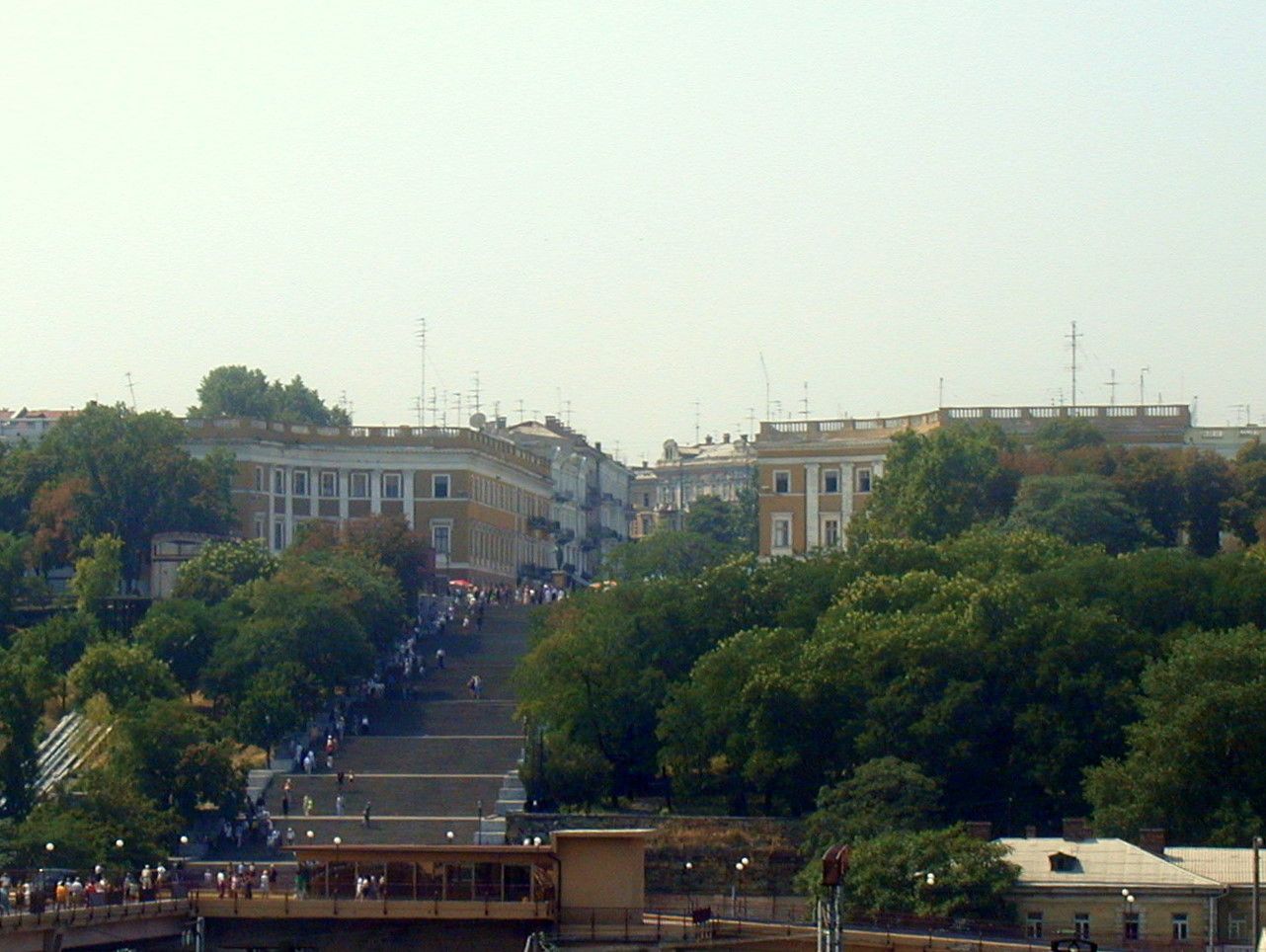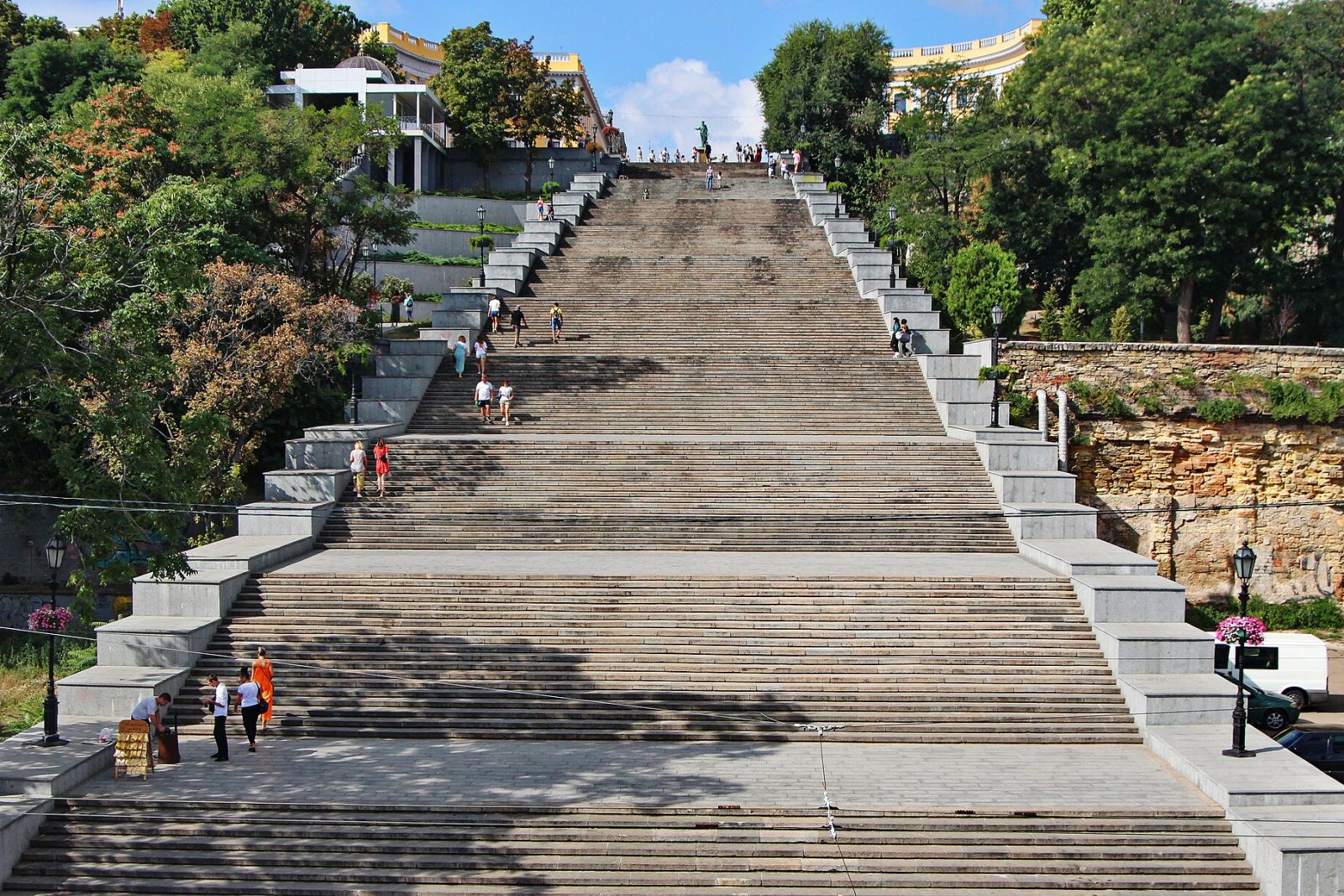


If you have just one day and you are asking what to see in Odesa, the short answer is this: the Potemkin Stairs, Prymorsky Boulevard and the Opera Theatre fit into a two hour walk, because they sit almost on top of one another. The sea, the hidden courtyards and the Moldovanka district, though, deserve a separate day, or you will see the city's face but miss its character. Odesa is compact in the centre and stretched out along the coast, and that split is exactly what throws off visitors who came to tick boxes.
This is a city that rewards walking. So what follows is not just a list of landmarks but a logic: what sits next to what, where to budget time, and what travellers usually run out of hours for.
Where to start: the historic centre
The core of everything worth seeing fits into a square between Prymorsky Boulevard, Derybasivska Street and Cathedral Square. You barely need transport here.
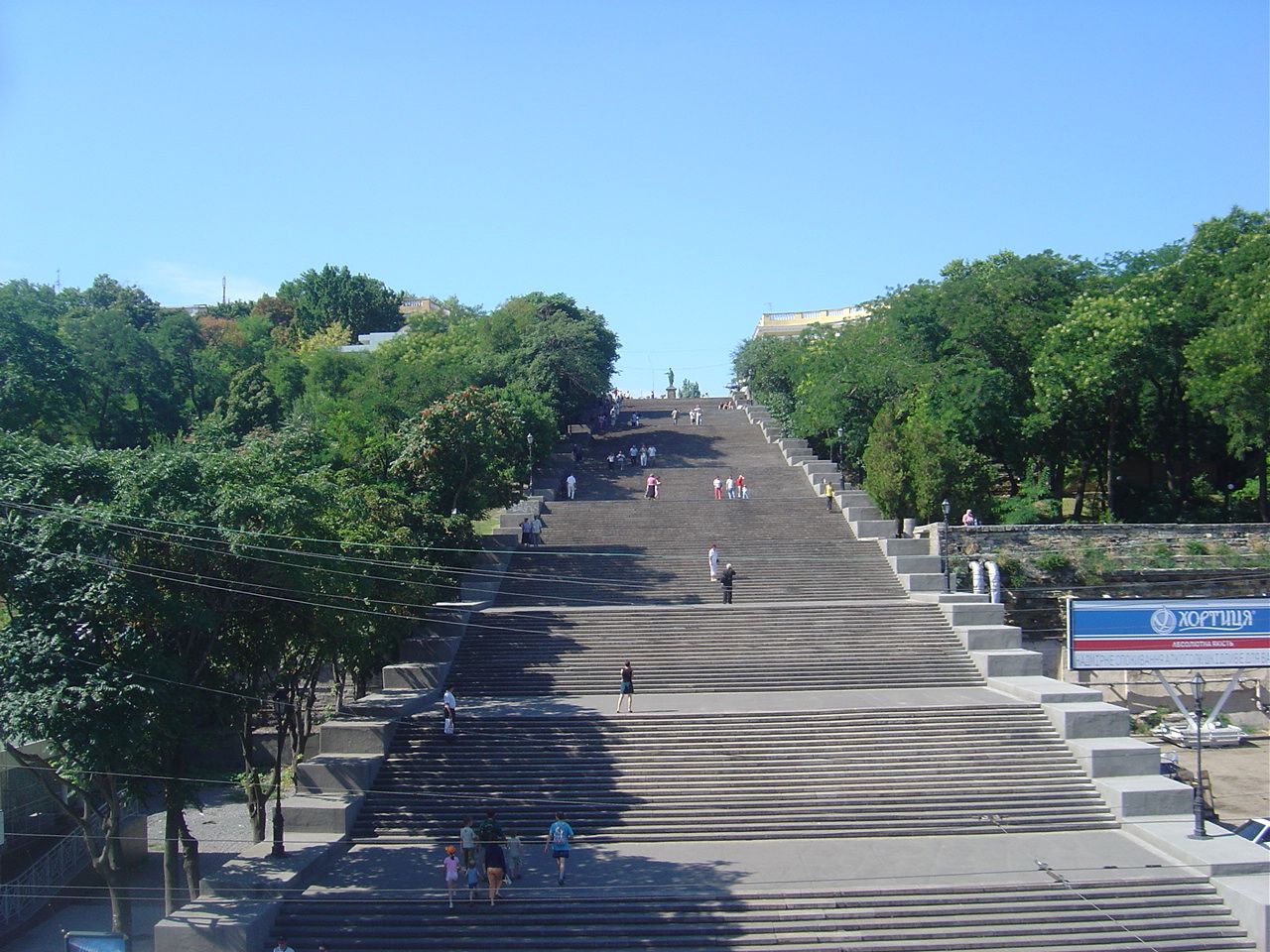
- The Potemkin Stairs. 192 steps, designed so that from the top you see only the landings and from the bottom only the risers. That is not a trick for photos, it is a 19th century engineering illusion of perspective. Honest downside: in summer the steps are baking hot and crowded, so come early.
- Prymorsky Boulevard. A lime tree promenade above the port, the Duc de Richelieu monument, and the famous flat-facade "wall house" optical effect. On a hot day this is the best trade-off between shade and a view.
- The Opera Theatre. One of the most beautiful in Europe, Viennese baroque outside and a lavish hall within. It is free to admire from the street and it delivers, but if you can get any ticket at all, take it: the acoustics here were built for live sound.
- Derybasivska Street. The city's pedestrian spine, with the City Garden in the middle. Touristy, loud, at times a little too tuned to out-of-towners, but it is the handiest launch point into the quieter blocks.
Those four points are the real answer to what to see in Odesa in half a day. After that begins the city you have to find on your own.
Where does the real Odesa hide?
The postcard Odesa is lovely but predictable. The character lives one level deeper, in the courtyards and on the edges of the centre.
The Odesa courtyards
These are almost a genre of city life in their own right. Enclosed well-yards with shared galleries, laundry on lines, grapevines and cats on every ledge. They are easy to find: step through the open archways between Pushkinska, Rishelievska and Katerynynska streets and look up. One request from locals, and it is a fair one: these are lived-in yards, not a museum, so keep the noise down and do not photograph people in their windows.
The Moldovanka
The district that gave the city half its folklore and reputation. Today it is not "dangerous slums" but an ordinary working neighbourhood with peeling charm, old shop signs and the odd new coffee place. Do not come here for gloss. Come for the city with its make-up off, and go by day.
So where is the sea?
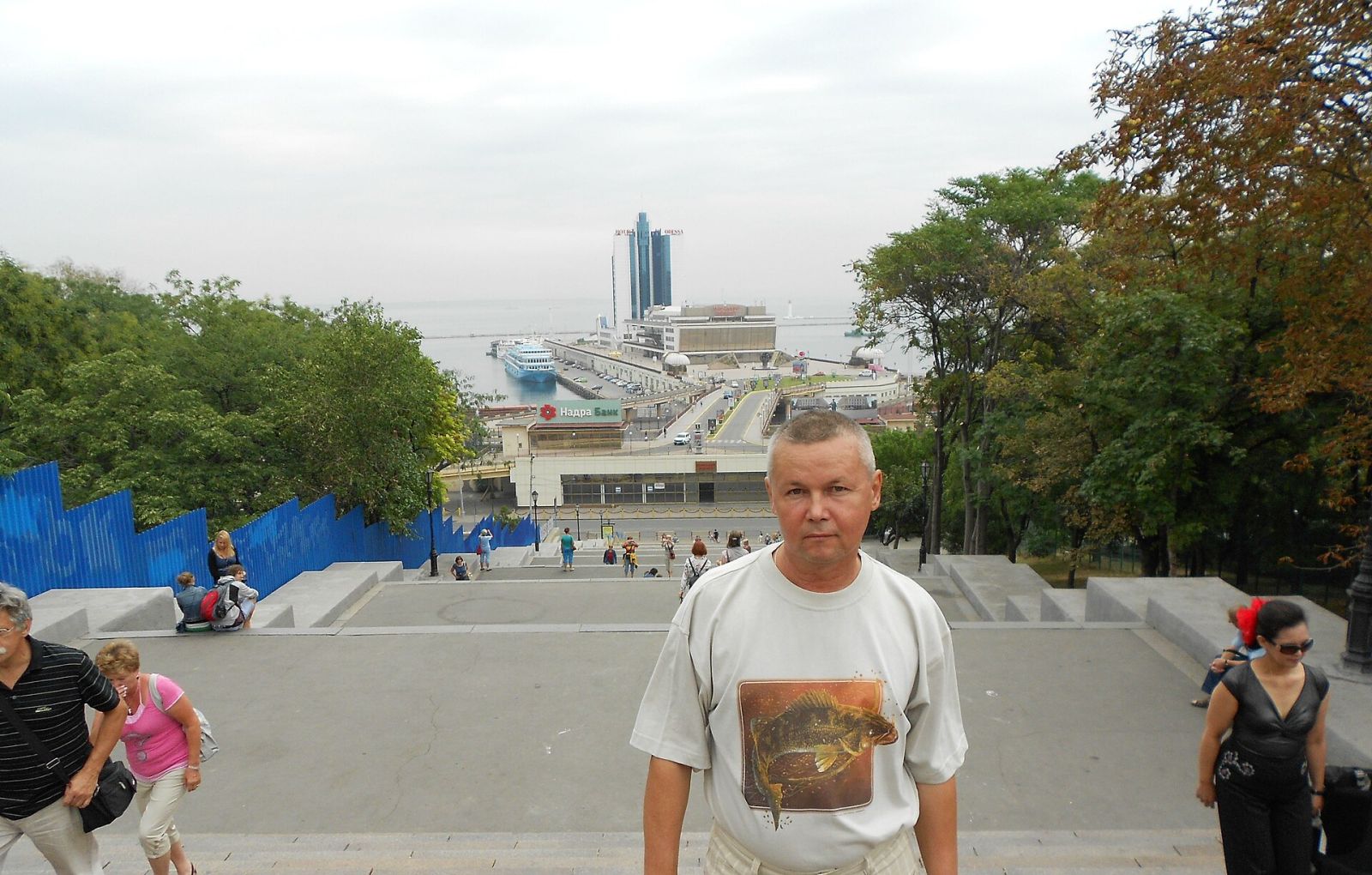
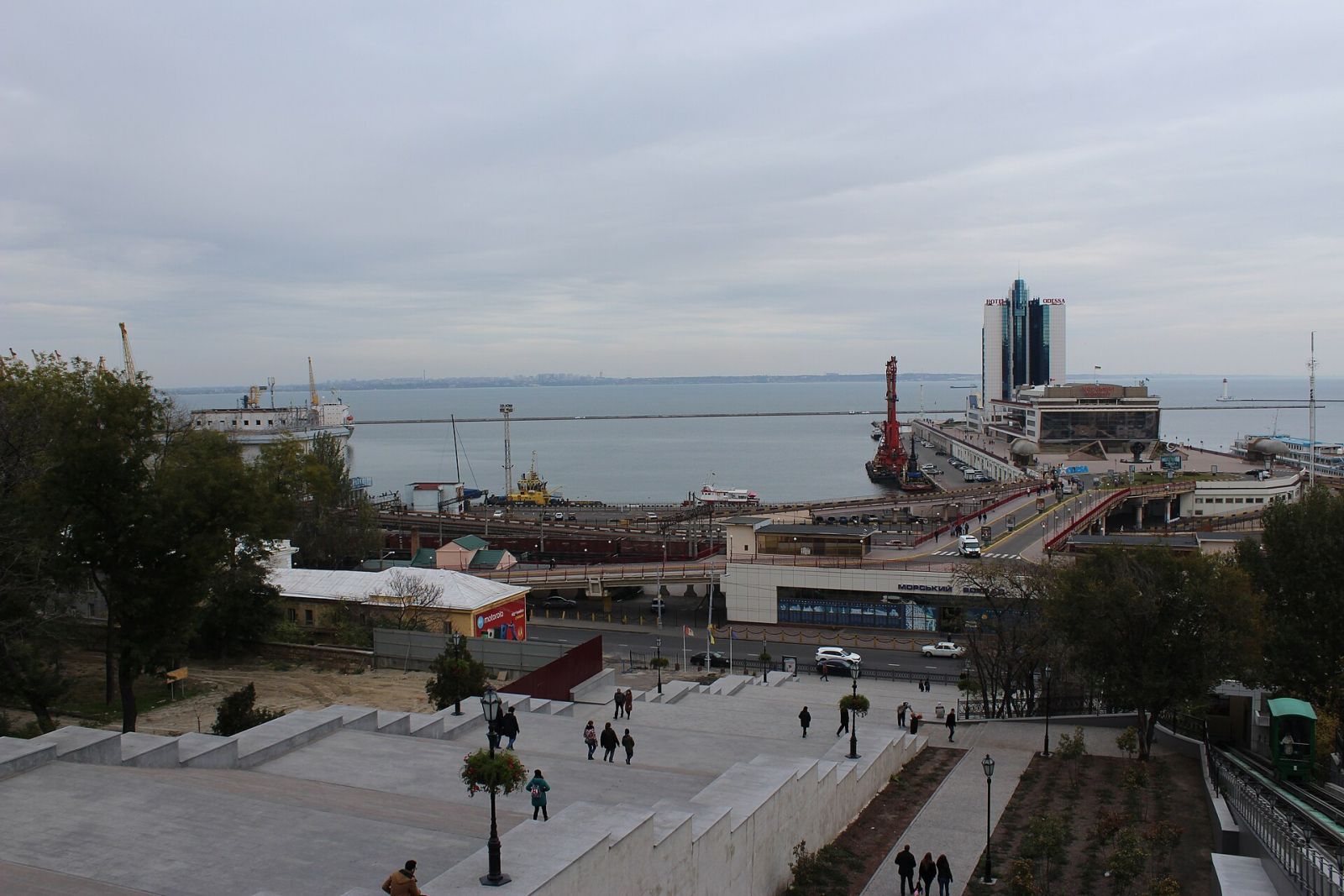
The classic first-visit trap: people assume the sea is right behind the Potemkin Stairs. Below them is the port, while the beaches run south and you have to travel to reach them. That is normal, just plan a separate block of the day for it.
| Spot | What makes it interesting | Best for |
|---|---|---|
| Lanzheron | Closest beach to the centre, reachable on foot through Shevchenko Park | Anyone who wants the sea without a long trip out |
| Arkadia | The best-known seafront zone, a promenade, venues and loud energy | Those chasing atmosphere and crowds, not calm |
| Otrada | A compact beach under the cliff, served by a funicular | Those wanting a quieter option near the centre |
| Delfin / Chornomorka | Further out, roomier and calmer | Those willing to travel for the space |
The swimming season is longer than it looks: it is comfortable from June through September, and the warm water often holds into the first half of October. July and August are the most crowded and the hottest, so if you have a choice, late May or September give you both the sea and air you can actually breathe.
How much time should you budget?
You can genuinely feel Odesa over a weekend, but "seeing it all" in a day will not happen, and it is fairer to say so.
One day
Morning: the Potemkin Stairs, Prymorsky Boulevard, the Opera from outside. Then Derybasivska and lunch on some side street rather than the main drag. Afternoon: the courtyards around Pushkinska, and towards evening Lanzheron or Arkadia for the sunset. Full, but not a sprint.
Two days
Give the first day to the centre without rushing, with museums and a long coffee. Give the second to the sea and the outskirts: the Moldovanka by day, the beach after noon, the promenade again in the evening. It is on that second day that the city stops being a postcard and becomes itself.
Getting there and getting around
Right now the most reliable way to reach Odesa is by train: rail links with Kyiv and other cities are running, and the station sits almost in the centre, a couple of stops or a pleasant walk from Derybasivska. Buses run too, but the ride is longer. Because of the security situation in the south, schedules and routes can change, so check the current information before you travel.
Inside the city your main tool is your own feet. The centre is dense and most landmarks are within walking distance of each other. For the beaches it is easy to take public transport or an app taxi, and buying a separate travel pass for two stops makes little sense. One warning: Odesa's cobblestones are beautiful but treacherous for thin-soled shoes, so bring comfortable ones.
What to add if you have time left
- Cathedral Square and the Transfiguration Cathedral, a quiet counterweight to noisy Derybasivska, a couple of minutes on foot.
- The Literary Museum and the courtyards around it, for anyone who wants to understand where the city got so many writers and so much humour.
- The seafront stairs after dark, the same place, but with lighting and a sea breeze it reads completely differently from the daytime version.
The key thing to grasp about Odesa is that it is not about ticking off a list, it is about pace. The city rewards those who pause in a courtyard, sit on a boulevard bench and give themselves time to just look around. Planning a route helps, but leave some slack in it for chance, because that is exactly where the Odesa people come here for tends to hide.