

Once an industrial powerhouse, Glasgow may not have the postcard charm of Edinburgh, its polished neighbour to the east.
But what Scotland's biggest city lacks in fairy tale castles and manicured views, it more than makes up for with attitude, style and atmosphere.
Dig a little deeper and you will find that Glasgow sits at the cutting edge of Britain's arts and culture scene, home to renowned museums and architecture (both old and new), and one of just 31 places worldwide recognised by UNESCO as a City of Music.
Partner links: booking through them supports the blog at no extra cost to you.
Its bars and nightlife are famous for a good time too, and its reputation as one of Europe's most sport mad cities goes before it.
Even so, tourism figures show that roughly a million more people visited Edinburgh than Glasgow in 2016, a sign that plenty of travellers to Scotland are missing out on these charms.
We asked a few clued up Glaswegians to tell us what those who spend all their trip in the Scottish capital are skipping.
Naturally, most of them agreed with the city's famous 1990s slogan: "Glasgow's miles better!"
History
History is everywhere in Edinburgh, from the narrow closes of the Old Town to the Palace of Holyroodhouse, the Queen's official residence whenever she visits the city.
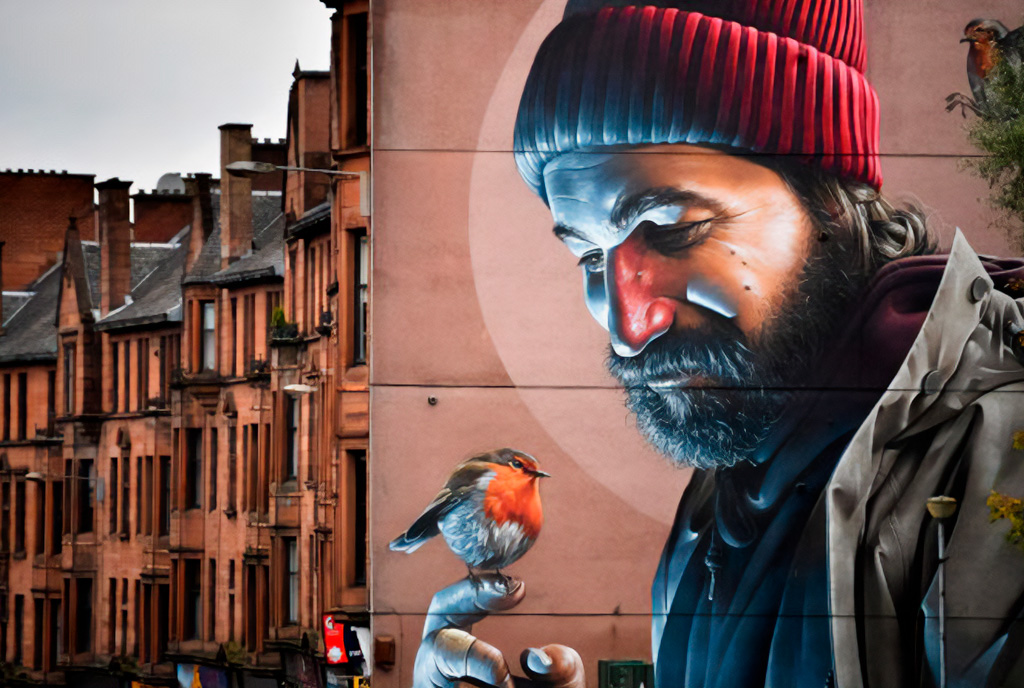
In Glasgow, visitors might have to hunt a little harder for their historical fix. But not too hard. More than 1,800 buildings in the city are listed as historically significant.
"There's a lot of history in Glasgow that people might not realise," says Bruce Cochrane of the Scottish Tourist Guides Association (STGA).
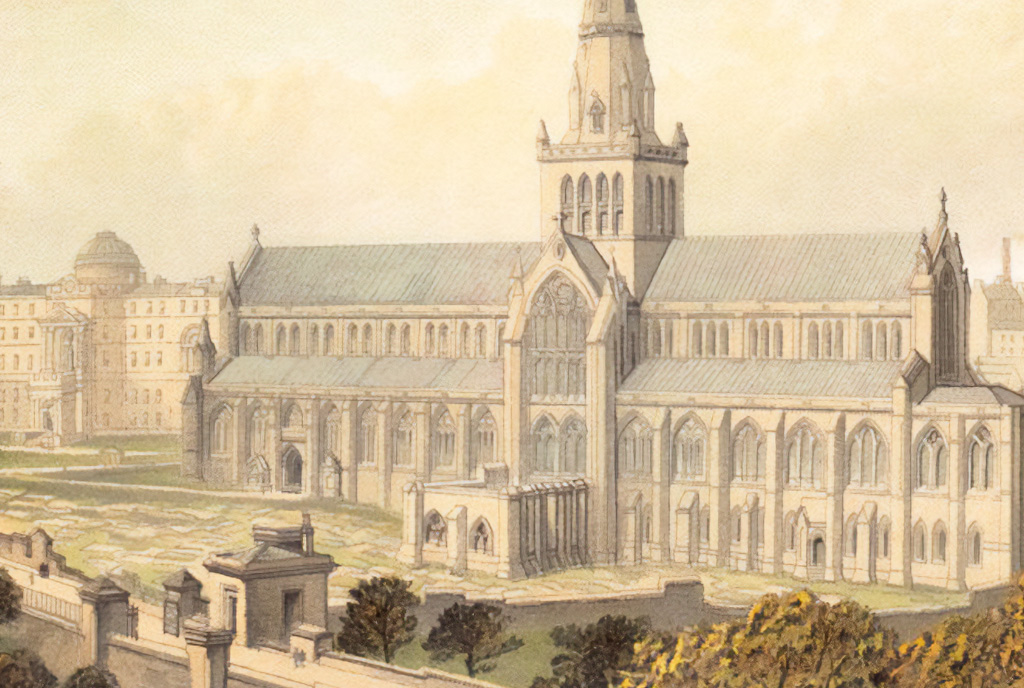
The oldest house in Glasgow dates back to 1471 and is a mainstay of the city's many history tours, while the striking Glasgow Cathedral, built between the 13th and 15th centuries, offers a captivating window into the city's medieval past.
Elsewhere, Cochrane singles out the Govan Stones, a collection of Viking era monuments from the 9th to the 11th centuries that are widely regarded as some of the best preserved medieval carvings in Britain.
Just outside Glasgow, the Antonine Wall once marked the northernmost frontier of the Roman Empire and was named a UNESCO World Heritage Site in 2008. A modest church in the former slum district of the Gorbals, meanwhile, claims to hold the bones of St Valentine.
Handily, few of these spots are as heaving with tourists as Edinburgh's most popular sights.
Music
Franz Ferdinand, Simple Minds, Mogwai, Primal Scream, Belle and Sebastian, Arab Strap, Chvrches, Teenage Fanclub, The Delgados, The Jesus and Mary Chain: Glasgow has been an incubator for countless bands that went on to make it big.
The famous Barrowland Ballroom still hosts the best in the business, while smaller venues such as King Tut's Wah Wah Hut (where Oasis were famously discovered by Creation Records boss Alan McGee), Nice N Sleazy, Stereo and SWG3 champion the most exciting new acts.
"The city has a strong alternative scene," says Fiona Shepherd, a music journalist based in the city and co founder of Glasgow Music City Tours.
The fact that it is hard to pin down exactly what makes the Glasgow sound so distinctive is a testament to its eclectic nature, she adds.
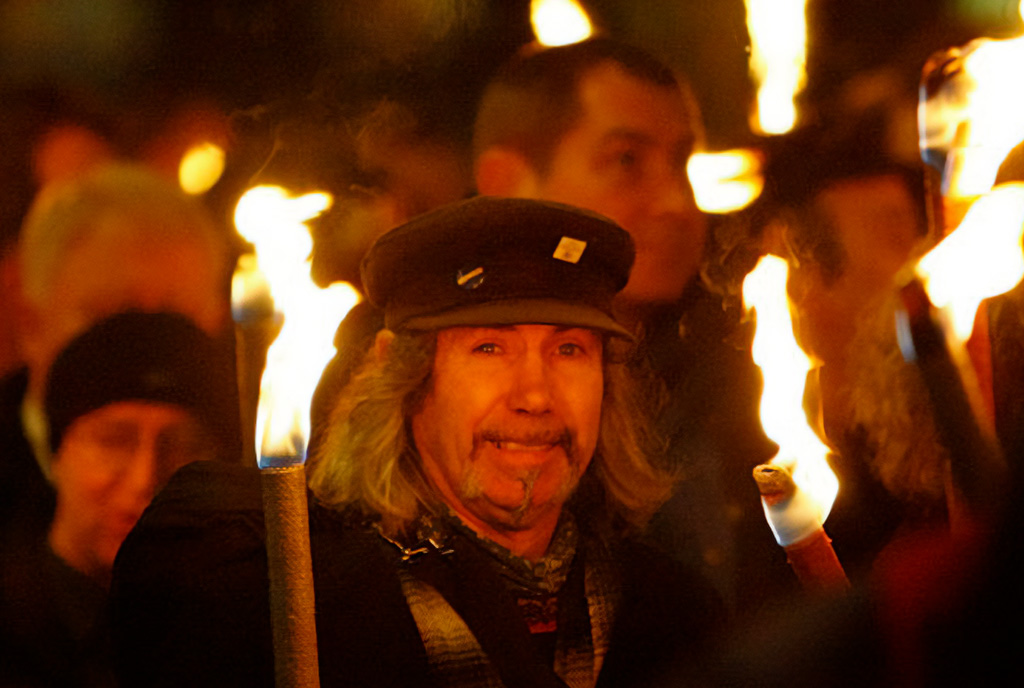
That sonic variety is underscored by events like the Glasgow Jazz Festival, held every summer, and the world famous Celtic Connections, which takes place each January.
Scottish folk performers are the focus at Celtic Connections, but the festival also embraces international and world music genres. Big names who have appeared over the years include Joan Baez, Bob Geldof, Sinead O'Connor and Shane MacGowan.
Edinburgh may be home to thrilling young bands such as Young Fathers and old hands like Idlewild, but Glasgow dances to its own tune.
Architecture Old and New
The shipyards on the River Clyde once gave work to thousands of skilled tradesmen and brought legendary British ships such as the HMS Hood and the QE2 to life. They also helped shape much loved figures such as former Manchester United manager Alex Ferguson and comedian Billy Connolly.
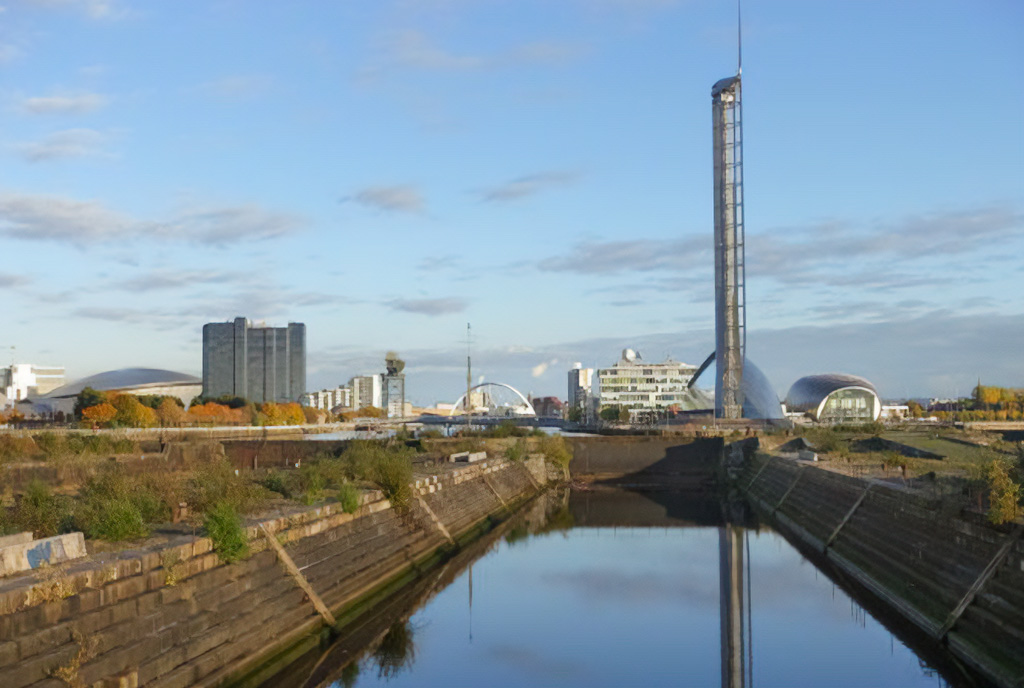
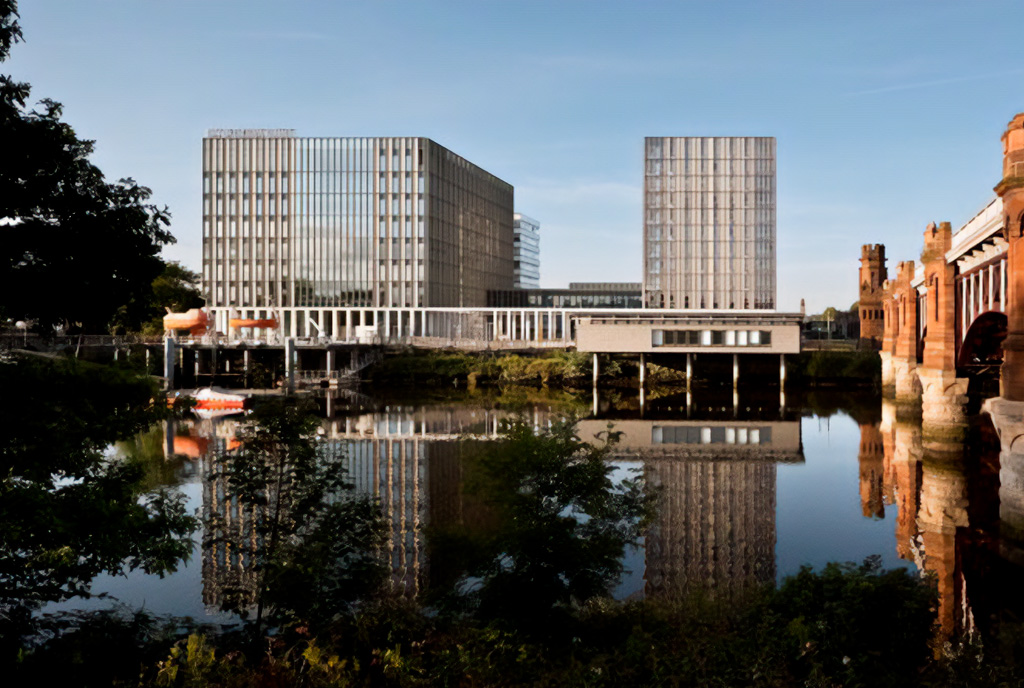
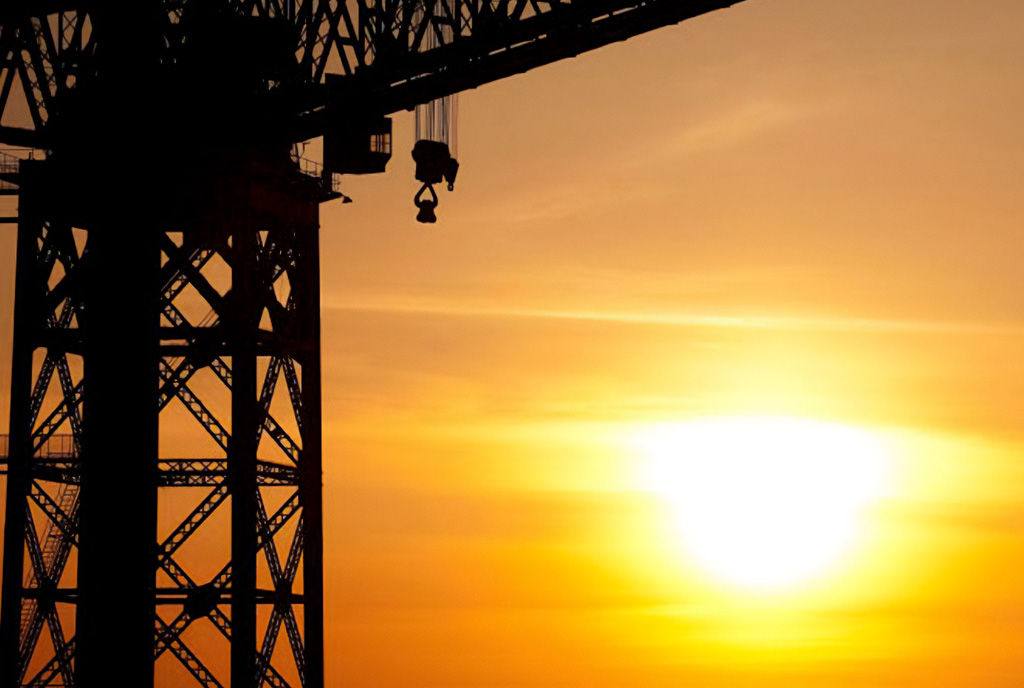
These days only a fraction of the old industry remains. But the banks of the Clyde are far from deserted, with a host of gleaming new structures springing up there in recent years.
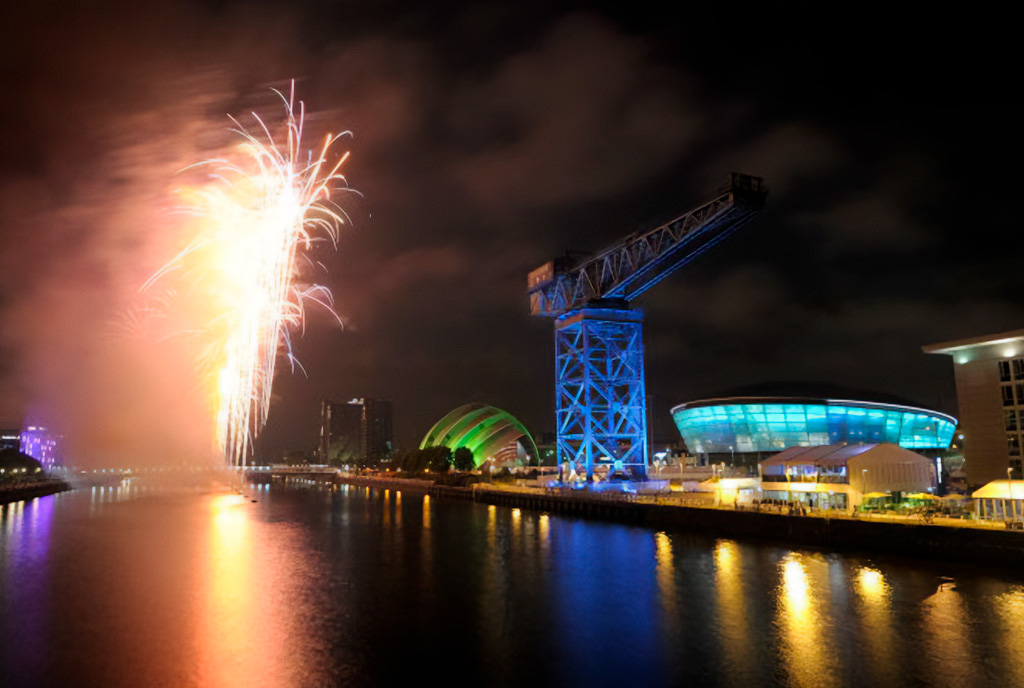
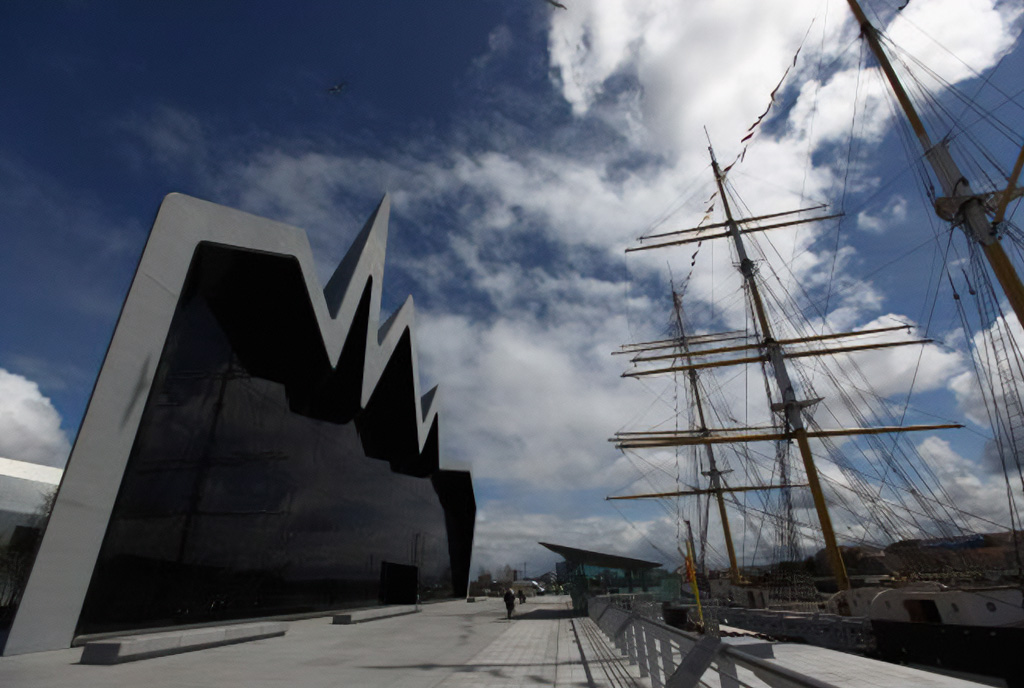
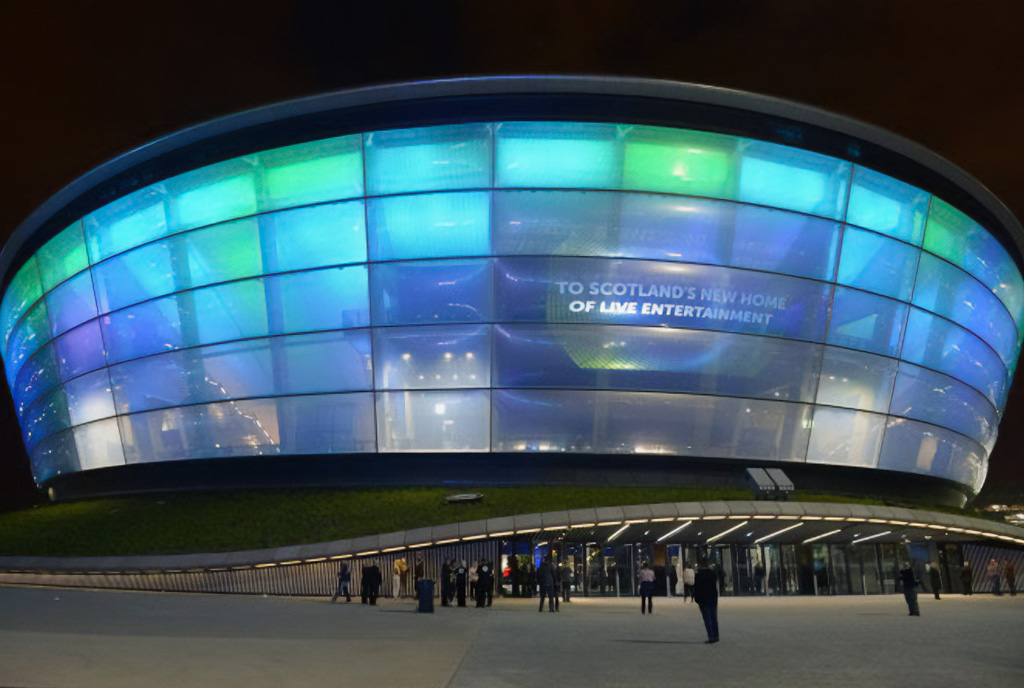
The striking Riverside Museum of Transport, designed by Zaha Hadid, was named European Museum of the Year in 2013. A few minutes' walk away sit the Science Centre and the Clyde Auditorium (creatively nicknamed "the Armadillo" for its resemblance to the armoured South American mammal), which add a futuristic theme to the riverside.
The ultra cool Hydro, meanwhile, is the work of Foster + Partners and opened in 2013. In 2016, only seven arenas anywhere in the world drew larger crowds.
Admittedly, Edinburgh has plenty of grand old buildings that are a joy to behold. After all, Edinburgh Castle is one of the most iconic sights in the world.
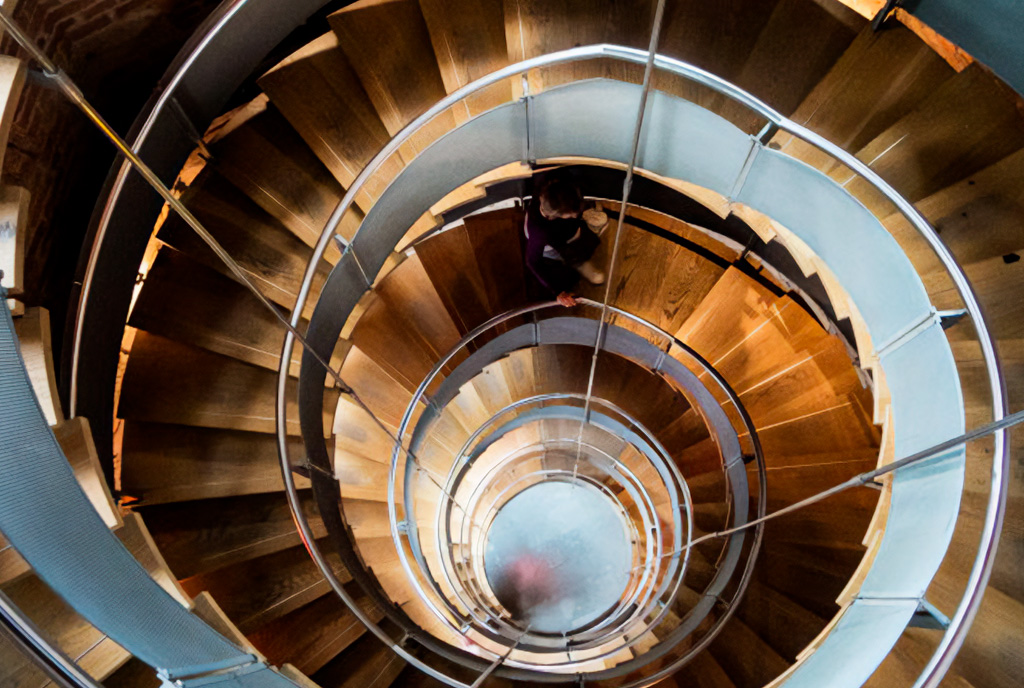
But Glasgow has architectural gems of its own to be proud of. The work of celebrated 20th century architect, artist and designer Charles Rennie Mackintosh can be found all across the city.
Sadly, the Glasgow School of Art, Mackintosh's masterpiece, was gutted by fire in 2013 and then again during its restoration this year. Even so, plenty of the great man's work remains in Glasgow, including the picturesque House for an Art Lover on the city's south side and the wonderful Scotland Street School closer to the centre.
Raise a Glass
Scotland is famous for its whisky, and both Glasgow and Edinburgh have plenty to offer anyone in search of a dram.
Edinburgh is home to The Scotch Whisky Experience on the tourist favourite Royal Mile, along with a string of specialist bars across the city.
Naturally, Glasgow pays its own tribute to Scotland's national drink. The country's two biggest whisky festivals, the National Whisky Festival (January) and the Glasgow Whisky Festival (November), are held in the city each year.
Meanwhile, a handful of old school whisky specialists host tastings and events all year round.
The Pot Still bar in the city centre offers a choice of more than 700 whiskies and was named Scottish Whisky Bar of the Year in 2017. Similarly, the Ben Nevis bar in the West End and the nearby Bon Accord offer a wide selection from around the world.
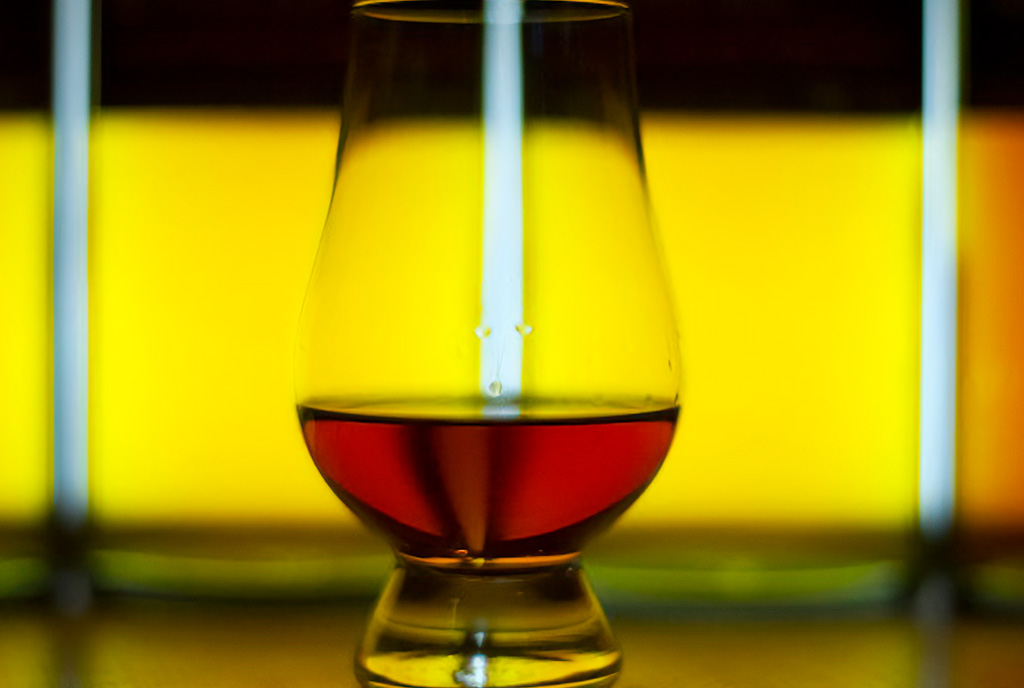
Geraldine Murphy of the Pot Still says that "there are more whisky related things to do and see now than ever before".
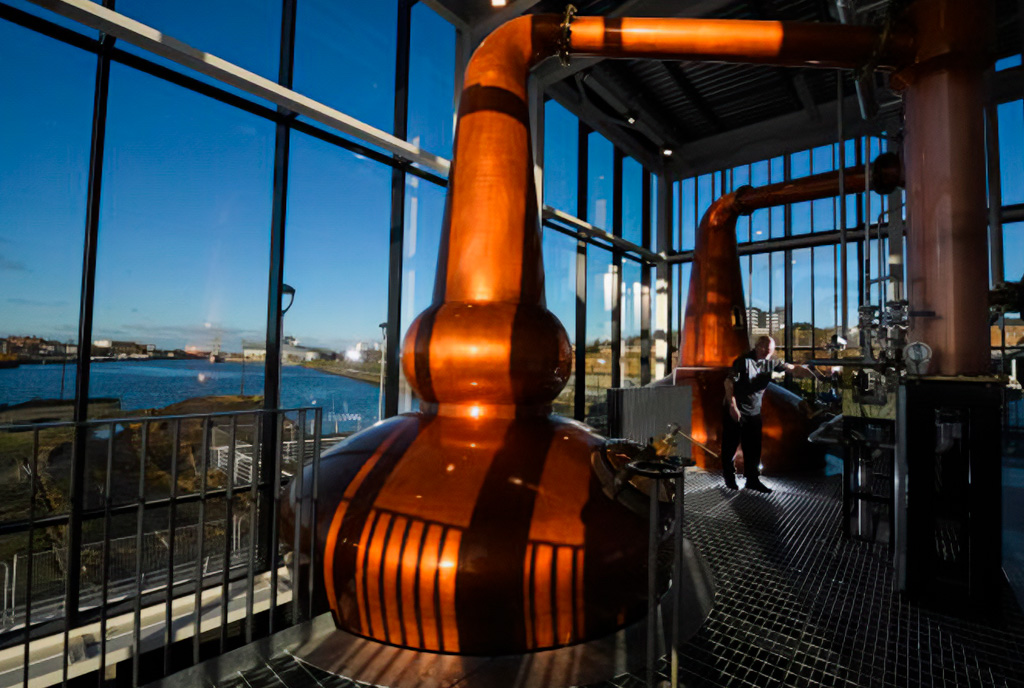
The Clydeside Distillery opened late last year and began producing the first spirit in the area for more than a century. Meanwhile, the long established Glengoyne and Auchentoshan distilleries can be reached by car, bus or train from the city centre in a little over half an hour.
Museums
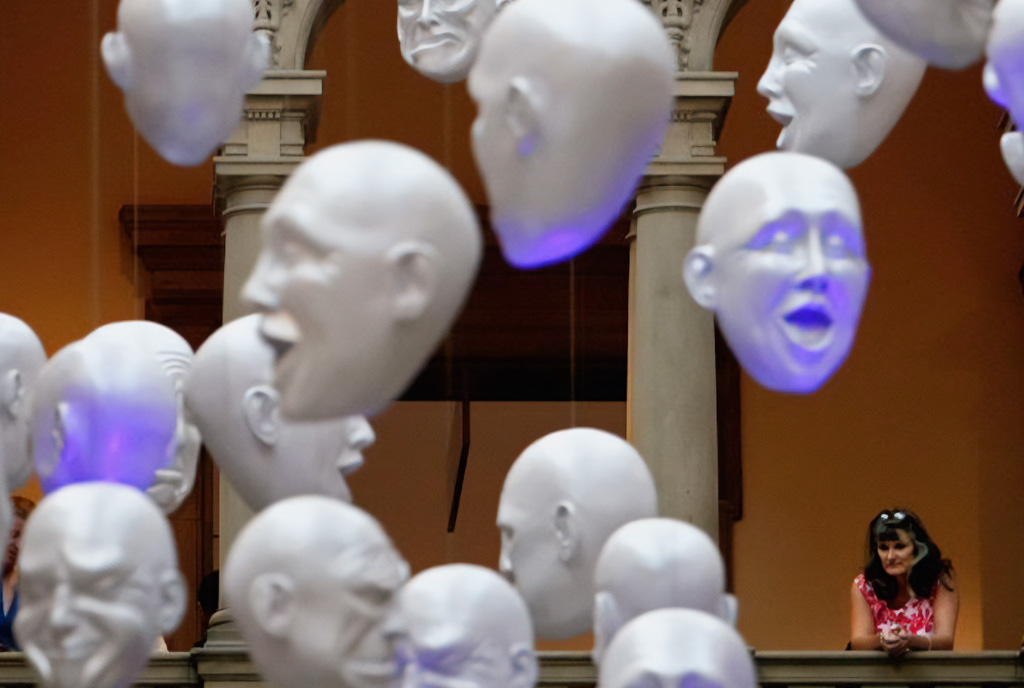
Kelvingrove Art Gallery in Glasgow's West End has been an essential part of the city's cultural scene since 1901, and for good reason.
Over the years it has featured famous works by artists including Dali, Rembrandt, Van Gogh, Monet and Turner. It also boasts extensive natural history and archaeology sections.
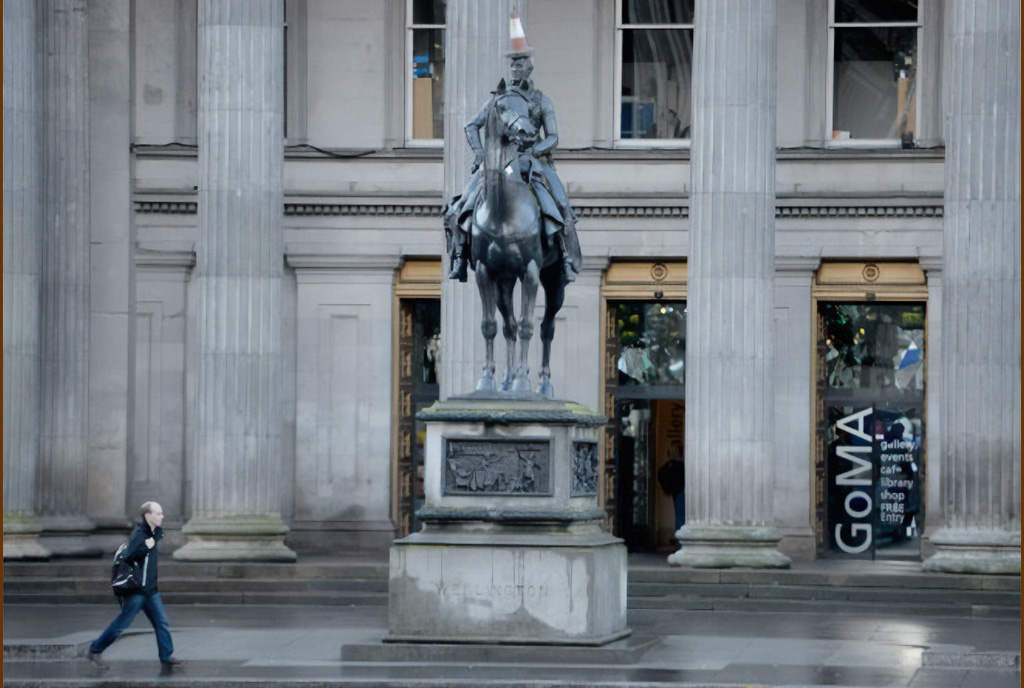
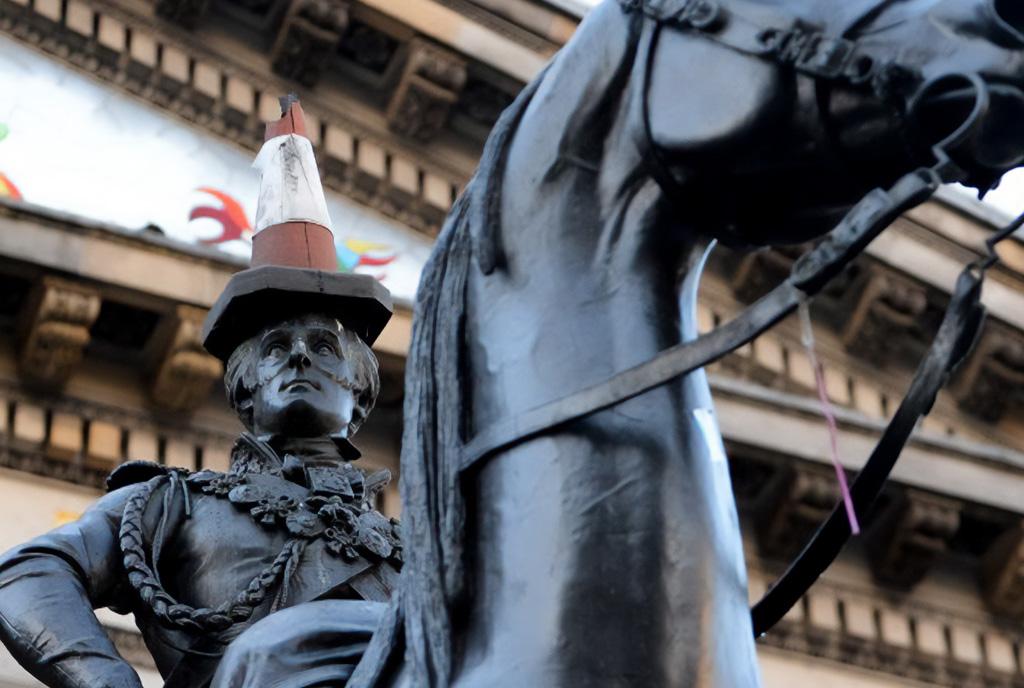
In the city centre, the Gallery of Modern Art draws crowds both for its collection and for the famous statue of the Duke of Wellington that guards its entrance. For years, mischievous locals have crowned the Duke with a traffic cone. When the council considered raising the plinth the statue stands on in 2013 to put a stop to the practice, more than 10,000 people signed a petition against the move, arguing that the cone had become part of the cityscape. The council backed down.
Edinburgh's main museum attractions, the Scottish National Gallery and the National Museum of Scotland, look rather dull by comparison.
Elsewhere in Glasgow, the Burrell Collection, the Hunterian, Tramway, the Centre for Contemporary Arts and the Riverside Museum showcase a broad range of exciting local and international art.
Sporting Capital
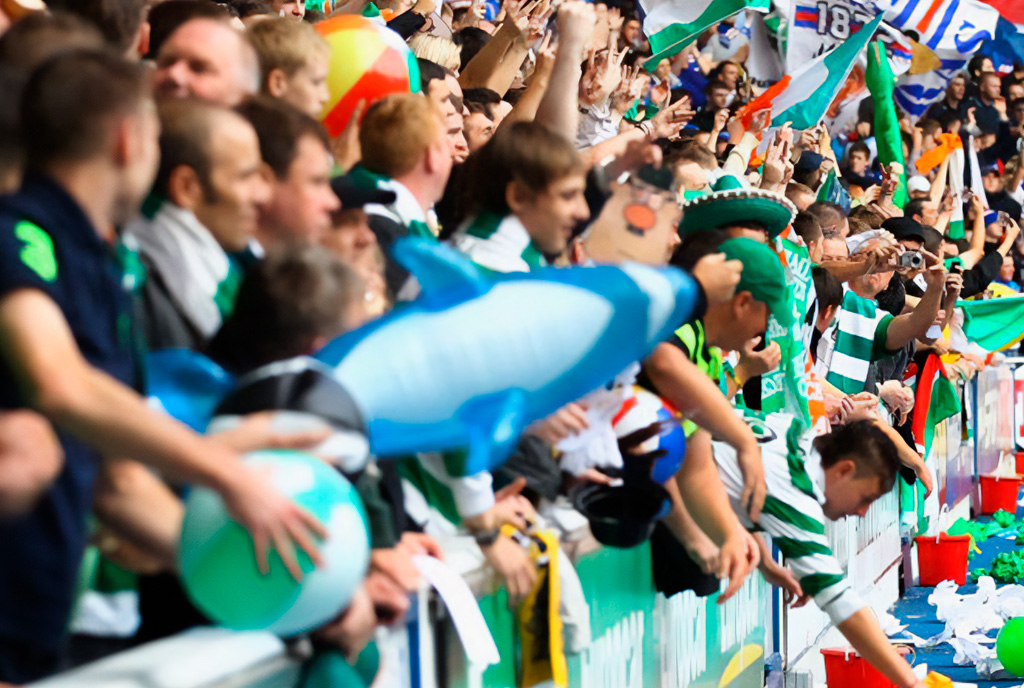
While Edinburgh may be the home of Scottish rugby, Glasgow is a football city through and through, and the home of the famous rivals Celtic and Rangers.
Those tracing the origins of the world's most popular sport can visit the West of Scotland Cricket Club in the Partick district. It was here in 1872 that the first ever official international match took place, when Scotland and England played out a 0 to 0 draw.
A short trip down the west coast leads to golf courses on the British Open rotation, such as Royal Troon and Turnberry, the latter of which is now owned by US President Donald Trump. Prestwick, which hosted the very first Open Championship in 1860, is also 30 minutes by train from Glasgow Central station and is a place of pilgrimage for many golfers.
Back in Glasgow, the 2015 Commonwealth Games left behind a wealth of top class venues that now regularly host world class events. Once neglected areas such as Tollcross in the south of the city and Parkhead in the east are now home to an Olympic sized swimming pool and a velodrome respectively.
Both of these venues were put to use for the 2018 European Championships, a major new multi sport event that Glasgow co hosted with Berlin.
"Up the Town"
Edinburgh puts on a spectacular show every August when it hosts the Edinburgh International Festival, drawing hundreds of thousands of visitors from around the world.
But the people of Glasgow will tell you their city has a genuine party atmosphere all year round. The city centre, Merchant City and West End are full of bars, restaurants, clubs and live entertainment every night of the week.
Although Glasgow sorely misses the world renowned Arches (which regularly hosted the world's top DJs before its closure in 2015), the equally famous Sub Club is still thriving. New contenders on the dance and electronic music scene include La Cheetah, while SWG3 has become one of the city's key creative hubs in the absence of the Arches.
A more rock, punk and grunge experience can be had at venues like The Cathouse. Mono and Glad Cafe, meanwhile, provide a stage for new and interesting indie, electronic and world music acts. Both take pride in a wide selection of beer.
According to Mike Grieve, managing director of the Sub Club, those who head to Edinburgh for a night out will have a good time, but they will "get bored" far quicker than in Glasgow.
Outside London, "nowhere in Britain has as many club events, resident DJs, club nights and guest DJs," Grieve added. Glasgow is "truly on the clubbing map".
"The Dear Green Place"
One thing Scotland has in abundance is stunning nature and scenery.
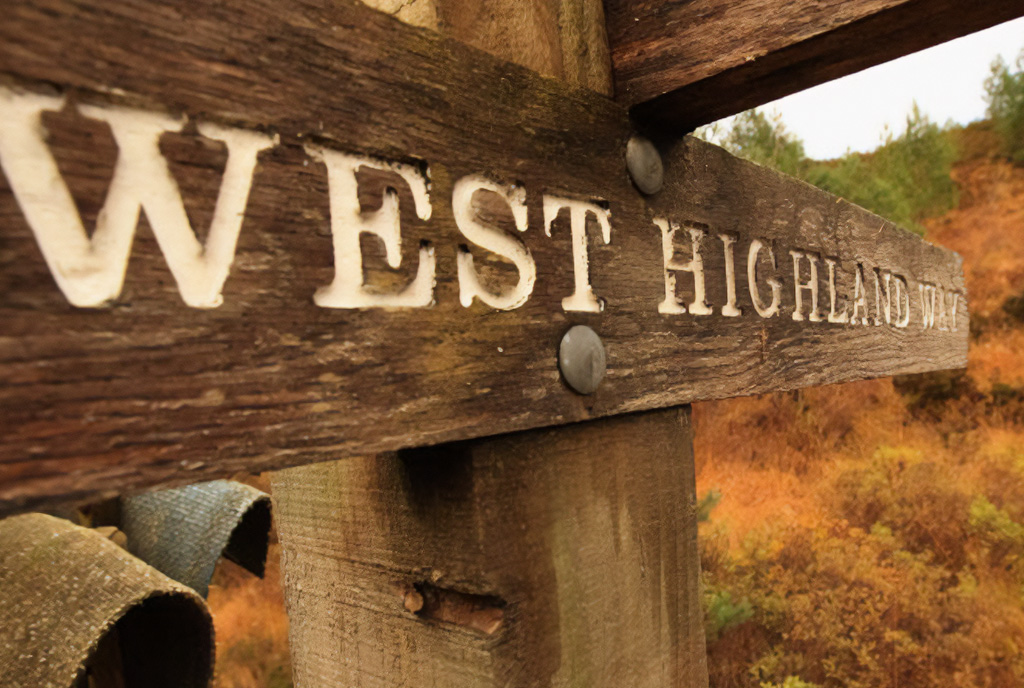
Those seeking easy access to gorgeous countryside can head to Milngavie on the edge of Glasgow, where the legendary West Highland Way begins. The 96 mile walking route stretches to the Highland town of Fort William along old traditional roads and quiet country paths.
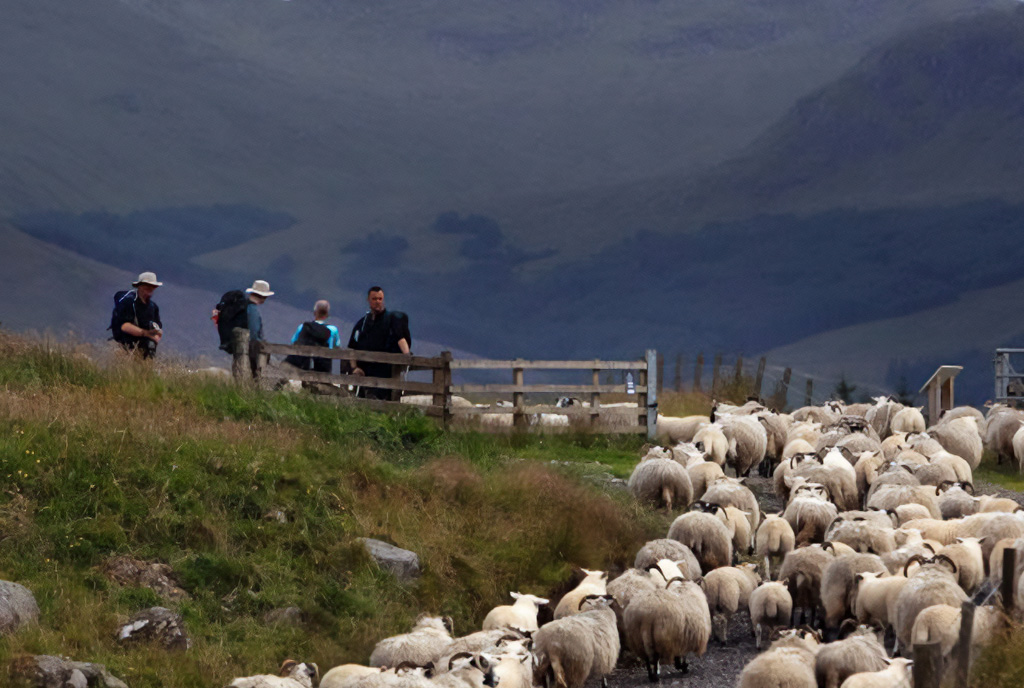
The magnificent Loch Lomond and the Trossachs National Park is also just 30 minutes' drive from the centre of Glasgow. Contrary to popular belief, Scotland does get the odd spell of sunshine, and when it arrives, few places in the country are more beautiful than Loch Lomond.
Glasgow itself also boasts several stunning parks, including the Botanic Gardens, Kelvingrove Park and Glasgow Green, each with its own special charm and a match for any green space in Edinburgh (with the possible exception of Arthur's Seat. Fair enough, Edinburgh).
According to Cochrane of the STGA, "just how green Glasgow is surprises a lot of visitors" he shows around the city.
Little wonder it is known as "the Dear Green Place".