

There is a reason why most of Scotland's population is concentrated near the English border.
It is safer down there, well, apart from a few Glasgow pubs.
The country grows wilder the further north you go.
Partner links: booking through them supports the blog at no extra cost to you.
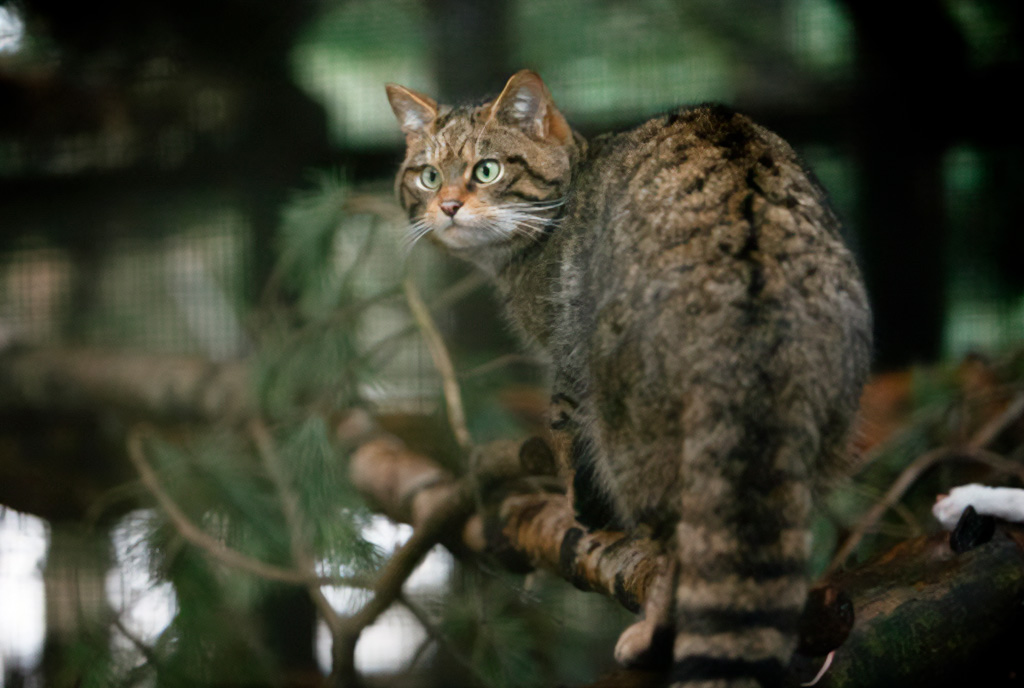
From haunting peat bogs to minke whales and giant sharks patrolling its islands, wild geese that flock here, and even its own native cat (a wildcat, in Scotland?), this small country holds some of the last truly unspoiled places left in Europe.
Yet few people in heavily urbanised Britain, or beyond it, know much about these astonishingly beautiful spots within their own borders.
Fewer still have explored them.
Below you will find all the details (there is probably some Scottish way to say that) on how to reach them, starting with one rather unlikely cat...
The "Highland Tigers"
Fewer than 100 purebred wildcats remain in Scotland.
Spotting a "Highland tiger" in the wild is a rare privilege, but you might catch a glimpse of one in the thick heather and pine forests of Cairngorms National Park (free entry, 365 days a year).
This pocket of wilderness is home to red deer, golden eagles and ospreys, as well as wildcats.
Most of the park, whose landscapes include four of Scotland's five highest peaks, can only be explored on foot.
The Curlew's Cry on the Moor
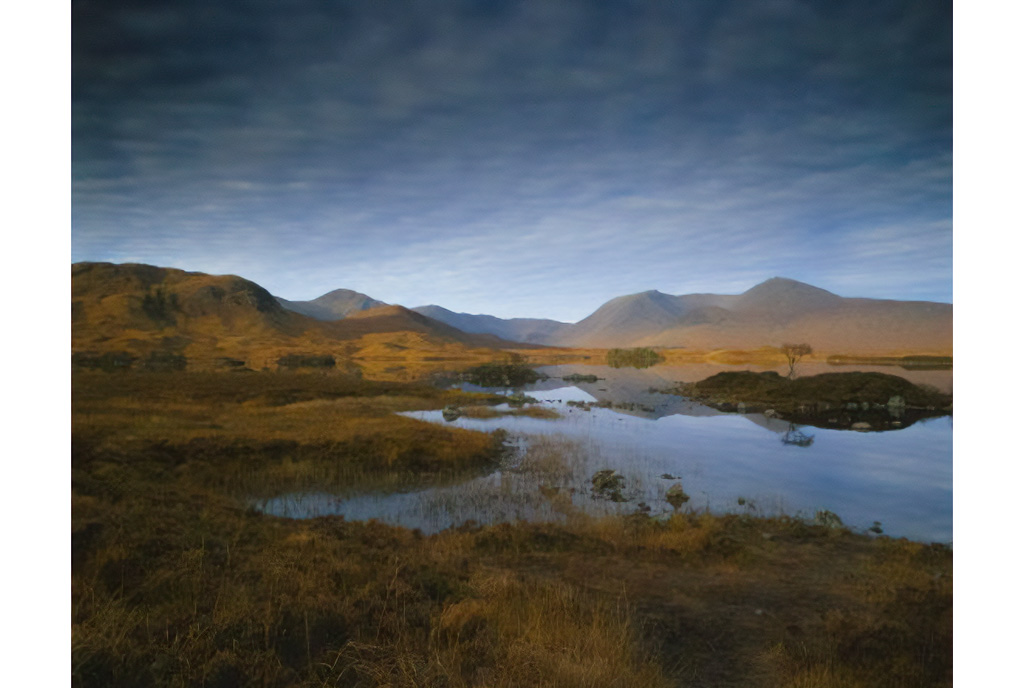
Few places feel as wild as the wind-swept expanse of Rannoch Moor.
Only one road crosses this sweep of peat bog, heather moorland, streams and lochans (small lochs).
Often the only sound here is the cry of the curlew, a wading bird.
The West Highland Way runs through this remote terrain.
After crossing the moor, this long-distance route drops into the brooding Glen Coe.
In 1692, Campbell soldiers in government service killed nearly 80 members of the MacDonald clan.
Walking across the moor from Bridge of Orchy (four trains a day from Glasgow) takes one day.
Set aside another day to reach Glen Coe and descend the rugged "Devil's Staircase" to the coast.
You can pitch a tent anywhere along the way, but beware of swarms of biting midges in summer.
Scotland by Sea Kayak
The Scottish Sea Kayak Trail is Europe's first long-distance sea kayaking journey.
This 500-kilometre odyssey takes in almost mythically beautiful stretches of coastline between Gigha, near the Mull of Kintyre, and the Summer Isles, close to Ullapool.
You can tackle the trip in stages or in one epic expedition that takes around two weeks.
Wilderness Scotland (Inverdruie House, Inverdruie, Aviemore; +44 (0)1479 420 420) offers guided four- and five-day tours from £895 ($1,420).
The price includes equipment, hotel accommodation and ground transfers.
Ben Nevis's Shorter but Tougher Rival
Suilven, rising above the wilderness of Assynt, is not among Scotland's highest mountains.
Reaching its 2,399-foot summit, however, involves an almost vertical scramble up rocky gullies and poses a far greater challenge than the comparable walk to the top of the much higher Ben Nevis.
At the summit, after a nerve-racking final traverse along the ridge, you are rewarded with a magnificent panorama of loch and moorland.
With luck, golden eagles will be soaring overhead.
Suilven lies 19 kilometres south-east of the village of Lochinver, Assynt; access is free. Downloadable maps are available at Walkhighlands.co.uk
Wild Geese and Battling Deer
Vast flocks of waterfowl darken the skies of Islay in winter, when tens of thousands of barnacle and white-fronted geese migrate from the Arctic to this southern Hebridean island.
Their arrival in autumn and departure in spring are among the most memorable wildlife spectacles in Europe.
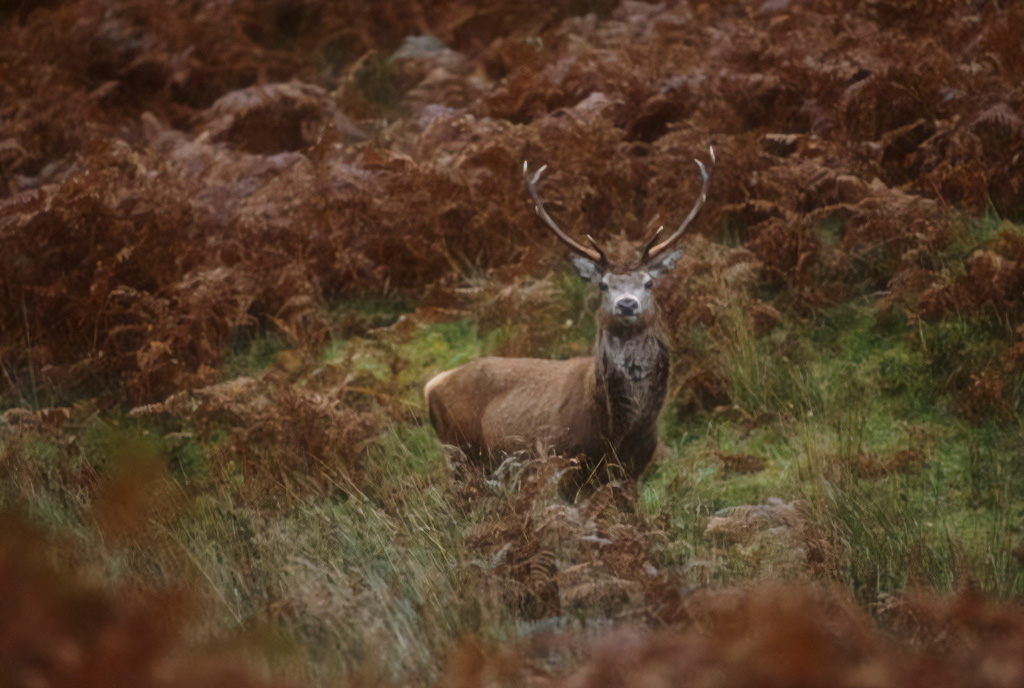
Islay is also the best place in Scotland to watch red deer stags at close range as they clash antlers to stake out their mating territory.
At the same time of year you will see March hares "boxing" as they, too, seek out mates.
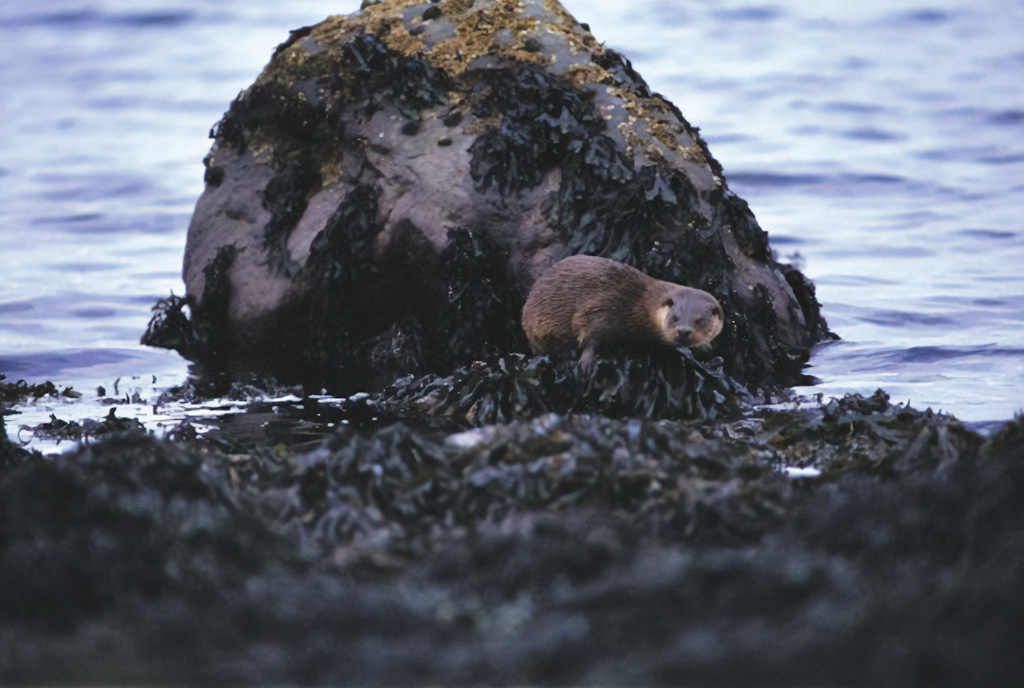
Seals and otters inhabit the island's rocky shores.
Islay Stalking (Gearach Forest, Islay; 44 1496 850 120) offers morning and evening photo safaris from £20 ($32).
In Search of Beavers
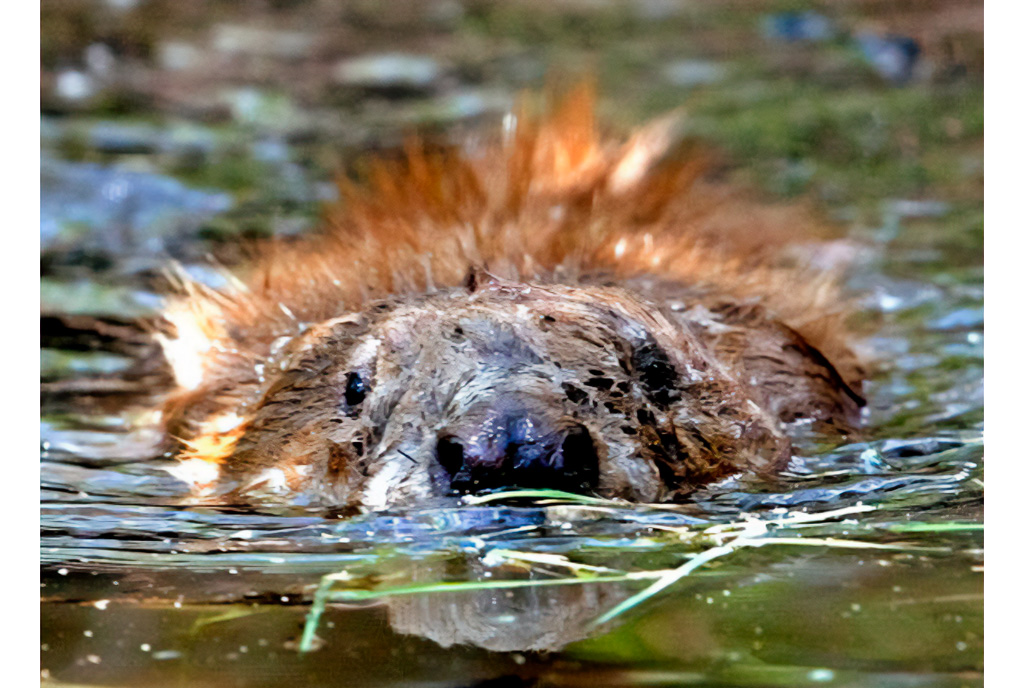
Beavers, extinct in Scotland for 400 years, were reintroduced into the wild in 2009.
A small colony has settled in Dubh Loch and Loch Coille-Bharr, in Knapdale Forest.
Knapdale is a unique wetland landscape of rocky ridges and lush oak woodlands.
Besides beavers, it is home to otters and a wide variety of birds.
Guides from the Scottish Beaver Trail (Knapdale Reserve, Barnluasgan, Argyll) lead tours to the lochs, beaver dams and feeding grounds.
Minke Whales and Loggerhead Turtles
The waters around the Isle of Mull teem with marine life.
You can set off on a boat trip from this stunning island off the west coast to see minke whales, dolphins, porpoises and basking sharks out at sea, seals and otters on the island shores, and white-tailed eagles in the skies above them.
Rarer sightings can include the giant ocean sunfish and even loggerhead turtles.
A three-hour wildlife-watching boat tour with Mull Charters (Fascadale, Salen, Isle of Mull; +44 (0)1680 300 444) costs £35 ($55).
Climbing the Twisted Old Man of Storr
The "stacks" of Scotland's west coast offer unique climbing routes.
These sheer rock spires rise straight out of the waves and challenge even the boldest climbers.
The Old Man of Storr, a twisted 60-metre sandstone pinnacle, is considered one of the finest multi-pitch climbs, with a 55-metre abseil back down to sea level from the top.
Go Further Scotland (9 Melvaig, Gairloch, Ross-shire; +44 (0)1445 771 260) offers guided climbs (a maximum of two climbers per expert guide) from £130 ($207) per climber.
Abandoned St Kilda
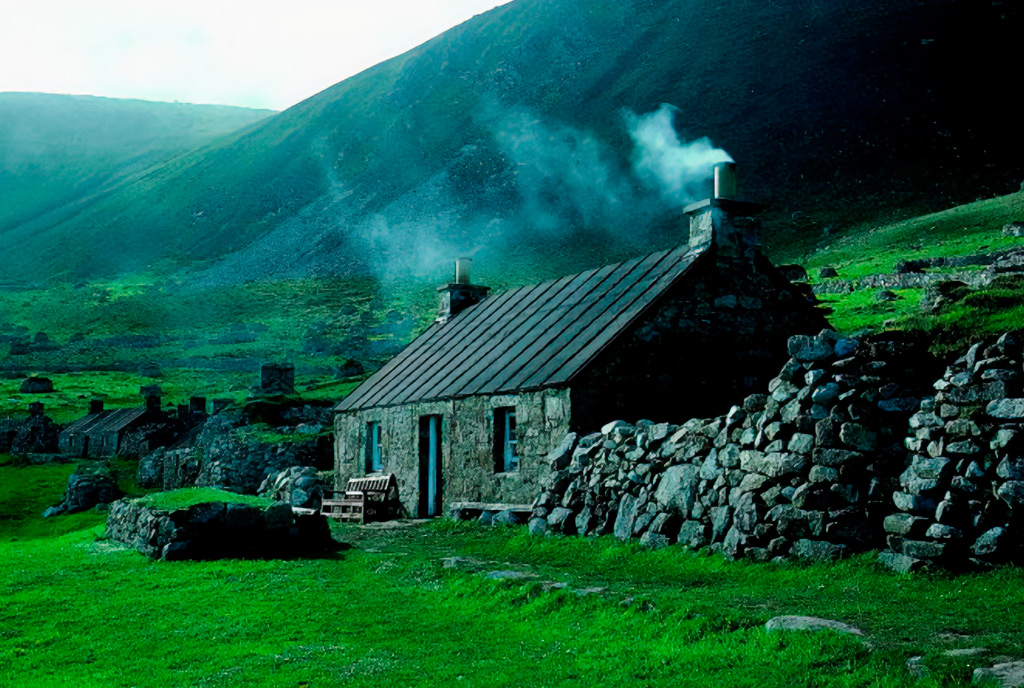
It is hard to believe that people ever lived on St Kilda.
After centuries of grinding hardship, the last islanders asked in 1930 to be resettled on the mainland.
Since then, the only permanent residents of St Kilda have been seabirds, wild sheep and a unique species of field mouse.
This is the wildest of wild places. Reaching it, even on a modern vessel, takes stamina.
The towering cliffs of St Kilda provide nesting sites for huge colonies of gannets and fulmars.
Below the surface of the sea, the cliffs plunge deep, creating world-class dive sites.
Elizabeth G Charters (Failte, Main Street, Tobermory, Isle of Mull; +44 (0)1688 302 495) offers luxury cruises for wildlife watching and diving with accommodation on board.
Prices start from £1,000 ($1,600) per person for a six-day cruise.
Loch Ness
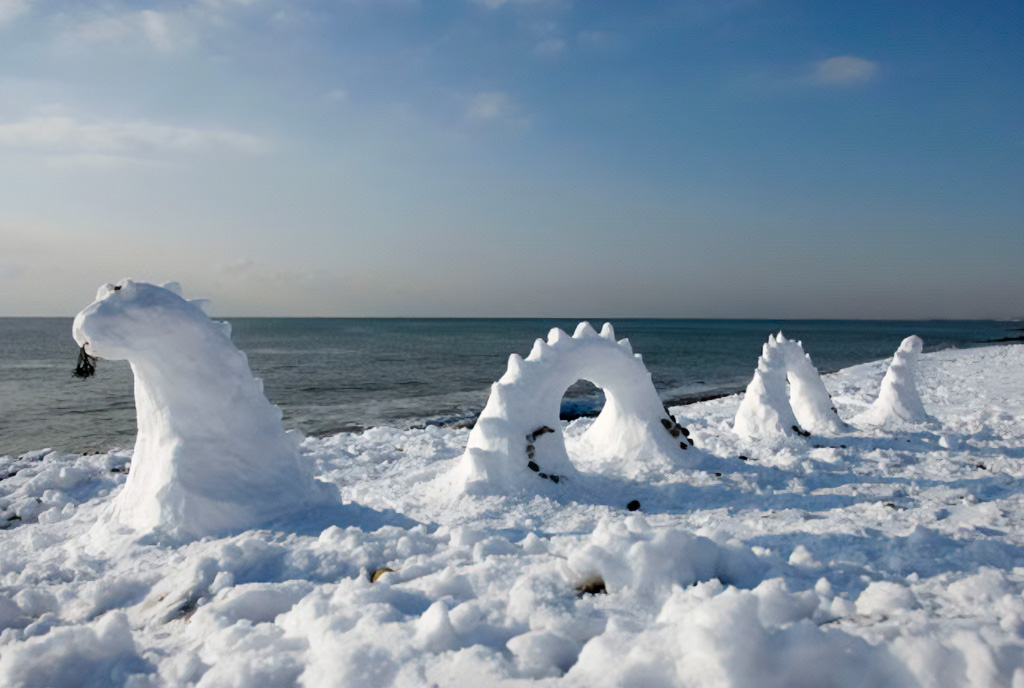
And then there are the wild stories, one of the wildest in Scotland concerning a supposed monster said to dwell in Loch Ness.
On a gloomy day it is easy to believe that unknown life forms lurk in its depths.
Cryptozoology is big business in these parts, but this vast, dark loch, which holds more water than all the lakes of England and Wales combined, is impressive, Nessie or no Nessie.
The quiet side of the loch, which you can reach by kayak from Fort Augustus, feels remarkably untouched for a place as famous as Loch Ness, no wonder whisky smugglers loved its calm, hidden little coves.
Cruise Loch Ness (Knockburnie, Inchnacardoch, Fort Augustus, Inverness-shire; +44 (0)1320 366 277) offers hour-long "monster-hunting" trips on sonar-equipped boats, from £22 ($35) per person.
Or you can paddle by canoe along the Great Glen, from Loch Ness to Loch Morar, with Boots 'N' Paddles (14 Cabrich, Kirkhill, Inverness; +44 (0)845 612 5567). The journey takes three to five days.