

It takes just a few bites to understand why Din Tai Fung, a restaurant chain from Taiwan, has become the world's most famous maker of xiaolongbao, dumplings filled with pork and soup.
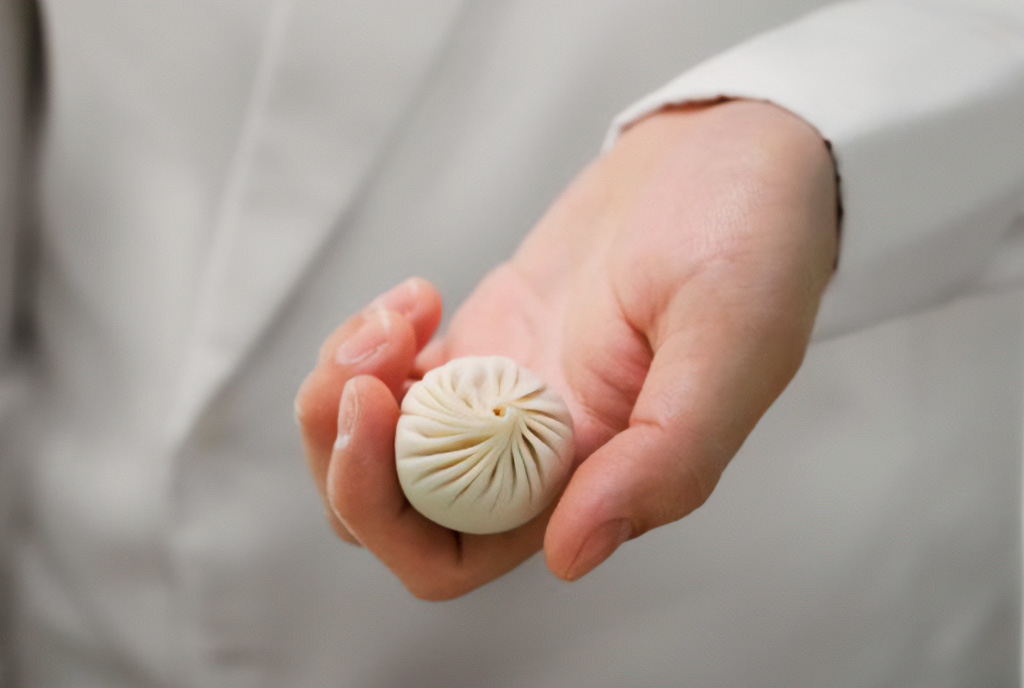
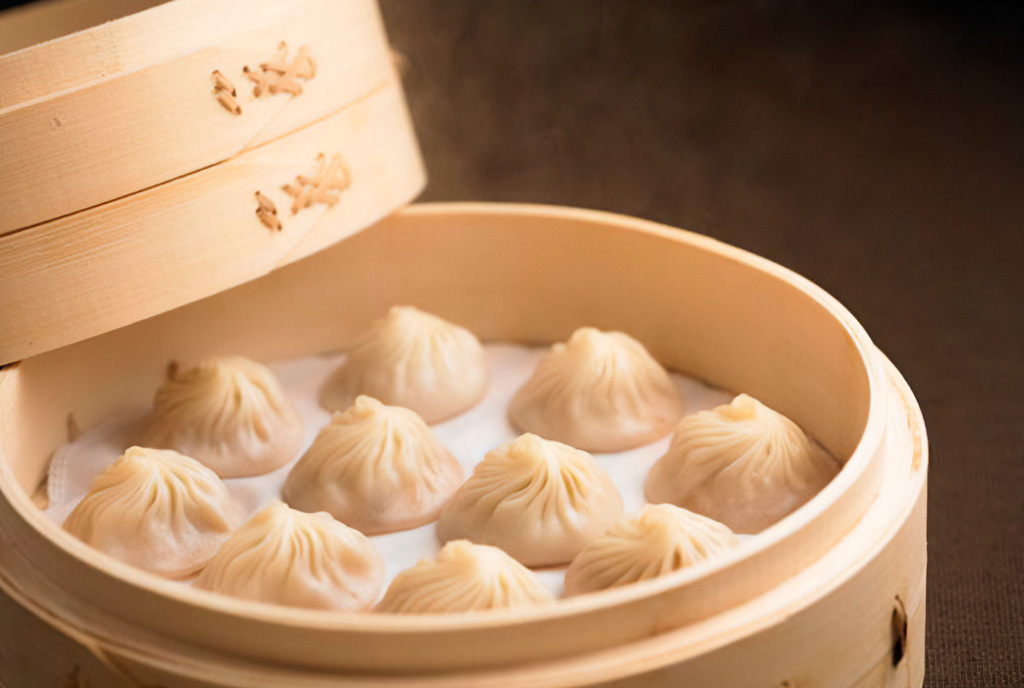
To the uninitiated, these plump parcels, each about the size of a ping-pong ball, might not look like much, but every one of them is a tiny, magical work of culinary art.
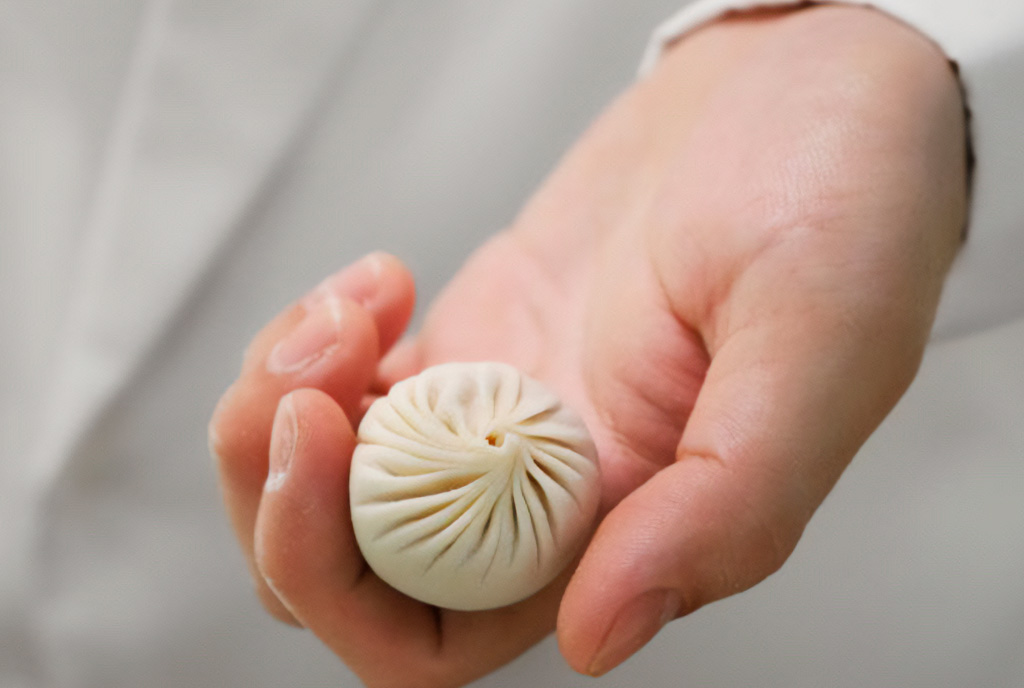
Pierce the delicate wrapper, folded with 18 intricate pleats, using your chopsticks. Let the soup pour into your spoon, sip the exquisite broth, then bite through the skin to reach the tasty pork filling.
Partner links: booking through them supports the blog at no extra cost to you.
Be warned: this can lead to a lifelong addiction. It certainly did for me.
I first discovered Din Tai Fung two decades ago, when I was a student in Taipei. A friend took me to the chain's very first restaurant, in an unassuming building on Xinyi Road. In Hong Kong, where I lived for ten years, Din Tai Fung earned a Michelin star, a rare honor for a relatively affordable restaurant chain.
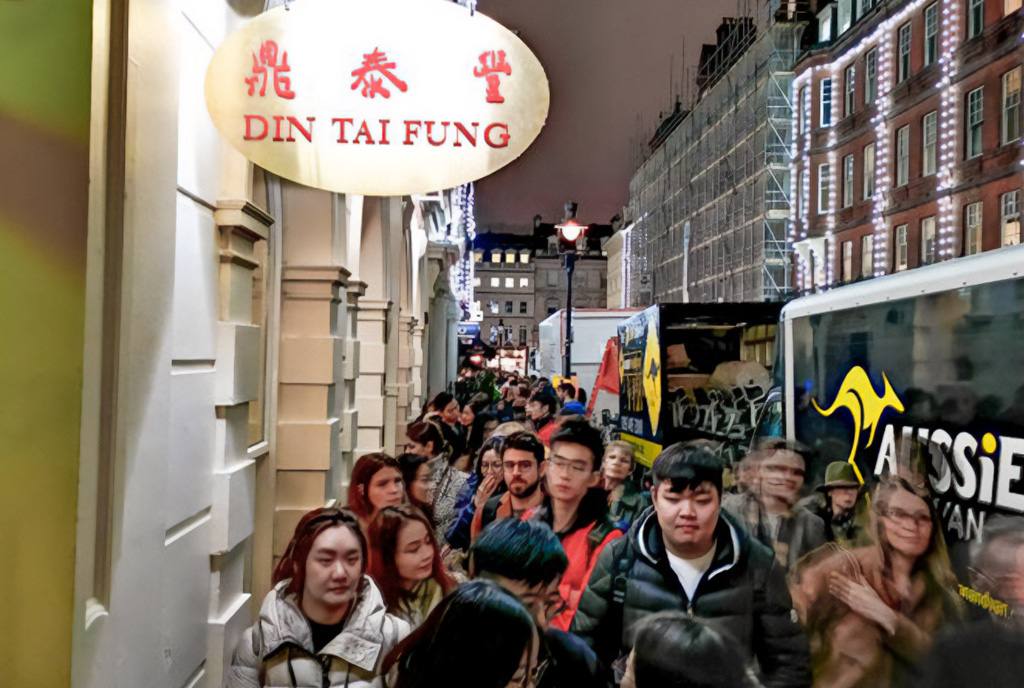
Having moved to London this summer, I was thrilled to learn that Din Tai Fung was opening its first European restaurant in the British capital, which launched in Covent Garden in December.
Although the atmosphere here is more refined than the Din Tai Fung branches where I ate in Asia, with works by Singaporean artist Tan Oe Pang on the walls and a cocktail bar, the dumplings tasted familiar. Staple ingredients such as rice, flour and soy sauce are imported from Taiwan to keep the flavor consistent, while fresh ingredients are sourced locally.
But will Din Tai Fung win over London, a city increasingly spoiled for choice when it comes to authentic, high-quality Asian food?
"London is a world-class place to eat," says Ching He Huang, a London-based chef and expert in Chinese cuisine who was born in Taiwan. "It's a very competitive environment here. People are very discerning.
"But people love them and swear by them. They have their own devoted fans. Locals who haven't heard of them will soon find out."
Din Tai Fung didn't invent xiaolongbao, which translates as little steamed bun. They, along with the larger tangbao, sometimes eaten with a straw to sip the broth, originated in the Jiangnan region near Shanghai, Huang says.
While many people wonder how the soup gets inside the dumpling, it's simpler than you might think. It's created by adding a jelly-like broth, which then melts in the steamer.
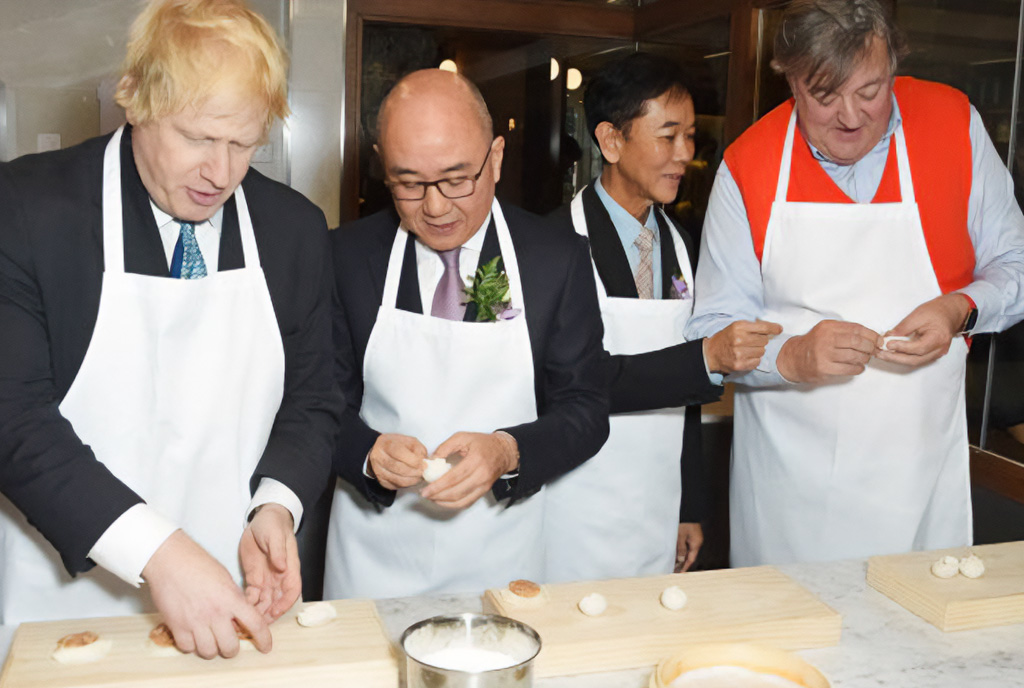
Din Tai Fung founder Bing-Yi Yang, who originally came from northern China, began making dumplings with his wife in Taipei in 1972, after their cooking-oil business failed. Their son, Yang Chi-Hua, is now the company's chairman, and it's his obsession with precision, standardization and service that has driven the company's international success, Huang says.
"They're a very humble brand. It takes something special to take that kind of craftsmanship and spread it around the world. Not many manage to get it right," she says.
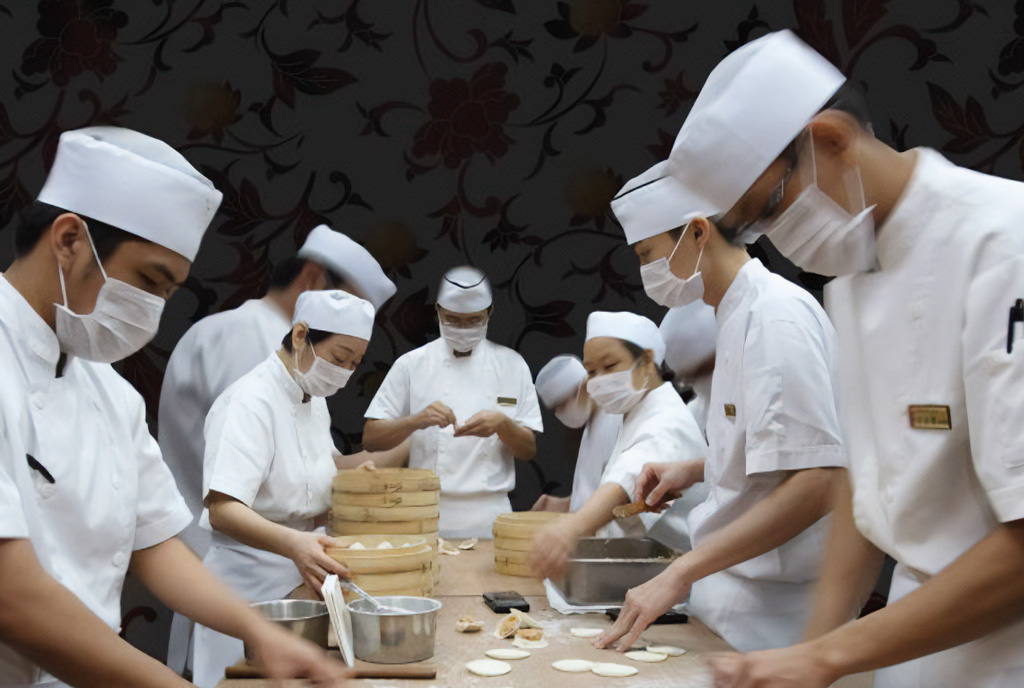
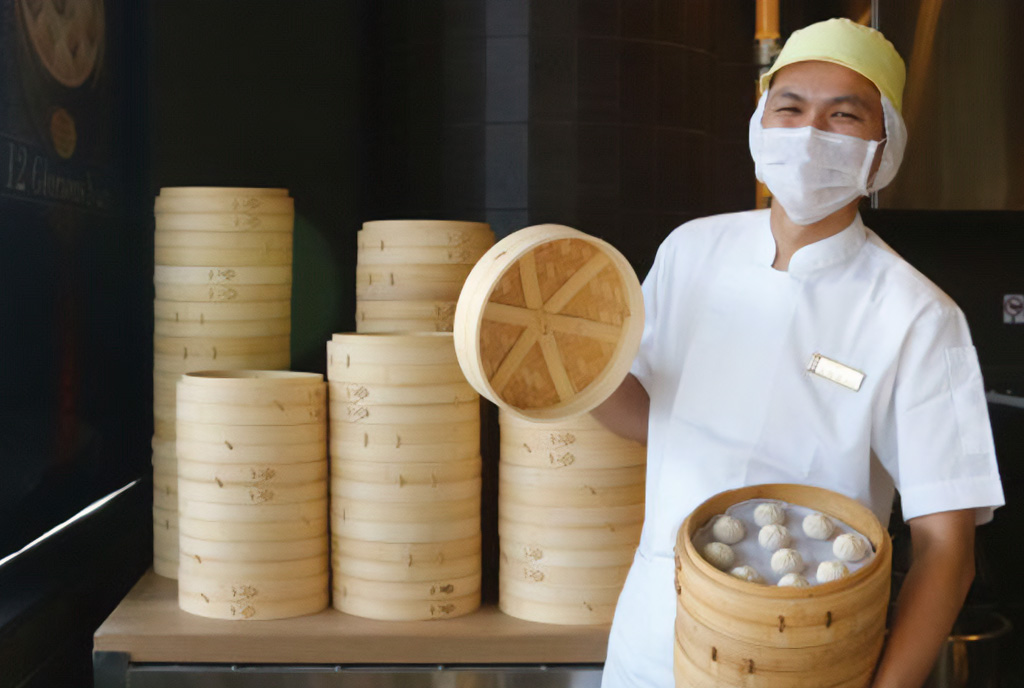
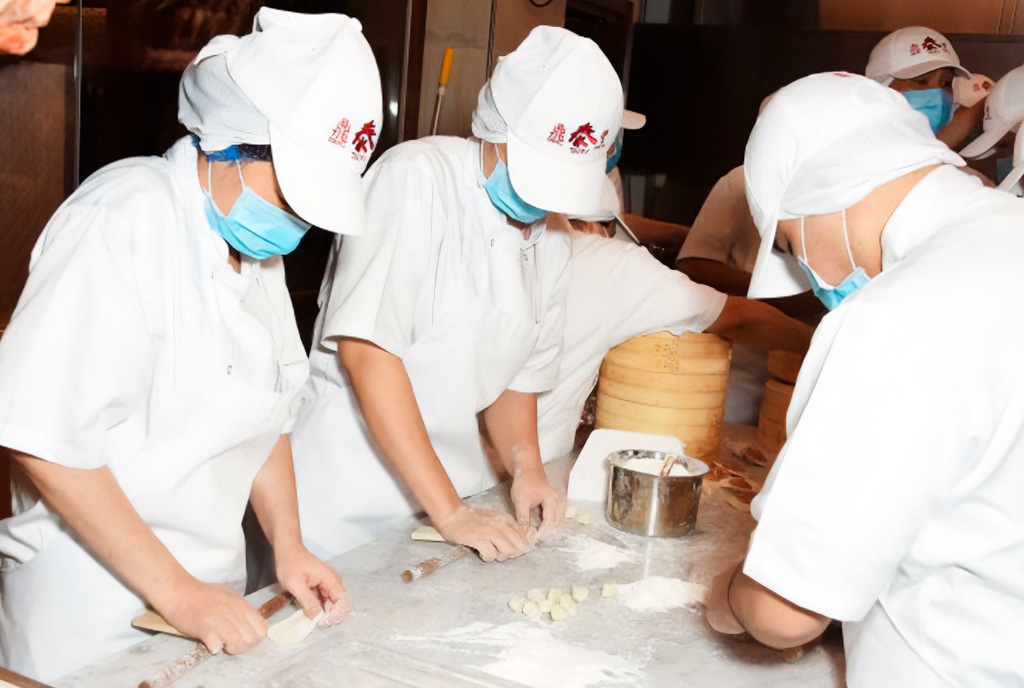
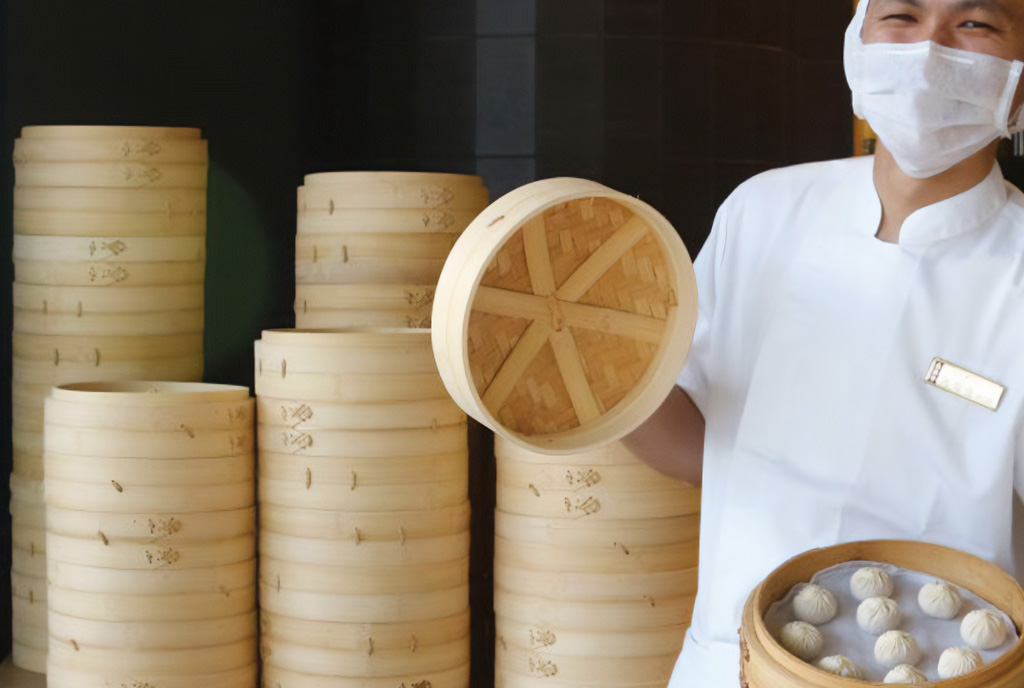
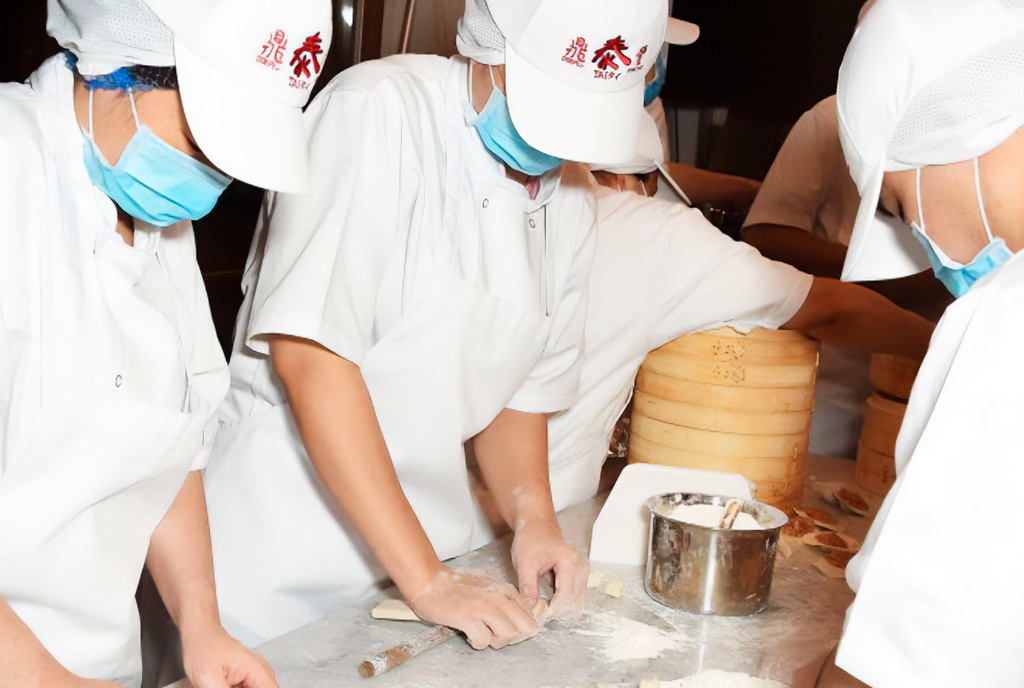
No matter which Din Tai Fung restaurant you eat at, the dumplings are prepared with the same care, in a kitchen behind a glass partition where diners can watch staff in white coats, baseball caps, hairnets and face masks meticulously weigh and roll the dough and measure out the filling. Cooks train for up to six months to perform each task and must pass a test to move on to the next.
Din Tai Fung runs more than 150 restaurants around the world, mostly in Asia, as well as on the US West Coast and in Dubai.
The story of the company's international success is now studied in business schools, including Harvard, but at the London opening Yang was remarkably modest, declaring: "All I know how to do is make xiaolongbao."
A second British branch will open in London's Centre Point building in 2019. George Quek of BreadTalk, the Singaporean company running the restaurant under a franchise, said London had the potential for more than 20 outlets.
And judging by the two-to-three-hour wait to eat at the restaurant on its opening day, he may well be right.