

Dubai's skyline is crowded with record-breaking buildings. From the world's tallest structure, the 828-meter (2,716-foot) Burj Khalifa, to the world's tallest hotel, the 356-meter (1,168-foot) Gevora Hotel, ambitious architectural projects fill the city.
These buildings are designed to give Dubai a reputation for architectural greatness, part of the city's pursuit of international recognition, currently on display through the World Expo it is hosting over the next five months.
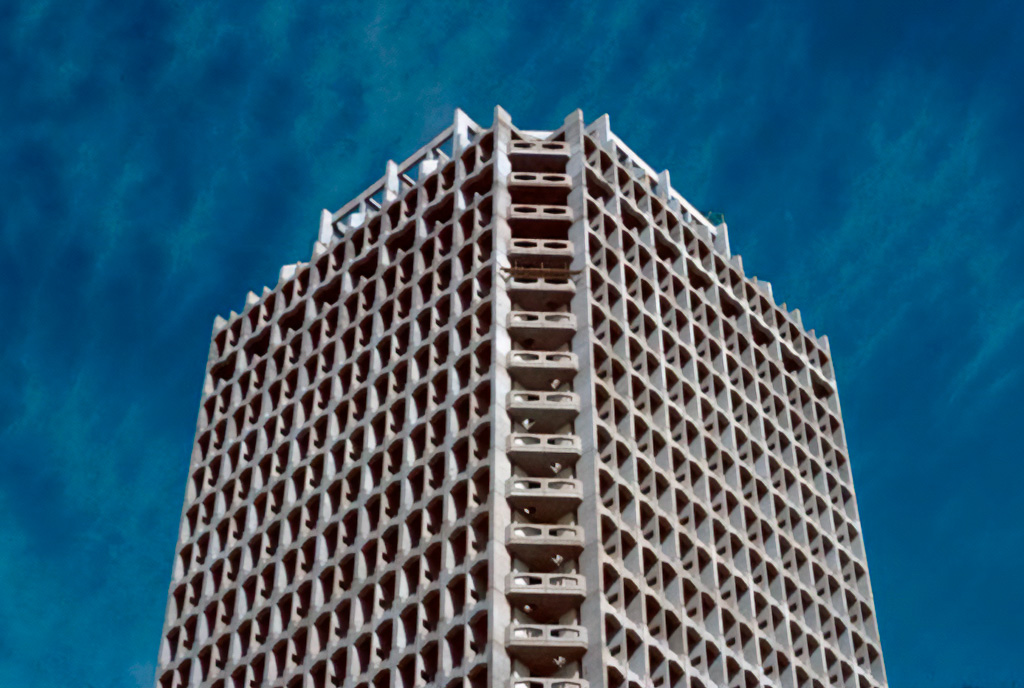
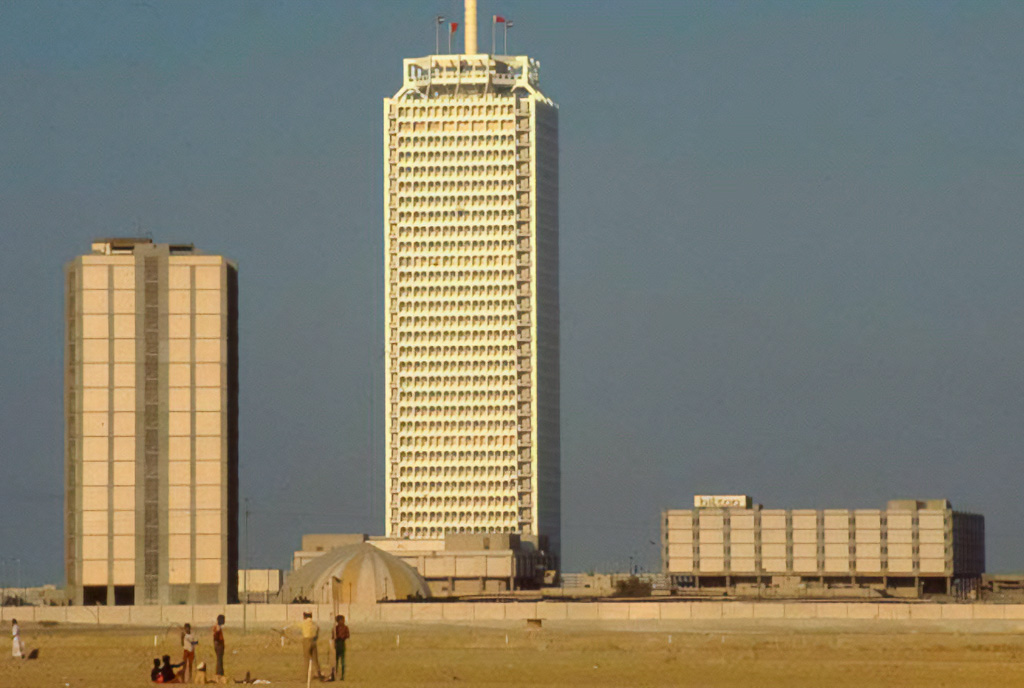
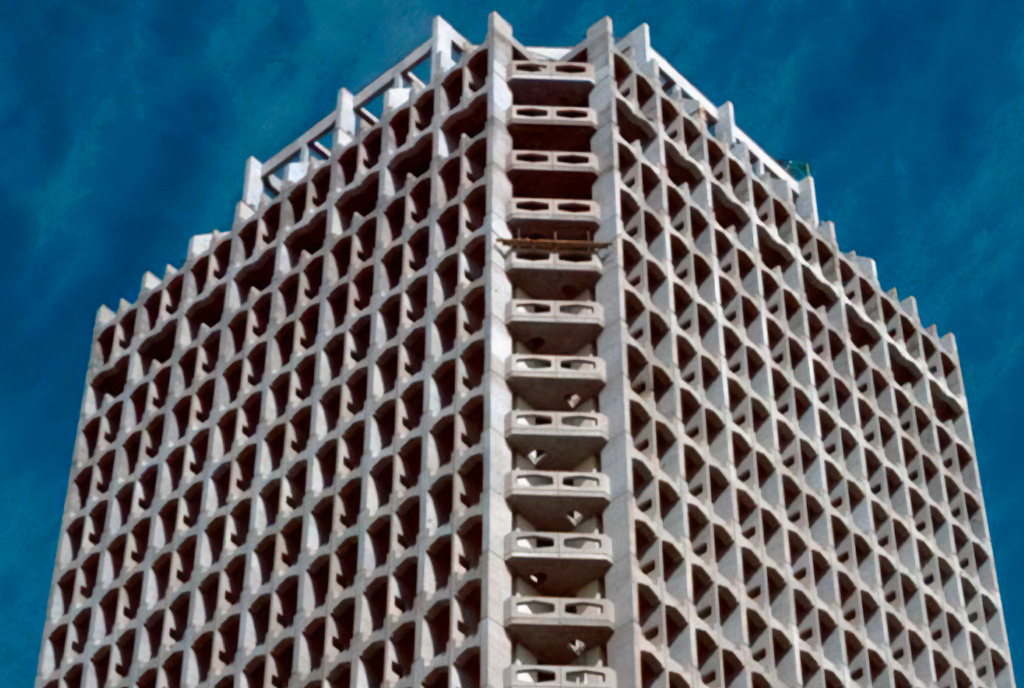
Yet Dubai's hunger for attention is nothing new. The desert city began its journey toward becoming a place of architectural appeal in the mid-1970s, when construction started on the Dubai World Trade Centre, according to architect Todd Reisz, author of the book "Showpiece City: How Architecture Made Dubai."
Partner links: booking through them supports the blog at no extra cost to you.
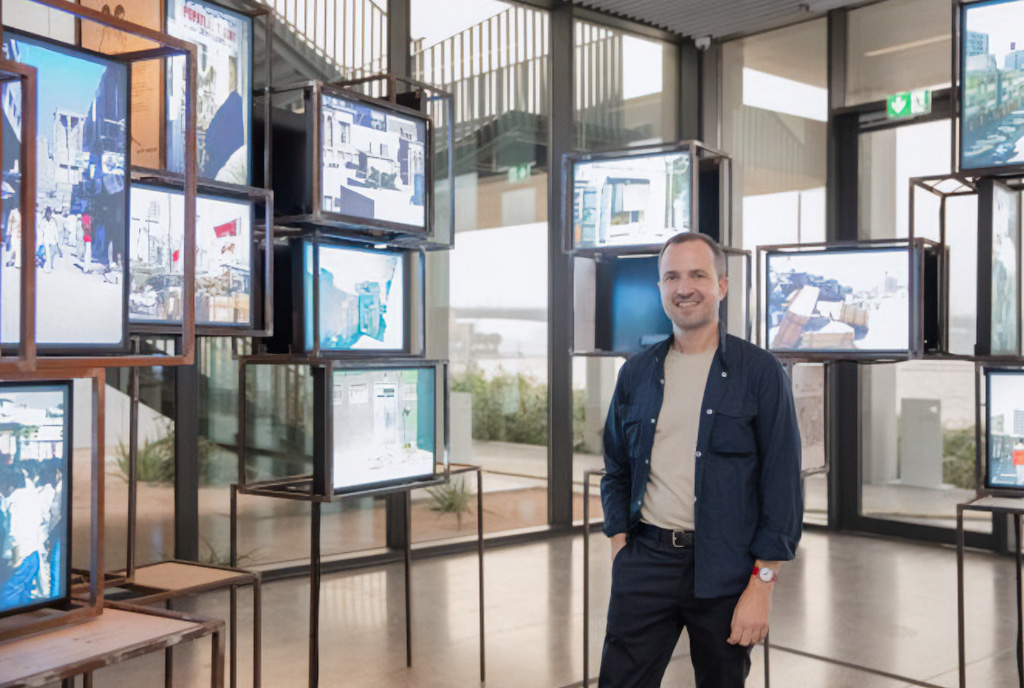
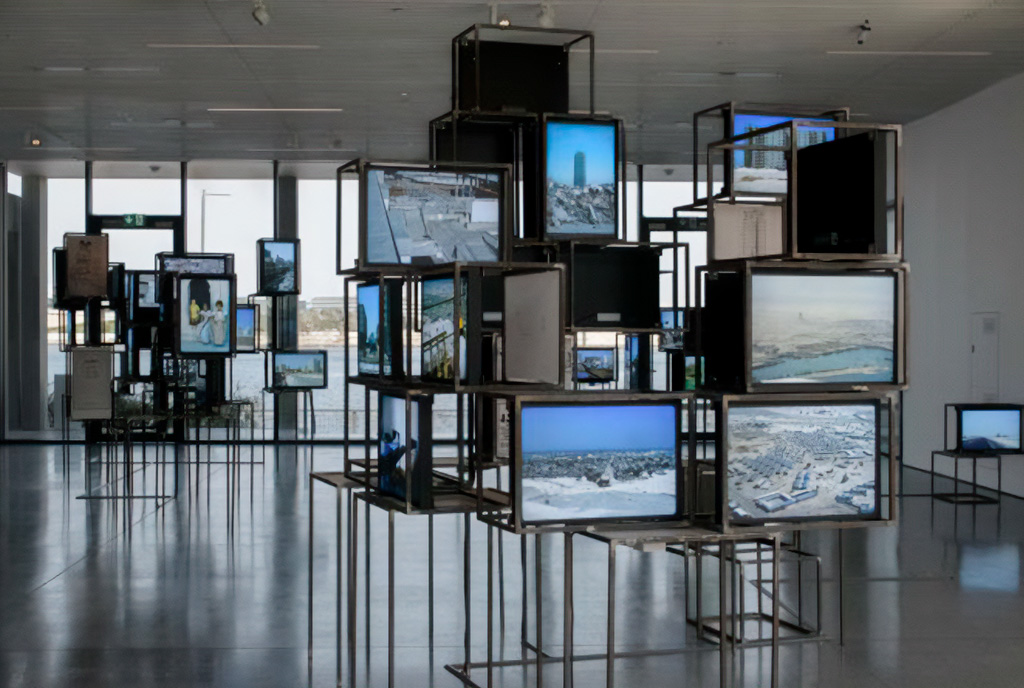
He is the curator of the exhibition "Off Centre / On Stage," running until mid-February next year at the Jameel Arts Centre in Dubai. It showcases and recalls old Dubai at a moment when the city was beginning its transformation into what it is today.
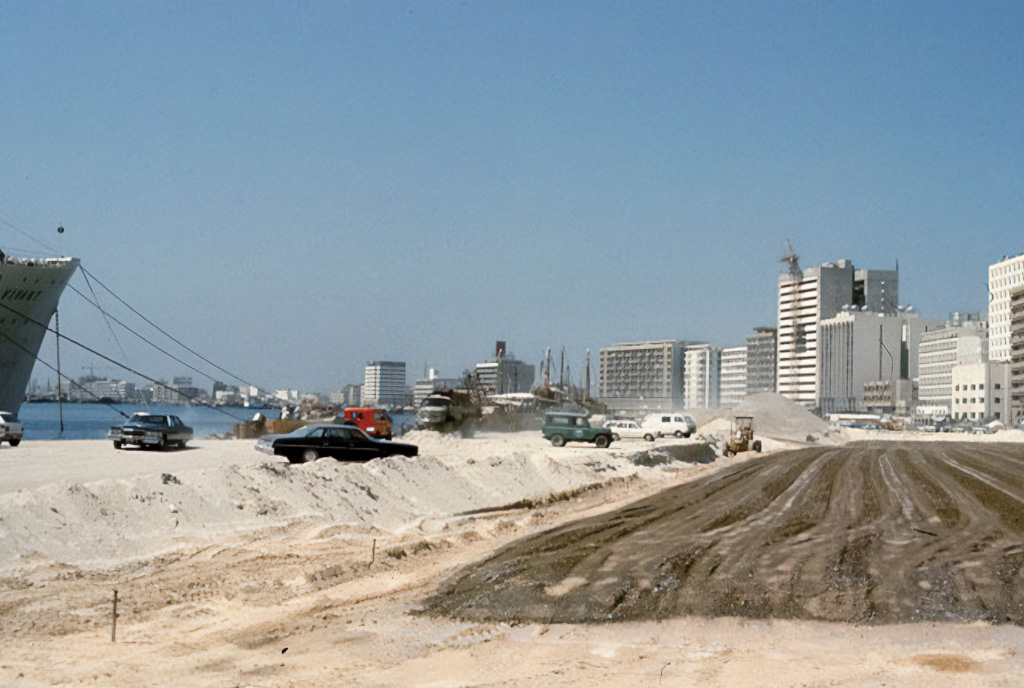
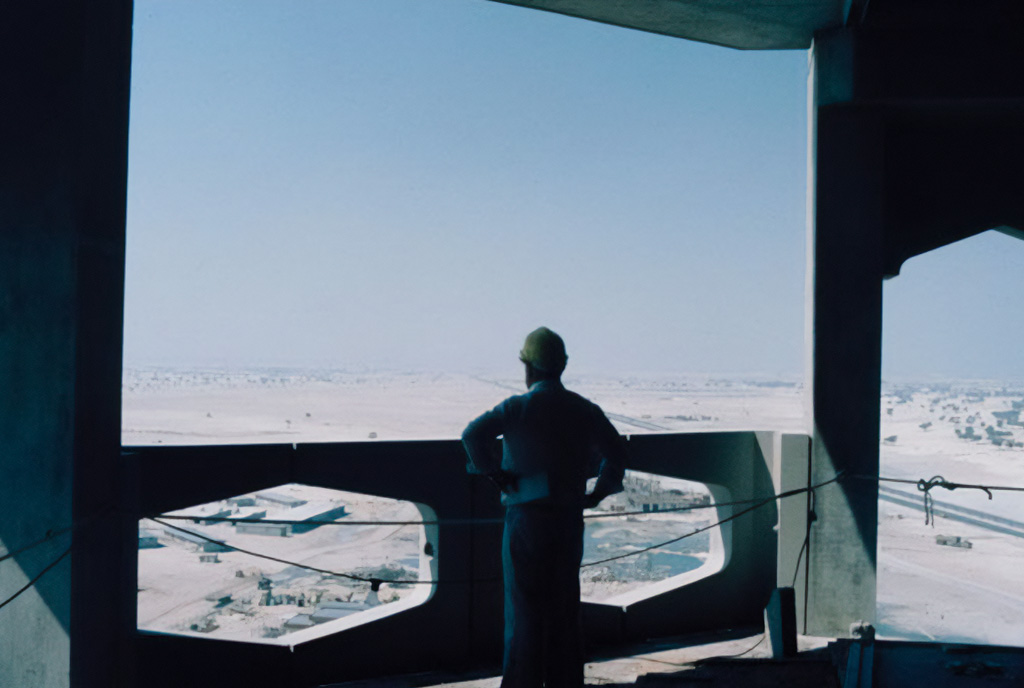
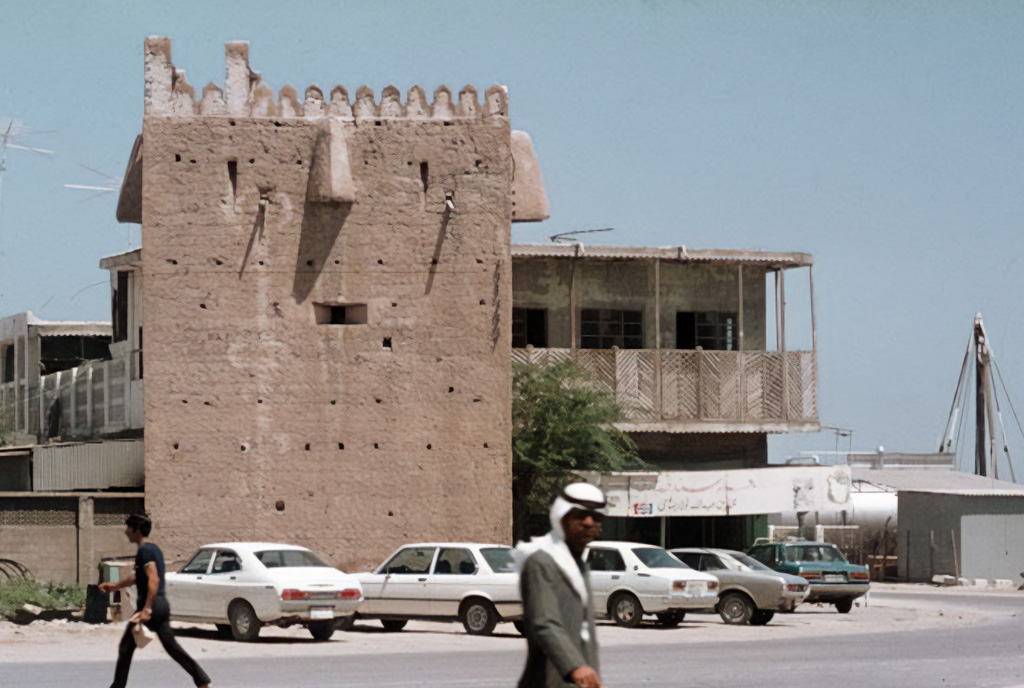
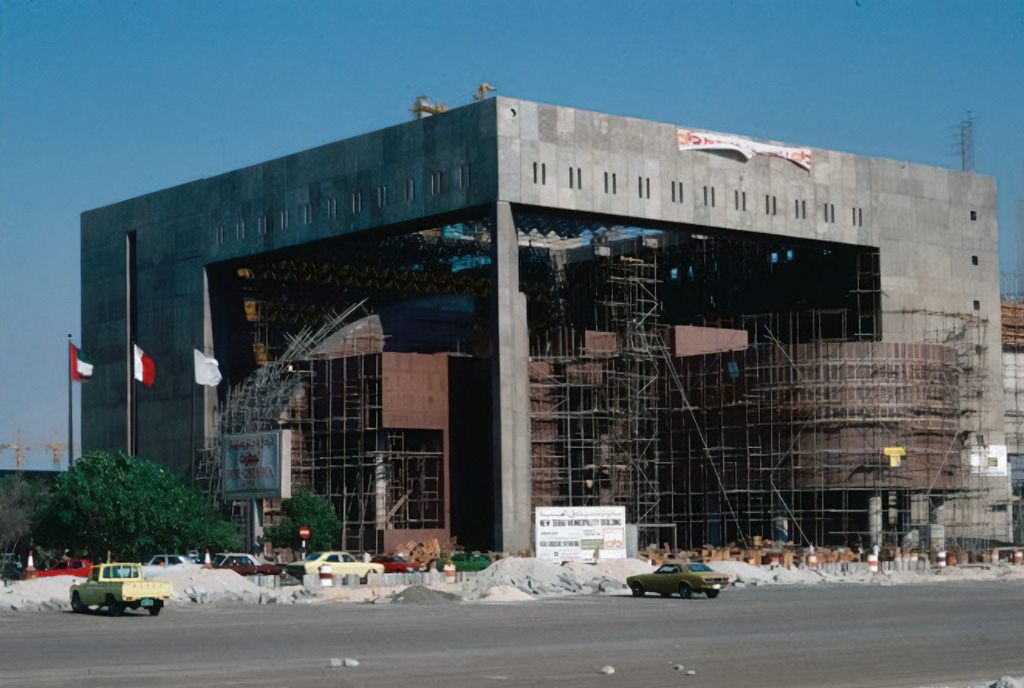
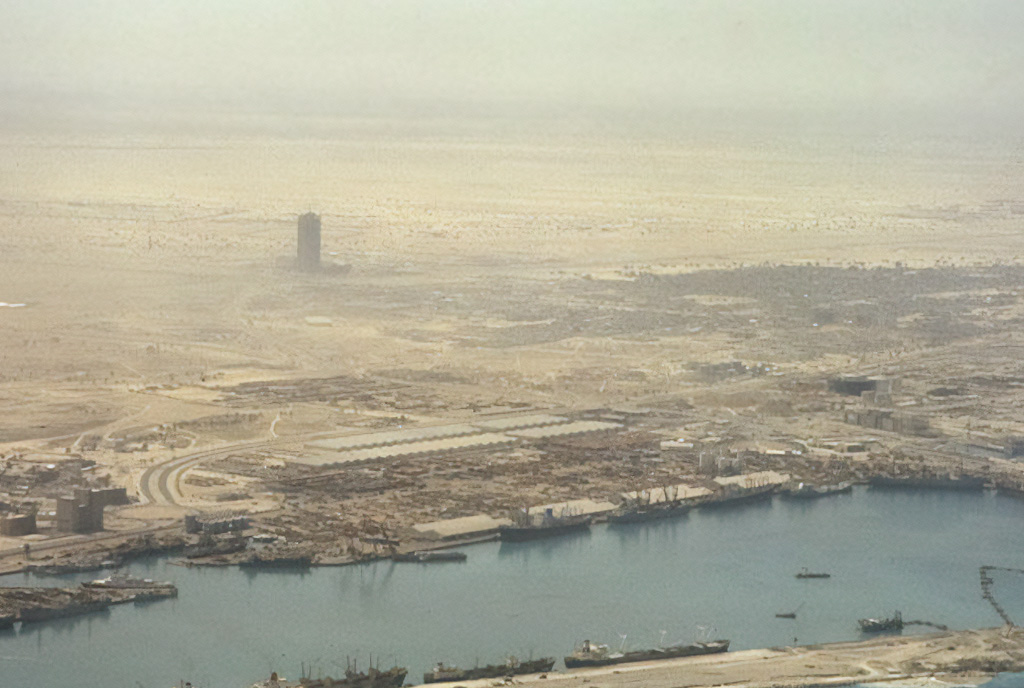
The exhibition features photographs taken between 1976 and 1979 by British architects Stephen Finch and Mark Harris, who were involved in imagining, designing and building the future city while working with John R. Harris & Partners, the British architecture firm behind the 149-meter (489-foot) World Trade Centre.
Reisz said the words "On Stage" in the exhibition's title refer to "the fact that the city has actually been on stage for decades. It used exhibitions and displays as a way of promoting itself, and also of drawing people to live there, to invest there. That's really how the city was able to grow."
He added that as early as the 1960s, Dubai's leadership was promoting it in international newspapers, trying to convince people that this was the city of the future.
Moving Beyond the Creek
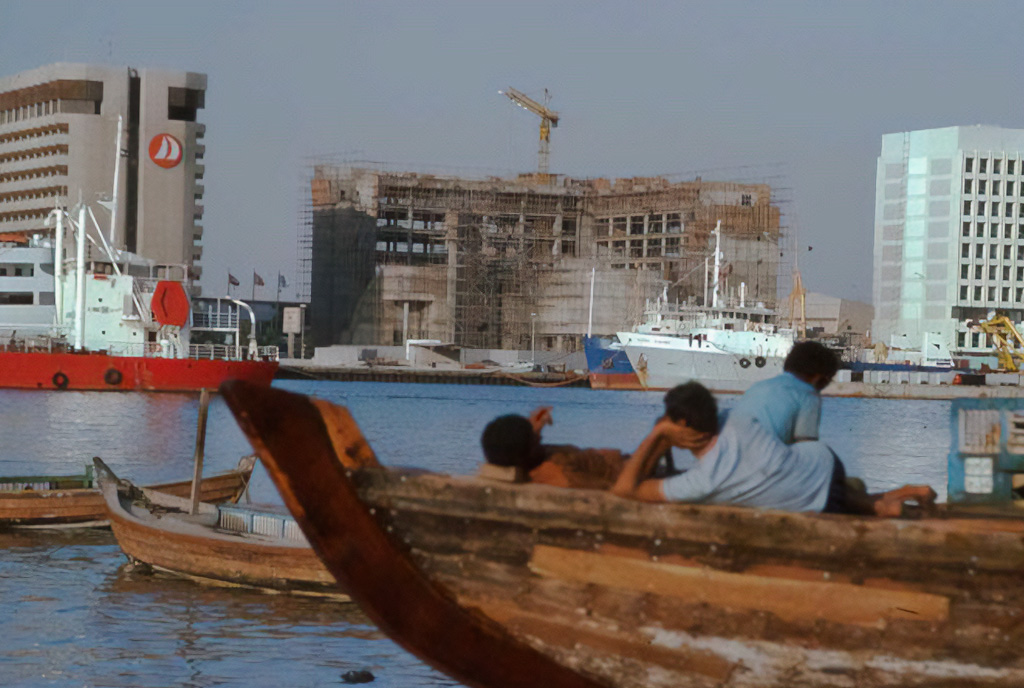
When visitors enter the exhibition, they are greeted by a sweeping view of Dubai Creek. Less than 200 years ago, Dubai was a small fishing village and the Creek was simply an estuary. By the 1960s it had become an engineered channel, one of the city's first large-scale infrastructure projects, built to grow Dubai's reputation as a major trading hub.
Related article: A private jet concept with a solar deck and dance floor unveiled at the Dubai Airshow
"'Off centre' refers to the fact that the city was centered around Dubai Creek for decades," Reisz said. "Dubai Creek was this defining geographic feature that allowed people to orient themselves. In the 1970s we start to see a gradual but relentless movement away from the Creek, particularly toward the border with Abu Dhabi.
"It doesn't begin with the World Trade Centre, but the World Trade Centre complex is really the moment when that dynamism truly takes shape, so that the city leaves its center behind."
'A Look at What's to Come'
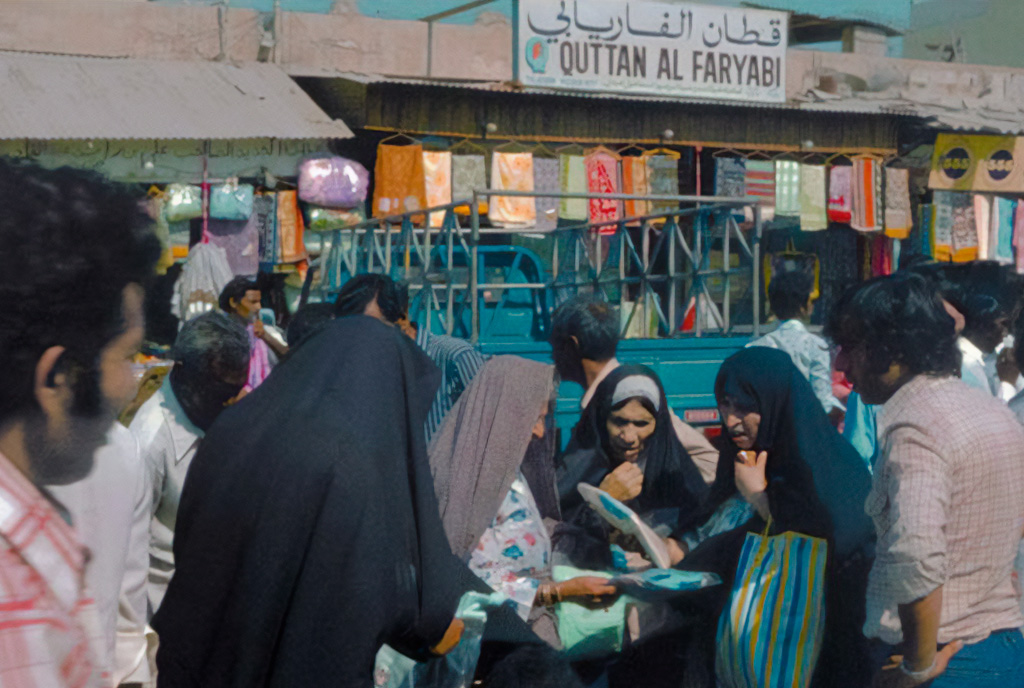
Many of the photographs depict people who were directly or indirectly involved in building the future of Dubai, from service workers to taxi drivers, Reisz said. Though that future is constantly changing.
"There's always a kind of feeling that Dubai is one big sign reading, 'Sorry for the mess, we're working on building something bigger,'" he added.
Related article: Things to do in Dubai if you're visiting Expo 2020
"A lot of people look more at what's to come rather than looking back to see how we got to where we are today. For me it was really important to show this. Dubai is not a city that rose from the sands, it's a city that rose thanks to people. People who made decisions in their lives to contribute to the city in one way or another."
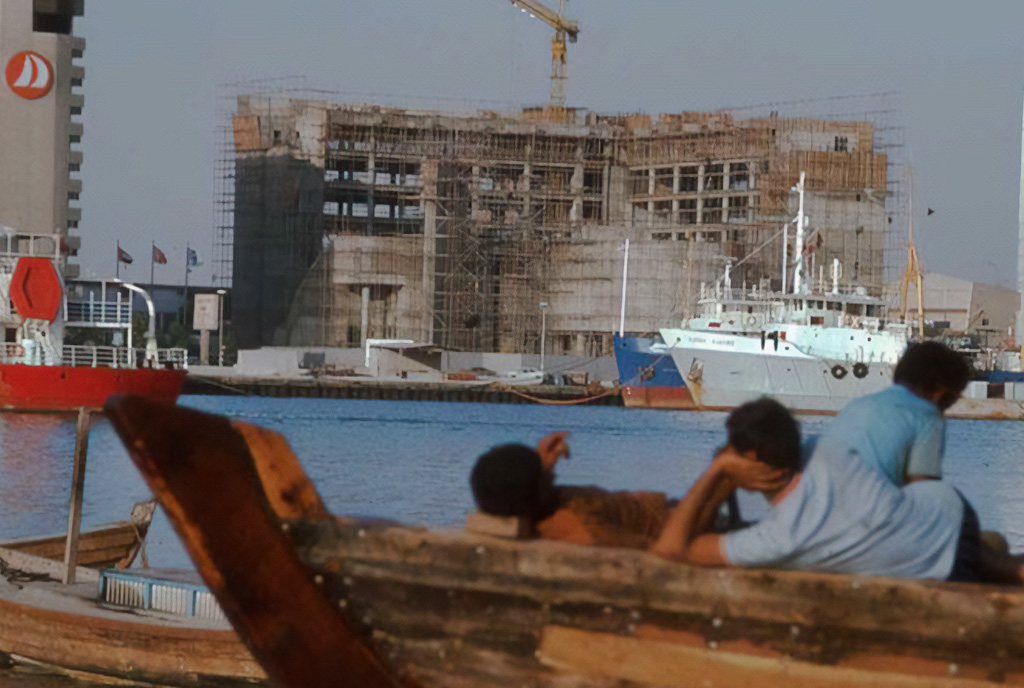
It was while writing "Showpiece City" that Reisz discovered the photographs, which are Kodachrome slides, a format that renders rich colors. "Even at noon the colors are so saturated and inviting that you almost start to hear the photographs," Reisz said.
While there are a few aerial shots, most of the exhibition's photographs were taken from ground level, helping visitors imagine what it would have been like to walk through the city in the 1970s.
Reisz adds: "Whenever I hear someone say, 'there used to be nothing here,' ... I want to argue with them. I think it's really important to understand that there was always something there.
"Whether it was the sparsest farming, the trade routes that ran along parts of the coast, settlements that were there and at some point abandoned, you can't say there was nothing there. There was always something there."