

Graham Holliday has built a career on food. The author of "Eating Viet Nam" has just released a new book, this time chronicling his culinary adventures in South Korea.
"Eating Korea: Reports on a Culinary Renaissance" explores the country's deep food history and its fast-evolving contemporary dining scene.
Holliday shares 10 of his favorite Korean dishes (from 3-year-old kimchi in Seoul to an unusual take on bibimbap in Busan) along with a few tips on where to track them down.
Partner links: booking through them supports the blog at no extra cost to you.
Muginji

Hanokjib Kimchi-jjim, in Seoul's Seodaemun district, is sparsely decorated apart from the framed certificates, awards, newspaper clippings, menus and photographs pinned haphazardly all over the wall.
The restaurant serves just one thing: kimchi.
Kimchi is usually made from cabbage and radish, and kimchi that has fermented for six months or more is known as muginji. The muginji here is a refined three-year-old batch. A thick, sour, garlic-soaked aroma greets you as you step into the traditional Korean house.
The room seems to shudder with the smell when a long, bloody rag of kimchi lands on your table, splayed out like a dead octopus on an oval plate.
Hanokjib Kimchi-jjim, 178 Naengcheon-dong, Seodaemun-gu, Seoul, South Korea; +82 02 362 8653
Dak Galbi
Dak galbi is a stir-fried chicken dish from the northeastern city of Chuncheon.
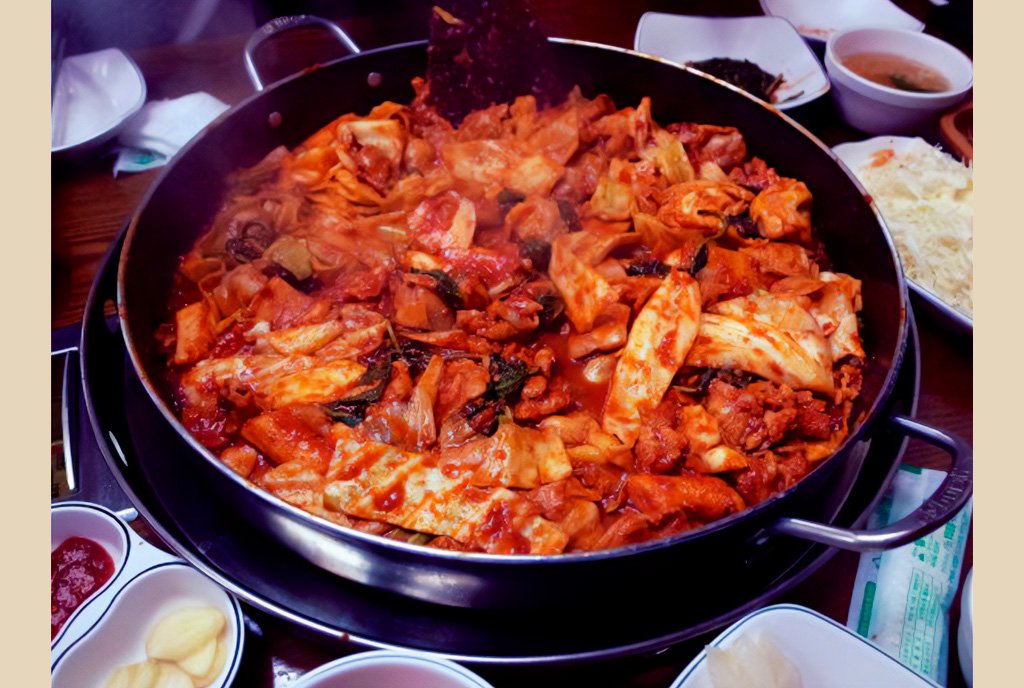
It is cooked on a large, round hot plate set into the table and includes cabbage, rice cakes, onion, coarsely chopped leek and sweet potato, all bathed in a hot, faintly sweet sauce of red pepper paste, soy sauce and turmeric.
What makes dak galbi special is that it is a mess, a mistake that somehow works.
Once it has been cooked and stirred together, it looks like a construction site where everything edible and Korean has been dumped in, turned upside down and shaken.
Dak galbi is a wonderful dish, and Chuncheon is the best place to try it.
1.5 Dak Galbi, 77 Human-ro, Hupyeong 3 (sam)-dong, Chuncheon, South Korea; +82 33-253-8635
Kalguksu
Geum-Ak Kalguksu is a ramshackle restaurant tucked down an alley in central Gangneung, on South Korea's east coast.
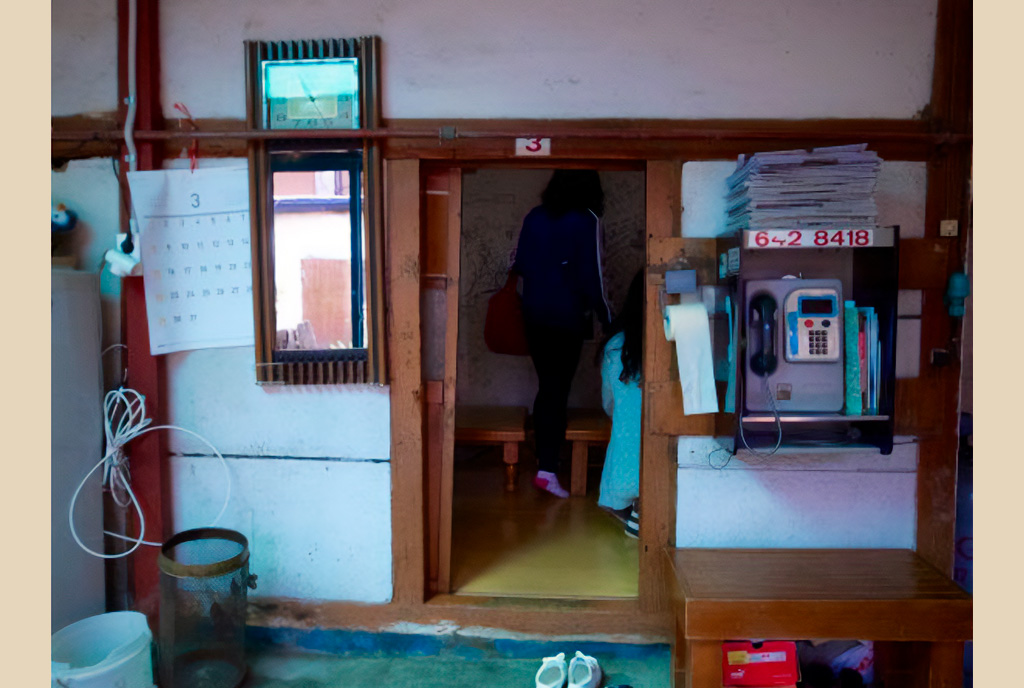
It is a one-dish restaurant, and that dish is kalguksu, a thick, fiery noodle soup that radiates a thrilling kind of violence. Diners sit in booths roughly 6 by 9 feet with wobbly sliding wooden doors. The walls and roof were once white, but today every inch of space is covered in graffiti.
Roughly cut, slippery, thick buckwheat noodles peek out from beneath a surface strewn with seaweed and sesame seeds.
Old, plain restaurants like Geum-Ak Kalguksu used to be everywhere in Korea, but today they are vanishing fast.
Geum-Ak Kalguksu, 12-6, Daehak-gil, Gangneung, Gangwon-do, South Korea
Seonji Gukbap
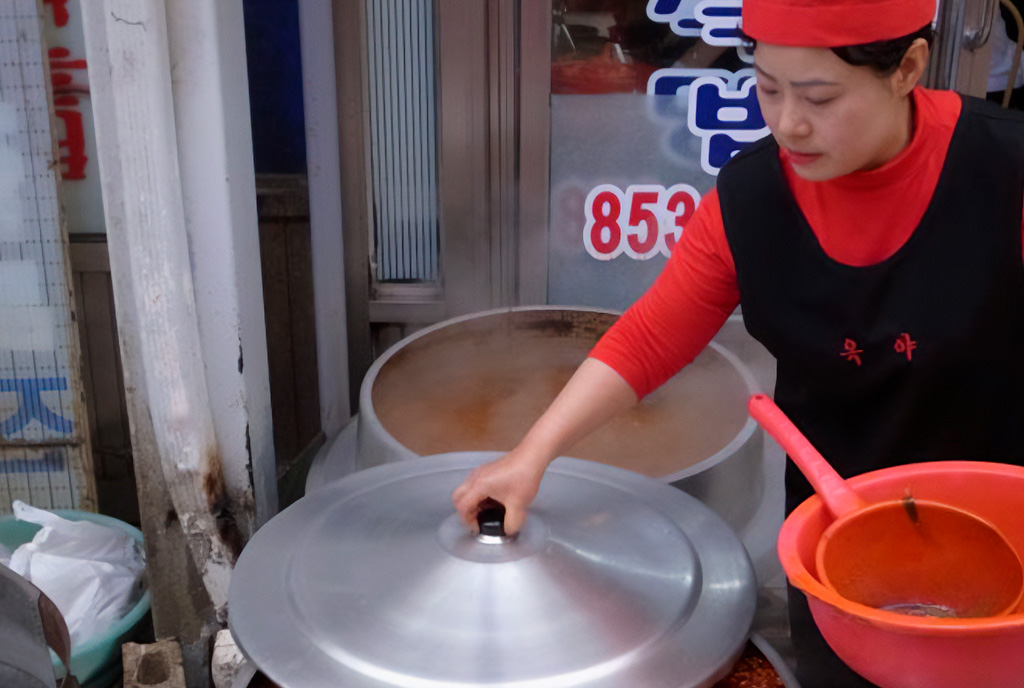
Mid-morning, a line forms outside Okya, a small family restaurant inside the Sin-Sijang market in the central-eastern city of Andong.
Two vats of soup swirl in the kitchen like a furious, stormy sea, wrapping the cramped, packed restaurant in a powerful, spicy, meaty haze. There is no need to place an order, since there is only one dish.
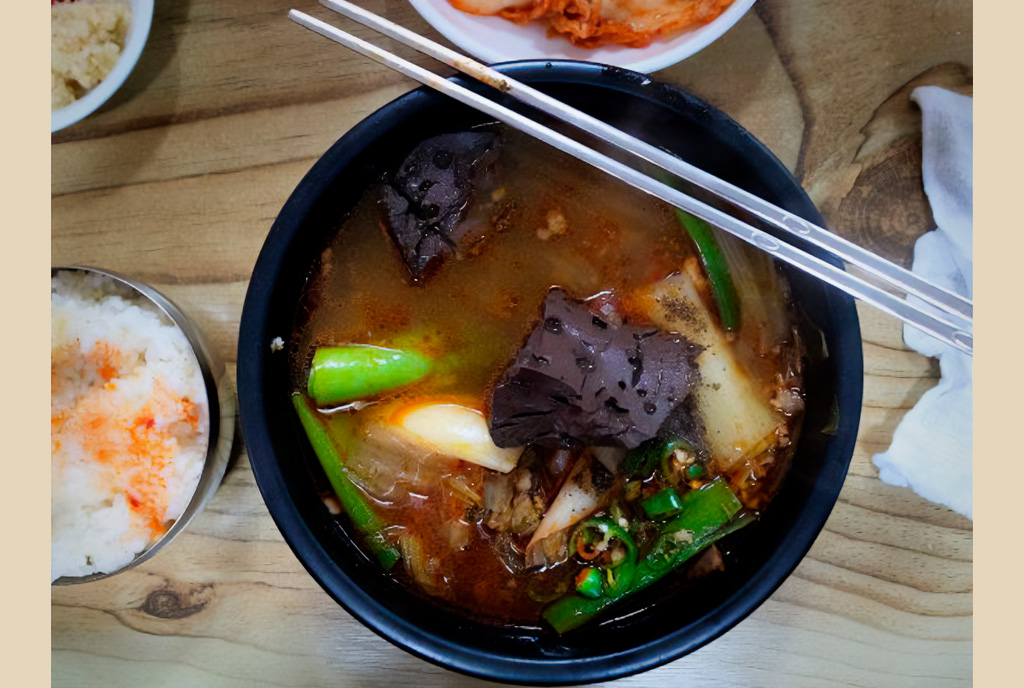
Seonji gukbap (commonly called "hangover soup with congealed cow's blood") is served with four side dishes, rice, minced garlic and chili peppers.
It is a hearty, beef-rich dish, faintly sweet and deeply nourishing.
Okya Restaurant, 307 Ogya-dong, Andong, Gyeongsangbuk-do, South Korea; +82 54 853 6953
Kkomjangeo
At one end of the Jagalchi fish market in the southeastern city of Busan sits a row of simple stalls.
Almost every one of them sells kkomjangeo, or grilled hagfish. Cooked live, it is little wonder the eels writhe violently, hissing on the grill.
This fish was not always eaten in Korea. It was harvested by the Japanese when they colonized Korea in 1910.
They used the skin to make shoes and threw the meat away. Hungry residents of Busan gathered up the meat, seasoned it and ate it, and so a Busan dish was born.
Jagalchi Market, 52 Jagalchihaean-ro, Nampo-dong, Jung-gu, Busan, South Korea; +82 51 713 8000
Jinju Bibimbap
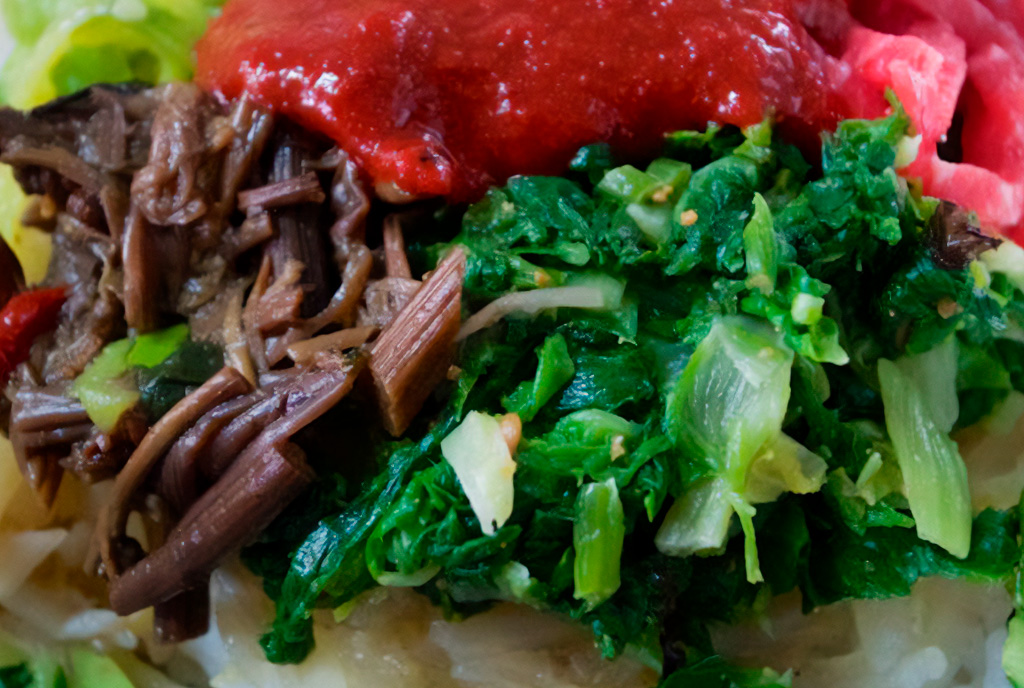
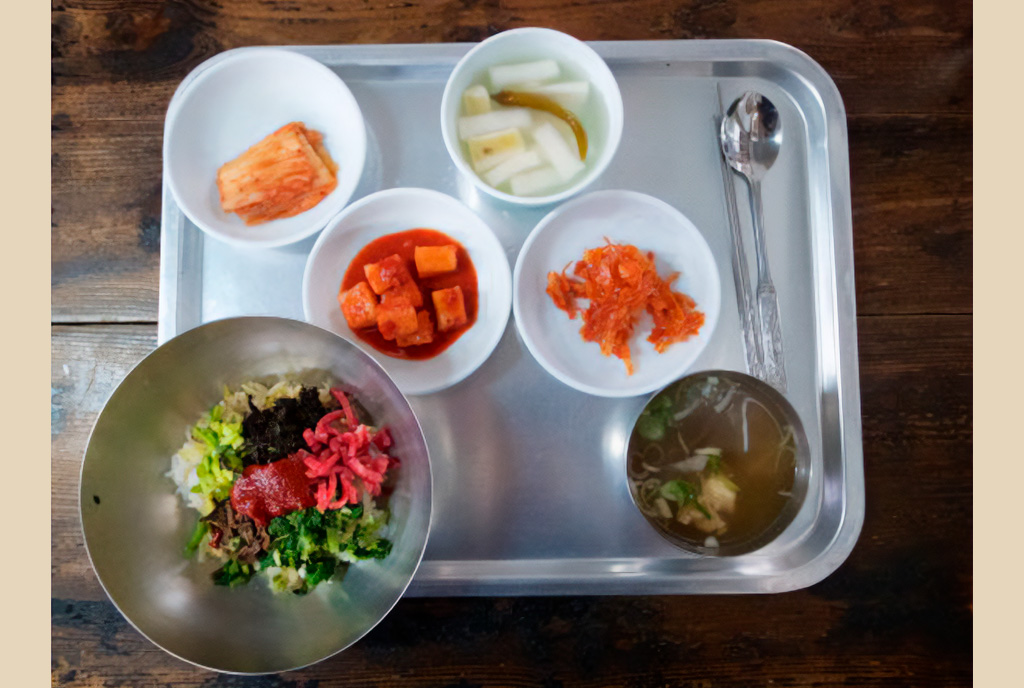
West of Busan, in the city of Jinju, they prepare a version of the world-famous bibimbap. It is the yukhoe (raw strips of julienned beef) that sets Jinju bibimbap apart from other takes on this South Korean dish.
It is served in a large, gleaming stainless-steel bowl filled with a base of boiled rice, yukhoe, mung bean jelly, boiled fern, dried seaweed, gochujang (red pepper paste) and a few side dishes.
Every kind of bibimbap follows one toddler-eating principle: throw everything into the bowl, mix, season and eat with a spoon.
Cheonhwan Sikdang, in the central market area, is the oldest and most popular bibimbap restaurant in Jinju.
Cheonhwan Sikdang, 3 Jokseok-ro207beon-gil, Jinju, Gyeongsangnam-do, South Korea; +82 55 741 2646
Gomtang
The White House restaurant in the city of Naju, in the southeast of South Korea, belongs to a disappearing but still gloriously alive breed of restaurant.
It is a stubborn old boot that has shrugged off change. Beef steam hisses near the kitchen entrance, where seven women in blue aprons work the vats of gomtang soup, rice steamers, cutting boards, kitchen sink and serving trays.
An ajumma (a middle-aged woman) in rubber gloves, with a perm, a stern gaze and a shower cap, ladles soup from one of two enormous, three-foot vats.
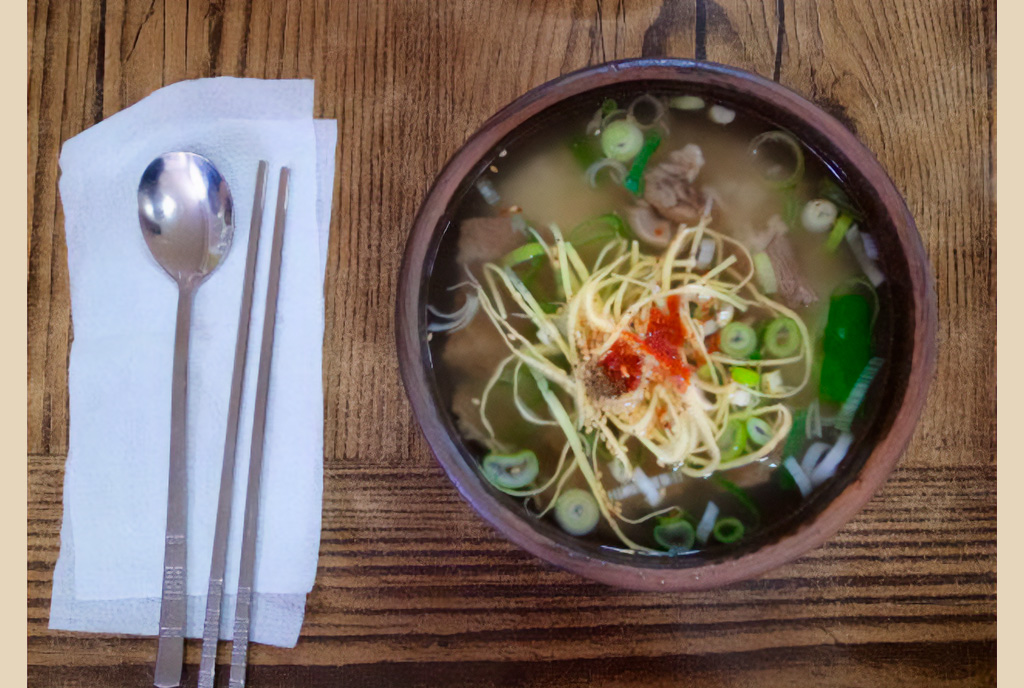
The beef in gomtang is cooked very simply and slowly, producing a clear beef broth. Inside a hot stone bowl, the soup holds beef brisket, rice, green onion and thin, noodle-like ribbons of egg.
White House (하얀집), 48-17 Jungang-dong, Naju, Jeollanam-do, South Korea; +82 61 333 4292
Mom-guk
The food of Jeju Island, off the southern coast, is quite different from what you find on the mainland. There are more fresh vegetables here and almost no spices.
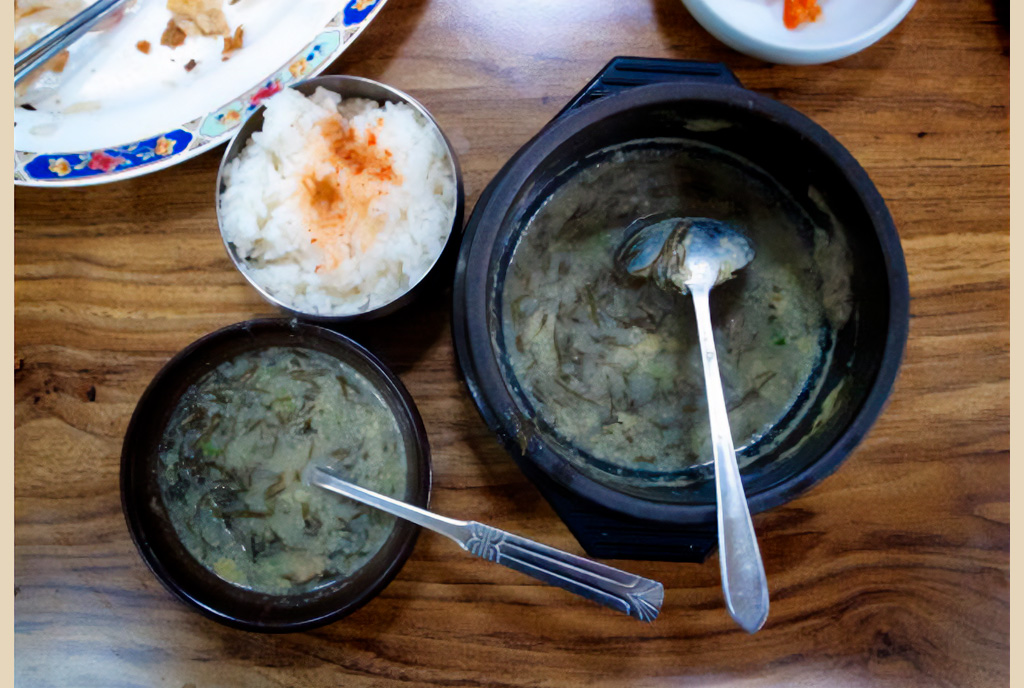
The island has its own unique dishes, including mom-guk, a simple soup of pork and seaweed. Mom-guk seems to writhe like a trapped snake inside the bowl as it bubbles, twists and hisses in front of you.
It is an incredible soup. Green steam rises like sea butterflies from the pot on your table. It is emerald, complex and divine. And, at least for me, it was the greatest discovery of my journey through Korea.
Jeju Tosok 제주 토속, Ido-1-dong, Boseong Traditional Market (City Hall), Jeju City, South Korea; +82 64 758 8948
Kongnamul Gukbap
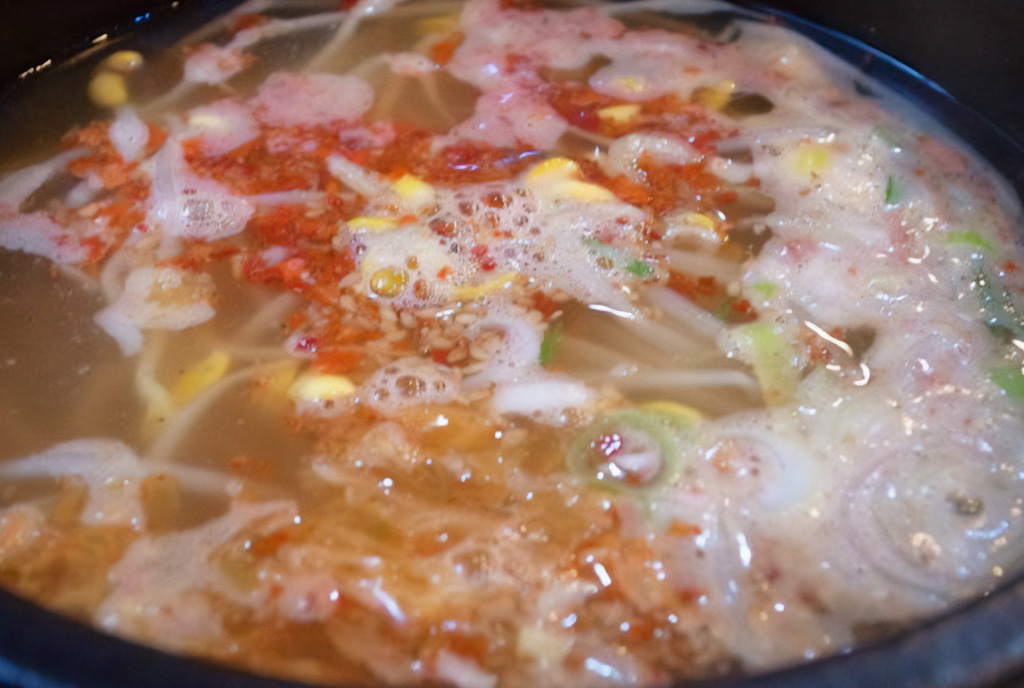
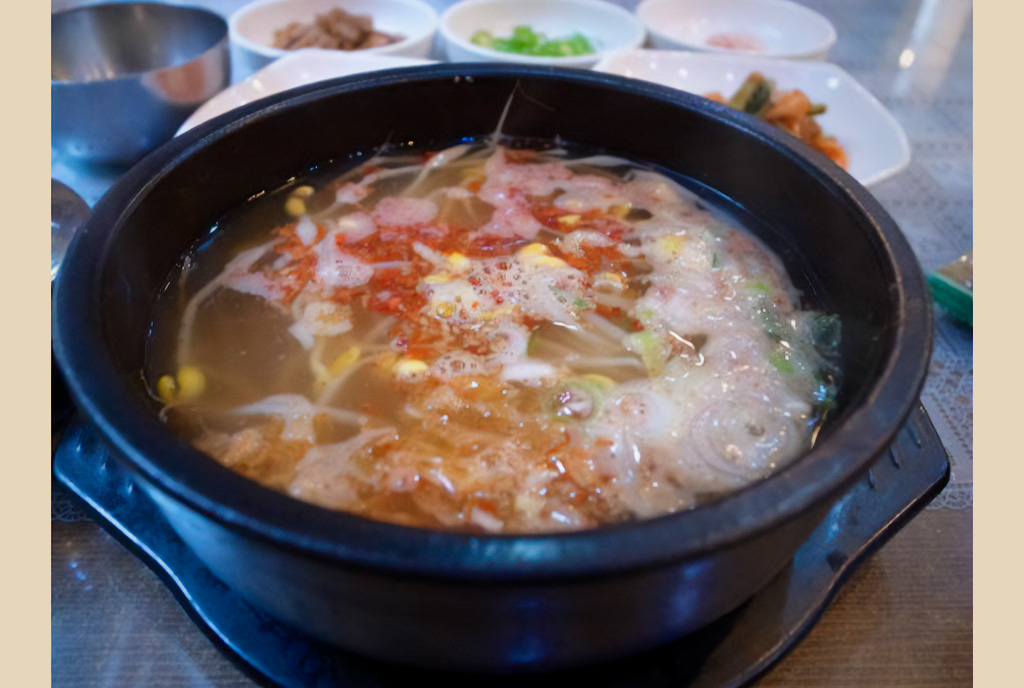
The southwestern city of Jeonju is considered to have the best food in all of South Korea. One of its most famous dishes is kongnamul gukbap, a bean sprout soup.
Hyeondae-ok is one of the most popular restaurants serving this local specialty.
It is served in a stone bowl and hisses with healing steam from the bean sprouts as it is set on your table. In a small metal bowl beside the soup sit two lightly cooked eggs.
On a wooden condiment tray stands a little plate of tiny shrimp, cabbage kimchi and a bowl of salted, fermented octopus.
Hungover travelers can visit the restaurant for breakfast, as kongnamul gukbap is famed for its restorative powers.
Hyeondae-ok Restaurant, Nambu Market 2-74, Wansan-gu, Jeonju, Jeollabuk-do, South Korea; +82 63 228 0020
Nakji Bokkeum
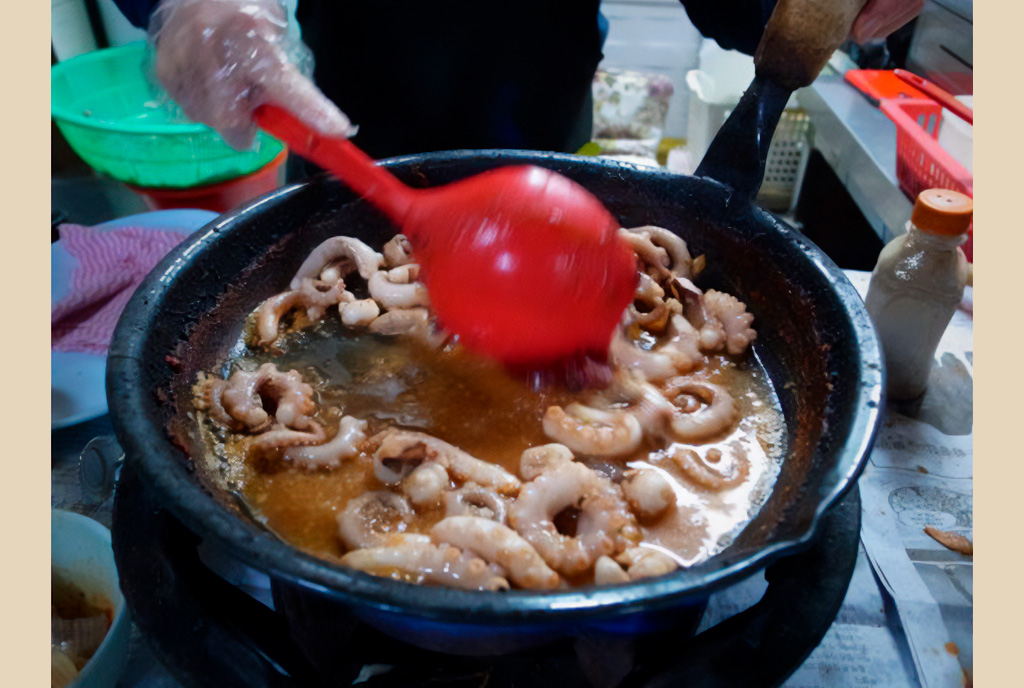
Nakji bokkeum (stir-fried octopus) is one of the spiciest dishes in South Korea.
It is believed to have been invented in a tavern in Seoul's Mugyo-dong district in 1965 by a grandmother named Park Mu-sun.
Nakji bokkeum caught on fast. Word spread, and a national favorite was born. Now part of the modern Myeongdong district, Mugyo-dong was the trendiest area in Seoul at the time.
And today, if you search hard enough, you can still find some of those old nakji bokkeum joints in Myeongdong.
Myeongdong Halmae Nakji, 31-7 Myeongdong-2-ga, Jung-gu, Seoul; +82 02 757 3353