

The main reason to do Slovenia as a compact trip: the whole country fits inside a square roughly 150 kilometres on each side, and almost everything worth seeing in Slovenia first sits within a two-hour radius of Ljubljana. A lake, the capital, a cave and the sea in one week are genuinely doable here, with no overnight transfers and no feeling that you are permanently on the road.
Below are the specifics on five anchor points (Bled, Ljubljana, Postojna Cave, Bohinj, Piran), the honest downsides of each, and a ready logic for stitching them into a route.
Do Ukrainian citizens need a visa for Slovenia in 2026?
No, a separate visa is not required. Slovenia is in the Schengen Area, so with a biometric international passport Ukrainian citizens enter visa-free for 90 days within any 180. Your passport must stay valid for at least 3 months after your planned departure.
Partner links: booking through them supports the blog at no extra cost to you.
What actually changed in 2026. The EES system is already running at the border: entries and exits are logged electronically, so your days of stay are counted more precisely than with the old stamps. ETIAS is expected to launch late in the year; it is not a visa but an online authorisation costing roughly 20 euros (free for people under 18 and over 70), valid for 3 years or until the passport expires, filled out through a form on the website. The ETIAS start dates have been pushed back several times, so before your trip check the current status on the official EU portal and on the website of Ukraine's Ministry of Foreign Affairs (mfa.gov.ua).
Border officers rarely put you through an interrogation over a short tourist trip, but it is worth having your accommodation booking, a return ticket and proof of funds within reach.
Lake Bled: why people love it, and where the catch is
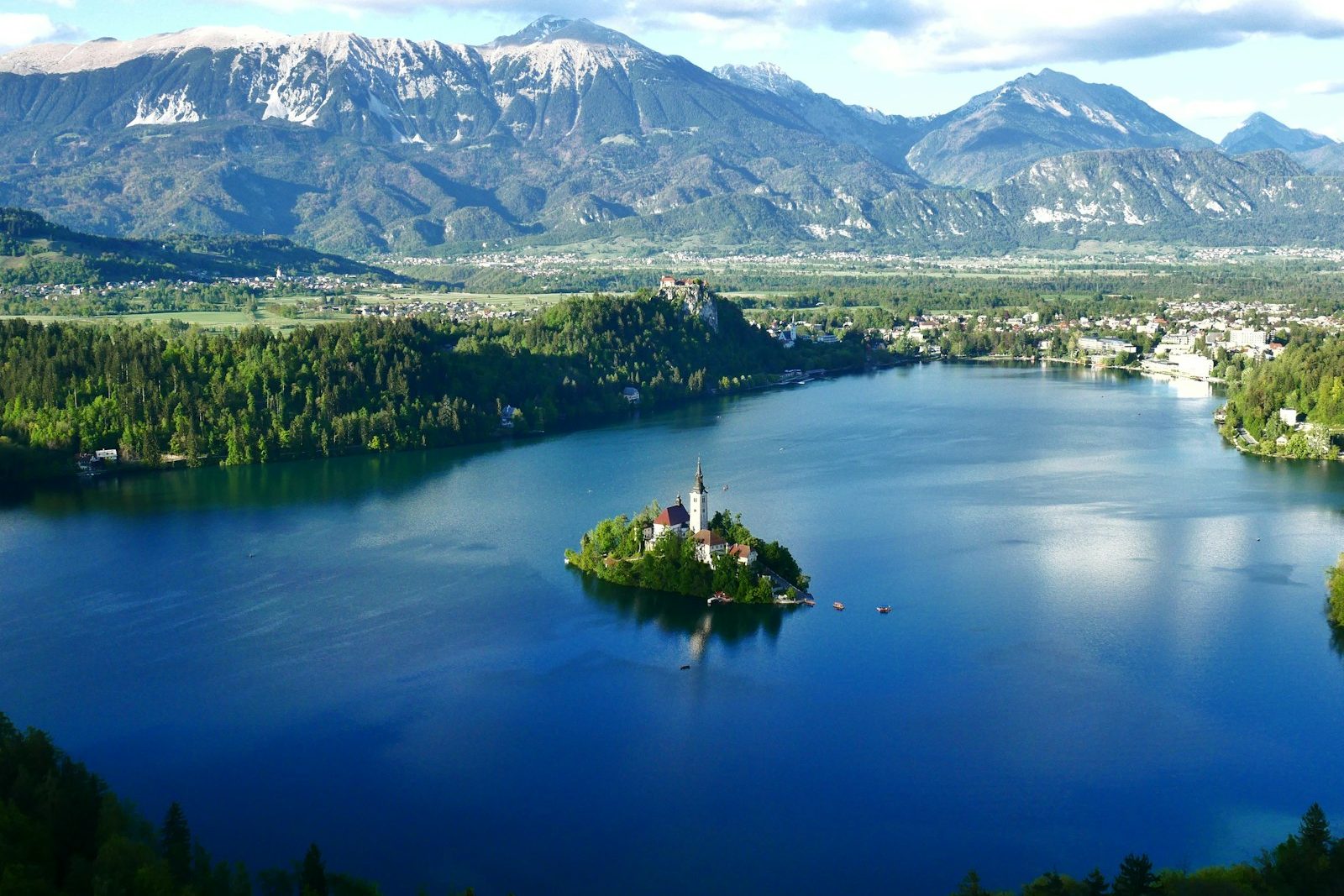
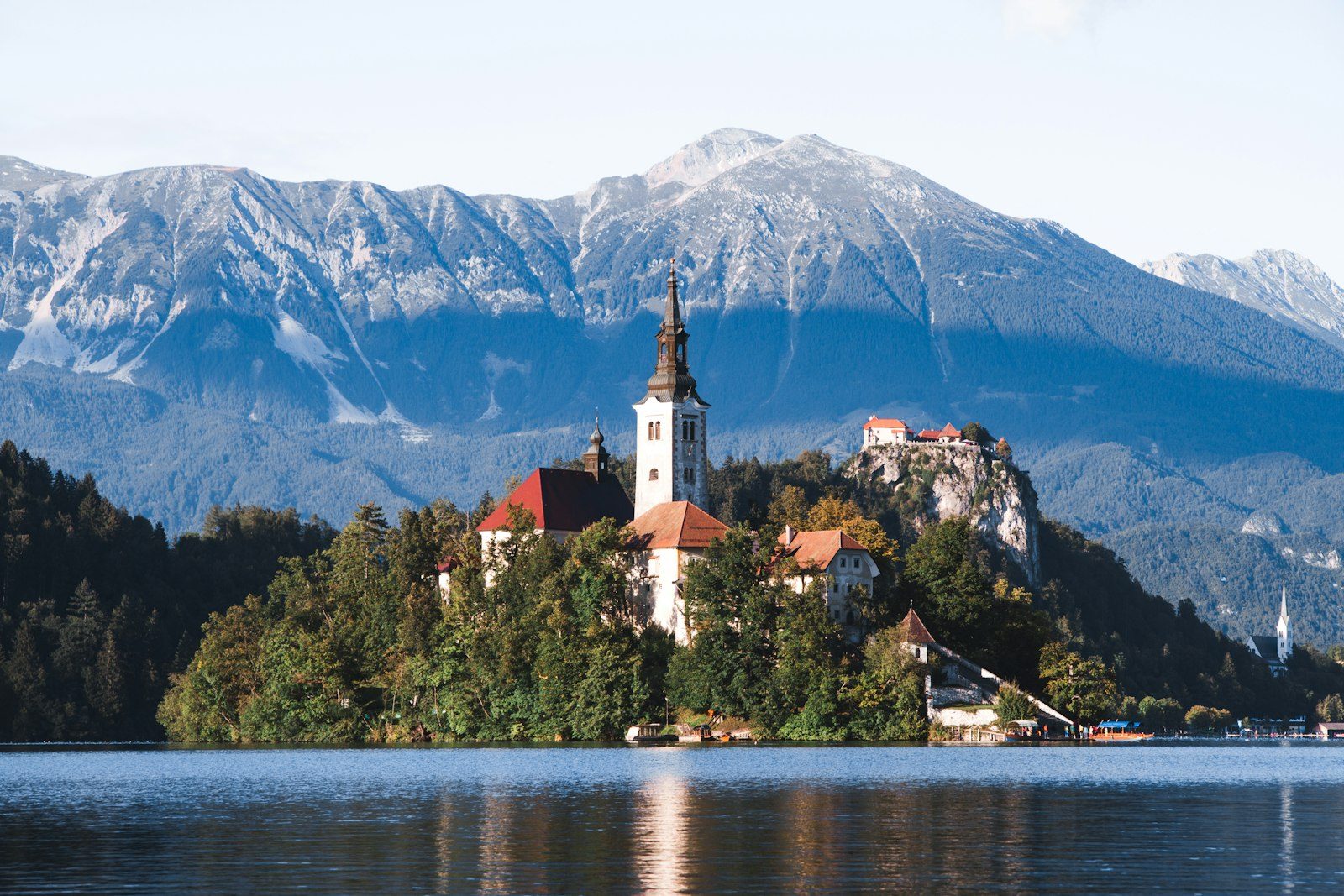
Bled is the postcard version of Slovenia: emerald water, a tiny island with a church in the middle, and a castle on a cliff above the shore. People come here above all for three things.
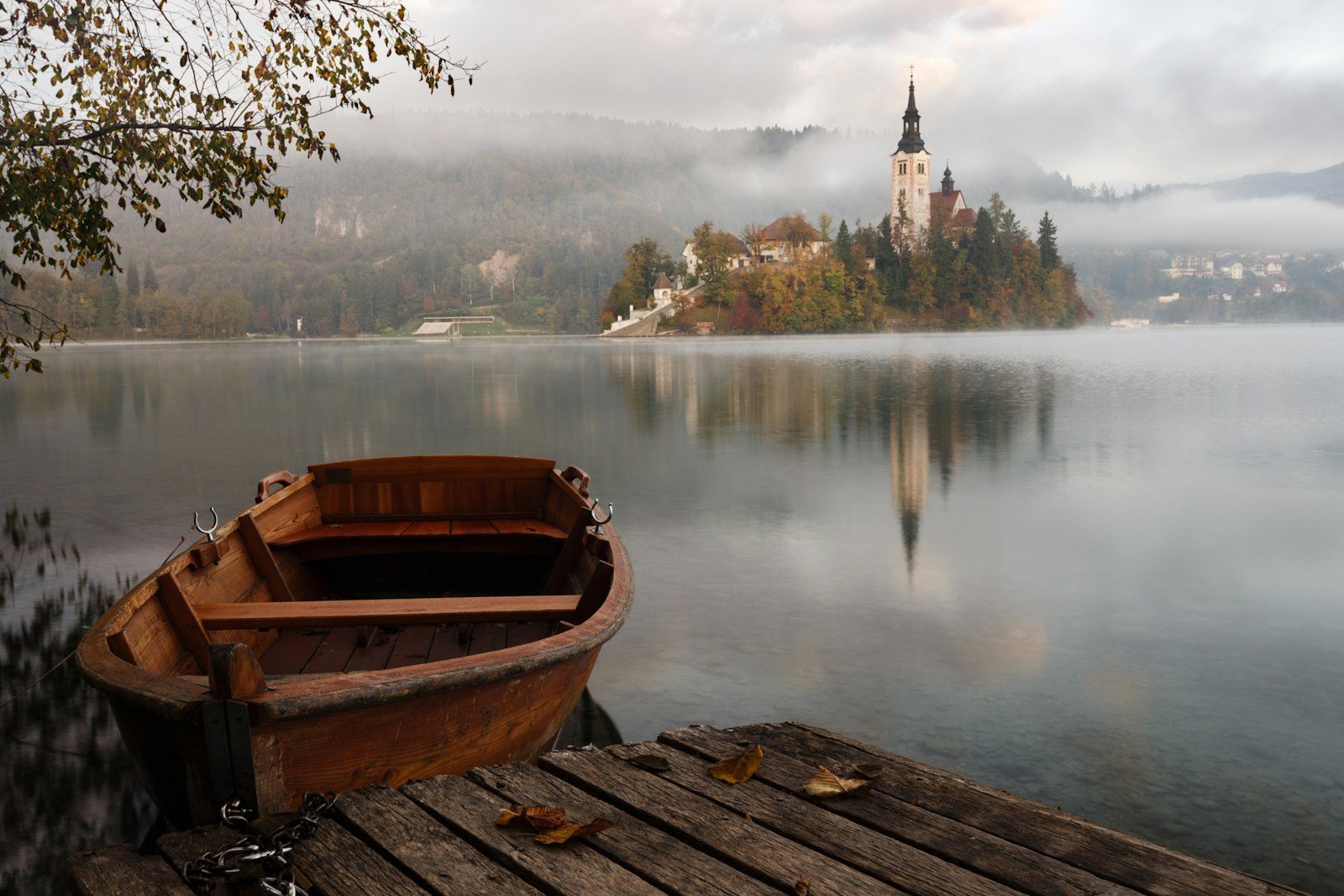
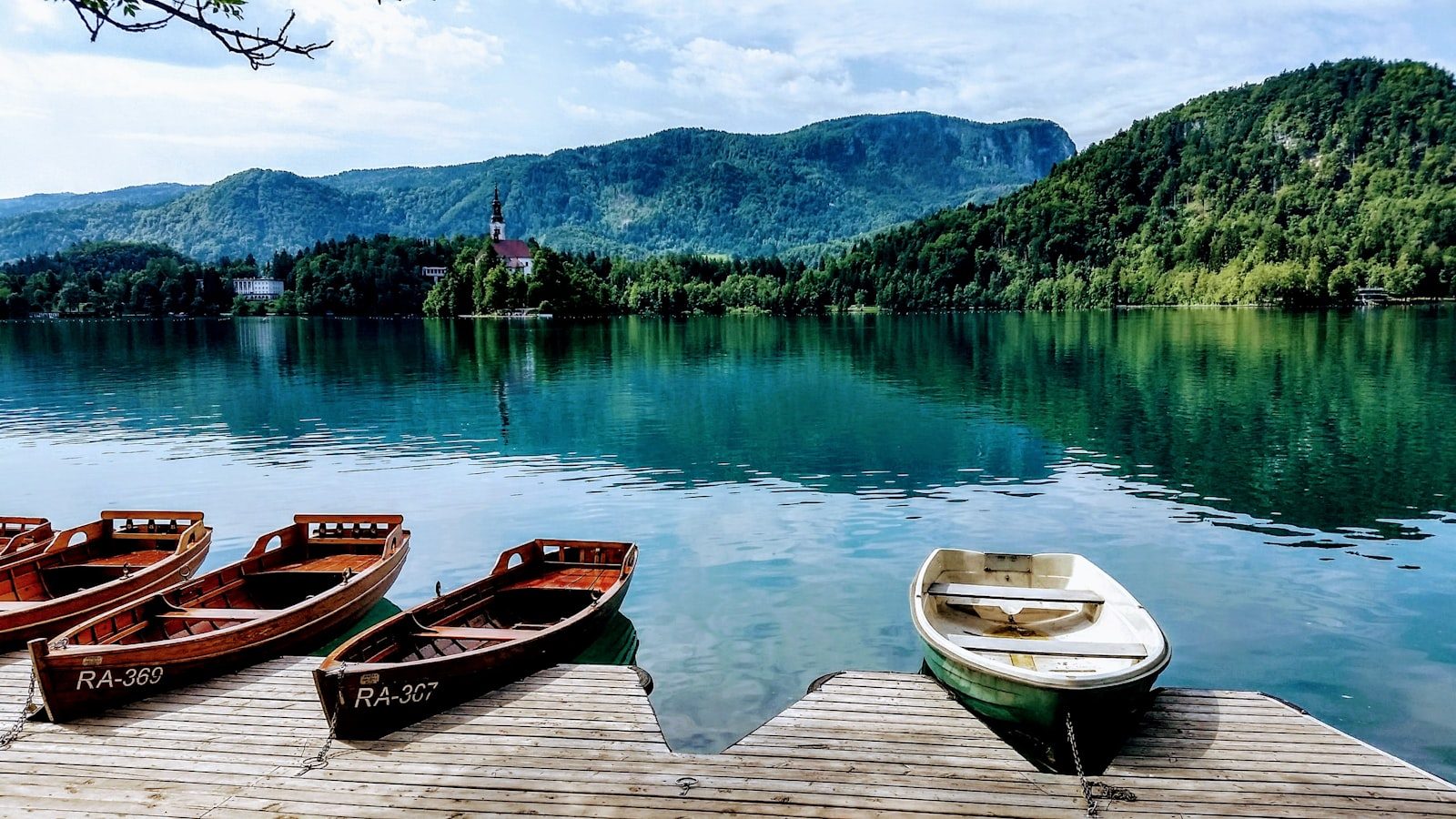
First, the island. You can only reach it by water: the classic way is the wooden pletna boat, in which an oarsman rows a group over to the jetty. The rough price for a seat there and back is around 20 euros, paid in cash. On the island there are 99 steps up, the Church of the Mother of God with its wishing bell, and a viewing bell tower. Entry to the church complex is separate, around 12 euros. The boat gives you about 40 minutes on the island itself, which is enough without rushing.
Second, Bled Castle above the lake. Entry costs around 16 euros, and the main draw here is not the interiors but the terrace with its view of the lake, the island and the Julian Alps behind it. This is exactly where those shots you saw before the trip are taken.
Third, the kremsnita. This local puff-pastry dessert with custard cream is served in cafes along the waterfront, and it is that rare case where a tourist symbol is genuinely delicious.
The honest downside of Bled: it is overloaded. In July and August the promenade, the queue for the pletna and the car parks are so packed that the postcard silence survives only in photos. Arriving before 9 in the morning or after 5 in the afternoon helps more than any other tip.
What to do at Bohinj while everyone queues at Bled
A 25 to 30 minute drive from Bled lies Lake Bohinj, larger in size and far quieter. It is the cheapest win of the whole route: the same alpine water, the same mountains, but without the crowds and without the shop-window prices.
Two routes lead up from here. The Vogel cable car carries you in a few minutes to an altitude of around 1535 metres, and from the top the entire Bohinj basin lies spread out below you, with Triglav, the country's highest peak, visible in clear weather. The Savica waterfall nearby drops nearly 80 metres in two streams shaped like the letter A; a short but noticeable trail of steps leads up to it.
Bohinj has its flip side too: there is less infrastructure, noticeably fewer cafes and hotels than at Bled, and after sunset life here goes still early. For some that is a drawback, for others it is exactly what makes the trip worthwhile.
Postojna Cave and the castle in the rock: worth it or not?
Postojna Cave is not a "pop in and pop out" kind of cave. A real double-track underground railway (the only one of its kind in the world inside a cave) takes you in, and then the walking section begins, past columns of stalagmites. The full route is around 5 kilometres and the tour lasts roughly 90 minutes. The cave is home to the olm, a blind underground salamander the Slovenians call the "human fish".
A few kilometres from the cave stands Predjama Castle, built straight into the mouth of a cliff more than 100 metres up. It is usually paired with the cave.
Prices as of 2026 are roughly as follows. Treat these ranges as a guideline and check the current figures on the official website before your visit, because tickets here get more expensive almost every year.
| Ticket | Adult, approx. | What is included |
|---|---|---|
| Cave | around 35 euros | train + walking section, ~90 min |
| Cave + Predjama Castle | around 50 euros (combo) | cave and castle together, the combined ticket is cheaper than the two separately |
| Predjama Castle only | lower than the combo | the castle alone, ~60 min inside |
The cave stays at a steady +10 degrees C all year round, so even in the July heat bring a jumper. Who will definitely not enjoy it: people with claustrophobia and anyone who struggles with stairs, because the walking section is not flat.
What to see in Ljubljana in one day
Ljubljana is so compact that a serious plan is unnecessary here: you can walk the historic centre in half a day, and the rest of the time it is a pleasure to simply sit on the bank of the Ljubljanica river. The capital does not overwhelm you with scale, it wins you over with coziness.
Anchor points for a first day. Ljubljana Castle on the hill above the city, reached by funicular or a walking trail; from the tower you can see the city and the Alps in the distance. The Triple Bridge by architect Joze Plecnik, who in 1932 added two pedestrian bridges to the old stone one (hence the name), with Preseren Square beside it. The Dragon Bridge with its four figures of the dragon, the city's symbol, at the corners. Tivoli Park right behind the centre, if you want some greenery without leaving town.
The downside of Ljubljana lies precisely in its format: if you are coming for "grand" capital-city impressions, they are not here, the city is more intimate. One full day covers the centre, two days is already generous, museums included.
Piran: Slovenia's Venice on 46 kilometres of coast
Slovenia's entire Adriatic strip is only about 46 kilometres of shoreline, and Piran is its main jewel. The town was under Venice for centuries, and it shows in everything: narrow lanes, Venetian windows, the main Tartini Square, named after the violinist Giuseppe Tartini, who was born here. Above the town sits a cathedral with a bell tower and a terrace from which, in clear weather, you can see all the way to Italy and Croatia.
From Ljubljana to Piran is around 120 kilometres, roughly an hour and a half by bus. That makes it realistic even as a day trip, though staying overnight and seeing the town without the daytime crowds is well worth it.
Honestly about the beaches: there are almost no sandy ones here, the coast is mostly concrete platforms and rocky entries into the water. Come to Piran for the atmosphere of the old town and a seafood dinner, not for a "beach holiday" in the usual sense.
How to stitch this into a 5 to 7 day route
The most convenient base is Ljubljana: from there every direction radiates out within an hour to an hour and a half. A quick word on what to see in Slovenia first and how much time to budget for each point.
| Point | Why it is worth it | How much time to budget |
|---|---|---|
| Ljubljana | cozy capital, castle, riverbanks, base for day trips | 1-2 days |
| Bled | island, castle, the classic Slovenia postcard | half a day to a day |
| Bohinj | quiet lake, Vogel cable car, Savica waterfall | a day |
| Postojna + Predjama | cave with an underground train and a castle in the rock | half a day |
| Piran | a Venetian seaside town on the Adriatic | a day or with an overnight stay |
Bled and Bohinj are taken as one pair, because they sit close together north of the capital. Postojna fits neatly on the way south, towards the sea, so it makes sense to put the cave and Piran on the same axis. In a week you can cover all of this at a relaxed pace; in five days you will have to choose between Bohinj and the sea.
When to go and what to expect from the weather
The peak season is July and August: warm, everything open, but Bled and the coast are overcrowded and accommodation gets pricier. The smartest window for most routes is late May, June and September: the mountains are already (or still) green, the lake water is not always warm enough for swimming, but there are fewer crowds and the prices are kinder.
| Season | Weather and availability | Who it suits |
|---|---|---|
| May-June | warm, greenery, moderate crowds, mountain trails opening up | lakes, hikes, the city without queues |
| July-August | warmest, swimming season, but busy and expensive | the sea and swimming, if you are ready for crowds |
| September-October | mild, colourful autumn, prices drop, cooler water | caves, towns, photo hikes |
| Winter | snow in the mountains, skiing at Vogel, the coast quiet and damp | skiing, calm, low prices by the sea |
A separate note on prices and schedules: all the sums in the text are approximate and given as ranges, because tickets for the cave, the boat and the castles in Slovenia are revised almost every year. Before your trip, check the current figures on the official websites of the sites, and your visa status on mfa.gov.ua.
If you are going for the first time and have only a few days, take the classic pairing of Ljubljana plus Bled plus the cave: that is recognisable Slovenia in miniature. If you have already seen the postcard with the island and want quiet, turn towards Bohinj and Piran, to where the country stops posing for the camera and simply starts living.