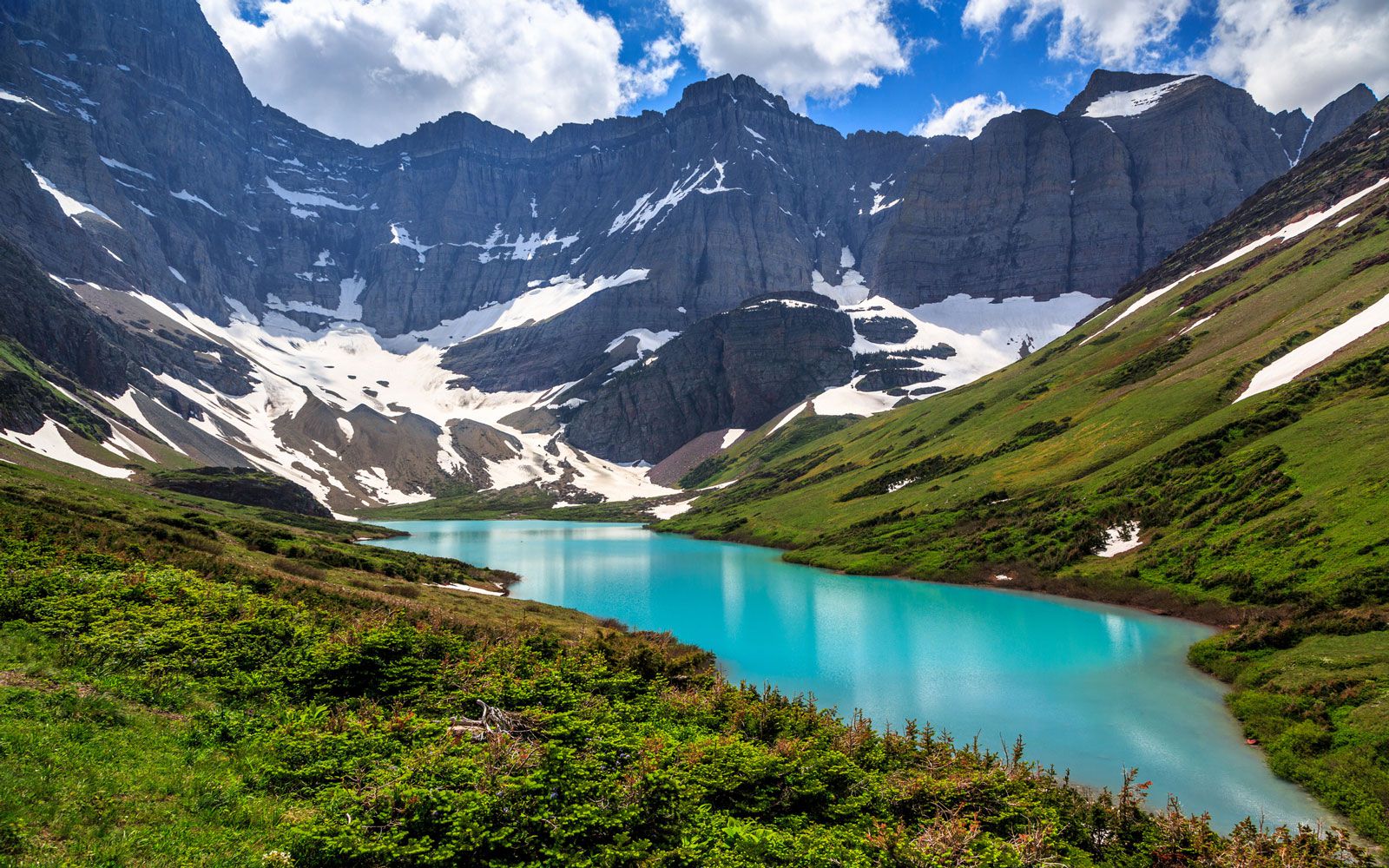


The U.S. national park system includes more than 420 sites, but only 63 of them earn the capital "N" and "P" in "National Park."
The most visited of them all, Great Smoky Mountains National Park in North Carolina and Tennessee, welcomed a record 14.2 million visitors in 2021. Zion, Yellowstone, and the Grand Canyon also draw enormous crowds. You can find the full list of the most popular National Park Service sites right here.
But what about the least visited headliners? These are parks that can be especially wild or hard to reach, yet remain sparsely populated and almost entirely unexplored. Let's take a look at them.
Partner links: booking through them supports the blog at no extra cost to you.
Seven of the 15 least visited national parks in 2021 are in Alaska.
It comes as no surprise that most of the least visited national parks sit in the 49th state. Covering nearly 665,000 square miles, much of it wild and often frozen, getting around Alaska can be a challenge, and wildlife here is everywhere.
The least visited of the 63 national parks, Gates of the Arctic National Park and Preserve, has no roads and no trails, and according to the National Park Service, visitors have to reach the park by plane or on foot.
It's fair to say that the people who made up the park's 7,362 visits in 2021 were deeply committed to the idea of wilderness. Denali National Park in Alaska, which ranks 13th among the least visited parks, drew 229,521 people by comparison.
Remote islands, a historic fort, and much more
The second least visited national park couldn't be anything else. The National Park of American Samoa lies on a volcanic island arc in the South Pacific, where bats and coral reefs are part of the ecosystem. In 2021, just under 8,500 people visited the park.
Other non-Alaskan parks that made the least visited list include North Cascades in Washington, Isle Royale in Michigan, and Dry Tortugas in Florida.
The last two parks are strikingly different islands. Isle Royale is a forested island in Lake Superior, reachable by ferry or seaplane; Dry Tortugas sits 70 miles west of Key West and takes in open water and a handful of islands, including one that holds a remarkable 19th-century fort.
Parks in Nevada, South Carolina, Minnesota, and Texas also landed on the list of the 15 least visited.
Here's the list, along with a few of each park's highlights for inspiration:
The 15 Least Visited National Parks in the USA in 2021
Gates of the Arctic National Park and Preserve, Alaska: 7,362 recreation visits
With no roads, trails, cell service, or campgrounds, this vast expanse is true wilderness. The park and preserve is home to six "wild rivers." "Visitors can wander at their own pace across 8.4 million acres of stunning natural beauty," the park's website reads. Visitors must be self-sufficient, flexible, and "able to self-evacuate and communicate in the event of an emergency." Come prepared.
National Park of American Samoa: 8,495 recreation visits
Most visitors will need a passport to reach this spot in a far-flung corner of the South Pacific. Hawaiian Airlines offers direct flights from Honolulu. The only National Park Service site south of the equator, it spreads across three separate islands in the territory of American Samoa. The park covers 13,500 acres, roughly 4,000 of which are marine, mostly coral reefs.
Kobuk Valley National Park, Alaska: 11,540 recreation visits
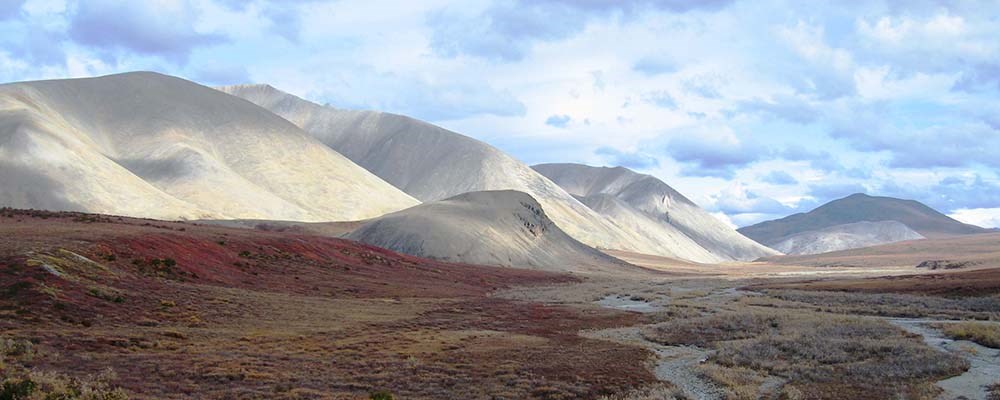
There are no roads, campgrounds, or entrance gates for human visitors across this 1.8-million-acre expanse. According to the National Park Service, half a million caribou migrate through this park, crossing the Kobuk River and Onion Portage. An 8,000-year-old tradition of caribou hunting continues here to this day.
North Cascades National Park, Washington: 17,855 recreation visits
Peaks crowned with more than 300 glaciers rise above this alpine landscape. More than 1,600 plant species have been recorded across this land, which stretches from temperate rainforest to a dry ponderosa pine ecosystem. Over 400 miles of trails have been laid out here.
Lake Clark National Park and Preserve, Alaska: 18,278 recreation visits
Stretching across more than 4 million acres, this national park and preserve is home to three wild rivers and two volcanoes listed as national natural landmarks. The land holds 10,000 years of human history and is the ancestral homeland of the Dena'ina people.
Katmai National Park and Preserve, Alaska: 24,764 recreation visits
Katmai is a vital habitat for thousands of brown bears. According to the Park Service, Katmai is one of the best places in the world for bear watching, with around 2,200 brown bears living here. Brooks Camp along the Brooks River is one of the most popular spots for watching bears feast on salmon.
Isle Royale National Park, Michigan: 25,844 recreation visits
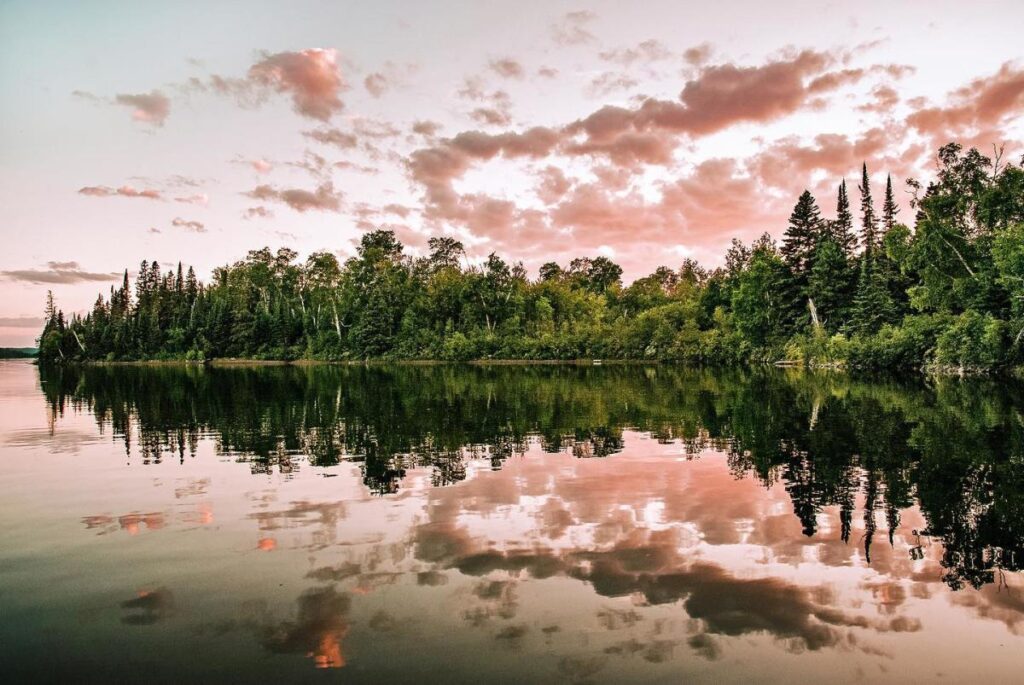
An isolated archipelago in Lake Superior, Isle Royale boasts 165 miles of trails and more than 30 campgrounds. It's open from mid-April to late October. Ferries and seaplanes, according to the NPS, typically run from mid-May to late September. The island is home to fewer mammal species, just 19, than the mainland, because animals must cross at least 14 miles of Lake Superior to get here. Wolves and moose are among the most notable animals living here.
Wrangell-St. Elias National Park and Preserve, Alaska: 50,189 recreation visits
America's largest national park, Wrangell-St. Elias covers 13.2 million acres, roughly equal to the combined area of Yellowstone National Park, Yosemite National Park, and Switzerland, the Park Service reports. Most of the park lies in the backcountry, and visitor services are limited. The Nabesna and McCarthy areas have a few maintained trails.
Dry Tortugas National Park, Florida: 83,817 recreation visits
Dry Tortugas lies roughly 70 miles (113 km) west of Key West and is mostly open water with seven small islands. Garden Key is home to one of the country's largest 19th-century forts, Fort Jefferson. The park can be reached by boat or plane, and around 300 bird species live here. Every year from February through September, Bush Key closes so that terns and brown noddies can breed in peace.
Glacier Bay National Park and Preserve, Alaska: 89,768 recreation visits
Another Alaskan wilderness park, Glacier Bay covers 3.3 million acres. The main visiting season runs from late May to early September. Visitors arrive by ferry or boat, and sea kayaks are a popular way to see the park's stunning tidewater glaciers. Black and brown bears live here, and the park recently closed one area to foot traffic temporarily after a bear got food from campers.
Great Basin National Park, Nevada: 144,875 recreation visits
Here mountain peaks meet scorching desert valleys. Great Basin National Park is home to the 13,063-foot Wheeler Peak, ancient bristlecone pines, around 40 caves, and a wide range of plants and animals. Elevation ranges from 5,000 to 13,000 feet, and the hiking routes are suited to visitors of every skill level.
Congaree National Park, South Carolina: 215,181 recreation visits
The landscape of Congaree National Park is "defined by the presence of both floods and fire," the Park Service says. Floodwaters from the Congaree and Wateree Rivers regularly cover the park's lower hardwood forest, while the higher pine forest depends on wildfires that clear out competing vegetation. Canoeing and kayaking are popular ways to explore the park. There's a 15-mile marked canoe trail.
Denali National Park and Preserve, Alaska: 229,521 recreation visits
This six-million-acre wilderness holds the tallest peak in North America, the 20,310-foot Denali. Hiking the trails is the norm, and vehicle access to the single road is mostly limited to buses. Grizzly and black bears, wolves, caribou, moose, and Dall sheep all live here.
Voyageurs National Park, Minnesota: 243,042 recreation visits
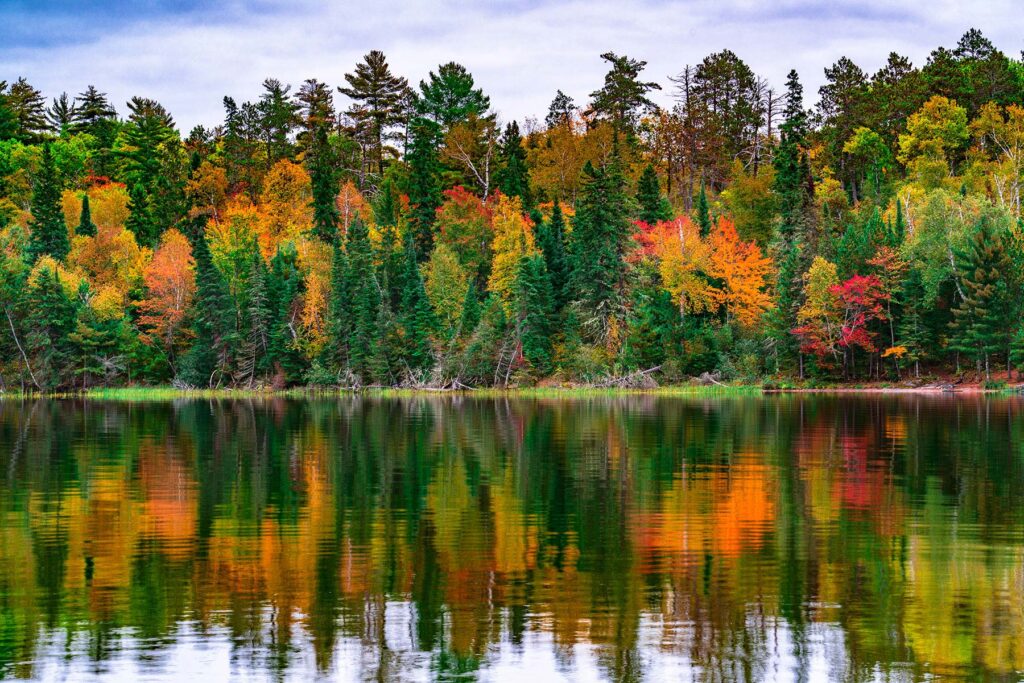
Billed as a park of "water, islands, and horizons," Voyageurs covers 218,055 acres, 84,000 of which are water. The park has more than 500 islands and four large lakes, plus over two dozen smaller lakes that are best seen by boat. Voyageurs borders Canada, and the lucky ones may even catch the northern lights.
Guadalupe Mountains National Park, Texas: 243,291 recreation visits
This park is home to the four highest peaks in Texas and the world's most extensive Permian fossil reef. The Guadalupe Mountains Wilderness has more than 80 miles of trails, including a hike to the Salt Basin Dunes, which rise 100 feet above the desert floor.