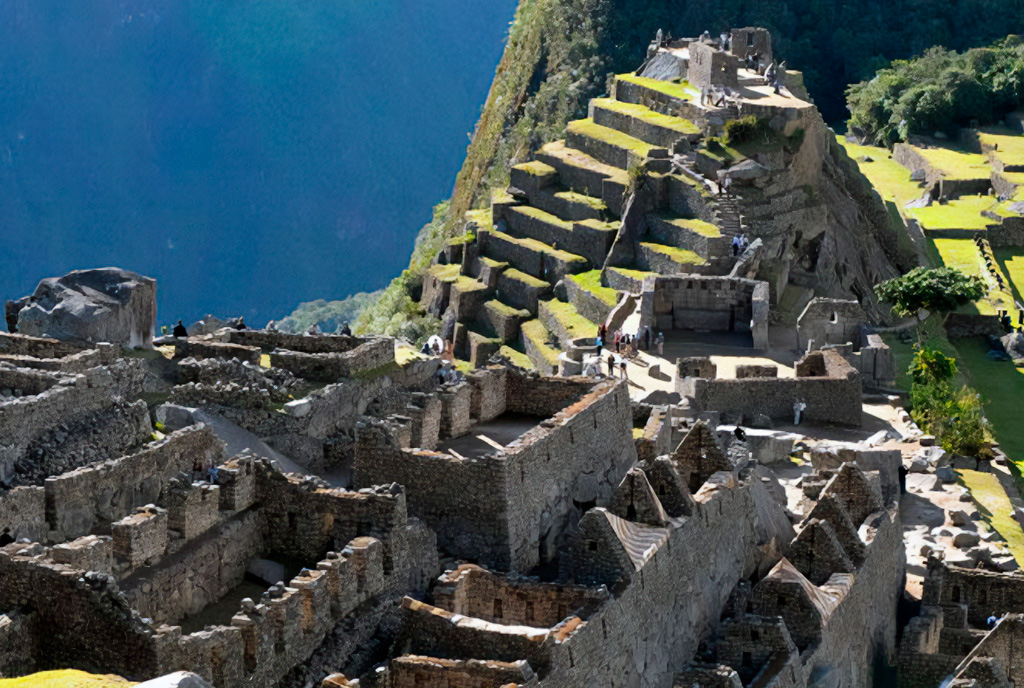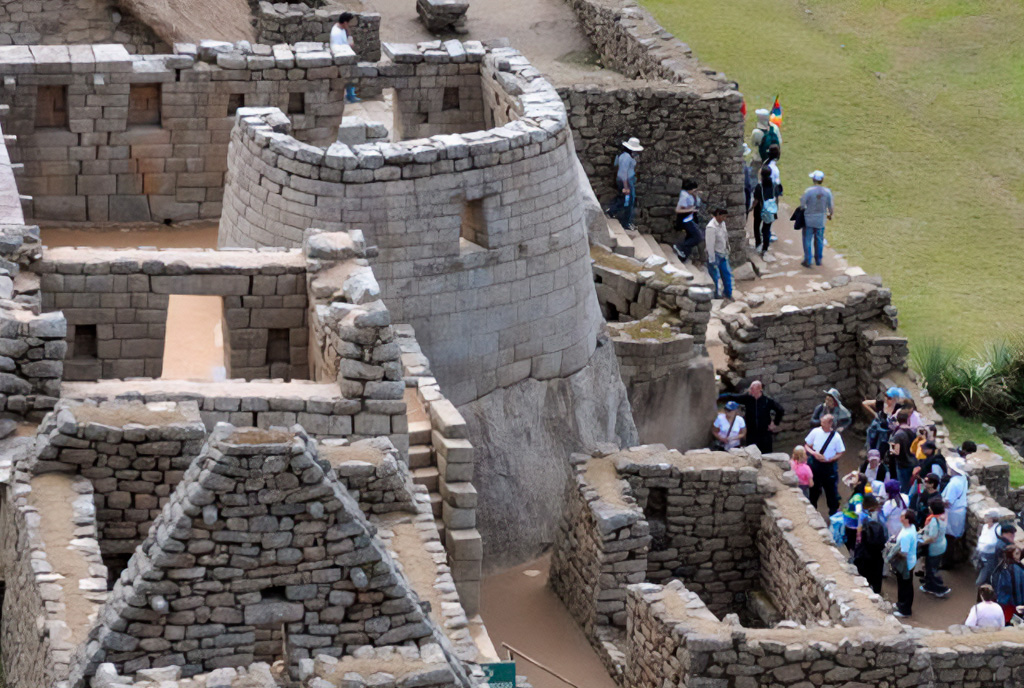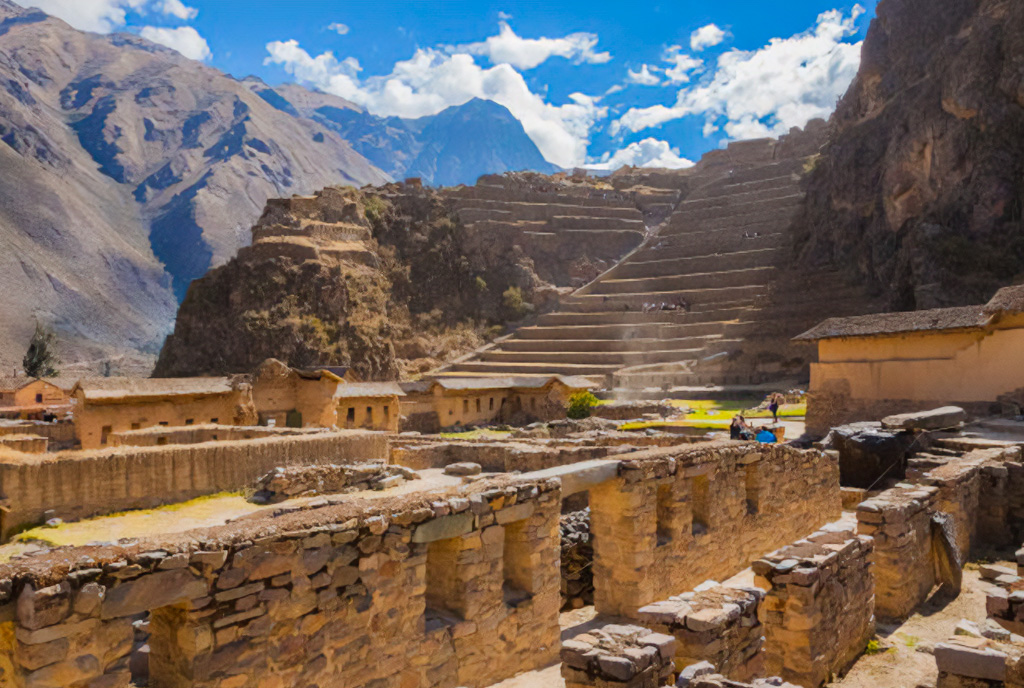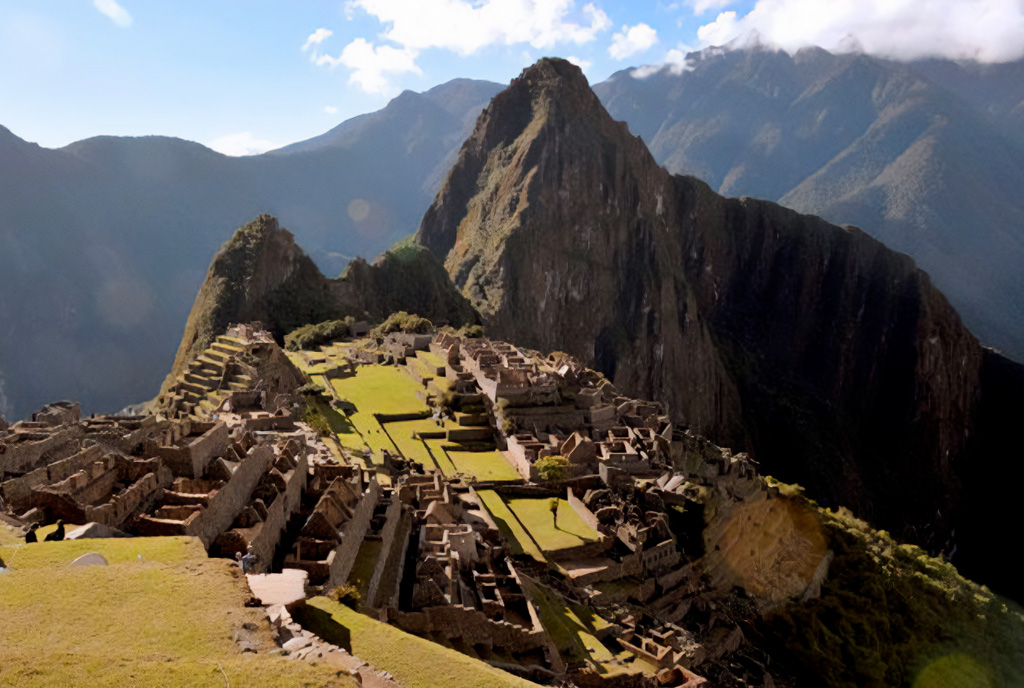


Machu Picchu is estimated to be around 600 years old. Yet it only became fully wheelchair accessible a few months ago.
The travel company Wheel the World created the first ever wheelchair accessible tour of the famous site in Peru, a place widely regarded as one of the wonders of the world.
The company was the brainchild of two lifelong best friends from Chile: Alvaro Silberstein, who uses a wheelchair, and Camilo Navarro, who does not.
Partner links: booking through them supports the blog at no extra cost to you.
Together they found a way for Silberstein and Navarro to complete a trek through Torres del Paine National Park in Patagonia. Silberstein used a special folding wheelchair that he paid for through an online crowdfunding campaign.
When both men moved to the United States to study business at the University of California, Berkeley, they made expanding Wheel the World their top priority. Since then, Navarro and Silberstein have grown the business across Latin America, adding tours in Chile, Mexico and now Peru.
"Accessibility doesn't mean inclusion," Navarro says. "There are one billion people with disabilities in the world. Yet there isn't a single major travel company focused on these customers."
Before it could offer accessible tours to Machu Picchu, Wheel the World had to solve several challenges.
One of them was the high cost of the specialized wheelchairs that can handle some of the tougher routes. That price can stop many people from ever affording the trip of their dreams.
Wheel the World partners with organizations that can donate wheelchairs and keep them stored in the region, which means travelers don't have to bring their own or pay to ship one.
Right now, a four-day Wheel the World trip to Machu Picchu costs $1,500, including overnight stays and excluding airfare, which is comparable to what the same journey would cost a traveler without a disability.
"Sometimes national parks call us and say they want us to come and explore a site," Navarro says. But often, because of concerns about erosion or restrictions on how ancient sites can be modified, it isn't always easy to simply build a wheelchair ramp on the spot. "Accessibility is a matter of creativity."
As for the wheelchair itself, "it's designed with one wheel and two long poles, which makes it look like a wheelbarrow. It's made from a blend of steel and aluminum, like a bicycle, so it's lightweight," Navarro explains.
The only drawback is that this wheelchair can't move on its own, so it needs a companion to help steer it and guide it through some of the narrower or trickier sections of the trail.
And Navarro says his company's work is far from finished. Travelers who are deaf, blind or have other accessibility needs can still run into difficulties when tour operators or destinations lump all types of disability together and assume everyone needs the same accommodations.