

Ancient sites that have survived centuries, or even millennia, haven't fared as well in the 21st century.
The destruction of Palmyra in Syria, the Buddhas of Bamiyan in Afghanistan, and the ruins of Nimrud outside Mosul in Iraq show just how uncertain the future can be.
Here are 23 of the finest ancient cities you can visit, places that offer a glimpse into humanity's past and the ingenuity of people who built wonders without computers or heavy machinery.
Partner links: booking through them supports the blog at no extra cost to you.
Some are instantly recognizable. Others are easy to reach yet far less known. Every one of them makes for a captivating journey.
Angkor Wat, Cambodia
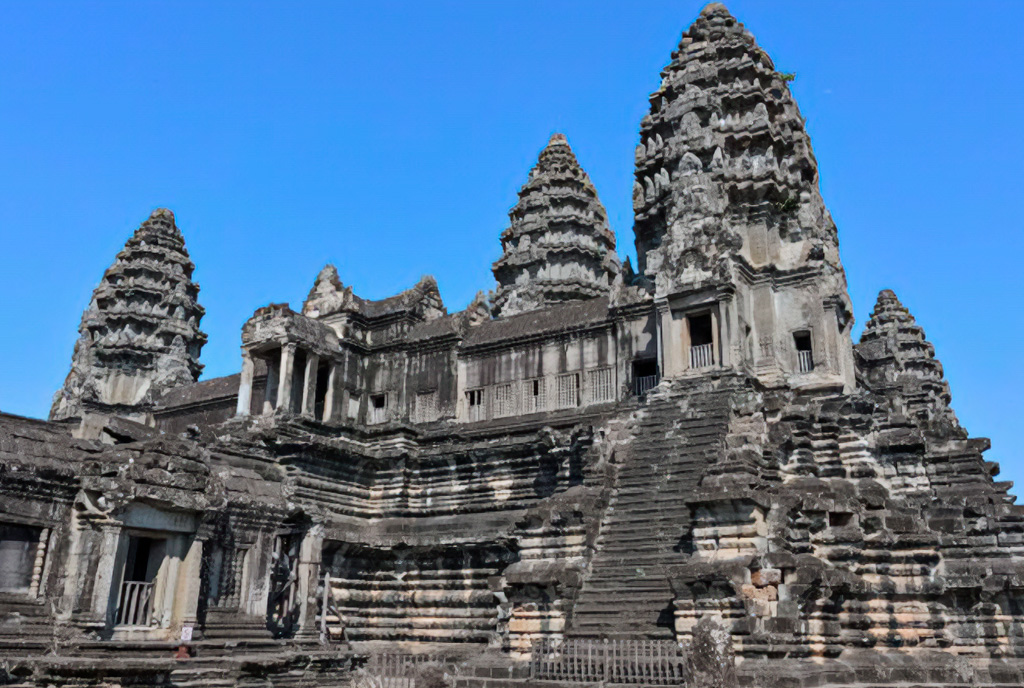
In the 12th century, the Khmer took their vast understanding of the known universe and set out to recreate it in miniature.
The result was Angkor Wat, a sprawling city designed to awe, with carefully positioned moats and towers and walls covered in extraordinarily detailed bas-reliefs of Hindu deities.
The ancient Khmer had a broad sense of which scenes were worth preserving.
While many carry celestial or sacred themes, other carvings depict everyday activities, such as cooking dinner.
Angkor Wat spans 500 acres within the Angkor Archaeological Park, a vast area covering more than 150 square miles.
The main temple draws crowds of tourists, but many lesser-known temples offer the chance to wander the ancient Khmer capitals, built from the 9th century onward.
Rome, Italy
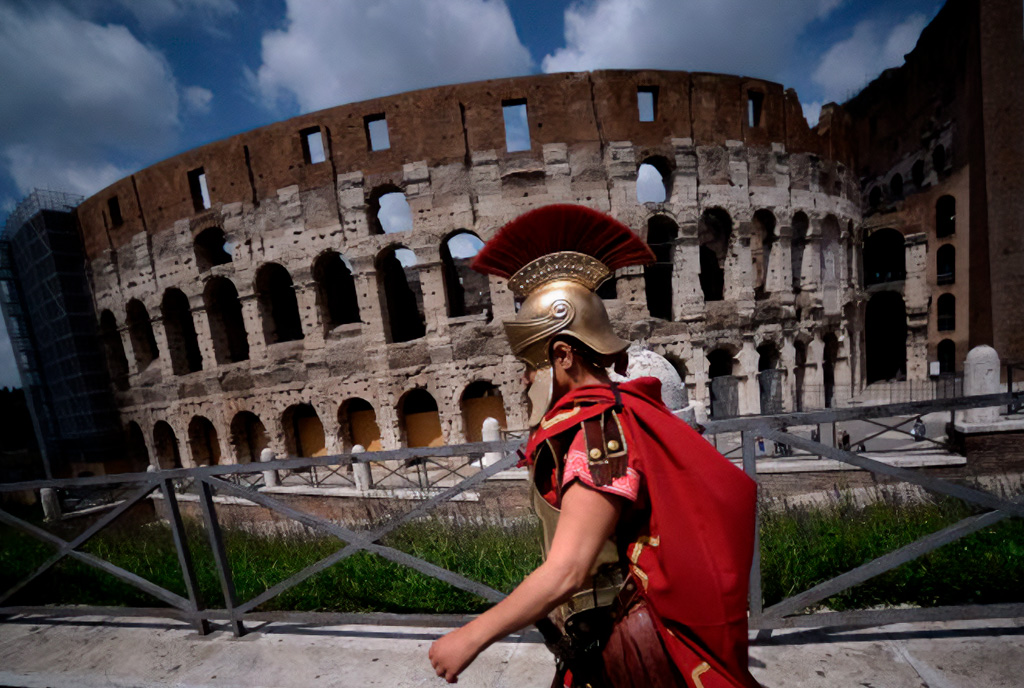
Visiting a city as beloved as Rome comes with certain hazards: the crowds, the cheap souvenirs, the young men in full gladiator costume waiting for a chance to pose with tourists.
And yet there are few places quite like it.
Take the Colosseum, a nearly 2,000-year-old stadium in the heart of the modern city.
In the days of real gladiators, 50,000 spectators gathered alongside the emperor for bloody fights to the death.
The Colosseum had an original retractable roof, an ingenious device called the velarium that used sail technology to stretch awnings and shield the crowd from sun and rain.
And we haven't even mentioned the Vatican, the catacombs, or the Forum.
Istanbul, Turkey
Istanbul loves to portray itself as a city straddling two continents.
What's most striking is the way the city embraces vast stretches of history, layering and intertwining them more naturally than anywhere else in the world.
The building carried out by successive empires, from Byzantium to Constantinople to modern Turkey, gave Istanbul an instantly recognizable skyline that unites elements of all these eras.
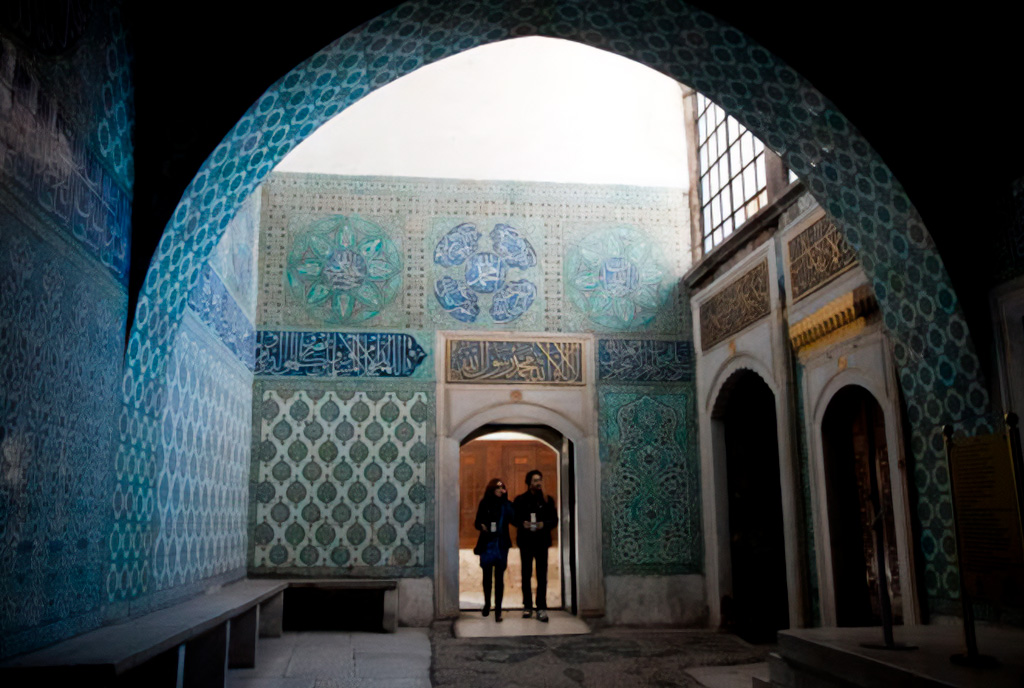
In the historic center around the famous Hagia Sophia, the Byzantine hippodrome sits just steps from the Ottoman Empire's Topkapi Palace, which holds artifacts including the Staff of Moses.
Around it all thrives a modern city with world-class restaurants, galleries, and architecture that make Istanbul one of the world's most important cultural hubs.
Bagan, Myanmar
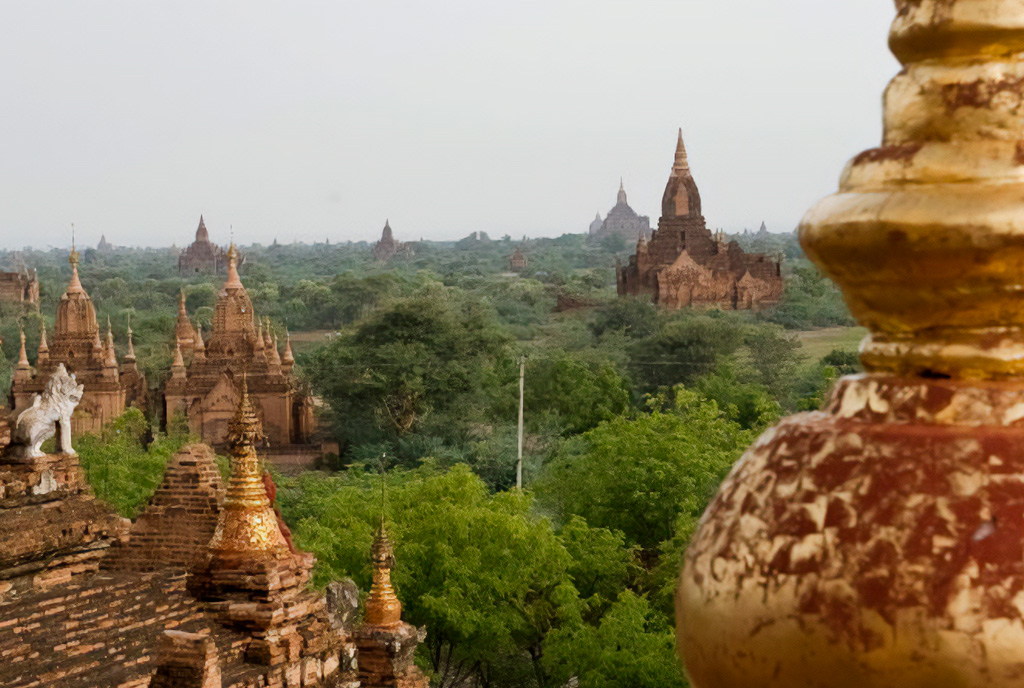
Long hidden from international view by Myanmar's military government, the treasures of Bagan returned to the spotlight after political reforms began opening up the country.
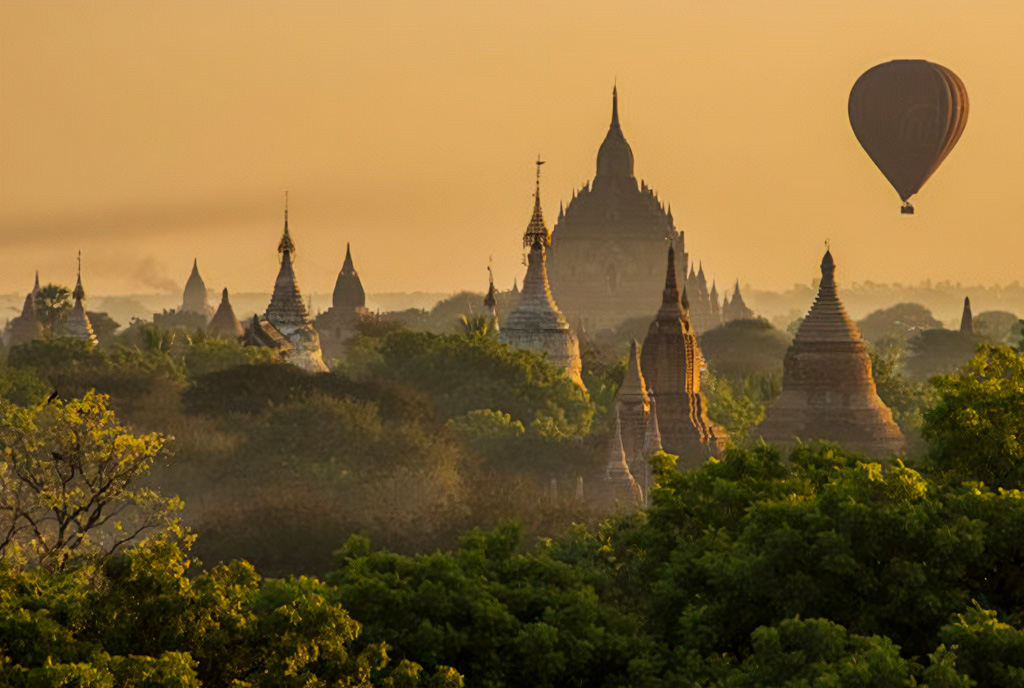
Here more than 2,000 Buddhist temples fill a plain along the Irrawaddy River, creating an otherworldly landscape.
The crowds remain far smaller and more adventurous than the tour groups that pack Angkor Wat or Machu Picchu.
Myanmar is still finding itself after decades of civil war and international isolation. The current crisis over the country's treatment of its Rohingya Muslim minority has also drawn global criticism.
None of this makes this 11th-century temple city any less enchanting.
The kingdom that ruled here was destroyed by earthquakes and the invaders of Kublai Khan, but the quiet temples preserve a spiritual atmosphere that's impossible to ignore.
Tikal, Guatemala
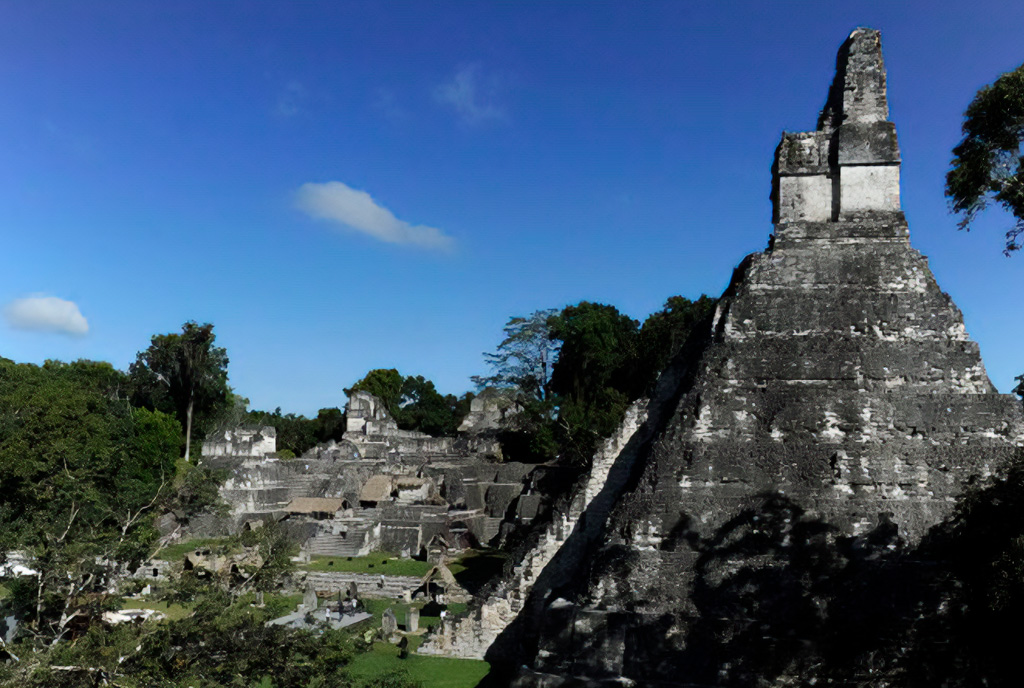
Hidden in the jungles of Guatemala, Tikal was a Maya city reflecting more than 1,000 years of cultural achievement, beginning around 600 BC.
Jaguars and pumas roam the surrounding wilderness, but the palaces, temples, and plazas inside the complex represent some of the earliest peaks of human achievement.
The stepped pyramids are symbols of Maya culture, rising above the forest canopy.
Equally impressive are the ball courts, temples, and palaces that surround the main plaza.
Most of the ancient roads connecting Tikal's 3,000 buildings have been cleared of vegetation, so visitors can now wander among the structures just as the ancient people did.
Cairo, Egypt
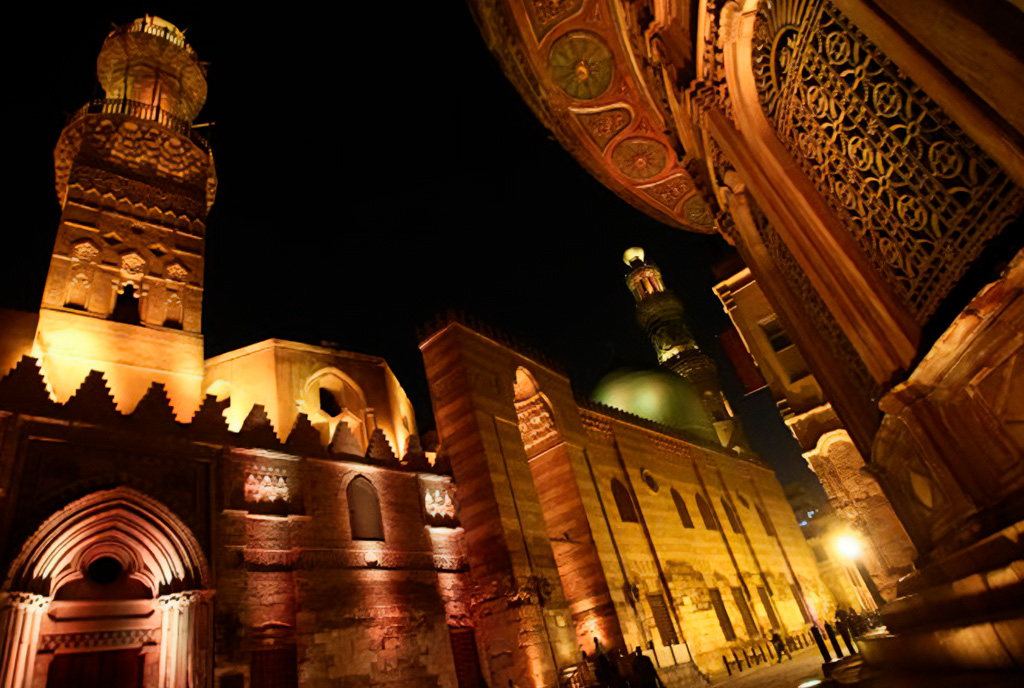
For first-time visitors, it's a shock how close the Pyramids of Giza and the Great Sphinx are to Cairo's chaotic streets.
With a population of 22 million, Cairo is one of the world's largest cities, built around one of humanity's earliest urban centers.
The tombs at Giza are 4,500 years old, and the Egyptian Museum of Antiquities boasts an incredible collection of artifacts from the earliest inhabitants of the Nile Valley.
But the slightly less ancient parts of Cairo are rich in cultural treasures too.
The present-day city was founded more than 1,000 years ago and has one of the world's oldest universities, a rich heritage of Islamic art, and Coptic treasures that often go unnoticed.
Persepolis, Iran
Iran's openness to Western tourism in recent years has helped Persepolis regain its appeal for visitors, even as international relations have grown tense once again.
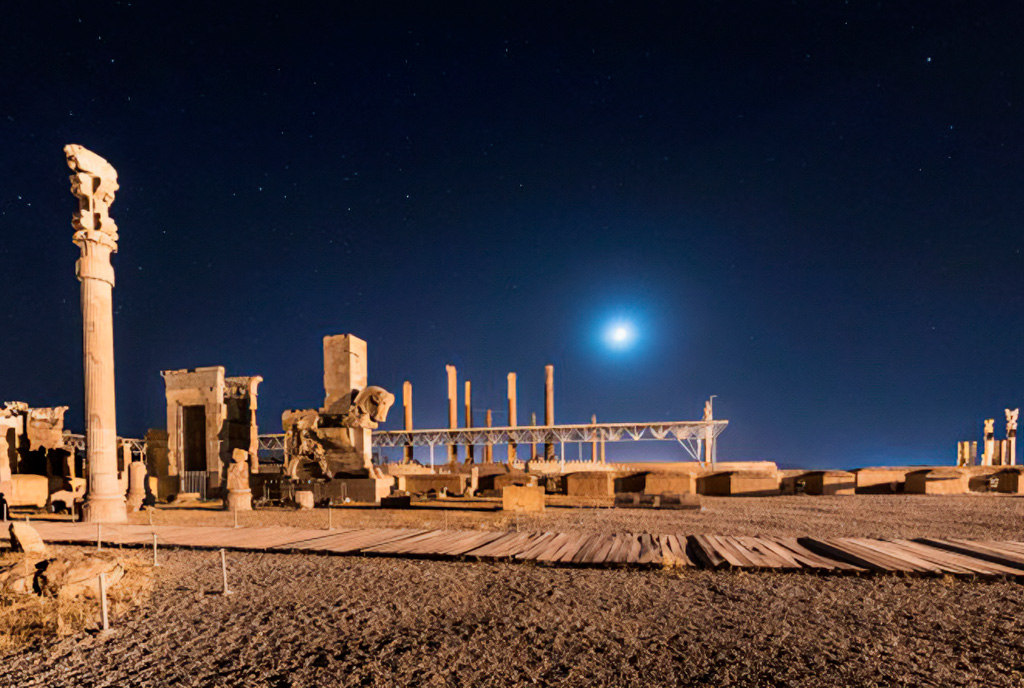
The city was founded in 518 BC by Darius I, ruler of the Achaemenid Empire of ancient Persia, and grew in grandeur until Alexander the Great sacked it two centuries later.
Its most remarkable feature is a vast terrace of 125,000 square feet, partly carved out of Kuh-e Rahmat (the Mountain of Mercy).
The rulers built ever more magnificent palaces, temples, and halls around the terrace, including an underground drainage system and cisterns for fresh water.
Despite a series of defensive walls up to 30 feet high, Alexander destroyed Persepolis, whose ruins were not rediscovered until 1618.
Today, however, the city is one of the finest examples of ancient architecture, especially thanks to its surviving slender columns.
Kyoto, Japan

If Tokyo represents the tech-obsessed, future-facing side of Japan, Kyoto is the side that rakes sand in its zen gardens.
Kyoto, Japan
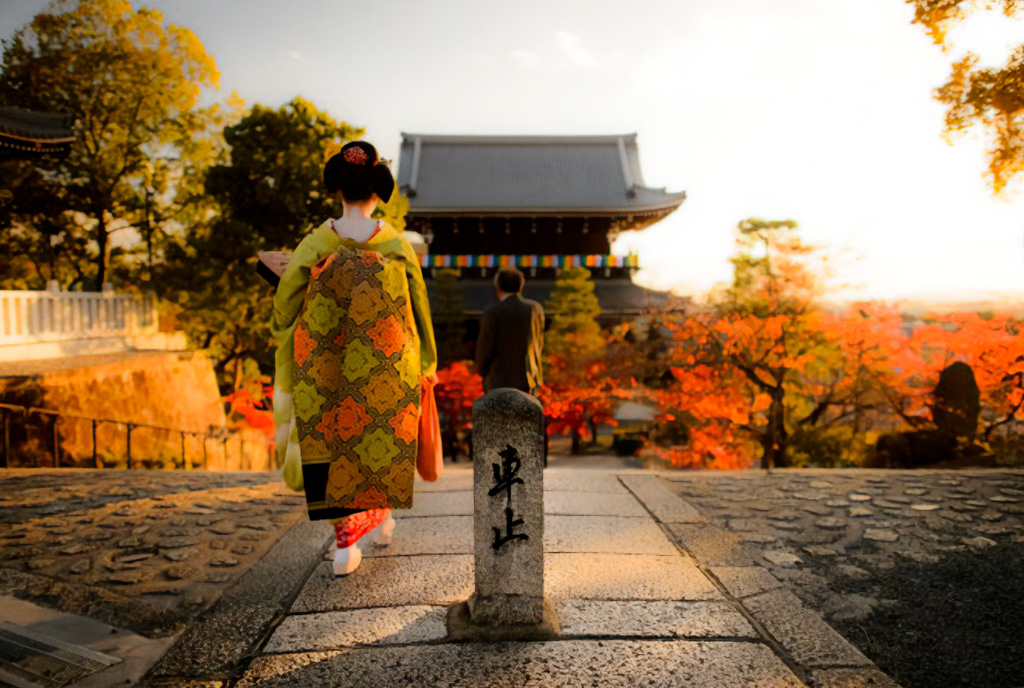
If Tokyo represents the part of Japan obsessed with technology and the future, Kyoto is the part that rakes sand in zen gardens and performs refined tea ceremonies.
That's not entirely fair: Nintendo is based in Kyoto, which is only one part of the city's thriving tech scene.
Perhaps closer to the truth is that, having been the capital of imperial Japan for more than 1,000 years, Kyoto has found a way to respectfully preserve its old traditions while eagerly embracing the new.
More than 1,000 Buddhist temples and Shinto shrines soften the frantic pace of modern life. Places like Nijo Castle, built in 1603, draw people from all over the world.
Because the city largely escaped bombing during World War II, most of them are still in use.
Beijing, China
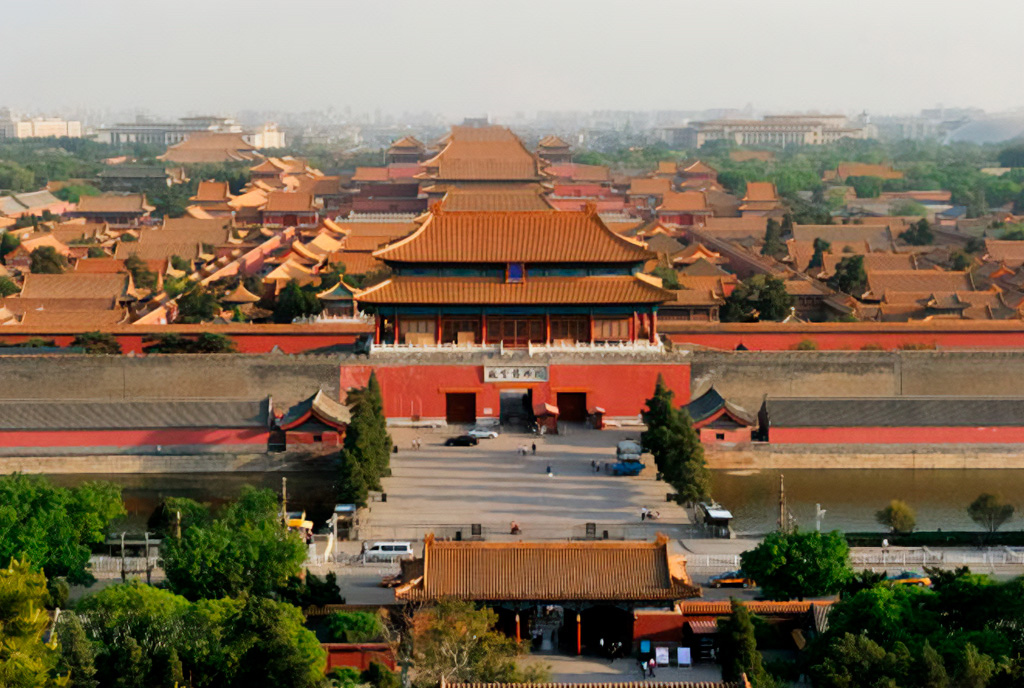
Over the past two decades China has invested heavily in the striking modern architecture of its capital, but with a history spanning more than 3,000 years, the city has a deep past that provides a rich heritage of art, architecture, and learning.
Simply visiting the city's six UNESCO World Heritage Sites, including the Forbidden City and the Temple of Heaven, can take a week.
That would barely be enough even for a cursory look at the treasures held in the city's many museums and galleries, let alone the hutong alleyways, old neighborhoods reimagined and sometimes rebuilt as a fashionable center of modern Beijing life.
Great Zimbabwe, Zimbabwe
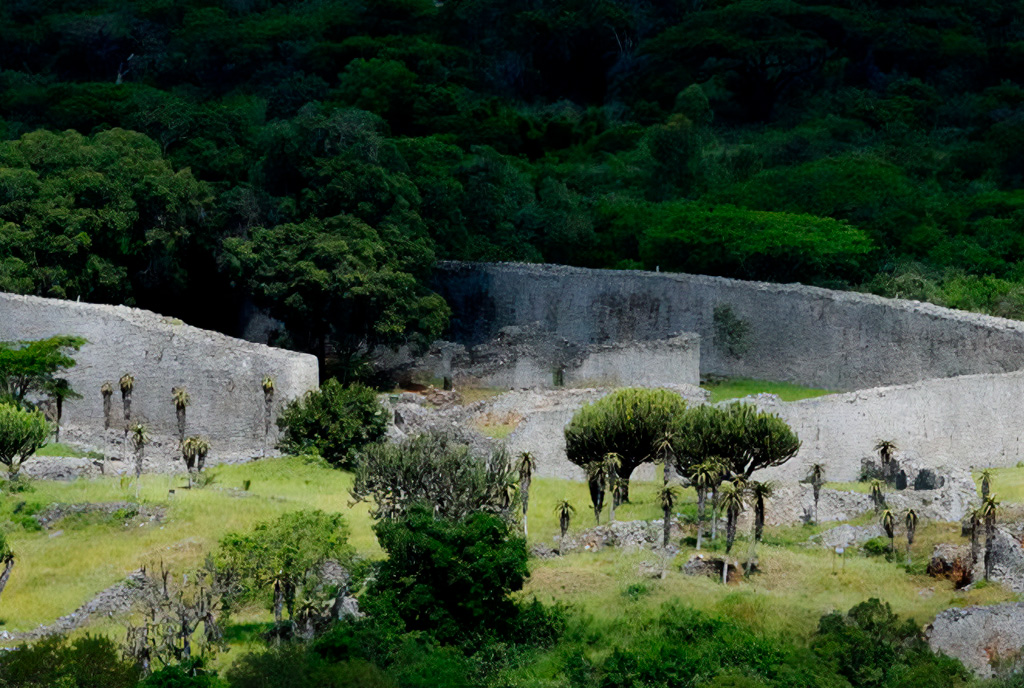
From the 11th century, this kingdom in southeastern Zimbabwe grew into a trading empire that stretched across the African interior and across the Indian Ocean.
On a hilltop rose a royal complex where dry-stone architecture created a terraced palace with fruit trees, hidden rooms, and stunning views over the king's domain.
Below, the high walls of the Great Enclosure surround a conical tower that has become a national symbol.
Overpopulation and deforestation led to the kingdom's collapse around 1450, a historically unfortunate time, since Europeans soon began to arrive and found a weakened state that was easier to conquer.
Great Zimbabwe remains a monumental reminder of Africa's achievements before colonialism.
Timbuktu, Mali
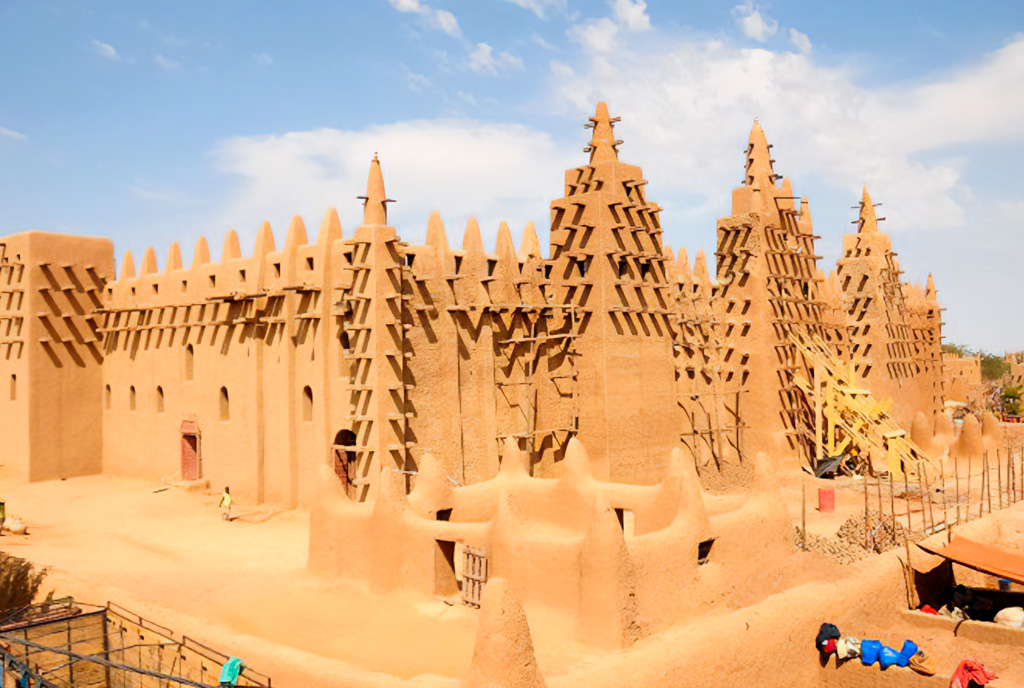
Before the Sahara nearly swallowed the city, and before French colonizers passed through it, Timbuktu was one of the world's most important centers of learning.
The city's librarians guarded thousands of manuscripts, protecting them from the elements and from violence.
Many manuscripts were evacuated to Mali's capital, Bamako, during the most recent period of separatist violence, but the city's unique mosques remained.
The three most important of them date to the 14th century.
Their mud-brick architecture requires constant care, and today's caretakers use the same methods to preserve them that the original builders did.
Machu Picchu, Peru
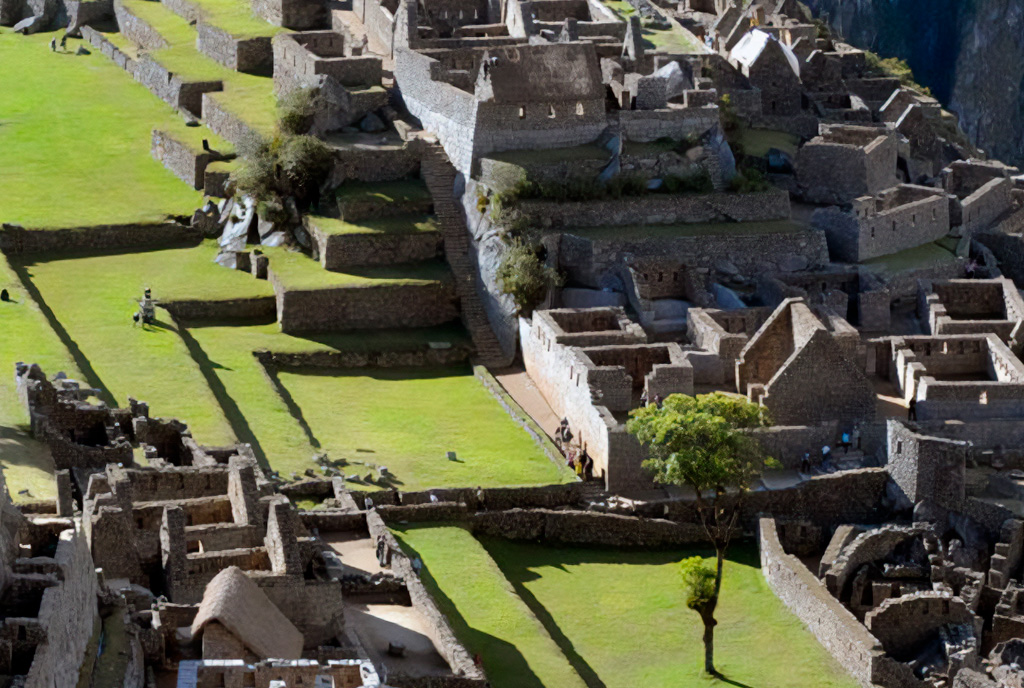
At nearly 8,000 feet up in the Andes, the Inca citadel of Machu Picchu retains an aura of mystery and grandeur, even while welcoming thousands of tourists a day.
When the Spanish conquered Peru, the very existence of Machu Picchu was kept secret from them.
The vast complex was revealed to the outside world in 1911 and quickly became an emblem of Inca achievement.
Built more than 500 years ago using dry-stone masonry, the city sits on a saddle between two peaks that tower over the tropical jungle.
Clouds swirl among the ruins, whose meaning remains largely unknown.
Terraces and ramps wrap around the mountains, and the buildings seem to reflect the Inca's sophisticated understanding of astronomy, though archaeologists are still trying to work out exactly how.
Athens, Greece
Athens traces its origins back 5,000 years, but the modern city has found wonderful ways to coexist with its iconic ancient landmarks.
Below the Acropolis, the winding streets of the neighborhoods pass by cafes and shops.
Many are crammed with tourist trinkets, but with enough art galleries and good restaurants mixed in, even the most jaded traveler will come away satisfied.
Much of the city's public life centers around the monuments, turning the stunning ruins of classical Greece into an everyday backdrop to the daily life of Athenians.
Petra, Jordan
This region between the Dead Sea and the Red Sea has been inhabited since the earliest days of humanity, but around 300 BC the rulers of the Nabataean Kingdom declared their cultural greatness by carving magnificent buildings into the red sandstone cliffs.
Gorges and canyons surround the ancient city, creating a maze of passages that helped keep it secret from Europeans for centuries.
Adding to the mystique: cars aren't allowed in the ancient city.
Visitors who don't want to walk have to hire a camel, a donkey, or a cart to get around.
Ellora, India
Like Petra, Ellora was carved into the mountains in the Maharashtra region. But this Indian monastic complex remains relatively unknown.
The temples include Hindu, Buddhist, and Jain holy sites, built over 400 years starting in the 6th century.
The most impressive one has the dull official name of Cave 16, informally known as Kailasa, and the entire temple was carved from a single massive rock.
A two-story entrance leads to a courtyard surrounded by a three-story colonnaded arcade. The building is twice the size of the Parthenon.
Inside, images of Hindu deities were carved from the stone, and in the courtyard stand two life-size elephant statues.
Xi'an, China
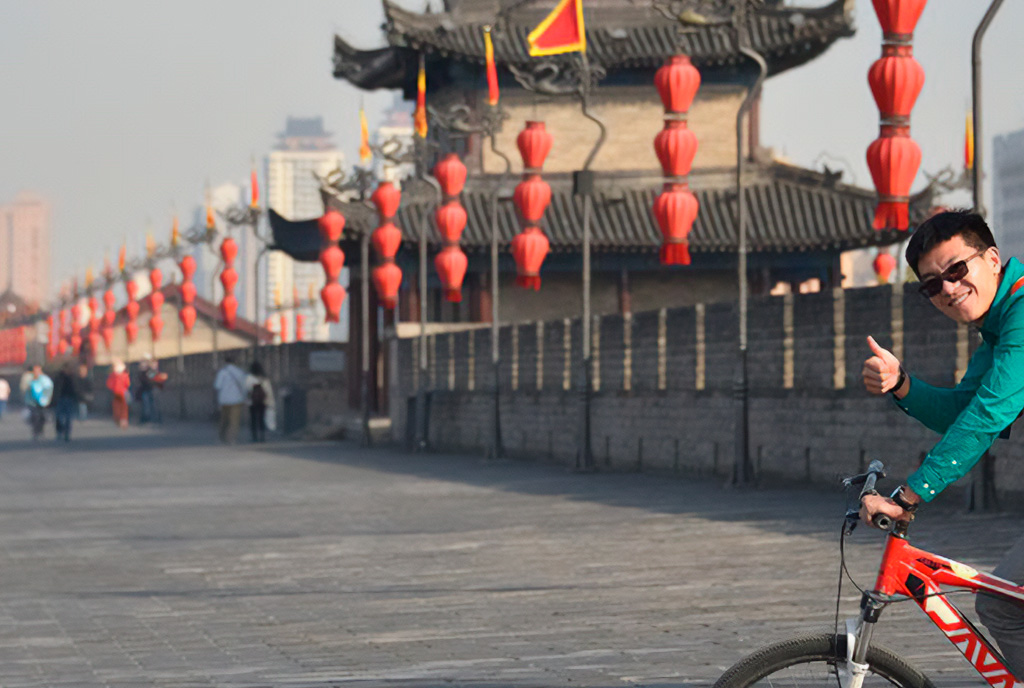
At the height of the Silk Road, Xi'an was the place where the journey west began.
For more than a millennium, Xi'an was the capital of ancient Chinese dynasties.
Today it's best known as the home of the Terracotta Warriors, thousands of clay soldiers filling the mausoleum of Emperor Qin Shi Huang. Each stands ready for battle, yet they were buried underground for 2,000 years.
Workers digging a well accidentally stumbled upon one of the soldiers in 1974, leading to one of the greatest archaeological discoveries of all time.
Excavations are still ongoing, and statues of dancers and acrobats have recently been uncovered, offering new insight into the grandeur of Qin's ambitions.
Madurai, India
In ancient times, the Tamil city of Madurai was an important capital that traded with Rome and ruled its part of India until the British conquest.
At its heart stands the Meenakshi Amman Temple, one of India's holiest sites, which draws a million visitors to its annual festival in April and May.
Although the city is 2,500 years old, the original temple was plundered during a period of medieval invasions.
The current structure was built in the 1600s, with 14 gate towers guarding the shrines, covered in vivid colors.
The Hall of a Thousand Pillars is adorned with the mythological yali, a creature with the head of an elephant on the body of a lion.
Poverty Point, Louisiana
Largely unknown even to the Americans who live nearby, Poverty Point in Louisiana reached the peak of early human civilization in North America.
It's named after a nearby plantation, since the original name was lost over time.
The city probably reached its peak around 3500 BC, when its inhabitants carved six concentric elliptical ridges out of the earth.
They also built five large mounds, raised levees, and installed docks that gave them easy access to the Mississippi River. This helped turn the site into a trading hub for a network that stretched hundreds of miles.
Although the area was developed by people who hunted, fished, and gathered wild plants for food, agriculture had not yet taken hold.
Borobudur, Indonesia

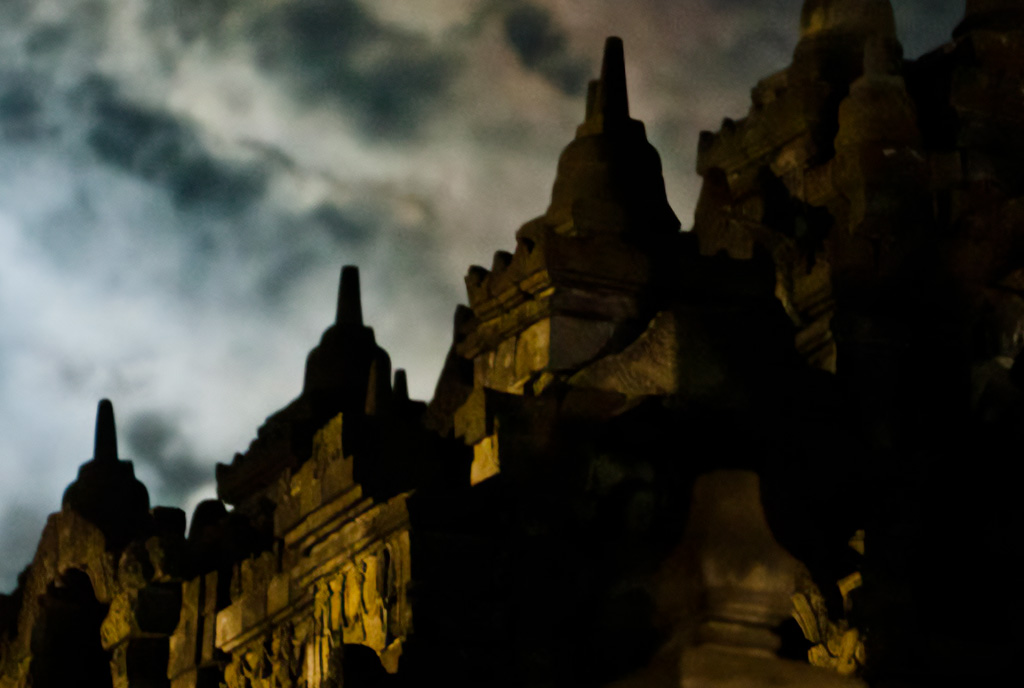
Foreigners tend to think of travel in Indonesia as centered on the tranquil island of Bali or the bustling capital, Jakarta. But the most visited site in this predominantly Muslim country is the 9th-century Buddhist temple complex of Borobudur.
The temple was completed in the early 800s, but much of its history has been lost.
For centuries it lay covered in volcanic ash, and then the surrounding jungle grew over it.
In the early 1800s, locals told the British governor of its existence. In the 1970s, UNESCO led a restoration that returned Borobudur to its present glory.
Now the stupas rise once again amid a green valley. Because the complex was buried for so long, much of the artwork remained intact.
Takht-i-Bahi, Pakistan
This Buddhist monastery was built in the first century but fell out of use just 600 years later.
Takht-i-Bahi's hilltop location protected it from a string of invasions, until the British arrived and carried off most of the surviving treasures for safekeeping in the British Museum.
What remains are three stupas and the courtyard surrounding them, along with the meditation chambers once used by the monks who brought Tantric traditions to this part of the world.
In the popular imagination, Tantric practices revolve around sex.
Takht-i-Bahi is a reminder that Tantra is far more than that.
Stonehenge, England
Archaeologists believe this prehistoric stone circle may have been built 5,000 years ago.
There's a general consensus that the site was a burial ground, but no one really understands how the giant stones were brought here from places as far away as Wales.
Construction may have taken 1,500 years, at a time when the wheel had not yet appeared in England.
Gondar, Ethiopia
The capital of the old Ethiopian Empire, Gondar suffered repeated invasions from the mid-1800s. Even so, several castles and churches have survived, offering a glimpse of one of the few medieval African cities still alive today.
Tourism here isn't well developed, so wandering among these royal walls feels more like traveling through time.
The city is often called Africa's Camelot, which seems unfair.
Gondar is the center of a culture that is connected to the wider Christian world and yet entirely distinct from it.
Nimrud, Iraq
The capital of the world's first empire, Nimrud ruled Assyria from around 880 BC, though people had settled the area thousands of years earlier.
Excavations since the 1840s have revealed a formidable city with massive palaces and temples to the gods of war and writing.
Buried inside were ivory furniture, carved stone slabs, gold jewelry, and crowns.
The art and architecture are irreplaceable, but much was destroyed in 2016, since Nimrud lies close to Mosul.
After the Islamic State occupied the area, they brought in bulldozers to demolish the ancient monuments. The extent of the damage is still being assessed, but efforts are now underway to restore this ancient wonder.