

German food is rich, hearty and wonderfully varied. It's comfort food built on high-quality, often locally sourced ingredients.
Germany's cuisine was shaped not only by the country's farming traditions, but also by the many immigrants who have made it their home over the centuries.
It's definitely far more than just a pairing of beer, sauerkraut and sausage.
Partner links: booking through them supports the blog at no extra cost to you.
Today, Germans value a well-cooked, beautifully plated meal just as much as a quick bite on the go. This is a country of food markets, beer gardens, wine festivals, food museums and top-tier restaurants.
So: Haben sie hunger? Feeling peckish yet? Take a look at our list of 20 traditional German dishes you need to try when you visit.
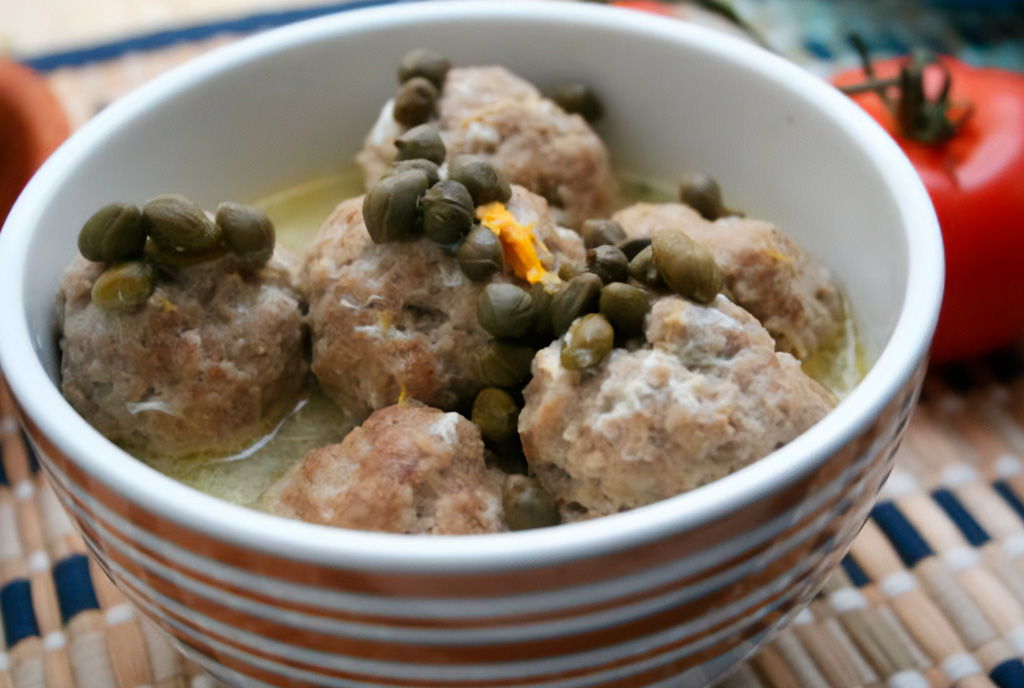
Königsberger Klopse
Named after Königsberg, the former capital of East Prussia (today Kaliningrad in Russia), this tasty dish of meatballs in a creamy white sauce with capers is a favorite of grandmothers and chefs alike.
The meatballs are traditionally made with minced veal, onion, eggs, anchovies, pepper and other spices. The capers in the sauce and a squeeze of lemon juice give this hearty home-style meal a surprisingly elegant finish.
In the German Democratic Republic, officials renamed the dish Kochklopse (boiled meatballs) to avoid any reference to its namesake, which had been annexed by the Soviet Union. Today you can find Königsberger Klopse under their traditional name in most German restaurants, but they're especially popular in Berlin and Brandenburg.
Maultaschen
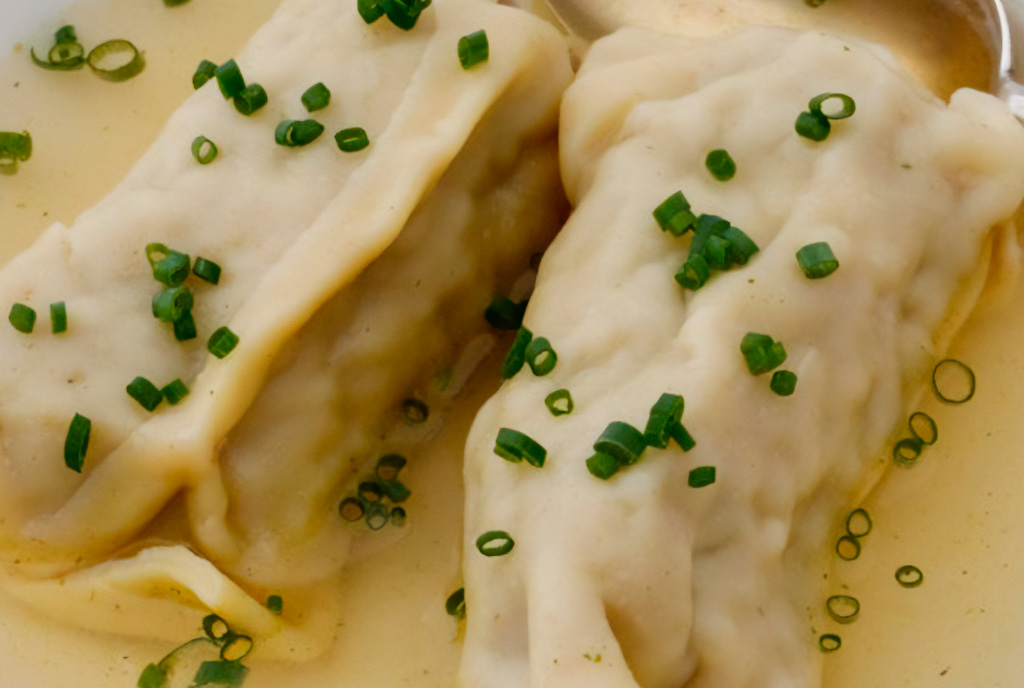
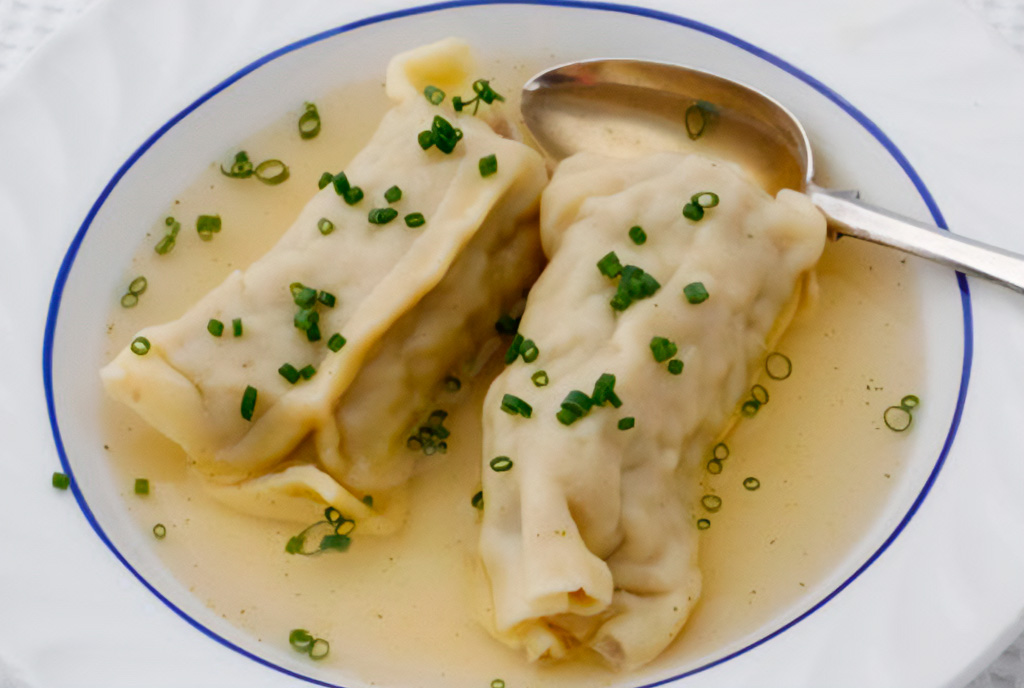
Maultaschen, from Swabia in southwestern Germany, are a lot like ravioli, only bigger. They're usually palm-sized, square pockets of pasta with fillings that range from savory to sweet and from meaty to vegetarian.
The traditional combination is minced meat, breadcrumbs, onion and spinach, all seasoned with salt, pepper and parsley. They're often simmered and served in broth instead of sauce for a softer, creamier flavor, though sometimes they're pan-fried in butter for extra richness.
These days you can find Maultaschen all over Germany (even frozen in supermarkets), but they're most common in the south.
Here, these delicious dumplings have become so important that in 2009 the European Union recognized Maultaschen as a regional specialty and honored the dish as significant to the cultural heritage of the state of Baden-Württemberg.
Labskaus
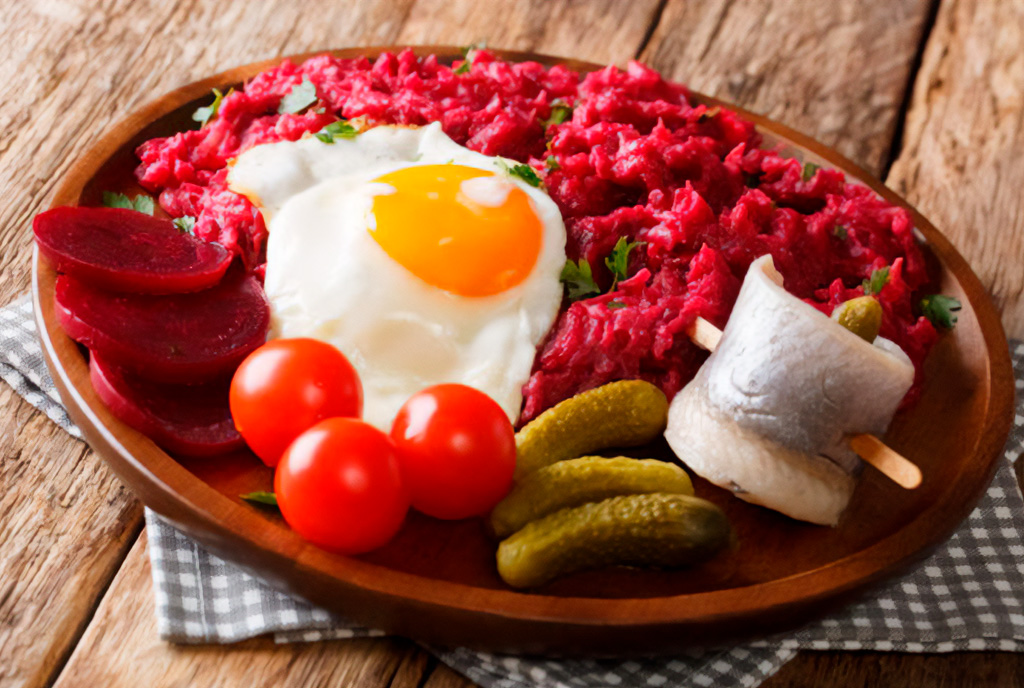
Labskaus isn't the most visually appealing dish, but it's a glorious mush that captures the maritime traditions of northern Germany like nothing else. In the 18th and 19th centuries, ship provisions were mostly preserved goods, and the pink slop of Labskaus was a tasty way to prepare them.
Corned beef, onion, potatoes and pickled beetroot are all mashed together into a pulp and served with pickled cucumbers and Rollmops (see below). For a long time it was a favorite dish of sailors on the Baltic and North Seas.
Today the dish is served all across northern Germany, but especially in Bremen, Kiel and Hamburg. And even though modern ships have refrigerators, it remains a popular hangover cure.
Sausages
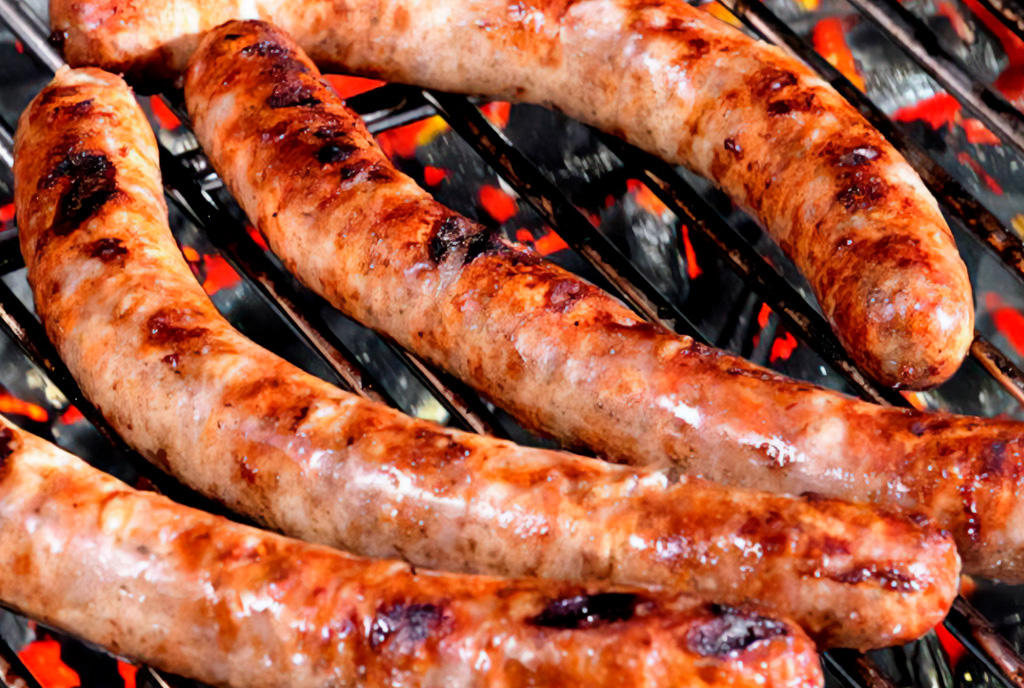
There's no Germany without sausages.
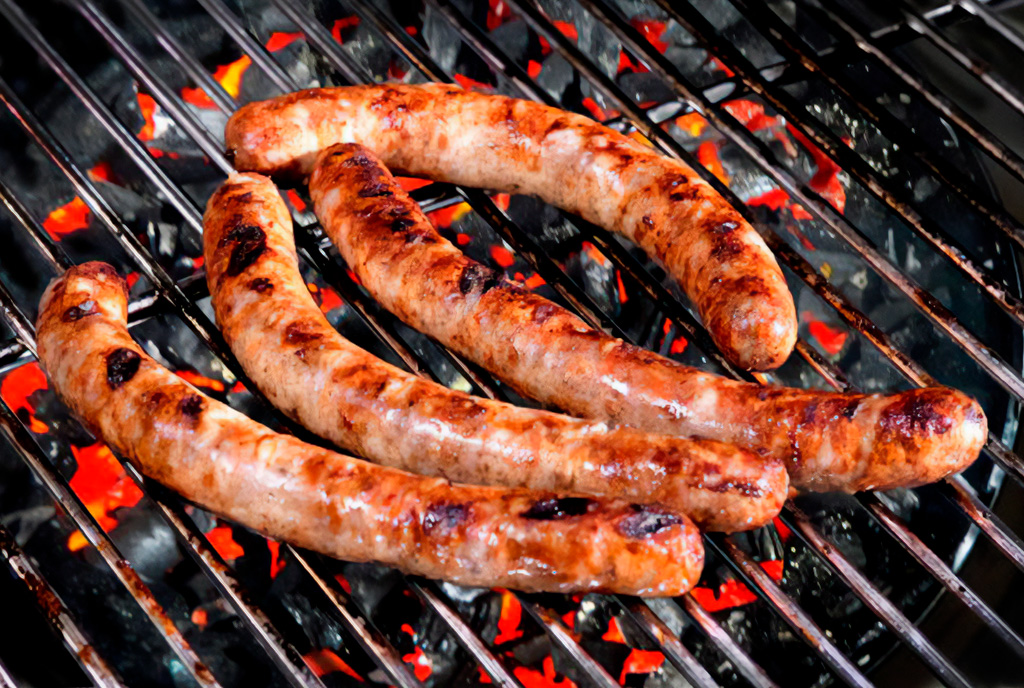
Across this Wurst-loving country you'll find countless cured, smoked and other varieties, so for this list we'll focus on some of the best German street food: Bratwurst, or fried sausages.
There are more than 40 varieties of German Bratwurst. Barbecued or pan-fried and then served in a white bun with mustard on the go, or with potato salad or sauerkraut as the perfect companion to a German beer.
Here are some of the most common Bratwursts:
- Franconian Bratwurst from Franconia, with marjoram as its signature ingredient.
- Nuremberg Rostbratwurst, which is small in size and mostly grilled.
- Thuringian Rostbratwurst from Thuringia, which is quite spicy. Thuringia is also home to the first German Bratwurst museum, which opened in 2006.
But the most popular incarnation of the Bratwurst is the next item on our list.
Currywurst
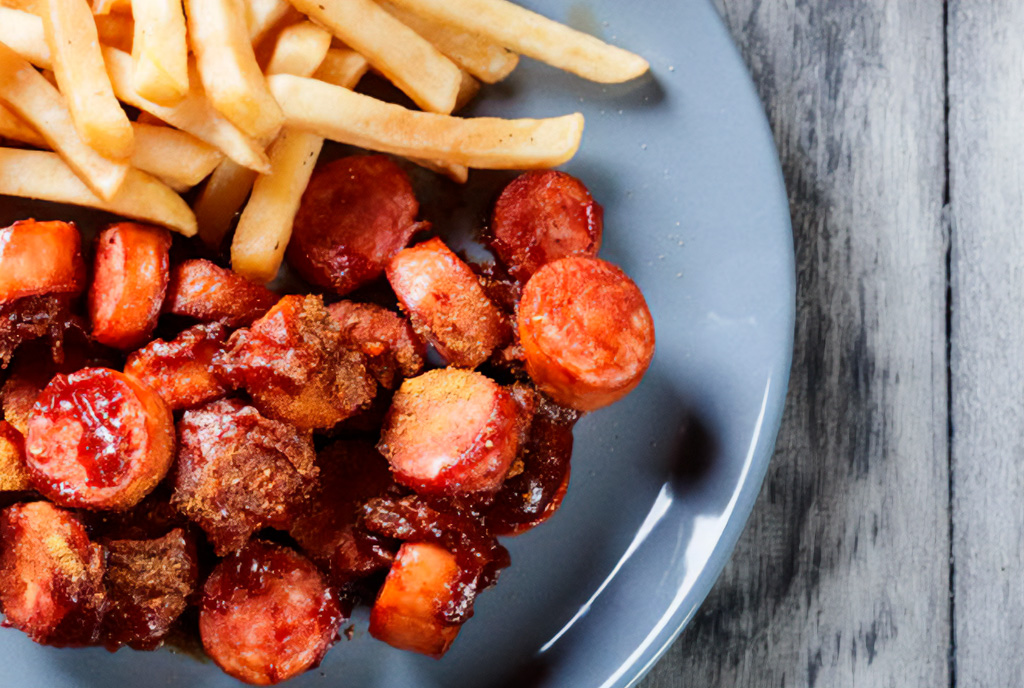
Practically synonymous with German cuisine since 1945, Currywurst is usually credited to Herta Heuwer, a Berlin woman who in 1949 managed to get ketchup and curry powder from British soldiers, mixed them together and poured them over a fried sausage, instantly creating a German street food classic.
Today both boiled and fried sausages are used, and Currywurst remains one of the most popular sausage-based street foods in Germany, especially in Berlin, Cologne and the Rhine-Ruhr region, where it's usually served with fries and ketchup, or with mayonnaise or a bun.
It's not the most refined of dishes, but it's a hearty street snack born out of necessity that all of Germany still can't get enough of: around 800 million servings are eaten every year.
Döner Kebab
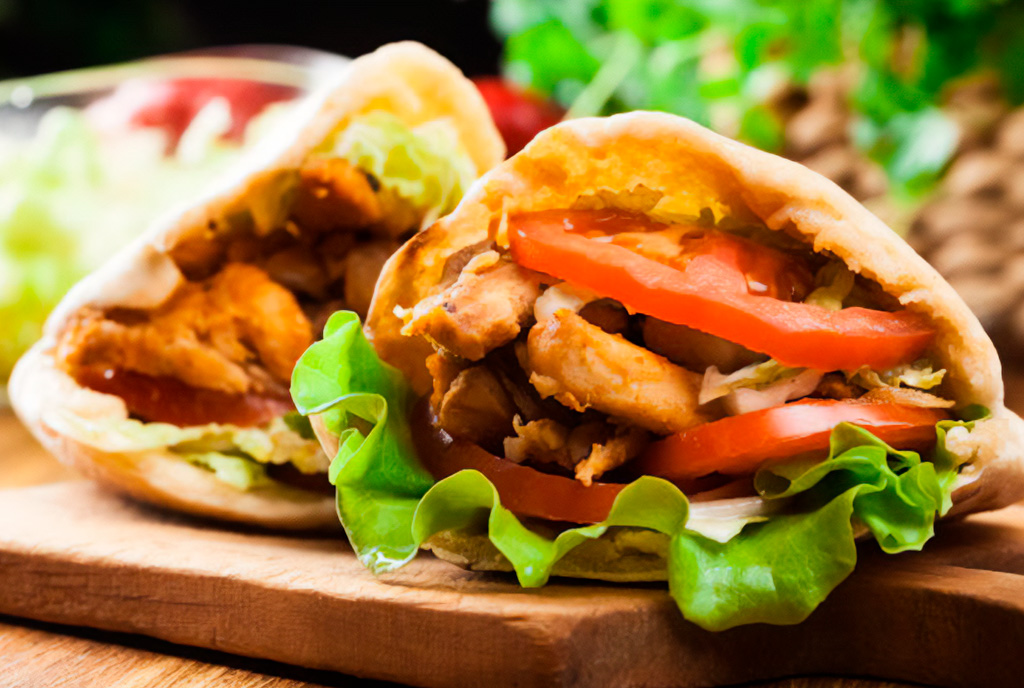
The Döner kebab was brought to Germany by Turkish immigrant workers in the 1960s and '70s. One of the first street vendors was Kadir Nurman, who started offering Döner kebab sandwiches at the Zoo station in West Berlin in 1972, from where the dish first conquered both West and East Berlin, and then all of Germany.
From its humble Berlin beginnings, when a Döner kebab contained only meat, onion and a bit of salad, it has evolved into a dish loaded with salad, vegetables (sometimes grilled) and a choice of sauces.
Veal and chicken spits are widely used, as is the ever-popular lamb, while vegetarian and vegan versions are becoming increasingly common.
Schnitzel
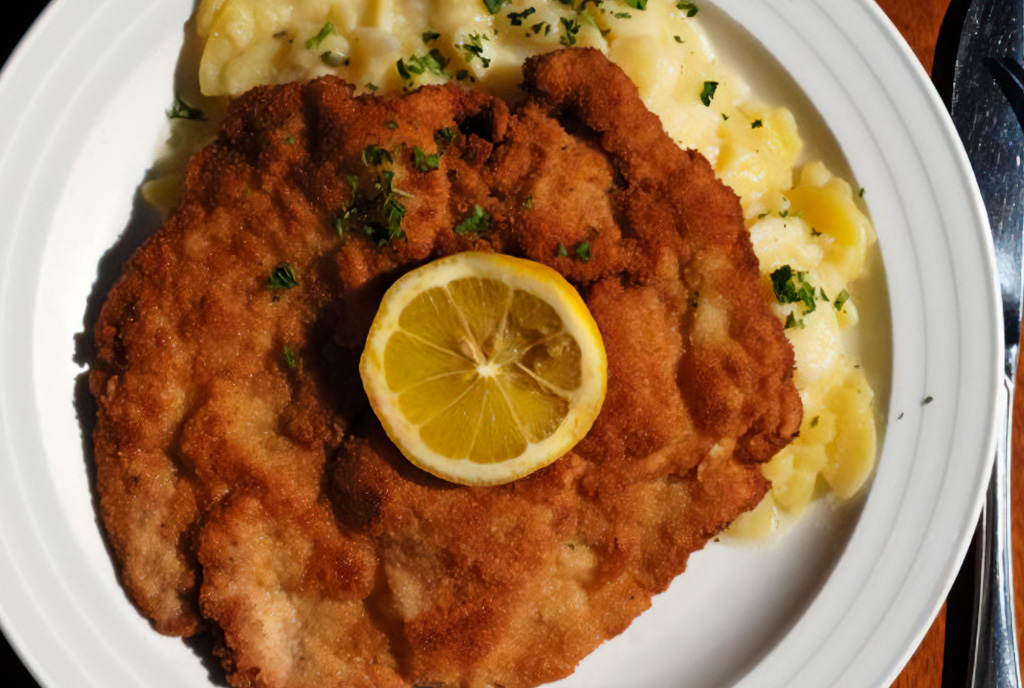
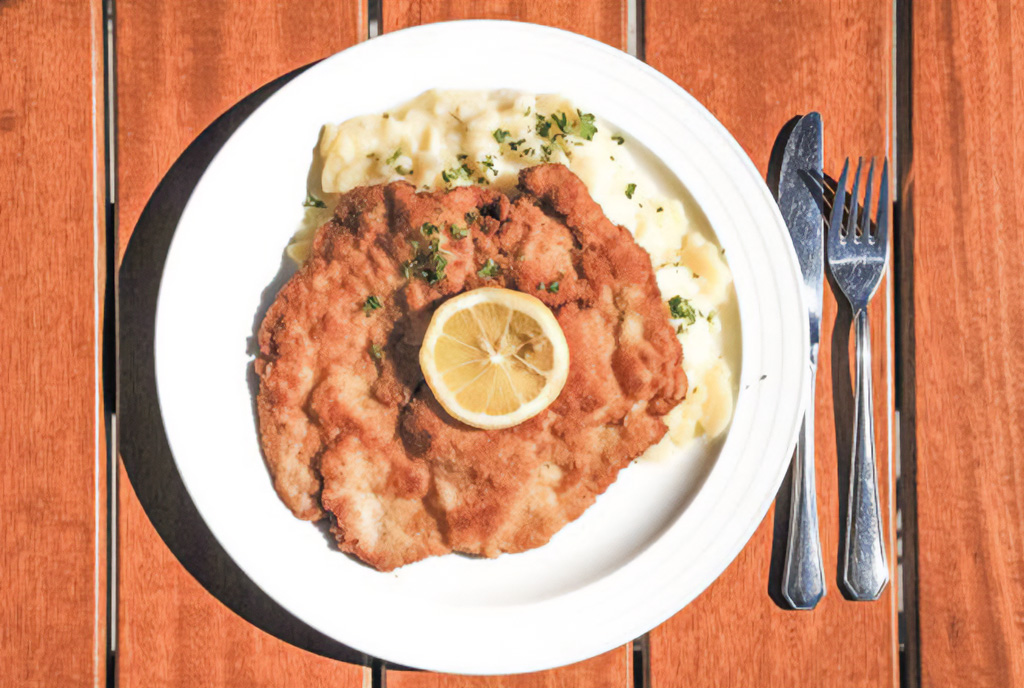
Some might argue that schnitzel is Austrian rather than German, but its origins are actually Italian.
That controversy hasn't stopped this breaded, fried cutlet from becoming popular all over Germany. While Austrian or Wiener schnitzel is by law made only with veal, the German version is made with pounded pork or turkey and has become a staple of most traditional restaurants.
While Wiener schnitzel is served plain, Germans love to smother their schnitzel in a variety of sauces. Jägerschnitzel comes with mushroom sauce, Zigeunerschnitzel with a bell pepper sauce, and Rahmschnitzel is served with a creamy sauce.
They all pair well with fried potatoes and a cold lager or a Franconian apple wine.
Käsespätzle
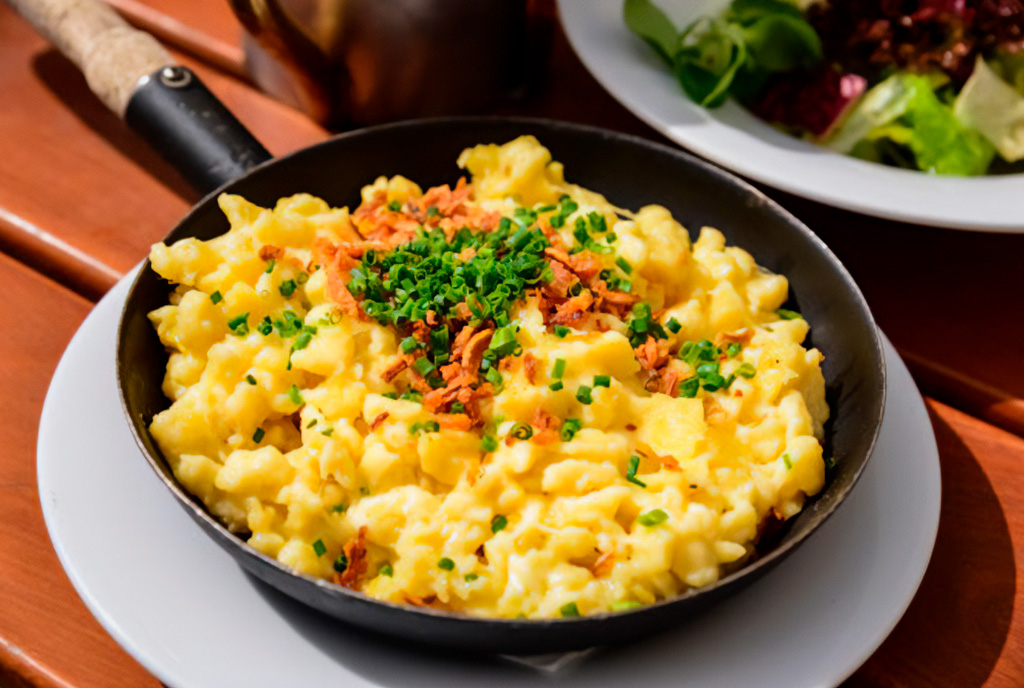
Spätzle originally come from Baden-Württemberg. Essentially a type of pasta, the noodles are a simple combination of eggs, flour, salt and often a splash of sparkling water to make the dough fluffier. Traditionally served as a side to meat dishes or added to soups, it can be varied by adding cheese: the Käsespätzle version is an incredibly popular dish in southern Germany, especially in Swabia, Bavaria and the Allgäu region.
Hot Spätzle and grated cheese are layered alternately, and the whole thing is finished off with fried onions. After each layer is added, the Käsespätzle is placed in the oven to keep it from cooling and to make sure the cheese melts. Käsespätzle is a popular dish in beer gardens in summer and cozy Munich pubs in winter.
Rouladen
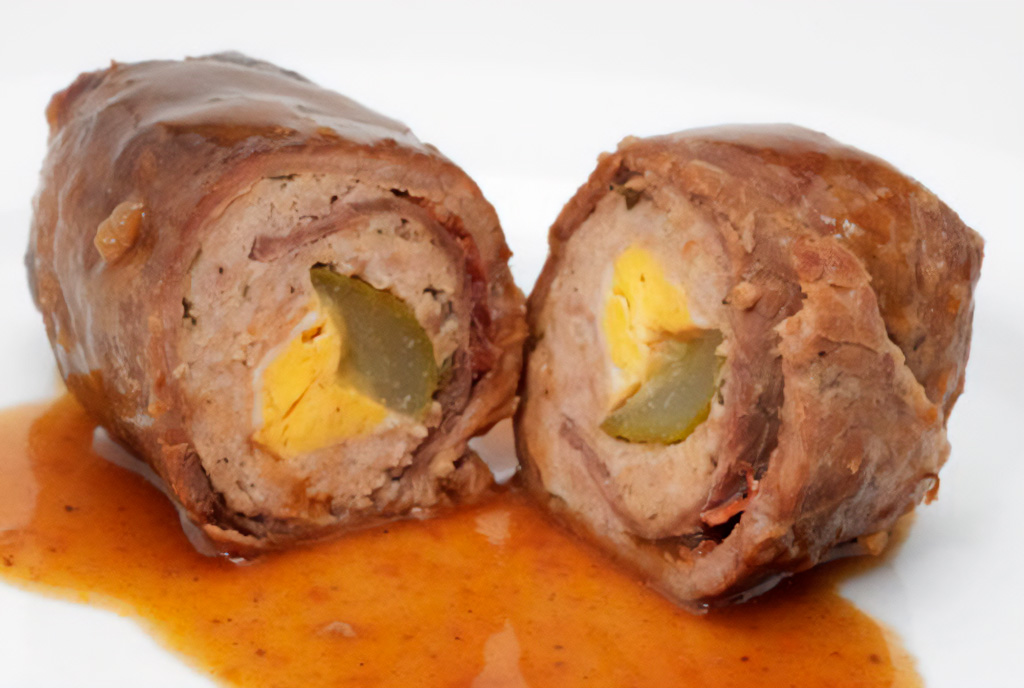
Rouladen is a wonderful combination of bacon, onion, mustard and pickled cucumbers, all wrapped up in thinly sliced beef or veal. Vegetarian and other meat variants are now widely available too, but the real star is Rinderrouladen (beef Rouladen), a popular dish in western Germany and the Rhine region.
It's a staple of family dinners and special occasions. It's usually served with potato dumplings, mashed potatoes and pickled red cabbage. A red wine sauce is an absolute must to round out the dish.
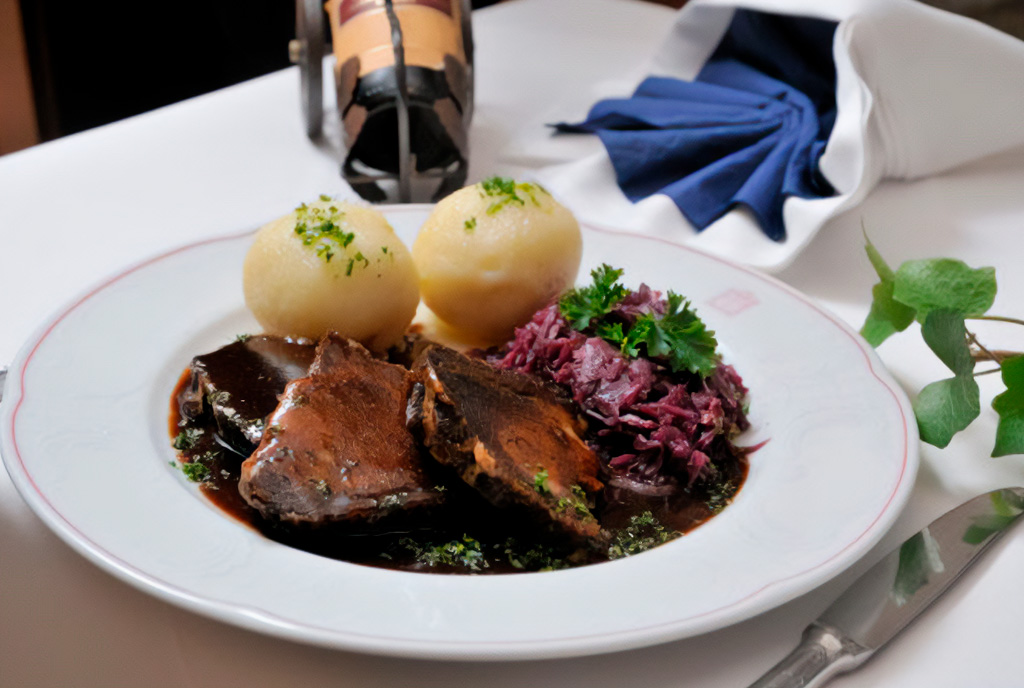
Sauerbraten
Sauerbraten is considered one of Germany's national dishes, and there are several regional variations in Franconia, Thuringia, the Rhineland, the Saarland, Silesia and Swabia.
This braised cut of meat takes quite a lot of time to prepare, but the results, often served as a Sunday family dinner, are truly worth the effort. Sauerbraten (literally "sour roast") is traditionally made with horse meat, but these days beef and venison are increasingly used.
Before cooking, the meat is marinated for several days in a mixture of red wine vinegar, herbs and spices. Drowned in a dark sauce made with beet sugar and rye bread to balance out the sour taste of the vinegar, the Sauerbraten is then traditionally served with red cabbage and potato dumplings or boiled potatoes.
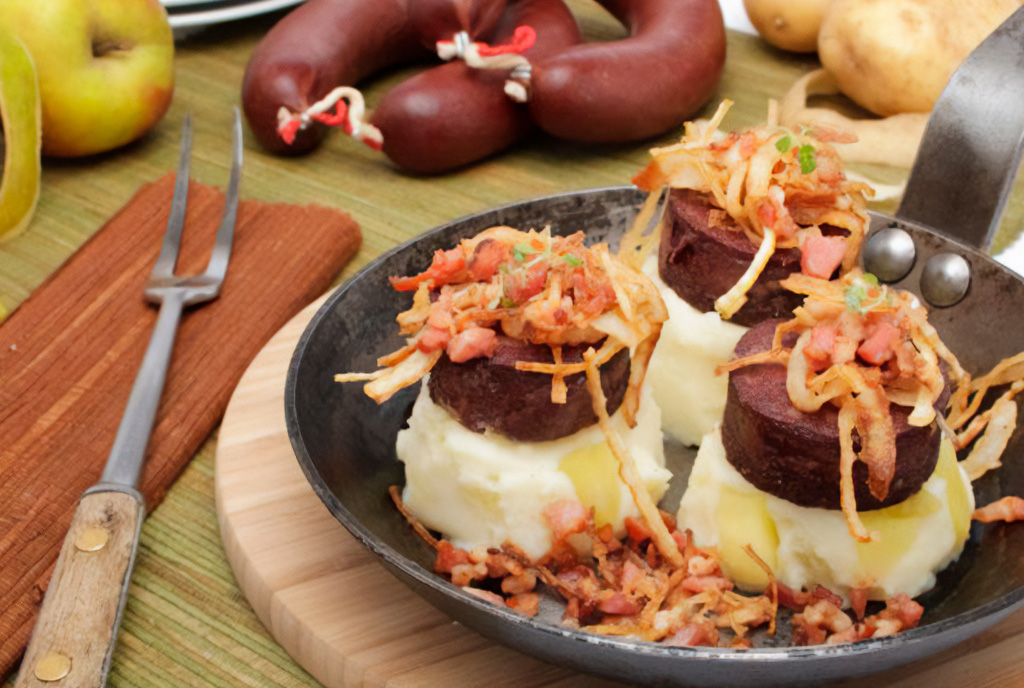
Himmel un Äd
This is another messy and not necessarily photogenic dish, but it's still absolutely worth a try. Himmel und Erde, or Himmel un Äd in Cologne (both meaning "Heaven and Earth"), is popular in the Rhineland, Westphalia and Lower Saxony. The dish consists of black pudding, fried onions and mashed potatoes with apple sauce.
It's been around since the 18th century, and these days it's a favorite at many Kölsch breweries and beer halls in Cologne, where it pairs beautifully with two or three glasses of the popular beer.
Zwiebelkuchen and Federweißer
October is the month to try the first wines of the year in Germany, and a well-known culinary delicacy in the south is Federweißer und Zwiebelkuchen (partially fermented young white wine and onion cake).
Federweißer literally means "white feather" and is made by adding yeast to the grapes, letting fermentation happen quickly. As soon as the alcohol level reaches 4%, Federweißer goes on sale. It's mostly consumed near where it's produced. Because of the fast fermentation, it has to be drunk within a few days of bottling. On top of that, the high level of carbonation means it can't be bottled and transported in sealed containers.
In most towns along the Moselle River, people flock to market squares and wine gardens in early October to enjoy a glass of Federweißer and feast on crispy, freshly baked onion cakes called Zwiebelkuchen. Thanks to its light, sweet taste, it pairs perfectly with the savory, warm onion cake.
Saumagen
World politics in a pig's stomach. Saumagen was made famous by former German Chancellor Helmut Kohl, who (like the dish) hails from the western region of the Palatinate. Kohl loved Saumagen and served it to guests including British Prime Minister Margaret Thatcher, Soviet leader Mikhail Gorbachev and US Presidents Ronald Reagan and Bill Clinton.
The literal translation of this dish is "pig's stomach," but Saumagen is far less strange than its name suggests.
A little reminiscent of Scottish haggis, it's made using a pig's stomach (or an artificial one) as a casing for a filling of pork, potatoes, carrots, onion, marjoram, nutmeg and white pepper.
It's then sliced and pan-fried or baked in the oven, and, as Kohl knew, it goes wonderfully with sauerkraut, mashed potatoes and a dry white wine from the Palatinate.
Pinkel mit Grünkohl
Pinkel mit Grünkohl, or kale with sausage, is a tasty winter comfort food eaten mostly in northwestern Germany, especially in the region around Oldenburg, Bremen and Osnabrück, as well as in East Frisia and Friesland.
The kale is mixed with mustard and bacon, and the "Pinkel" sausage (named after the little finger) is made with bacon, oat or barley groats, beef fat, pork lard, onion, salt and pepper.
Germans sometimes celebrate winter with a traditional so-called "Grünkohlfahrt," where family and friends set off on a brisk walk accompanied by schnapps and finish with a warm kale dinner at a country inn.
Spargel
Germans are crazy about white asparagus. As soon as harvest time arrives in mid-April, asparagus dishes appear on restaurant menus all across Germany, from Flensburg to Munich and from Aachen to Frankfurt.
It's Spargelzeit, asparagus season, and it's celebrated with passion. During Spargelzeit, the average German eats asparagus at least once a day. All in all, that adds up to more than 70,000 tons of asparagus consumed per year.
No one can say exactly where this obsession with white asparagus came from, but the first document mentioning the cultivation of this vegetable around the city of Stuttgart dates back to 1686. There are Spargel festivals, an asparagus route in Baden-Württemberg and countless roadside stands across Germany selling "white gold."
In restaurants, the asparagus is boiled or steamed and served with hollandaise sauce, melted butter or olive oil. It's served wrapped in bacon or laid over a schnitzel; as asparagus soup, fried asparagus, herb and asparagus pancakes, asparagus with scrambled eggs or asparagus with new potatoes. All across Germany you can hear sighs when Spargelzeit ends on June 24, the feast of St. John the Baptist.
Reibekuchen
Fried potato pancakes are so popular in Germany that we have more than 40 names for them. They're known as Reibekuchen, Kartoffelpuffer, Reibeplätzchen, Reiberdatschi, Grumbeerpannekuche and so on.
Another classic German comfort and street food, Reibekuchen is often served with apple sauce, on dark rye pumpernickel bread or with molasses (a kind of syrup).
They're popular year-round: in Cologne and the Rhineland, revelers love them during the springtime carnival celebrations, and at every German Christmas market there are Reibekuchen vendors, where hundreds of liters of potato batter are turned out every day during the festive season.
Rollmops
Rollmöpse (plural) are boiled or fried and then pickled herring fillets, wrapped around a savory filling such as a pickled cucumber or a green olive stuffed with pimento, and they've been served on the coast since medieval times.
Having become popular in the early 19th century, when the long-distance rail network made it possible to transport pickled goods, Rollmöpse have since become a staple snack on German tables.
Rollmöpse are usually bought ready to eat in jars and eaten straight from them, unrolled or on bread, and sometimes with Labskaus (see above). And like Labskaus, they're usually served as part of a German Katerfrühstück, or hangover breakfast.
Black Forest Cherry Cake
Germany has a huge variety of cakes, but among the most popular is the Black Forest cherry cake, or Schwarzwälder Kirschtorte.
The cake is named not after the Black Forest mountain range in southwestern Germany, but after that region's special liqueur, Black Forest kirsch, distilled from sour cherries.
Probably created by Josef Keller in 1915 at Café Agner in Bonn in the Rhineland, it usually consists of several layers of chocolate sponge, sandwiched with whipped cream and sour cherries, and then soaked in kirschwasser. It's decorated with more whipped cream, cocktail cherries and chocolate shavings.
Its popularity in Germany grew quickly and steadily after World War II, and it was during this period that the Kirschtorte began appearing in other countries too, especially in the British Isles.
Whatever the reason for its success, it's a perfect fit for both a slice of cake with coffee at a German café on a Sunday afternoon and for dessert.
Käsekuchen
German cheesecake rarely has strawberries (or any other fruit), and the base, of course, isn't made from crackers but from freshly made dough (or no base at all, as in the East Prussian version).
The filling is made with low-fat quark instead of cream cheese, and beaten egg foam is added for fluffiness, plus lemon and vanilla for extra freshness.
Perhaps this purity and the focus on a small number of ingredients is why a version of cheesecake exists in practically every region of Germany: there's Käsekuchen, Quarkkuchen, Matzkuchen and even Topfenkuchen in Austria.
Wherever you try it, you can be sure it makes the perfect treat with fresh cream and a hot cup of coffee.
Spaghettieis
This dessert is another immigrant legacy and a favorite among German children.
Spaghettieis is an ice cream dessert made to look like a plate of spaghetti. Vanilla ice cream is pushed through a modified noodle press or a potato ricer, giving it the appearance of spaghetti. It's then placed on whipped cream and topped with strawberry sauce to represent the tomato sauce, and sprinkled with white chocolate shavings instead of parmesan.
Besides the usual dish with strawberry sauce, variations with dark chocolate ice cream and nuts are also available, resembling spaghetti carbonara instead of spaghetti bolognese.
Spaghetti ice cream was invented in 1969 by Dario Fontanella, the son of an Italian immigrant ice cream maker in Mannheim, Germany. Luckily for us and perhaps unluckily for Dario, he didn't patent his spaghetti ice cream, and today it's available in practically every ice cream parlor in Germany.
However, Dario received the "Bloomaulorden," a medal awarded by the city of Mannheim, for his culinary achievements in 2014.