

Cars. Efficiency. Leather shorts. Germany is famous the world over for excelling at all sorts of things. And Germans themselves have a reputation as friendly, welcoming people, even if everyone assumes we have no sense of humor.
The country can also boast two thousand years of history that, for better or worse, shaped the world into what we know today. But there is far more to this large country at the heart of Europe than stereotypes and jokes about the military.
Here are 11 things that make Germany special:
Partner links: booking through them supports the blog at no extra cost to you.
Blending water, barley, and hops
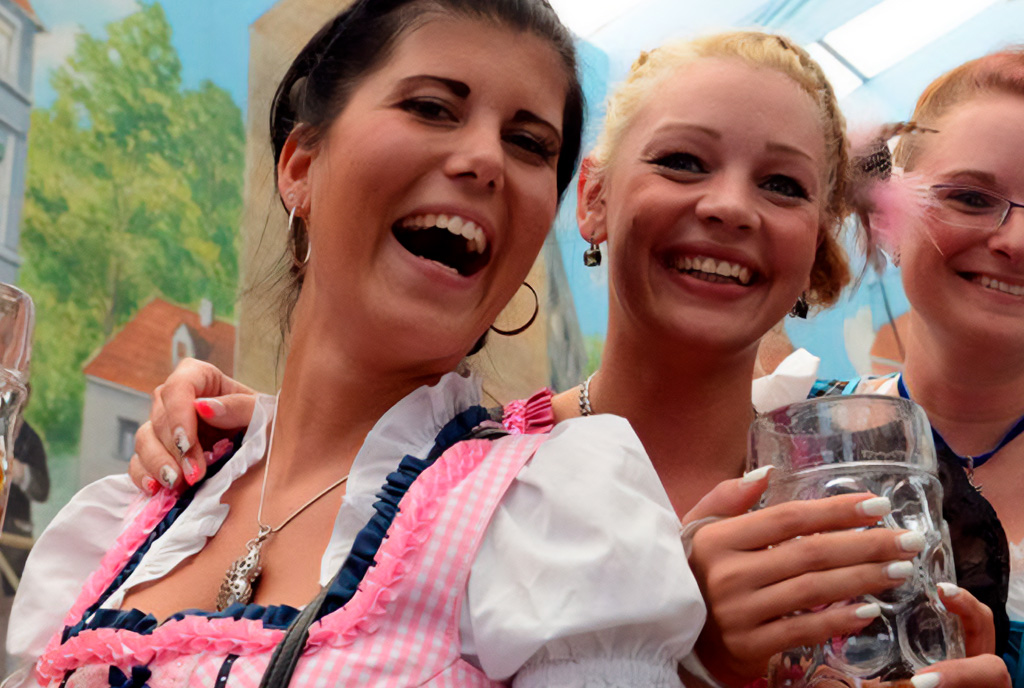
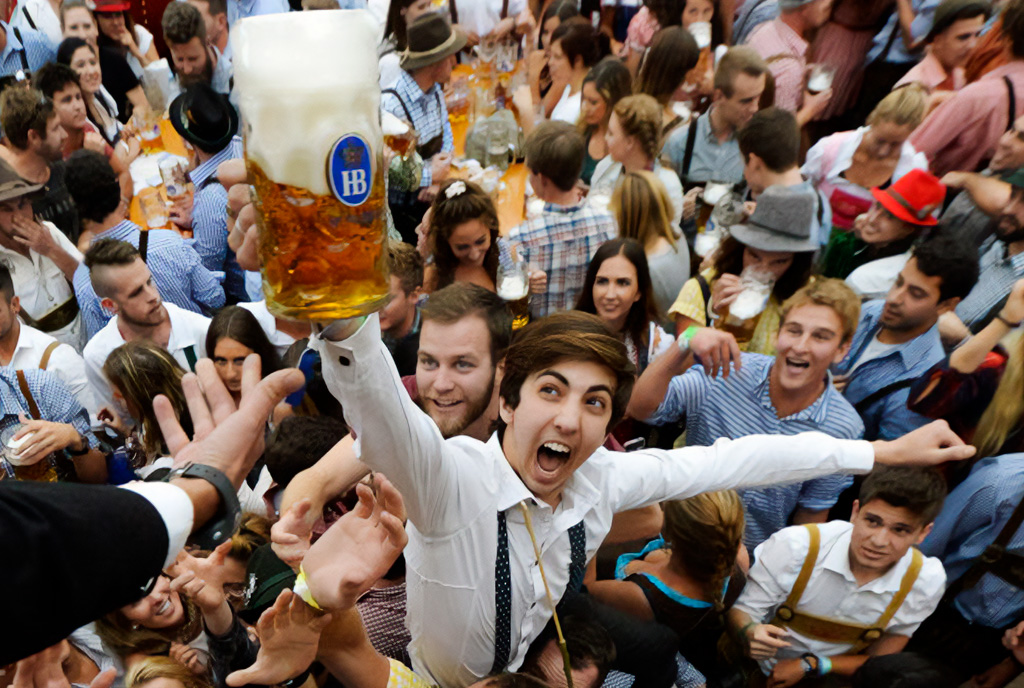
Germans drink, breathe, eat, and sleep beer. Okay, mostly we just drink beer. More than 1,300 breweries and 5,000 different brands help us put away more beer per person than any other country in Europe except the Czech Republic. And yes, we know the US now has plenty of new craft breweries. We don't care.
In Germany we even have special beer laws, the so-called Deutsches Reinheitsgebot, a rule first introduced in 1516 that says you can use only water, barley, and hops. And we have plenty of new craft breweries too.
Getting from A to B
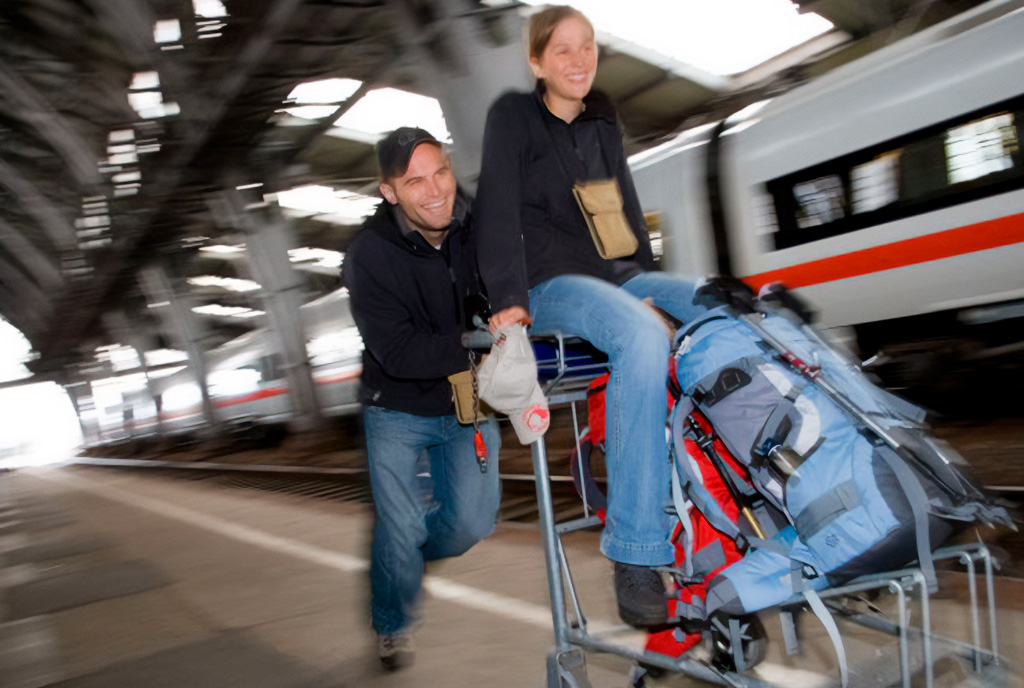
With so many outstanding carmakers, you could be forgiven for thinking we all drive around in BMWs, Audis, and Mercedes. But while the rest of the world admires our premium cars, or in the case of Volkswagen owners scratches its head over emissions figures, we usually take the train.
Germany's superb rail network is still largely state-owned, with Deutsche Bahn, or DB, running most of the trains on both passenger and freight routes.
Around seven million reasonably contented passengers and 1,138,000 tonnes of freight make 26,000 train journeys a day across a network stretching 33,000 kilometers.
Despite all that traffic, German trains usually run on time, or at least within five minutes of the schedule. There are high-speed ICE trains linking major cities and towns at speeds of up to 300 km/h. You could try to match that in a BMW (some of our autobahns have no official speed limit), but you'll be heading home by train once the engine gives out.
Life on the water
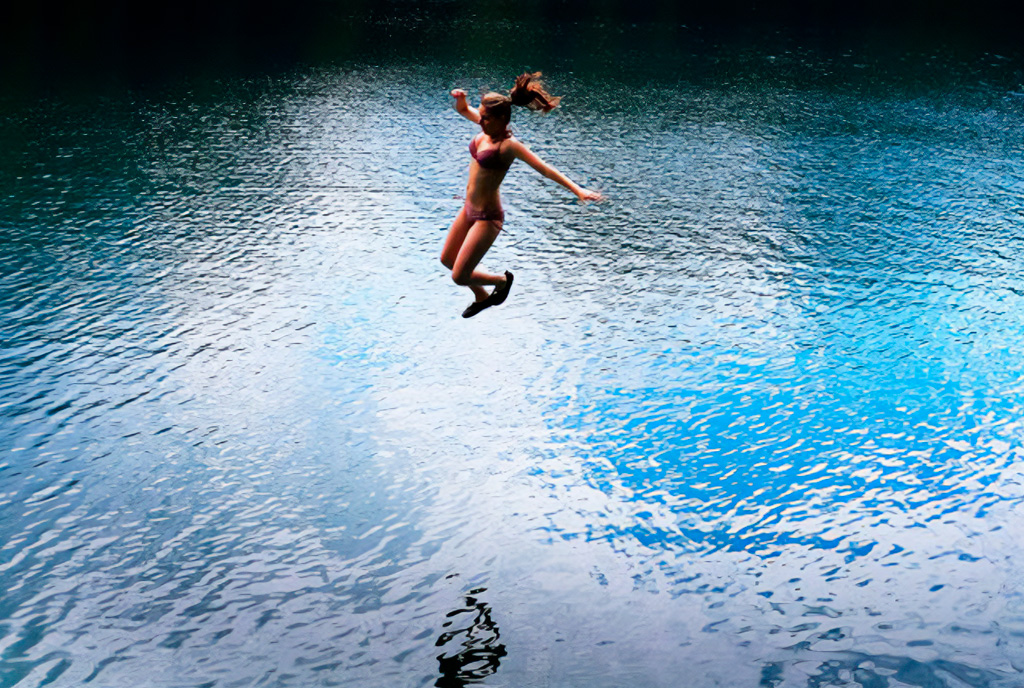
When Germans aren't obsessed with beer, they're obsessed with water. Not for drinking, but for sailing, surfing, water skiing, swimming, kayaking, canoeing, and windsurfing, in any weather. And it's no wonder.
The country has more than 12,200 scenic lakes, most of them open to just about any activity year-round. Some of the finest Alpine scenery can be seen from the shores of Bavarian lakes such as Königssee or Tegernsee.
Mecklenburg-Vorpommern and Brandenburg are packed with lakes too. There's even a walking trail that connects all 66 lakes in Brandenburg.
A European ranking published in 2013 found that Germany has one of the highest numbers of "excellent" lakes and rivers for swimming. And if all that exercise works up a thirst for beer, so much the better.
Getting undressed in public
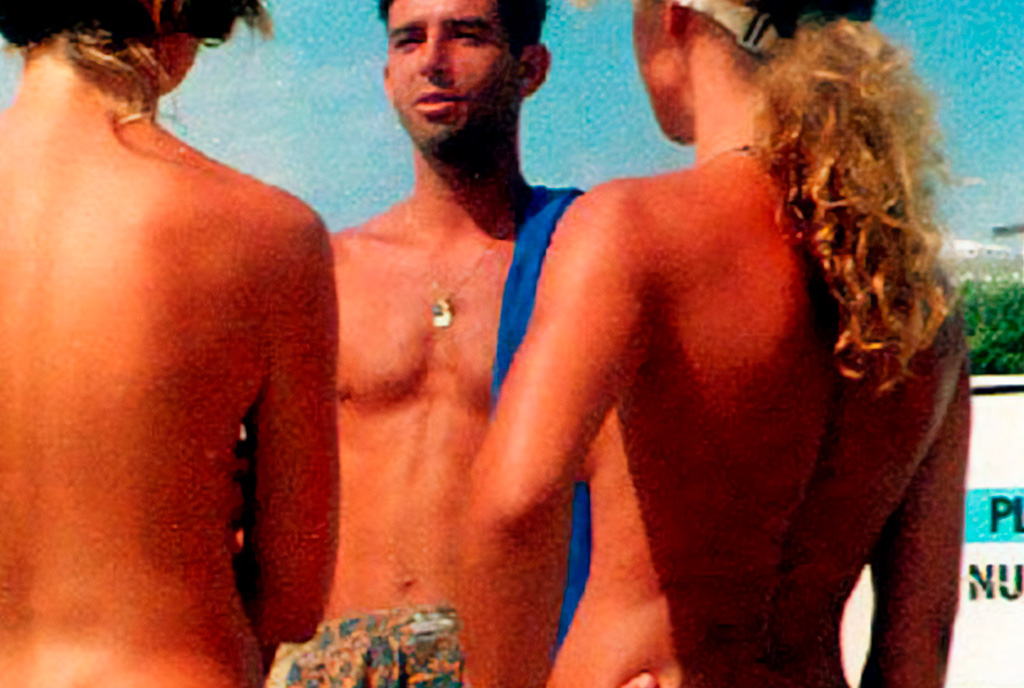
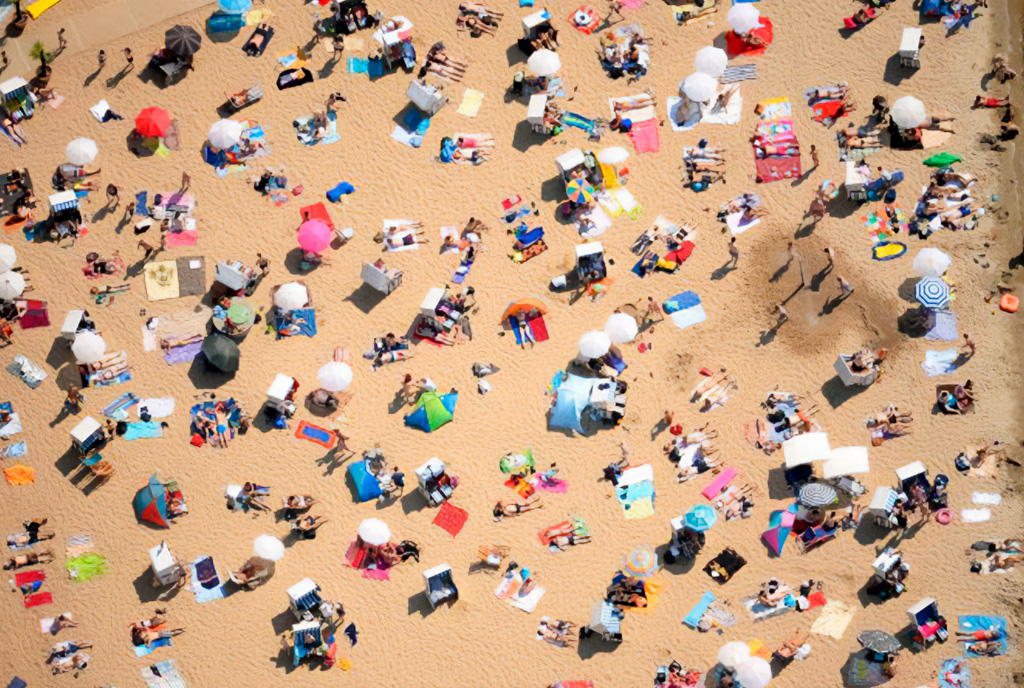
When it comes to going nude outdoors, no other nationality can match us. We can't blame you for keeping your distance, just don't judge us.
Baking bread
Some French wine experts can tell, just from the smell of an uncorked bottle, not only where the grapes were grown but which way the vineyard slope was facing. The same could be said of Germany when it comes to bread.
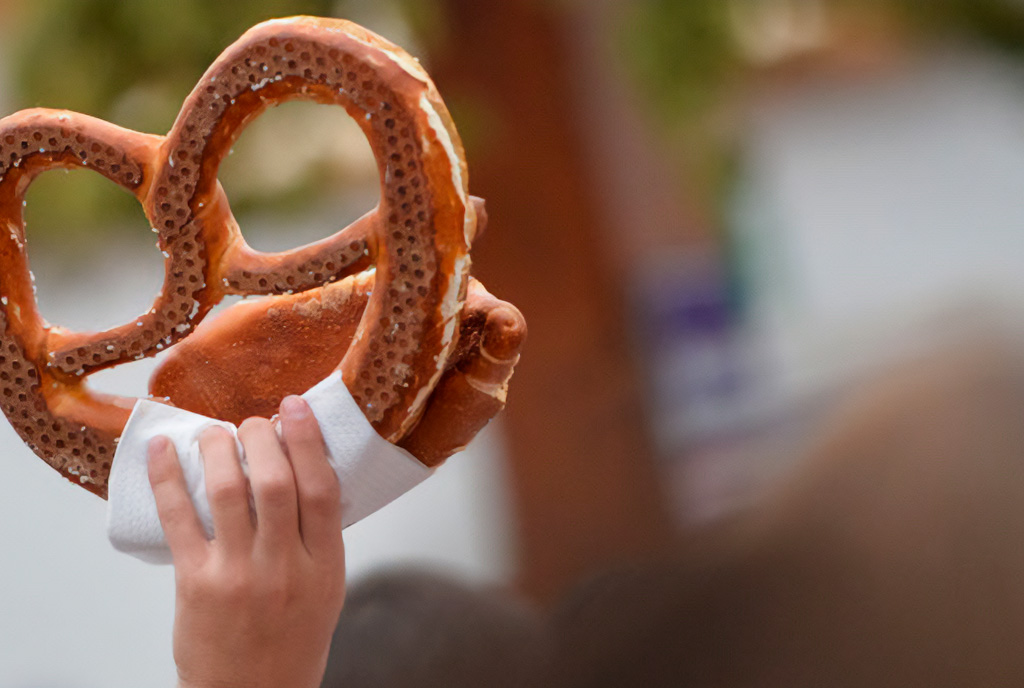
Here, bread is more than just part of a daily meal. It's part of the culture. Every region has its own variations, more than 1,500 of them, from the dark, heavy rye bread of the north to the lighter wheat bread of the south. Germans eat an average of 87 kilograms of bread per person a year, and there's one bakery for every 2,100 people.
And yes, we know all that carb-loading shows up around our waistlines. But we keep getting naked outdoors anyway.
Bureaucracy
It should come as no surprise that Germany has a vast number of laws governing practically every aspect of life. And while all that over-regulation might seem to make us inflexible, it's exactly what earns us our reputation as efficient people.
This love of rules shows up everywhere. Jaywalking is frowned upon, and anyone the police catch in the act can be fined.
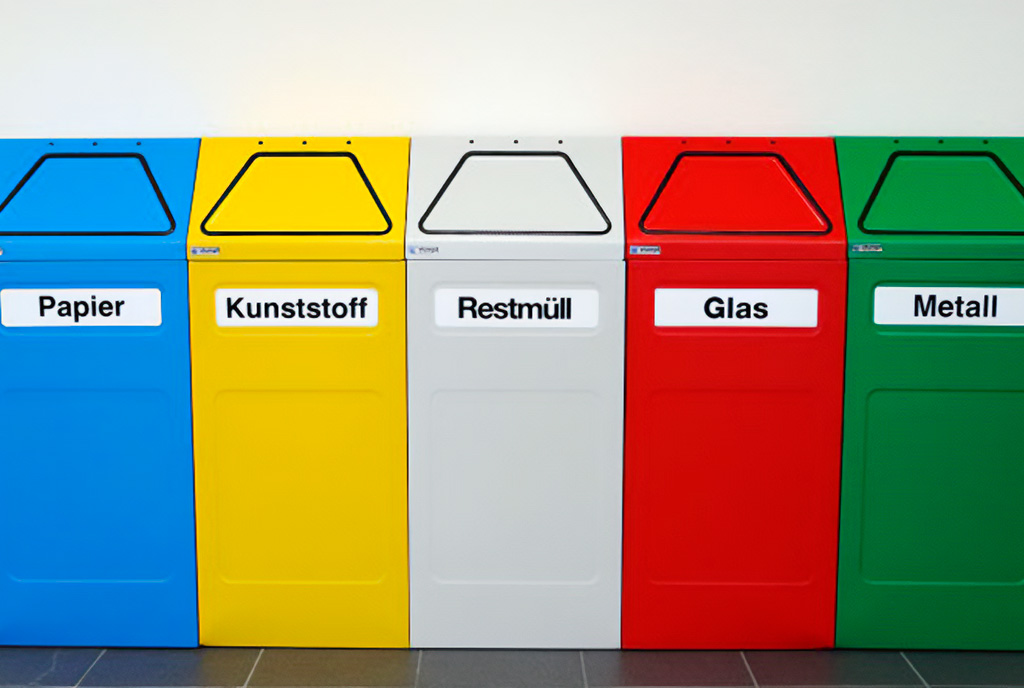
We're also sticklers for sorting our waste. Every home has at least four different bins: for plastic, paper, organic waste, and general rubbish. Put your trash in the wrong bin and you risk a fine.
To keep all this potential for social chaos under control, there's even a government body called the Ordnungsamt, which translates literally as "office of order." Laugh all you want, but it's one of the ways we achieve one of the lowest unemployment rates in Europe.
Moving everything
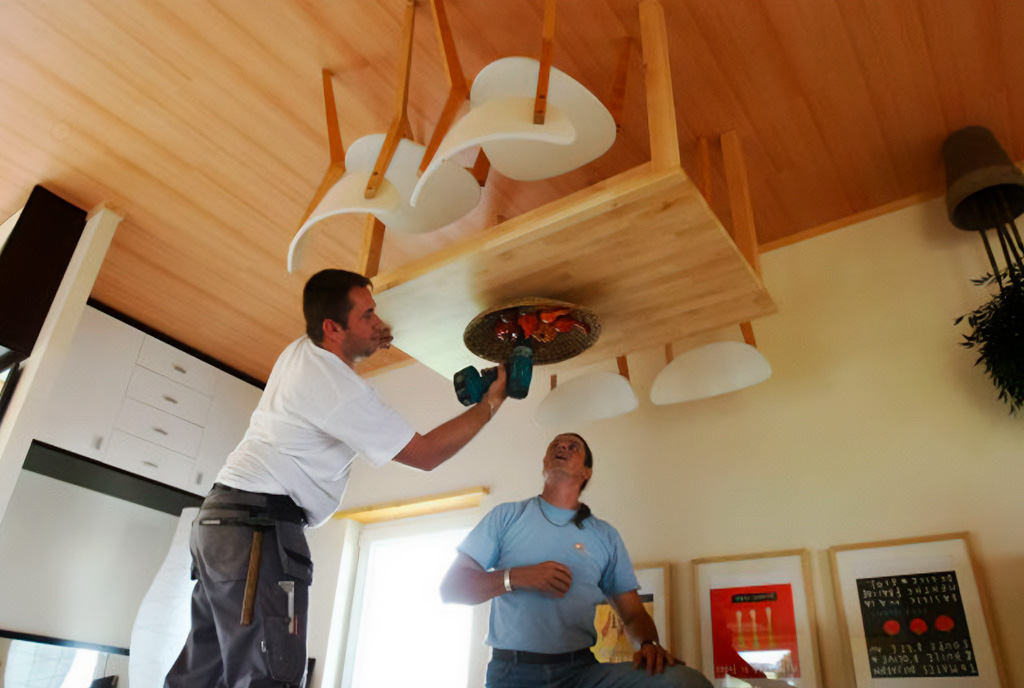
When German houses and apartments are put up for rent, they're never furnished. That means even the kitchen and bathroom fittings aren't a given. So when Germans move, they haul all their furniture with them, including the oven, the fridge, the countertops, the cupboards, and even the sink.
Moving day is something of a national pastime, often involving friends and family instead of the pros. That means plenty of beer and food to keep everyone going until the place is cleared out. And of course, the very last scrap of garbage has to go into the right bin.
Castles
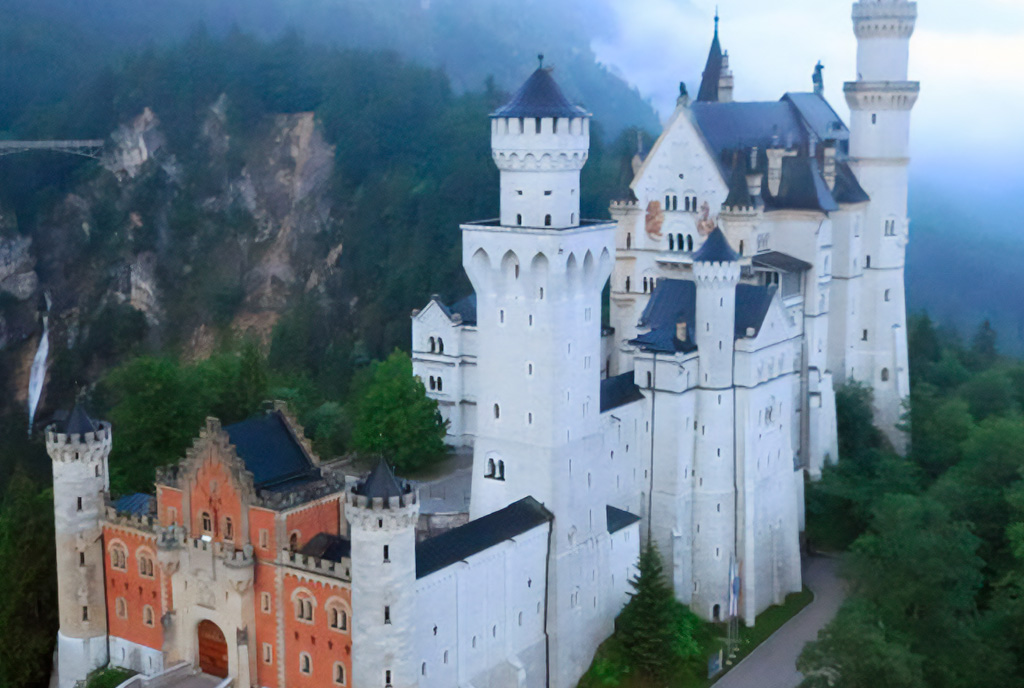
These days there aren't many fairy tales in German homes, probably because we're all too busy reading train timetables and sorting the trash. But the country is still dotted with plenty of beautiful castles from days gone by.
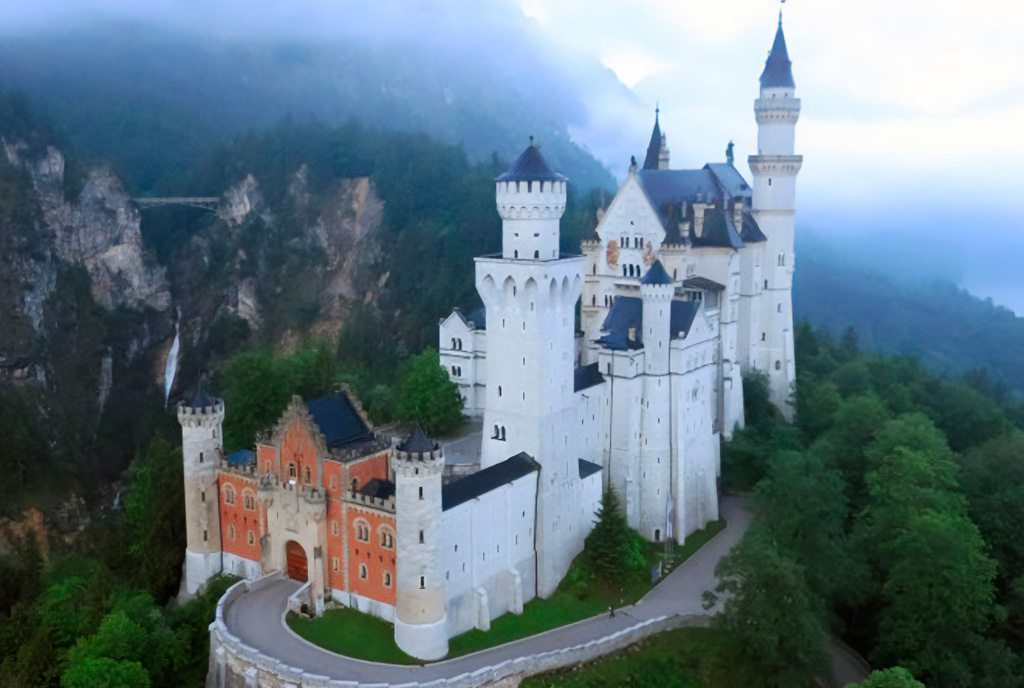
There are medieval mountain fortresses, moated Renaissance castles, and 19th-century palaces in the Romanesque style, like the famous Neuschwanstein in Bavaria (said to have inspired Walt Disney's castle).
Germany today has more than 25,000 castles (not counting the ruins you can still visit), and most of them are home to museums, restaurants, and even hotels. We're happy to rent some of them out to holidaymakers. Call us crazy, but we'll even throw in the kitchen sink.
Weekend walks
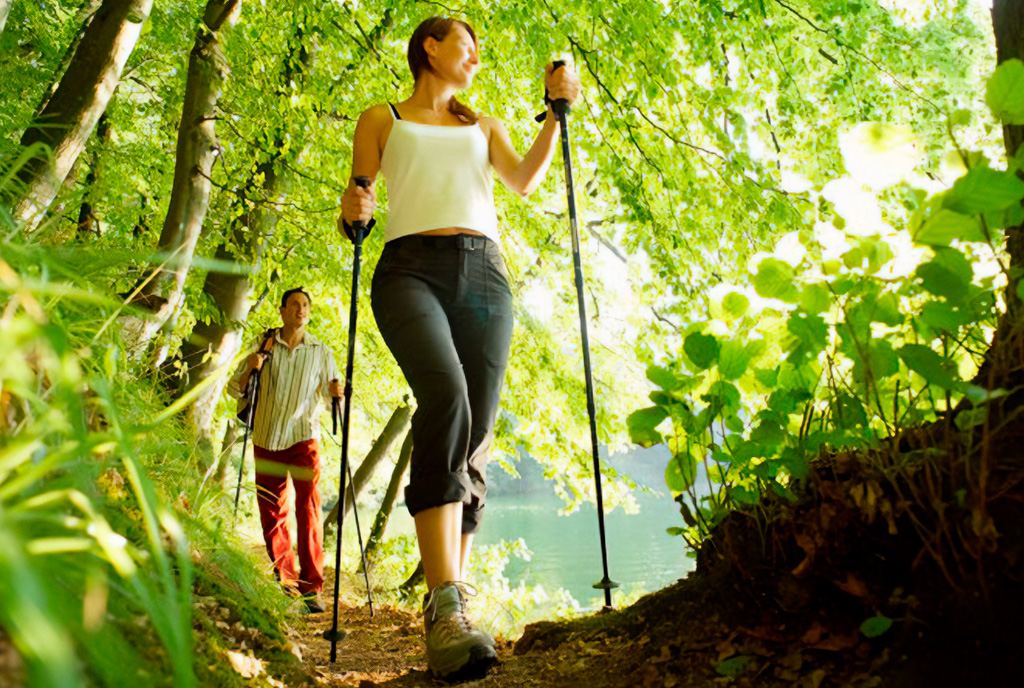
Here's another reason to pull off the autobahn and leave the Audi behind: Germany's forests, mountains, rivers, and coastlines are laced with 200,000 kilometers of hiking trails.
From flowering meadows to towering peaks, they cover an incredible variety of terrain. There are gentle, leisurely strolls along level paths, or physically demanding climbs up narrow, winding tracks.
Brandenburg, Bavaria, Saxon Switzerland, and the region around the Rhine and Moselle all have exactly the right ingredients for a great day hike or even a proper walking holiday.
Fun
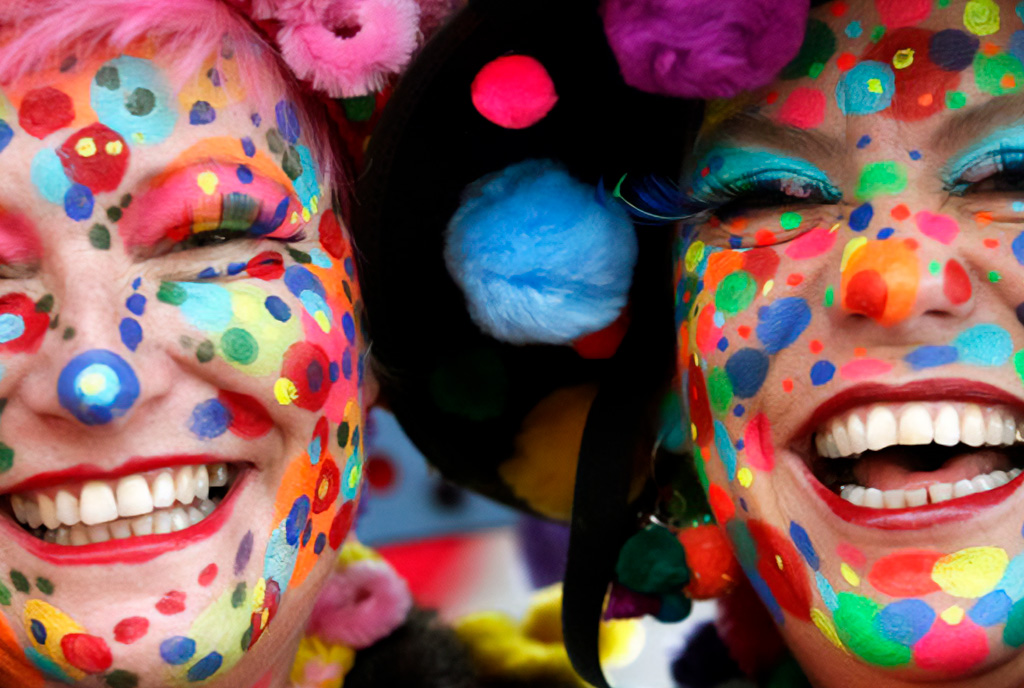
The best carnival is in Rio de Janeiro, right? Wrong! It's in Germany. In Brazil, where everyone is cool 364 days a year, throwing a big party on the 365th day is no big deal.
In Germany, where everyone is serious 364 days a year, throwing a big party is a huge event. In northwestern Germany, the Rhineland holds an annual "carnival" in the form of the Rose Monday parade, where up to two million costumed revelers pack the streets of Cologne and Düsseldorf.
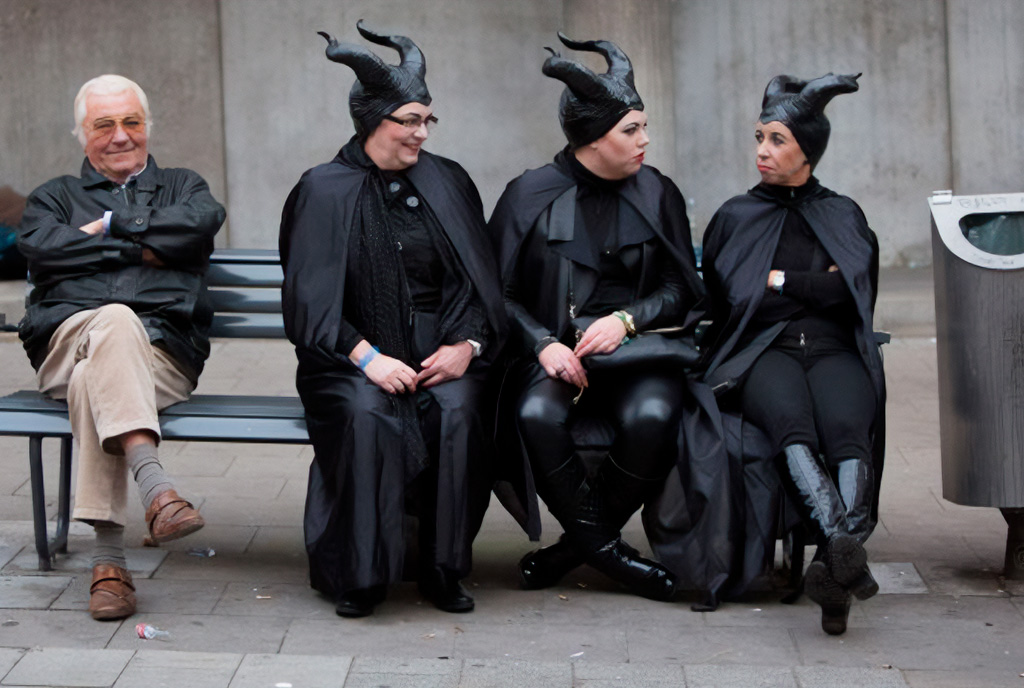
In southern Germany, the celebrations known as Fasching and Fastnacht see people in traditional masks or dressed up as devils and wild beasts. Wherever the festivities take place, it all ends on Ash Wednesday, when everyone goes back to being serious and efficient, though sometimes with a mild hangover.
Crafting meta-jokes
It's not that Germans can't tell a joke, it's just that some of the best ones have been running for 50 years.
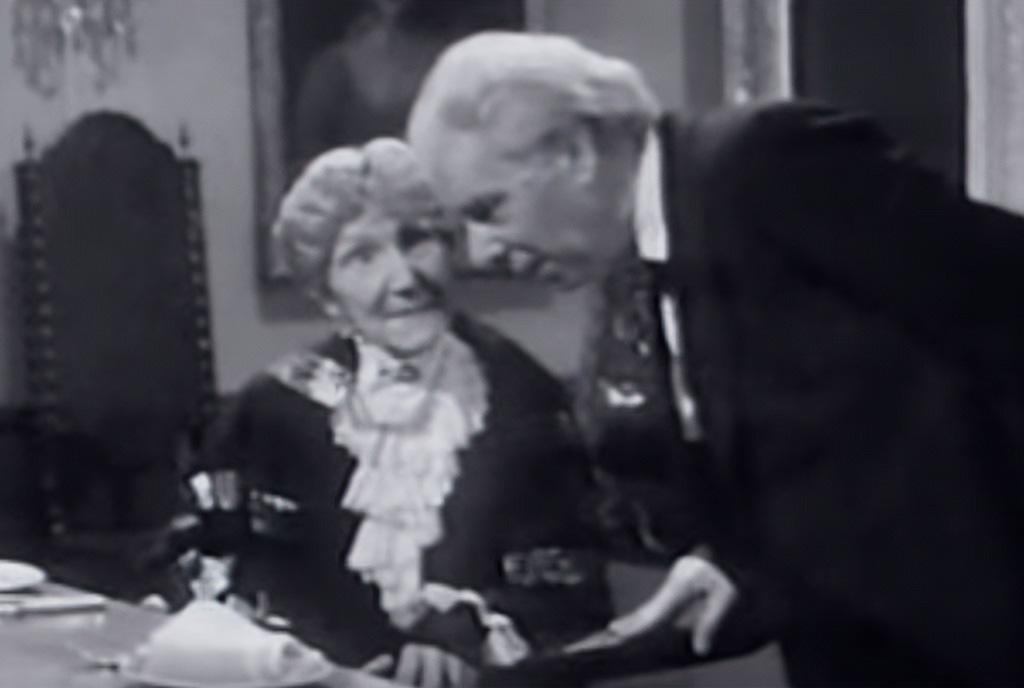
Take our love of "Dinner for One," a seemingly unfunny British TV sketch that fell out of fashion in its homeland soon after it aired more than half a century ago. The piece, about an elderly lady and her drunken butler, revolves around the repetition of the line "the same procedure as last year" and ends with a double-entendre punchline that might have caught you off guard right after the Berlin Wall went up, but has long since worn thin.
Funny sketch or not, it doesn't really matter. The real humor lies in the comforting fact that it's broadcast in Germany, almost without exception, every New Year's Eve since 1963.
The same procedure as last year.
By 2063 it will have become so funny that the "office of order" may be forced to pass laws against it.
Marcel Krüger is a German writer and translator living in Dublin and Berlin. He writes mostly about history, travel, and beer, or all of them at once.