


Finding a way to get to know a country far from the other tour groups is a real challenge in 2019. It doesn't take long before little-explored areas become popular the moment word gets out.
The surge of interest in long-distance walking has left long-established trails, such as the Camino de Santiago in Spain and even stretches of the vast Appalachian Trail in the United States, feeling overcrowded.
New multi-day hiking routes, however, are opening up stunning and largely untouched landscapes for travellers hoping to escape the crowds and test themselves in wild terrain.
Partner links: booking through them supports the blog at no extra cost to you.
In Egypt, two long-distance routes, the Sinai Trail and the Red Sea Mountain Trail, are among these new paths, offering very different adventures in a country already firmly on the tourist map.
They are the work of Ben Hoffler, author of "Sinai: A Trekking Guide" and founder of the Sinai Safe initiative, which aims to bring travellers back to the region after the revolution that unfolded between 2011 and 2013.
Hoffler helped launch the Sinai Trail in 2014. It originally ran through three tribal territories and covered 220 kilometres, before expanding across land belonging to eight tribes and stretching a total of 550 kilometres in 2018.
Walking the whole thing takes 54 days, with each tribe guiding travellers across its own land.
In 2018, Hoffler and his team helped open the 170-kilometre Red Sea Mountain Trail, which takes 10 days to complete. It is the first long-distance hiking route on the Egyptian mainland.
Ancient Paths
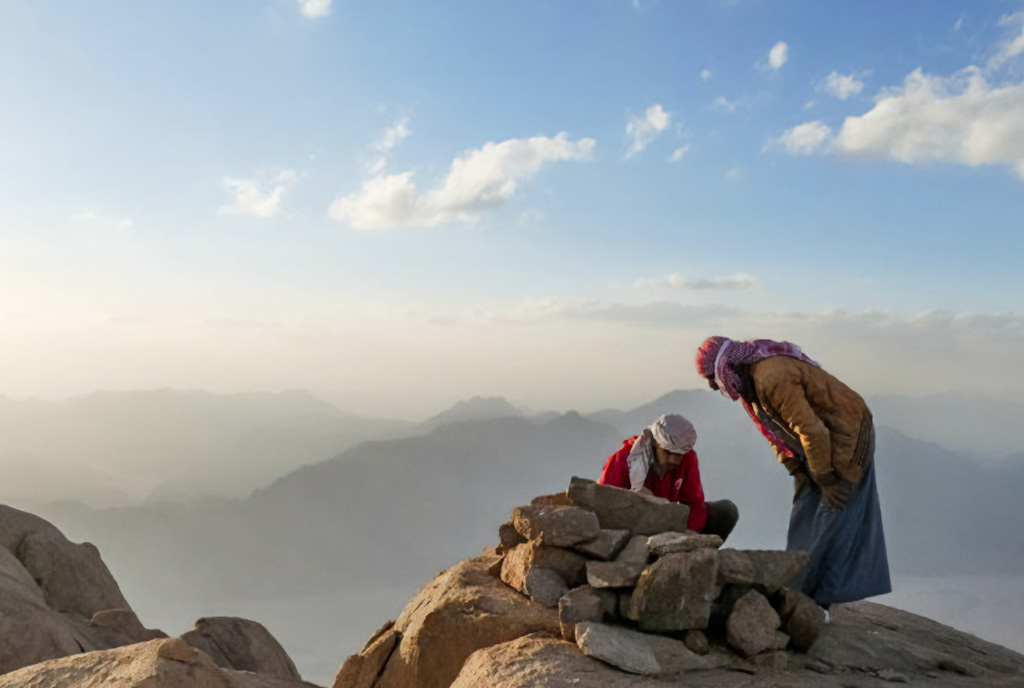
Both routes can be walked in stages or all at once, depending on how much time travellers have.
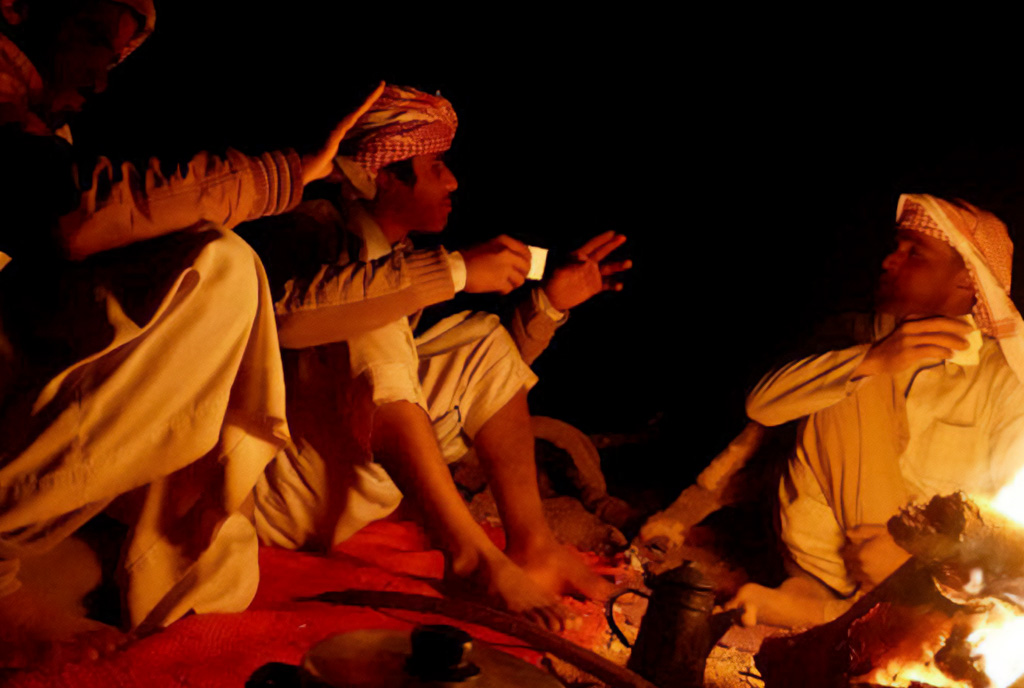
According to Hoffler, it's a way to get a glimpse of the largely misunderstood traditional paths of the region's nomadic Bedouin.
"If the pyramids were a monument to the Egyptians, then a route, a trail, would be the best monument to the Bedouin as a nomadic people," he says. "For me, there's no better way to show who the Bedouin are than to walk a route alongside them."
So how exactly do you create a new route for travellers? For Hoffler, it all came down to heading out into the landscape with the Bedouin and understanding the paths that already crossed their land.
"In any Bedouin area, you'll always find a landscape criss-crossed by ancient paths," he explains.
"Our job was to go into the area, explore it and see what was already there: old trade routes, Roman roads, paths that monks travelled to reach their hermit cells, old hunting trails and shepherds' tracks.
"Our task was to find as many paths as possible, even ones that had faded into barely visible lines, and then reorganise them into a walking route fit for the modern day."
A Corner of the Desert
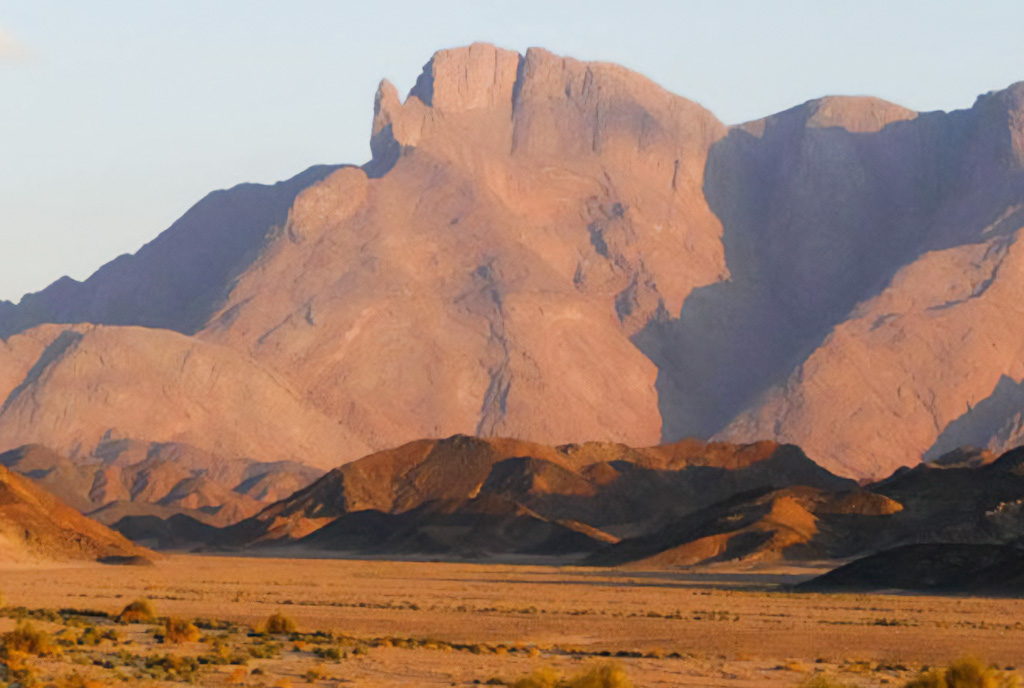
Hoffler explains that both routes belong to the local people.
"They are 100% owned by the local communities and run by the organisations that represent them.
"In Sinai, the trail is managed by an inter-tribal cooperative. Every tribe has an equal voice, weight and authority. They make decisions together on any matter that touches the trails."
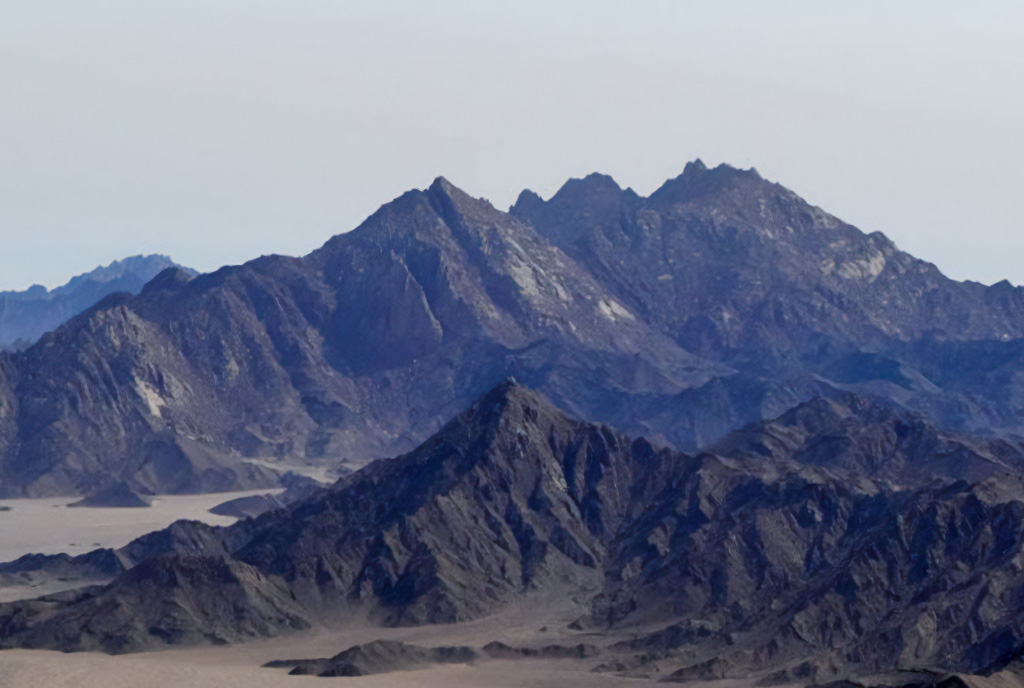
Those who set off on the journey can expect a tough but exhilarating odyssey through a spectacular, sweeping and largely deserted corner of the world.
The days pass scrambling along sometimes tricky paths, up and down steep, rocky terrain. At times, walkers have to carry their own food, water and sleeping gear.
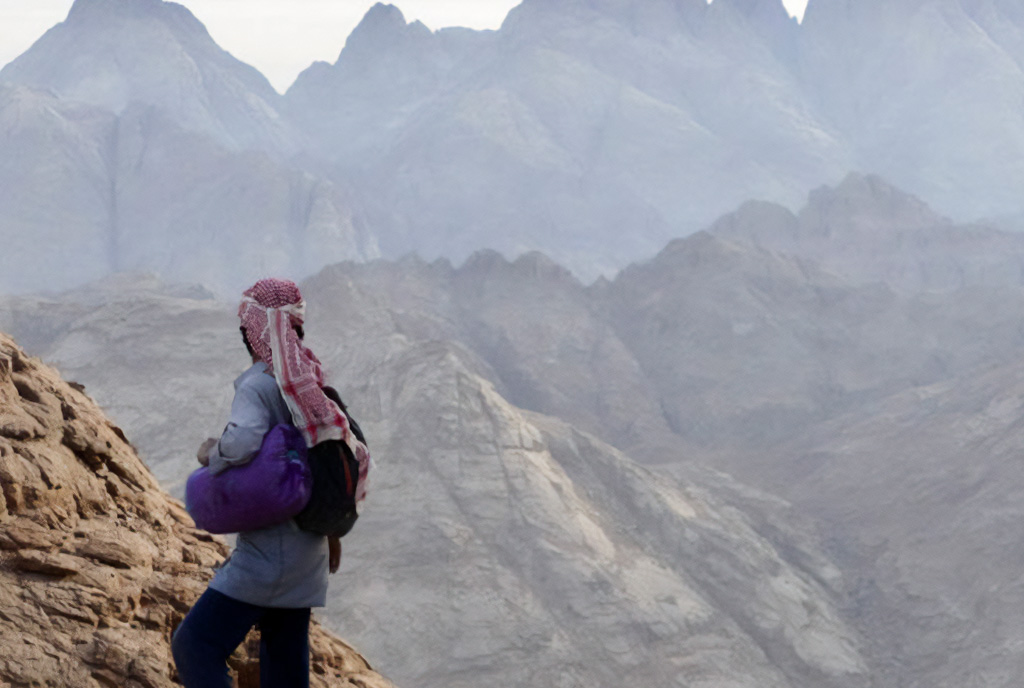
"The trail leads us deep into beautiful wilderness that most outsiders have never seen," Hoffler says. "It's like stepping through the gate into a new world, where everything feels wild and unknown.
"From start to finish, it has an adventurous spirit that's hard to find anywhere else."
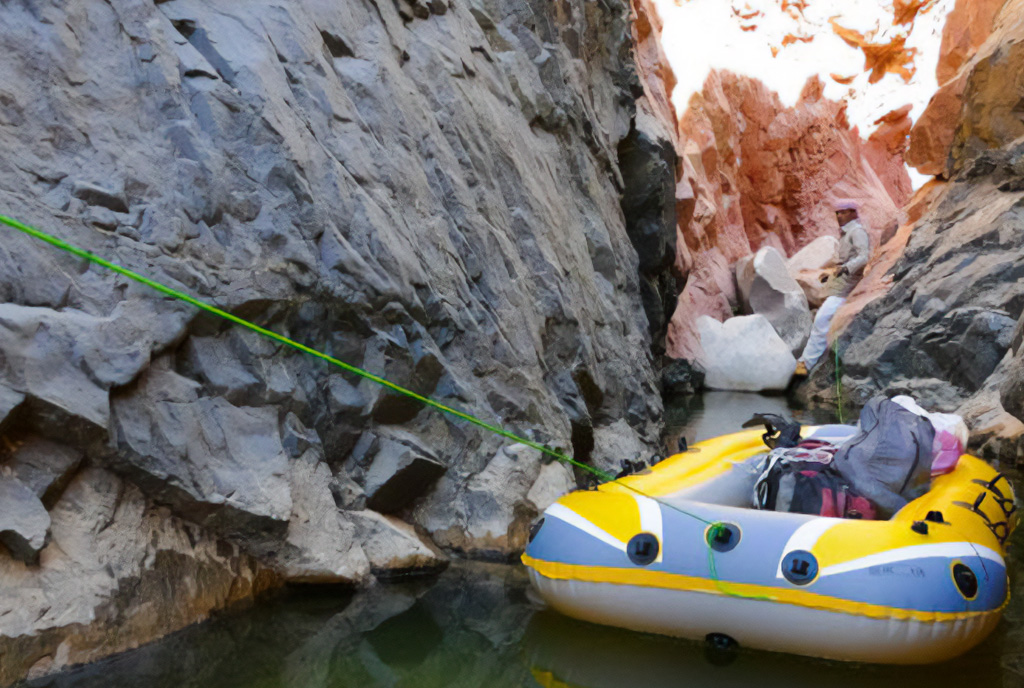
Along the way, travellers come across jagged peaks, hidden pools of water and sheer gorges adorned with ancient rock art.
A range of routes is on offer, letting travellers take shorter circular walks.
"It's not just the trail itself, but the community, the chance to spend a few days without phones and to connect with the Bedouin," says Mary Girgis, a literacy worker from Cairo who has walked sections of both trails with her daughters.
The Bedouin, she says, are special. Their knowledge of the land and nature makes each trail unique, while the routes themselves are the perfect way to support tourism in a country that has struggled to attract visitors in recent years.
"There was a time around the revolution when people stopped travelling to Sinai because it was seen as a very dangerous place," Girgis says. "Up to that point I hadn't done much hiking, but I joined the first Sinai Safe trip that Ben organised and fell completely in love. The land, the nature and the spirituality add to the experience, but the people are the cherry on top."
That feeling is shared by Sara Ghanem, a medical intern at Alexandria University's main hospital, who grew up in Hurghada, in the shadow of the Red Sea mountains. She has walked the trail several times over the past few years.
Overlooked by Tourists
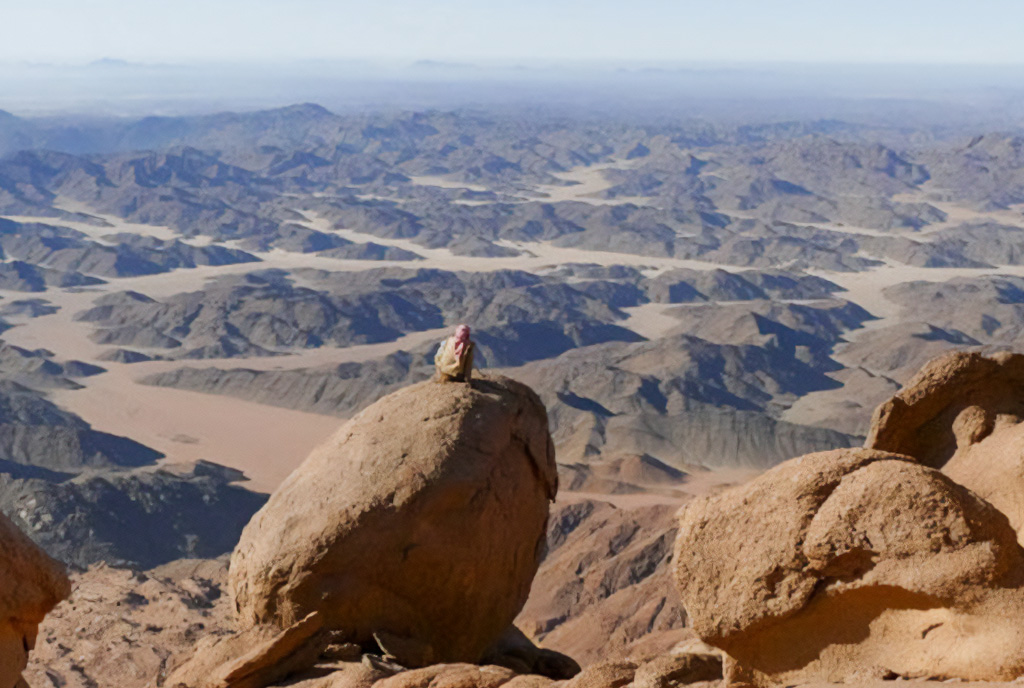
"Being with the Bedouin gives you a sense of safety, because they know the desert so well," she says. "Watching them read the landscape and find their way made me feel a stronger connection with nature, one that I think we've lost through our city lives."
Ghanem adds that the trails themselves have an impact in terms of supporting communities that would otherwise be overlooked by tourists, who tend to focus on Cairo and Luxor or the Red Sea diving resorts.
"One thing I've always thought about is how their tough culture and traditions have stayed unchanged over the years, and why supporting this trail would help such an authentic community thrive."
Motaz Eleiwa, a former merchant banker and keen traveller who has walked the full length of both the Sinai and Red Sea trails and got to know the Bedouin tribes in both regions, says developing these routes has been vital to sustaining the culture, an example of tourism's power to do good in Egypt.
"Once I asked one of the tribe members in South Sinai about their dreams," he says. "Their main dream is simply to keep doing what they do. To look after the land and welcome people. The trails are a really good chance for them to introduce others to their land, their culture and their traditions."
Developing new long-distance routes is quickly becoming a key tactic beyond Egypt, allowing visitors to see places that haven't welcomed travellers in years.
Sam McManus, founder of the British company Yellow Wood Adventures, has helped develop new routes in Ethiopia. And, like Ben Hoffler, he says his approach centred on meeting and learning from local people.
"I went to Ethiopia with a backpack for three months on my own and just walked through the mountains, getting to know the country," he says. "I took guides with me."
Culture and History
Local tribes in the Gheralta mountains helped him map out a new multi-day route, a step up from the usual day hikes travellers had been doing in this remote region.
"I met a local guide, and he said, 'There's a route you can walk in five days through the valley, if you have a support vehicle and donkeys to carry the camping gear.'"
It has become one of Yellow Wood's most popular trips, alongside a nine-day trek through the Bale Mountains and on across the highest plateau in Africa. McManus went on to develop routes through the Tian Shan mountains in Kyrgyzstan, drawing on local people to help him open up ancient paths for adventurous visitors.
"There are no new places on the planet, but there are places off the beaten track. You can find these hidden gems, because the world is a big old place. You just need to get to know the local people and read up on their culture and their past."
Back in Egypt, Ben Hoffler is optimistic about what his Sinai and Red Sea trails can do to support the country and strengthen its tourism industry. They offer, he says, a new way for the Bedouin to thrive.
"It shows who they are, how they've lived, and maybe this route can become part of the story of where they'll go in the future," he says.
For Motaz Eleiwa, it's all quite simple.
"I never imagined it would be so amazing to travel across Egypt on foot."