

A working Tuscany itinerary follows a simple logic: Florence as your base for the whole trip or its first half, then Siena and San Gimignano, a short hop to Pisa, and two or three days south in the Val d'Orcia with its postcard hills. For one week that is exactly the right amount. And the transport question answered upfront: without a car you will see the cities, with a car you will see Tuscany. Trains connect Florence, Pisa and Siena well enough, but the cypress lanes, farm stays and Chianti wine roads sit where the local bus runs once a day or not at all.
Florence: the base and two full days
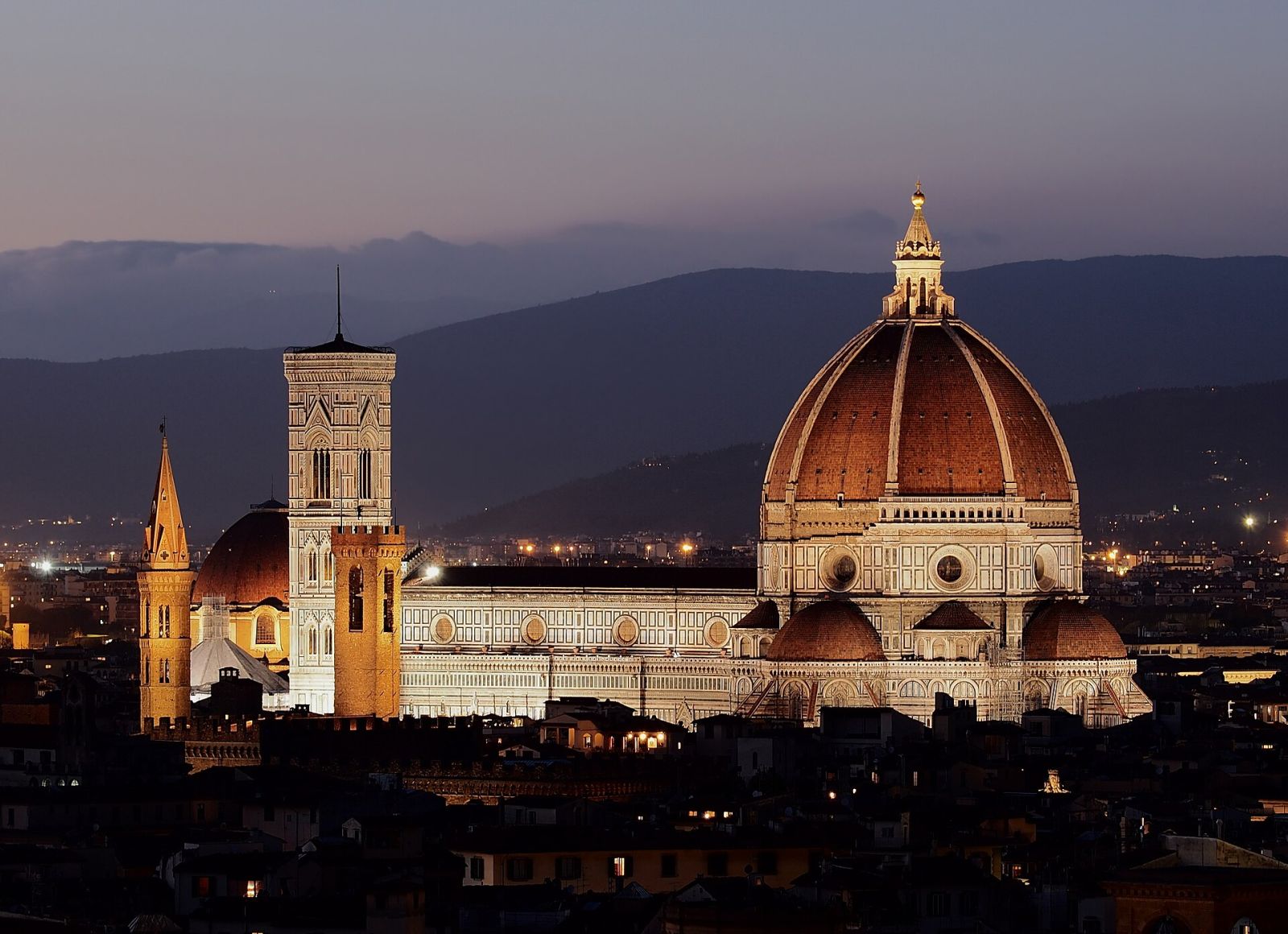
Florence is the region's logistical hub, so basing yourself here makes sense even if you have visited before. The minimum two-day programme: the Santa Maria del Fiore cathedral with Brunelleschi's dome (the dome climb is by timed reservation only, book a week or two ahead), the Uffizi with Botticelli's Birth of Venus and Primavera, and Michelangelo's David at the Accademia. Buy Uffizi and Accademia tickets on the official gallery website: in season the walk-up queue runs two to three hours, which is not an exaggeration but an ordinary July morning.
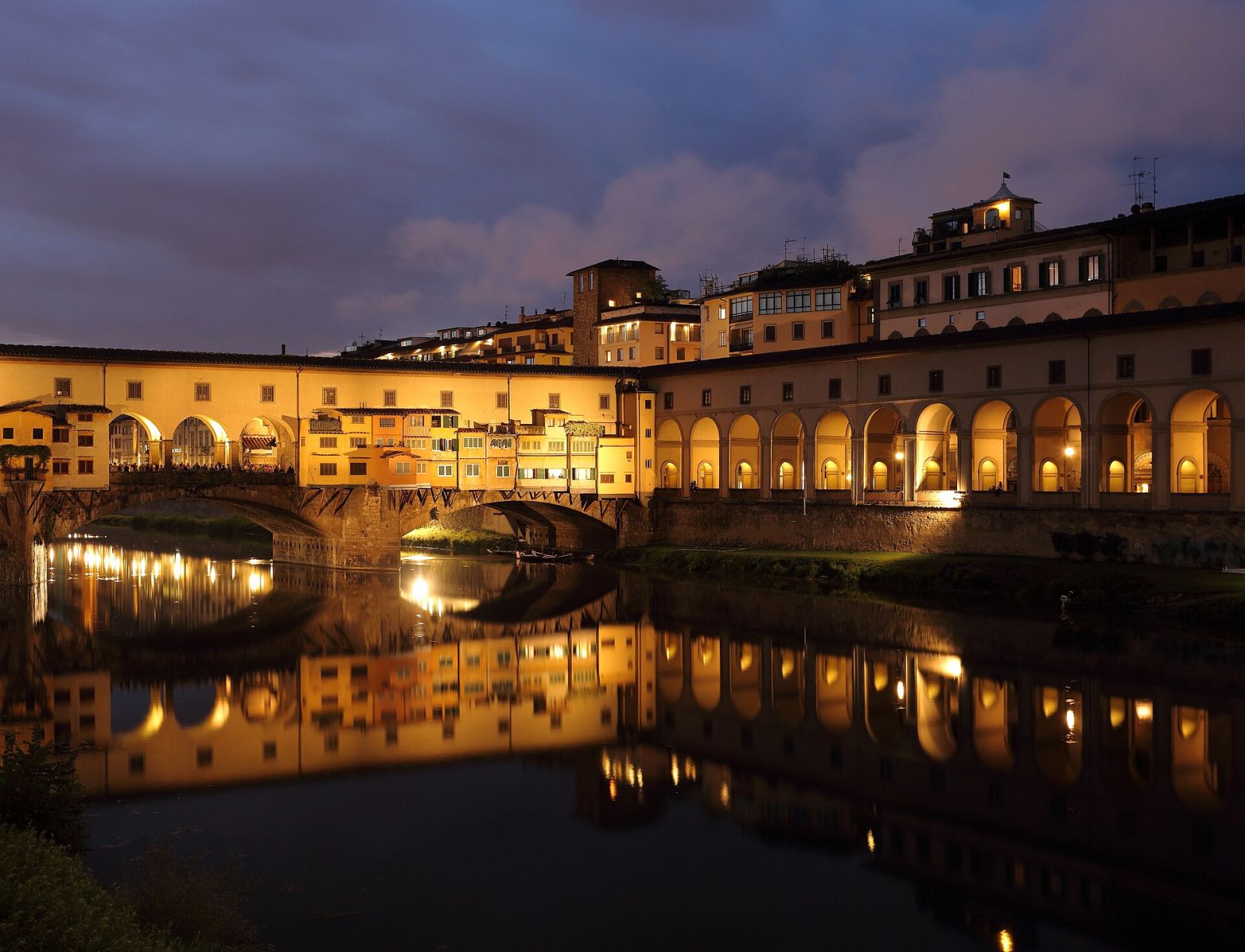
Leave air between the museums: the Ponte Vecchio lined with jewellers, the San Lorenzo market with lampredotto sandwiches for the brave, and Piazzale Michelangelo across the Arno, where everyone climbs at sunset to take in the whole city at once. Dinner belongs in the Oltrarno quarter, where trattorias still cook for Florentines rather than for queues.
Siena and San Gimignano: Gothic versus towers
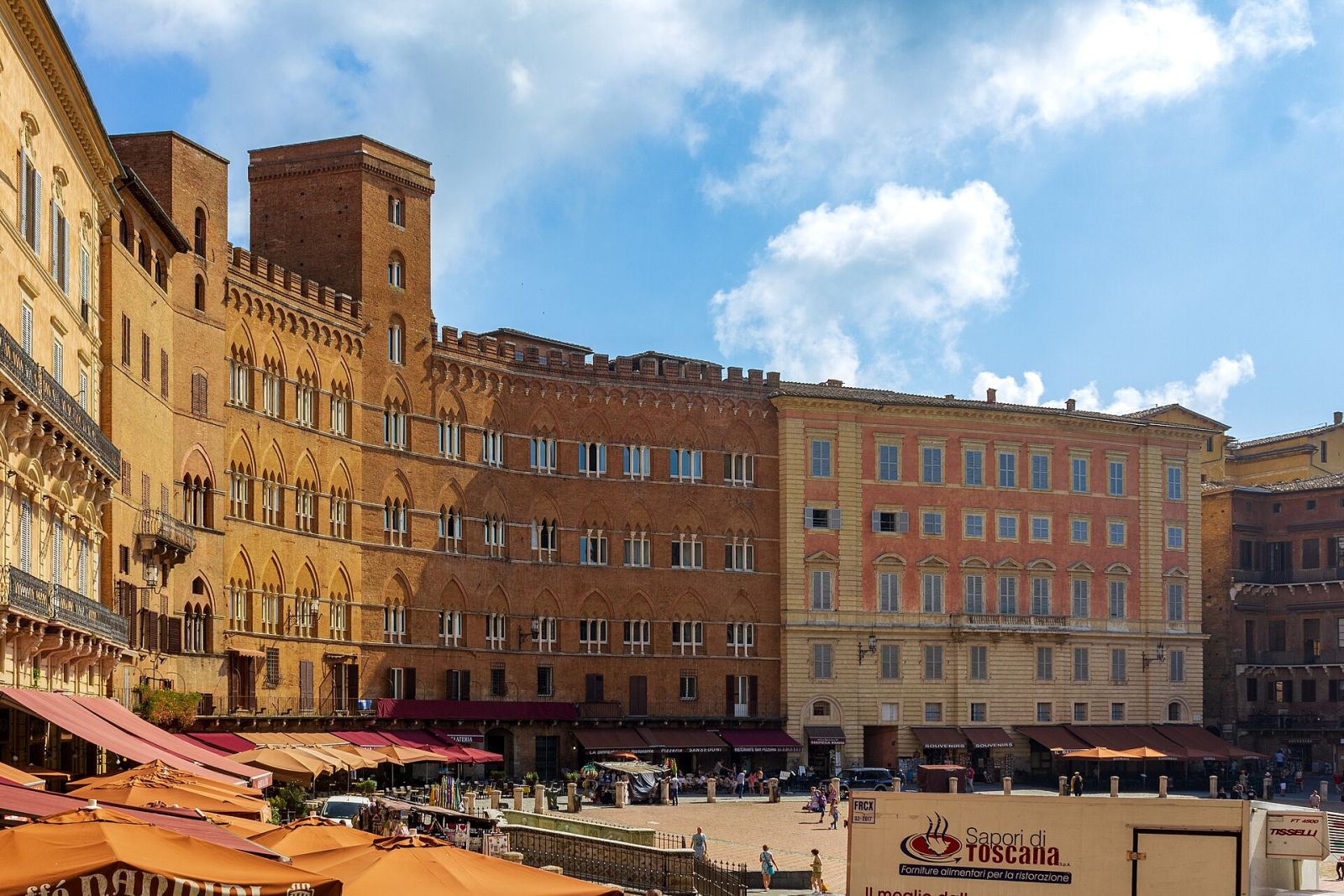
Siena is an hour to ninety minutes from Florence, the region's best day trip or the first overnight of the southern leg. The city's main stage is the shell-shaped Piazza del Campo, tilted towards its centre, where the Palio horses thunder past twice each summer in Italy's wildest race. Above it rises the Torre del Mangia, 102 metres tall: the climb is narrow and queued, but the view over terracotta roofs and hills repays every step. Add the striped black-and-white cathedral, even more striking inside than out, with a mosaic floor uncovered in full only a few months a year.
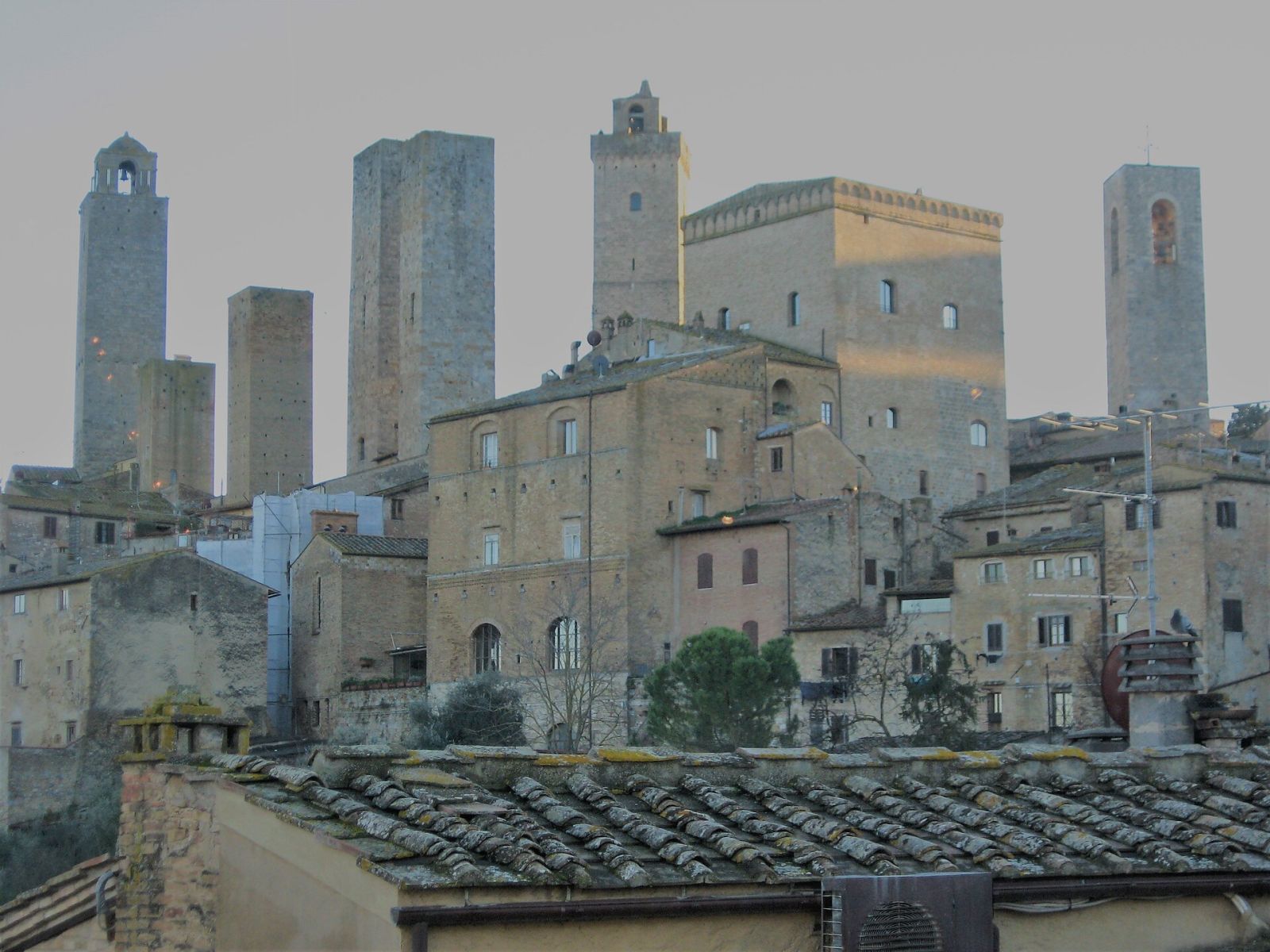
San Gimignano sits almost on the road between Florence and Siena, so it slots into the same day. This is a medieval Manhattan: fourteen of the seventy-odd family towers survive, and from a distance the skyline still looks drafted in the 13th century. Two or three hours suffice: climb the Torre Grossa, try the local white Vernaccia and have a gelato on Piazza della Cisterna, where the gelateria has been collecting world titles for years. Staying the night is optional, though once the buses leave the town empties beautifully.
Pisa: how much time does the tower deserve?
The honest answer: half a day, with margin to spare. Tourist Pisa is concentrated on the Field of Miracles: the Leaning Tower, the cathedral, the baptistery and the Camposanto cemetery on one green lawn. The tower climb runs on timed slots and the ticket is not cheap, while the propping-up-the-tower photo is free and mandatory under the unwritten law of the genre. With an hour left over, walk the Arno embankment to Santa Maria della Spina, a church the size of a room. A regional train from Florence takes an hour, so Pisa closes out neatly as a half day with a return to base.
Val d'Orcia: those hills from the screensaver
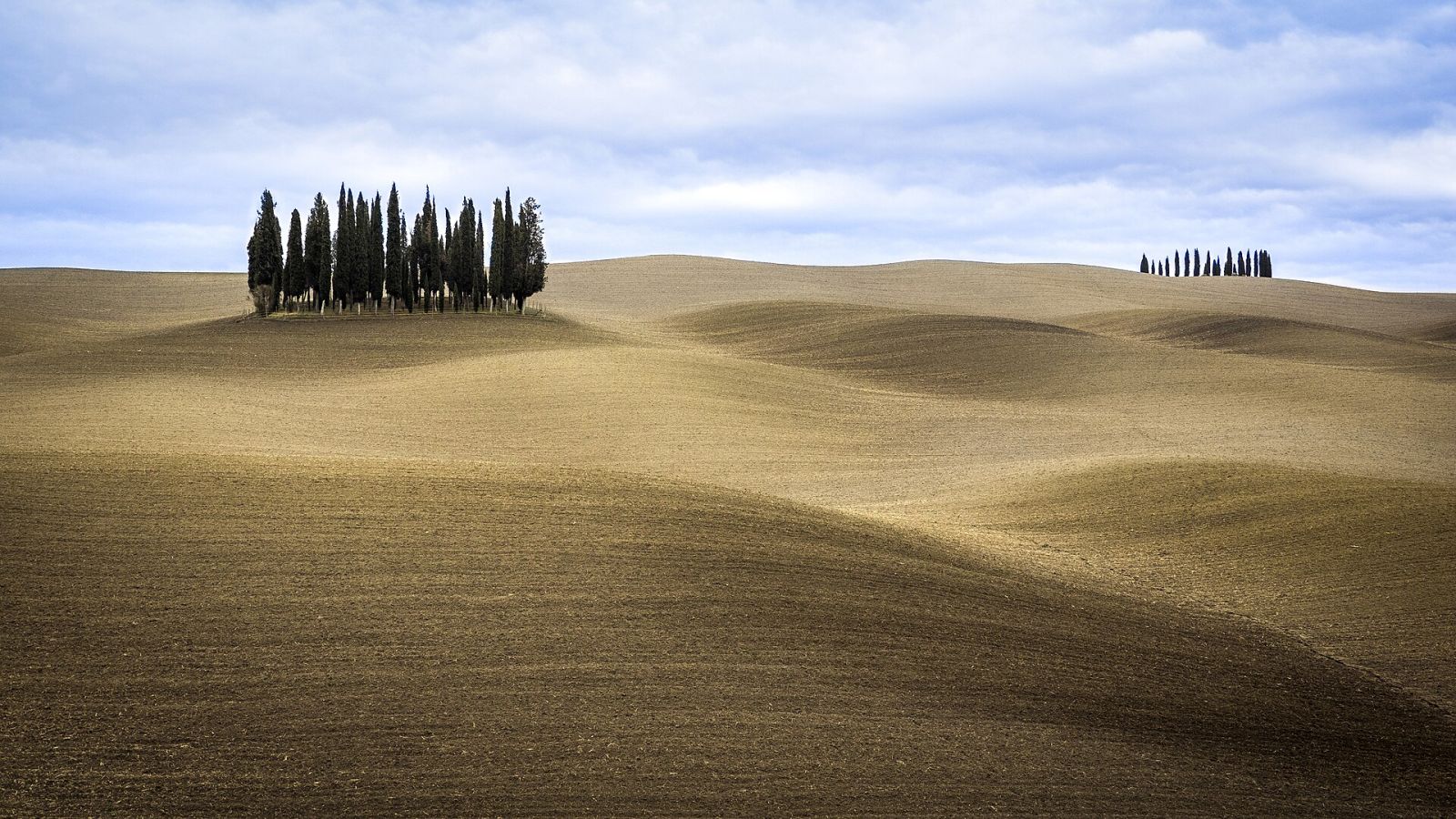
South of Siena lies the Tuscany people actually fly for: rolling hills, lone cypress avenues, farmhouses on ridgelines. The Val d'Orcia is UNESCO-listed precisely as a cultural landscape, and the golden-hour rule applies: at dawn and before sunset the hills switch on, at midday they lie flat and washed out. The key points are compact:
- Pienza: the Renaissance "ideal city" rebuilt to Pius II's plan, and the capital of pecorino sheep cheese. Tasting non-negotiable.
- Montepulciano: a ridge town with wine cellars carved into the rock beneath its streets, home of Vino Nobile.
- Montalcino: a fortress and Brunello, Italy's most decorated red. Enotecas pour by the glass so you need not buy a bottle blind.
- The Vitaleta chapel and the San Quirico cypresses: the exact frames from every cover, visible from the SR2 road.
The Val d'Orcia needs two nights minimum, and the place to sleep is not a town but a farm.
Chianti and agriturismo: how does it work?
Agriturismo in Italy is not a marketing word but a legal status: a working farm that rents rooms and feeds guests from its own production. Tuscany has thousands of them, from plain rooms in a farmhouse to estates with pools among the vines. Prices start around 80-100 euros for a double with breakfast; in season and with a pool they climb, so check current rates for your dates. Dinner on the farm is usually a set menu built on their own wine and olive oil, and it is often the best food of the whole trip.
The Chianti zone between Florence and Siena is its own one-or-two-day scenario: the SR222 Chiantigiana winds from vineyard to vineyard through Greve, Panzano and Castellina. Book winery tastings at least a day ahead; most estates receive visitors by appointment only. One important and unglamorous note: Italy's 0.5 blood alcohol limit is real and enforced, so either appoint a sober driver or take a transfer tour from Florence.
The 7-day itinerary
| Day | Base | Programme |
|---|---|---|
| 1 | Florence | Arrival, historic centre, Ponte Vecchio, sunset at Piazzale Michelangelo |
| 2 | Florence | Uffizi on a morning booking, cathedral dome, Oltrarno in the evening |
| 3 | Florence | Half-day Pisa by train, return, free evening |
| 4 | Siena | Pick up the car, San Gimignano en route, evening on the Campo |
| 5 | Val d'Orcia | Siena cathedral, drive south, Pienza, sunset by the cypresses |
| 6 | Val d'Orcia | Montalcino and Montepulciano, tastings, dinner at the agriturismo |
| 7 | The road back | The Chiantigiana through Greve to Florence, drop off the car |
The car appears only on day four, deliberately: in Florence a vehicle is useless and actively harmful. The centre is a camera-enforced ZTL zone, and driving in without a permit means a fine for every camera you pass; rental firms will dutifully forward those fines to your home address for months. Collect the car on your way out of the city and return it before your flight.
When to go?
May and September into early October are the golden months: warm without the furnace, fields either green or in harvest colours. June is already hot, July and August push 35°C with peak crowds while the Val d'Orcia hills bleach to straw. April is a rain lottery but empty and cheap. Late autumn and winter carry their own mood of fog and quiet towns, though a share of agriturismi close until spring. A separate note for photographers: the emerald rolling fields everyone searches for exist in April and May; in August the same frame comes out yellow-brown. Set your expectations honestly, and Tuscany will exceed them anyway.