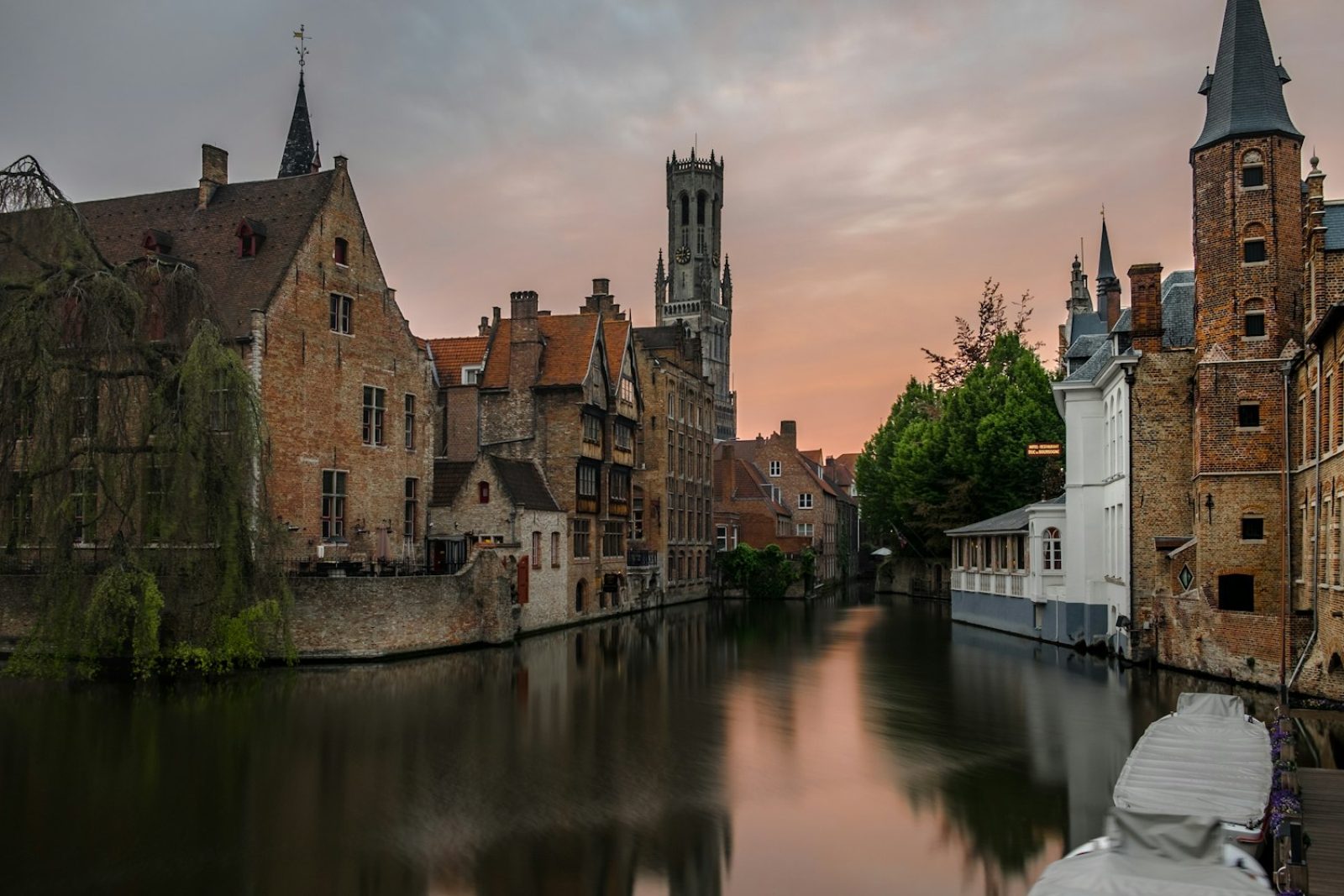


You can genuinely cover Belgium over a weekend, and that is its main draw: four world-class cities fit into a triangle that trains cross in about an hour. If you are wondering what to see in Belgium on a short visit, the honest answer is this: Brussels for your first impression, Bruges for the medieval charm, and Ghent and Antwerp to understand the country without the tourist gloss.
Below we break down the route between cities, the food that people travel here for on its own, and the seasons. First, a formality you cannot skip.
Do Ukrainian citizens need a visa for Belgium in 2026?
No, with a biometric international passport you do not need a visa. As of 2026, Ukrainian citizens holding a biometric passport enter Belgium and the rest of the Schengen area visa-free for short trips: up to 90 days within any 180-day period. If your passport is non-biometric, a Schengen visa is still required.
Partner links: booking through them supports the blog at no extra cost to you.
Two things worth keeping in mind. First: the border now runs the EES entry and exit registration system, which captures biometrics and logs dates, so track your remaining days yourself. Second: the ETIAS pre-travel online registration is expected to launch roughly at the end of 2026, and once it is live you will need to obtain authorization through the website before departure (it is not a visa, just a quick form). Double-check the exact timelines and requirements before your trip on the official portal and on the Belgian embassy page.
How much time should you set aside for each city?
The distances here are tiny. Brussels and Antwerp are about 44 km apart, the direct train takes around 33 minutes and leaves roughly every fifteen minutes (several times an hour at peak). Brussels to Ghent is about 35 minutes, and Ghent to Bruges another 25 or so. That means you can base yourself in one city and take the rest as day trips.
| City | What makes it special | Time to set aside |
|---|---|---|
| Brussels | Grand Place, the Atomium, museums, capital cuisine and chocolate boutiques | 1 full day |
| Bruges | Medieval core, canals, the belfry, the country's most touristy city | Half a day or a full day |
| Ghent | Van Eyck's Ghent Altarpiece, the counts' castle, a lively student city | Half a day or a full day |
| Antwerp | Cathedral with Rubens, the diamond district, the port and fashion | Half a day or a full day |
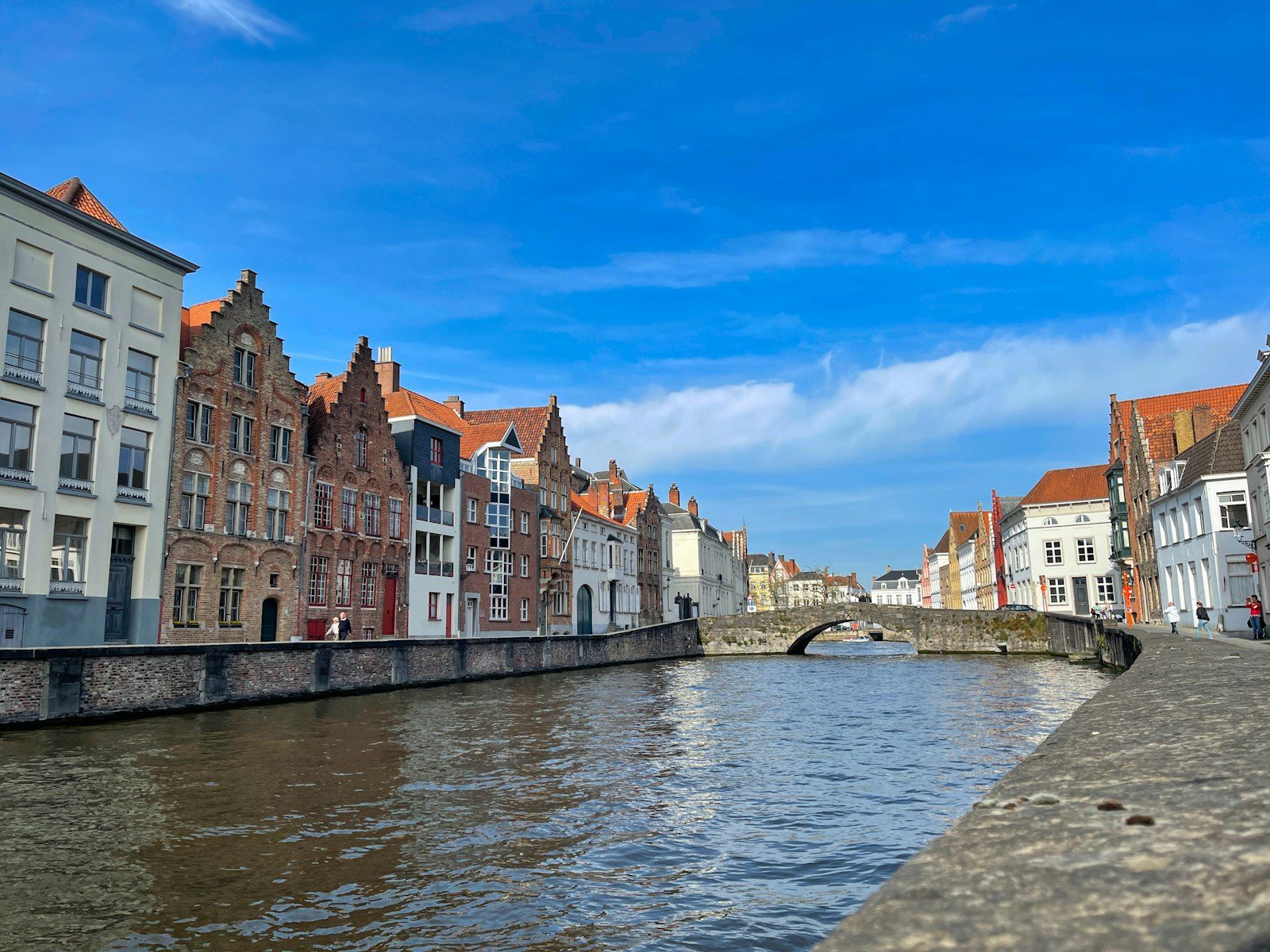
Brussels: where to start with the capital
Start at the Grand Place, the central square protected by UNESCO. Baroque guild facades, the town hall with its lacy tower, the evening lighting: this is the postcard people come back to twice, by day and after dark. A few minutes' walk away hides Manneken Pis, the tiny figure of a boy that tourists always spend longer looking for than it is worth. Do not make it the goal of your day.
Then there are the city's two poles. The Royal Quarter with its art museums, and the sweeping panorama from the Atomium, a 1958 structure of nine metal spheres served by high-speed lifts that carry you up for the view. The Atomium sits on the outskirts, so budget time for the metro.
An honest downside of Brussels: after the picture-perfect square, the city can feel patchy and shabby in places. That is normal. Brussels is more of a working European capital than one continuous museum, and that is precisely why it has the country's best cafe and restaurant scene.
Why is Bruges called the Venice of the North?
Because of the canals that lace through the old town, and because the center has barely changed since the late Middle Ages. Bruges is Belgium's postcard peak: brick gables, the Belfort tower over the Market Square with 366 steps to the top, boat rides along the canals, and cobbled lanes that are a pleasure to wander with no plan.
The price of that beauty is honest too. Bruges is the country's most touristy city, and in summer the center is packed solid. The fix is simple: come early in the morning or stay into the evening, when the day-trip groups disperse and the city gets its quiet back. That is when Bruges is at its best.
Ghent: the city people skip for no good reason
Ghent often drops off itineraries because it sits between the more famous Brussels and Bruges. And that is a shame. The medieval architecture here is no less striking, while there are noticeably fewer tourists, because Ghent is above all a university city with its own rhythm and bars.
The main reason to stop: Saint Bavo's Cathedral with the Ghent Altarpiece by the van Eyck brothers, one of the key works of early Netherlandish painting. Nearby stands Gravensteen, a well-preserved 12th-century castle of the Counts of Flanders with a moat and a museum of medieval weapons. In the evening the Graslei and Korenlei quays are lit up and almost empty of crowds, unlike Bruges.
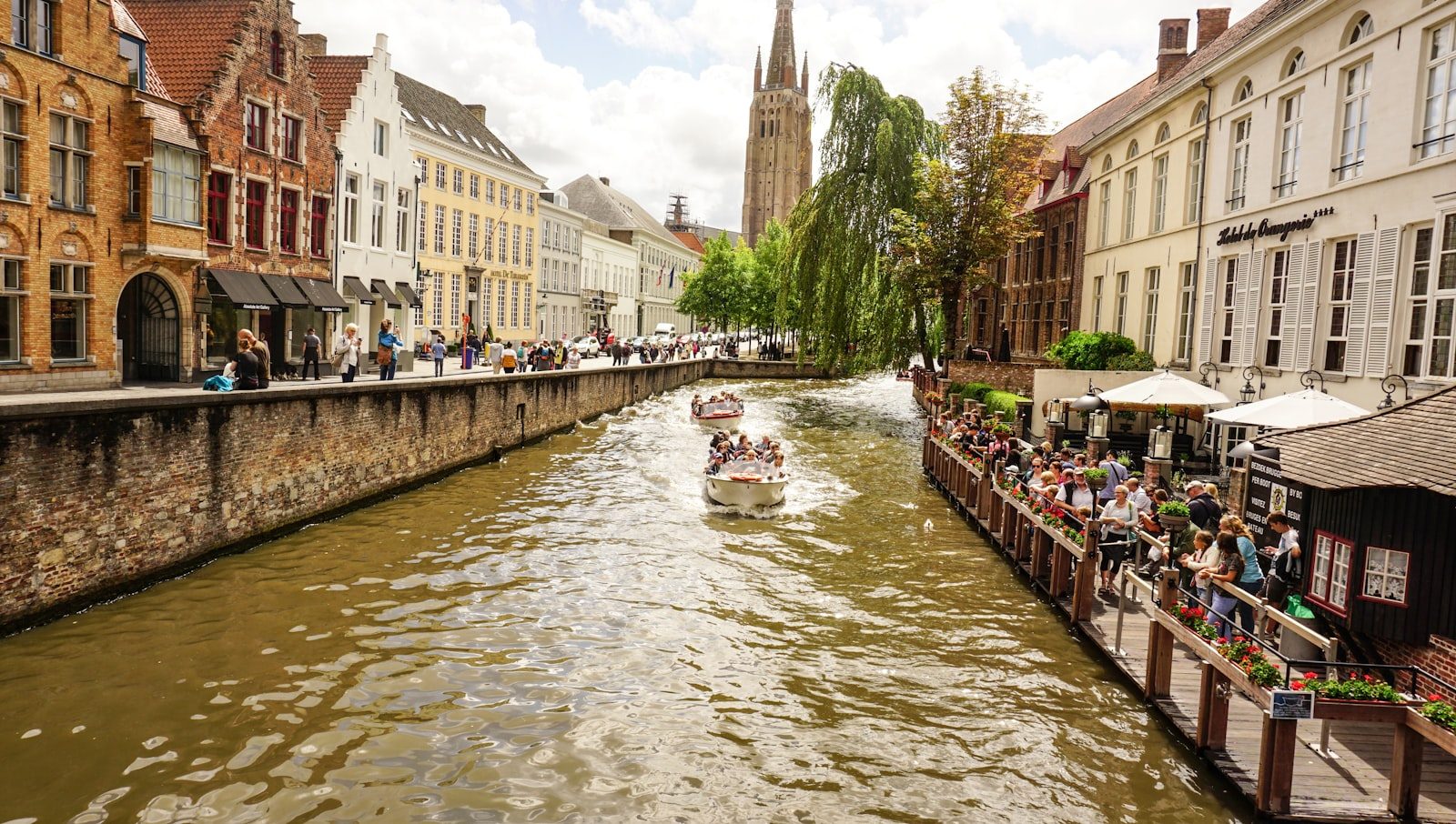
Antwerp: diamonds, Rubens and the sea
Antwerp is the country's second-largest city and its main seaport, so the character here is different: more space, less of the postcard intimacy. The Cathedral of Our Lady holds several large Rubens canvases, while the Rubens House shows how the artist lived and worked.
The city is known for two things beyond art. First: the diamond district near the central station, through which a significant share of the world's rough-stone trade passes. Second: fashion and design, because this is where the wave of Belgian designers came from. The station itself is worth seeing on its own, often called one of the most beautiful in Europe.
What to taste in Belgium?
The food here is a reason to travel in its own right, and one you should not feel bad about paying for. Four things worth trying, with an honest note on each.
Chocolate. Belgian pralines are sold on every corner, but the difference between a mass-market display and a good chocolatier is real. Buy from small workshops that make it on-site, not from the chains near the main squares.
Waffles. There are two, and they are different dishes. The Brussels waffle is light and airy, with deep pockets, more of a dessert to go with coffee. The Liege one is denser and sweeter, with caramelized bits of sugar baked into the dough, and it is the classic street-food format. If you want the real street food, get the Liege.
Fries. French fries are a national point of pride here, fried in beef fat and served in a paper cone with a sauce. Look for standalone kiosks (frituur or friterie), not a restaurant side to a steak.
Beer. Belgian beer culture is protected by UNESCO as intangible heritage, and there are hundreds of styles: from Trappist ales still brewed in monasteries to the sour lambics of the Brussels outskirts. Several world-class Trappist breweries are located right here in Belgium. Do not try to cover it all in one evening, take one style at a time and ask the bartender.
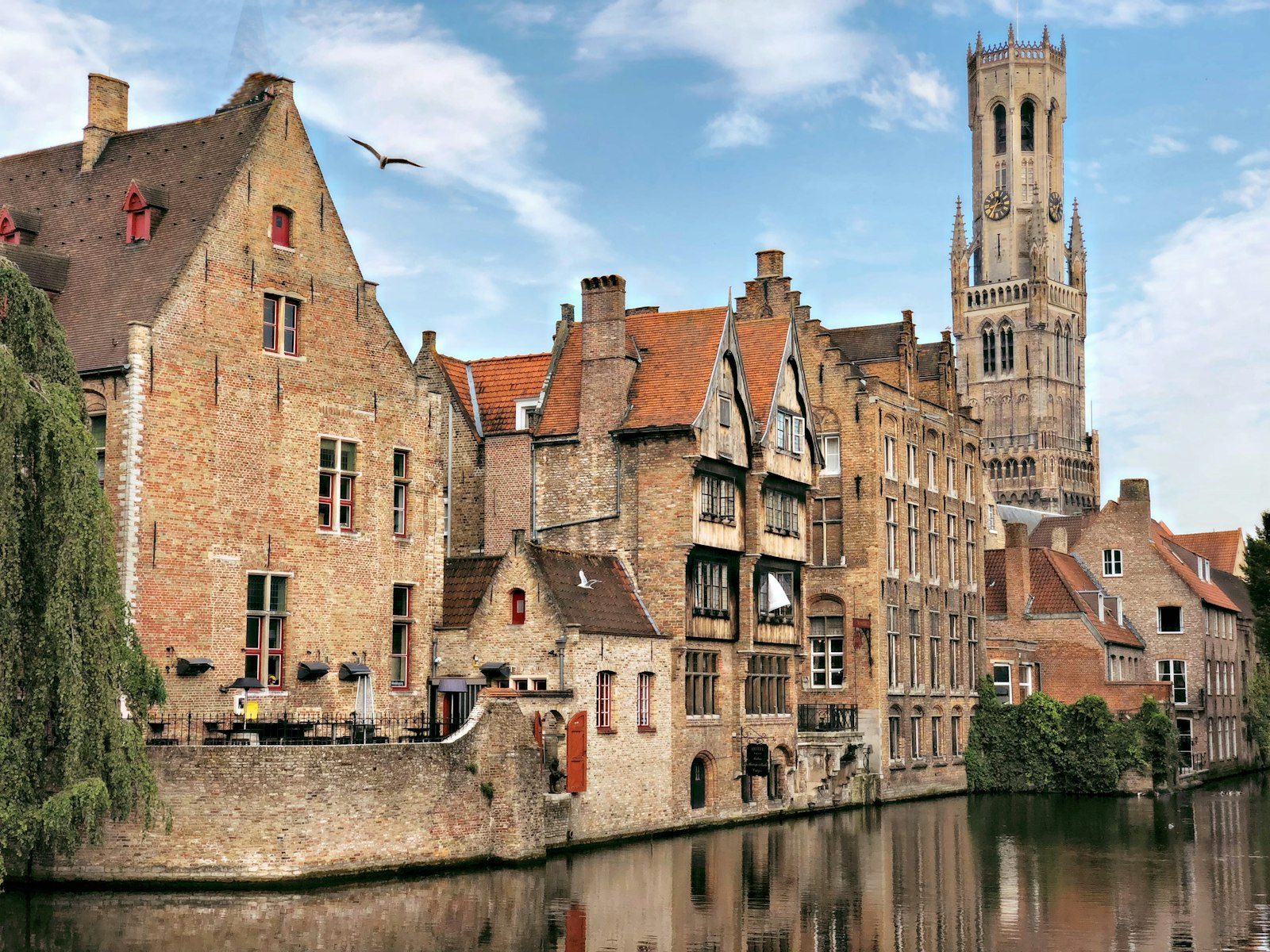
When to go to Belgium?
The best time depends on what matters more to you: the weather or the quiet. The climate here is maritime and changeable, rain is possible in any month, so an umbrella in your backpack makes sense all year round.
| Season | Weather and crowds | Who it suits |
|---|---|---|
| Spring (April, May) | Warming up, greenery, a moderate flow of tourists | The best balance for a first trip |
| Summer (June, August) | Warmest, but peak prices and crowds, especially in Bruges | Those who want festivals and long daylight |
| Autumn (September, October) | Mild, fewer people, more rain toward the end | Those who love quiet and lower prices |
| Winter (December) | Cold and damp, but Christmas markets | Those coming for the markets and evening lights |
There is one thing about transport worth knowing in advance. SNCB domestic train tickets do not need to be booked ahead, buy them in the app or at the station. From Friday evening through Sunday there is a discounted weekend fare on return trips across the country, which makes a weekend route cheaper. Check current prices and schedules before your trip, as they change.
How to shape the route to fit you
If it is your first visit and you have two or three days, a base in Brussels plus two day trips to Bruges and Ghent will cover the essentials. Add Antwerp when you have a fourth day, or when art and a port city appeal to you more than the medieval postcard.
If you have already been to Belgium and seen Brussels and Bruges, switch lenses next time: settle in Ghent or Antwerp, have a beer at a specific brewery, go to a museum instead of yet another square. The country is small, but its second layer runs deeper than the first.