

San Sebastian has what you might call a "gastronomic reputation."
In 2014, three restaurants in this city of 200,000 people on Spain's northeastern Atlantic coast earned the holy grail of fine dining: three Michelin stars. Only Kyoto, Japan, boasted more Michelin-starred establishments per square metre.
It is already clear why food lovers from around the world so often put it at the very top of their culinary travel lists. And then you add the pintxos.
Partner links: booking through them supports the blog at no extra cost to you.
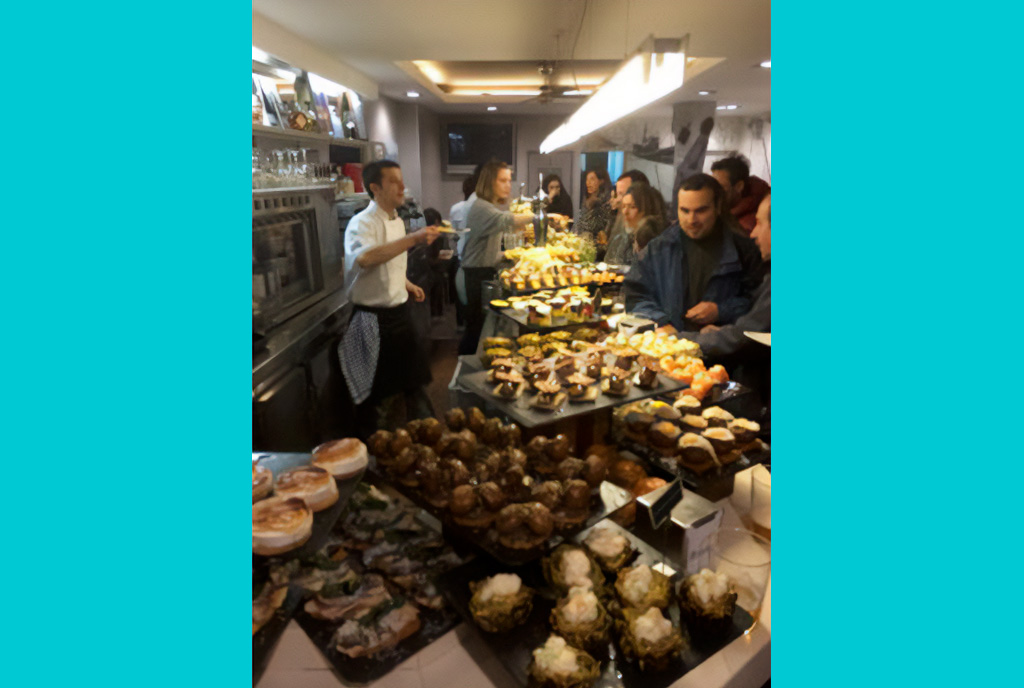
Pintxos (or "spikes" in Basque, a language spoken with pride across the region) are tapas taken to a whole new level.
There is no sweaty chorizo or rubbery calamari on cocktail sticks here.
The pintxos bars of San Sebastian are culinary masterpieces in their own right, serving dishes that would not look out of place among their Michelin-starred neighbours. The only real problem facing visitors to this food destination is not what to eat, but where to eat it.
I chose the path of long, leisurely restaurant lunches followed by late-night crawls between pintxos bars.
Foie Gras Ice Cream
My culinary mission began with lunch at the revered Arzak.
This is where 71-year-old Juan Mari Arzak has held a Michelin star for 40 years and three stars for a quarter of a century. Twenty-five years at the absolute pinnacle of any profession is remarkable, but in the fiercely competitive world of haute cuisine it is unprecedented.
The Arzak restaurant is the story of the Arzak family.
Juan Mari's grandparents built the building as a wine cellar and tavern in 1897, and he himself started working there in 1966.
An unassuming exterior on a suburban street leads to a modernist dining room, where the same menu is served at both lunch and dinner. Yet to call it simply food would be to do it a disservice.
It is a culinary adventure full of beauty, complexity and even wit.
A Laboratory of Haute Cuisine
The foie gras arrives as ice cream with caramelised onion and green tea, served in an inverted yucca cone dusted with a powder of seafood.
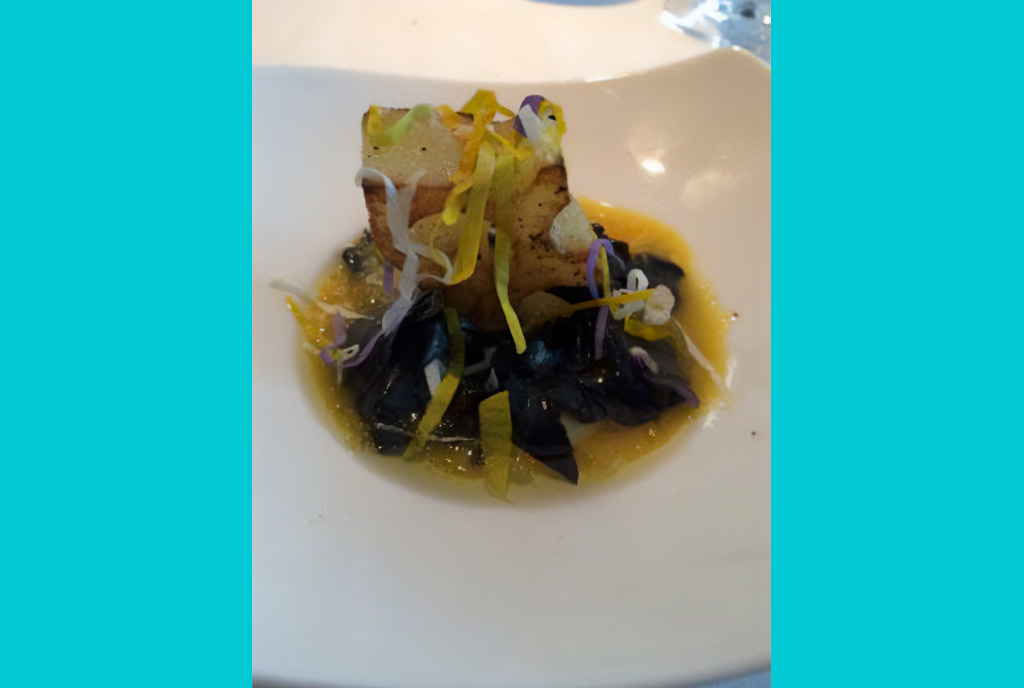
A deceptively simple yet magnificent dish is made up of cubes of potato, egg yolk and white truffle.
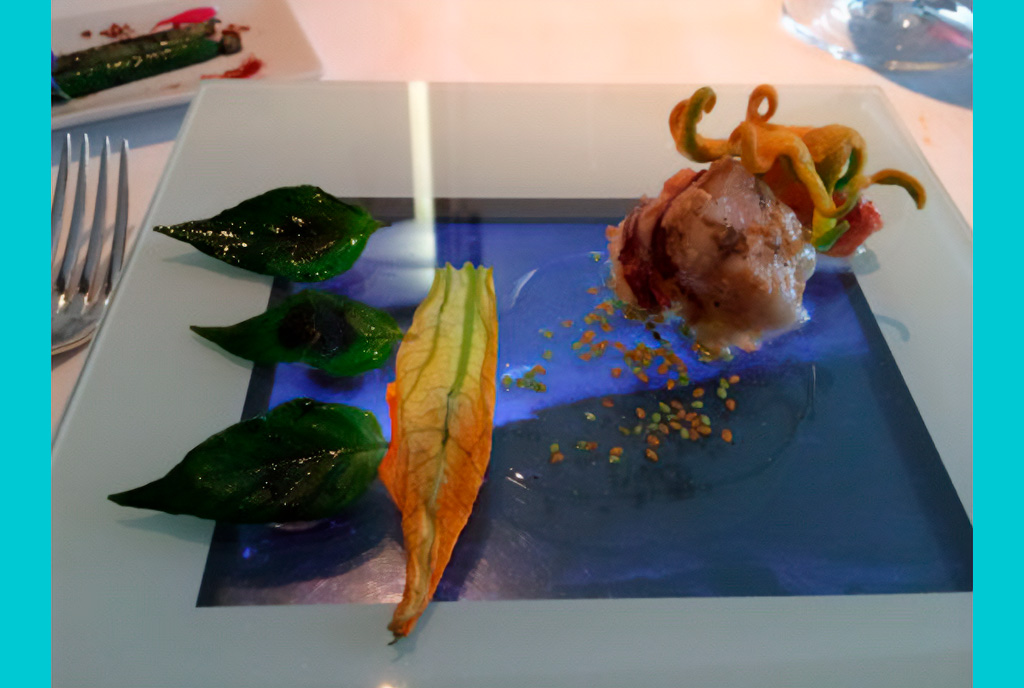
For a sensory overload of aromas, flavours, sights and sounds, grilled lobster with charcoal-roasted courgette is presented on a transparent plate placed over an iPad playing a video of waves crashing against the shore.
Seriously.
Arzak's after-lunch petits fours include a cross between a patisserie and a workshop called Ferreteria Arzak, or Arzak's Hardware Store, complete with silver sugar keys, cola bottle caps, chocolate nuts and screws.
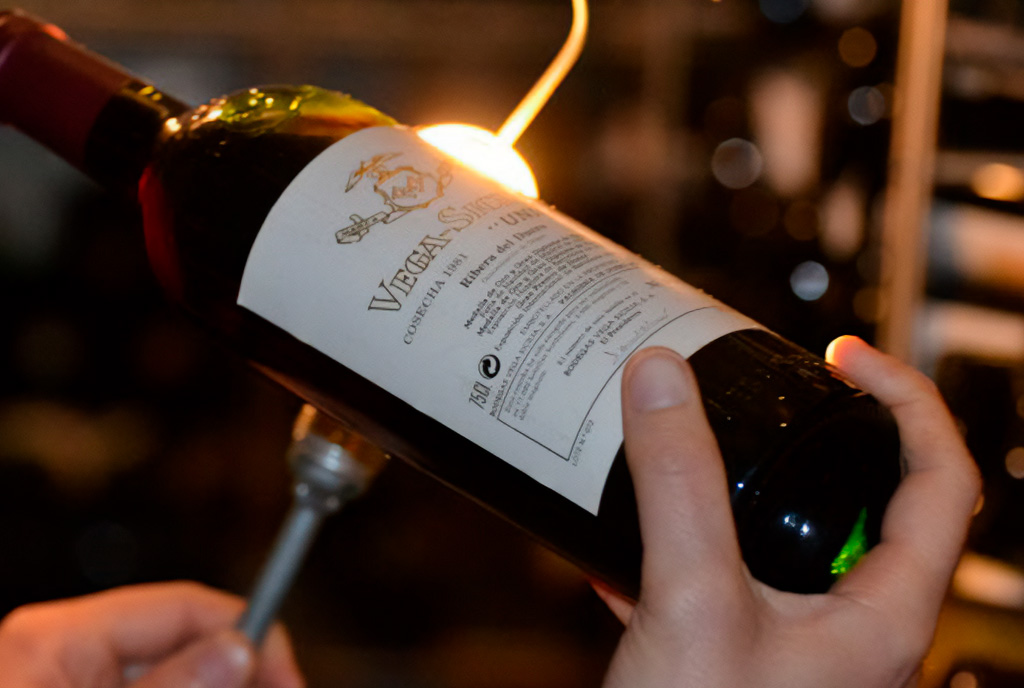
As you would expect from one of the world's finest restaurants, the wine cellar holds rare and expensive vintages.
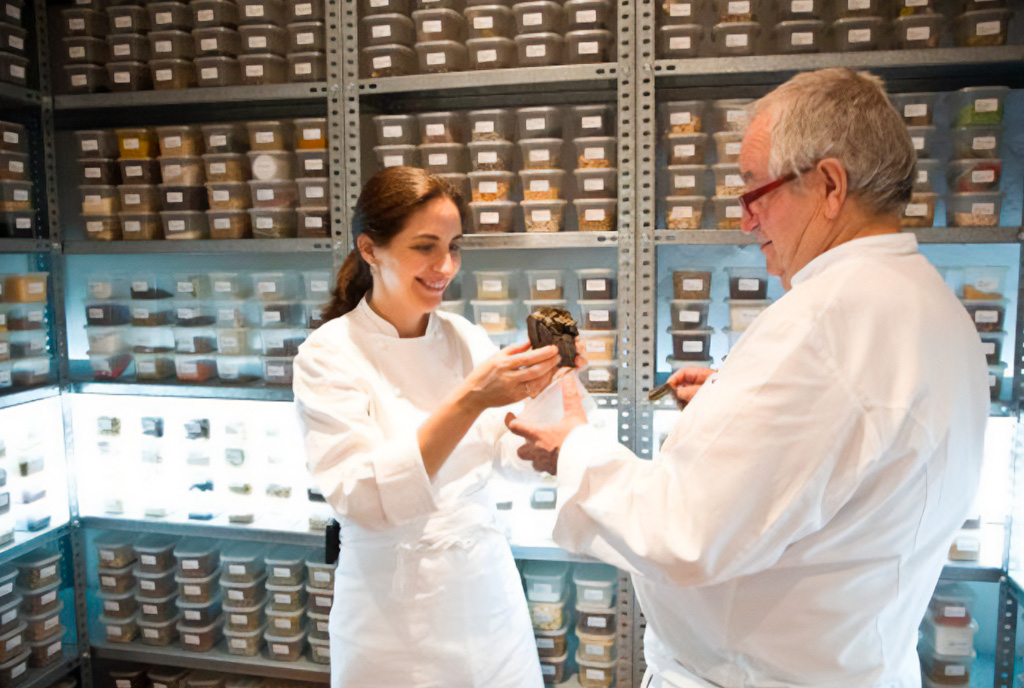
A look behind the scenes reveals a laboratory where new dishes are created and a room stocked with 1,500 different spices.
The World's Most Popular Tortilla?
The Arzak family defined and shaped Michelin-starred cuisine in San Sebastian and cemented the city's reputation.
Today that reputation rests as much on the pintxos bars as it does on the Michelin stars, and, gradually recovering from an epic lunch, it is time to think about the evening's options.
While you could simply follow your eyes when choosing one of the many pintxos bars, a small group tour is an excellent introduction and lets you get acquainted with some of the finest dishes and venues.
Englishman Jon Warren gave up a career in finance to follow his passion, founding San Sebastian Food, which offers tours of bars, local producers and vineyards that give the Basque Country its enviable reputation.
He explains that pintxos bars "are the cool, young siblings of the Michelin-starred restaurants and offer maximum flexibility: an informal setting, bite-sized portions, low prices and the ability to switch instantly from traditional to modern cooking."
An evening tour led by a donostiarra (a local of San Sebastian) takes visitors from one bar to the next for small bites and tastings of local ciders and wines, especially txakoli, a lightly sparkling young white wine.
Countless bars, some traditional, others more cutting-edge in cuisine and atmosphere, try to outdo one another with overflowing counters or signature dishes.
Bar Nestor serves a famous tortilla, but only in limited quantities, at exactly 1 pm and 8 pm. Turn up 15 minutes late and be prepared to leave disappointed.
Legendary Anchovies
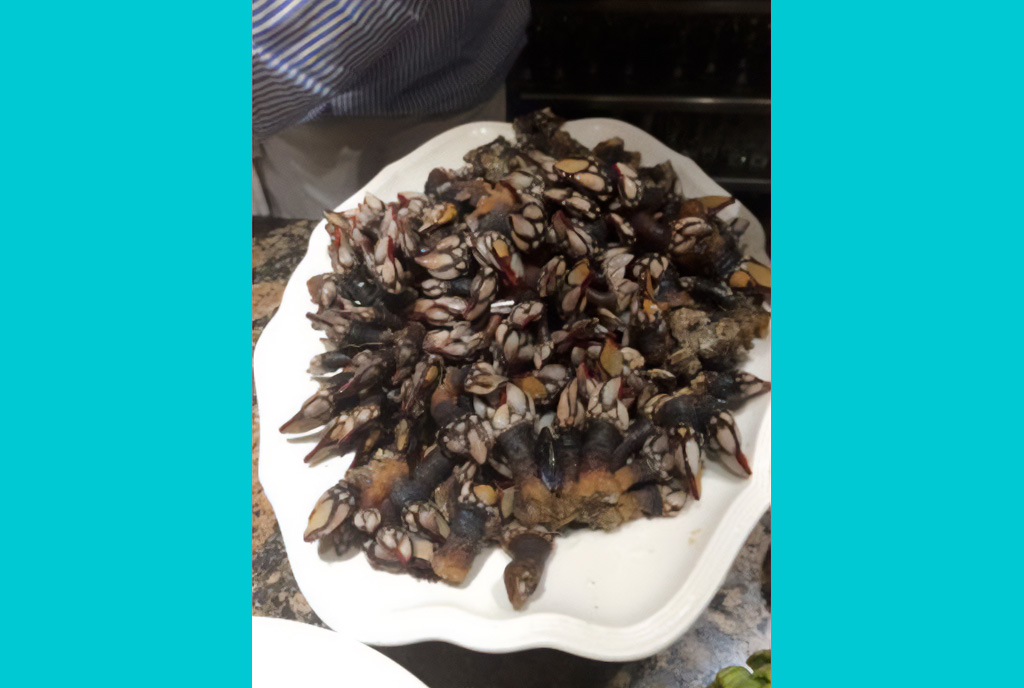
The rare delicacy of percebes (goose barnacles) at Goiz Argi is less punctual but well worth the wait. The boquerones (fresh anchovies) at Txepetxa are legendary.
Warren pinpoints the pintxos culture exactly when he says it is all about the social context.
"Lining the streets of the old town, everyone here is having a good time, between the bartenders, the locals and the visitors, creating a lively atmosphere of camaraderie filled with wine, food and chatter."
As if the culinary gods had not blessed San Sebastian enough with Michelin stars and pintxos bars, there is also a wealth of artisan producers scattered all around.
The central food market is a treasure trove of local produce, especially the justly famous jamon iberico de bellota (ham from acorn-fed pigs).
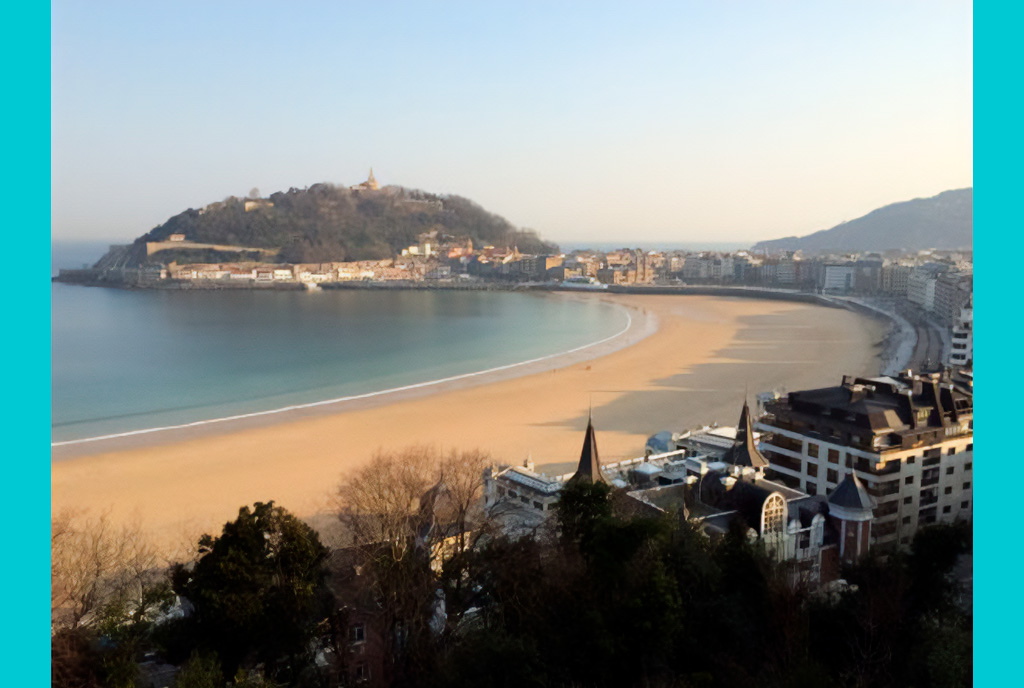
In those brief pauses between sampling some of the world's finest cuisine, it is worth strolling along the beautiful beaches or the promenade, breathing in the sea air and enjoying the stunning views, dreaming of becoming a donostiarra.
Arzak, Avda. Alcalde Elosegui, 273, Donostia, San Sebastian, Spain; +34 943 278 465
San Sebastian Food, Hotel Maria Cristina, Republica Argentina Kalea, 4; +34 943 42 11 43