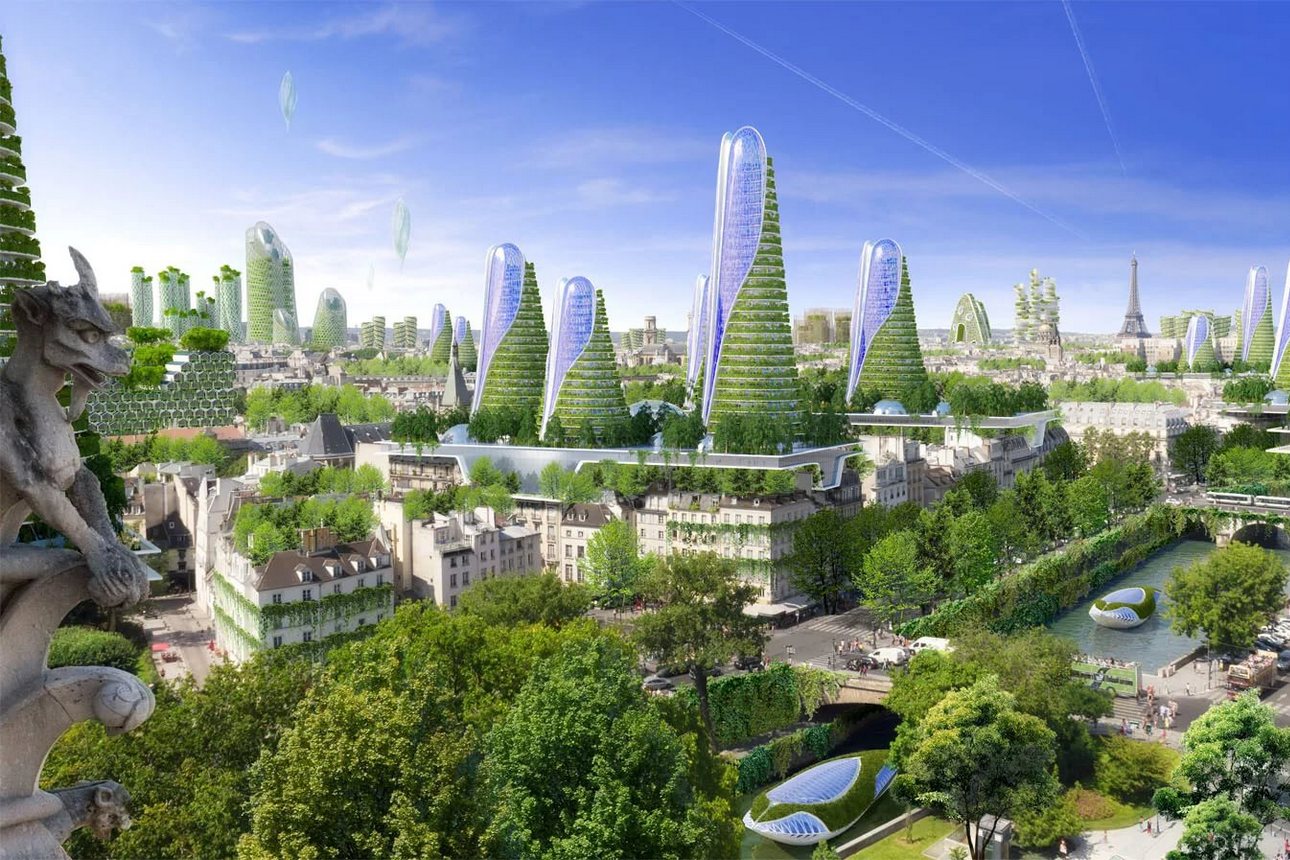


The term "green cities" comes up often in conversations about sustainable development. It describes cities, including major metropolises, with a high proportion of green space. Urban centers rich in greenery (trees and grass lining the roads and streets, parks, gardens, riverbanks and so on) make for pleasant places to live.
So which country is the greenest? As it turns out, it's Germany that comes out on top not just in Europe but worldwide in the tables comparing the number of "green cities"! In the ranking of the world's greenest metropolises compiled by the Husqvarna Urban Green Space Index (HUGSI) and published in February 2021, 20 of the TOP 100 cities were located right here in our western world!
The following cities made the HUGSI top 100: Dortmund (4), Stuttgart (6), Würzburg (8), Heidelberg (10), Hamburg (12), Leipzig (16), Cologne (17), Erlangen (20), Munich (24), Bamberg (30), Essen (33), Regensburg (36), Frankfurt am Main (37), Ingolstadt (41), Düsseldorf (43), Augsburg (45), Bayreuth (46), Berlin (62), Nuremberg (71) and Fürth (76).
Partner links: booking through them supports the blog at no extra cost to you.
As you can see, a full 4 of the top 10 spots, nearly half, belong to Germany! We decided to take a look at all the greenest German cities that made the TOP 10 of the HUGSI ranking. In the list below, these metropolises on the far side of the Oder are, of course, explored through the lens of their setting and the landmarks closely tied to the green spaces within them.
Dortmund
The first German city on the list. Dortmund is without question one of the oldest and most charming cities on the Old Continent. The "green lungs of Europe," as they're often called, are made up of waterways, forests and green zones with spacious parks, many of which were built on... the rubble and waste of the mining industry, a reminder of the city's rich industrial heritage.
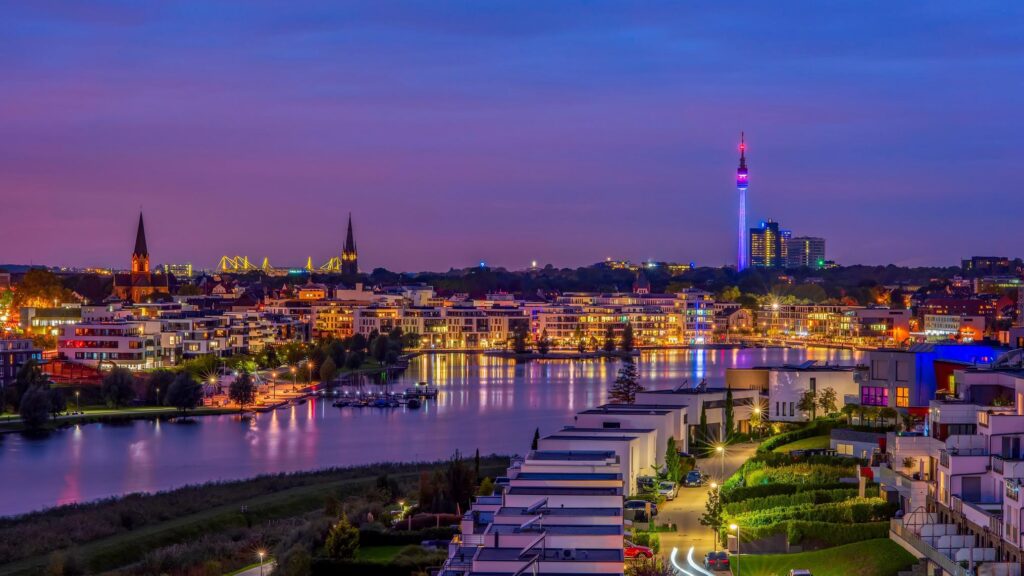
The city's standout attraction today is Westfalenpark, spanning 75 hectares as the largest urban park in Europe, home to its Westphalian Gardens, the third-largest rose garden in the world (more than 3,000 varieties of roses!) and a huge recreation and sports complex! At the heart of the park stands the Florianturm, a television tower over 208 meters tall that offers a stunning view over the grounds. Up there you can enjoy a delicious coffee in a... revolving cafe! Among the local highlights are the puppet theater of moving figures, the official Borussia Dortmund football stadium and a one-of-a-kind "African" zoo with more than 260 animal species.
In a city known as the cradle of European industry, one essential stop is Dortmund-Mengede, a unique district that serves as an open-air museum of the Industrial Revolution. Restored houses and industrial buildings carry visitors back in time and leave an incredible impression. Another must-visit is the Golden Wonder of Westphalia, one of the world's largest high altarpieces, housed in the beautiful Gothic building of Dortmund's Petrikirche.
Dortmund, the largest city in the Ruhr region, lies in western Germany, in the state of North Rhine-Westphalia.
Stuttgart
In Stuttgart, often called "the most laid-back city," the parks and gardens are laid out in the shape of the letter "U." This "green U" includes Rosensteinpark, home to Europe's only large botanical and zoological garden named after Wilhelm, as well as the park on the Killesberg hills, where you can ride a steam train!
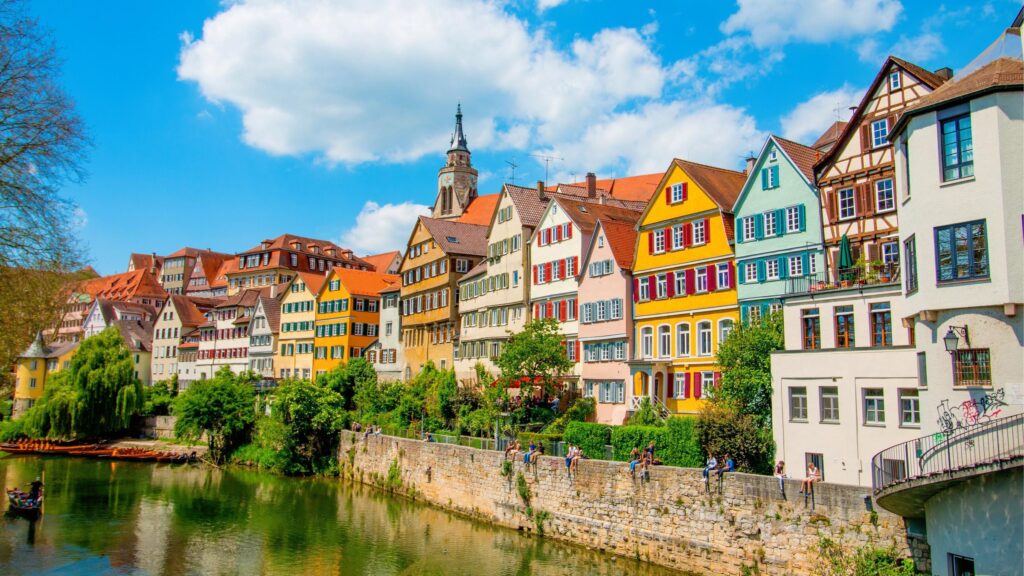
Rosenstein Park contains a historic palace that once served as the summer residence of King Wilhelm I of Württemberg. Today this stately building houses the collections of the Stuttgart State Museum of Natural History, where you can see specimens of extinct animal and plant species. The museum's second wing, the Löwentor Museum, sits in another building within the park and is a paleontological museum with vast collections of fossils from around the world, including a skull that is 300,000 years old!
As the birthplace of the global automotive industry, Stuttgart invites visitors to explore the Porsche and Mercedes-Benz museums. The city is also famous for its excellent wine production. The Stuttgart Wine Village, one of Germany's largest wine festivals, takes place at the end of the summer holidays. The Stuttgart State Opera and the Theaterhaus Stuttgart open their doors to art lovers.
Stuttgart, the capital and largest city of the state of Baden-Württemberg, lies in southern Germany on the Neckar River.
Würzburg
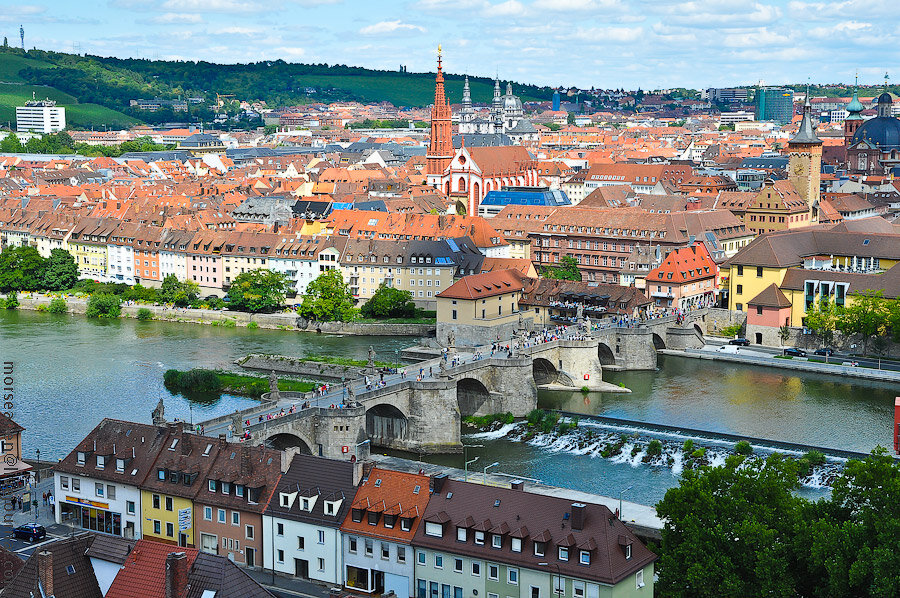
This Baroque city is surrounded by terraced vineyards and an abundance of greenery. Rosenbach Park in the western part of the old town (Altstadt) is absolutely worth a visit. The symbolic landmark of the old town is the Old Main Bridge, the most important spot on Würzburg's map for anyone looking to unwind after a day's work. Every warm evening and on weekends, people gather here to chat and share a glass of the famous Franconian wine.
Würzburg's undeniable "green" phenomenon is the Ringpark green space. It was created on the site of the tall Baroque fortifications and bastions, demolished in the 19th century, that once encircled the city like defensive walls in a half-ring. It's a wonderful place for a peaceful stroll, surrounded by countless fountains and intriguing plant arrangements.
Rising above the historic city is Marienberg Fortress, a majestic 13th-century stronghold that holds two museums recounting the region's history, including a rich collection of Franconian art. The fortress, whose story includes its heroic defense during a siege in the largest peasant uprising in German history, stands atop a hill offering a picturesque view over the historic part of the city.
Würzburg is the sixth-largest city in the state of Bavaria. It sits on the Main River in central Germany.
Heidelberg
The German city rounding out the top ten of the "green cities" list lies on both banks of the Neckar River. The botanical garden, belonging to one of Europe's oldest universities, is the green heart of the city.
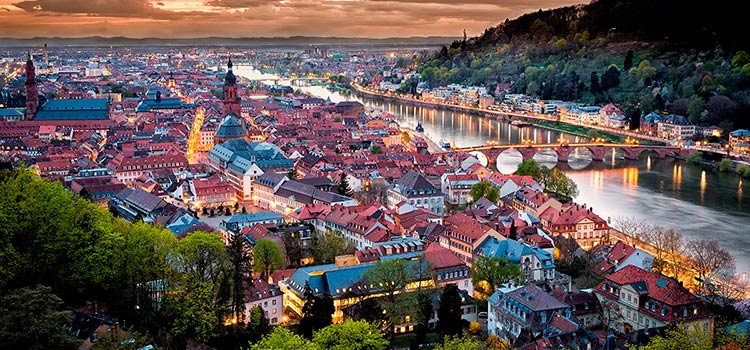
Heidelberg is one of Germany's most romantic cities. Rising above it are the ruins of a powerful Gothic and Renaissance castle, first mentioned in the 13th century. Johann Wolfgang von Goethe himself fell in love with the castle gardens. When you visit the city, take some time to sit among the ruins and soak up the spirit of romance.
The region is a popular tourist destination. The Roman border fortifications listed by UNESCO, 26 castle ruins and 28 manor houses, viewing platforms, the fairytale stalactite cave in Eberstadt or the enchanting gorges of Margaretenschlucht and Wolfsschlucht are just a few of the highlights.
Heidelberg is part of the federal state of Baden-Württemberg. It lies on both banks of the Neckar River, at the foot of the Königstuhl mountain in the Odenwald range in southwestern Germany.