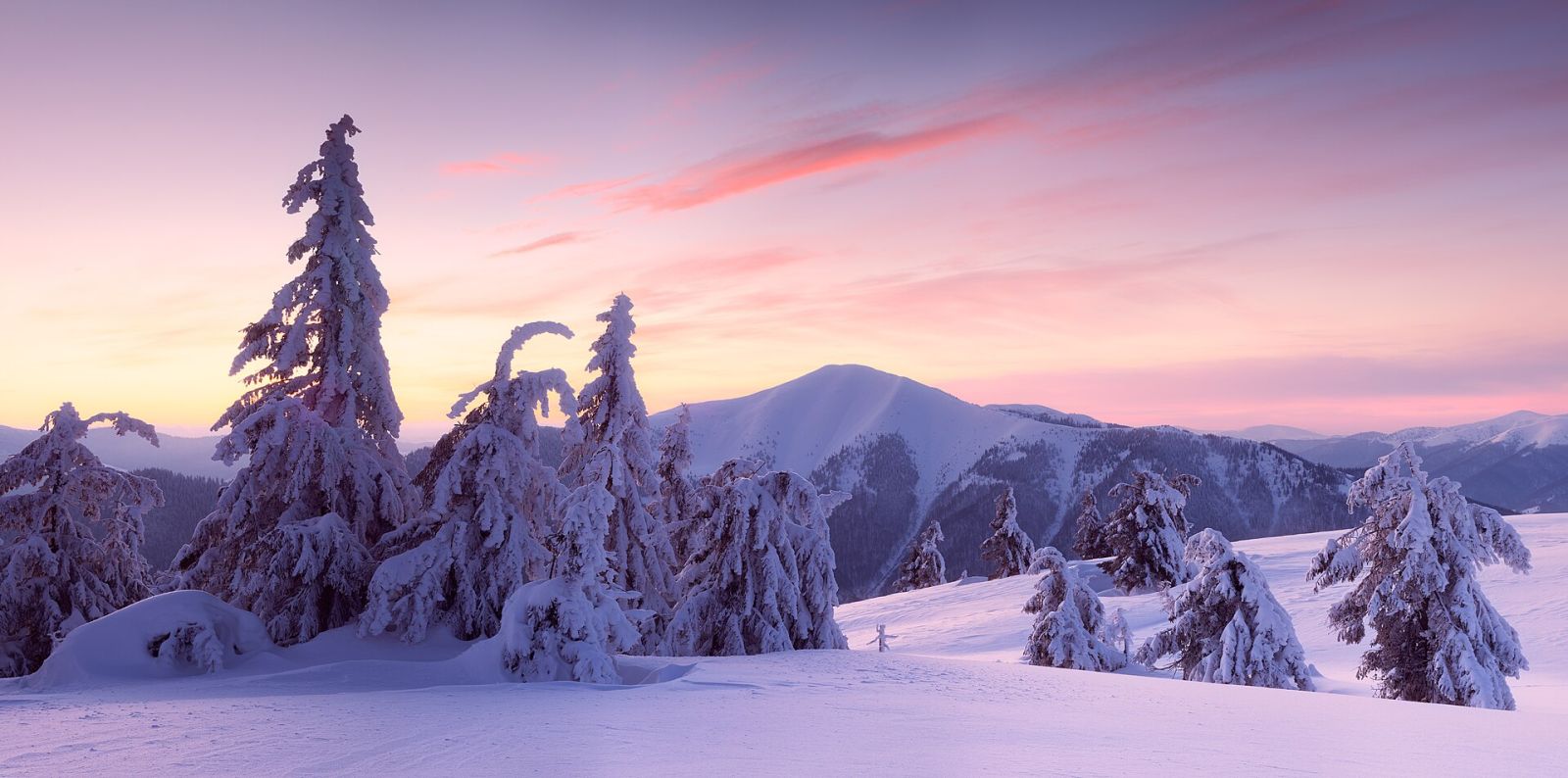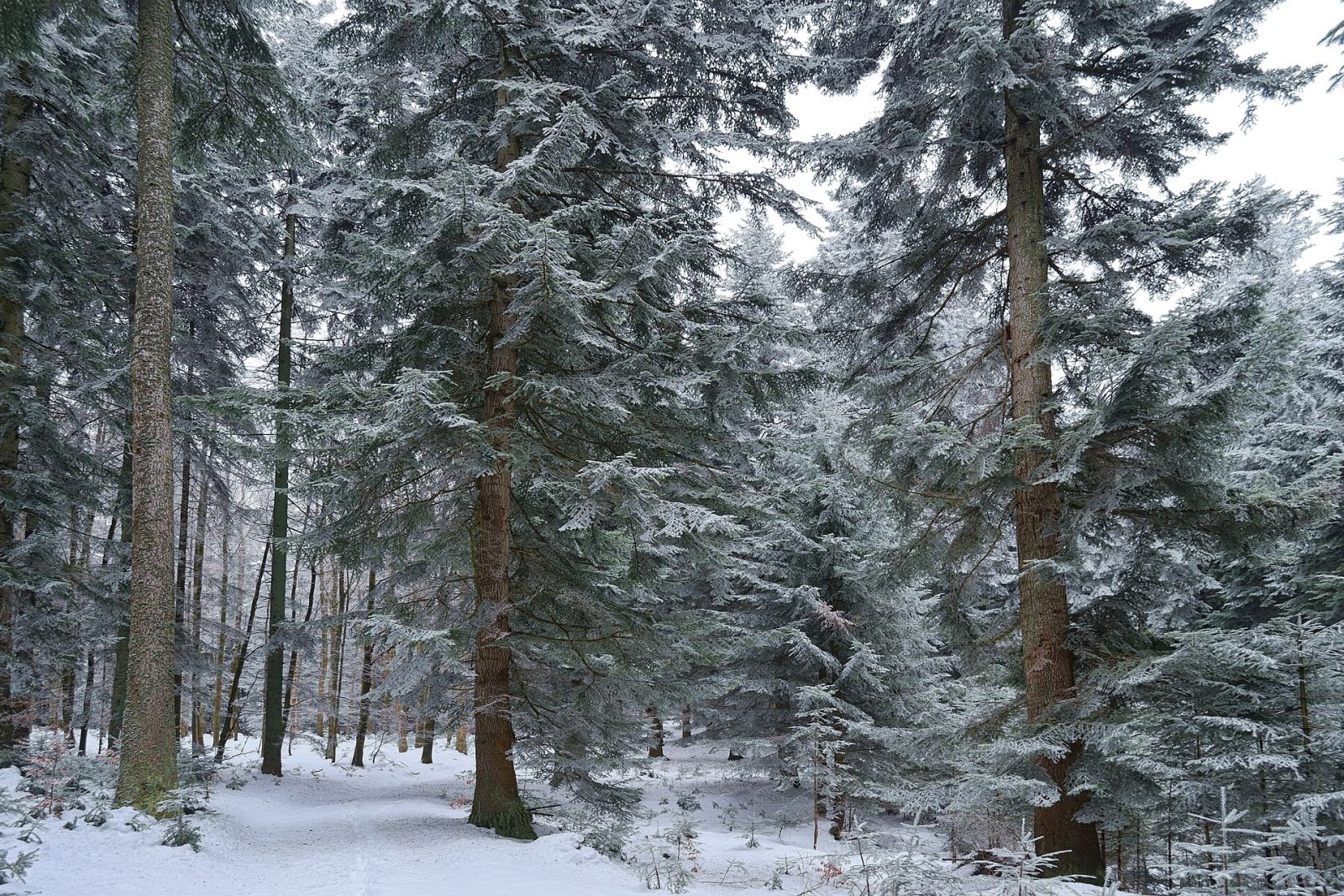


The Carpathians in winter are about far more than skiing. Yes, the main winter season here runs roughly from mid-December to mid-March, and snow settles reliably at altitude, but half the people who come aren't chasing the slopes at all. They come for frozen waterfalls, open-air thermal pools down in Zakarpattia, Hutsul Christmas rituals and the plain silence of a snowed-in forest. Below is the practical stuff: where exactly to go for each kind of trip, what it costs at peak, and how to avoid a two-day queue for a chairlift.
Where to go: a quick map by mood
The region is huge, and "let's go to the Carpathians" means nothing until you decide what you actually want to do. A downhill skier and someone dreaming of a quiet cabin with a ridge view need different villages, sometimes a hundred kilometres apart.
| Resort / place | Best for | What stands out | Honest downside |
|---|---|---|---|
| Bukovel | Families, beginners, groups | Largest infrastructure, dozens of runs, snowmaking | Prices and crowds at peak, queues for popular lifts |
| Dragobrat | Experienced skiers, freeride | Highest base (~1,400 m), snow lasts longer | Access only by off-road vehicle, spartan comfort |
| Yaremche | People who want mountains without slopes | Probiy waterfall, market, hub for day hikes | No serious runs of its own, you drive to Bukovel |
| Mihovo | Bukovyna families, calm getaway | Compact, fewer people, reasonable prices | Few runs, too little for advanced skiers |
| Kosyno / Berehove | Anyone after thermal pools | Hot mineral water outdoors in winter | This is lowland Zakarpattia, not slopes country |
What is there to do besides skiing?
This is where the Carpathians in winter really open up. The slopes are just one script, and far from the cheapest.
Thermal pools
It's hard to picture until you see it: hard frost, steam rising in a column, and you sitting in water around forty degrees under open sky. The best-known complexes are Kosyno and the baths near Berehove in Zakarpattia. The water is mineral, with a distinct smell, and after a few hours in the cold the feeling is almost therapeutic. It gets busy on weekends, so come on a weekday morning if you can.
Frozen waterfalls
Probiy waterfall in Yaremche and Shypit near Pylypets partly ice over in a hard freeze, and the sight is striking. Nobody guarantees a full "ice column" every year, it all depends on temperature, but even half-frozen water framed by snow is worth a short walk. Bring boots with real grip, the paths can get glassy-slick.
Snowshoes and walking
The most underrated way to see the winter mountains. Snowshoes let you reach places you simply can't wade to on foot, and the high meadows under snow look nothing like the summer photos. Rentals exist in many villages, and a simple route you can do without a guide, but for a serious mountain outing in winter hire one. Avalanche risk here is real, and underestimating it is a mistake.
Christmas, Hutsul style
If you land in the mountain villages for Christmas or Malanka (old calendar, in January), you'll see something no ski guidebook mentions. Carollers in masks, ritual plays, bells, nativity performances. This isn't a staged show for tourists, it's a living tradition the Hutsuls genuinely keep. Ask your guesthouse hosts what's happening in the village those days, and often they'll simply invite you along.
When should you go?
Reliable snow at altitude means the second half of December and all of January and February. March is tricky: it may already be dripping down in the valleys while Dragobrat still has plenty up top. The peak for crowds and prices is the New Year holidays, roughly 29 December to 8 January, plus every February weekend. If your dates are flexible, the best balance of price and snow is a late-January weekday: almost no queues, slopes in good shape, lodging around a third cheaper than over New Year.
What does it cost at peak?
Exact figures shift every season, so check current prices before you travel, but it helps to have the order of magnitude in mind.
- A lift pass at a large resort on a peak day costs noticeably more than a quiet weekday, sometimes almost double. Multi-day passes work out better per day.
- Lodging over the New Year holidays jumps several times over, and the good guesthouses are gone by autumn. On non-holiday weekdays the same rooms cost far less.
- Rental gear, instructor lessons and thermal pools are separate line items that easily double a weekend budget if you don't plan for them.
The main money tip is simple: book lodging months ahead, not weeks, especially over the holidays. At peak you're paying less for something better than for whatever is left at all.
How do you get there?
The gateways into the mountains are Ivano-Frankivsk, Yaremche and Vorokhta from the Prykarpattia side, and Mukachevo and Khust from Zakarpattia. Trains and buses run to Ivano-Frankivsk itself, then you change to a minibus or transfer to the specific village.
Driving is more convenient, but winter mountain switchbacks demand winter tyres and, in places, chains. The Dragobrat road is its own story: the last stretch from Yasinia is only done in a prepared off-roader. People leave ordinary cars at the bottom and switch to a local transfer. Don't try to sneak up in a regular car, it ends with a tow truck.
What should you wear?
Mountain winter is fickle: minus fifteen and sun in the morning, a thaw by midday, a wind that cuts to the bone by evening. Layering is what saves you.
- Base layer moisture-wicking thermals. Cotton underneath is a mistake, you'll sweat and then freeze.
- Mid layer fleece or a light down jacket for warmth.
- Outer layer a membrane jacket and trousers that hold off wind and snow.
- Small things that save the day a hat, a face buff, mittens rather than fingered gloves, warm waterproof boots with grip, and always spare socks.
Sunscreen in the winter mountains is no joke: snow reflects UV, and you can burn at altitude faster than on a summer beach.
Honest advice the ads leave out
- At peak the longest queues form not on the runs but at the popular lifts. Buy your pass online in advance and hit the slopes before opening, by ten in the morning the line is already noticeable.
- Mountain weather turns within an hour. Build a spare day into the plan and don't pin the whole trip to one sunny Instagram photo.
- A guesthouse with a home kitchen is often nicer and cheaper than a hotel in the resort centre, and the banush and Hutsul dishes there beat restaurant fare.
- Off-piste avalanche danger is real. Don't step onto a seemingly shallow slope without knowing what you're doing, and without a local guide.
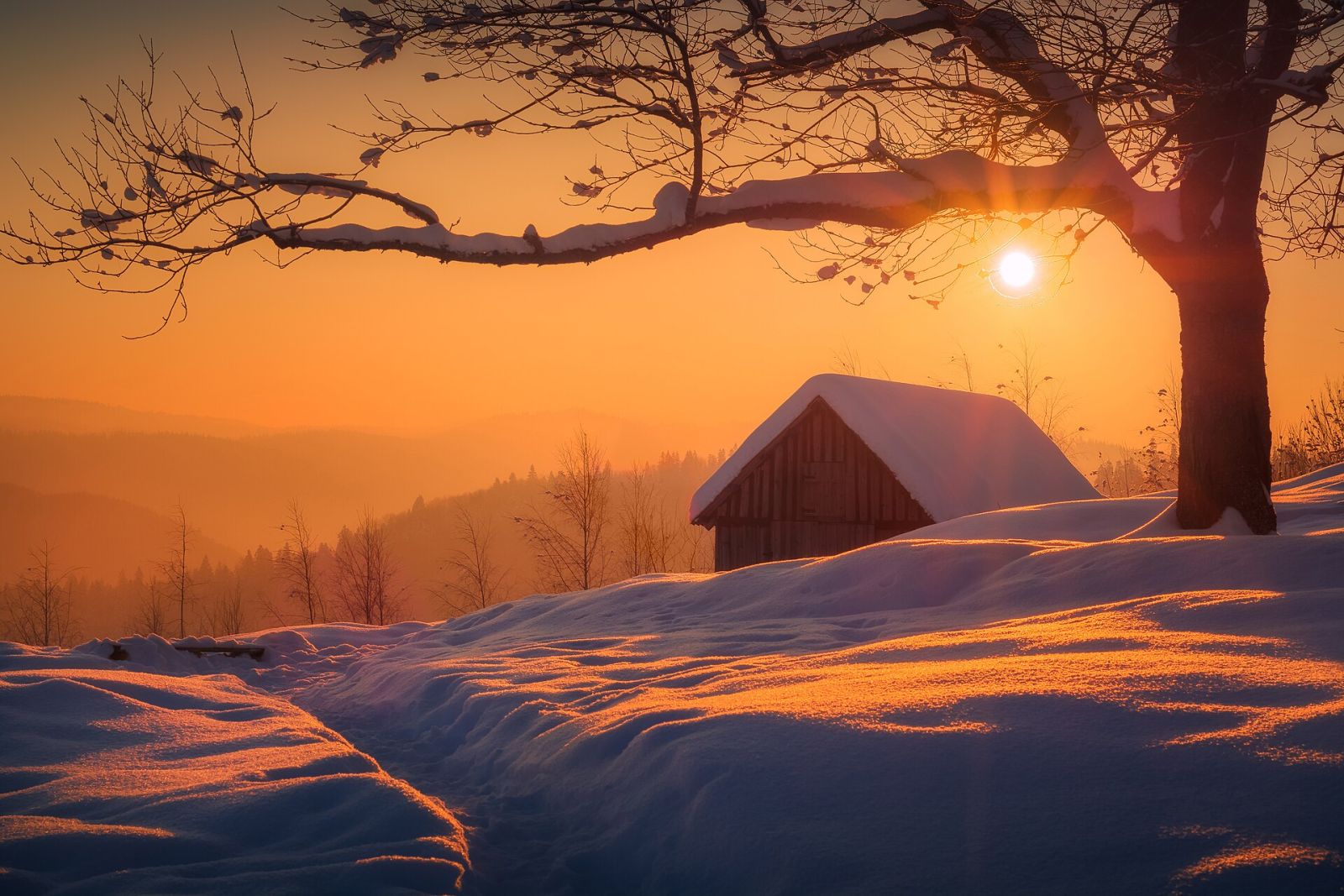
The Carpathians in winter reward people who arrive with a plan and flexibility at the same time. Decide what pulls you most, the rush of the slopes, the steam of a thermal pool or the silence of a snowed-in forest, then pick the village to match rather than the other way round, and leave slack in the schedule for the weather's moods. Do that, and the mountains will show you the winter people keep coming back for, year after year.