

Every practical Dominican Republic travel guide boils down to three questions: what money to pay with, how to get around, and how safe it really is. The short version: pesos beat dollars for daily spending, intercity buses are cheap and decent, and safety depends heavily on where you are and what time it is. Below is the full breakdown, including the uncomfortable topics like hurricane season that tour operators prefer to skip.
Pesos or dollars: which currency wins
The national currency, the Dominican peso (DOP), hovers around 58-63 to the US dollar; the rate drifts, so check it before the trip. Dollars are accepted everywhere in tourist zones, but always at the seller's rate, which is worse than the exchange office's: the rounding on every purchase quietly adds up to real money. So the scheme is simple: keep dollars as a reserve, spend pesos day to day.
Exchange at a banco or an official casa de cambio rather than the hotel front desk, where the rate is traditionally the weakest. ATMs dispense pesos and local banks usually charge a flat fee per withdrawal, so fewer and larger withdrawals cost less overall. Visa and Mastercard work in supermarkets, restaurants and gas stations, but beyond the resorts cash is mandatory: comedores, guaguas, beach shacks and tips run on it exclusively. Restaurants add a legally required 10% service charge and 18% ITBIS tax, so the menu price and the final bill differ by nearly a third. That is not a scam, just the norm.
The tourist card: do you pay anything at the border
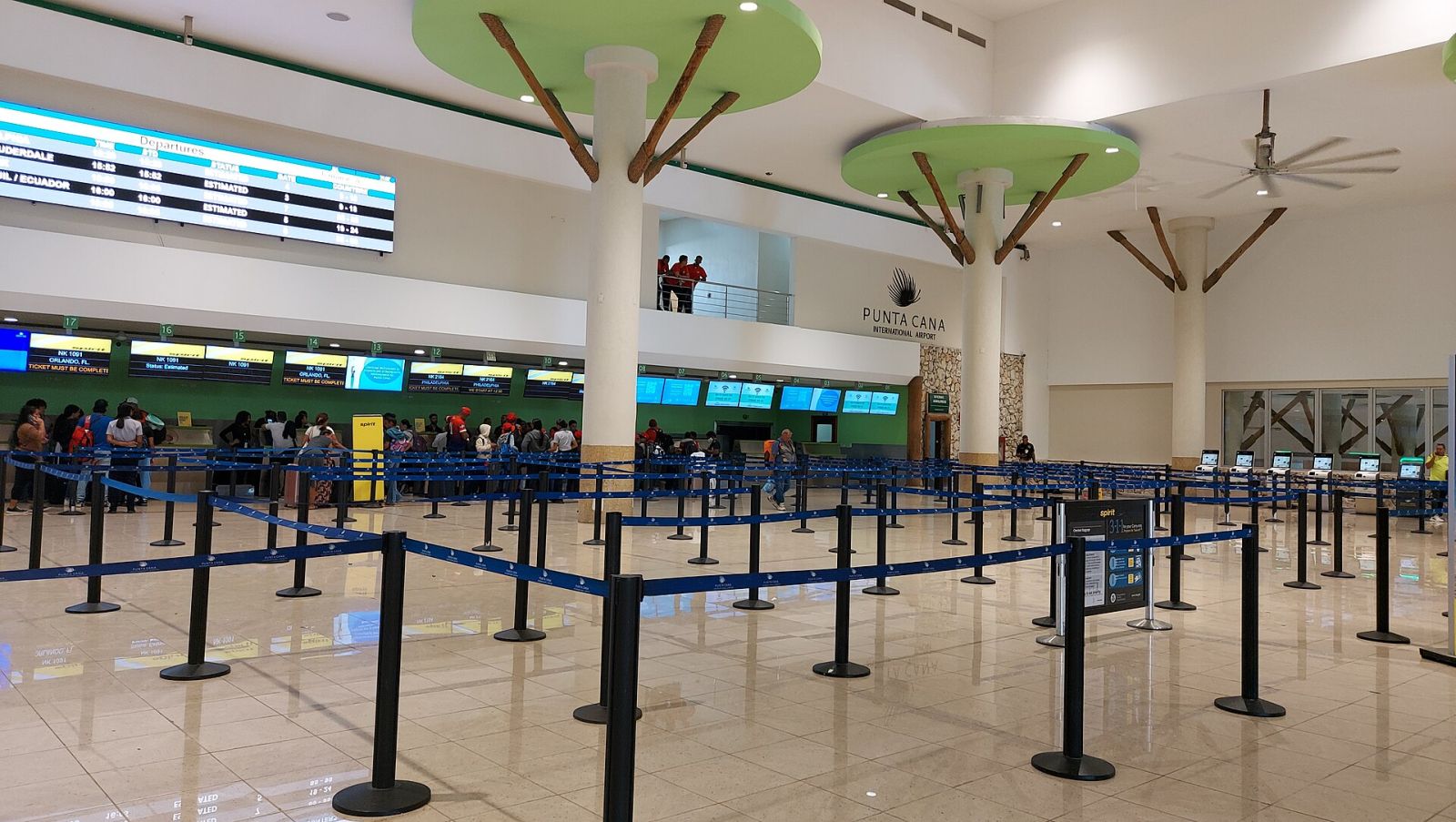
Years ago travelers bought a 10-dollar tourist card on arrival, and veteran forum advice still tells you to keep a bill handy. The advice is outdated: the fee has long been folded into the airfare, and nothing is paid separately at the border. What you do need is the free e-Ticket form on the official migration portal eticket.migracion.gob.do: one form per entry, with a QR code shown at passport control. It takes 10 minutes on a phone; middleman websites charging for it simply profit from the inattentive. Entry rules and permitted length of stay vary by nationality and get adjusted from time to time, so verify the current requirements for your passport before buying tickets.
Guaguas, taxis and buses: getting around the country
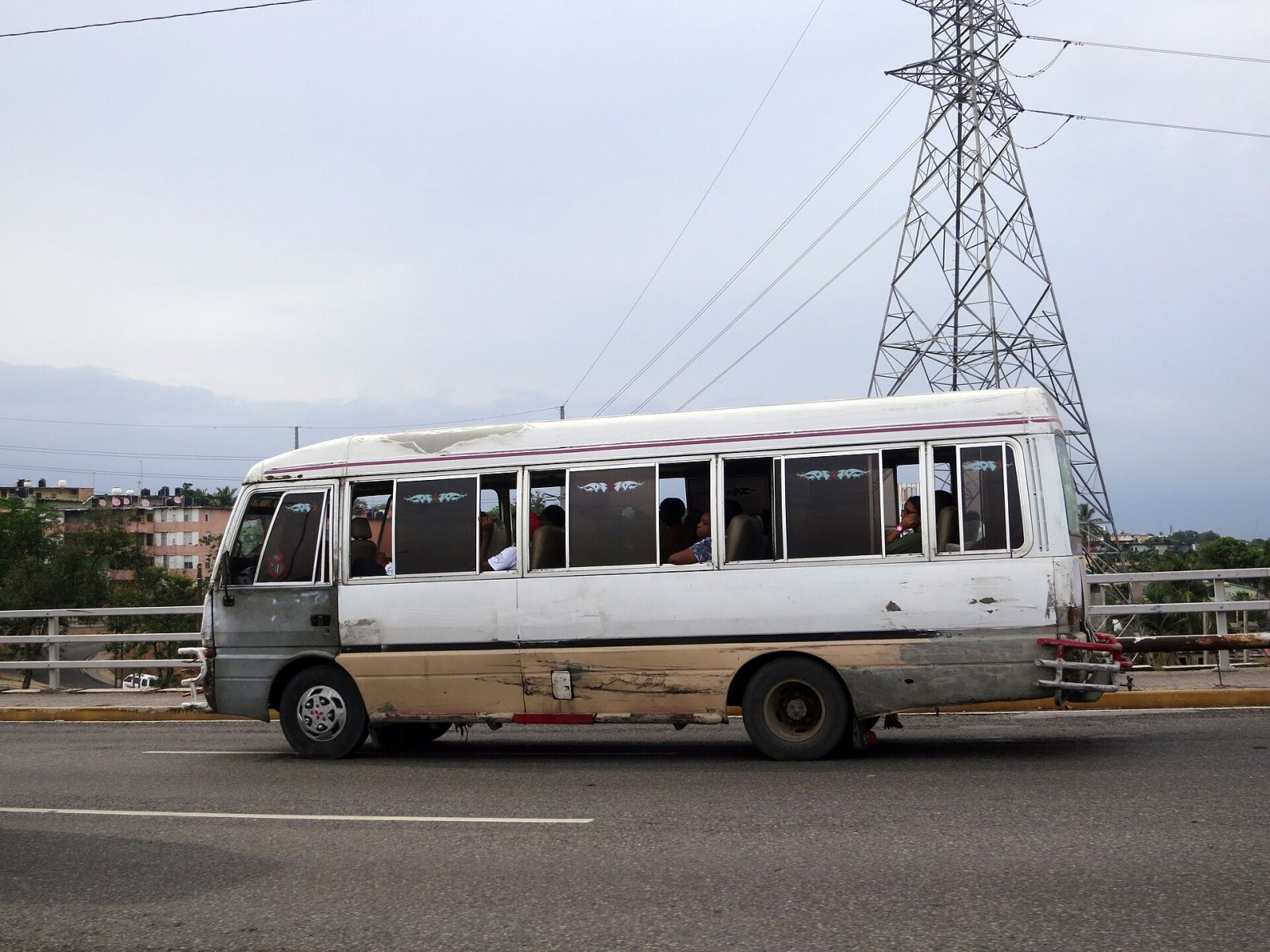
Public transport comes in three tiers. Guaguas: private minibuses running between towns, flagged down with a wave, costing pocket change, roughly 50-150 pesos per leg. This is the most colorful way to see the country: cramped, loud, bachata at full volume, but you ride with locals instead of a tour group. Tier two: big intercity coaches from companies like Caribe Tours and Expreso Bavaro, air-conditioned and on schedule, with a Punta Cana or Samana to Santo Domingo ticket in the 400-600 peso range. Tier three: taxis and motoconcho motorcycle taxis. Resort taxis run on fixed association tariffs and cost surprisingly much, a short hop easily hits 20-30 dollars, so agree on the price before getting in. Santo Domingo has Uber, noticeably cheaper. Motoconchos are fast and everywhere, but helmets are rare, which makes them a poor choice for long distances.
Renting a car is realistic: roads between major cities are decent and the toll highways are fast. The caveats: driving culture is chaotic, motorbikes appear from everywhere, and at night highways have unlit stretches and stray animals. If you drive, drive in daylight.
All-inclusive or independent: which to choose
| Criterion | All-inclusive | Independent trip |
|---|---|---|
| Weekly budget for two | Predictable, prepaid | Comparable or lower off-peak, but needs planning |
| Food | Buffet; real cuisine requires leaving the resort | Comedores, fishing villages, markets |
| Sea | The best beach strips front the hotels | Same beaches, but you hunt for public access points |
| The country itself | Excursions at extra cost | Guaguas, buses, your own pace |
| Best for | Reset vacations, families with kids | Travelers who want the country, not the hotel |
The compromise that actually works: split the week, a few all-inclusive nights in Bavaro plus a few nights in a guesthouse on Samana or in colonial Santo Domingo. You get the cocktails and the country.
SIM cards, tips and insurance: the small stuff that saves nerves
Mobile internet comes down to two carriers: Claro with the widest coverage and Altice slightly cheaper. Tourist SIMs and eSIMs with data packages are sold in official carrier stores against a passport; airport kiosks charge more for the same thing. Hotel Wi-Fi is standard but often weak beyond the lobby. Tipping: the 10% service charge is already in the restaurant bill, yet it is customary to add cash for good service, leave a couple of dollars a day for housekeeping, and tip guides and drivers after a good excursion. Medical care for tourists is paid and private clinics are expensive, with visits starting in the hundreds of dollars, so travel insurance with at least 30-50 thousand in coverage is not a box-ticking formality but the only way to avoid paying for bad luck out of pocket.
Rain and hurricanes: the honest weather talk
The official Atlantic hurricane season runs June through November, peaking in August-October. That does not make autumn travel impossible: most storms pass by, and wet-season rain usually means a violent hour-long downpour followed by sunshine. But the risk of a ruined week is real, and trip-cancellation insurance in those months is a sound investment rather than a luxury. The safest window is December through April: dry, 28-30 C, and the highest prices of the year. Track tropical systems on the US National Hurricane Center site, nhc.noaa.gov, which forecasts several days ahead.
Safety: facts versus horror stories
Resort zones like Bavaro and Bayahibe are calm: the areas are patrolled by the CESTUR tourist police, and the main real threat is petty theft of unattended beach belongings. Outside the resorts, the standard rules of large Latin American cities apply. Do not hold your phone near the roadway, motorbike snatch theft is the most common scenario. Leave jewelry and watches at home. Move at night by taxi or Uber, not on foot through dark blocks. Spread cash across pockets and never flash the full stack when paying.
A few practical extras: drink only bottled water, and with a sensitive stomach brush your teeth with it too; on floating-bar excursions watch the rum count, since most incidents in police reports involve very drunk tourists; the single emergency number 911 works nationwide.
The practical bottom line
The formula: pesos for daily life and dollars in reserve, the e-Ticket filled out in advance for free, guaguas for color and intercity coaches for distance, taxis only at a pre-agreed price. Plan the dates around hurricane season and behave in cities the way you would in any big city on earth. Handled this way, the Dominican Republic turns out far simpler and friendlier for a traveler than the forum horror stories suggest.