

Hygge is not the blanket aesthetic from an IKEA catalogue; it is Denmark's survival strategy for a country where the December sun sets at 3:40 pm. Danes consistently rank in the top three of the World Happiness Report, and a good chunk of that happiness is handmade: candles, bread with a proper crust, unhurried coffee and a table people sit around for hours. Here is what hygge actually means, and why Danish food has been setting the tone for the whole of Europe for two decades.
Hygge without the gloss
The word hygge has no one-word translation, but the essence is simple: deliberately created cosiness and a feeling of safety in the moment. A practice, not an aesthetic. Danes light candles out of habit, not for photos: statistically the country burns more of them per capita than anywhere else in Europe, and a candle on an office desk or a cafe table is normal, not an occasion. Hygge is dinner with friends and no phones, a board game while rain hits the window, a sweater you feel at home in, and a cardamom bun with your coffee.
Here is the nuance the glossy books skip: hygge is inexpensive by definition. An 80-euro bottle of wine stops being hygge, because tension and status walk in with it. Which means you can copy Danish cosiness without a Danish salary: candles, a shared pot of coffee and the overhead light switched off cost pennies. The second shadow side: hygge is inward-facing. Danes admit openly that breaking into an established circle of friends is hard for a foreigner; the cosiness works inside the circle, not outward.
Smorrebrod: the sandwich you eat with a knife and fork
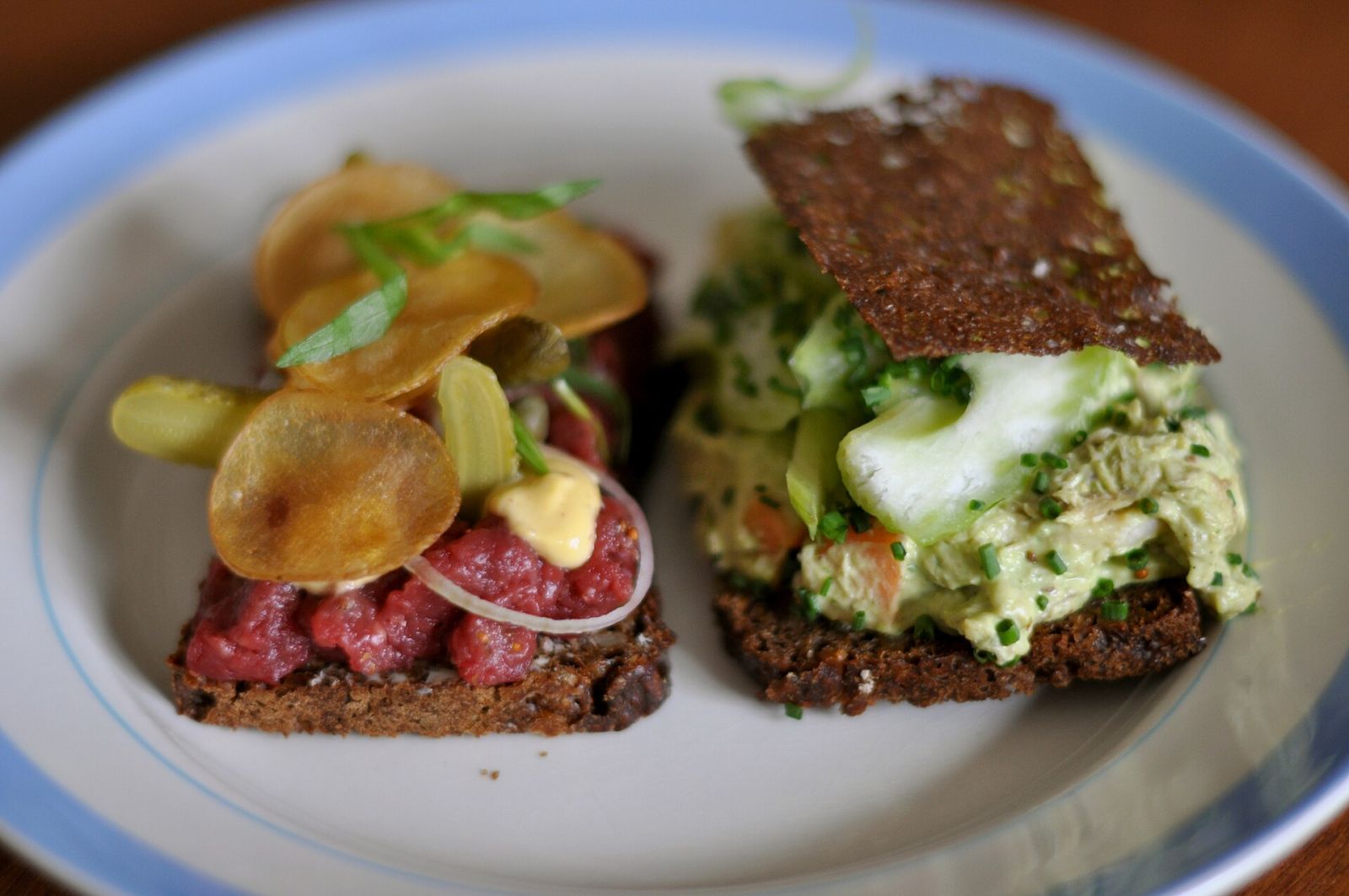
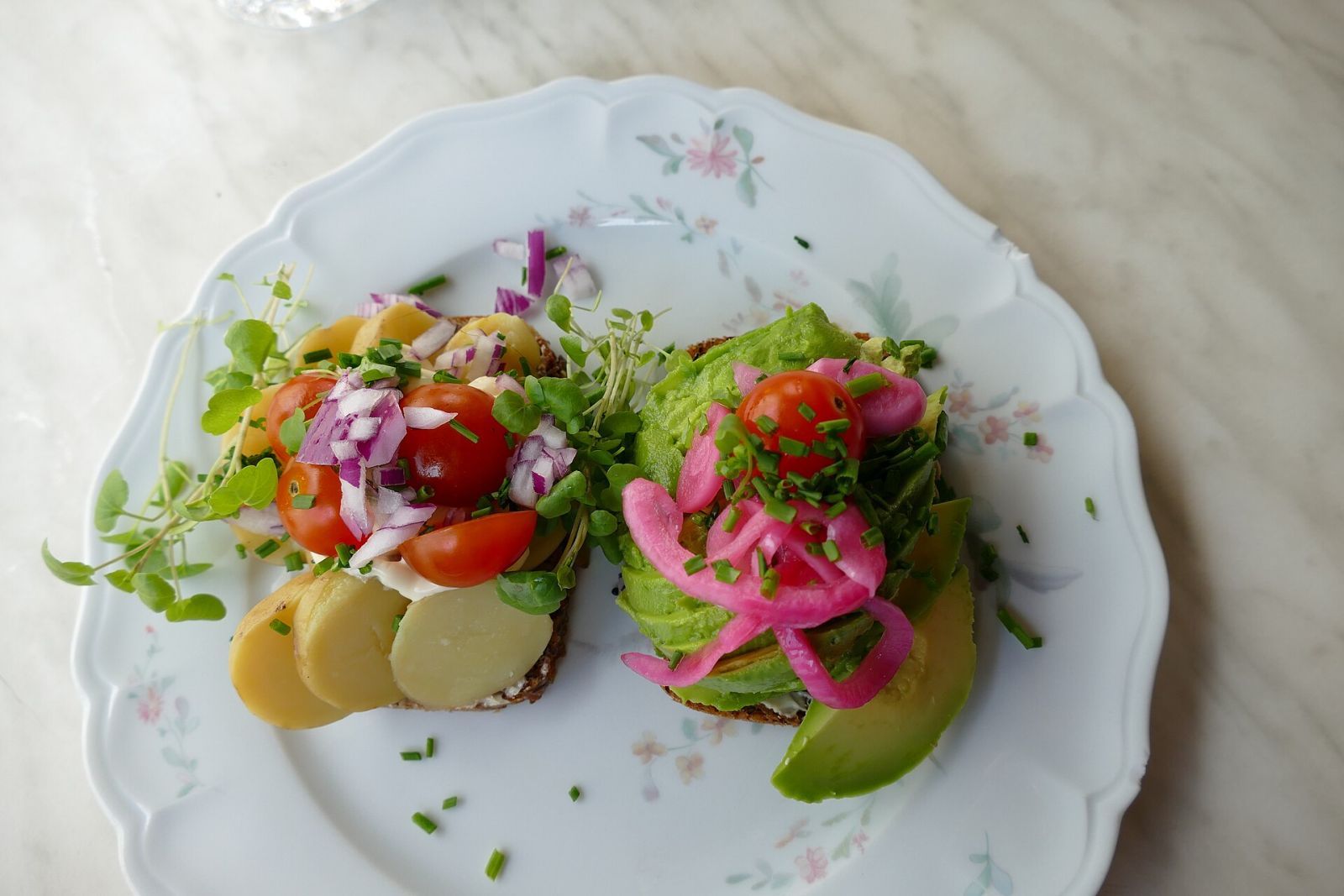
Smørrebrød is an open sandwich on dark rye bread called rugbrød: dense, slightly sour, packed with seeds. On top go pickled herring, shrimp with egg, liver pate, roast beef with remoulade or fried plaice. You eat it with cutlery, and that is not affectation: the thing is built three storeys high and would collapse in your hand.
There is an unwritten order: herring first (Danes pair it with a shot of aquavit), then fish, then meat, cheese last. In Copenhagen the classics are served in old institutions like Schønnemann, which is over 140 years old, while modern takes live at Aamanns or in the Torvehallerne food hall. Portions cost real money, and three or four pieces fill an adult completely, so order in stages.
Danish pastry and cardamom buns
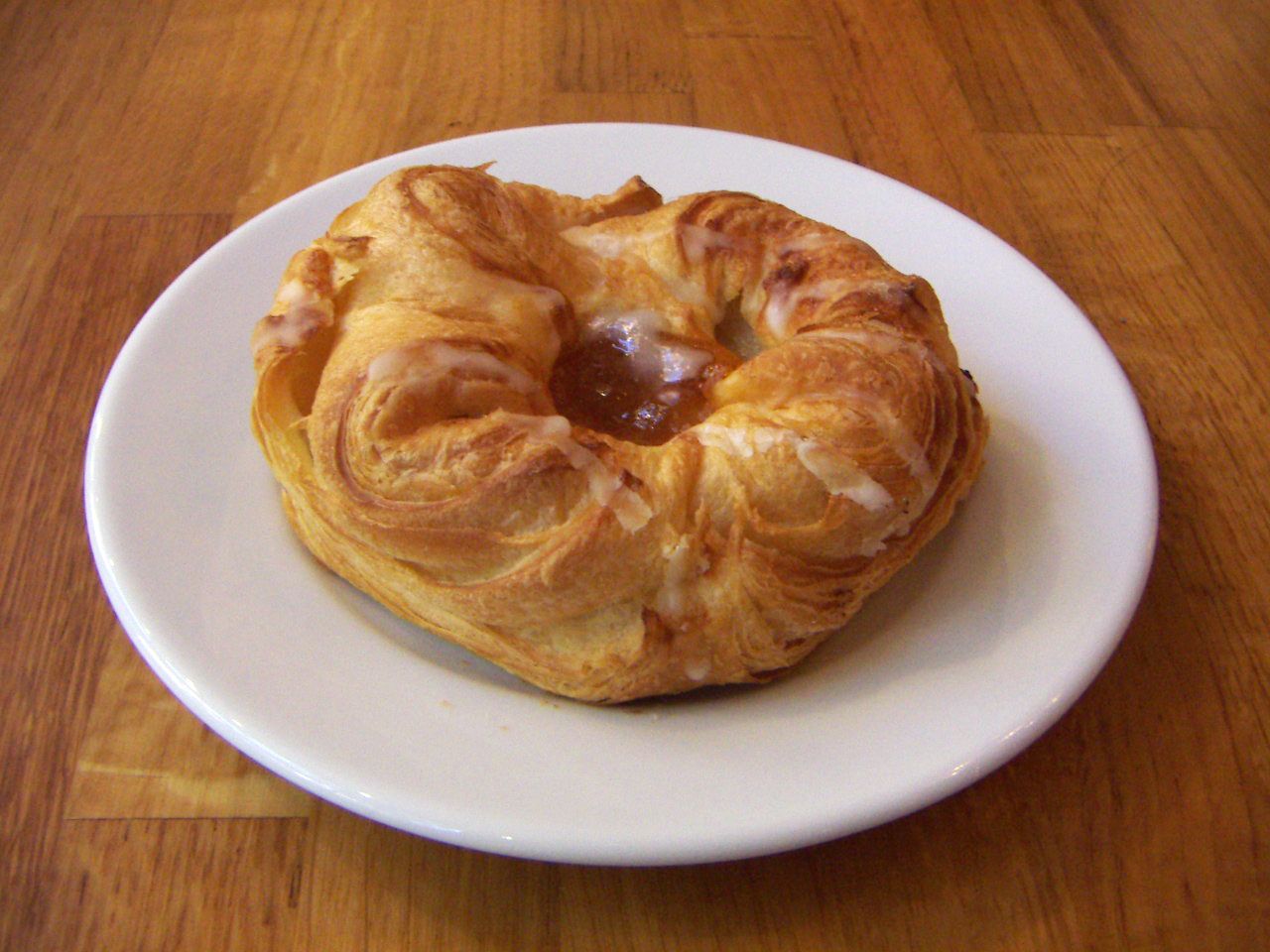
The irony: Danes themselves call their signature pastry wienerbrød, Viennese bread, because Austrian bakers brought the laminated yeast-dough technique here in the 19th century. But it was Denmark that turned it into a cult. What to pick at a bakery:
- Kanelsnegl and kardemommesnegl: cinnamon and cardamom swirls. The cardamom one is considered the grown-up choice, spicier and less sweet.
- Spandauer: the classic Danish with custard or jam in the centre.
- Tebirkes: a flaky poppy-seed bun with a layer of marzipan remonce inside. Looks modest, never misses.
- Frøsnapper: a twisted strip of dough with poppy and sesame seeds, sweet and salty at once.
Bakeries Copenhageners queue for: Juno the Bakery in Østerbro (its cardamom bun is regularly called the best in town), Hart Bageri, Andersen & Maillard, Lille Bakery. Come before noon; by 2 pm the counters empty out. A warm bun with a cup of filter coffee is probably the cheapest way to taste hygge.
New Nordic cuisine: not just Noma
In 2004 Danish chefs signed the New Nordic Cuisine manifesto: cook local and seasonal, let Scandinavian nature replace truffles and foie gras. Rene Redzepi's Noma was named the world's best restaurant five times, and Copenhagen became the gastronomic capital of the North. The good news: tasting this philosophy does not require months on a waiting list or hundreds of euros.
| Level | Where to go | Price range | What to expect |
|---|---|---|---|
| Street food | Reffen, Broens Gadekøkken | 10-16 euros per dish | Waterfront food markets: from Danish hot dogs to oysters |
| Casual | Torvehallerne, bakery cafes | 15-25 euros | Smorrebrod, soups, seasonal plates |
| New-wave bistro | Barr, Selma, Popl (by the Noma team) | 30-60 euros | Nordic technique without white tablecloths; Selma reinvents smorrebrod |
| Fine dining | Geranium, Alchemist, Jordnær | from 250 euros, book months ahead | Starred tasting menus lasting hours |
A saver's trick: the Danish lunch, frokost, at many serious restaurants costs half the dinner price for the same kitchen. And watch for the word sæson on menus: seasonality here is not marketing. Spring brings asparagus and wild garlic, autumn brings pumpkin and game.
Copenhagen coffee: the Scandinavian school
Danes drink coffee somewhere between Italy and hipster Brooklyn: light roasts, bright acidity, and filter brews respected no less than espresso. Names worth knowing: Coffee Collective (pioneers of direct trade with farmers, several locations including Torvehallerne), Prolog in the Kødbyen meatpacking district, Andersen & Maillard where coffee meets pastry from their own bakery, and La Cabra with its near-laboratory approach. A cappuccino runs 5-6 euros, and yes, that stings, but coffee here is poured without hurry and without a to-go cup chasing you out. Sitting for an hour over one cup is entirely normal. That, too, is hygge.
Candles, winter, and why December is peak hygge
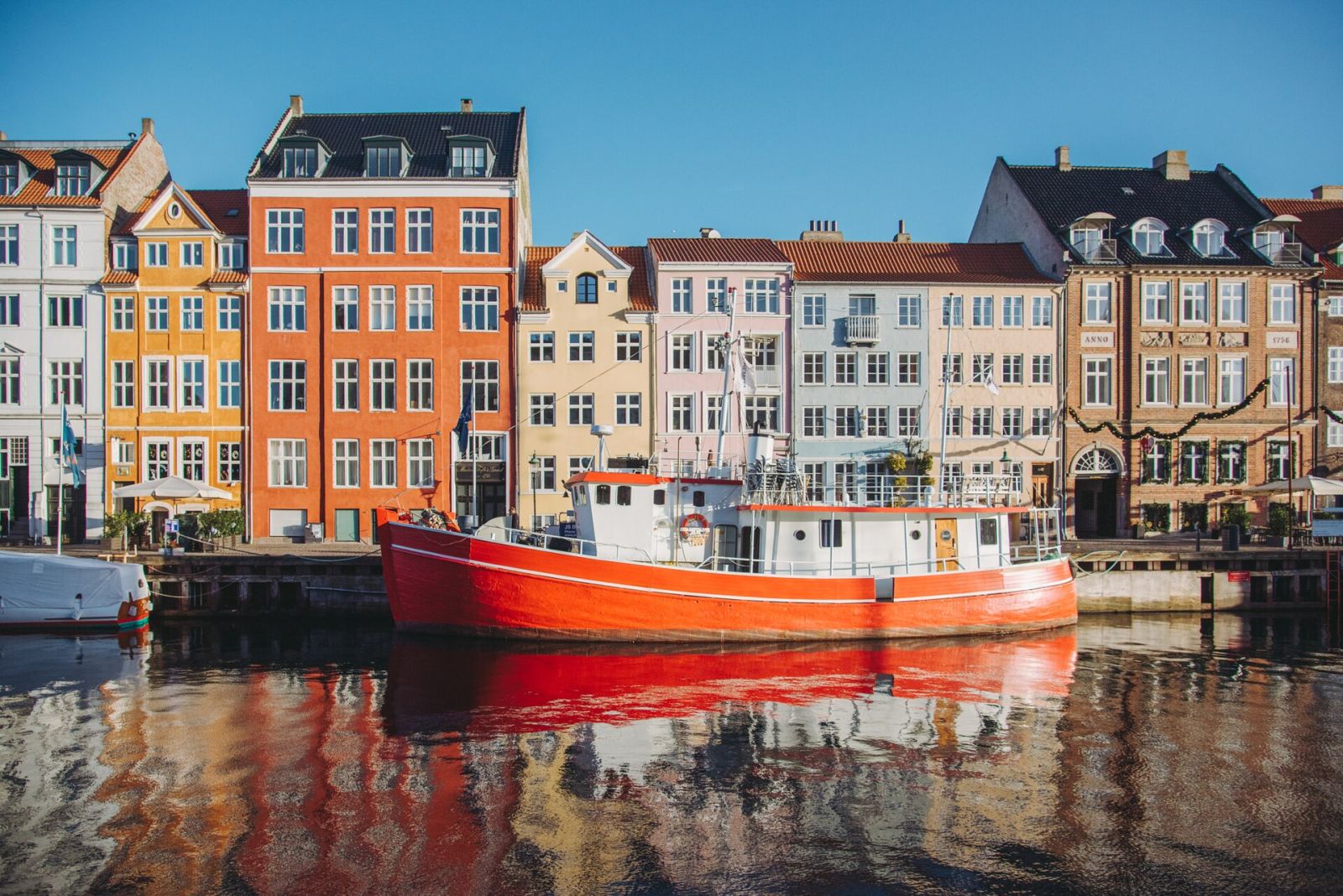
Danish winter is not about frost, it is about darkness: Copenhagen gets under seven hours of daylight in December, plus Baltic wind and drizzle. That is why hygge is a seasonal sport peaking from November to January. The city answers darkness with light: garlands over the streets, Christmas markets, and Tivoli Gardens turning into one continuous illumination over the holidays (check schedules and tickets on the official Tivoli site). Cafes bring out gløgg, mulled wine with spices, almonds and raisins, and æbleskiver, round doughnut puffs served with apple jam.
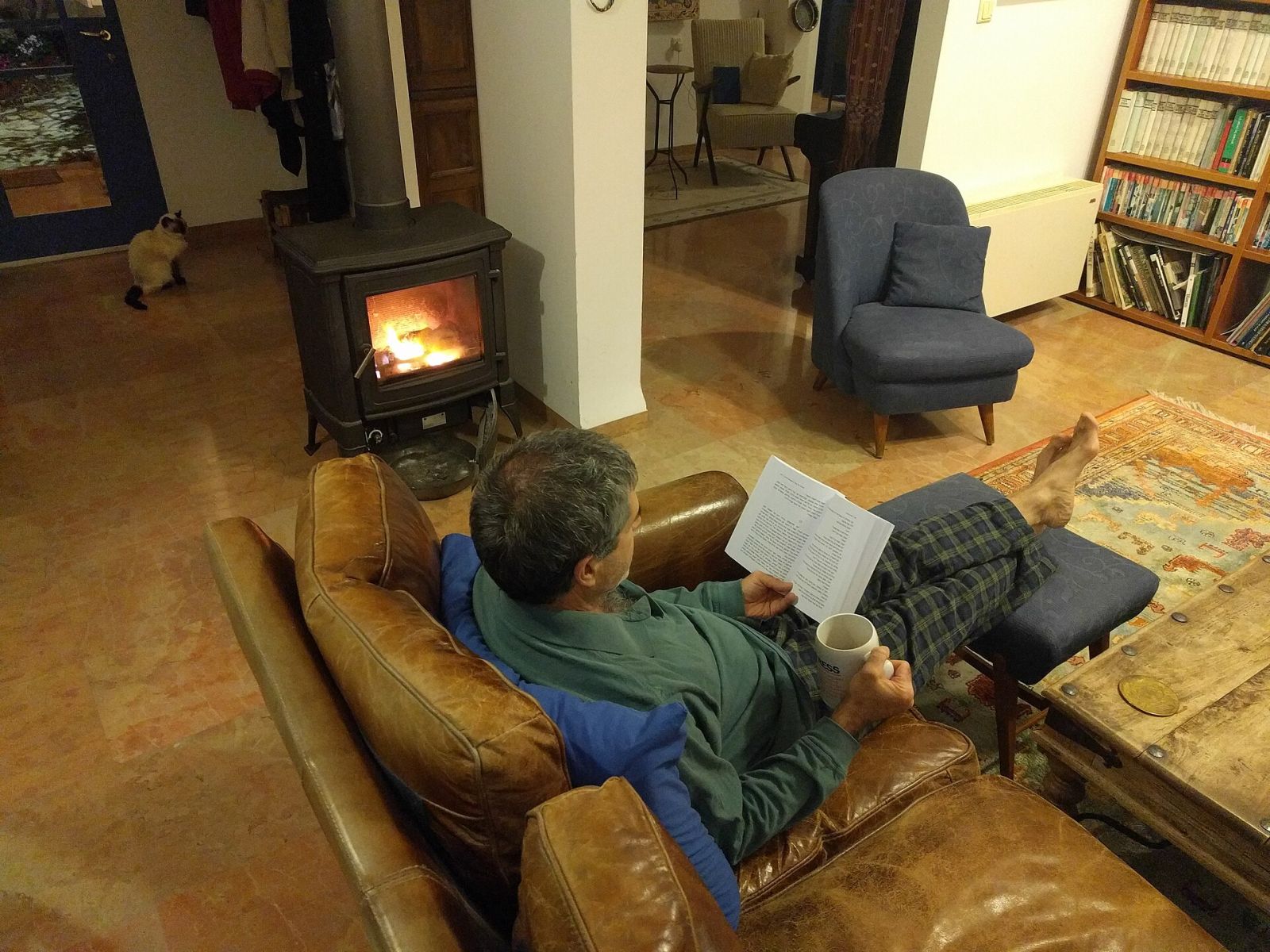
If you visit in winter, dress like a Dane: a windproof jacket and a hat rather than an umbrella (the wind eats umbrellas). Plan your day in blocks: museum, then cafe, then a walk, then somewhere warm again. Nobody freezes heroically here, and neither should you.
What it costs and how not to go broke
Denmark is expensive, full stop: a cafe lunch is 20-30 euros, a beer in a bar 7-9. But the budget can be managed. Bakeries instead of restaurants for breakfast. Food markets instead of table service. Tap water is drinkable everywhere, so carry a bottle. Netto and Rema 1000 supermarkets are noticeably cheaper than 7-Eleven. Everything is paid by card; cash is simply unnecessary. Verify prices before your trip, as the krone and Danish inflation adjust the numbers every year.
And the main Danish lesson travels home free of charge: hygge cannot be bought, only arranged. A candle, a fresh cardamom bun, slow coffee and people you can comfortably be silent with. The Danes were simply the first to give it a name and turn it into a national idea.