

Bosnia and Herzegovina lets most travelers in without a visa, runs on a currency hard-pegged to the euro, and connects its two main cities with a train ride that justifies the trip all by itself. Still, Bosnia travel tips are worth reading in advance: the country consists of two parts with different flags and alphabets, the buses are slow, and there is the landmine question off marked trails, which locals discuss openly rather than hide. Here is the practical side laid out plainly: money, transport, documents, safety.
The convertible mark: how money works here
The national currency is the convertible mark, abbreviated KM or BAM. The one thing to know: the rate is locked solid, 1 euro equals 1.95583 marks, and it has been that way since the late nineties. The math is therefore easy: halve any price in marks and you get the rough figure in euros. A 20-mark lunch is about 10 euros.
Tourist spots often accept euro cash, but the rounding never favors you, so withdrawing marks from an ATM or using an exchange office pays off. Cards work in hotels, supermarkets and larger restaurants, while ćevabdžinicas, markets, city buses and taxis outside the capital run on cash. The sensible setup: card for big spending plus a cash reserve for a day or two. And do not stockpile marks: outside Bosnia nobody wants them, and exchanging them back abroad is either impossible or punishing.
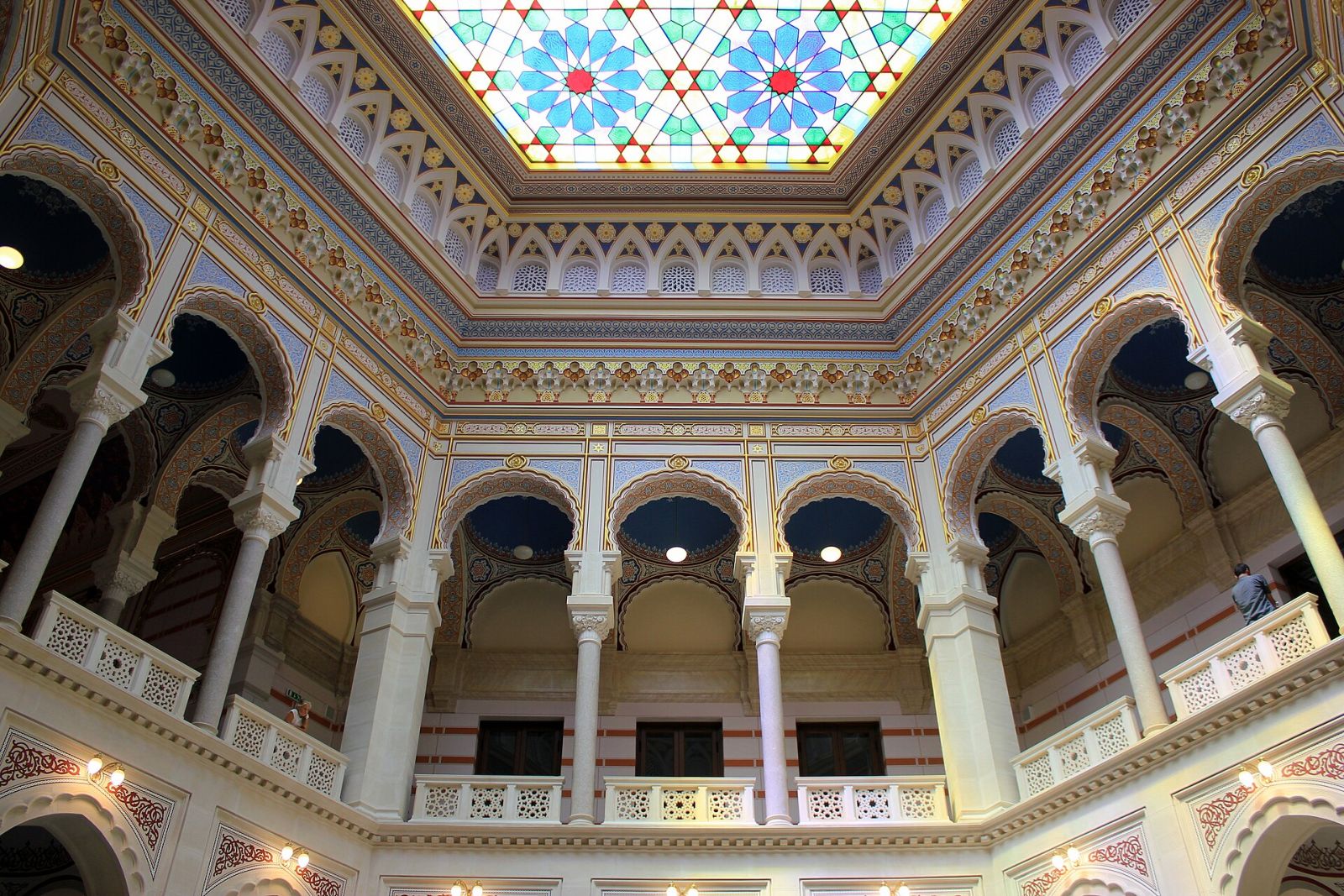
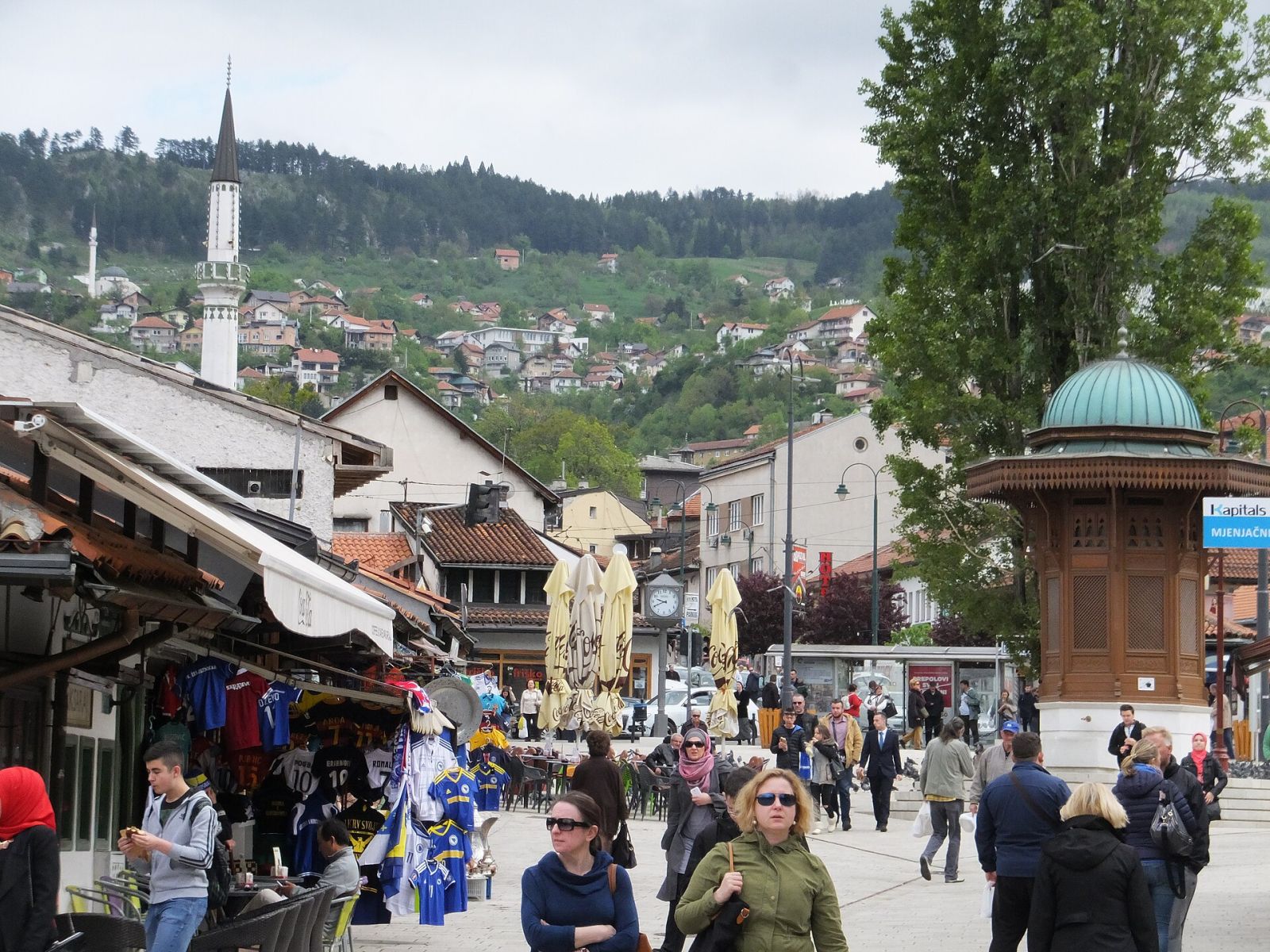
The price level is a pleasant surprise. Bosnia is noticeably cheaper than Croatia or Montenegro: a portion of ćevapi costs 5-8 marks, coffee 2-3, and a decent guesthouse room in Sarajevo or Mostar can be found for 40-70 marks for two. Prices drift, so verify current numbers before the trip.
Visas and the border
Citizens of the EU, UK, US and many other countries enter visa-free for short stays; Ukrainians get 30 days on a biometric passport. Bosnia is neither in Schengen nor in the EU, so you receive passport stamps on entry and exit, and days spent here do not count against your Schengen allowance, which makes the country a favorite stop for long-term travelers resetting their clock. Border officers are relaxed but may ask about accommodation and route. Travel insurance is not formally required, though going without it is careless. Check current entry rules before booking on an official source such as the Ministry of Foreign Affairs of Bosnia and Herzegovina.
Transport: buses carry the country
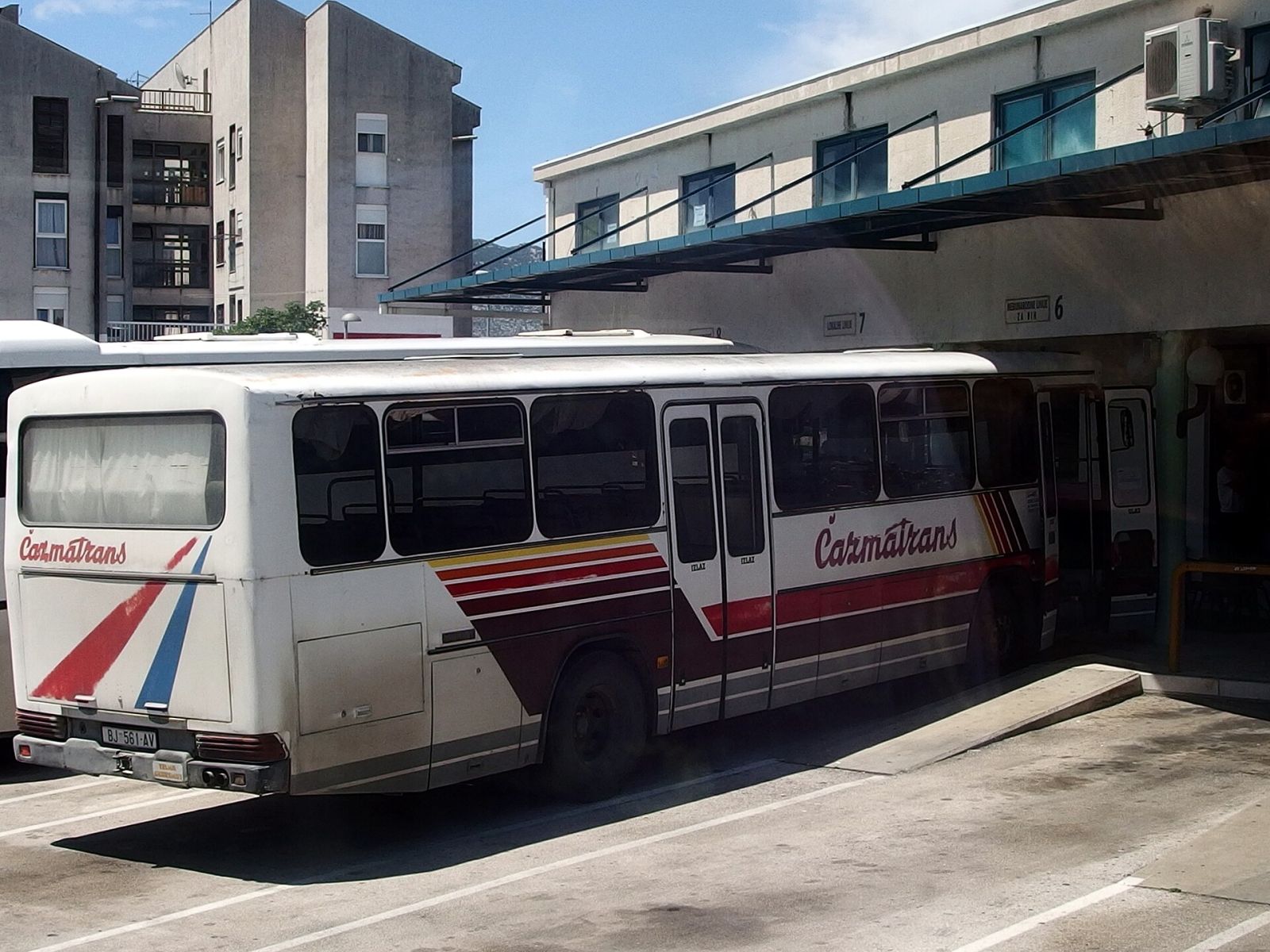
The rail network is skeletal, so intercity travel means buses. They run frequently and cost little, but the pace is Balkan: mountain switchbacks and coffee stops take their toll, and the 130 kilometers from Sarajevo to Mostar take a bus two and a half hours. Tickets are sold at bus stations for cash, and popular morning departures in season are worth buying ahead. One quirk that surprises everyone: the driver charges a separate small fee for luggage in the hold, one or two marks, and this is not a bribe but official local practice.
Sarajevo runs trams that rank among Europe's oldest: the line opened in 1885 as a test track for Vienna. Tram number 3 passes most of the stops a visitor needs. Taxis are cheap by European standards, a base fare plus a few marks across town, but make sure the meter is on or agree on the price before setting off. Bolt operates in Sarajevo and remains the easiest way to skip the fare debate entirely.
The Sarajevo-Mostar train: an attraction for the price of a ticket
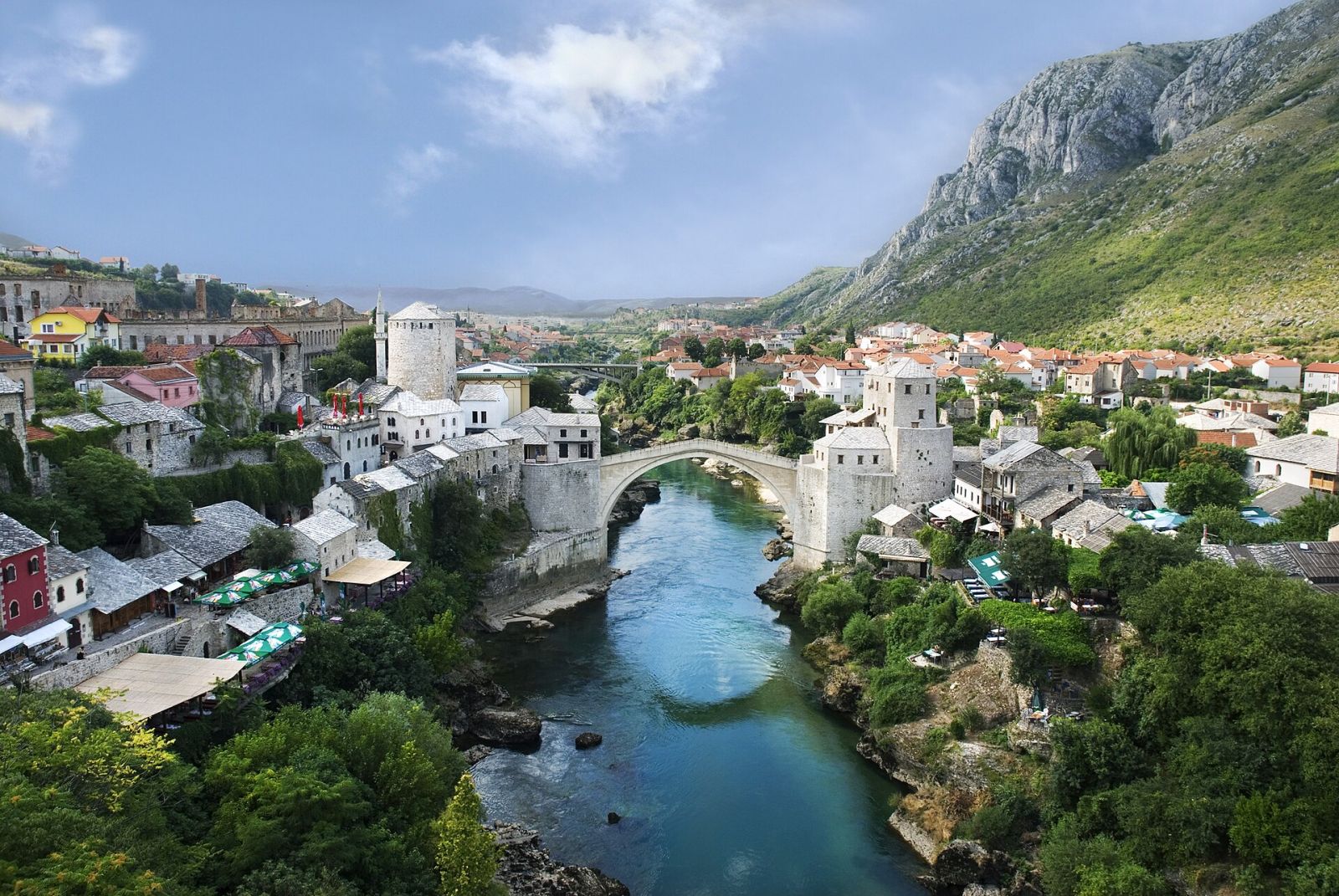
The one rail line a visitor truly needs links Sarajevo and Mostar, and it is among the most scenic short train rides in Europe. A modern Talgo train takes about two hours through the Neretva canyon: tunnels, bridges, emerald water a hundred meters below the window, the Ivan mountain range overhead. A ticket costs around ten marks, there are usually two departures a day in each direction, and the timetable shifts by season, so check it on the Željeznice FBiH website. Seat advice: heading toward Mostar, the best views open on the left side in the direction of travel. Many travelers deliberately take the train one way and the bus back to see both roads.
Two entities: what it means in practice
Since the war, the country has been assembled from two parts, the Federation of Bosnia and Herzegovina and Republika Srpska, plus the small Brčko District. These are not two state borders but internal architecture: you cross the line with no checks at all and often only notice because road signs switch to Cyrillic and different flags hang from the poles. For a visitor the practical difference is minimal: same currency, similar prices. Republika Srpska holds gems of its own, Trebinje with its old town and monasteries among them, so there is no reason to confine your route to one half. A single word of caution: avoid starting political debates about the war on either side, since the wounds remain fresh.
Landmines: honestly and without panic
Now the topic many guidebooks tiptoe around. The war of the nineties left minefields behind, and clearance continues to this day: the hazardous zones lie mostly along former front lines, in the mountains and around abandoned villages. It sounds alarming, but the practical rule is single and simple: stay on roads, marked trails and inhabited ground. Every tourist location, all the cities, the marked national parks and the popular guided hiking routes are safe. Dangerous areas are flagged with red skull signs or the words Pazi mine, and those signs mean exactly what they say. Do not wander into abandoned houses, ruined structures or overgrown fields off the path, even for a spectacular photo. Follow these rules and the risk to a visitor is effectively zero, which the statistics confirm: casualties are almost always local loggers and scrap collectors, not travelers.
City safety and everyday details
By street-crime standards Bosnia is calmer than most of Western Europe. Evening walks through Sarajevo or Mostar pose no problem, and the most realistic risk is pickpockets on crowded trams and in the bazaars. A few everyday facts that will save you some nerves:
| Question | How it really is |
|---|---|
| Language | Bosnian, Serbian, Croatian: effectively one language. Young people speak English, the older generation often German |
| Tap water | Drinkable in Sarajevo and most towns; in the mountains everyone drinks from springs |
| Connectivity | A local SIM or eSIM costs a few euros; EU roaming does not apply here |
| Smoking | Heavy and nearly everywhere; non-smoking rooms in cafes are rare |
| Sundays | Small shops may close, restaurants and bazaars carry on |
The summary comes out down-to-earth. Money: a mark pegged to the euro, cash essential. Transport: buses everywhere, with the Sarajevo-Mostar train as the headline attraction. Documents: passport, visa-free entry for most, insurance. Safety: relaxed in the cities, stick to trails in the hills. With that preparation, Bosnia for tourists turns into one of Europe's most sincere and affordable destinations, where the surprises tend to be the pleasant kind.