

You could say that Spain was late to the party when it came to recognition among the world's great culinary nations.
While Italy and France spent years in the spotlight, Spain was quietly biding its time.
In recent years, though, people have come to appreciate the remarkable flavors and the sheer variety of ingredients that Spanish cooking has to offer.
Partner links: booking through them supports the blog at no extra cost to you.
Renowned chefs such as Ferran Adria, creator of the now closed El Bulli, and the Roca brothers, founders of El Celler de Can Roca, brought international acclaim to Spanish haute cuisine. And in 2023, Spain had more entries on the list of the world's 50 best restaurants than any other country.
But the heart of Spanish cooking still lies in its rural, home-style nature, a legacy of the days when Spaniards had to work the land hard to get everything it could offer.
These 14 dishes, from seafood and meat to rice and pastries, are must-tastes on any trip through Spain.
Paella Valenciana
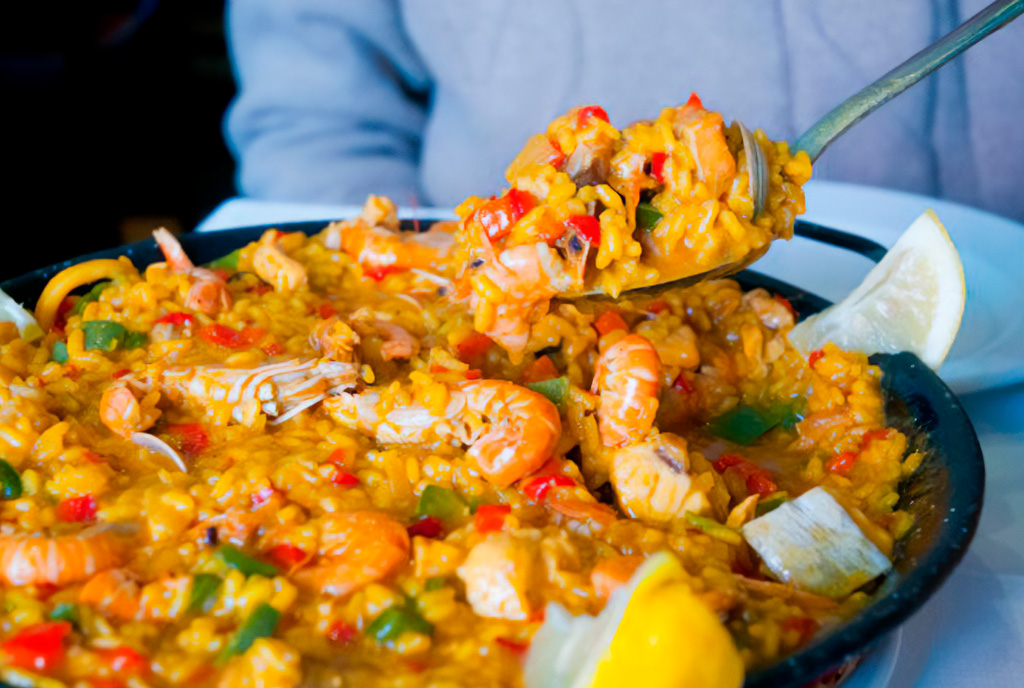
Paella is probably the best known Spanish dish and, without a doubt, one of the most badly cooked. Authentic paella hails from the region around Valencia and comes in two varieties: paella Valenciana, with rabbit and chicken, and seafood paella.
Saffron gives the rice its color, and the base should be left to develop an appetizing dark crust known as socarrat. Spaniards eat it only at lunchtime.
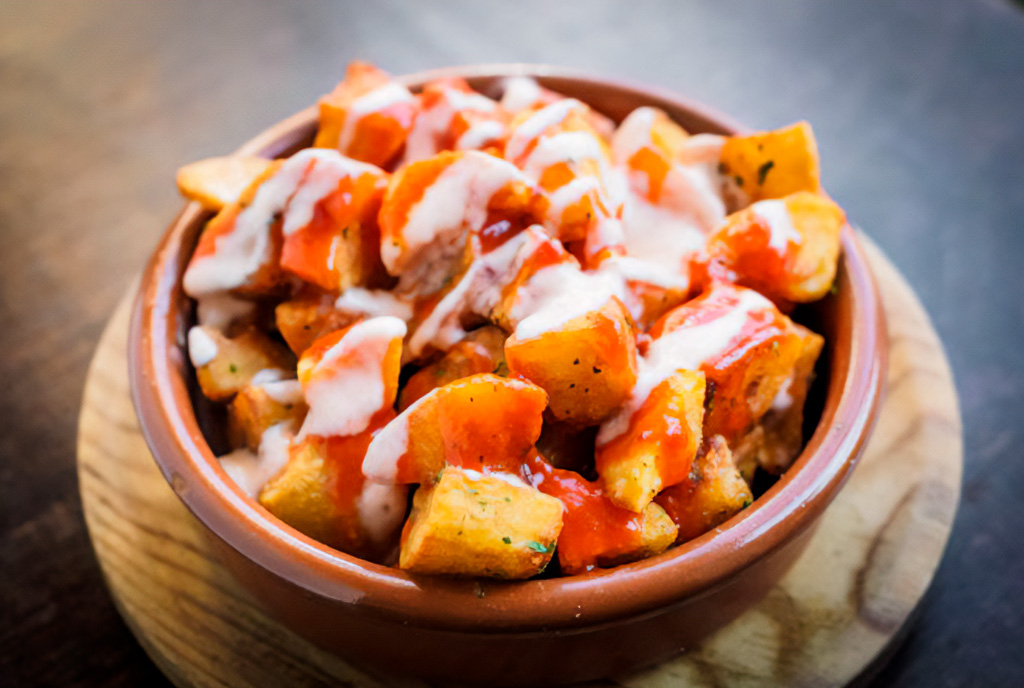
Patatas Bravas
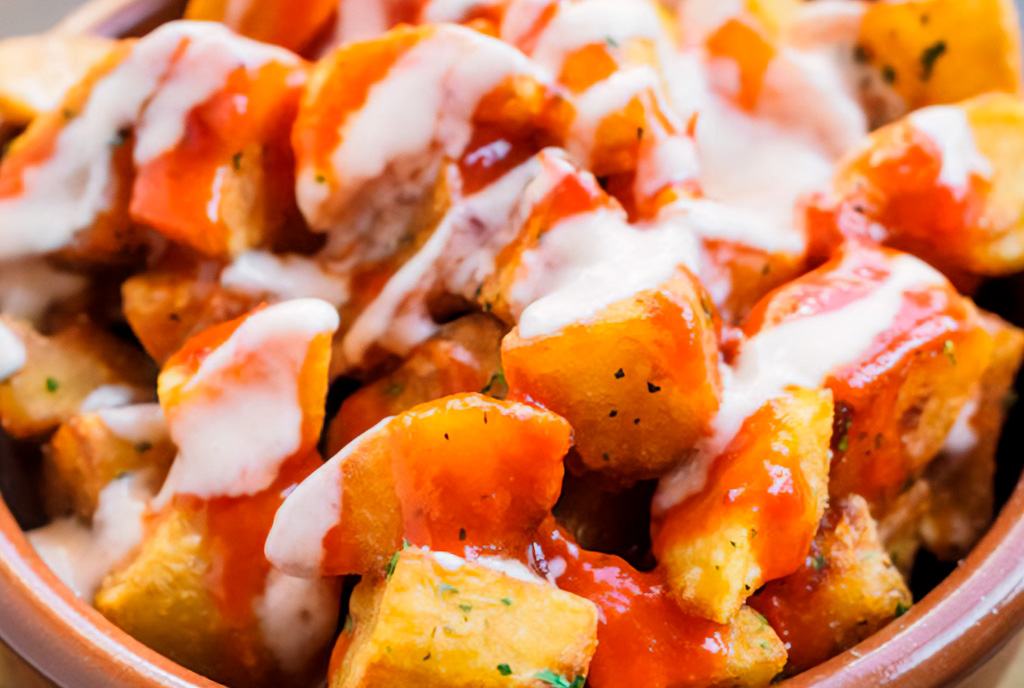
A staple among the small bites that make up a classic tapas menu, patatas bravas ("brave potatoes") get their name from the spicy sauce, a rarity in a country that usually shies away from fiery food.
The potatoes are cut into cubes, fried in a little oil, and served the same way everywhere. The sauce can vary widely, from spicy ketchup to garlic mayonnaise dusted with pimenton (smoked paprika), or both.
According to one theory, the grubbier the bar, the better the bravas.
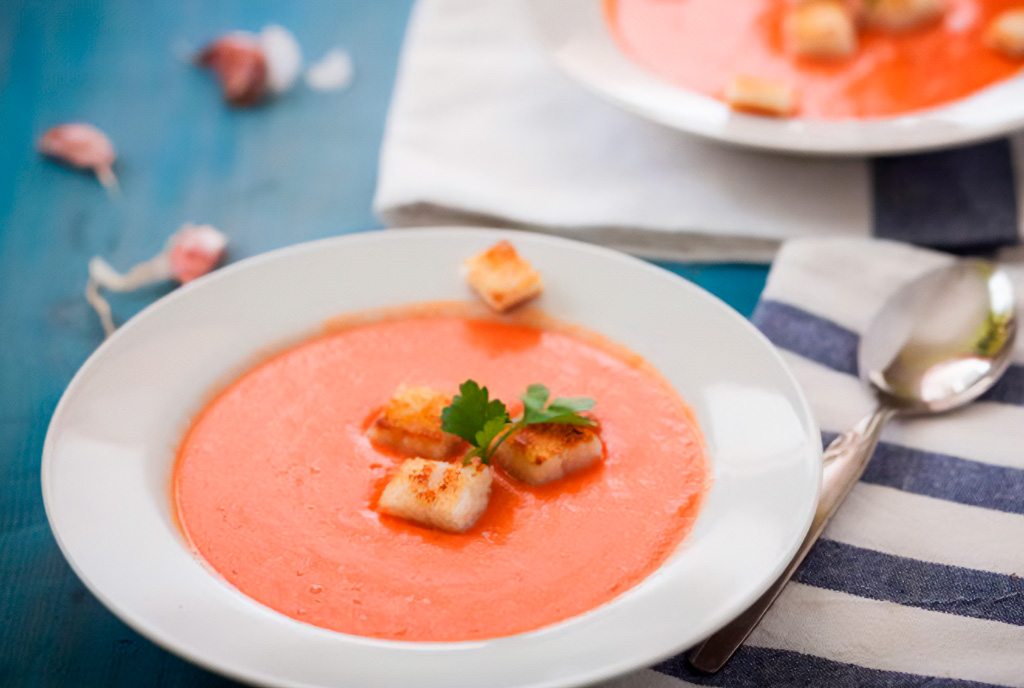
Gazpacho
This Andalusian tomato-based soup is best known for being served cold. That can come as quite a shock to anyone not expecting it, but in the searing heat of a Seville summer the appeal becomes obvious.
Its main ingredients, aside from tomatoes, are peppers, garlic, bread, and plenty of olive oil.
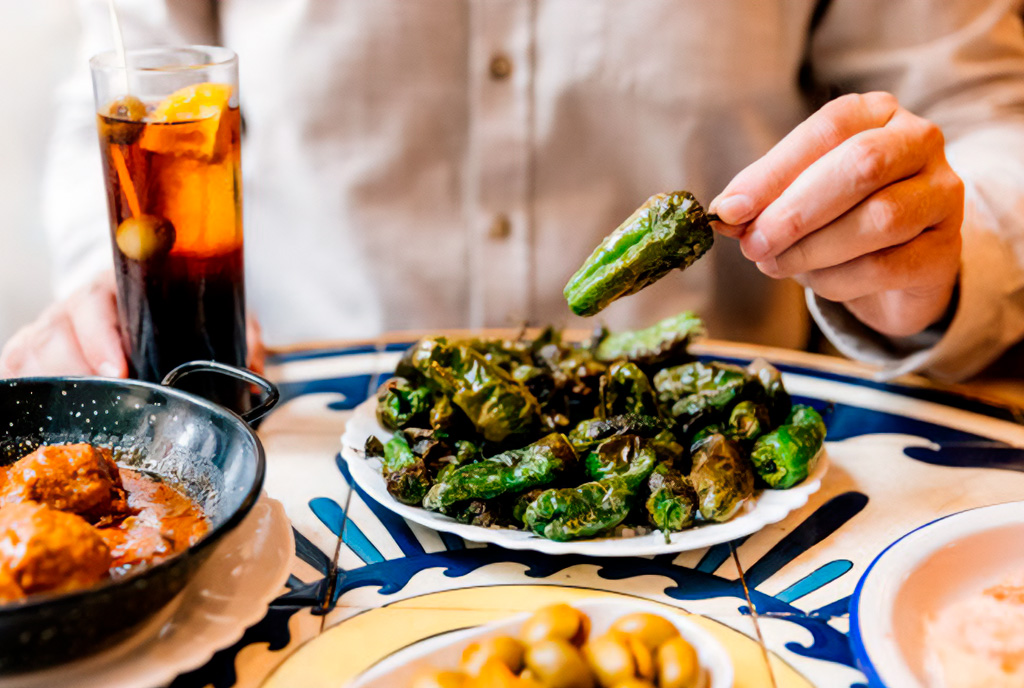
Pimientos de Padron
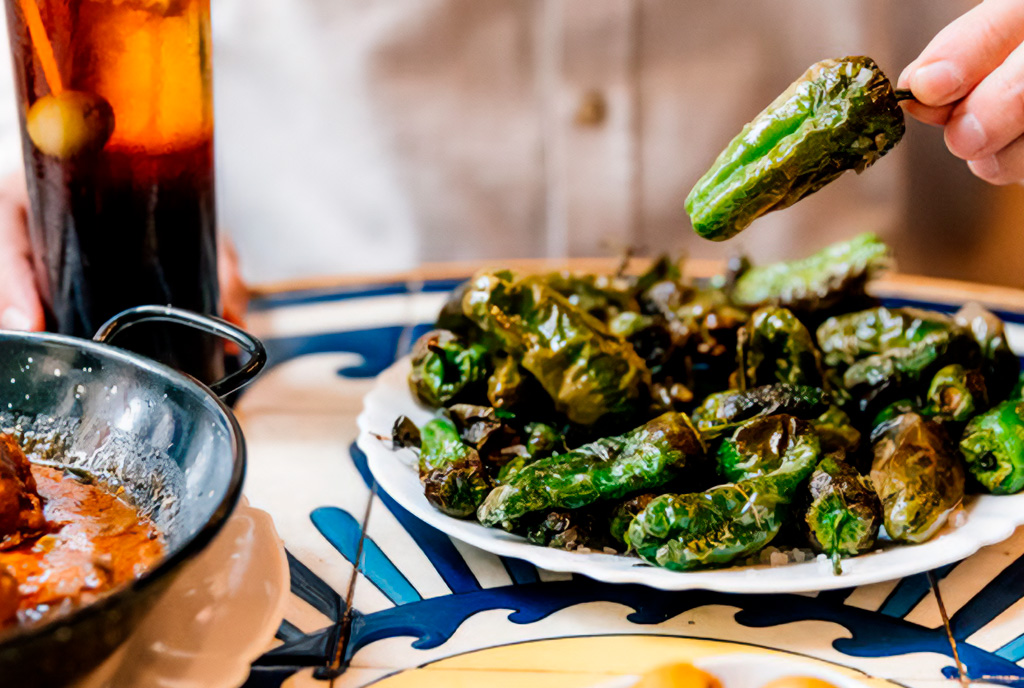
A common item on tapas menus, pimientos de Padron are green peppers that originate from the town of the same name in Galicia, in Spain's lush, rainy northwest.
Pimientos de Padron are fried in olive oil and served with a generous sprinkling of salt. Although they are usually sweet and mild, their popularity rests on the fact that every so often you'll hit a very hot one, adding an element of surprise a bit like Russian roulette.
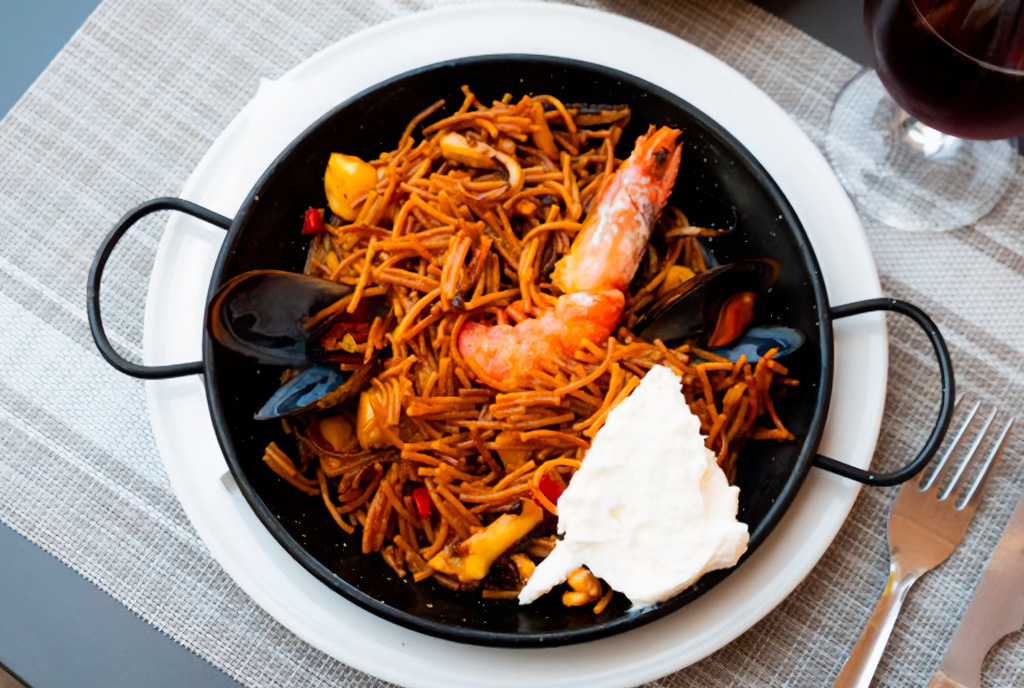
Fideua
Less familiar to tourists, fideua is a type of Spanish pasta similar to vermicelli. It's popular in Catalonia and Valencia in seafood dishes that rival paella for flavor and complexity.
Fideua is usually cooked in a paellera.
Jamon
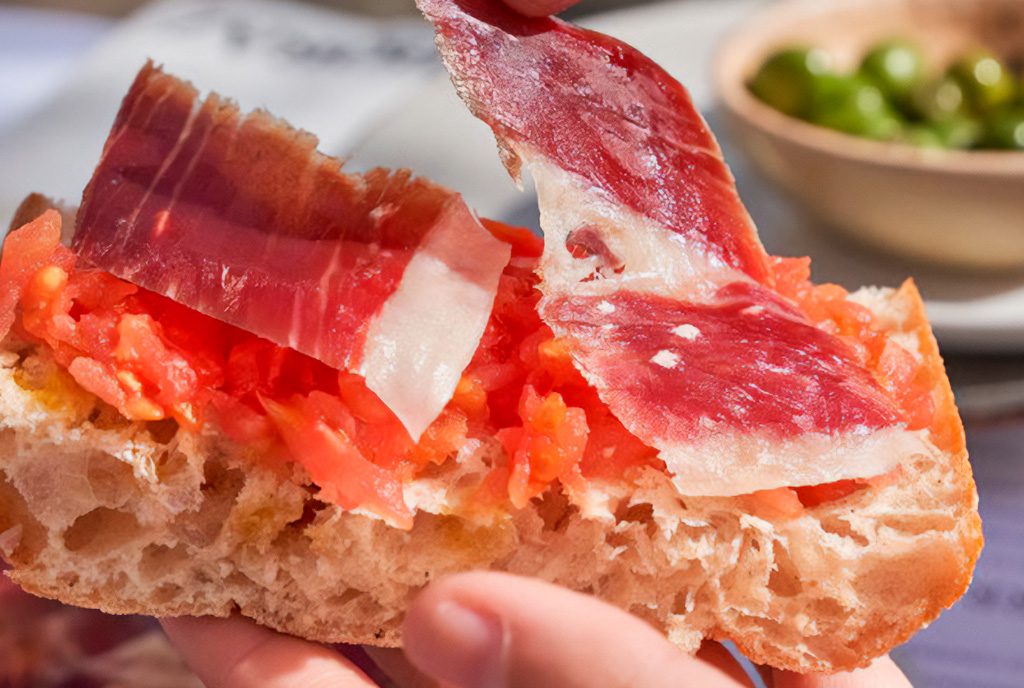
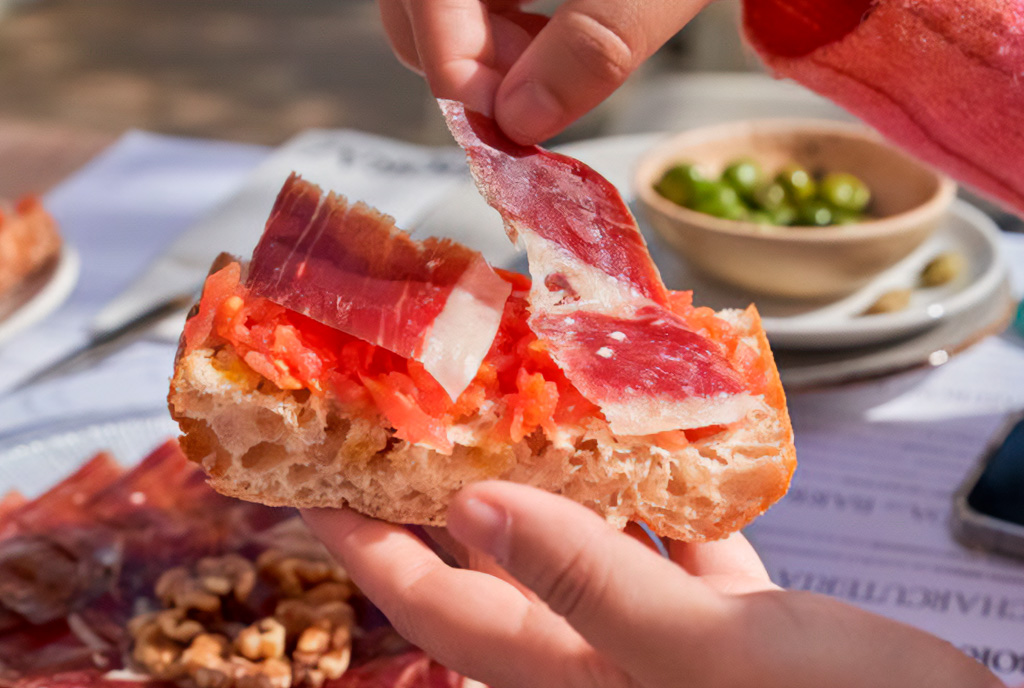
Jamon, or cured ham, is the most famous Spanish product of all. The legs were traditionally salted and hung up to dry so they could be kept through the long winter months.
Jamon serrano (mountain ham) is the most common type and is made from white pigs; the pricier jamon iberico (pictured) is made from black pigs.
The finest jamon should be savored in thin, melt-in-the-mouth slices on its own, with a little bread.
"Jamon is the foundation of the Spanish table," says chef Jose Pizarro, creator of the José Tapas Bar, Pizarro, and José Pizarro restaurants in London, among several other venues.
"We eat it before a meal; its salty, rich acorn flavor is the perfect companion to sherry and coffee, and it whets the appetite for the feast to come.
"It's great value, and a leg can last a very long time if you cover and store it properly. Look for 'waxy' fat: when you rub it, it should melt on your skin like candle wax."
Tortilla
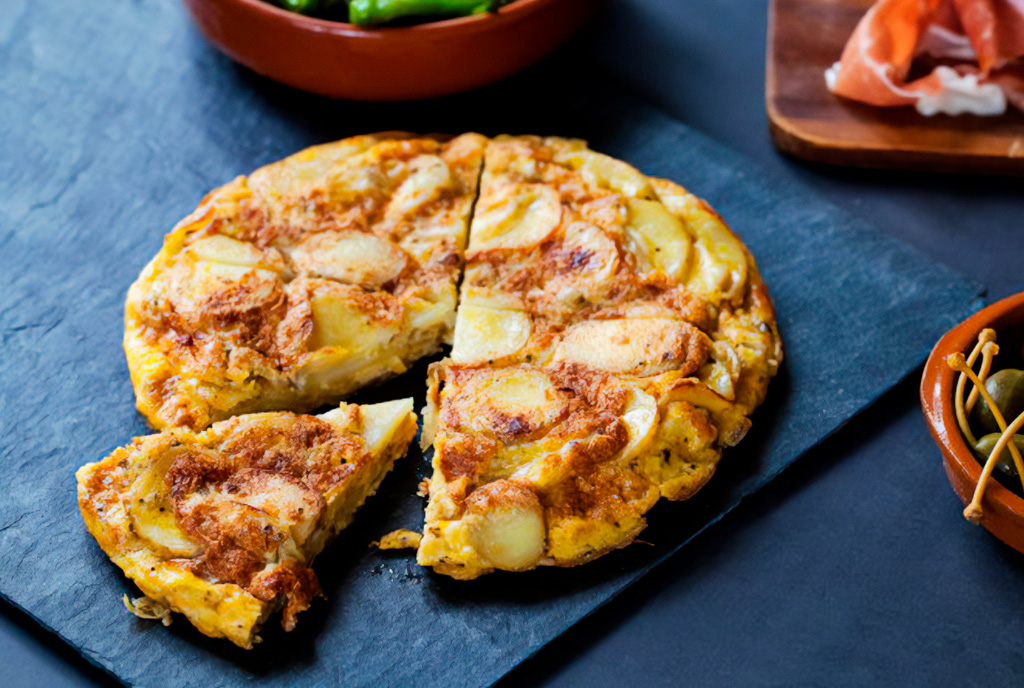
The humble Spanish omelette can be made with chorizo, peppers, and onion, among other ingredients, but purists will tell you it should contain nothing but potato and egg.
The potatoes are diced and lightly fried before being added to the egg mixture and cooked over high heat; the trickiest part is when you have to flip the pan to turn the tortilla over.
If you pull it off, someone should shout "Ole!". If you don't, you'll have a sticky, undercooked tortilla everywhere.
Churros
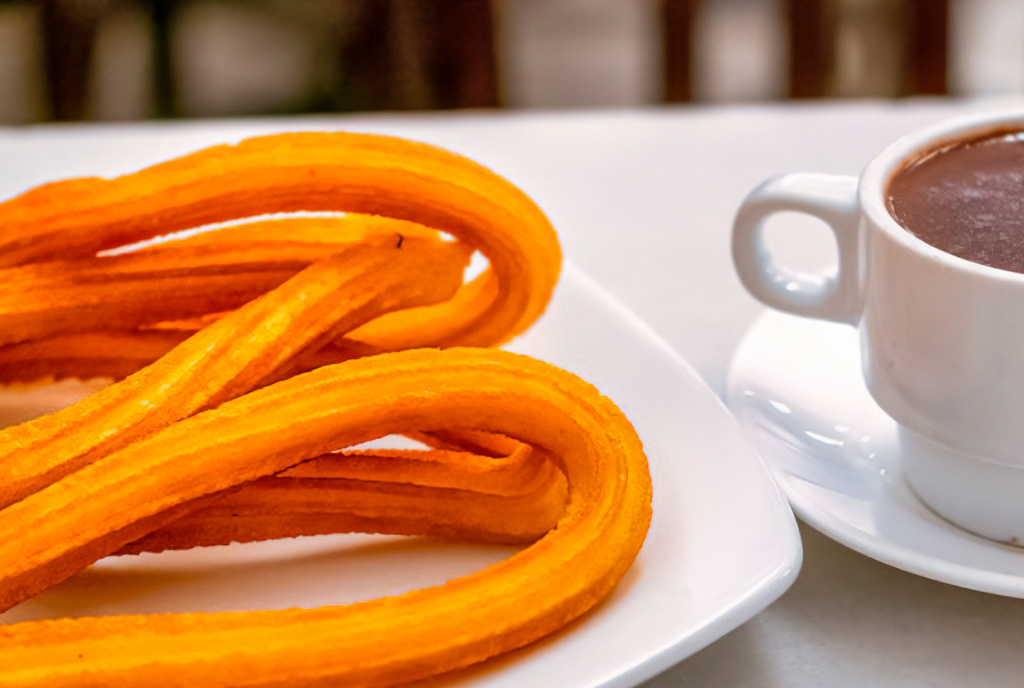
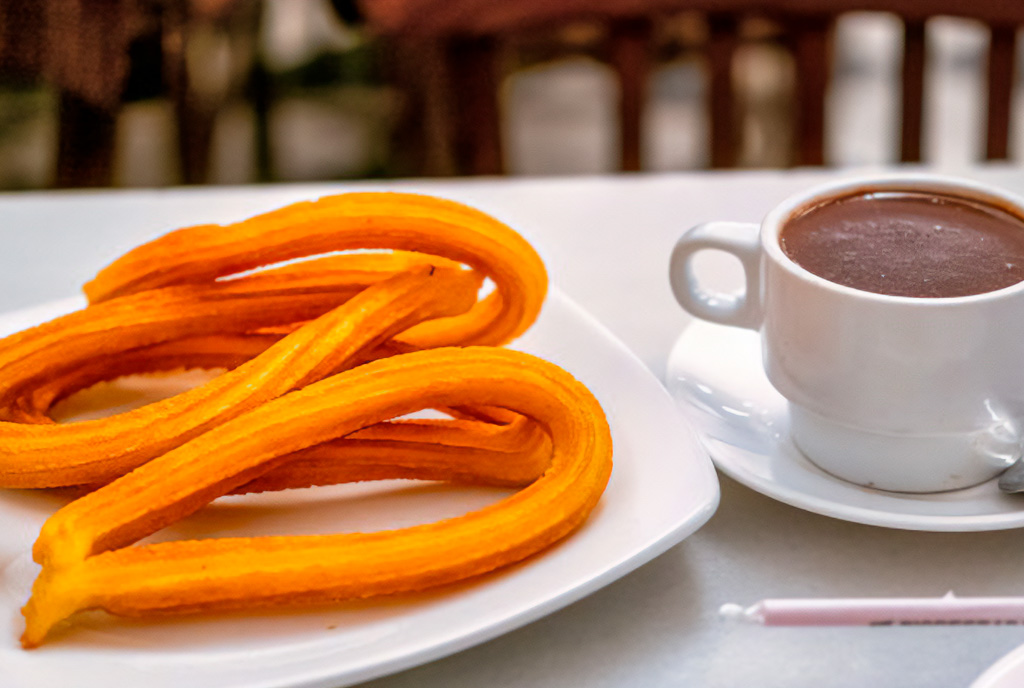
Churros are a popular fried-dough snack, piped into sausage shapes and coated in sugar. They're a favorite treat at fiestas or street parties, where roadside vendors sell them. Dunking them in hot melted chocolate is practically the law.
Croquetas
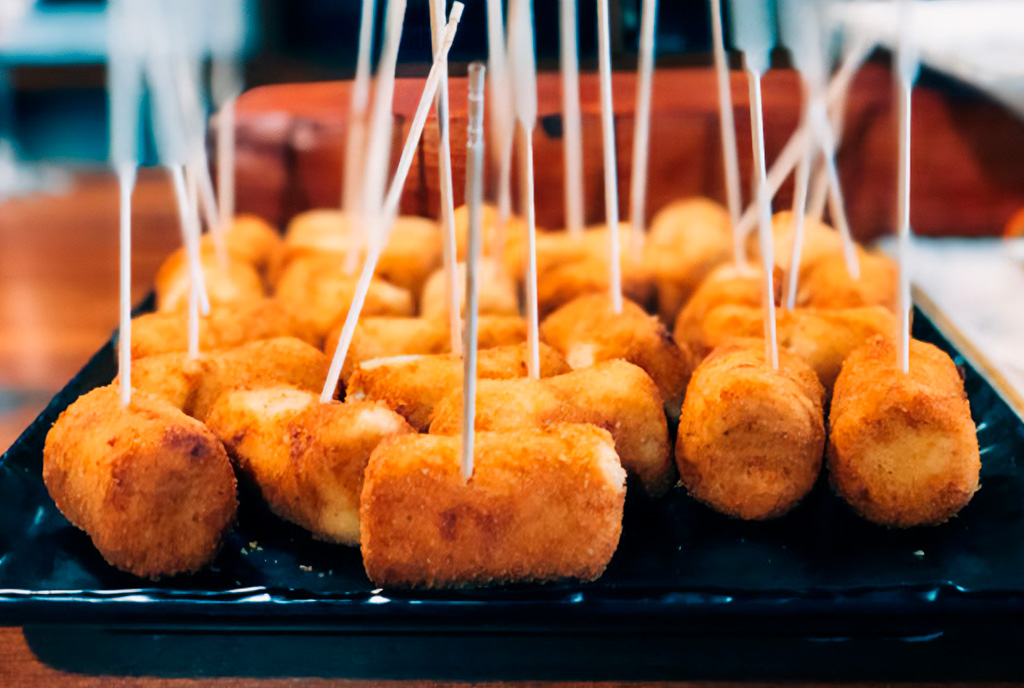
Another classic on the tapas menu, croquetas are tubes of bechamel sauce wrapped in fried breadcrumbs, but far tastier than that sounds.
Croquetas made with jamon and salt cod are common. They're tricky to make, and perhaps best enjoyed in a tapas bar, washed down with a cold beer.
Albondigas
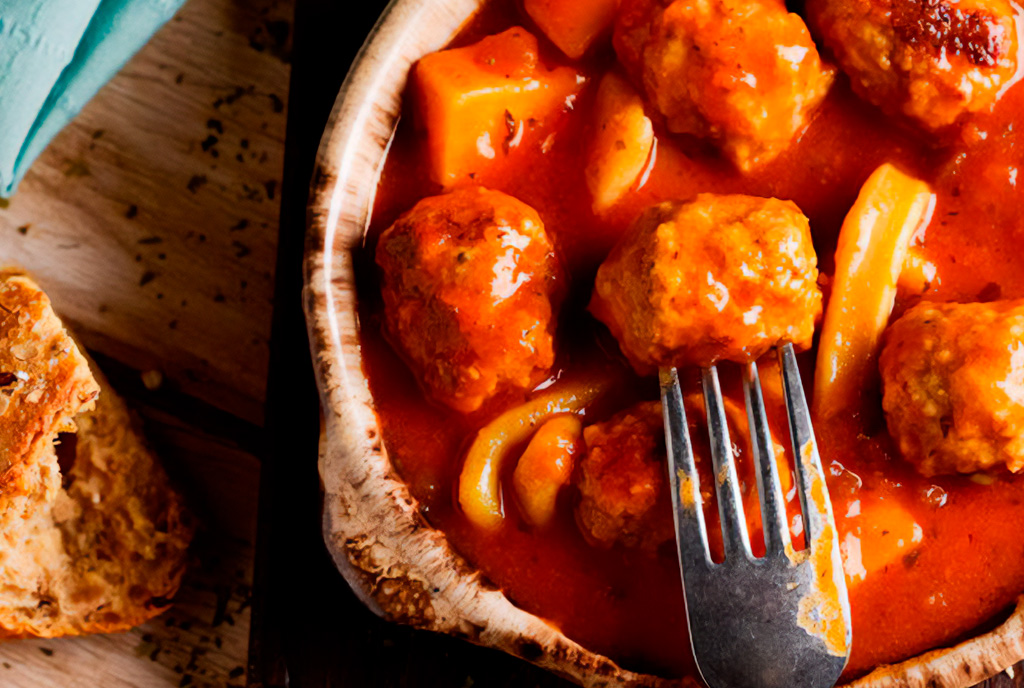
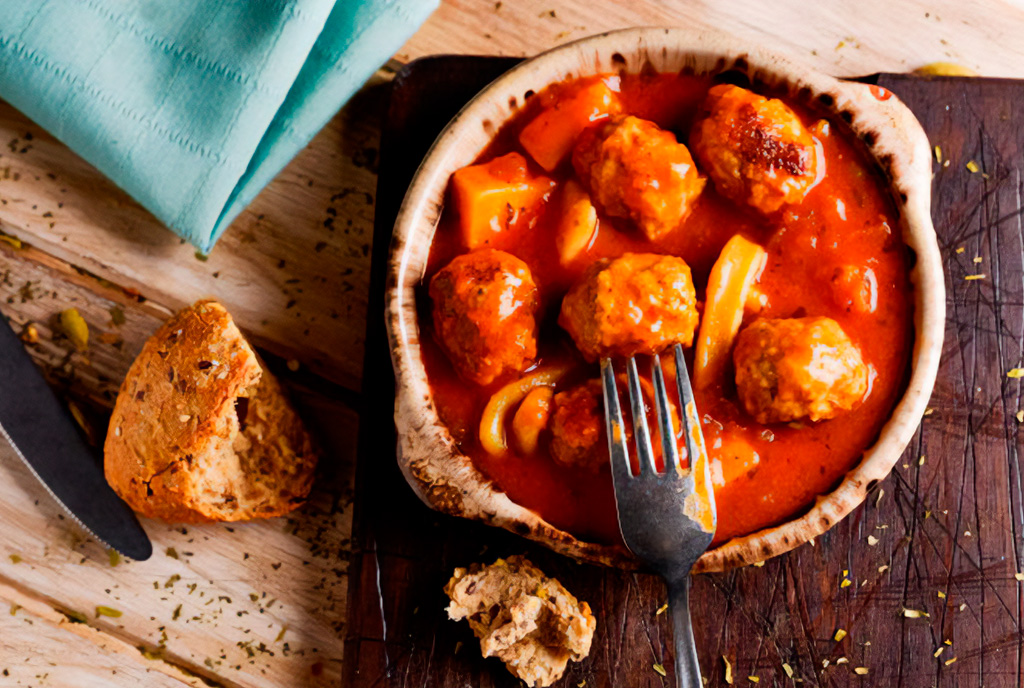
A classic tapas dish, albondigas, or meatballs in tomato sauce, are served all across Spain.
One delicious variation is to serve the meatballs drizzled with an almond sauce, skipping the tomato altogether.
Migas
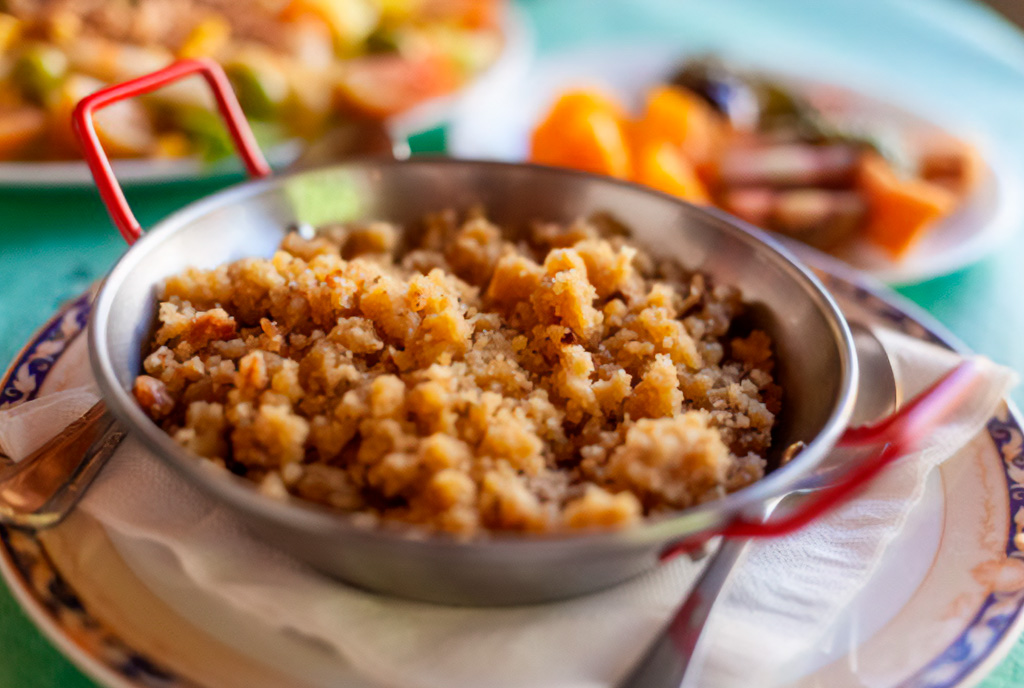
A legendary dish that Spaniards talk about almost in a whisper, migas is a fine example of how much of Spanish cooking grew out of peasant food.
In essence, it's dry breadcrumbs, torn up and fried in various combinations, often served with chorizo or bacon.
Handed down from farm laborers who had to use their ingredients sparingly, migas is comfort food of the highest order, and lately it has found its way onto the menus of fashionable restaurants.
Bacalao
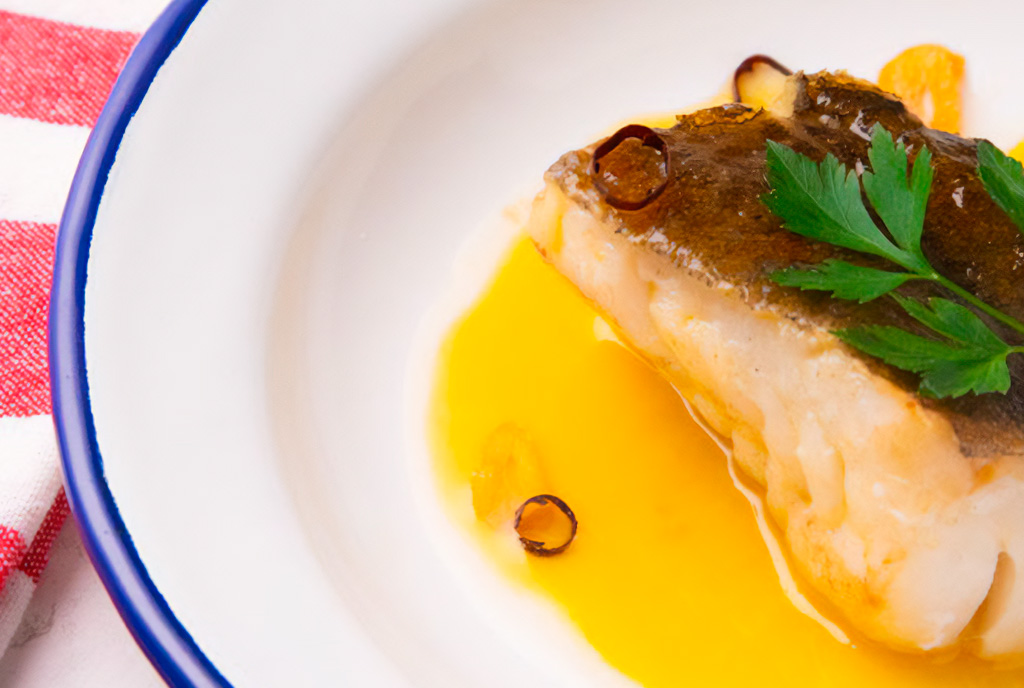
A prized dish in Spain, bacalao, or salt cod, was brought back for hundreds of years by Spanish fishermen from places as far away as Norway and Newfoundland. The fish isn't found in local waters, and it was salted to preserve it for the journey.
It needs to be soaked in water for at least 24 hours to draw out all but a light hint of salt.
Bacalao is served in all sorts of dishes; one of the most popular is with pil-pil sauce, made from olive oil, garlic, and the fish's own juices, a specialty of the Basque Country.
Fabada
A favorite of the northwestern region of Asturias, built around the white fabe bean, fabada is a one-pot feast usually served with various cuts of pork.
Chorizo, pork belly, and bacon are the usual companions, as is morcilla, the Spanish blood sausage that tastes far better than it has any right to.
Leche Frita
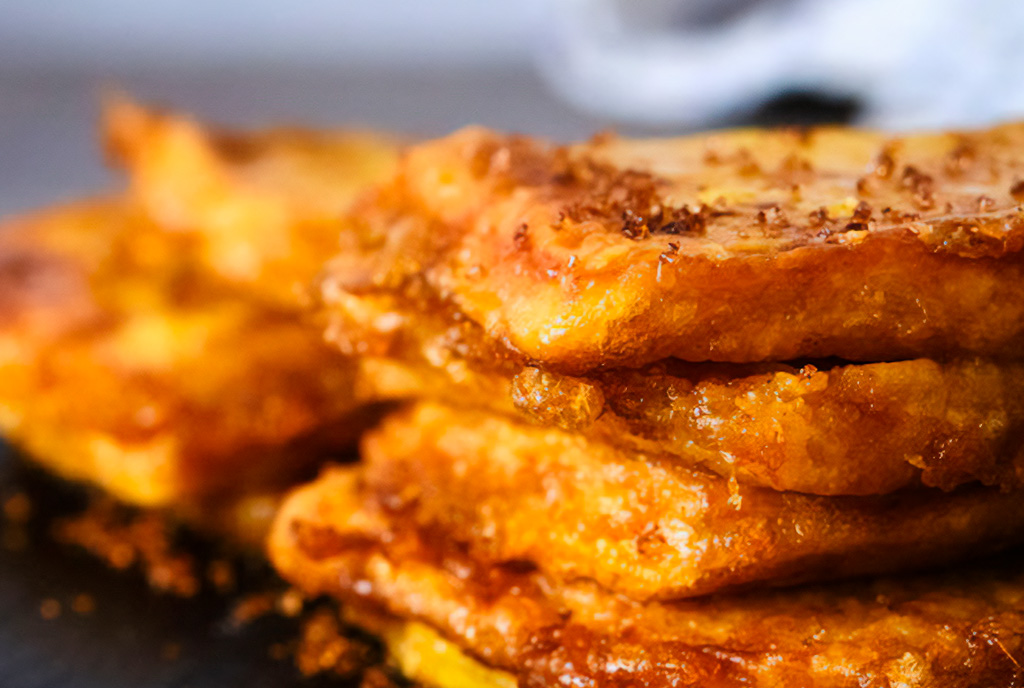
Think it's impossible to fry milk? Think again.
Leche frita, or fried milk, is a popular dessert made by whisking together milk, egg yolks, and flour. This is left to cool and set before being rolled in breadcrumbs and fried.
It can be served hot or cold.