

The symbols of Dubai's transformation into a global city are visible everywhere you look in the "City of Gold", from skyscrapers to five-star hotels and Michelin-starred restaurants.
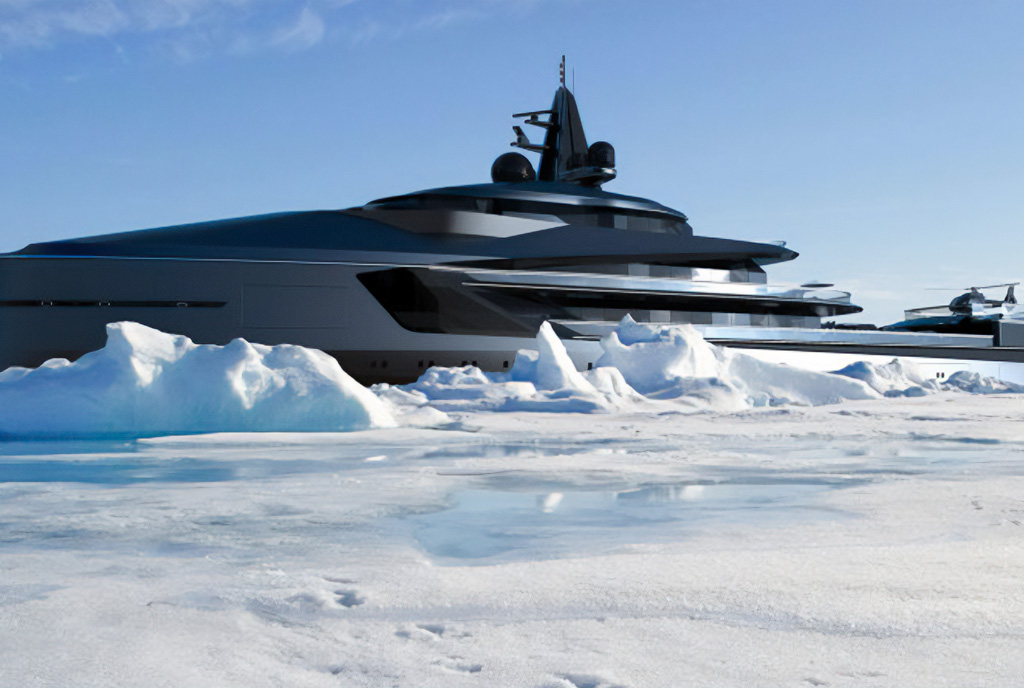
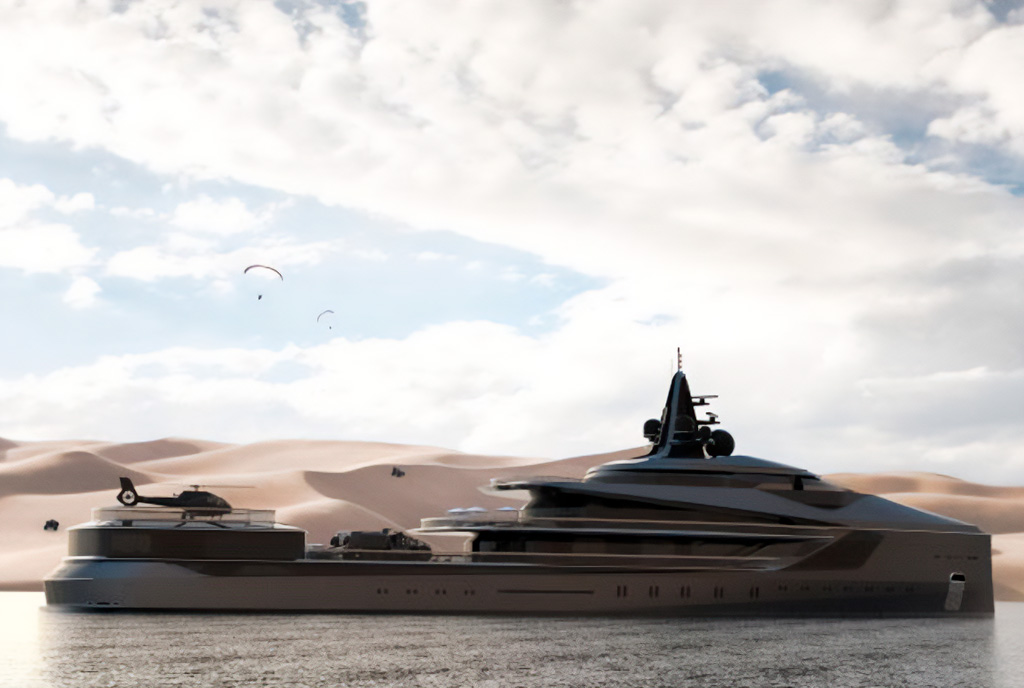
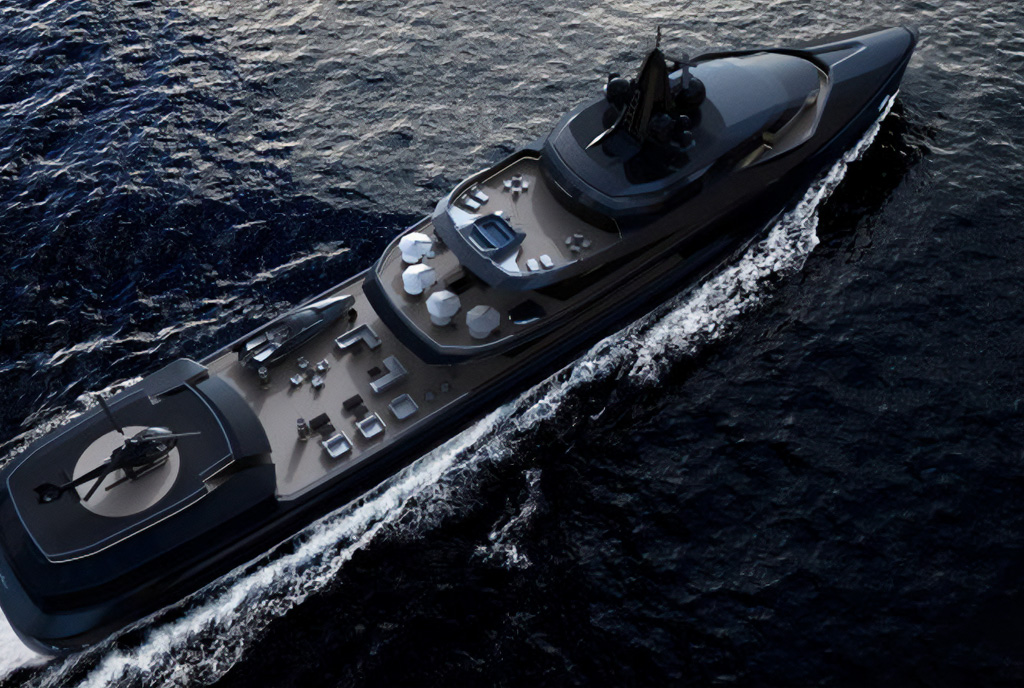
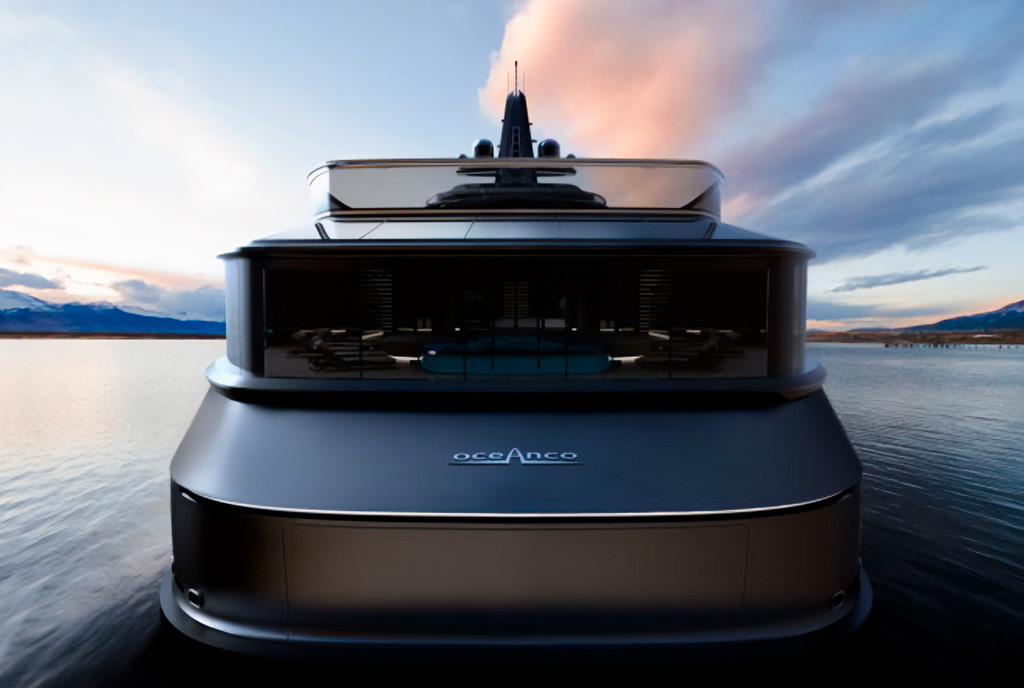
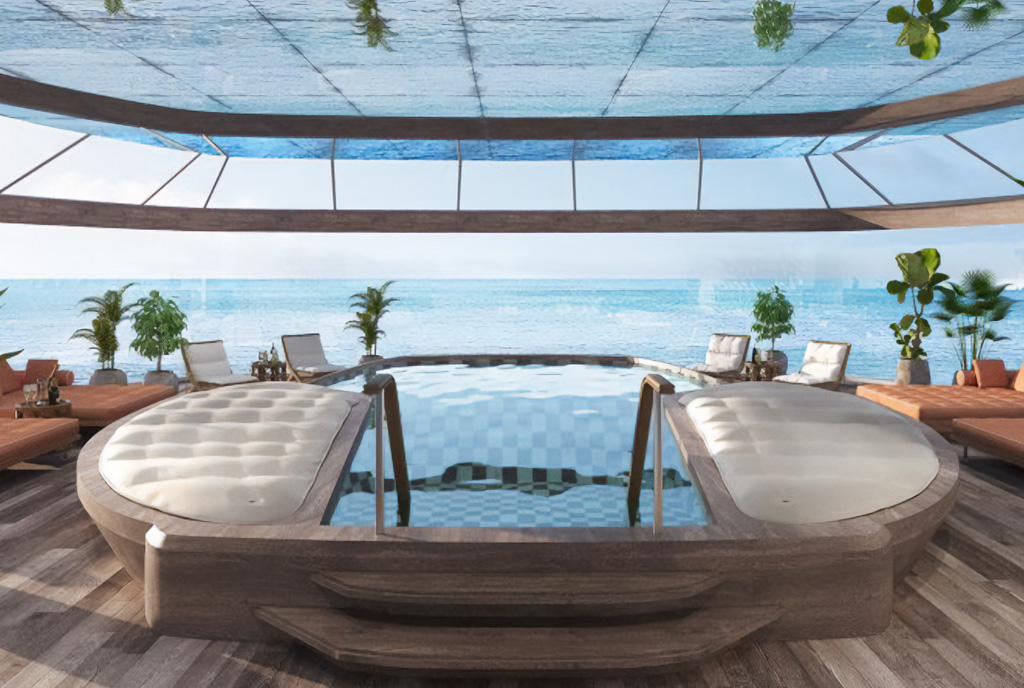
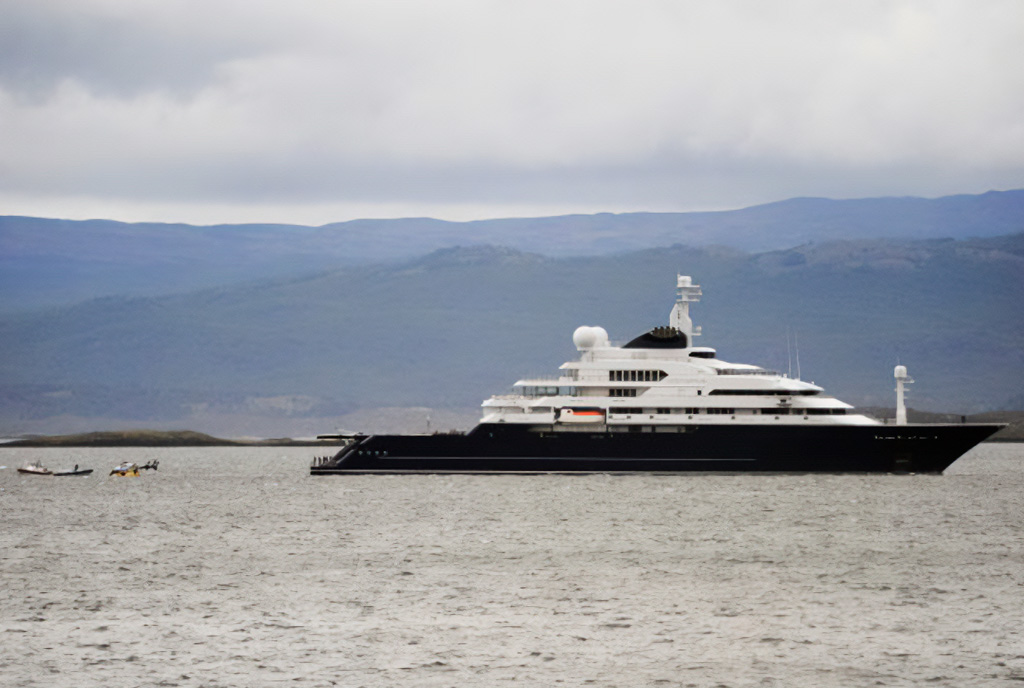
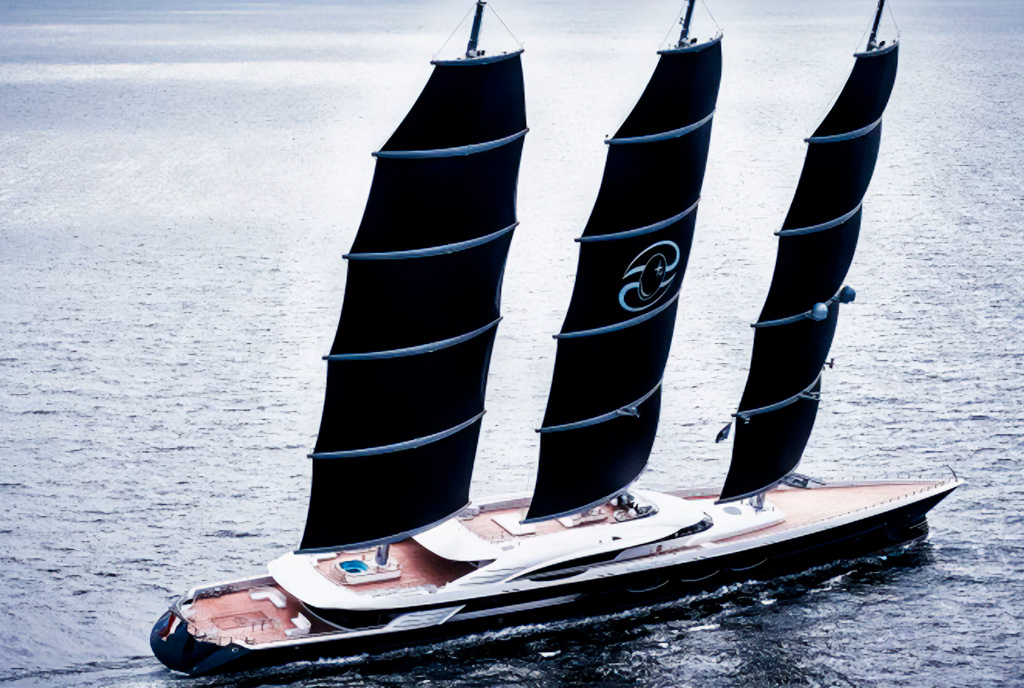
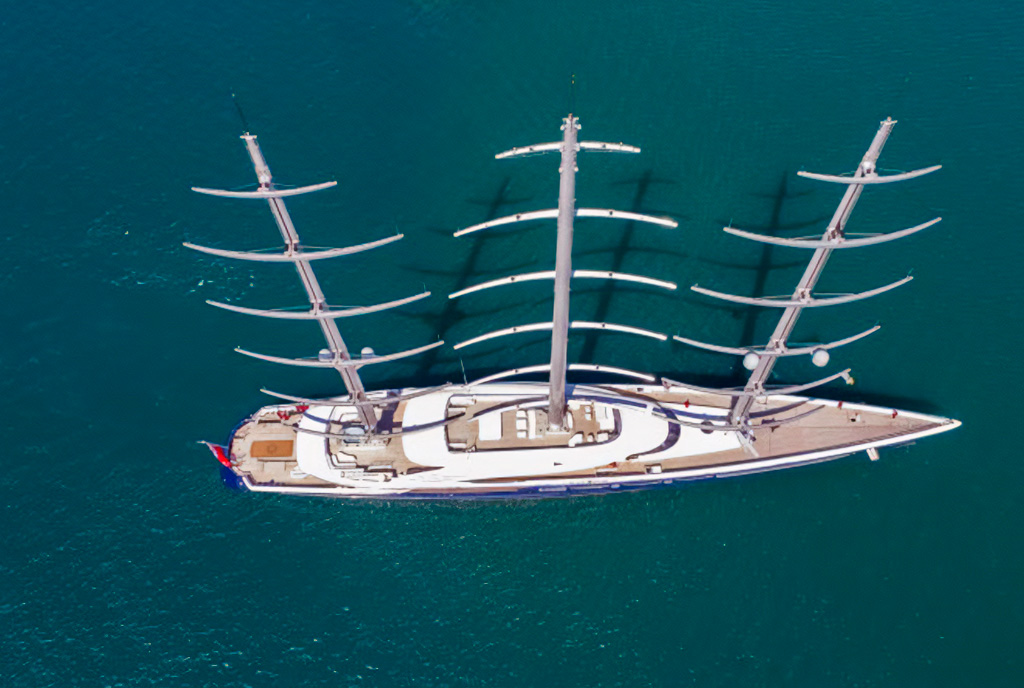
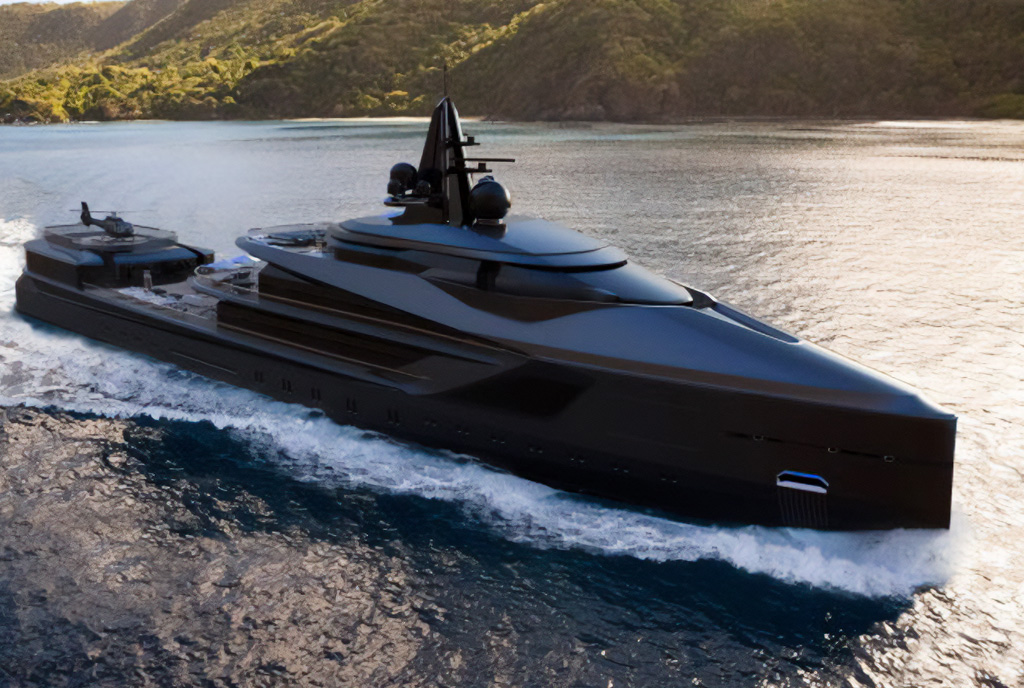
Perhaps the most recognisable symbols of Dubai can be found floating in its ever-expanding luxury marinas: superyachts, the toys of the rich and powerful, competing for supremacy in size and beauty.
Every year Dubai's yachting infrastructure grows as the city reaches for "world capital" status. The Dubai International Boat Show earlier this year expected to host around 450 of the most extravagant superyachts from all over the world.
Partner links: booking through them supports the blog at no extra cost to you.
For holidaymakers and business visitors to Dubai, the view from the shore is one of luxury, leisure and glamour. But for the specialist staff working aboard these lavish vessels, the story is a very different one.
We spoke with people in five key roles to uncover the highs and lows of their life on the water.

The Captain
One captain we spoke to, who asked not to be named in order to protect his livelihood, first came to Dubai as a tourist in 2007.
The city struck him as a safe place to raise a family, and he has stayed ever since, commanding a string of yachts that usually top 40 metres in length.
Trips tend to be shorter than in the Caribbean or the Mediterranean, he says, with yachts sometimes chartered by the hour rather than by the day.
In the early days, the skipper recalls, there was a relaxed regulatory environment in which "anyone with a speedboat licence was a yacht captain". But that has changed in recent years, with increasingly demanding safety and qualification requirements.
The low barrier to entry contributed to lower pay for yacht captains than in other parts of the world, he says, though wages have risen as standards have gone up and tend to track the size of the vessel.
The captain is formally the most important decision-maker on the vessel. But in Dubai his expertise often gives way to the whims of the owner.
"You can have owners who want to take the boat somewhere it isn't allowed to go," he says, recalling a 26-year-old owner who told him to drop anchor in a restricted zone. "You have to be tactful, but stick to the rules."
He has also run into trouble when asked to take on several tasks outside his remit, such as delicate repair work that would normally be handled by a specialist engineer.
But a captain's job has become easier thanks to advances in Dubai's yachting industry, according to Captain Mike Fetton, who moved from captaining to running his own company, JLS Yachts.
"The improvement in facilities and infrastructure over the past few years has been phenomenal," he says.
"Four years ago you would have struggled to find a dock for vessels over 70 metres, but now new berths (for superyachts) are appearing all the time."

The Chef
David Buchanan has served as a private chef for VIPs, including members of royal families, for several years on superyachts in Dubai, Kuwait and elsewhere in the region.
His bookings in the Middle East came after working for royal families in Europe, which he believes was an important qualification for the job.
"I think that once you're inside and can be trusted, you're 'in the circle'," Buchanan says. "People value their privacy and want to know they don't have to watch what they say."
Some elite clients have the exotic tastes you might expect. Buchanan says one wealthy guest requested a badger dish, but he could only offer ostrich, kangaroo and crocodile.
He has also received requests for rare flower petals and brands of mineral water that had to be flown in.
Provisioning can be a headache. The chef remembers having supplies waiting in one port, "and then the boss weighs anchor, and you wake up miles away and have to source your ingredients somewhere else".
At other times the demands of superyacht owners can be surprisingly modest.
"Some clients love reheated leftover lasagne," says Buchanan. "You have to leave your ego on the passerelle (gangway): what you love to cook often isn't what the client loves to eat."
One aspect of working on a Dubai superyacht that tends to be reliable and consistent is the demand for quantity.
"One of the symbols of wealth is putting on a feast at mealtimes," says Buchanan. "The emphasis is often more on volume than on quality."
Working conditions can vary, the chef says.
The package, including accommodation and provision for families, is usually better than on yachts in the Mediterranean. But salaries in Dubai "tend to be lower than the industry average".

The Engineer
As chief engineer, Blake Holloway's duties range from the relatively trivial, such as fixing televisions, to potentially life-threatening situations.
At the far end of the scale there are "different types of emergency", he says. "You can have a fire, a leaking pipe, or an engine with a crack in it."
On one voyage the hydraulics in the engine room failed, Holloway recalls, knocking out the thrusters and leaving the ship dangerously adrift. In the end he managed to regain control through a creative fix: filling the hydraulic system with engine oil.
Holloway's work depends on quickly finding tools, which can be a challenge. "You have to locate specific items at any given moment," he says.
Life on a Dubai superyacht can be a little lonely, Holloway suggests, as crews are usually recruited from all over the world, which can lead to language and cultural barriers.
But that is balanced out by an events calendar that rarely allows for boredom.
"There's always something going on that might involve yachting, whether it's a race or a New Year's fireworks display," Holloway reflects.
The Stewardess
The role of "stewardess" is constantly changing, says Amylin Serrano, who has worked in Dubai since 2013.
"I'm responsible for the food and drink inventory, the cleaning... the flower arrangements and setting the tables for meals," she says. "Every day is unique, and that's the most interesting part of being a stewardess."
Serrano says life at sea has a romantic appeal, no two sunsets are ever alike, but working in Dubai can be physically demanding.
"It's really hard to work in summer because of the heat, the humidity and the sandstorms," she says. "We work outdoors and suffer badly during that time."
Not every trip goes to plan. Serrano says her most memorable journey was from Palm Jumeirah in Dubai to the Formula 1 race in Abu Dhabi, which was full of problems.
"It was the first time the captain had gone to Abu Dhabi, and the weather was bad," she recalls. "The trip took 11 hours... the GPS was broken and we got lost in the middle of the sea."
The Watersports Instructor
Guests have plenty of free time during a cruise, and "superyachts usually have top-of-the-range toys", says British watersports instructor Nick Thompson.
Popular activities include diving, jet skis and flyboarding, a current favourite that involves propelling the rider into the sky on a powerful jet of water.
Jet ski rides can be dangerous, says Thompson, who has seen serious accidents and tries to talk clients out of them.
Superyachts tend to carry towed attractions, such as inflatable bananas. "You can also find water slides coming down the side of some yachts, which is quite something to see," the instructor says.
Thompson has also had to step in and deal with emergencies, such as "people who have had too much to drink and fallen off the boat".
At other times the lifestyle is peaceful. Older clients tend to be less interested in watersports and prefer to spend their days relaxing on deck, which means a break for the instructor.
"It can be tough, and it can be rewarding," Thompson concludes. "In the middle of nowhere, when your phone runs out of signal, you just look around, and there isn't a care in the world."