

North Macedonia is still one of the most underrated corners of the Balkans, and that works in your favor: a country smaller than Belgium packs a three-million-year-old lake, Byzantine frescoes, Ottoman bazaars and proper mountain canyons. If you are wondering about the best things to see in North Macedonia, the short answer is Ohrid and its lake, Skopje, Matka Canyon, Bitola and Krusevo. Five to seven days cover the highlights, and your budget will stretch far further than in Croatia or Greece.
Ohrid: the place to start
Ohrid is nicknamed the Jerusalem of the Balkans, and there is truth behind the marketing: legend claims the town once had 365 churches, one for every day of the year. Together with its lake it holds a UNESCO World Heritage listing under both natural and cultural criteria, a distinction shared by fewer than forty places on the planet.
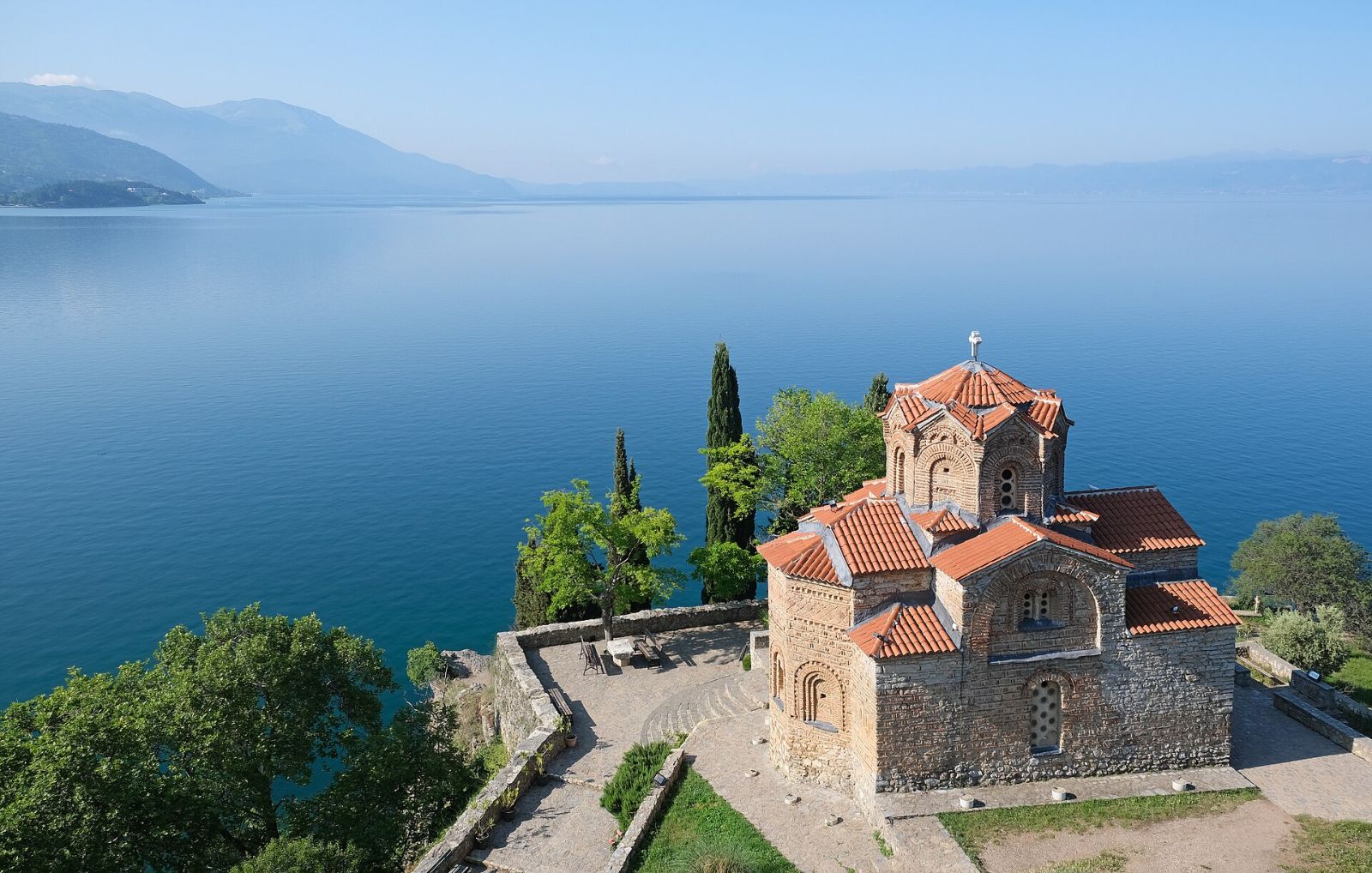
The old town climbs from the waterfront in narrow lanes of whitewashed houses whose upper floors lean out over the cobbles. The essentials: the ancient theatre, Samuel's Fortress with its lake panorama, and the country's signature postcard, the Church of St. John at Kaneo perched on a cliff above the water. The best approach is the wooden boardwalk along the shore from Kaneo beach: a fifteen-minute walk to a view photographers cross continents for.
One honest warning: in July and August the old town is packed and the promenade feels like any busy resort. Come in September instead. The water is still warm and the crowds are gone.
The lake and the Monastery of Saint Naum
Lake Ohrid is among the oldest lakes on Earth, up to 288 meters deep, with water so clear you can see the bottom ten meters down. Beaches line the shore, from busy town strips to near-wild coves around the village of Trpejca.
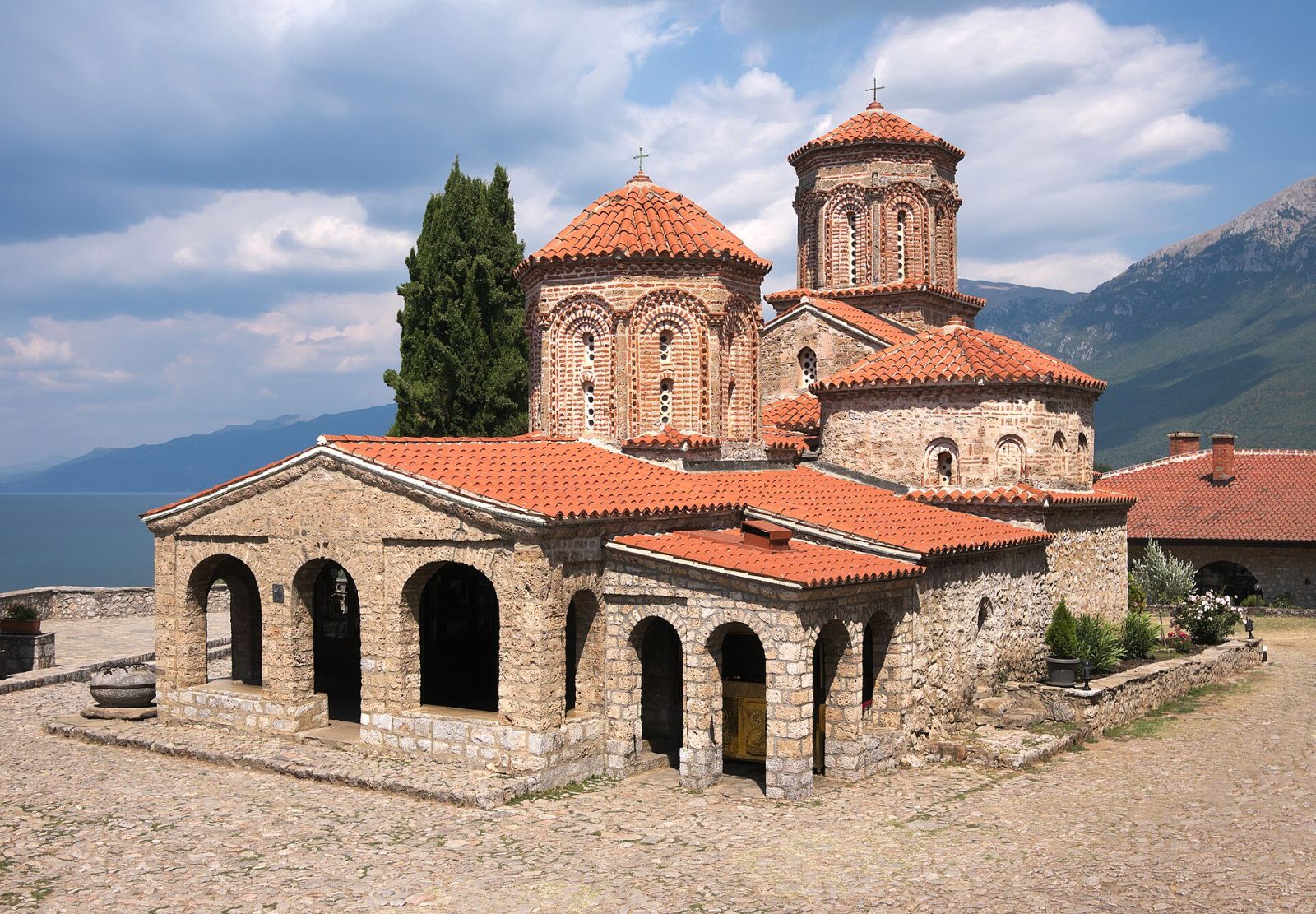
Twenty-nine kilometers from town, almost on the Albanian border, stands the Monastery of Saint Naum, founded in 905. Three things stay with you here: the frescoes inside the church, the peacocks strutting the courtyard and screeching loud enough to hear a kilometer away, and the springs of the Crn Drim river. Rowboats glide over the springs: the water is icy, perfectly clear, with sand boiling up from the bottom. You can arrive by bus, taxi or boat from Ohrid; the boat trip eats most of a day and is worth every minute.
Skopje: eclectic, and honestly so
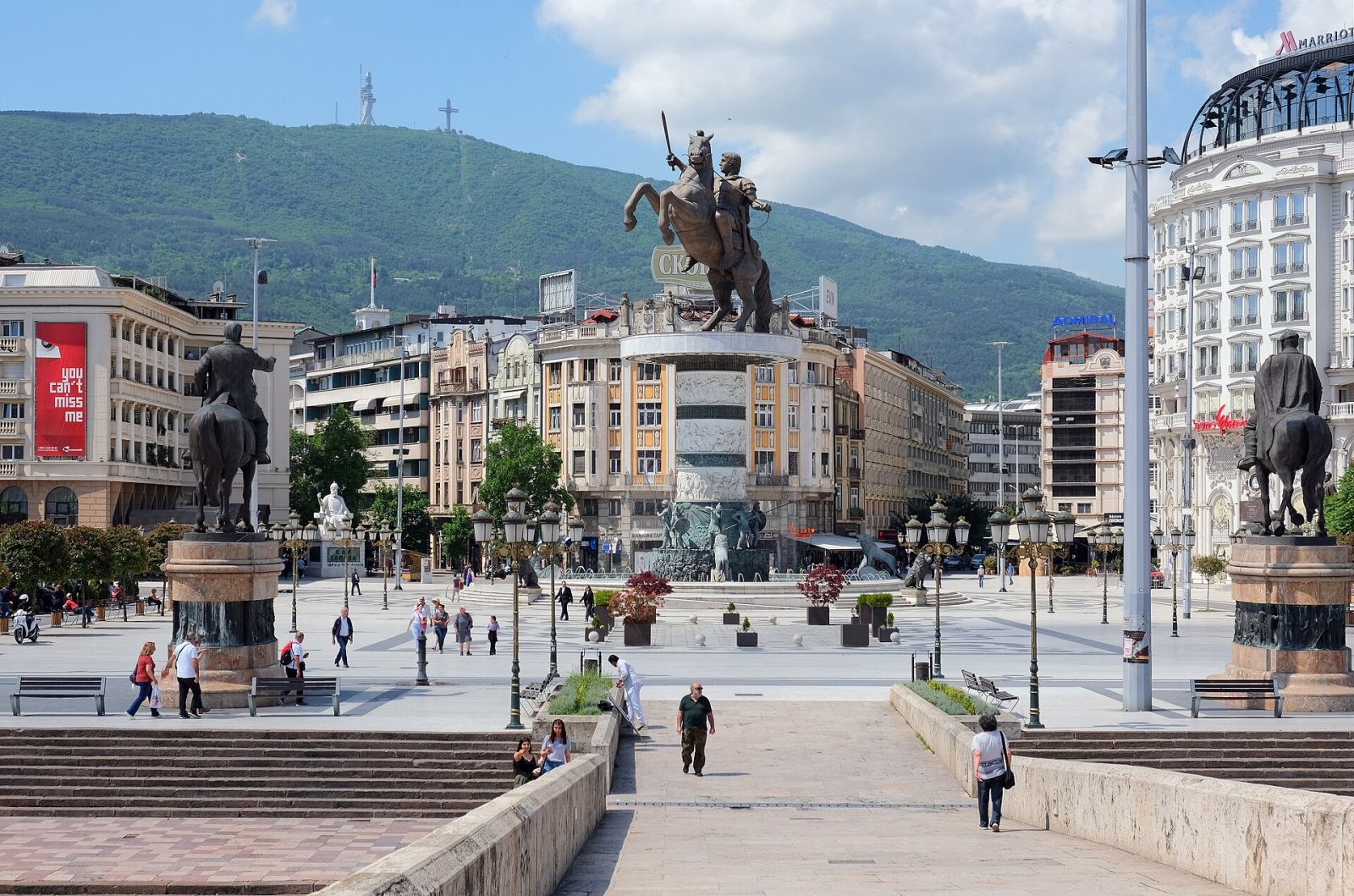
Let's be frank about the capital. In the 2010s the government rolled out the "Skopje 2014" project: the center was filled with dozens of pompous faux-classical buildings and hundreds of bronze statues. The result is expensive, controversial and borderline Disney: a warrior on horseback the height of an apartment block on the main square, a triumphal arch, lion fountains. Critics groan, tourists take pictures. Treat it as a theme park and you will enjoy Skopje a great deal.
The real city survives alongside the spectacle. The Stone Bridge over the Vardar has stood since the 15th century, linking the new square to the Old Bazaar, an Ottoman marketplace of goldsmiths, kebab grills and tea houses, one of the largest surviving bazaars in the Balkans outside Istanbul. Kale Fortress overlooks it all, and on Mount Vodno the 66-meter Millennium Cross is reached by cable car. One detail many visitors miss: Mother Teresa was born in Skopje, and a memorial house in the center tells her story.
Matka Canyon: the half day you will remember most
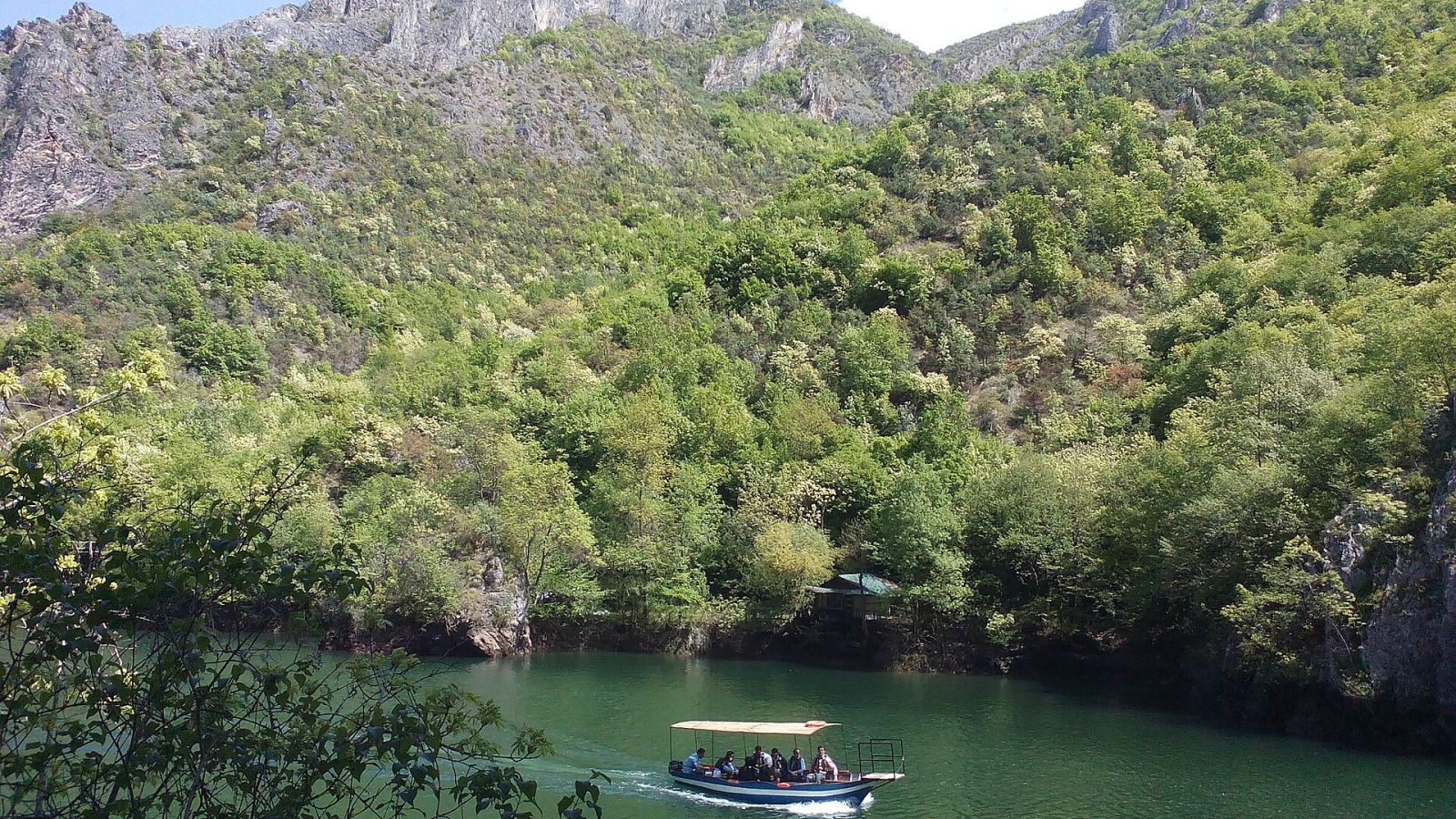
Seventeen kilometers from Skopje, the Treska river has carved Matka Canyon into the rock, the easiest and most dramatic nature escape from the capital. Turquoise water between sheer walls, the medieval Monastery of St. Andrew right above the lake, eagles overhead. Boats run to Vrelo Cave, one of the deepest underwater caves in Europe: divers have mapped more than 200 meters and still have not found the bottom. Kayaks are available if you prefer to paddle yourself. Come on a weekday morning; on weekends half of Skopje shows up.
Bitola and Heraclea: the city of consuls with an ancient bonus
Bitola, the country's second city, is the temperamental opposite of Skopje: quiet, elegant, built around the wide pedestrian street Sirok Sokak lined with neoclassical facades. Under the Ottomans a dozen European powers kept consuls here, hence the nickname "city of consuls". Take a seat at a cafe, order Turkish coffee and watch a Macedonian city that owes nothing to tourism.
On the southern edge lie the ruins of Heraclea Lyncestis, founded by Philip II of Macedon, Alexander's father. The treasure of the site is its 5th-century mosaics, hundreds of square meters of deer, lions and pomegranate trees. Visitors are usually counted in single digits, so you wander the ancient theatre practically alone.
Krusevo: the highest town in the Balkans
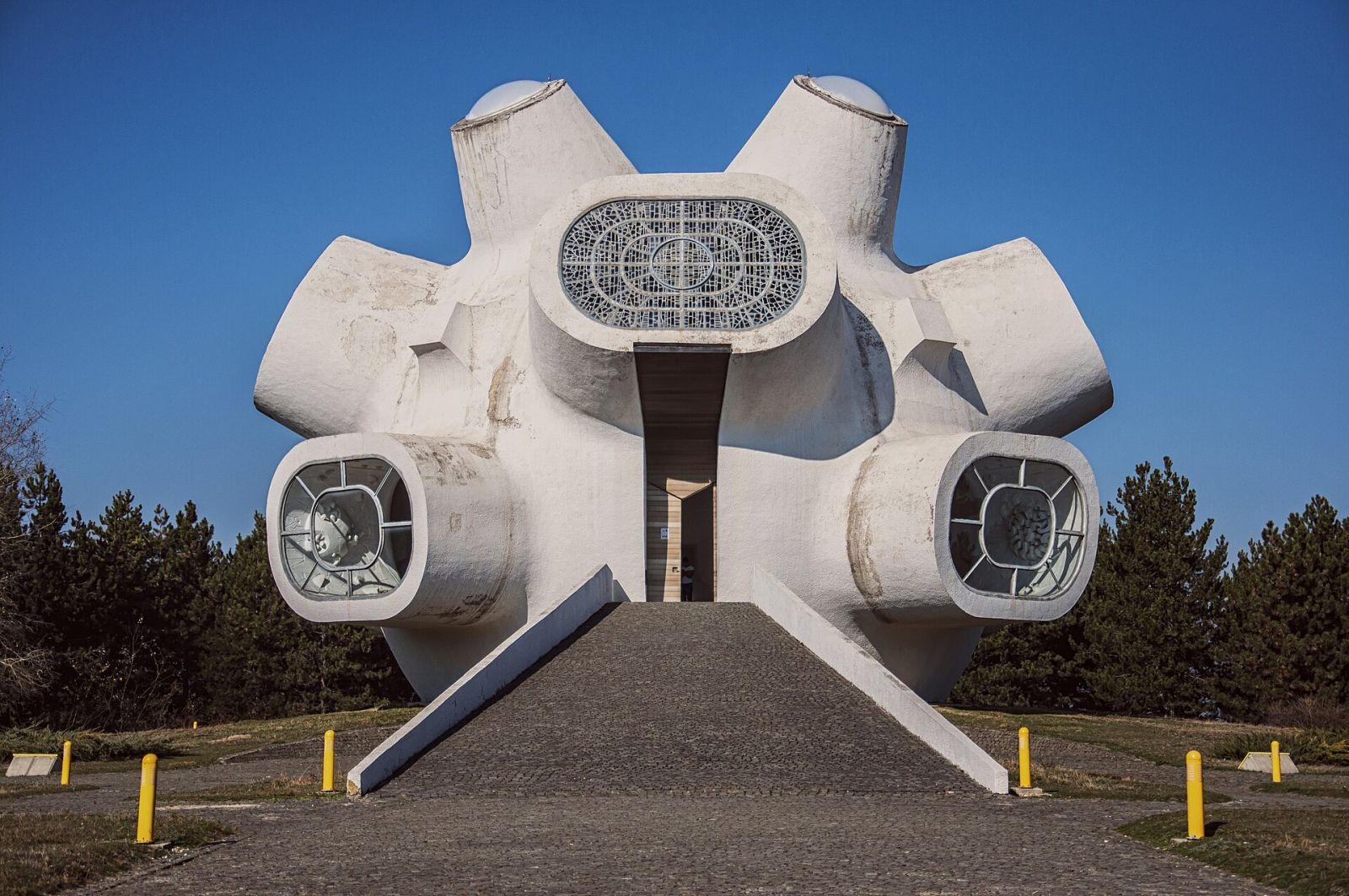
Krusevo sits at roughly 1,350 meters, the highest town on the peninsula. Three reasons to make the climb: the old Macedonian architecture with wooden bay windows, the Makedonium monument that looks like a white space station with stained glass (built for the Ilinden Uprising of 1903), and the memorial to singer Tose Proeski, honored here as a national hero. A small ski resort runs in winter, and in summer paragliders launch from the ridges: the thermals above the valley rank among the best in Europe.
If you have extra time
The route stretches easily by a couple of days. Mavrovo National Park in the west is the country's main ski resort in winter; in summer its lake reveals the submerged Church of St. Nicholas, which surfaces up to the roofline in dry years. The village of Vevcani below Mount Jablanica is famous for its karst springs and for the maddest carnival in the Balkans in mid-January. And Struga, Ohrid's neighbor, sits where the Crn Drim river flows out of the lake: quieter, cheaper, with a promenade of its own.
How does it all fit into one route?
| Place | Time to allow | Why go |
|---|---|---|
| Ohrid and the lake | 2-3 days | Old town, Kaneo, beaches, boat trips |
| Monastery of Saint Naum | half a day or a day | Crn Drim springs, frescoes, peacocks |
| Skopje | 1-2 days | Old Bazaar, Stone Bridge, Vodno, the eclectic center |
| Matka Canyon | half a day | Boats, kayaks, Vrelo Cave |
| Bitola + Heraclea | 1 day | Sirok Sokak, ancient mosaics |
| Krusevo | 1 day | Makedonium, panoramas, paragliding |
Logistics are simple: Skopje and Ohrid are linked by buses, about three hours on the road. Bitola and Krusevo slot in between the two, and Matka works as a day trip from the capital.
When to go?
The sweet spots are May, June and September: warm, green, free of the August crush and of the July heat that easily pushes past 35 C in Skopje. The lake swimming season runs from mid-June to late September. Winter suits only Skopje city breaks and ski trips to Mavrovo, since short days and fog swallow half the scenery. Prices for rooms and food are a pleasant surprise year-round: North Macedonia remains one of the cheapest European countries to travel in.