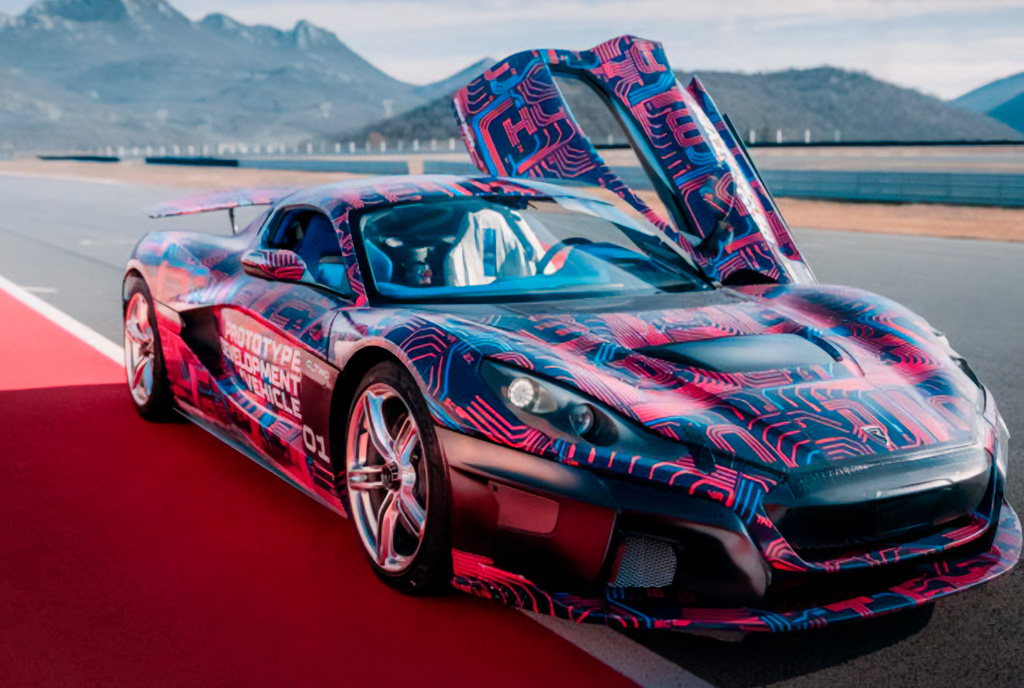


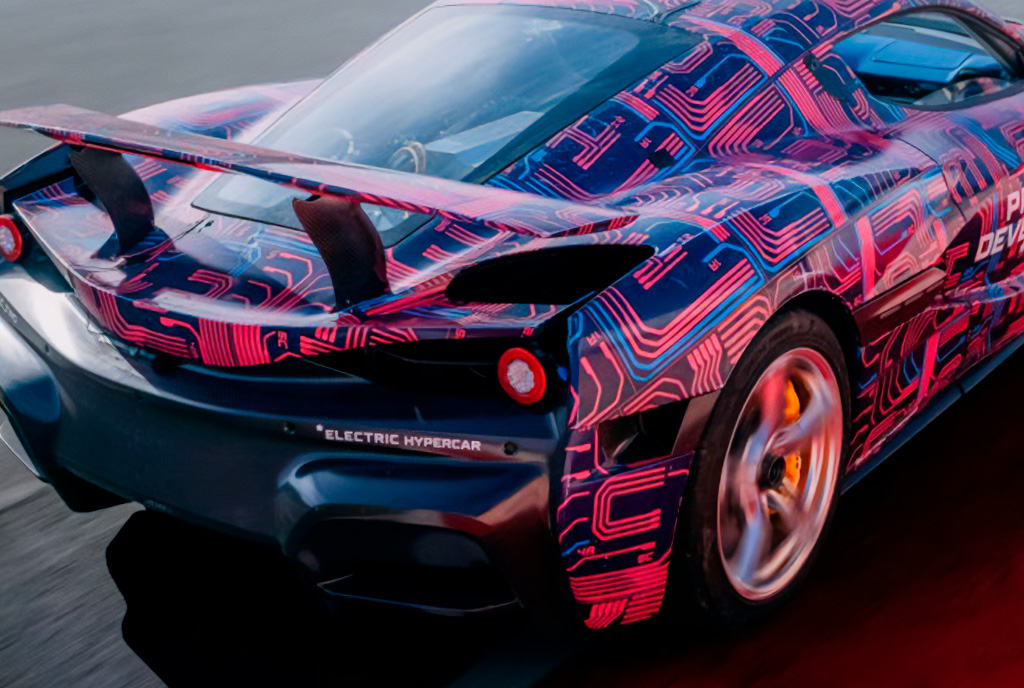
According to its makers, the 1,914-horsepower Rimac C_Two hypercar takes its driver from 0 to 60 mph in under two seconds, making it one of the fastest cars in the world. Its top speed of 258 mph beats the Bugatti Veyron, and its 340-mile range is impressive too.
Yes, this speed demon is fully electric. And no, that shouldn't surprise you.
EV Lab was founded by Kevin Chalhoub, a Dubai-based entrepreneur of French-Lebanese heritage with a background in clean energy and environmental engineering. After working abroad in the solar industry, he decided to return to Dubai to grow his green ideas in a place that is synonymous with fast, luxurious cars.
Partner links: booking through them supports the blog at no extra cost to you.
"Electric is a really good fit for the market," he says. Many high-tech electric vehicles can accelerate faster than gas-powered cars, and the shorter trips Dubai drivers typically take compared with their European counterparts mean they have less reason to worry about battery range.
Customers fall into two camps: "eco-conscious millennials" (a group Chalhoub counts himself among) and "tech-savvy people" who "value performance." He argues that electric satisfies both. "Year after year we're seeing the price of EVs go down while their performance goes up."
"Today, electric cars are an upgrade," he says. "Too often green solutions are seen as a lifestyle compromise, but this market is different."
EV Lab opened last October and stocks a range of models priced from around $25,000 to several hundred thousand dollars. The undisputed jewel of the collection will be the C_Two, once it becomes available. Only three units will be produced this year, and between five and ten in 2022.
During the pandemic the business sold online, delivering cars straight to prospective buyers for test drives. "It's all about the test drive," the founder says. "We really believe these products sell themselves."
Dizzying photos capture Dubai from a bird's-eye view
According to Bloomberg New Energy Finance, worldwide sales of passenger electric vehicles more than quadrupled between 2015 and 2019. And while they accounted for just 3% of global passenger vehicle sales in 2020, that figure is estimated to climb to 10% by 2025 and 58% by 2040.
Essam Arshad, a senior analyst at research firm Euromonitor International, says recent consumer awareness campaigns, incentives and greater choice in the UAE have driven "tremendous growth" in the sector, with sales projected to rise 35% between 2020 and 2025.
But Dubai is starting from a relatively low base. Dubai's Roads and Transport Authority registered just 1,841 electric vehicles in the emirate at the end of 2019, with hybrid and electric cars making up 0.44% of all registered vehicles. By comparison, electric and hybrid cars accounted for 1.3% of London's licensed vehicles and 4.6% of California's registered vehicles.
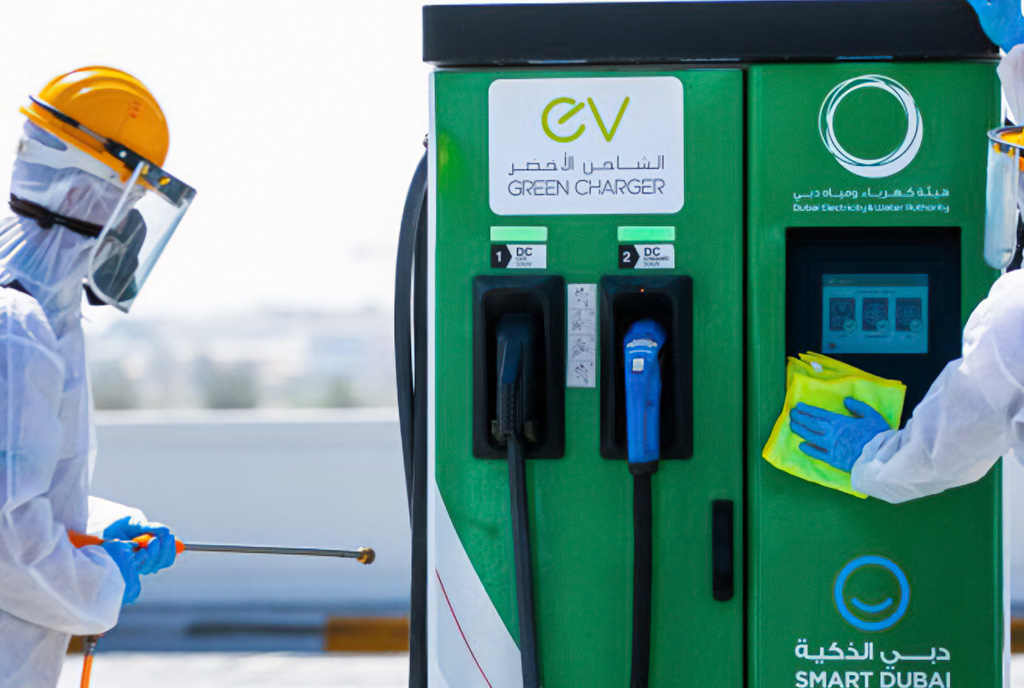
Policymakers in Dubai are trying to encourage EV adoption. The government has mandated that at least 30% of public-sector vehicles must be either electric or hybrid by the end of the decade, and it has set a target for them to make up 10% of all vehicles sold in the emirate by 2030. Hundreds of free public charging points provided by the Dubai Electricity and Water Authority cover the emirate, and free public parking is available until July 2022 for EVs registered in Dubai.
"The UAE is an ideal place to own an electric vehicle, and the government has long promoted the idea," says Arshad.
Chalhoub notes that there are other ways to encourage the switch to electric. "I'd say we still haven't reached the level of incentives we see in Europe," he says, where many EU member states offer a variety of incentives, including tax exemptions and EV purchase bonuses that can run to thousands of euros.
Dubai's audacious "Heart of Europe" mega-project nears completion of its first phase
Adapting to local tastes may help with adoption. In Dubai, "everything has to have a touch of luxury," says Arshad, adding that it is luxury brands like Jaguar, Porsche and Mercedes-Benz, alongside Tesla, that are gaining traction in the fledgling EV market. A $2.4 million hypercar won't be for everyone, but it serves as a useful showcase for proving that high-performance luxury and electric are not mutually exclusive.
In April, EV Lab hopes to host a visit from Rimac as part of its global C_Two tour, where prospective customers will be able to test the hypercar at Dubai's autodrome. And in September the company will open a showroom in the city.
He may be saying it with both his business and the environment in mind, but Chalhoub is optimistic about the industry's future: "If you're still driving an internal combustion engine, it's like riding horses when the car had just been invented."