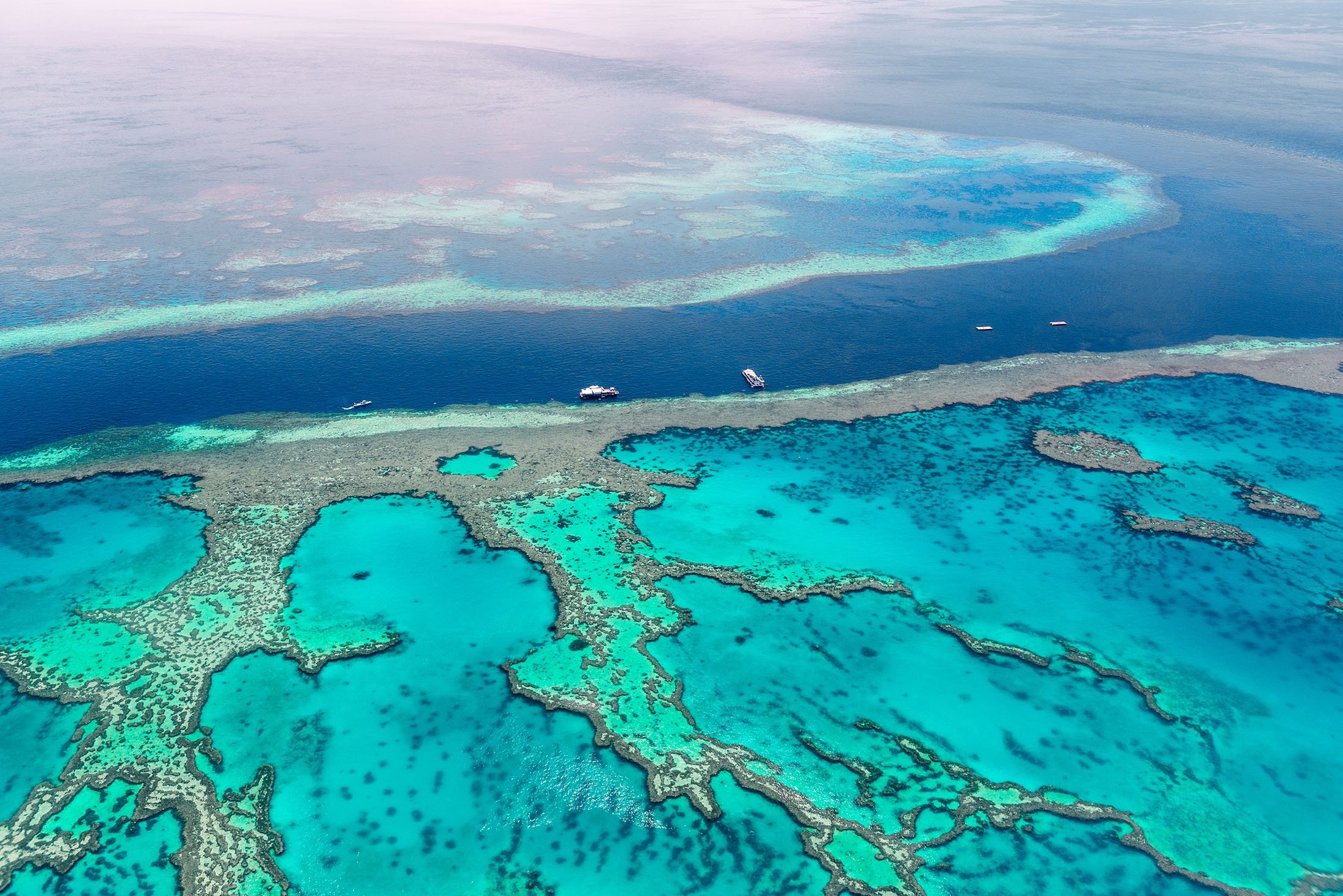


The Great Barrier Reef
The only living thing on Earth visible from space, the Great Barrier Reef first began forming 25 million years ago. The world's largest reef system stretches for 3,000 kilometres off the coast of Queensland and is home to 400 different types of coral and 1,500 species of tropical fish. Beautiful yet fragile, it faces an uncertain future as pollution and rising tourism take their toll.
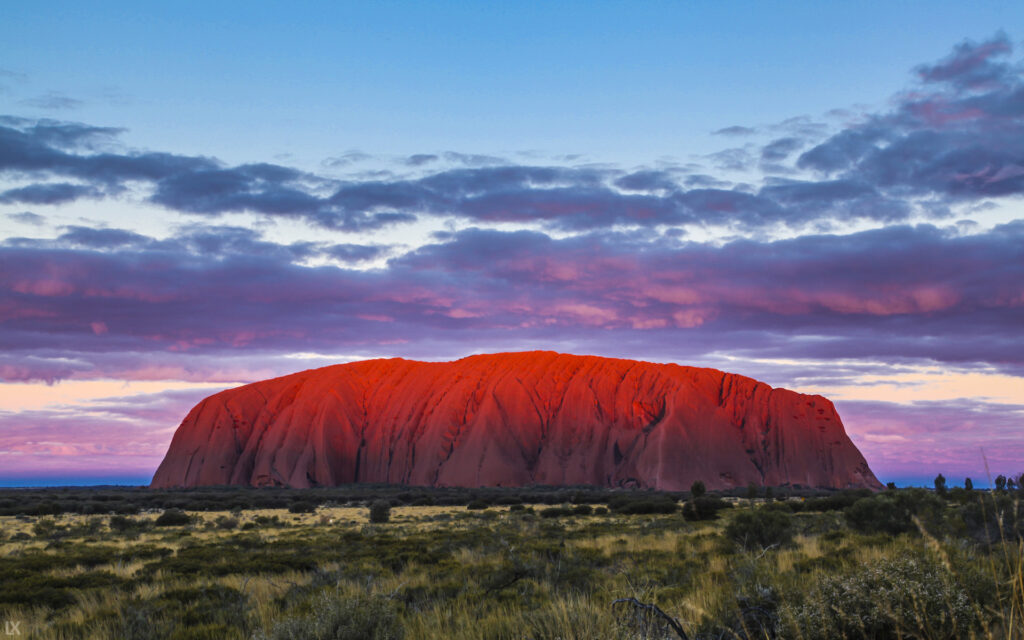
Uluru
Uluru is a sacred site for the Anangu people, who ask visitors not to climb the sandstone monolith located 450 kilometres (280 miles) southwest of Alice Springs in Uluru-Kata Tjuta National Park. Once known as Ayers Rock, it rises 348 metres (1,142 feet) high and measures 9.4 kilometres (5.8 miles) around. It is famous for the shifting shades of colour that paint its surface, especially at sunrise and sunset.
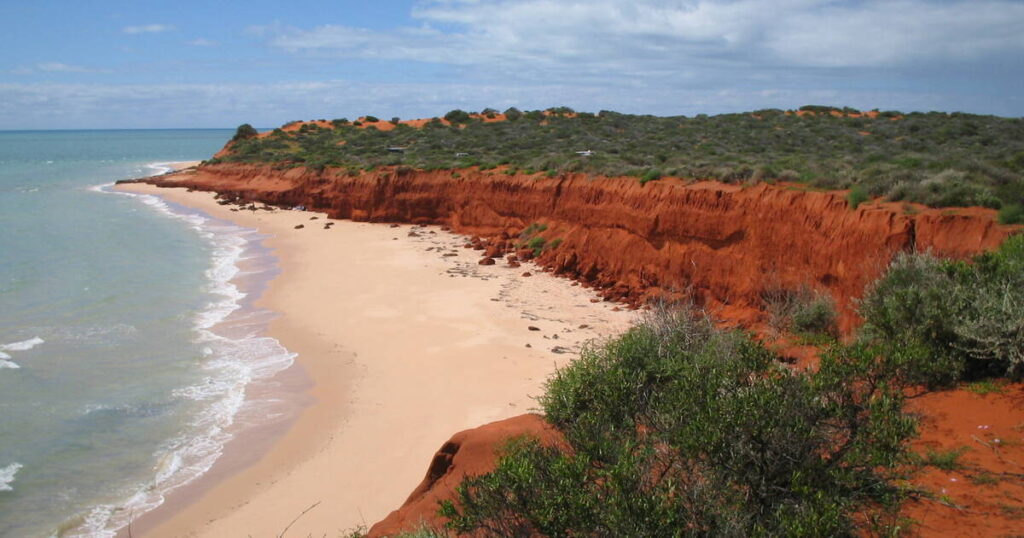
Shark Bay
Roughly 800 kilometres north of Perth on Australia's western coast lies the W-shaped shoreline of Shark Bay, made up of rocky limestone, white sand dunes and cliffs stretching for 1,500 kilometres. The bay is dotted with shallow peninsulas and shelters 10,000 dugongs, along with many endangered species, dolphins and the most diverse seagrass meadows in the world. Historians say this is where Europeans first came ashore and dismissed it as "no good."
Partner links: booking through them supports the blog at no extra cost to you.
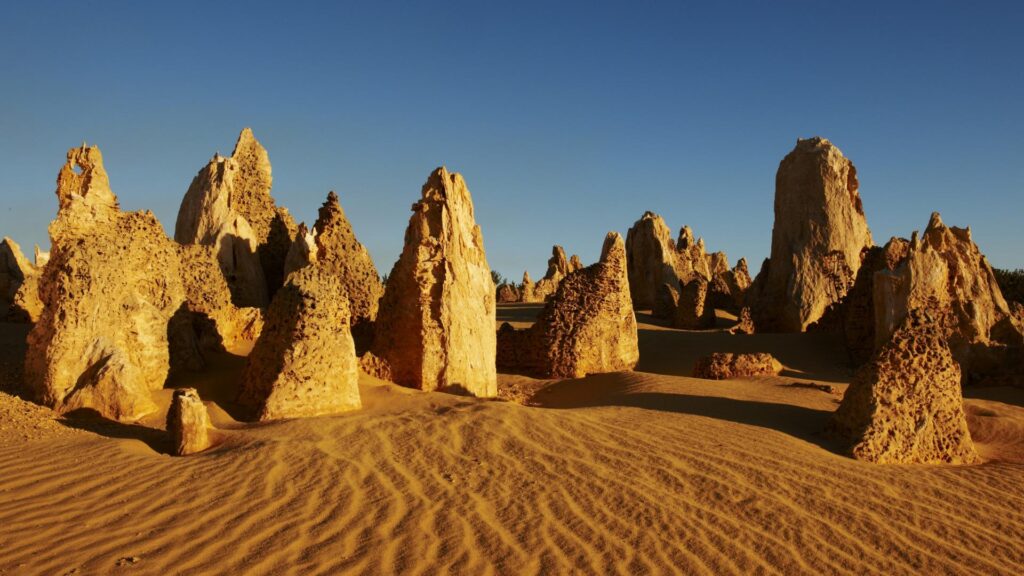
The Pinnacles
These limestone formations, about a three-hour drive north of Perth, took shape 30,000 years ago when the retreating ocean left seashell deposits along the shore. The Pinnacles rise several metres out of the sand in Nambung National Park, home to grey kangaroos, emus and reptiles.
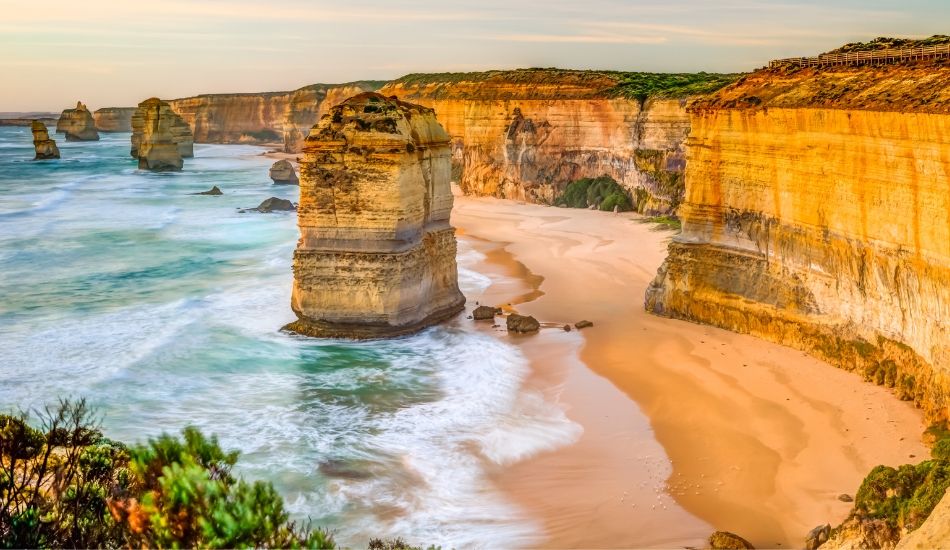
The Twelve Apostles
Erosion created these limestone stacks, which can be seen from the Great Ocean Road along the Victorian coast, where they continue to crumble away. Despite the name Twelve Apostles, there were only ever nine when they first appeared, and after a recent collapse just eight remain. Their bases are wearing away at a rate of 2 centimetres a year.
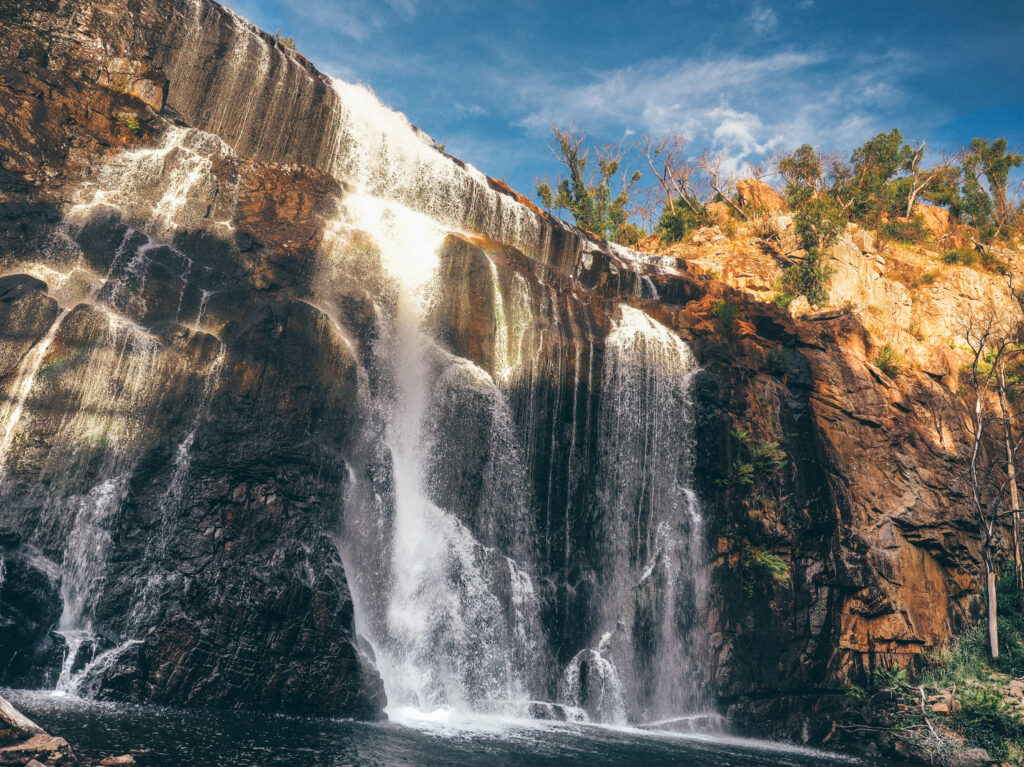
MacKenzie Falls
The largest waterfall in Grampians National Park, a kangaroo-filled sandstone range that rises from the plains 235 kilometres west of Melbourne. At MacKenzie Falls the water tumbles 30 metres into the gorge all year round, and on sunny days a rainbow mist forms in the spray.
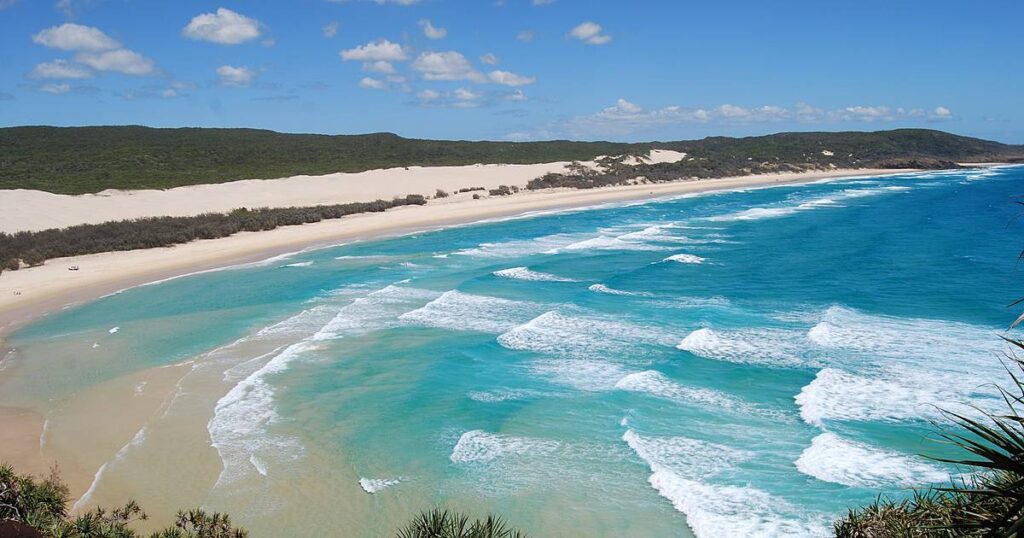
Fraser Island
Fraser Island is the largest sand island in the world, 123 km long and up to 22 km wide, lying at the end of the Great Sandy Strait. It has rainforests, sand dunes up to 240 metres tall, 100 freshwater lakes and a rich variety of wildlife, including plenty of dingoes.
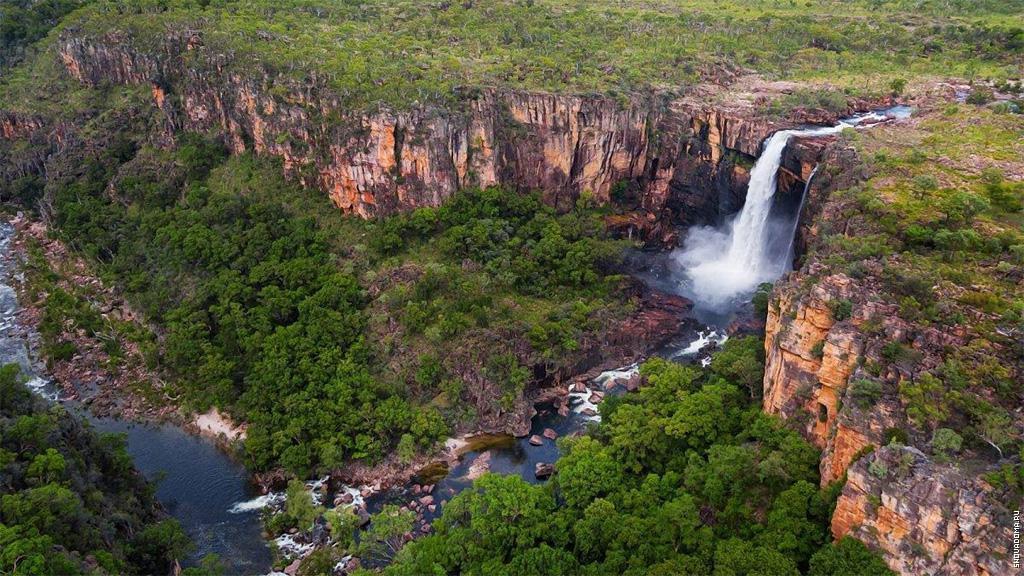
Kakadu
Kakadu is 20,000 square kilometres of tropical biodiversity, including 1,700 plant species, located 171 km southeast of Darwin. It has river floodplains, tidal flats and rugged rocky terrain. It is covered in Aboriginal rock art and, very controversially, is home to a uranium mine. Both freshwater and saltwater crocodiles live here too, so tread carefully.
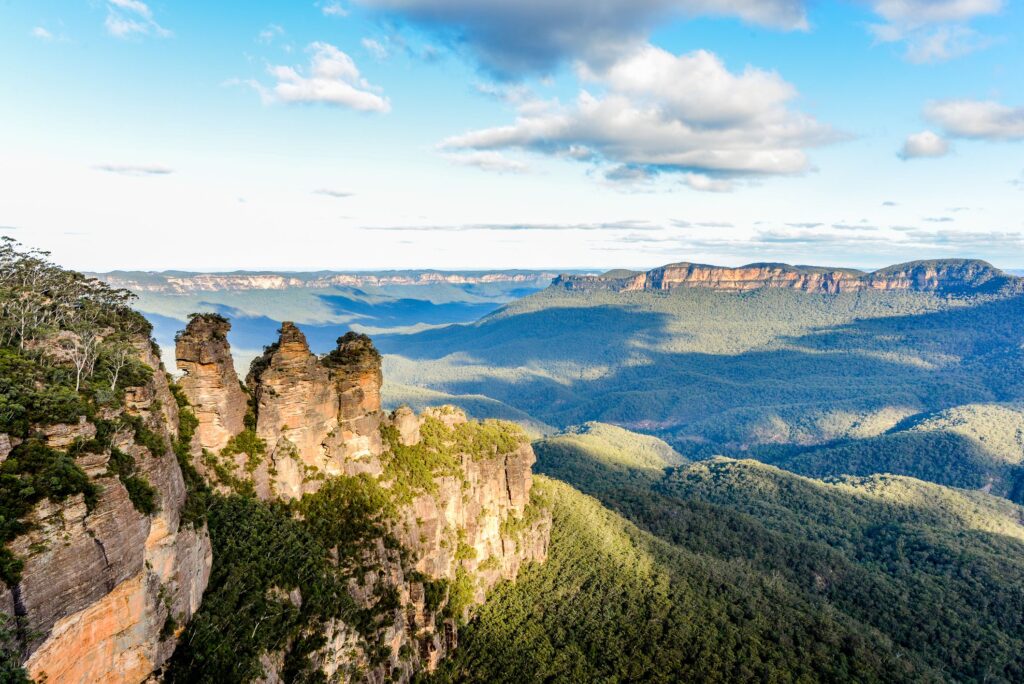
The Blue Mountains
The Blue Mountains lie a two-hour drive west of Sydney. The eucalyptus oil released by the gum trees gives the panorama its green-blue tint. From Echo Point, on the ridges of the Great Dividing Range, the limestone rock formation known as the "Three Sisters" rises from a sandstone plateau above gorges 760 metres deep. Some of the world's oldest plant species grow here, including the Wollemi pine, the botanical equivalent of a dinosaur.
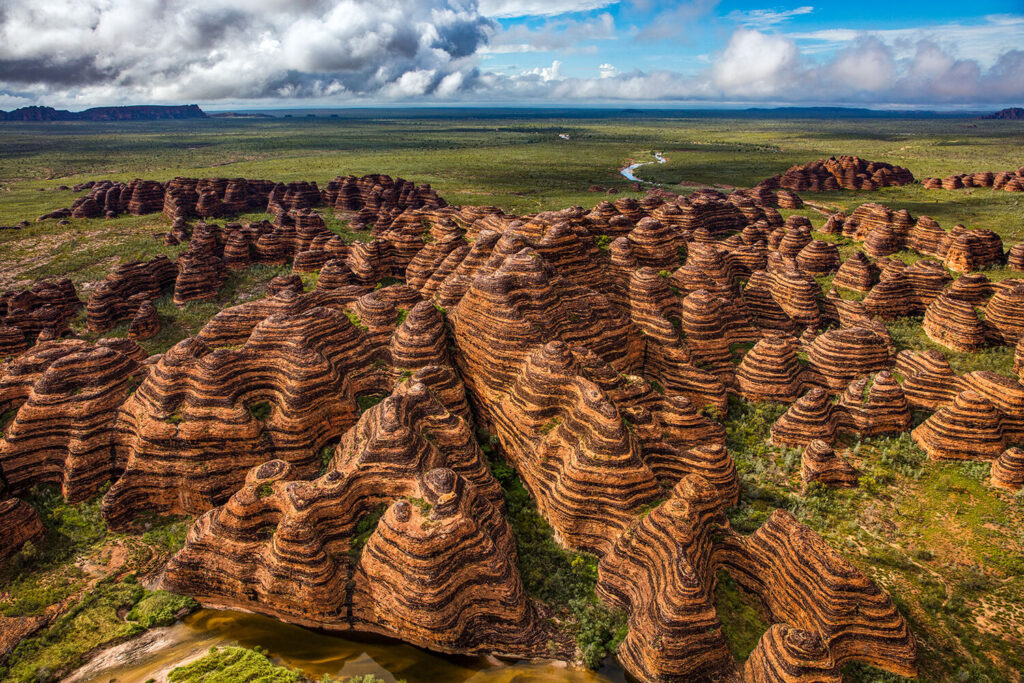
The Bungle Bungles
In the northwestern region of the continent, in Bungle Bungles/Purnululu National Park, stands a 350-million-year-old massif, a compact sandstone range that climbs to a height of 578 metres. Its gorges, tropical pools and caves are home to unique mammals and wildlife.