

On the morning of 1 January, Bulgarian children make the rounds of relatives and neighbours with a stick and whack the grown-ups on the back. The stick is a survachka, cut from cornelian cherry and decorated with popcorn, dried fruit and woollen thread, and every tap comes with a rhyme wishing health and a rich harvest. The adults then pay for the privilege in coins and sweets. So New Year in Bulgaria opens with a ritual run by children, and the best way to catch it is to be staying with Bulgarian relatives, friends or at least a family-run guesthouse.
Survakane: why it has to be cornel wood
The custom is called survakane, and 1 January in the Bulgarian calendar is also Vasilyovden, St Basil's Day. Cornelian cherry, dryan in Bulgarian, is considered the toughest and longest-lived tree, so a branch of it is meant to pass health and strength to the person it touches. Once, bands of young men called survakari went from house to house; today it is mostly children, who make their survachki with their parents the day before, often at workshops in schools and museums. The rhyme begins "Surva, surva godina", and the grown-up is expected to offer their back and then hand over a reward. Dodging the survachka is bad luck, so grin and bear it.
Banitsa with lucky notes
The centrepiece of New Year's Eve is banitsa, a pie of thin pastry layered with white cheese and eggs. Before the New Year's banitsa goes in the oven, cooks hide kasmeti, "fortunes", inside: small paper slips with wishes, wound around little cornel twigs. One person pulls out health, another travel, another love or a new job. A coin is baked into one piece, and whoever finds it is lucky all year. The banitsa is cut at midnight or just after, a slice for everyone plus one set aside for the house. In some regions people also crack walnuts: a big, full kernel promises a year without illness. For the rest of the Bulgarian table, see our guide to Bulgarian cuisine.
Sofia: a concert on Battenberg Square, no fireworks
The capital welcomes the year with a big free open-air concert, and it is held not by the Alexander Nevsky Cathedral, as is often written, but on Knyaz Alexander I Square, which locals usually call Battenberg Square, in front of the former royal palace. In recent years the concert started at around half past nine in the evening. The city has cancelled the fireworks two nights running, replacing them with a large light show, which it explains as an environmental choice. Residents still let off firecrackers, but they are banned on the square itself: there are security checkpoints at the entrances, and large backpacks and pyrotechnics are not allowed in. Last year's celebration was covered by the Bulgarian News Agency (BTA), and the city will publish the 2026/27 programme in December.
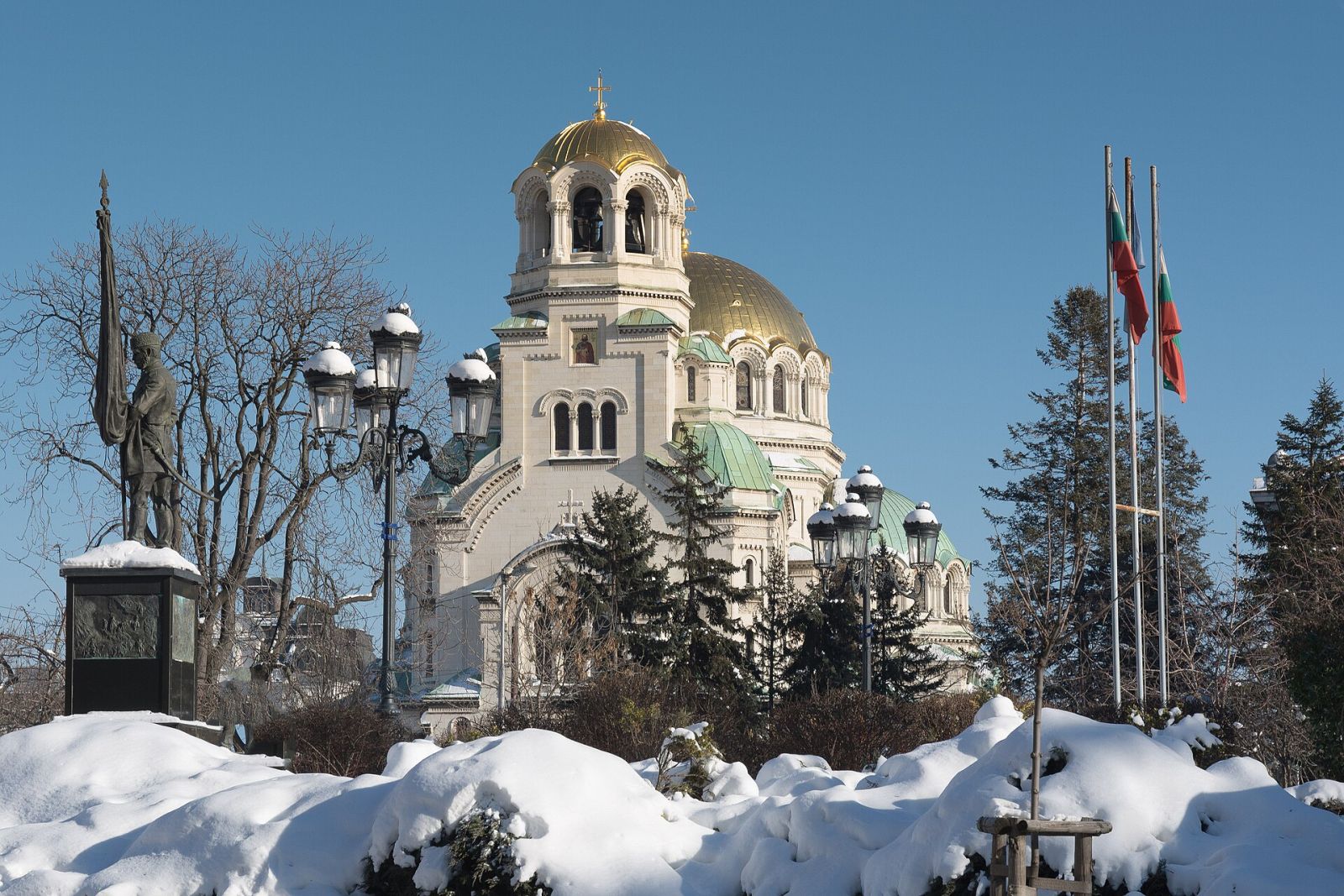
Save the Alexander Nevsky Cathedral for the morning of 1 January: the square in front is empty, the golden domes glow in the winter sun, and the city is still asleep after the night.
Plovdiv and Veliko Tarnovo: ancient backdrops
Plovdiv sees in the New Year in the city centre, and before and after midnight people stroll the Old Town and the Kapana quarter, with its bars in former craftsmen's lanes. Part of a Roman stadium lies exposed beneath the main pedestrian street, and a winter walk past it impresses even those who came for the parties.
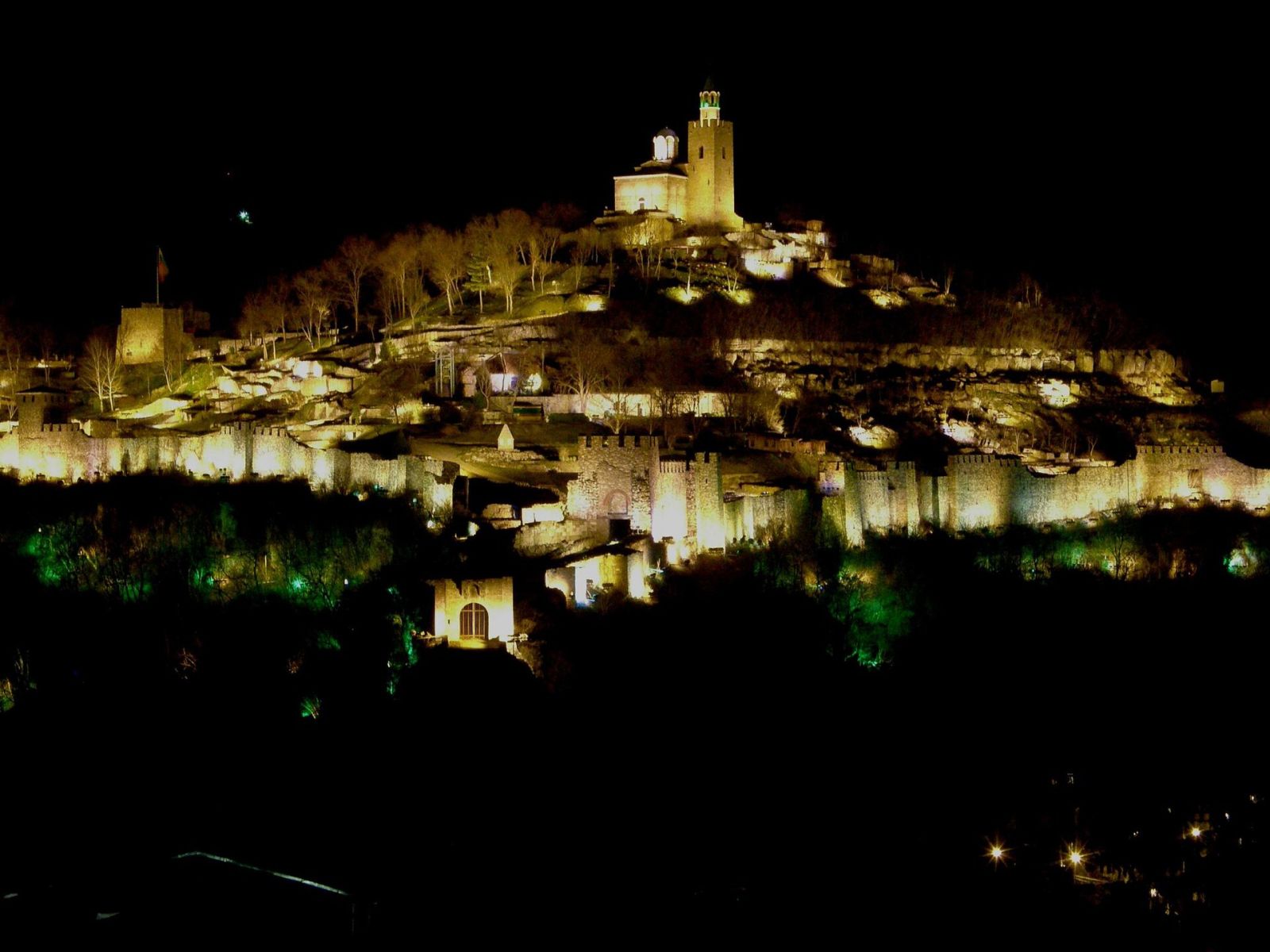
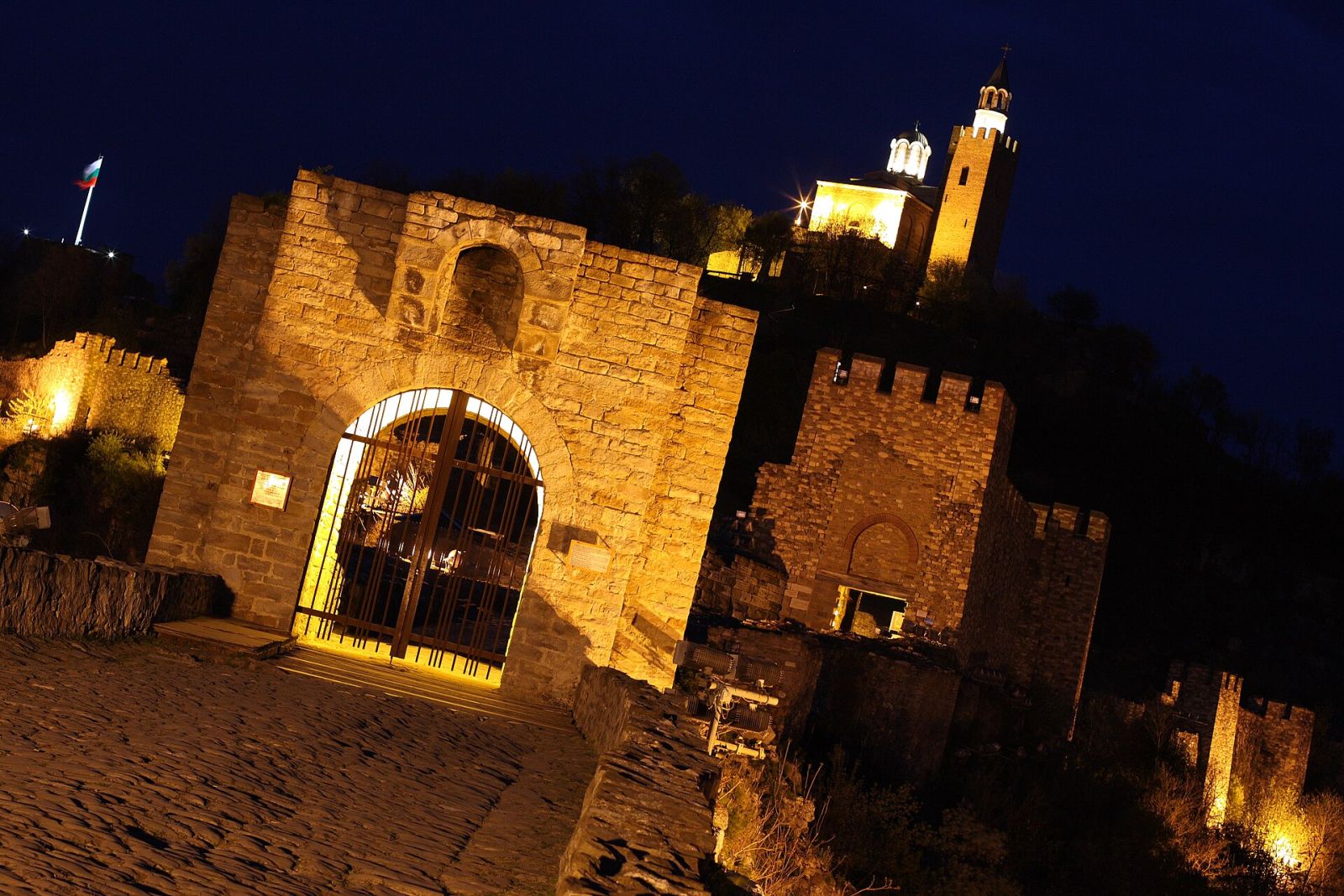
In Veliko Tarnovo, last year's New Year was welcomed outside the town hall with fireworks, dancing and banitsa with fortunes for everyone. The town's crown is the Tsarevets fortress, medieval capital of the Second Bulgarian Empire. It hosts "Sound and Light", an audiovisual show in which the walls, towers and hilltop church are lit up to music to tell the fortress's story. The show dates from 1985, and its current version from 1988. It runs in the evenings, not daily, mostly on holidays or when booked by groups, so check with the museum reserve whether there will be a performance over New Year. Last year, on 1 January, Tsarevets was open to visitors from noon to 16:00.
Bansko and Borovets: New Year on skis
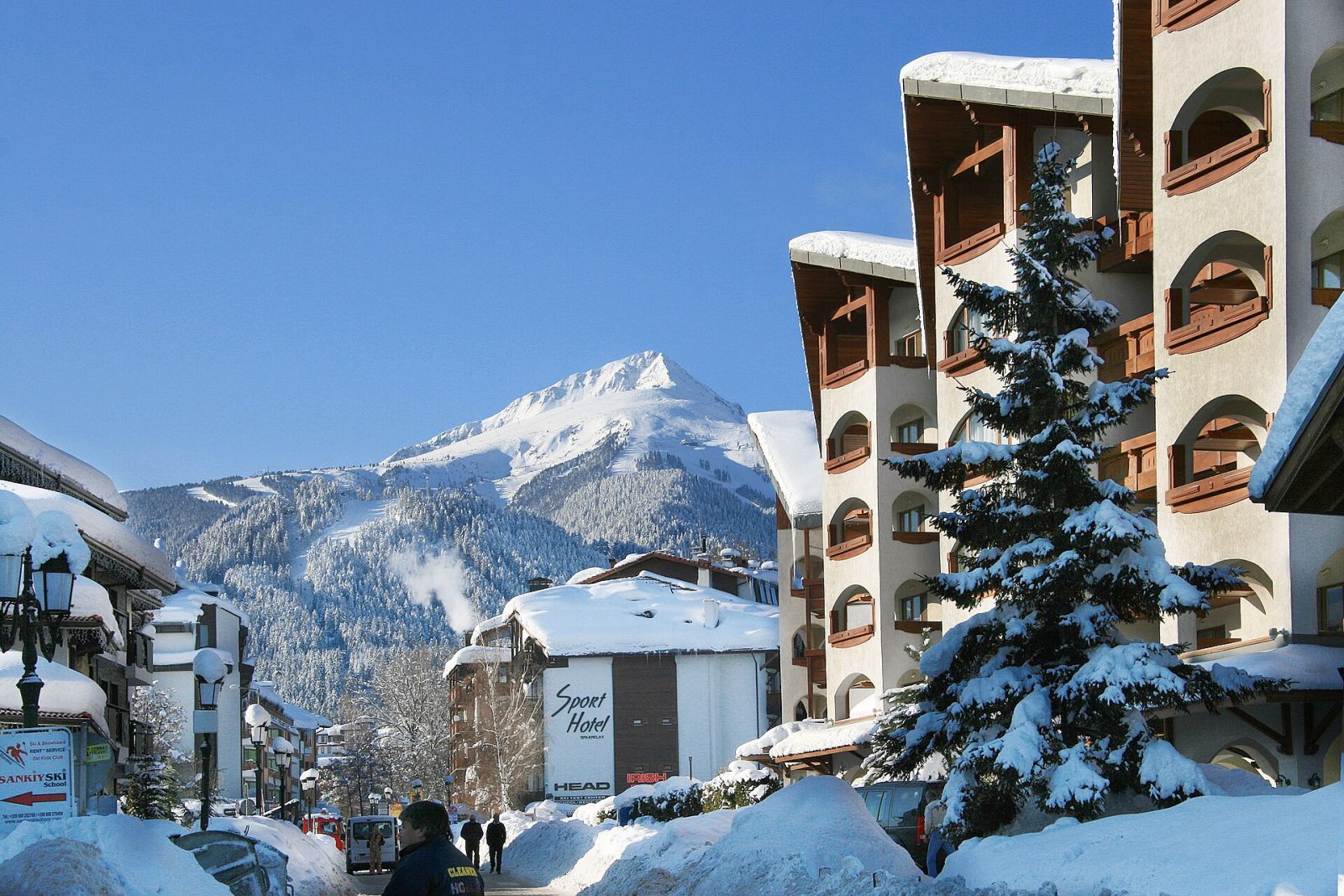
New Year week is peak season in Bansko: the highest accommodation prices and the longest morning queues for the gondola, at 30 to 50 minutes. On the other hand, the old town of stone houses and mehanas, taverns with live music, hums until dawn on New Year's night, and hotels lay on gala dinners with fireworks. Borovets is closer to Sofia and usually a little cheaper. In the 2025/26 season an adult day pass cost 59 euros in Bansko and 54 in Borovets, with six-day passes at 341 and 279 euros respectively. Resorts publish 2026/27 prices in November, and in recent years they have risen noticeably each time. The main season usually starts around Christmas, and snow for the holidays is not guaranteed.
Documents and money
Bulgaria joined the EU in 2007 and became a full Schengen member on 1 January 2025. Ukrainians with a biometric passport can enter visa-free for 90 days in any 180-day period, and on first entry register in the EES system with fingerprints and a photo. The ETIAS travel authorisation has not launched yet, and as of late October its start is not expected before 2027. The big news for visitors: since 1 January 2026 Bulgaria has used the euro, and the lev was withdrawn after a month of dual circulation. The European Commission confirms the changeover, and broader tips are in our piece on Bulgaria for travellers.
Getting there from Ukraine
Direct buses from Odesa, Kyiv and other cities run through Moldova and Romania, or via the Orlivka - Isaccea ferry across the Danube in the Izmail district. In summer 2026 the ferry was running round the clock, roughly once an hour, taking foot passengers and cars. From there the route crosses Romania to the Giurgiu - Ruse bridge or down to Varna. The alternative is to fly from Poland or Moldova to Sofia or Varna and take a bus to the mountains. Bus seats around New Year sell out early, so book them in November.
We checked these details in late October 2026. Concert programmes, ski pass prices and the ferry timetable change every season, so double-check them before you set off.
Table: New Year in Bulgaria 2026/27
| When | What | Where | Note |
|---|---|---|---|
| 31 December, Thursday evening | concert and light show instead of fireworks | Battenberg Square, Sofia | security checkpoints, no large backpacks |
| 31 December, midnight | banitsa with fortunes and a coin | homes, hotels and town squares | handed out on the square in Veliko Tarnovo last year |
| New Year's night | hotel gala dinners and fireworks | Bansko, Borovets | peak prices and queues |
| 1 January, Friday | survakane, St Basil's Day | families, villages and towns | offer your back and have coins ready |
| 1 January | walk around Tsarevets | Veliko Tarnovo | open 12:00 to 16:00 last year |
| New Year days | "Sound and Light" | Tsarevets fortress | not a daily schedule, check ahead |
| 2025/26 season | adult day pass | Bansko / Borovets | 59 / 54 euros, new prices in November |
The smartest plan combines city and mountains: see in the year in Sofia or Plovdiv, then head to Bansko on 2 or 3 January, when the gondola queues start to shrink. And if someone taps you on the back with a cornel twig on 1 January, you know what to do: smile and find a coin.