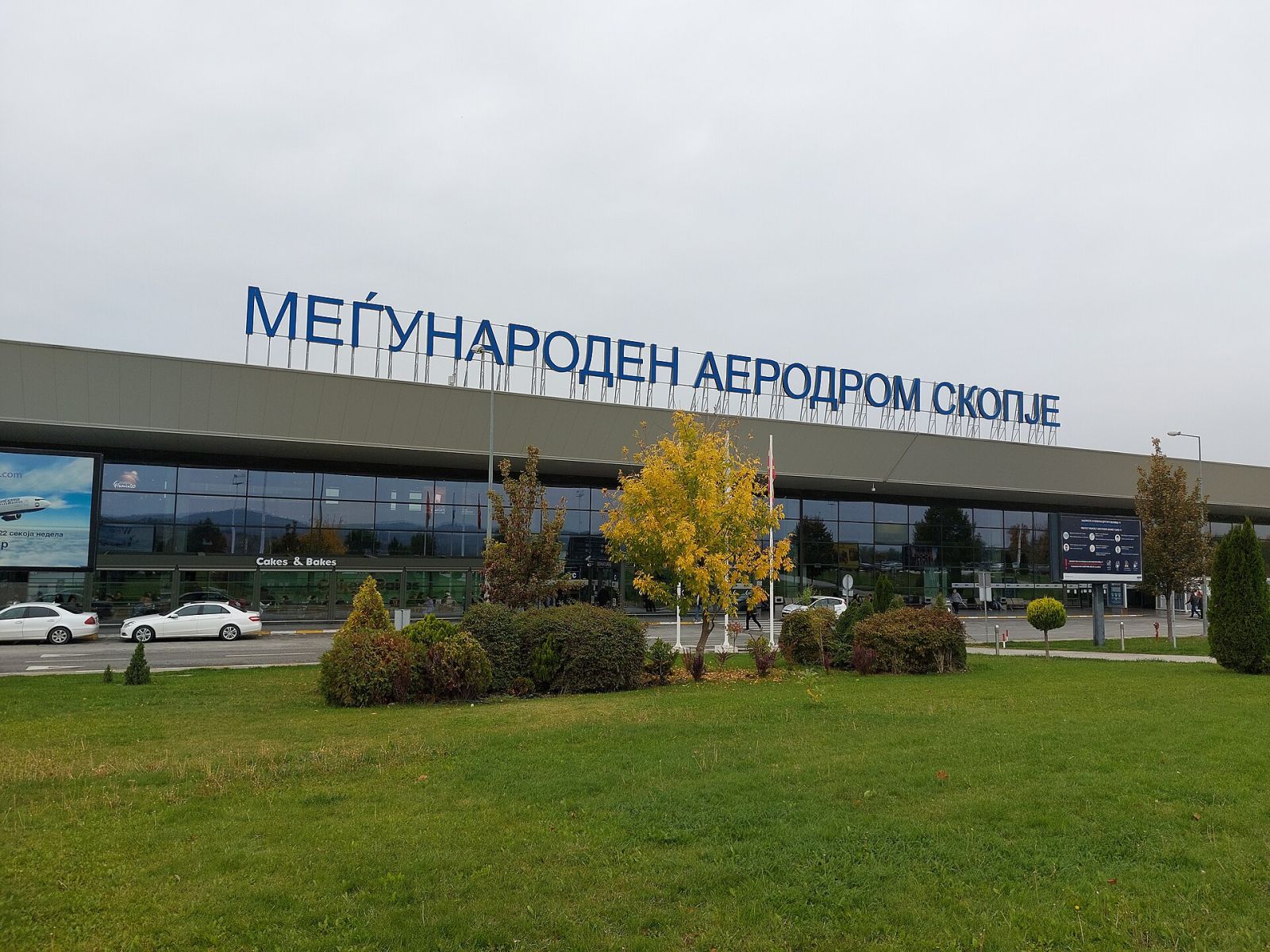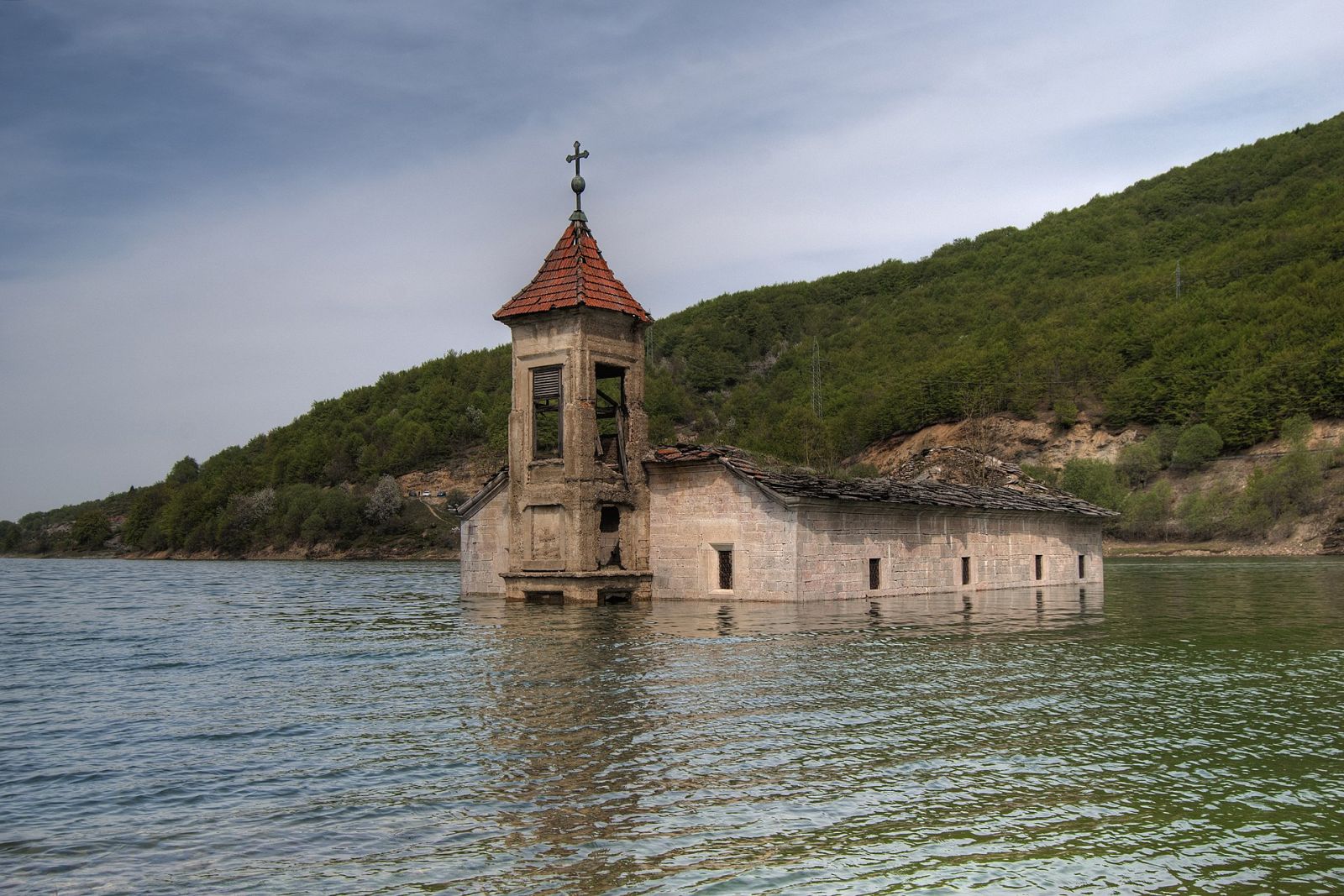


Here is the short version of any North Macedonia travel guide: visa-free entry for most visitors, prices roughly half of Western Europe, buses instead of trains, and a currency whose exchange rate has barely moved in decades. The country is small enough that no destination is more than three or four hours from Skopje.
Do you need a visa?
Citizens of the EU, the UK, the US and most other Western countries enter visa-free, typically for up to 90 days. Ukrainians also travel visa-free for up to 90 days within any 180, with a biometric passport; border officers occasionally ask for proof of accommodation or a return ticket. Rules get tweaked from time to time, so verify current entry requirements with your foreign ministry before flying (Ukrainian travelers can check the MFA of Ukraine). One detail worth underlining: North Macedonia is in neither Schengen nor the EU, so days spent here do not count against your Schengen limit. Plenty of long-term travelers use the Balkans exactly this way, waiting out their 90-day Schengen windows.
How to get there?
Three realistic routes into the country:
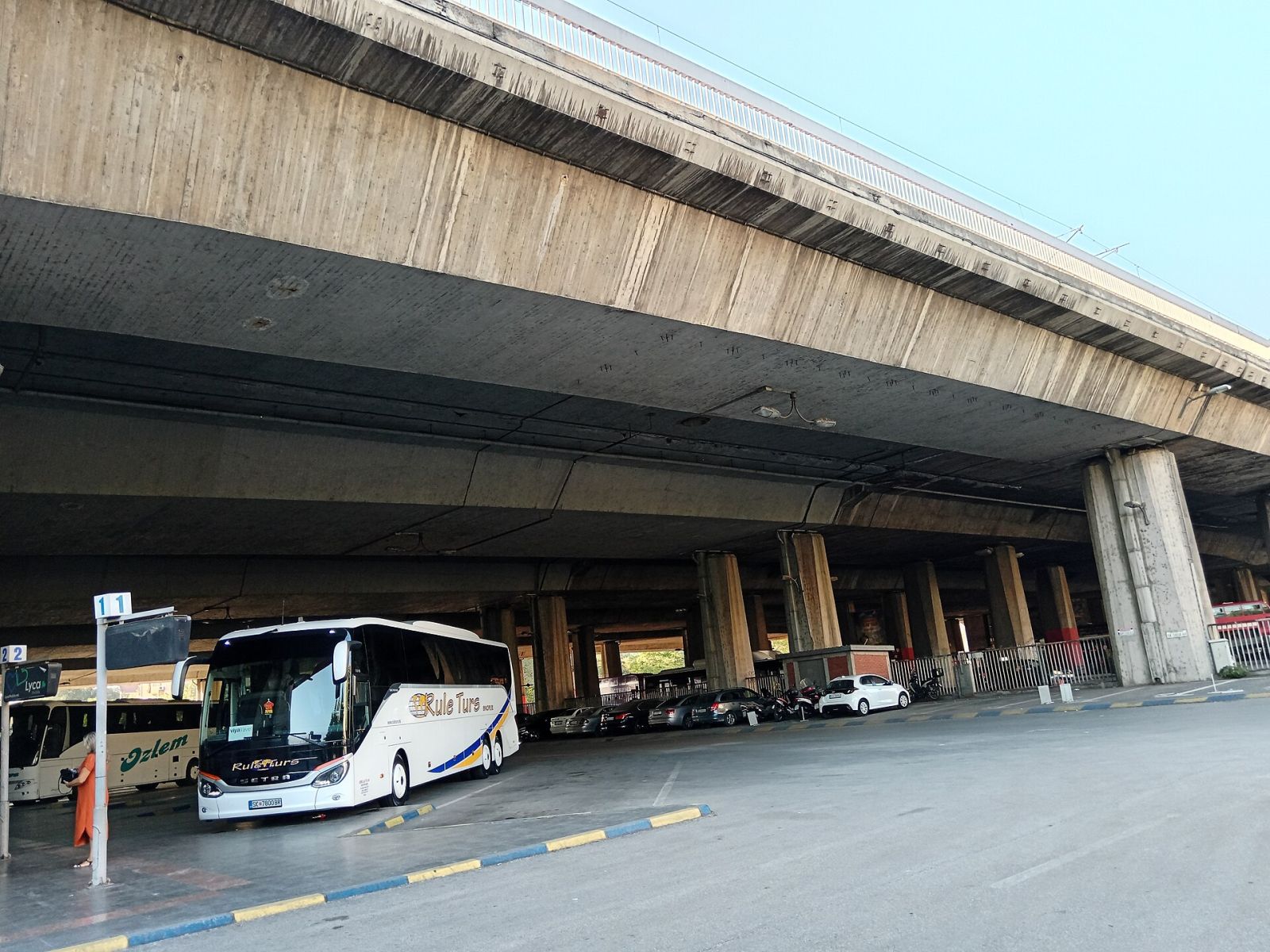
- Fly to Skopje: low-cost carriers connect the capital with Vienna, Budapest, Krakow, Milan and a dozen other European cities. The airport sits 20 km from the center, with a shuttle bus and fixed-fare taxis.
- Via Sofia: the Bulgarian capital has a wider flight network, and buses run from there to Skopje in about five to six hours including the border.
- Overland through the Balkans: slow but scenic; routes run through Belgrade, from where Skopje is another six to seven hours by bus.
For travelers coming from Ukraine, where airports remain closed, the standard combination is a bus or train to Krakow or Budapest and a budget flight onward to Skopje.
The denar: what about money?
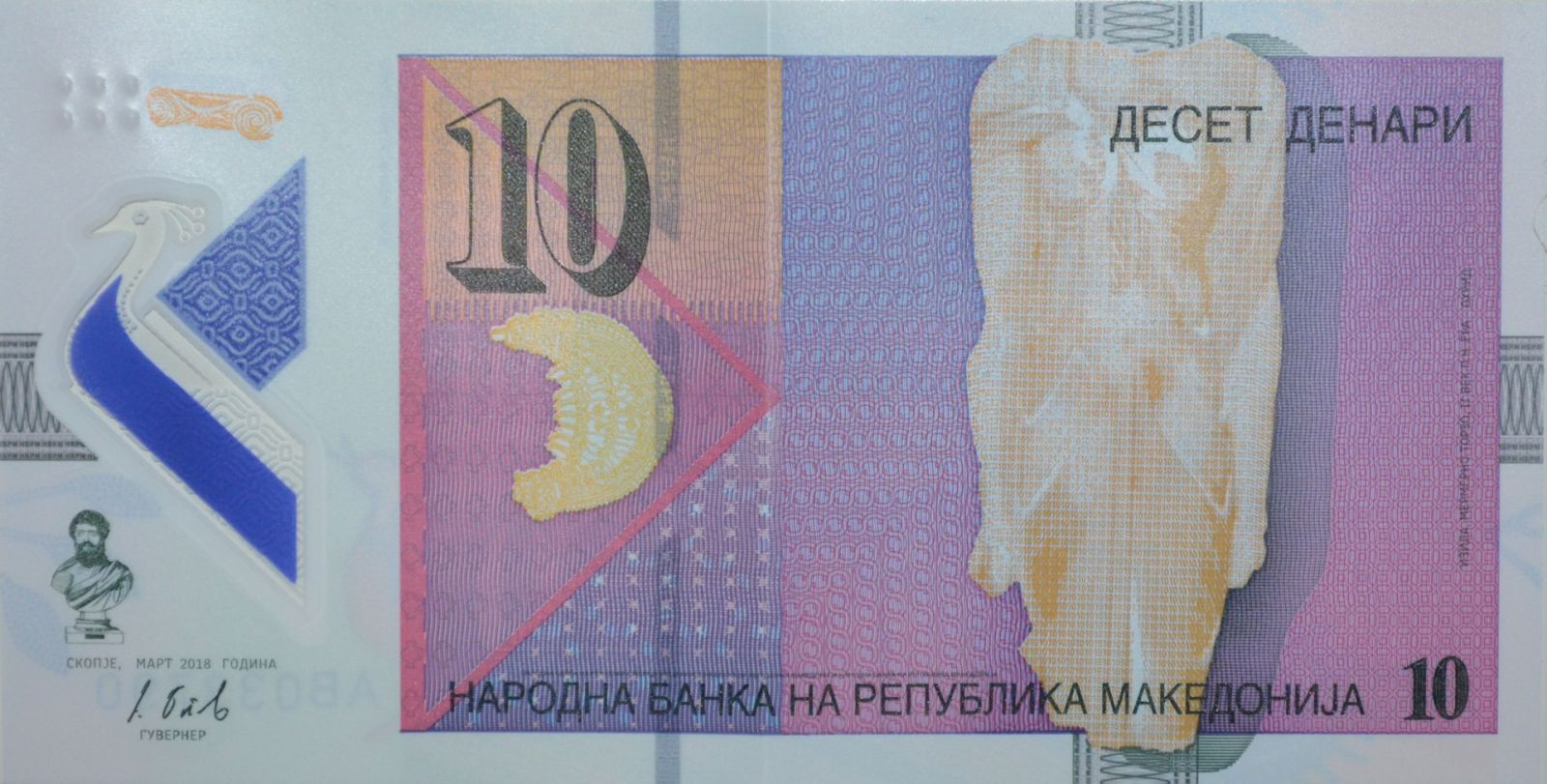
The currency is the Macedonian denar (MKD). It has been effectively pegged to the euro for decades and hovers around 61-62 denars per euro, which makes mental math easy: one hundred denars is roughly a euro and a half. A few working rules:
- Bring euros in cash: exchange offices are everywhere, rates are fair and commissions are rare.
- Cards work in supermarkets, hotels and most city restaurants, but bazaars, taxis, museum ticket desks and village taverns run on cash.
- ATMs dispense denars with your bank's usual foreign fees: check your card's terms in advance.
- Tipping: round up the bill or leave about a tenth; there is no rigid custom.
Getting around the country
The railway exists mostly on paper: trains are few, slow and of little use to a visitor. The country moves by bus, and the system works well.
| Route | Travel time | Approximate fare |
|---|---|---|
| Skopje - Ohrid | 3-3.5 h | 500-700 denars |
| Skopje - Bitola | 2.5-3 h | 400-600 denars |
| Ohrid - Bitola | 1.5 h | 300-400 denars |
| Skopje - Matka (city bus) | 40-50 min | under 100 denars |
Buy tickets at the bus station; in high season book the Ohrid route ahead, since Friday and Sunday buses fill up. Between smaller towns, private "kombi" minivans run as well: their timetables are loose, but they go more often and stop on request. Taxis are cheap by European standards, but agree on a price or insist on the meter before you get in. Renting a car makes sense if you want Mavrovo, the Tikves wineries and mountain villages: roads are decent, traffic is calm, and an international driving permit is formally recommended.
When to go: Ohrid in summer or in September?
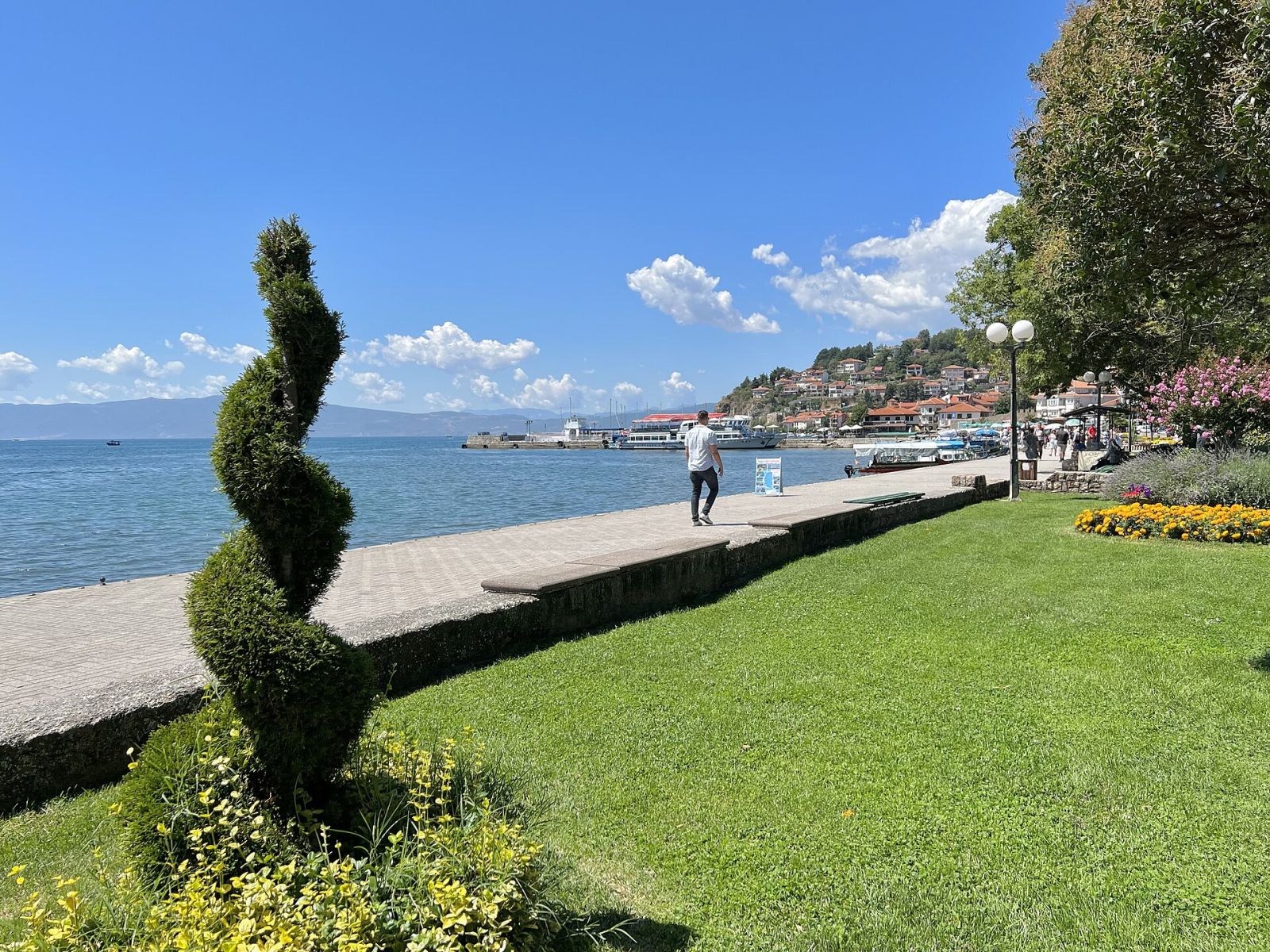
This is the main planning fork. July and August: lake water at 24-26 C, full beach life, festivals, but also packed promenades, pricier rooms and heat that pushes past 35 C in Skopje. September is a different country. The water holds 20-22 C until mid-month, the crowds are gone, apartment prices drop by about a third, and the light turns soft and golden. If your trip is about the town, the lake and the mountains together rather than pure beach time, September wins by a wide margin. May and June are also lovely, just with cooler water. Winter suits Skopje city breaks and skiing in Mavrovo; Ohrid at that time is half-empty and melancholic.
How safe is it?
North Macedonia is a calm country with low street crime, and the tourist towns feel safe by day and by night. Standard precautions still apply: pickpocketing happens in the crowds of Skopje's bazaar, so keep your phone and wallet close. A few more grounded tips:
- Tap water in Skopje and Ohrid is drinkable; locals drink it without a second thought.
- The emergency number is 112, same as across Europe.
- Travel insurance is a must: public hospitals treat tourists, but private clinics are faster and an uninsured bill is yours to pay.
- Stray dogs appear on the edges of towns and are usually placid: do not feed them, just walk on.
- Earthquakes are a historical topic here (Skopje was devastated in 1963), not a factor in trip planning.
Connectivity and language
North Macedonia is outside the EU, so European roaming packages do not apply here and foreign roaming rates bite. The simple fix is a local prepaid SIM from one of the national operators, issued against your passport in a shop within minutes, with tourist bundles of tens of gigabytes for a few euro. For a short trip an eSIM bought online before departure is even easier. Wi-Fi is standard in practically every cafe and hotel.
The language is Macedonian, written in Cyrillic; travelers from Slavic countries read signs and menus without a dictionary, and Ukrainians in particular recognize half of the everyday phrases by ear. Younger people in tourist areas speak English, the older generation happily improvises in a mix of Slavic languages, and communication almost always works out. In the west of the country, in Struga and parts of the Ohrid shoreline, Albanian is spoken alongside.
How much money to budget?
A rough daily budget per person, transport to the country excluded: a frugal setup with a hostel or cheap apartment, bakery food, kafana dinners and buses fits into about 30-40 euro. A comfortable level with a good lakeside apartment, restaurants and taxis runs 60-80 euro. Luxury in the Western sense barely exists, and that is arguably a feature: even Ohrid's best hotels cost what mid-range ones do in Italy. Prices shift, so check current figures before you travel, but the conclusion holds steady: for any North Macedonia travel plan, this remains one of Europe's most affordable countries, trading modest money for a UNESCO lake, mountains and a table you will not want to leave.